Posts By :

Relatyv

Relatyv - Defining the Different Endometriosis Stages

Defining the Different Endometriosis Stages

Defining the Different Endometriosis Stages 2000 1333 Relatyv

Did you know that endometriosis is a condition that affects around 11% of American women between the ages of 15-44? This complex medical condition involves the abnormal growth of endometrial tissue outside the uterus lining, which leads to distressing symptoms for those affected.

Endometriosis is a varied condition that develops through stages, with each stage presenting distinct characteristics and challenges. These stages range from minimal (Stage 1) to severe (Stage 4), based on the extent of invasive endometrial tissue growth.

In this article, we will discuss the complexities of endometriosis, its diverse forms, and the stages through which it can progress. By gaining a deeper understanding of these concepts, an effective management strategy can be tailored to your individual needs for lasting relief from endometriosis-related pain. 

We’ll explore the conventional treatment options typically prescribed, encompassing pharmaceuticals, hormonal control medications, and surgical interventions. Furthermore, we’ll introduce Relatyv’s innovative Neurofunctional Pain Management techniques, which can help women struggling with endometriosis find relief across all forms and stages without requiring drugs or surgery.

Our goal is to provide you with helpful insights so you can better understand your symptoms and know how to choose the treatment options right for you and your lifestyle. Let’s start with defining the different types of endometriosis. 

Types Of Endometriosis

Endometriosis is a multifaceted condition that evolves not only in stages but also in diverse forms. Exploring these forms highlights the condition’s intricate nature that can display varying symptoms and impact each person uniquely. Here are the most prevalent types of endometriosis, each with its distinct characteristics and implications:

Peritoneal Endometriosis

Peritoneal endometriosis is the most frequently encountered, where the abnormal endometrial tissue begins to invade the peritoneum, the lining of the abdominal wall. This type of endometriosis causes inflammation and adhesions throughout the thin peritoneal membrane, leading to chronic pelvic pain, painful intercourse, as well as intensified menstrual cramping and bleeding. 

Abdominal Endometriosis

Abdominal endometriosis describes cases where the invasive endometrial tissue begins to grow outside of the peritoneal cavity and through the abdominal wall. This can occur of its own accord, or it can develop due to surgeries like hysterectomies or C-sections, where the endometrial cells adhere to the incision sites. This type of endometriosis leads to symptoms of abdominal tenderness, a notable lump or mass across the affected area, and significant pelvic pain, especially during menstruation.

Ovarian Endometriomas

Ovarian endometriomas, also known as chocolate cysts, get their name from the presence of distinctively dark fluid-filled cysts that form on the surface of the ovaries. In more severe cases, they may invade deep within the ovarian tissue. These cysts can cause significant pelvic pain as well as hinder ovarian function, potentially impacting fertility. It is believed that ovarian endometriomas can lead to endometriosis spreading further into the abdomen. Additionally, although it is rare, these cysts may increase the risk of ovarian cancer development. 

Deep Infiltrating Endometriosis

Deep infiltrating endometriosis describes the abnormal growth of tissue that invades abdominal organs near the uterus, such as the bowel and bladder. This intrusive tissue can be found deep within the layers of the affected organs, leading to severe, persistent pain, bowel and urinary symptoms, and ongoing challenges with fertility and menstrual cycle regularity.

Diffuse Endometriosis

When invasive endometrial tissue begins to spread across a number of organs, it is described as diffuse endometriosis. This indicates a highly advanced stage of the condition, which can cause a multitude of uncomfortable symptoms, such as chronic pain that is difficult to manage, fertility challenges, hormonal imbalances, and a heightened inflammatory response within the body.

These are among the primary types of endometriosis. However, it is important to acknowledge that many other variations exist, all causing impactful symptoms with individual experiences. Let’s now discuss how endometriosis originates before we explore its distinct stages. 

How Does Endometriosis Develop?

Having a deep understanding of how endometriosis develops helps us to comprehend the complexity of its uncomfortable symptoms. As we now know, endometriosis occurs when there is an abnormal growth of endometrial tissue (uterine lining) outside of the uterus, where it begins to infiltrate various abdominal organs and structures. But what exactly causes the pain?

Endometriosis, whether minimal or severe, triggers pain due to the tissue’s normal response to the hormonal changes of the menstrual cycle. The tissue will inflame, shed, and bleed, just as it would if it were still in the uterus. However, when this happens outside of its natural environment, it causes inflammation, scarring, cysts lesions, and adhesions to its surrounding tissues and structures. This entire process gives rise to the distressing symptoms of endometriosis, such as severe cramps, heavy periods, digestive issues, infertility and other fertility challenges, and pain during or after intercourse.

It is evident that endometriosis can have a profound impact on a sufferer’s quality of life. 

Why Some Cases Are More Severe Than Others

The characteristics of endometriosis will vary among individuals, and its severity depends on factors such as the extent and depth of infiltration, its location, hormonal influences, and individual responses. 

Furthermore, while an increase in symptom severity doesn’t always indicate advanced endometriosis, it does increase the likelihood of worsening or additional symptoms if there is deeper tissue infiltration, especially involving organs like the bowel, bladder, or ovaries. Individual factors such as age and hormonal fluctuations can also increase the severity of symptoms.

Does It Get Better Or Worse Over Time?

If endometriosis is left untreated, there is an increased risk that it will progressively worsen. This can lead to further or deeper tissue infiltration and scar tissue formation caused by inflammation and damage to surrounding tissues. Over time, this can result in the gradual worsening of symptoms. 

Receiving early intervention and effective symptom management for endometriosis can reduce the risk of worsening discomfort and potentially improve the overall progression of the condition. Exploring appropriate treatments can offer individuals strategies to prevent symptoms from progressing and increase quality of life.

Recognizing the wide spectrum of disease progression, symptoms, and individual experiences, it’s crucial to acknowledge all of the potential challenges and intricacies associated with this condition. Now that we have a solid understanding of how it develops and its impact, we will explain the different stages and classifications of endometriosis. 

The Different Stages Of Endometriosis

Exploring how endometriosis is classified can help you better understand your condition’s severity. Here we’ll explain the stages and distinct characteristics of endometriosis at each stage. Although endometriosis has no cure, we will explore the conventional treatments currently recommended to manage the painful symptoms and potentially prevent the condition from worsening. 

Stage 1: Minimal Endometriosis

A Stage 1 classification of endometriosis indicates a mild case that shows minimal signs of endometrial tissue growth outside of the uterus. The peritoneum may show signs of infiltration with small endometrial implants, wounds, or lesions. It’s possible that in minimal endometriosis there are signs of the abdominal or pelvic tissue being affected with very little or no scar tissue.

Symptoms

Symptoms are typically mild, though they can still cause concern. They may include pelvic discomfort or a minor increase in pain during menstruation or intercourse.

Recommended Treatment Options

At this stage of endometriosis, it is usually recommended that you observe symptoms and schedule regular check-ins with your healthcare provider. Over-the-counter pain medications like ibuprofen or naproxen may be recommended to help provide short-term relief from discomfort.

Stage 2: Mild Endometriosis

Stage 2 entails more extensive abnormal tissue growth compared to minimal endometriosis. At this stage, the endometriosis is more established, with deeper implants, and there may be scar tissue present. It is likely that the ovaries have become affected, causing painful chocolate cysts. 

Symptoms

Pain may become more intense than seen at Stage 1. It can begin impacting daily life and potentially causing discomfort during bowel movements and urination. Additionally, if the ovaries have become infiltrated, there may be fertility complications. 

Recommended Treatment Options

Depending on your symptoms, a doctor may recommend hormonal medications alongside over-the-counter medications. These include birth control pills that minimize or completely stop your menstrual cycle, which reduces bleeding, inflammation, and painful cramping. Additionally, complementary therapies such as acupuncture and pelvic floor physiotherapy, and complementary medicines may be recommended to relieve painful symptoms and support hormonal health. 

Stage 3: Moderate Endometriosis

A classification of Stage 3, or moderate endometriosis, is given when there are multiple deep tissue infiltrations. One or more pelvic organs may be affected, such as the fallopian tubes, uterus, bladder, and bowel, causing cysts and scar tissue to develop. 

Symptoms 

Symptoms are more pronounced and are likely to become persistent, including severe (chronic) pelvic pain, dysfunction of the affected organs, decreased ovarian function, and potential fertility complications. 

Recommended Treatment Options

Alongside the previously mentioned treatments, for Stage 3 endometriosis, hormonal birth control via an intrauterine device (IUD) may be recommended as a more convenient approach. It can help manage hormonal fluctuations, as well as the pain and bleeding associated with menstrual cycles. However, it is important to note that this option is not a long-lasting solution for severe endometriosis-related pain. 

Stage 4: Severe Endometriosis

This is the most advanced and severe stage of endometriosis. Stage 4 involves widespread tissue growth with numerous deep implants that have caused dense scar tissue. Large cysts can be seen on the ovaries, along with many significant adhesions across the pelvic organs. 

Symptoms

Symptoms can be severe and debilitating, affecting an individual’s overall health and well-being. Scar tissues and adhesions can cause chronic pain and have implications on fertility. There may be instances where severe abdominal complications occur, such as a “frozen pelvis”, where multiple organs become fused together due to adhesions. 

Recommended Treatment Options

For Stage 4 endometriosis, treatments revolve around improving quality of life, preventing further organ dysfunction, and enhancing fertility. Surgical laparoscopy is usually necessary to remove extensive tissue growth, cysts, and adhesions. In some cases, a specialist may recommend drainage of cysts to alleviate symptoms and improve ovarian function. 

By gaining these insights into the different stages of endometriosis and the available treatment options, you can make more informed decisions about managing your condition and seeking appropriate care that suits your individual needs.

How Do I Know Which Stage I Am In?

Pain is an individual experience, and it’s important to note that the severity of your symptoms is not directly linked to what stage you are in. Someone experiencing severe pain and discomfort may have endometriosis at Stages 1 or 2, and conversely, someone with more advanced endometriosis may show milder symptoms.

To accurately diagnose endometriosis, a surgical laparoscopy is required to visually assess the extent of endometrial tissue growth. This surgical procedure allows for a more comprehensive evaluation, which can include the removal of cysts or adhesions if found. For a laparoscopy to be performed, general anesthesia is required, which involves potential risks associated with the use of anesthesia medications and the risks of the surgical procedure itself.

Finding An Effective Pain Management Solution For Endometriosis With Relatyv

For women struggling with the persistent pain of endometriosis, discovering enduring relief and finding an improvement in quality of life are big priorities. At Relatyv, we are dedicated to offering pain management solutions that go beyond pharmaceuticals and surgical procedures, using the fundamentals of Neurofunctional Pain Management (NFPM). Our protocol encompasses a whole-person-centered approach that utilizes the following fundamental modalities of NFPM:

Electroanalgesia

Electroanalgesia is a non-invasive therapy that involves high-pulse electrical stimulation, targeting the intricate connections between pain, the nervous system, and the brain. Pain signals are intercepted at the nerve’s source, providing cellular-level pain relief. By diminishing pain-stimulating signals, electroanalgesia interrupts the cycle of inflammation that leads to pain, ultimately reducing overall levels of inflammation. Most importantly, lasting relief can be achieved as this therapy eliminates pain, triggers the natural release of endorphins, and promotes overall comfort.

IV Therapy 

Specialized hydration intravenous therapy (IV therapy) is another essential component of our approach. This therapy restores essential nutrients and electrolytes directly through the bloodstream. This targeted approach can create a supportive environment for the body to heal, promoting optimal organ function and reducing inflammation. IV therapy is tailored to your individual needs, addressing specific deficiencies that lead to the reduction of symptoms associated with endometriosis.

Lifestyle Counseling

At Relatyv, we foster an approach to pain management that encompasses the whole person. We understand that pain goes beyond physical sensations and interventions, where it also incorporates aspects of your mental health and overall sense of well-being. Our comprehensive lifestyle counseling is a program that educates and supports patients to make informed decisions that enhance their quality of life. We help you embrace lifestyle changes that lead to sustained improvements in your comfort and reduction of endometriosis symptoms. 

The Relatyv protocol combining electroanalgesia, IV therapy, and lifestyle counseling is an innovative approach that helps patients find relief from endometriosis pain and restores their overall health. Our goal is to improve your overall quality of life, providing you with enduring relief from the challenges and discomforts that come with endometriosis. 

Early Awareness Is The Key To Effective Treatment

When it comes to endometriosis, having an understanding of the stages, forms, and complexities of this condition is crucial. Although painful symptoms are individual, they should not be ignored, and recognizing their potential causes is the first step toward achieving relief. 

By addressing symptoms promptly and seeking professional guidance, you can find solutions that better manage the painful symptoms of endometriosis. Through exploring innovative approaches like Neurofunctional Pain Management, you can find long-lasting relief and improve your overall quality of life. 

Remember, the path to lasting relief begins with early awareness, understanding your condition, and taking proactive steps. Relatyv is here to support you every step of the way, offering personalized strategies and compassionate care to help you regain control of your well-being and embrace a life free from the constraints of endometriosis-related pain.

Different Chronic Fatigue Syndrome Treatments

Different Chronic Fatigue Syndrome Treatments 1000 667 Relatyv


Feeling low on energy after strenuous physical activity or following an intense week at work is something we all experience. But when the tiredness and weakness become persistent or don’t improve with rest, it is important not to overlook your symptoms. 

Over time, chronic fatigue can compromise your productivity, social life, and ability to live independently. However, there is no need to just surrender to fatigue: there are many treatment options available that can help you boost your energy levels and return to your true self. 

In this guide, we’ll explore how the innovative whole-person treatment program pioneered by Relatyv, Neurofunctional Pain Management, can help you defeat chronic fatigue without medications, chiropractic therapies, or invasive procedures. Let’s dive in. 

What Is Chronic Fatigue Syndrome (CFS)?

Chronic fatigue – officially known as myalgic encephalomyelitis/chronic fatigue syndrome (ME/CFS) – is a chronic disorder that causes a persistent state of fatigue for at least six months. 

If you have CFS, rest and sleep won’t help your symptoms, which will continue to grow in intensity and severity over time, ultimately getting in the way of your professional and personal lives. 

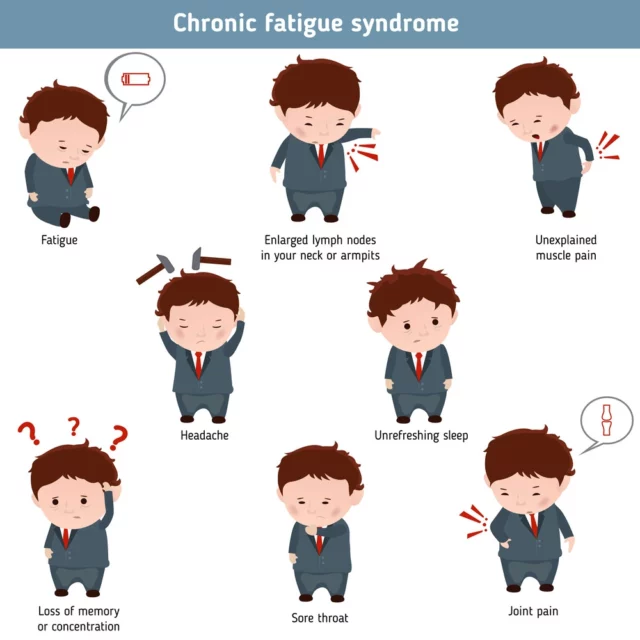
Some of the common symptoms of CFS include:


  • Severe fatigue that develops suddenly and lasts for a long period of time
  • Headaches 
  • Brain fog and difficulty concentrating
  • Problems with memory
  • Mood swings
  • Low-grade fever and chills
  • Sore throat
  • Swollen lymph nodes in the armpits or neck
  • Muscle and joint aches 
  • Sleep problems (e.g. waking up multiple times during the night and struggling to fall asleep again)
  • Feeling that you can’t get enough sleep, even if you have slept enough
  • Feeling dizzy or light-headed when switching from sitting to an upright position

These symptoms tend to get worse after spending a long time on your feet, or the day after intense physical activity. This is a complication of CFS known as post-exertional malaise.

The causes of chronic fatigue syndrome are unknown. However, new studies have found links between this condition and certain anomalies, such as:

  • Alterations in the immune system
  • Dysfunctions that affect the body’s ability to break down nutrients (e.g. fats and proteins) and transform them into energy sources such as sugars and acids
  • Temporary or permanent changes in the waves of electrical activity in the brain
  • Anomalies in the structure of some genes and alterations in how these genes act within the cells
  • Exposure to certain viruses and bacteria that cause infections, like the Epstein-Barr virus, Lyme disease, and Q fever
  • Experiencing major health events such as emotional trauma, surgery, injury, or severe distress
  • Hormonal imbalances that lead to low levels of cortisol (the stress hormone) and serotonin (the happy hormone)


While the root cause of chronic fatigue syndrome isn’t clearly determined, some factors have been seen to increase the risk of developing this disorder. These risk factors include:  

  • Being female (women are four times more likely than men to suffer from CFS)
  • Extreme stress and anxiety
  • Poor eating habits
  • Mental health conditions such as depression and obsessive-compulsive disorder
  • Experiencing flu-like symptoms or allergies
  • Genetics
  • Environmental factors


Currently, between 0.4% and 2.5% of the general population has been diagnosed with chronic fatigue syndrome, and these rates are steadily growing. However, it is estimated that the actual number of Americans battling CFS is much higher, sitting somewhere between 836,000 to 2.5 million – 90% of whom have not yet been diagnosed. 

Conditions That May Share Symptoms With CFS

One of the aspects that make chronic fatigue syndrome so hard to diagnose is that its symptoms tend to overlap those of several other diseases. Below, we’ll look at the conditions that also cause long-lasting tiredness, weakness, nausea, dizziness, and prolonged low levels of energy. 

Fibromyalgia

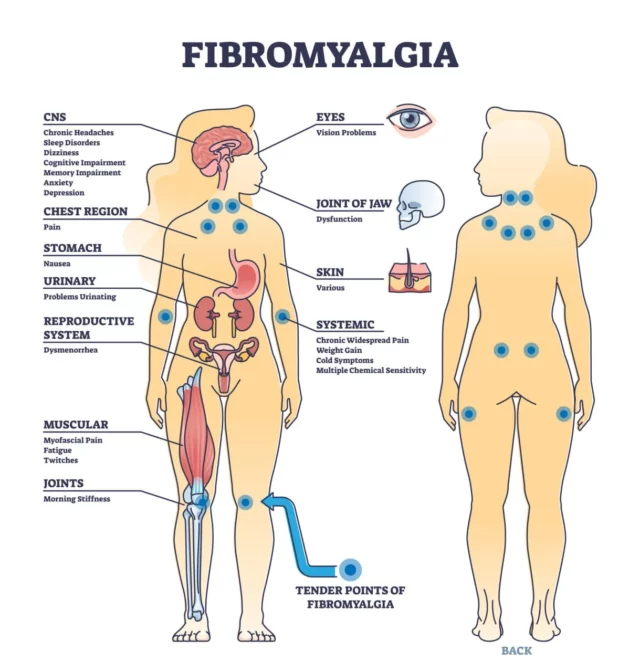
Affecting over four million people in America alone, fibromyalgia is a common condition that causes widespread musculoskeletal pain, distress, and muscle weakness. The constant pain and extreme sensitivity to touch also lead people with fibromyalgia to experience symptoms such as sleep disturbances, long-lasting fatigue, and impaired cognitive abilities. 


The root causes of this condition are not well understood. However, new studies have highlighted that fibromyalgia may stem from dysfunctions of the immune system or of the central nervous system, which makes people more sensitive to pain. Additionally, similarities with certain autoimmune disorders may be opening up new pathways to better understand fibromyalgia. 

Irritable Bowel Syndrome

Irritable bowel syndrome – or IBS – is a disorder that affects the part of the digestive system that involves the stomach and intestine. This is known as the gastrointestinal tract, and it plays a major role in enabling the digestion process. 

As a form of functional gastrointestinal disorder, IBS occurs when there are anomalies in the gut-brain axis, i.e. the channel of communication between the central nervous system and the digestive system. When this happens, you may experience a range of symptoms associated with dysfunctions in the digestive process, including bloating, vomiting, diarrhea, constipation, and changes in bowel movements. 

These symptoms tend to last between a few days and a few weeks, and, over time, they can impact your body’s ability to obtain essential nutrients from food. The lack of vitamins and minerals, coupled with the dehydration derived from recurring diarrhea, can cause severe complications such as fatigue, muscle weakness, dizziness, and low levels of energy.

Major Depressive Disorder

Clinical depression – or major depressive disorder – is a psychological disorder that impacts the mood, as well as how you feel or behave. It causes persistent feelings of sadness, hopelessness, and emptiness, as well as anger, frustration, irritability, and loss of interest and pleasure in activities. 

The emotional disturbances caused by clinical depression can cause a whole host of severe complications, including physical problems, difficulty living independently, and suicidal thoughts. People with depression can also experience severe sleep disturbances and sleep disorders like insomnia, as well as impaired cognitive function and memory problems. 

The combination of all of these symptoms can also cause people with depression to experience persistent fatigue, tiredness, and weakness. Currently, it is estimated that depression affects over 280 million people worldwide

Why It’s Important To Seek Treatment For Chronic Fatigue Syndrome

If you have been struggling with persistent fatigue, you should immediately seek an accurate diagnosis. Currently, there is no single, specific test that your doctor can prescribe to diagnose CFS. 

However, depending on your symptoms, your healthcare provider may use a range of tests and examinations to deliver an accurate diagnosis. This step is essential for two main reasons:

  • Persistent tiredness may be a symptom of chronic fatigue syndrome, but it can also conceal another underlying condition that requires specialized medical attention. 
  • Assuming that your tiredness derives from CFS may cause you to choose an inadequate line of treatment, which can be inefficient at best and dangerous at worst. 

Besides a review of your symptoms and medical history, your doctor may carry out a physical exam and prescribe imaging tests to rule out fatigue-inducing anomalies (for example, diseases like tumors and cancers can cause “cancer fatigue”).

Seeking a diagnosis as soon as your symptoms seem to be persistent or recurring can help you find an efficient treatment program that allows you to manage your symptoms and treat their underlying cause. 

Below, we’ll look at the most common lines of treatment prescribed for CFS – or symptoms that involve chronic fatigue. 

Lifestyle Changes

Some lifestyle changes may help improve your levels of energy and counteract the effects of chronic fatigue syndrome. These include:

  • Diet: According to a 2020 study, inadequate nutrition is a key mediator of fatigue. To improve your levels of energy, plan a balanced diet that is rich in whole and natural products, and low in processed foods, refined sugars, and saturated fats. 

Foods such as vegetables, legumes, whole grains, nuts, and seeds provide a wealth of health benefits and can help you avoid nutritional deficiencies that are linked to fatigue, impaired cognition, and weakness (e.g. iron, vitamin B12, and vitamin D).

  • Sleep, rest, and relaxation: In today’s society, sleep and rest are often considered luxuries. But don’t forget that these are essential bodily functions, which are needed to support health, energy levels, and vital processes, such as digestion, mood, and brain performance. To improve your sleep and rest quality, implement key changes, such as:
    • Go to bed and wake up at the same time each day.
    • Stay away from blue light-emitting devices before bedtime, as they can disrupt the production of melatonin (the hormone that regulates the sleep-wake cycle).
    • Seek exposure to natural light as soon as you wake up.
    • Stop drinking caffeine at least six hours before bedtime. 
    • Avoid drinking alcohol.
    • Avoid stimulants. 


  • Changes in your place of work or study: In some cases, CFS may be caused by environmental factors, including high stress levels, irregular work hours, burnout, and exposure to toxins, chemicals, and pesticides. 

Changing your workplace, school, or routine can help you gain more control over your surrounding environment and ease the symptoms of CFS. 

  • Lowering stress levels: High stress levels can cause a range of fatigue-inducing complications, including sleep disruptions, immune system problems, high levels of inflammation, and excessive heart activity. 

To lower your stress levels, you may try tools such as regular light exercise, meditation, breathing exercises, and mind-body activities such as yoga and Qigong.

Medications And Supplements For Chronic Fatigue Syndrome

Medications and supplements are often used alongside lifestyle modifications to help patients manage the symptoms of CFS in their daily lives. We’ll look at the different lines of treatment, their benefits, and their limitations. 

Pharmaceuticals

Medications can help people with CFS by helping them enjoy a better night’s sleep, feel more alert during the daytime, relieve environmental stressors (e.g. allergies), or address underlying conditions such as depression

Commonly prescribed medications for CFS include:

  • Antidepressants: Antidepressants work by increasing the activity of chemicals in the brain known as neurotransmitters. These chemicals are responsible for relieving pain, inducing relaxation, promoting sleep, and improving mood. 
  • Sleep medications: Sleep medications like Sonata can modulate the receptors in the brain responsible for slowing down the nervous system and inducing sleep. In turn, a better night’s sleep may improve daytime energy levels. 
  • Benzodiazepines: This class of anti-anxiety medications works by increasing the activity of a specific neurotransmitter in the brain known as GABA, which is responsible for inducing feelings of calmness and relaxation. 
  • Pain medications: Nonsteroidal anti-inflammatory drugs (NSAIDs) and pain relievers such as Tylenol are sometimes prescribed to relieve muscle and joint pain, as well as headaches, which are common complications of CFS flare-ups. 
  • Antihistamines: Allergy medications can help relieve the feelings of tiredness and weakness that may occur as a consequence of your immune system fighting seasonal allergies.
  • Stimulants: Stimulants like Concerta increase the levels of those chemicals in the brain – such as dopamine – responsible for increasing attention, cognitive function, and movement.

It is important to note that these medications may only relieve temporary flare-ups, but they don’t treat or modify the underlying condition causing fatigue. What’s more, as we have seen above, CFS is a chronic condition that persists over time. 

Taking medications for such long periods of time may expose you to severe side effects, including the increased risk of heart attack, stomach ulcer, kidney dysfunction, mood changes, and addiction. 

Vitamins

Some vitamins and supplements may help reduce fatigue. These include:

  • Magnesium: Magnesium supports the processes in the body involved with transforming the glucose in food into energy. It also influences the production of protein, the circulation of blood, and the function of the nervous system. 
  • Omega-3 fatty acids: People with CFS tend to have lower levels of omega-3 fatty acids and a lower ratio of omega-3/omega-6 fatty acids. Supplementing these nutrients may relieve oxidative stress, which contributes to fatigue and pain. 
  • Vitamin B12: Vitamin B12 plays a role in several processes in the body, including those involved with keeping the blood and cells healthy and making DNA. Low levels of B12 are associated with symptoms like headaches, fatigue, weakness, cognitive impairment, inflammation, and chronic pain. 
  • Vitamin D: A 2016 study shows that vitamin D3 deficiency is associated with higher self-perceived levels of fatigue. Lack of vitamin D3 also causes a range of symptoms like headaches, tiredness, pain, weakness, depression, and inhibited cognitive performance. 
  • L-carnitine: L-carnitine is a compound created by the liver, brain, and kidneys. It is responsible for breaking down fats and turning them into energy. 

Low levels of L-carnitine are associated with decreased brain and heart function, impaired muscle movement, and liver problems as well as tiredness and fatigue. L-carnitine supplements can help your body produce more energy. 

Other vitamins that may relieve fatigue include beta-carotene, which strengthens the immune system, and melatonin, which helps regulate the wake-sleep cycle and improve sleep quality. According to a review published in 2017, more research is needed to determine the efficacy of supplements on CFS. 

Each of the supplements above comes with side effects and contraindications that should not be overlooked. Make sure to talk to your doctor before implementing them into your diet. 

Herbs

Herbal products have been used for centuries as part of traditional medicine. However, over the past three decades, the portion of people using herbs and herbal supplements as part of their primary healthcare has grown to 80%

While research on the effects of herbs on chronic fatigue syndrome is still limited, some supplements may help with fatigue and weakness. These include Panax ginseng, a herb often used in traditional Chinese medicine.  

Also known as ginseng, this herb may boost energy levels, regulate blood sugar, lower cholesterol levels, and promote relaxation. A 2022 study shows that out of 18 participants with CFS who were taking ginseng, 56% reported a significant improvement in their symptoms. 

Other herbs and essential oils that may help with the symptoms of CFS by promoting relaxation, strengthening the immune system, or fighting oxidative stress include:

  • Echinacea
  • Sage
  • Peppermint
  • Rosemary
  • Jasmine


Although not all herbs are equally efficient, they can interfere with other medications you may be taking or even aggravate your sense of fatigue. Make sure to take these supplements only under the supervision of a medical practitioner. 

Specialist Treatments

If the lines of treatment above have failed, you and your doctor may discuss a different approach. Although there is no single therapy that works equally well for everyone, a combination of options can relieve your symptoms, strengthen your body, and help you learn how to live with your condition. 

Here are some of the most common treatments for chronic fatigue syndrome.

Physical Therapy

Physical therapy – when combined with a custom exercise routine – can help you build muscle strength and endurance. Physical activity also offers some fringe benefits that should not be overlooked by those battling persistent fatigue:

  • During physical activity, the body produces more mitochondria. These are the components of a cell responsible for creating fuel out of glucose (blood sugar) and oxygen. More mitochondria means more energy.
  • Exercise improves the circulation of blood and oxygen around the body. The increased supply of oxygen stimulates the energy-producing function of the cells and helps the body use energy more efficiently. 
  • Physical activity triggers the release of feel-good chemicals (endorphins) that make you feel more energized. Moving your body can also reduce sleep onset, thus making you fall asleep faster at nighttime. 

Alongside physical therapy, other therapies that may help reduce stress, increase relaxation, and ultimately reduce fatigue include acupuncture and therapeutic massages.

Energy Management

Activity and energy management is an approach that aims to help you regulate your expenditure of energy during the day, so as to avoid excessive peaks and drops of energy. Complementing this approach, our energy IV therapy can provide a direct infusion of essential nutrients to support sustained vitality. The goal of this therapy, which is sometimes referred to as “pacing”, is to teach you how to maintain steady levels of activity throughout the day. 

When implementing energy management strategies, you’ll strive to:

  • Implement regular exercise in your routine
  • Learn to not over-exert yourself 
  • Keep track of your activities and levels of fatigue 
  • Find different ways to approach energy-demanding tasks (e.g. cooking while sitting down)
  • Take breaks and periods of rest when needed


Although energy management plans may not cure chronic fatigue syndrome, they can help you manage your condition in the long term.

Cognitive-Behavioral Therapy Approach

Cognitive behavioral therapy (CBT) is a form of talk or psychotherapy, often administered by a mental health counselor. During each session, your counselor will help you identify patterns in the way you think and analyze how you respond to specific situations. Over time, this can help you gain better control over the way you handle different circumstances and challenges. 

CBT can also be used in the treatment of chronic fatigue. In this approach, you’ll work with a counselor over several weeks. In each session, you’ll learn to modify beliefs and thought processes that may be impairing your recovery, and you’ll also learn coping mechanisms and relaxation techniques. 

According to a 2021 study published in Frontiers, a 16-week CBT program improves physical function and fatigue in people with mild to moderate chronic fatigue syndrome.  

A Whole-Person Method To Treat Pain From Chronic Fatigue Syndrome

Chronic fatigue does a lot more than just make you feel tired. Over time, this condition can profoundly impact your life, making it harder to enjoy even the simplest of daily activities, such as going to work, taking care of your loved ones, or meeting your friends. 

To make things worse is the fact that, with current traditional treatments, there is little chance of fully reversing chronic fatigue. And, as we have seen above, most therapies focus on simply relieving symptoms and offering coping strategies rather than tackling the roots of the problem. 

Fortunately, thanks to the innovative approach pioneered by Relatyv, this is no longer the case. Neurofunctional Pain Management is a whole-person, non-pharmaceutical, and non-chiropractic treatment program that allows you to identify and change all of those aspects of your lifestyle and health that are aggravating your sense of fatigue.

Through a combination of the therapies below, Neurofunctional Pain Management can support your journey toward living free of persistent fatigue. Let’s see how.


Electroanalgesia

Harnessing the power of high-frequency electric pulses, electroanalgesia stimulates the circulation of blood and nutrients, which are needed to support the body’s healing capabilities. The electric pulses delivered to the areas experiencing pain also disrupt the normal transmission of pain signals to the brain, thus providing long-lasting relief from pain. 

What’s more, the massage-like feelings induced during each session of electroanalgesia stimulate the production of feel-good chemicals like endorphins and decrease stress hormone levels.

Specialized IV Therapy

Following comprehensive blood tests and examinations, the expert team at Relatyv can help you identify and address those nutritional imbalances and deficiencies that may be contributing to your persistent fatigue. 

Through a custom-designed course of IV mixes, you’ll be able to maintain appropriate levels of essential vitamins and minerals and provide your body with long-lasting hydration – which plays a vital role in restoring high levels of energy and liveliness.

Lifestyle Counseling

As seen above, your habits and lifestyle choices have a significant impact on your levels of energy and fatigue. However, understanding how to change your lifestyle to promote health can be challenging. 

With the guidance of the specialists at Relatyv, you can identify and change those lifestyle aspects that may be aggravating your feelings of fatigue – from exercise levels to environmental factors and dietary choices. 

Manage The Long-Term Pain From Chronic Fatigue Syndrome

Chronic fatigue syndrome is a real and debilitating condition. However, thanks to the innovative treatment program introduced by Relatyv, there is no reason why you should just surrender to chronic fatigue. 

A custom Neurofunctional Pain Management program designed around your unique needs can help you defeat fatigue and return to enjoy your life to the fullest.


Relatyv - How Long Do Migraines Last? Your Questions On Migraines Answered

How Long Do Migraines Last? Your Questions On Migraines Answered

How Long Do Migraines Last? Your Questions On Migraines Answered 1280 853 Relatyv

Are you experiencing recurring headaches or migraines that seem to last longer than you think they should? You’re probably asking yourself, “How long do migraines last? And when should I seek help?”

Understanding the duration of a migraine attack can offer valuable insights into managing and treating this debilitating condition.

In this article, we aim to provide valuable insights into migraines by exploring their different types, the distinct phases that make up a migraine attack, and the average duration of these episodes.

We’ll also discuss the crucial importance of monitoring symptoms, the challenges involved in diagnosing migraines, and when it’s essential to seek medical attention. In addition, we will share practical at-home remedies that may help reduce the frequency of migraine attacks.

We also want to introduce you to Relatyv’s person-centered approach and specialized therapies, which aim to provide long-lasting and effective relief from migraines, without relying solely on medications.

Migraines can be truly puzzling, as the duration of an attack can vary significantly from person to person. By addressing the unique questions surrounding this condition, we hope to shed light on effective strategies for managing and alleviating its symptoms.

Let’s begin by defining what migraines are and what sets them apart from regular headaches.

What Are Migraines?

Migraines are so much more than just regular headaches. They are a neurological condition that causes recurrent episodes of moderate to severe headaches, which are often accompanied by other symptoms such as nausea, sensitivity to light and sound, and visual disturbances.

Migraines can have a profound impact on your daily activities. Moreover, when migraines become chronic, they can be disabling and have a significant effect on your quality of life and overall well-being.

While the exact cause of migraines is still not fully understood, it is believed to involve a combination of genetic, environmental, and neurological factors.

To get a clear understanding of how migraines can impact you, let’s discuss the different types of migraines and how long they typically last.

Type Of Migraines And Duration of Pain

Did you know that there are up to eight different types of migraines? Each type comes with its own unique set of symptoms and triggers. If you’re interested in learning more about these different types, we have a dedicated page called Understanding The Various Types of Migraines that delves into each one in great detail.

However, the two most common types of migraines are:

  • Migraines without aura: Also known as “common migraines”, these account for about 80% of migraine cases. They are characterized by moderate to severe pulsating headaches that typically occur on one side of the head, along with other symptoms such as nausea, vomiting, and sensitivity to light and sound.
  • The duration of migraines without aura can range from a few hours to several days.
  • Migraines with aura: In addition to common migraine symptoms, some people experience neurological symptoms known as “aura” before the onset of the headache pain. These aura symptoms can include visual disturbances, such as seeing flashing lights or zigzag patterns, as well as tingling sensations in the face or hands.
  • The duration of migraines with aura can vary, but the auras typically last for about an hour, followed by the headache phase

If you or someone you know suffers from migraines, you may have noticed a pattern in the way they come and go. That’s because migraines often follow distinguishable phases, similar to a life cycle. In the next section, we will explore these phases in detail.

Phases Of A Migraine Attack

A migraine attack consists of several distinct phases, each with its own characteristics and duration. Understanding these phases can help you to better recognize the progression of your migraines and take appropriate measures to manage the symptoms effectively.

Prodrome Phase

The prodrome (or ‘early symptom’) phase occurs from a few hours to several days before the onset of a migraine headache. During this phase, individuals may experience subtle changes that signal an impending migraine attack.

These changes can include mood swings, fatigue, food cravings, increased thirst, and heightened sensitivity to light and sound.

Aura Phase

In individuals who experience migraines with auras, the aura phase typically occurs right before the onset of the headache pain. Aura symptoms can manifest as visual disturbances, sensory changes, or even difficulty speaking. The duration of the aura phase is usually short, lasting around 20 minutes to an hour.

Headache Or Main Attack Stage

The headache phase is the most intense and debilitating part of a migraine attack. It is characterized by throbbing or pulsating headache pain, usually on one side of the head. Other symptoms, such as nausea, vomiting, and sensitivity to light and sound, are also common during this phase.

The duration of the headache phase can vary widely, ranging from a few hours to several days.

Resolution Phase

After the headache phase, many individuals experience a resolution phase where the pain gradually subsides. During this phase, they may still feel fatigued or have difficulty concentrating. The duration of the resolution phase varies from person to person, but it is generally shorter than the headache phase.

Postdrome Phase

The postdrome phase, also known as the migraine hangover, occurs after the resolution phase. During this phase, individuals may feel exhausted and irritable, and may experience lingering mild headaches. The postdrome phase can last for several hours to a couple of days.

Now that we have an understanding of the various types of migraines and their characteristic phases, we can start putting together the puzzle of how long a typical migraine lasts.

How Long Does A Migraine Last?

When it comes to the duration of a migraine, there are some general guidelines to consider. According to the American Migraine Foundation (AMF), the painful headache associated with a migraine can last anywhere from four to 72 hours on average. This holds true for both migraines with and without auras.

It’s important to remember, however, that migraine duration can vary significantly from person to person and even from one episode to another. Several factors come into play, including the specific type of migraine, individual triggers, and the effectiveness of treatment.

The AMF also indicates that when taking into account the entire migraine episode, which encompasses the prodrome, aura, headache, and postdrome phases, the duration can range from a little over one day to slightly over a week. While it is uncommon for a migraine attack to last for this longer duration, most sufferers’ typical migraines last one to two days.

So, why does the overall duration of migraines matter? And what if you experience migraines that vary in intensity and duration? Understanding your own migraines on a deeper level is crucial, and in the next section, we will explain why this is so important and how it can benefit you.

The Significance of Monitoring Migraine Symptoms

Monitoring the onset and duration of your migraine symptoms is vital for effective management and treatment. By diligently keeping track of your migraines, you can identify patterns, triggers, and warning signs that may help prevent or reduce the frequency and intensity of future attacks.

Gaining insights into your unique migraine patterns empowers you to take better control of your condition and make well-informed decisions regarding your treatment and lifestyle choices.

Additionally, tracking your symptoms will also provide valuable information for healthcare professionals, enabling them to accurately assess your condition and create a personalized treatment plan tailored to your needs.

This is helpful because the process of diagnosing migraines can present challenges. Let’s dive into the reasons why this process can be a complex task.

Challenges In Diagnosing A Migraine

Diagnosing migraines is often a challenging task because there are currently no specific tests to confirm the condition. Healthcare professionals rely on a detailed medical history, symptom patterns, and ruling out other possible causes to make an accurate diagnosis.

It’s worth noting that several other conditions can cause symptoms similar to migraines, such as tension headaches, cluster headaches, and even sphenoid sinusitis.

Seeking professional help is crucial if you experience chronic headaches or migraines. By doing so, you can receive an accurate diagnosis and appropriate treatment to effectively manage your symptoms.

Next, we will explore how to recognize the signs indicating that it may be time to seek additional help for your migraines.

When Should You See A Doctor?

While migraines are a common condition, affecting 10% of people worldwide, there are certain red flags that should prompt you to seek medical attention. You should seek advice from a healthcare professional if:

  • Your headaches are significantly impacting your daily life and activities.
  • Your headaches are accompanied by neurological symptoms like confusion, slurred speech, or weakness in one side of the body.
  • You experience sudden and severe headaches unlike any you have had before.
  • Your headaches worsen or become more frequent.
  • You have a history of migraines but notice a change in the pattern or severity of your headaches.

Remember, early diagnosis and appropriate treatment can significantly improve your quality of life and help you manage migraines effectively.

Now that we have gained a deep understanding of what migraines are, what to typically expect, and when to seek additional help, let’s shift our focus toward exploring various strategies to prevent and find relief from migraines.

What Can You Do At Home To Mitigate Migraine Attacks?

While medical intervention is the conventional treatment for managing migraines, there are also several lifestyle changes and at-home remedies that may help mitigate the frequency and intensity of migraine attacks. Here are a few strategies you can try:

Keep A Migraine Journal

Keeping a detailed record of your migraines in a journal can help you identify triggers and patterns. Note down the date, time, duration, symptoms, potential triggers (such as certain foods, stress, or lack of sleep), and the effectiveness of any treatments or remedies you try.

This information can provide valuable insights for you and your healthcare professional in managing your migraines.

Manage Stress

Stress is a common trigger for migraines, so finding healthy ways to manage stress can be beneficial. Incorporate relaxation techniques into your daily routine, such as deep breathing exercises, meditation, yoga, or engaging in hobbies that bring you joy and help you unwind.

Prioritizing self-care and taking regular breaks can also help reduce stress levels and potentially prevent migraine attacks.

Check Your Eating Habits

Certain foods and beverages are well known to act as triggers for migraines in some individuals. To manage your migraine attacks, it is essential to identify and avoid any potential dietary triggers. Common culprits include processed foods, caffeine, alcohol, aged cheeses, and foods containing MSG (monosodium glutamate).

Maintaining a well-balanced diet, staying hydrated, and eating regular meals can also help stabilize blood sugar levels and reduce the risk of migraines.

Get Enough Sleep

Adequate sleep is crucial for overall health and can play a significant role in migraine management. Establish a regular sleep schedule and create a conducive sleep environment by keeping your bedroom cool, dark, and quiet.

Avoid caffeine and electronic devices before bedtime, as they can interfere with sleep quality. If you have difficulty sleeping, consult your healthcare professional for guidance and potential treatment options.

We Can Help You With Pounding Migraine Pain At Relatyv

Migraines, with their variable durations and debilitating symptoms, can pose significant challenges to navigate and can significantly impact your daily life. As mentioned above, the duration of a migraine typically ranges from four to 72 hours, but seeking medical help becomes crucial if attacks worsen or persist.

Through sharing this article’s valuable insights, our aim is to empower individuals to seek suitable treatment and effective strategies for managing migraines and their accompanying symptoms.

While lifestyle changes like stress management, adequate sleep, and proper nutrition can help reduce frequency and intensity, acknowledging the complexity of this condition is important.

At Relatyv, we specialize in Neurofunctional Pain Management and are dedicated to providing effective relief for migraine sufferers. Our compassionate and dedicated team specializes in developing personalized treatment plans that target the underlying neurological factors, aiming to provide long-term relief and improve well-being for individuals with all types of migraines.

With our expertise, we have assisted numerous patients in finding relief from the painful symptoms of migraines. Take control of your migraines today by reaching out to Relatyv for personalized care and support. Let us assist you in managing your migraines and enhancing your quality of life.


Relatyv - Best Sitting Position For Lower Back Pain: Ways To Sit Comfortably

Best Sitting Position For Lower Back Pain: Ways To Sit Comfortably

Best Sitting Position For Lower Back Pain: Ways To Sit Comfortably 1280 853 Relatyv

According to the World Health Organization (WHO), in 2020, lower back pain affected a staggering 619 million people worldwide. Furthermore, WHO estimates that the prevalence of this often debilitating condition is only expected to continue to increase in the coming years.

Lower back pain can be caused by a varying number of factors, such as poor posture when sitting for long periods or muscle strain from lifting heavy objects incorrectly. Additionally, there may be an underlying medical condition causing pain throughout the lower back, like degenerative disc disease, where the discs between the vertebrae deteriorate over time.

Lower back pain has the potential to significantly impact an individual’s quality of life, making everyday activities like walking, bending over, and even sitting for long periods a challenge. This pain is oftentimes persistent in nature and it can be difficult to find effective relief.

Furthermore, living with the ongoing pain and limitations of lower back pain can take a toll on our mental well-being, causing feelings of low mood, heightened stress, or disturbances in our sleep patterns.

If you are experiencing lower back pain, one important factor to consider for managing this condition is the way you sit. How you sit can significantly impact your back health and potentially alleviate or exacerbate the pain.

In this article, we will explore the best sitting position for lower back pain and the importance of proper sitting angles. We will also discuss appropriate standing techniques, alternating neutral sitting positions, and how to incorporate additional best practices to help you manage lower back pain.

By exploring these topics, our aim is to provide valuable advice on how to effectively alleviate and prevent lower back pain. Additionally, we will explain how Relatyv can play a vital role in helping you find long-lasting relief and improve your overall well-being.


1. Getting The Sitting Angle Right

To find the best way to sit with lower back pain, begin by being mindful of the angle at which you sit. The right sitting angle plays a crucial role in providing support to your lower back and reducing muscle and joint strain in that area. Here are a few key points to consider when getting the sitting angle right:

  • Backrest Angle: Start by checking the angle of your backrest. A slightly reclined position, around 100-110 degrees, can help distribute your body weight more evenly and reduce pressure on your lower back. Adjust the backrest of your chair to find a comfortable position that supports the natural curve of your spine.
  • Angling Your Knee: When sitting, avoid crossing your legs, as it can lead to an imbalance in weight distribution. Instead, keep your knees bent at approximately 90 degrees. Ensure both feet are planted equally flat on the floor, and if needed, use a footrest for additional support. This position helps maintain proper alignment and reduces strain on your lower back.

Maintaining a neutral spine while sitting is essential for alleviating lower back pain. Sit up straight with your shoulders relaxed and your spine naturally aligned. It is important to avoid slouching or arching your back, as these positions can strain the back muscles and exacerbate tightness and pain.


2. Stand Up The Right Way

Standing up from a seated position is an everyday activity that individuals with lower back pain often find challenging, as it can worsen the pain they experience.

Imagine you are suffering from lower back pain, and you have finally found a comfortable seat to get some rest. However, the real challenge comes when it’s time to get up. This transition often triggers pinching, grabbing, or lingering aches in your lower back.

To make the process much easier on your back and ensure a smooth and pain-free transition, follow these steps:

  • Firstly, scoot forward to the edge of your chair, ensuring that your buttocks are close to the front edge. This position allows you to have better control and leverage when standing up.
  • Then, bring your feet in toward the chair and check they are firmly on the ground, shoulder-width apart. This stable base provides a solid foundation for your body as you prepare to stand.
  • As you initiate the motion of standing up, place your hands on the armrests or the sides of the chair, then push through your arms while engaging your leg muscles, particularly the quadriceps and glutes. Visualize the action of pushing the floor away with your feet, which activates your leg muscles. This coordinated way of standing helps to evenly distribute the load through your arms, legs, and core, alleviating strain on your lower back.
  • It is best to maintain a straight and upright posture as you rise from a seated position. Try to avoid any sudden jerking or twisting movements that put unnecessary stress on your lower back. Instead, go slowly so you can move smoothly and gradually, using your leg muscles and maintaining proper alignment of your spine.

By following these steps and using proper technique, you can minimize the strain on your lower back when transitioning from sitting to standing. Remember to practice this method regularly for smoother movements and reduced risk of lower back pain.


3. Change Your Neutral Sitting Positions Alternately

Sitting in the same position for extended periods can place strain on your lower back. If you’re sitting at your desk and the minutes turn into hours, you may begin to start feeling that familiar uncomfortable ache. The back strain from maintaining the same position has begun to take its toll.

By changing your neutral sitting position periodically, you can give your lower back much-needed relief from sustained strain and boost your overall comfort and productivity. Here are a few recommended positions you can alternate between:

Reclined Sitting: Leaning back slightly with proper lumbar support can help relieve pressure on your lower back. Use a cushion or a lumbar roll to maintain the natural curve of your spine. This position helps distribute your body weight more evenly and reduces stress on your lower back muscles.

Declined Sitting: Incorporating declined sitting with an adjustable chair can be beneficial in reducing lower back fatigue. The slight forward tilt of the seat shifts some body weight to the stronger thigh muscles, making it harder to slouch or twist and easier to maintain proper posture during work.

Supine Sitting: Lying on your back with your legs elevated, either on a chair or a footrest, is great for relieving pressure on your lower back and promoting improved circulation. Although this position may not be suitable for all settings, such as an office environment, you may choose to try this position during work breaks or at home to give your lower back a rest.

Standing: Whenever possible, consider standing instead of sitting. Standing can help reduce the compressive forces on your lower spine and engage your core muscles, promoting better posture and alleviating lower back pain. Adjustable standing desks are a great option for incorporating more standing time into your work routine. Aim to alternate between sitting and standing throughout a long workday to prevent prolonged stress on your lower back.

In addition to adopting the best sitting positions, there are some additional methods that can further support your lower back health. In the upcoming sections, we will delve in detail into various tools and lifestyle changes that can help you effectively manage lower back pain.


4. Additional Best Practices To Incorporate

As we explore additional best practices for supporting lower back health, we’ll explain a range of techniques and strategies that complement the best sitting positions we have already discussed.

These practices aim to enhance your overall well-being and provide valuable insights into managing lower back pain effectively. We hope that these valuable insights provide you with more ways to alleviate discomfort and improve your daily life.


Utilize Your Armrests

By utilizing the armrests of your chair, you can reduce strain on your lower back by providing essential support to your upper body. To ensure maximum benefit, adjust the armrests to a height that allows your shoulders to relax fully and your elbows to rest comfortably. This promotes the alignment of a neutral spine, preventing awkward angles or slouching and effectively alleviating any unnecessary muscle strain in your lower back.


Use Effective Lumbar Support

During extended periods of sitting, opting for a chair with adequate lumbar support or using a lumbar roll can maintain the natural curve of your lower back. This support effectively relieves pressure and encourages a healthy sitting posture. By ensuring proper lumbar support, you can reduce the risk of developing poor posture and prevent prolonged strain on your lower back that often arises from sitting for extended periods.


Create Changes In Your Diet

While diet alone cannot cure lower back pain, making certain dietary changes can contribute to overall health. A healthy diet can support bone strength, reduce inflammation, and aid in weight management. It is recommended that you consult a healthcare professional or a registered dietitian to create a personalized dietary strategy that is based on your specific needs.

Anti-Inflammatory Diet

Foods rich in anti-inflammatory properties, such as fatty fish (salmon, mackerel), dark leafy greens, berries, turmeric, and olive oil, contain antioxidants and omega-3 fatty acids. Incorporating these essential nutrients into your diet can help reduce the overall inflammation throughout the body, helping to promote the healing of painful conditions such as lower back discomfort.

Eat Foods Rich In Vitamin D & Calcium

Consuming foods rich in vitamin D and calcium, such as dairy products, fortified cereals, eggs, and dark leafy greens, is crucial for maintaining healthy bone mass and supporting overall spine health. Strong bones play a significant role in promoting a healthier lower back and preventing the occurrence of painful conditions.

Avoid Eating Foods That Promote Inflammation

To alleviate the inflammatory processes that can worsen painful conditions affecting the lower back, it is essential to reduce the consumption of processed foods, sugary snacks, and beverages. Instead, opt for whole foods like fruits, vegetables, whole grains, and lean proteins, which support overall health and help reduce inflammation in the body. By making processed foods an occasional option, you can not only promote a healthier lower back but also reduce overall sickness and enhance your well-being.


When Pain Persists, Seek An Effective Solution For Lower Back Pain

If you find yourself dealing with persistent lower back pain that significantly impacts your daily life, and the best sitting positions, additional best practices, and lifestyle modifications do not provide sufficient relief, it may be time to consider seeking an alternative solution.

Relatyv specializes in Neurofunctional Pain Management, an innovative approach to pain relief that focuses on alleviating pain, restoring health, and enhancing your quality of life. Through the use of advanced medical technologies and techniques, our combined treatments of electroanalgesia and IV hydration therapy target specific nerves responsible for pain transmission while optimizing the body’s healing environment and reducing inflammation

By modulating inappropriate and painful nerve signals and providing the body with tailored essential vitamins and minerals, Relatyv offers effective and long-term relief from lower back pain. Our approach is designed to address the root causes of pain, promote healing, and ultimately improve your overall well-being, by providing you with personalized treatment options to suit your individual needs.

At Relatyv, we recognize that pain is a complex experience that can affect both the mind and body. To address the full spectrum of pain, we embrace a multidisciplinary approach to pain management, incorporating counseling and coaching for lifestyle modifications. This comprehensive strategy targets the root causes of pain and enhances overall physical and mental well-being.

Adopting the best sitting positions for lower back pain can significantly contribute to reducing discomfort and promoting better back health. Remember to pay attention to your sitting angle, alternate between different positions, and incorporate additional practices like utilizing armrests and maintaining proper lumbar support.

If your lower back pain persists, Neurofunctional Pain Management can offer effective solutions to help you find relief and improve your quality of life. Reach out to Relatyv today, and we’ll be honored to assist you on your journey to a pain-free life.

Relatyv - Muscle Spasm Vs. Cramp: Their Differences And Similarities

Muscle Spasm Vs. Cramp: Their Differences And Similarities

Muscle Spasm Vs. Cramp: Their Differences And Similarities 1999 1487 Relatyv

Muscle spasms vs. muscle cramps, are you struggling to pinpoint their differences? You’re not to blame if you thought these two conditions were the same. The terms “spasms” and “cramps” are often used interchangeably, but in reality, they have some distinct characteristics that set them apart as separate conditions.

In this article, we will explore the factors that determine muscle spasms and cramps, delving into their definitions, similarities, and differences. Understanding these specific nuances can help you identify the specific condition you might be experiencing. 

By doing so, you can seek the appropriate treatment and find relief from these uncomfortable and often painful conditions.

So let’s dive in and uncover the unique differences between muscle spasms and cramps, helping you find the effective relief you deserve.


What Is A Muscle Spasm?

A muscle spasm refers to the sudden, involuntary contraction and relaxation of a muscle or group of muscles. It occurs when the nerves that control muscle movements malfunction, which then leads to the muscles tightening and contracting abruptly.

Muscle spasm episodes can be frustrating as they have a tendency to recur intermittently and unpredictably, potentially interrupting your everyday activities. For example, you might experience a muscle spasm if you suddenly feel your calf muscle involuntarily tightening and contracting during a strenuous exercise session.

Muscle spasms can be triggered by various factors, such as muscle fatigue from overuse, dehydration, electrolyte imbalances, muscle strain due to injury, or underlying medical conditions. 

Anyone who exercises regularly can experience muscle spasms. However, they are commonly seen in athletes, individuals with physically demanding jobs, or those with certain medical conditions. These groups are more prone to muscle spasms due to the increased stress and strain they place on their muscles.


What Is A Muscle Cramp?

Unlike muscle spasms, muscle cramps are commonly associated with sustained muscle contraction. They can be intense and painful, involving the contraction of a muscle or group of muscles. Muscle cramps will occur spontaneously, often happening during or after exercise, but they can also occur at rest.

Imagine you are halfway through a long hike, and suddenly you feel an intense, excruciating contraction in your thigh muscle, causing fierce pain and discomfort. This is a prime example of what a muscle cramp can feel like.

To put it simply, while both muscle spasms and cramps involve involuntary muscle contractions, spasms are often characterized by sudden and involuntary contractions caused by nerve malfunction, while cramps are intense contractions typically triggered by sustained muscle exertion.

Understanding these differences can help you identify the specific condition you may be experiencing and seek appropriate treatment or implement preventive measures for relief.

Still feeling confused? Don’t worry, it’s understandable. In reality, there are indeed more similarities than differences between these two conditions, which we will talk about next. 


Similarities And Characteristics Of Muscle Spasms And Cramps

Although muscle spasms and cramps are distinct conditions, there are many similarities in their characteristics and symptoms. Let’s explore some of these similar factors:


Contraction Sensations

Both muscle spasms and cramps share the sensation of a tense muscle contraction, which can be accompanied by pain and discomfort. However, the severity of pain and discomfort may vary based on the muscle group affected, with smaller muscles potentially causing less intense pain compared to larger muscle groups

.

Pain And Discomfort

Both muscle spasms and cramps can cause pain and discomfort. The intensity of the pain can vary, ranging from mild to severe. It is important to note that the duration and frequency of pain may differ between the two conditions, which are discussed below.


Duration Of Muscle Contraction

Muscle cramps tend to be more short-lived compared to muscle spasms. Cramps typically last for a few seconds to a few minutes, while muscle spasms can persist for longer durations, sometimes even hours.


Muscle Groups Affected

Additionally, the affected muscle groups in both muscle spasms and cramps tend to be similar. Common areas include the calves, thighs, feet, hands, or back. So, whether it’s a muscle spasm or a cramp, you might experience these sensations and discomfort in the same muscle groups.

While both muscle spasms and cramps can affect similar muscle groups, certain conditions may predispose individuals to a higher likelihood of experiencing one over the other. We will go on to discuss the common causes of both muscle cramps and spasms next. 


Common Causes And Triggers Of Muscle Cramps And Spasms

When we have a sound understanding of the common triggers for muscle cramps and spasms, we can better prevent and manage the conditions. Here are some factors that can contribute to the occurrence of both muscle cramps and spasms:

  • Muscle Fatigue: Overworking the muscles or engaging in strenuous physical activities without proper rest can lead to muscle fatigue, increasing the likelihood of both spasms and cramps. 

Additionally, warming up muscles properly before exercise can help prevent cramps and spasms by improving blood flow, flexibility, and muscle readiness.

  • Dehydration: Inadequate fluid intake can cause electrolyte imbalances, which disrupt normal muscle function and contribute to the development of cramps and spasms.
  • Electrolyte Imbalances: An imbalance in electrolytes, such as low levels of potassium, calcium, or magnesium, can trigger muscle cramps and spasms. 

These electrolytes are critical for maintaining effective motor neuron response and ensuring appropriate muscle contraction. When their levels are imbalanced, it can disrupt the intricate coordination required for smooth muscle function, leading to the occurrence of cramps and spasms.

  • Poor Circulation: Reduced blood flow to the muscles can impair their function and increase the risk of experiencing spasms and cramps. Reduced blood flow limits the availability of vital nutrients and hydration to the muscles, hindering their optimal performance and making them more susceptible to cramps and spasms.
  • Muscle Strain: Overstretching or tearing the muscle fibers can result in muscle spasms or cramps as the body responds to injury. These contractions serve as a protective mechanism to immobilize the injured area, reduce movement, and facilitate the healing process.
  • Overuse of Muscles: Repeatedly using the same muscle group without adequate rest can lead to muscle fatigue, which in turn increases the likelihood of both muscle spasms and cramps. Muscle fatigue compromises the muscle’s ability to effectively contract and relax, causing irregular muscle activity that can manifest as spasms or cramps.

In the following section, we will go on to explain why it is helpful to understand the differences between muscle spasms and cramps. 


But Why Is It Important To Know The Difference?

Differentiating between muscle spasms and cramps is essential in helping you gain an accurate diagnosis and appropriate treatment. While the symptoms may appear similar, the underlying causes and treatment approaches can vary.

By having a comprehensive understanding, you may identify whether you are experiencing a muscle spasm or a cramp and can help your healthcare provider pinpoint the exact cause, leading to more targeted interventions.

It can also guide you in implementing preventive measures to reduce the frequency and intensity of future episodes.

Now we have explored their similarities, let’s shift our focus to highlight some of the key differences between muscle cramps and spasms. 


Common Differences Between A Muscle Spasm And Cramp

Did you know that one of the intriguing differences between muscle spasms and cramps is their duration? In this section, we will delve into this aspect in detail and explore other interesting distinctions between these two conditions that you may not be aware of.

By exploring these differences, we can gain a deeper understanding of muscle spasms and cramps and how they affect our bodies. 


Causes

  • Muscle Spasms

Various factors, including muscle injury, nerve damage, and underlying medical conditions, can trigger muscle spasms. When the body experiences a muscle injury, such as strains or sprains, muscle spasms can occur as a protective response that prevents further damage and promotes healing. This involuntary contraction of the muscles serves to provide stability and support during the recovery process.

Additionally, nerve damage disrupts the normal communication between nerves and muscles, resulting in involuntary muscle contractions. Underlying medical conditions affecting the nervous system, such as multiple sclerosis or spinal cord injury, can also contribute to the occurrence of spasms.

  • Muscle Cramps

In contrast, muscle cramps are commonly caused by muscle fatigue or overuse. Engaging in strenuous physical activities or repetitive movements without sufficient rest can lead to muscle fatigue, making the muscles more prone to cramps. 

Dehydration, often due to inadequate fluid intake, can result in electrolyte imbalances, which disrupt normal muscle function and trigger cramps. Electrolytes such as potassium, calcium, and magnesium play crucial roles in muscle contraction, and their imbalances can increase the likelihood of cramping.


Onset of Symptoms

  • Muscle Spasms

Muscle spasms may occur spontaneously or be triggered by certain activities or movements. For example, a sudden twitching in the leg during sleep can be a spontaneous muscle spasm. 

On the other hand, engaging in activities such as heavy lifting, vigorous exercise, or repetitive motions can also provoke muscle spasms. These triggers overstimulate the muscles, leading to involuntary contractions and the sensation of a spasm.

  • Muscle Cramps

Unlike spasms, which can be spontaneous or have various triggers, cramps are directly linked to specific muscle exertion or sustained contraction.

Muscle cramps are typically triggered by muscle exertion or sustained muscle contraction, distinguishing them from muscle spasms. For instance, cramps may occur during or after intense physical activity, such as running or exercising for an extended period. The prolonged contraction and fatigue of the muscle fibers can result in a cramp. 


Duration of Pain

When it comes to the duration of pain, muscle cramps tend to be more short-lived compared to muscle spasms. For example, a leg cramp during exercise may last only a few seconds to a couple of minutes. In contrast, muscle spasms can persist for longer durations, ranging from several minutes to hours. 

This difference in duration highlights the distinct nature of these two conditions and their impact on the individual’s discomfort and daily activities.


Recurrence

  • Muscle Cramps

Muscle cramps often occur repetitively, with episodes happening intermittently over time. For instance, an individual may experience recurring calf cramps during the night or while engaging in physical activities. 

These episodes can happen periodically, with varying frequencies and intensity. The recurrent nature of muscle cramps distinguishes them from isolated incidents, emphasizing the need for preventive measures and targeted management strategies to alleviate their impact on your daily life.

  • Muscle Spasms

Muscle spasms may recur if there’s an underlying condition causing them. For instance, individuals with conditions such as multiple sclerosis or spinal cord injury may experience recurrent spasms as a result of the underlying neurological damage.

These spasms can occur periodically and persist over time, requiring ongoing management and treatment. Identifying and addressing the underlying condition becomes crucial in managing and alleviating the symptoms of muscle spasms, especially considering their recurrence.


ConservativeTreatment Approaches And Precautionary Measures

Due to the similarities between muscle cramps and spasms, the specific treatment approach may vary depending on the underlying cause and symptom severity. However, certain measures can help alleviate these conditions’ painful and persistent symptoms and prevent them from recurring. 

Here are some tips to effectively manage and find relief from muscle cramps and spasms at home:


Heat Or Cold Compress

Applying a heat or cold compress to the affected muscle can help relax the muscle and reduce pain and inflammation, thus improving and preventing muscle cramps and spasms. Heat therapy increases blood flow, promoting muscle relaxation, while cold therapy numbs the area, reducing muscle spasms and providing a soothing effect. 

You might like to try a hot water bottle or warm bath for 15-20 minutes or an ice pack or cold towel for the same time. Remember to wrap your ice packs in a towel and never put ice directly onto the skin.


Stretching

Regular stretching exercises, especially before physical activity, can improve muscle flexibility and reduce the risk of cramps and spasms. Stretching helps to elongate and loosen the muscles, promoting a better range of motion and reducing muscle tension. Examples include dynamic stretches, yoga poses, and targeted strength exercises for specific muscle groups.


Medication

In some cases, over-the-counter pain relievers such as nonsteroidal anti-inflammatory drugs (NSAIDs) or muscle relaxants may be recommended to alleviate pain and relax the muscles. NSAIDs help reduce inflammation and relieve pain, while muscle relaxants work to calm muscle spasms. 

It is essential to consult with a healthcare professional before taking any medication to ensure proper usage and minimize potential side effects.

While these traditional treatments may not offer long-term relief for everyone, Relatyv offers groundbreaking non-pharmaceutical and non-invasive alternatives for enduring pain management. 

Let’s delve into how Relatyv can provide the relief you’re searching for.


How Relatyv Manages Pain Resulting From Muscle Cramps And Spasms

Relatyv offers an effective, long-term solution for the painful and frustrating symptoms caused by muscle cramps or spasms.

We foster Neurofunctional Pain Management (NFPM) concepts throughout our protocols to effectively target the underlying causes of both muscle spasms and cramps, providing long-lasting relief.

At Relatyv, we employ Electroanalgesia, which is a nerve stimulation therapy that addresses spasms and cramps with precision. This painless therapy works at a cellular level by interrupting pain signals, reducing inflammation, and stimulating the release of natural endorphins. 

By implementing an NFPM approach, we work towards restoring proper neuromuscular function and alleviating these conditions by addressing the intricate connections between the brain, nervous system, and pain.

In addition to our advanced therapy techniques, Relatyv incorporates specialized hydration intravenous therapy (IV therapy) to optimize your body’s environment and organ function. This tailored approach reduces inflammation and promotes overall health, providing comprehensive relief. 

Our experienced team customizes IV therapy programs based on your unique needs, ensuring personalized treatment for optimal pain management.

At Relatyv, we recognize the profound impact that long-term pain and discomfort can have on your psychological well-being. We go beyond medical treatments and provide comprehensive lifestyle counseling education programs. 

We believe that true healing involves a whole-person approach, and our protocols have helped our patients to maintain both psychological and physical well-being and achieve lasting relief from pain, allowing them to regain control of their lives and improve their overall quality of life.


Get Proper Treatment With Relatyv

By having a comprehensive understanding of the distinctions between muscle spasms and cramps, you can have greater success in finding an accurate diagnosis and effective treatment. 

While the two conditions share some similarities, their causes, symptoms, and treatment approaches differ. If you are experiencing recurring muscle spasms or cramps, seeking proper medical evaluation and treatment is important. 

Relatyv specializes in neurofunctional pain management, and through our unique protocols, we can provide tailored solutions to address your specific condition. Our team has expert knowledge in nerve stimulation techniques that can help alleviate pain resulting from muscle cramps and spasms, allowing you to regain control of your life and improve your overall well-being.

Consult with a healthcare professional or reach out to Relatyv for expert guidance and personalized care. Don’t let muscle spasms or cramps hinder your quality of life. 

With our effective treatments, we are honored to work with you through your journey to a life free from muscle spasms and cramps.

Get yourself the treatment that you deserve. Schedule your consultation on your treatment today.

Relatyv - Is Fibromyalgia An Autoimmune Disease?

Is Fibromyalgia An Autoimmune Disease?

Is Fibromyalgia An Autoimmune Disease? 1280 853 Relatyv

Fibromyalgia is a condition that causes chronic pain throughout the body, fatigue, anxiety, and nerve dysfunction. Today, it affects the life of 4 million people in the US alone and, if left untreated, it can lead to disability. Given that there is no definitive cure for fibromyalgia, treatments primarily aim to ease its symptoms.

Despite how common and debilitating this condition is, its “invisible” nature has led to a delay in the research on its causes, symptoms, and prognosis. Certainly, with clinical trials only starting in the 1980s, a lot is yet to be understood about the nature of fibromyalgia.

However, one emerging hypothesis is that fibromyalgia is an autoimmune disease, which is a condition caused by the immune system mistakenly attacking healthy cells.

This theory hasn’t obtained widespread acceptance by the international scientific community but, if the findings of new research are accurate, it may open new pathways to better understand and treat fibromyalgia.

In this guide, we’ll look at the connection between fibromyalgia and autoimmunity, and how this condition can be addressed without medications or surgery. Let’s dive in.

The Link Between Fibromyalgia And Autoimmunity

To understand why fibromyalgia may be classified as an autoimmune disease, it is first important to determine what autoimmunity is. Autoimmunity refers to a condition where the immune system fights healthy tissues or cells in the body, mistaking them for pathogens such as viruses and bacteria.

When the immune system attacks those healthy cells, it also causes high levels of sustained inflammation and progressive damage.

Some common autoimmune conditions include Crohn’s disease, type 1 diabetes, rheumatoid arthritis, lupus, and multiple sclerosis. There is no cure for these conditions, and most treatments aim at helping patients manage their symptoms.

To categorize a disorder as an autoimmune disease, certain hallmarks should be present. These include:

  • Damage to the body’s tissues caused by the immune system attack
  • Sustained inflammation
  • Autoantibodies 

Autoantibodies are protective proteins produced by the immune system, which mistakenly identify healthy cells in the body as foreign particles, and attack them. There are different types of autoantibodies, and each of them may attack one or more types of cells.

For example, the presence of the autoantibody anti-dsDNA is associated with the development of lupus, while anti-CCP is linked to an increased risk for rheumatoid arthritis.

So, for fibromyalgia to be classified as an autoimmune disease, research must verify the presence of the hallmarks seen above. However, for decades, both the existence and the nature of fibromyalgia were controversial. Due to the lack of adequate diagnostic tools, this condition was classified as “arthritis-like” and described as “generalized musculoskeletal pain”.

However, fibromyalgia has several similarities with autoimmune diseases, including:

  • It is more common in women
  • It often develops following trauma or disease
  • Pathogens like Hepatitis C can increase the risk of suffering from this condition
  • It may occur alongside other autoimmune diseases
  • It can develop after medical events like vaccinations and silicone breast implant procedures

New research has also shown that, besides similarities with autoimmune diseases, fibromyalgia carries some hallmarks associated with autoimmunity:

Lastly, fibromyalgia is characterized by increased pain-related activity in the brain, which is linked to abnormal neuroinflammation, or the inflammation of the central nervous system (the nerves in the brain and spinal cord).

The Role Of Genetics And Immune System Obstruction

Given that the hypothesis that links fibromyalgia to autoimmunity isn’t widely accepted, this chronic pain condition isn’t officially classified as an autoimmune disease. Nonetheless, genetics and the immune system play a significant role in the risk and development of fibromyalgia.

According to a 2021 study, most of the symptoms of fibromyalgia – including fatigue and increased pain sensitivity – are caused by the abnormal increase in the activity of pain-sensing nerves throughout the body

Overactivity in the immune system usually occurs after an infection or injury, and it is caused by the presence of certain antibodies. This connection makes fibromyalgia a disease of the immune system.

Another factor playing a role in fibromyalgia is genetics. Research shows that having a close relative with an autoimmune disease such as rheumatoid arthritis or lupus increases your risk of developing fibromyalgia.

What’s more, according to a study published in the journal Arthritis & Rheumatology, having a first-degree relative with fibromyalgia may increase the risk of developing this condition by 8.5 times.

Although much is yet to be understood about fibromyalgia, research is uncovering the relationship between this condition and the immune system. This, in turn, is opening new treatment opportunities and pathways to explore.

Does Fibromyalgia Weaken The Immune System?

When the immune system experiences severe trauma, or it is called to respond to injury or infection (i.e.: Hepatitis C), it can start to malfunction. A malfunctioning immune system may produce autoantibodies that lead to autoimmune diseases, or it can become overactive and cause an increase in the activity levels of pain-sensing nerves.

These consequences can lead to the development of autoimmune diseases and chronic pain conditions like fibromyalgia. However, the opposite is also true: having fibromyalgia can lead to a weaker immune system.

Studies have shown that patients with fibromyalgia have high counts of pro-inflammatory cytokines (immune cells), which cause sustained inflammation. In turn, chronic inflammation can disrupt the functioning of the immune system and lead to autoimmune diseases and allergies.

In the long term, widespread inflammation can also lead to a cascade of complications. Firstly, it can damage healthy tissues, including cartilage and myelin, which is the nerves’ protective sheath. What’s more, when the immune system is constantly involved in the inflammatory response, it may not be able to correctly fight off harmful bacteria and viruses.

Lastly, ongoing inflammation can interfere with some of the body’s essential functioning, including digestion and sleep. A lack of appetite or sleep disturbances can further weaken the immune system and facilitate the development of illnesses.

2020 studies also show that fibromyalgia can be considered a low-cortisol state. Lower cortisol concentrations are associated with higher pain intensity, which is a symptom of fibromyalgia. Cortisol is a hormone responsible for regulating the stress response and the levels of estrogen in the body.

Low levels of cortisol cause estrogen levels to drop, which is associated with higher levels of progestin, a hormone that inhibits immune functions.

Over time, hormone fluctuations and chronic inflammation can compromise the immune system and make the development of other diseases and health conditions more likely.

The Challenges Of Diagnosing Fibromyalgia As An Autoimmune Disease

The symptoms of fibromyalgia are not immediately outwardly visible. Because of this, for many years, the very existence of this condition remained controversial. But, even more problematic is the fact that, due to the “invisible” nature of fibromyalgia, little research was conducted before the 1980s on the symptoms, causes, and outlook of fibromyalgia.

As a result, today, fibromyalgia remains challenging to diagnose and manage. And, given that the nature of this disease isn’t fully understood, no definitive treatments exist yet. Below, we’ll look into the challenges of diagnosing fibromyalgia as an autoimmune disease.

Difficulty In Identifying Common Symptoms And Causes

One of the main reasons why fibromyalgia remains hard to diagnose is that it is difficult for healthcare providers to identify the symptoms and causes of this condition.

Although the body of research around the causes of fibromyalgia has been growing since the 1970s, many patients today are forced to treat a condition with no identifiable cause. As seen above, current hypotheses outline how fibromyalgia may be caused by abnormalities in the functioning of the immune system, or by an interference with how the brain processes pain signals.

In patients who are at greater risk of suffering from this condition, fibromyalgia tends to start after other health events, like trauma, injury, illness, or mental health problems (i.e.: depressive episodes).

The symptoms of fibromyalgia are just as difficult to identify as its causes. Patients often experience widespread musculoskeletal pain, stiffness, fatigue, tiredness, anxiety, problems with memory, and headaches. Not only do these symptoms overlap with conditions like chronic fatigue syndrome, but they are also similar to other autoimmune diseases like rheumatoid arthritis.

A Lack Of Understanding Of Its Link To Autoimmunity

Besides the difficulty in identifying the symptoms of fibromyalgia, this condition remains challenging to diagnose as an autoimmune disease because it is not easily classified. According to the International Classification of Diseases (ICD-11), fibromyalgia is classified as a “chronic widespread pain” condition.

Nonetheless, a 2018 review shows that, even though fibromyalgia causes pain, it is more than just a pain condition or a somatic symptom disorder (a mental health condition that causes distress because of physical symptoms).

The picture is made more complicated by the fact that only recently the body of research has started to point towards fibromyalgia as an immune system disorder rather than a nerve condition. More research is needed to classify fibromyalgia as an autoimmune disease and facilitate its diagnosis.

Diagnostic Criteria For Fibromyalgia Is Not Well Defined

Diagnosing fibromyalgia is challenging due to the lack of reliable diagnostic procedures. Additionally, the symptoms of this condition can vary significantly from one person to another.

The first attempt to outline the diagnostic criteria for fibromyalgia took place in 1990 when the American College of Rheumatology determined 18 spots in the body that can be painful in people with fibromyalgia. If at the time of appointment, a patient experienced pain in at least 11 of these 18 “tender points”, they were diagnosed with this condition.

However, since this first attempt, the scientific community agreed that the pain caused by fibromyalgia changes in location and intensity constantly. So, basing a diagnosis on a set of static points was not an efficient strategy. To increase accuracy, the American College of Rheumatology upgraded the diagnostic criteria for fibromyalgia in 2010.

Today, diagnosing fibromyalgia involves a physical examination, blood tests, and a review of the patient’s symptoms. Your doctor may also prescribe a thyroid function assessment, checks for celiac diseases, tests to determine nutritional deficiencies, and a Rheumatoid Factor (RF) test to determine whether you may be at risk of this autoimmune disease.

Although these new diagnostic criteria help, most cases of fibromyalgia are diagnosed through exclusion.

Conventional Treatment Options For Fibromyalgia

Currently, there is no definitive cure for fibromyalgia. Most lines of treatment aim to reduce the symptoms of this condition and help people manage their pain to maintain a normal daily life.

If more research confirms the autoimmune nature of fibromyalgia, patients may start to take advantage of therapies to retrain and strengthen the immune system. However, for now, fibromyalgia is often treated through pharmacological therapies, alternative medicine practices, physical and occupational therapy, and stress management strategies. 

Let’s look at how these approaches work below.

Lifestyle Changes

Positive lifestyle changes can go a long way to help you manage your fibromyalgia pain. Some steps to take include:

  • Education: A 2021 study shows that the more a patient is educated about fibromyalgia and treatment options, the better he or she can cope with the symptoms. Education can also help you keep up with innovations and research updates. 
  • Improved sleep quality: The increased sensitivity to pain and distress caused by fibromyalgia cause sleep disruptions in over 95% of people with this condition. A lack of sleep translates into a decrease in pain threshold, increased daytime fatigue, higher levels of stress, and sustained inflammation. 
  • Staying active: Regular physical activity can help you increase your muscle strength, flexibility, and endurance. Aside from helping you build the foundations of overall health, regular exercise can help you remain independent in your daily life and trigger the release of endorphins, which are the body’s natural painkillers. 

Medications

Pharmacological therapies are often the first line of treatment prescribed to patients with fibromyalgia. Common medications include:

  • NSAIDs: Non-steroidal anti-inflammatory drugs are a class of drugs prescribed to manage to ease pain and inflammation. These drugs are often available over-the-counter, and they may be effective in the short term to reduce pain during a flare-up.
  • Anti-seizure drugs: Antiepileptics are a class of drugs that modulate the normal pain signaling between the nerves and the brain. This helps manage an overactive transmission of pain and reduces pain sensitivity in people with fibromyalgia. 
  • Antidepressants and muscle relaxants: Antidepressants work by increasing the activity of neurotransmitters in the spinal cord responsible for reducing pain signals. Antidepressants also help promote feelings of relaxation, induce sleep, and help with depression.

Although these medications may help in the short term, it is important to note that they come with severe side effects, including fatigue, mood swings, increased risk of heart disease and stroke, gastrointestinal ulcers, and addiction.

Physical And Occupational Therapies

Some physical and occupational therapies can provide relief from fibromyalgia pain and offer guidelines to remain independent in your daily life despite your diagnosis. Some of these therapies include:

  • Occupational therapy: An occupational therapist will be able to help you adjust your lifestyle to reduce fibromyalgia pain while keeping up with your work and hobbies. 
  • Physical therapy: Physical therapists will design exercise programs to boost your strength and flexibility. Recommended activities include yoga and aquatic exercises. 
  • Massage and acupuncture: Massage therapy and acupuncture can relieve muscle tension, stimulate the circulation of blood and oxygen, and trigger the release of feel-good hormones like endorphins. The combination of these actions can relieve pain and promote a sense of well-being. 
  • Stress-management techniques: Stress management techniques and mind-body exercises can relieve tension, boost your overall mental health, and increase your ability to cope with painful sensations. Some activities that may be beneficial for fibromyalgia pain include meditation, body scans, and biofeedback. A 2018 study also shows that breathing exercises “produced relevant benefits on pain threshold tolerance”. 

Although these therapies may help you improve your mental, physical, and emotional well-being, it is important to note that your psychological health will impact your perception of pain and the progression of the disease. So, if you are experiencing fibromyalgia alongside depression or anxiety, a mental health professional should be your first port of call.

Neurofunctional Management Approach To Treat Fibromyalgia

Given that a lot is not yet understood about fibromyalgia, receiving such a diagnosis can thoroughly change your life. In most cases, having fibromyalgia means experiencing disabling pain, living a life reliant on medications, or giving up your favorite activities. And, the discovery of a definitive cure may seem like a distant dream.

Fortunately, taking medications daily or just surrendering to pain and discomfort are no longer the only prospects. Thanks to the whole-person, non-pharmaceutical approach pioneered by Relatyv, you can regain control over your life, reduce the symptoms of fibromyalgia, and start living pain-free.

Based on electroanalgesia, IV therapy, and lifestyle counseling, the custom Neurofunctional Pain Management programs designed at Relatyv will help you magnify your quality of life and build the foundations of long-term health.

Here’s what to expect:

  • Electroanalgesia: This is a pain management method that uses high-frequency pulses of electricity delivered through the skin to the area affected by pain. The electrical pulses interfere with the normal transfer of pain signals to the brain, thus leading to relief from pain. The massage-like sensations caused by the pulses of electrical current also stimulate the production of pain-killing endorphins and the circulation of healing blood, nutrients, and oxygen around the damaged tissues.
  • IV therapy: Following comprehensive blood tests, custom IV therapy mixes are delivered to address any nutritional deficiency that may be aggravating your pain. In the case of fibromyalgia, IV therapy can also be used to replenish the levels of Vitamin D, reduce chronic inflammation, and provide long-lasting hydration. 
  • Lifestyle counseling: A specialized lifestyle counselor at Relatyv will guide you in the process of identifying and addressing those lifestyle factors that may be worsening your condition. For example, obesity, being overweight, leading a sedentary life, a lack of sleep, and high levels of stress can contribute to inflammation and intensify painful sensations.

As more research shows the connection between fibromyalgia and immune system dysfunction, Neurofunctional Pain Management can also help you strengthen your immune system to support long-term health and well-being.

A Safe And Effective Treatment Starts With An Accurate Diagnosis

While a lot is yet to be understood about fibromyalgia, there is no need to live a life reliant on pain medications or suffer the consequences of chronic inflammation. Thanks to the non-invasive, non-pharmacological, and non-chiropractic approach developed by Relatyv, you can regain control over your life, manage your pain, and restore your health.

Relatyv - Important Facts About The Sciatic Nerve: Understanding Its Anatomy

Important Facts About The Sciatic Nerve: Understanding Its Anatomy

Important Facts About The Sciatic Nerve: Understanding Its Anatomy 1280 947 Relatyv

Sciatica, or inflammation in the sciatic nerve, is a common cause of back and leg pain. In fact, it’s estimated that around 40 percent of the population will get sciatica at some point in their lives. However, because there are so many different possible causes of sciatica, it can be challenging to treat. In fact, many people may not even realize that there is an underlying cause of their pain.

To adequately address your sciatic nerve pain, a proper diagnosis is critical to determining the underlying cause of your symptoms and is essential to providing effective treatment. Knowing more about the anatomy of the sciatic nerve may help you better understand your symptoms so that you can take steps to manage your sciatic nerve pain.

Basic Anatomy: Where Is The Sciatic Nerve Located?

The sciatic nerve is by far the longest nerve in the body, and it divides into two branches known as the tibial and peroneal nerves. These two nerves run down the back of each leg, providing sensation and movement to different parts of your lower body. The sciatic nerve is found in the lower part of the spine (specifically L4-S3 spinal levels). It runs through the lower back, hips, buttocks, and down each leg.

Functions Of The Sciatic Nerve

The sciatic nerve is responsible for providing sensation and movement to different parts of your lower body. It plays a crucial role in how the lower extremities function, including providing sensory innervation to muscles in the gluteal region and controlling movement in the lower limbs.

Additionally, it supplies nerves to the anterior, posterior, and lateral compartments of the lower leg. Without a properly functioning sciatic nerve, these areas would not be able to move, and you would experience numbness or paralysis in the affected areas. Finally, the sciatic nerve is also responsible for controlling reflexes in the lower body, such as knee-jerk reflexes.

Branches Of The Sciatic Nerve

The sciatic nerve consists of three distinct branches:

  • Articular branches: These branches provide sensory innervation to the joints of the hips and knees.
  • Muscular branches: These branches provide motor innervation to muscles in the lower body, such as those in the gluteal region.
  • Distal branches: These branches provide sensory and motor innervation to the lower extremities, such as the legs and feet.

Pain Along The Sciatic Nerve

Sciatica is the term used to describe pain along the sciatic nerve, often due to compression or irritation of the nerve itself. This discomfort can range from a mild ache to a sharp, burning sensation or even numbness in the affected area.

  • Where do you feel it the most?
    Sciatic nerve pain is often felt in the lower back, buttocks, and legs since these are the areas where the nerve runs through. Many people also experience numbness, tingling, or weakness in the affected area.
  • How does it feel?
    The type and intensity of the pain may vary from person to person. Some people experience a mild ache, while others feel sharp, burning sensations, or numbness.
  • What triggers or worsens the pain?
    Poor posture, prolonged sitting or standing, repetitive motions, improper lifting techniques, and wearing high heels can all contribute to sciatic nerve pain.

Conditions That May Cause Sciatic Nerve Pain

Sciatica can be caused by various conditions, which is why it’s so important to receive an official diagnosis that identifies the root cause. The most common causes of sciatic nerve pain include:

Pregnancy

A woman who is pregnant will experience weight gain as a result of the baby. This increase in weight can place pressure on the sciatic nerve, resulting in pain in lower back, buttocks, and leg pain. It usually resolves on its own following the birth, but in some cases, it can persist.

Injury

An injury to the lower back, such as a fracture, can cause compression or irritation of the sciatic nerve, resulting in pain along the nerve. The severity of the injury and whether any additional complications have occurred will impact how bad the symptoms are

Slipped Or Herniated Disk

A herniated disk (also known as a slipped or ruptured disk) occurs when the cushioning discs between the vertebrae become damaged or worn down. This can cause the disc to press against the nerve root, resulting in pain in the lower back, buttocks, and legs.

Spinal Stenosis

Spinal stenosis is the medical term used to describe when the spinal canal narrows. The spinal canal is the space between your vertebrae. This narrowing can put pressure on the sciatic nerve, resulting in pain along the nerve and numbness or weakness in the affected area.

Piriformis Syndrome

Piriformis syndrome is when a small muscle located deep within the buttocks (the piriformis muscle) becomes tight. When the piriformis muscle tightens or spasms, it can result in pressure on the sciatic nerve. Piriformis syndrome is typically caused by repetitive motions or prolonged sitting.

Tumors

Tumors are abnormal growths of tissue that put pressure on the sciatic nerve. Tumors are usually benign (non-cancerous), but in rare cases, they can be malignant (cancerous).

Spondylolisthesis

Spondylolisthesis is a condition where one vertebra slips forward over another, narrowing the space between them and putting pressure on the sciatic nerve. It’s caused by a vertebral fracture or degeneration of the bones, and it can cause pain in the lower back, buttocks, and legs.

Risk Factors For Sciatic Nerve Conditions

There are several risk factors that can increase your chances of developing a sciatic nerve condition, including:

Aging

Certain conditions that can cause sciatic nerve pain, such as spinal stenosis and disc herniation, are more likely to occur in people over 50. This is because the discs in your spine naturally lose their elasticity and cushioning as you age.

Diabetes

Diabetes is a common condition caused by high blood sugar levels. People with diabetes are more likely to develop sciatic nerve pain due to neuropathy.

Osteoarthritis

Osteoarthritis is a degenerative joint condition. It can cause inflammation of the joints, including those in your lower back. This can put pressure on the sciatic nerve and cause pain along the nerve.

Obesity

Obesity is a risk factor for sciatic nerve conditions since the extra weight can strain your lower back and increase the risk of disc herniation.

Repetitive Motion And Overuse

Repetitive motions or overuse of the lower body can lead to inflammation in the muscles and tendons that the sciatic nerve runs through, resulting in pain along the nerve.

How Sciatic Nerve Pain Is Assessed And Diagnosed

Because so many conditions can cause sciatic nerve pain, it’s crucial to have a thorough assessment with your doctor. With that in mind, the following may be used to diagnose the underlying cause of your sciatica:

  • Physical tests: Your doctor will likely perform a physical exam. This exam will help the doctor to assess your range of motion, strength, and flexibility. Doing so can help them determine where the nerve has been affected and if there is any additional damage or weakness.
  • Imaging: Imaging tests, which can include X-rays, CT scans, or MRIs, can help your doctor identify any structural abnormalities contributing to the sciatic nerve pain, such as a herniated disc or tumor.
  • Nerve conduction velocity studies: This test measures the speed at which electrical signals move through a specific nerve. If there is any damage or disruption to the nerve, it will show up on the test.
  • Electromyography: An electromyography test measures the electrical activity in your muscles. This test helps to determine if there is any nerve damage or dysfunction.
  • Myelogram: This imaging test involves injecting dye into the spinal canal to help identify any structural abnormalities in the spine or nerve roots.

Conventional Medical Treatments

A conventional doctor may recommend a variety of treatments for sciatica, including:

  • Ice or Heat: Applying ice or heat to the area affected by sciatica pain can help reduce inflammation, muscle spasms, and pain.
  • Medication: Over-the-counter (OTC) anti-inflammatory medications (for example, ibuprofen or naproxen) can reduce inflammation and pain. However, it’s important to note that OTC medications often have side effects and are generally only helpful in treating the surface-level symptoms of sciatica. In some cases, more powerful prescription medications may be prescribed for more severe pain; however, these can be habit-forming.
  • Stretching: Gentle stretching is an effective way to reduce the tension in your lower back and hips, which can help alleviate sciatic nerve pain.
  • Physical Therapy: A physical therapist can develop a personalized exercise program to help you strengthen the lower back and hip muscles, improve your range of motion, and reduce pain.
  • Spinal Injections: Injections of corticosteroids or anesthetic medication can reduce inflammation and pain. However, injections typically have the same drawback as OTC medications in that they only provide short-term relief and won’t address the root cause.
  • Surgery: Surgery is typically only used as a last resort, and it carries risks and potential complications due to being an invasive procedure. Surgical procedures that help address sciatica include laminectomy, discectomy, and spinal fusion.
  • Alternative Therapies: In addition to traditional treatments, there are alternative therapies that can sometimes help reduce pain and inflammation associated with sciatica. These include massage therapy, acupuncture, electric stimulation (e-stim) therapy, and chiropractic care. However, it’s important to note that while some alternative therapies are proven to work ( such as e-stim therapy) others lack scientific evidence and can even be harmful in some cases (such as chiropractic care).

Addressing Sciatica Pain Through Neurofunctional Pain Management

At Relatyv, we use a comprehensive approach to treating sciatic nerve pain. We employ a Neurofunctional Pain Management approach that includes various modalities and treatments designed to target the underlying causes of sciatica and help restore the functioning of the nervous system. We also avoid using painkillers, which only offer temporary relief and can lead to various side effects, as well as invasive procedures (such as surgery), which can result in significant complications. That being said, the following are the primary forms of treatment we use as part of our whole-person approach to pain management:

Electroanalgesia

Electroanalgesia is a type of e-stim therapy that uses electrical signals to help interrupt pain signals to your brain. It has been proven effective in treating acute and chronic pain, including sciatic nerve pain. In addition to blocking pain signals, electroanalgesia therapy also stimulates the production of endorphins, which are natural pain-relieving hormones and improves circulation, thereby helping reduce inflammation.

Unlike other types of e-stim therapy, electroanalgesia is an FDA-cleared treatment that uses a much higher pulse rate to deliver electrical currents to the affected area. For example, another common type of e-stim treatment is called TENS (Transcutaneous Electrical Nerve Stimulation), and it typically uses under 400 pulses per second. Electroanalgesia safely delivers up to 10,000 pulses per second. This higher pulse rate increases the effectiveness of the treatment, resulting in more effective long-term pain relief.

Specialized IV therapy

At Relatyv, we also use specialized IV therapy to help reduce inflammation and pain associated with sciatica. Our customized blend of vitamins, minerals, amino acids, and other nutrients, is designed to nourish the nervous system and reduce inflammation. This helps to improve nerve function and restore balance to the body. In addition, our IV therapy also helps to support healthy energy levels and improve overall well-being.

Lifestyle counseling

We also offer lifestyle counseling to help our patients identify and address any potential underlying factors contributing to their sciatic nerve pain. This can include dietary changes, stress-reduction techniques, sleep optimization strategies, and exercise recommendations. Our ultimate goal is to help our patients achieve optimal health and well-being, both physically and mentally, which is why we believe lifestyle counseling is such an essential part of our whole-person approach to pain management.

Seek The Best Treatment For Sciatic Nerve Pain

At Relatyv, we take a comprehensive, whole-person approach to pain management that helps our patients find relief from sciatic nerve pain without using painkillers, injections, or invasive procedures. Our Neurofunctional Pain Management approach includes electroanalgesia, specialized IV therapy, and lifestyle counseling to help address the underlying causes of sciatica and restore balance to the body. If you’re suffering from persistent sciatic nerve pain, contact us today to learn more about how our treatment options can help.

Relatyv - Understanding The Common Question: How Long Does Sciatica Pain Last?

Understanding The Common Question: How Long Does Sciatica Pain Last?

Understanding The Common Question: How Long Does Sciatica Pain Last? 1280 853 Relatyv

The pain caused by sciatica can be excruciating, significantly impacting daily life and making even simple tasks challenging. Many people suffering from sciatica wonder how long the pain will last and what they can do to find relief. So, how long does sciatica pain last?

Throughout this article, we will explore the different types of sciatica, the severity of pain associated with each, as well as the expected recovery time from this painful condition. We will also explore conventional treatments that are often recommended for managing sciatica pain.

Additionally, we will introduce the specialized and innovative pain management options that Relatyv offers that can help you find long-term sciatica pain relief. 

By the end of this article, you will have a better understanding of sciatica pain, its duration, available treatment options, and how Relatyv can provide a safe and effective approach to managing sciatica and improving your overall quality of life.

Types Of Sciatica

Dealing with sciatica can be challenging due to its different forms and levels of pain. By learning the different types of sciatica, you can unlock valuable insights into your condition that may help you find effective treatment.

So, let’s explore the three main types of sciatica and how they can differ in severity.  

Acute Sciatica

Acute sciatica refers to a sudden onset of pain caused by compression or irritation of the sciatic nerve. This type of sciatica typically lasts for a relatively short period, with most cases resolving within a few days to a few weeks with proper treatment and self-care.

Chronic Sciatica

Chronic sciatica is characterized by persistent or recurrent pain that lasts for an extended period, usually exceeding three months. This type of sciatica is often a result of an underlying condition such as spinal stenosis or herniated discs. Chronic sciatica requires a more comprehensive treatment approach to manage pain and discomfort effectively.

Lumbar Spinal Stenosis

Lumbar sciatic pain refers to pain that specifically originates from the lower back. This condition occurs when the spinal canal of the lower back narrows, causing compression of the nerves, including the anatomy of the sciatic nerve. It can lead to chronic sciatica symptoms and may require specialized interventions to alleviate pain and restore functionality.

Sciatica pain is a highly personal experience and can vary due to individual factors, clinical factors, the type of sciatica, and the underlying health condition. The severity of sciatica pain experienced and how long it may last can vary across these different types.

However, by having an understanding of the standard pain levels that can be experienced within each type of sciatica, you can gain insights relative to your own journey and seek appropriate measures for relief.

While we understand that pain levels are subjective and can vary, we have categorized the pain associated with the three different types of sciatica into three distinct levels: mild, moderate, and severe.

This classification aims to provide a clearer understanding of the varying degrees of pain that individuals may experience.

Pain Levels Associated with Acute Sciatica

  • Mild Discomfort

In some cases, acute sciatica may present as mild discomfort. Individuals may experience occasional twinges of pain or a dull ache in the lower back or buttocks region. The pain may be intermittent and manageable with self-care techniques.

  • Moderate Discomfort

Moderate discomfort often involves more frequent episodes of pain. Individuals may experience a sharp, shooting pain that radiates down the leg, making it challenging to engage in normal daily activities.

  • Severe Discomfort

Severe discomfort associated with acute sciatica can significantly impact an individual’s quality of life. The pain may be constant and intense, leading to difficulty walking, standing, or sitting. Prompt medical attention is crucial to address severe pain and prevent further complications.

Pain Levels Associated With Chronic Sciatica

  • Mild Discomfort

Mild discomfort in chronic sciatica may involve persistent low-level pain. Individuals can experience a nagging ache or dull sensation in the lower back, buttocks, or legs. The pain may be tolerable and manageable with self-care measures or non-invasive treatment options.

  • Moderate Discomfort

Moderate discomfort indicates a more pronounced level of pain. Individuals can experience sharp, shooting pain that radiates along the sciatic nerve pathway, extending down into the hip and thigh. The pain may come and go, affecting daily activities and overall well-being. In moderate cases, a combination of conservative treatments and personalized care is often necessary.

  • Severe Discomfort

Severe discomfort in chronic sciatica can be highly debilitating. Individuals can endure intense, constant pain that hampers mobility and impairs daily functioning. This level of pain often requires a multidisciplinary approach involving specifically tailored interventions

Pain Levels Associated With Lumbar Spinal Stenosis

  • Mild Discomfort

Mild discomfort in lumbar spinal stenosis-related sciatica may present as a subtle ache or tingling sensation in the lower back or legs. The pain may be sporadic and manageable with self-care techniques such as stretching, physical therapy, and pain medications.

  • Moderate Discomfort

Moderate discomfort in lumbar spinal stenosis involves more persistent pain. Individuals may experience a sharp, shooting pain that radiates down one leg, causing difficulty in walking or standing for extended periods. Comprehensive treatment strategies tailored to the underlying condition may be necessary.

  • Severe Discomfort

Severe discomfort in lumbar spinal stenosis-induced sciatica can significantly impact an individual’s daily life. The pain may be excruciating and constant, leading to limitations in mobility and reduced quality of life. An appropriate diagnosis with specialized medical intervention and tailored treatments are essential to managing severe pain effectively.

How Long Does Sciatica Nerve Pain Last?

Sciatica pain is inherently nerve pain as it stems from the compression or irritation of the sciatic nerve. But how long does sciatica nerve pain last?

Acute sciatica pain typically lasts a few weeks to a few months, gradually improving with proper care. On the other hand, chronic sciatica involves long-term pain lasting beyond three months. This may vary for each individual; Some may experience intermittent episodes of pain over an extended period, and others may have persistent pain that requires ongoing management and treatment.

The duration of pain in lumbar spinal stenosis-induced sciatica can also vary, with mild cases being intermittent and manageable. While moderate to severe cases may require more comprehensive and specialized treatment, which can impact the duration of pain.

It is clear that factors such as the underlying health condition and treatment effectiveness influence the duration of sciatic nerve pain. Additionally, seeking timely medical attention, following a personalized treatment plan, and practicing appropriate self-care measures aid in faster recovery and effective pain relief.

Next, let’s go on to talk about some of the conventional treatments for sciatica

Conventional Treatments for Sciatica Pain

If you or someone you know is suffering from this painful condition, you would know that finding effective long-term relief is a top priority. There are various treatment options available for the painful symptoms of sciatica, ranging from conservative measures to more invasive interventions.

When seeking effective relief, it is essential to be prepared and informed about the pros and cons of each approach. Some of the most commonly prescribed conventional treatments include:

  • Heat And Cold Therapy

Applying a heat compress or cold pack to the affected area can help reduce inflammation and alleviate pain. Heat therapy improves blood circulation, while cold therapy helps numb the area and reduce swelling. Heat and cold therapy is likely to only provide short-term alleviation and may not be deeply effective for moderate to severe cases of sciatica pain.

  • Medications

Over-the-counter pain relievers, such as nonsteroidal anti-inflammatory drugs (NSAIDs), can help alleviate mild to moderate sciatica pain. In more severe cases, pharmaceuticals such as opioids or muscle relaxants may be prescribed to manage pain and inflammation. Pharmaceuticals offer temporary relief and may not suffice for moderate to severe sciatica pain.

Additionally, due to concerns about the dependency-inducing nature of these medications, many people are cautious about using them for an extended period.

  • Physical Therapy

Physical therapy exercises and stretches can help improve flexibility, strengthen the muscles, and relieve pressure on the sciatic nerve. A qualified physical therapist can develop a personalized program tailored to an individual’s needs. It is important to see a professional, as over-manipulation may worsen sciatica symptoms.

  • Assistive Devices

Using assistive devices, such as a supportive back brace or crutches, can help reduce pressure on the spine area and provide temporary relief. These devices can also assist in maintaining and training proper posture and spinal support.

  • Epidural Steroid Injections

In some cases, corticosteroid injections may be recommended to reduce inflammation and provide temporary pain relief. These injections are administered directly into the affected area under the guidance of a healthcare professional. It’s important to note that long-term, repetitive use of steroids may cause joint and bone deterioration.

  • Surgery

Common surgical treatments for sciatica pain include discectomy (disc removal) and spinal fusion to stabilize the spine. These can provide significant relief and help resolve underlying issues, especially in severe cases. However, there are significant risks from an invasive surgical procedure, such as infection, bleeding, and potential complications. Recovery time can be lengthy, and success rates vary depending on individual factors.

While conventional treatments for sciatica pain may not provide long-term relief for everyone, Relatyv offers innovative, non-pharmaceutical alternatives for lasting pain management. Let’s explore how Relatyv can help you find the relief you seek from sciatica pain.

Relatyv Treatment For Sciatica Pain

At Relatyv, we understand the impact sciatica pain can have on your daily life. Our dedicated team offers effective treatment options which prioritize long-lasting relief without relying on pharmaceuticals or invasive surgeries.

Our approach integrates Neurofunctional Pain Management (NFPM) concepts into our Relatyv protocol, addressing the root causes of sciatica pain while considering overall well-being. Additionally, we conduct thorough diagnostics, which allow us to tailor treatment plans to each patient’s needs and goals.

We utilize non-invasive Electroanalgesia, a therapy involving high-pulse electrical stimulation. By interrupting pain signals and promoting cellular-level pain relief, Electroanalgesia provides long-term relief without medications.

Our specialized hydration intravenous therapy (IV therapy) addresses individual nutritional deficiencies and restores essential nutrients and electrolytes. IV therapy reduces inflammation, optimizing organ function and significantly alleviating sciatica symptoms.

We provide lifestyle counseling and education programs to address the psychological impact of painful symptoms. Our initiatives empower patients to maintain strong psychological health, adopt helpful strategies, and achieve long-term pain relief.

At Relatyv , we understand the importance of addressing sciatica pain effectively. Our priority is to provide safe, effective, and personalized treatment options. This is crucial because if sciatica pain is left untreated, it can lead to serious complications, which we will discuss in the next section.

Complications When Sciatica Is Left Untreated

Leaving sciatica untreated can lead to potential complications and worsen the symptoms over time. Some possible complications include:

  • Significant reduction in daily activities

Untreated sciatica can significantly limit your ability to perform daily activities. The pain and discomfort may hinder mobility, making it challenging to carry out simple tasks or participate in physical activities.

  • Increased stress levels, anxiety, and depression

Living with chronic pain can take a toll on your mental health. Untreated sciatica may contribute to increased stress levels, anxiety, and even depression. Seeking appropriate treatment can help alleviate pain and improve overall well-being.

  • Nerve damage

Prolonged compression or irritation of the sciatic nerve can result in nerve damage. This can lead to long-term neurological complications, including sensory loss, muscle weakness, or even paralysis in severe cases.

  • Development of chronic pain syndromes

Untreated sciatica can potentially contribute to the development of chronic pain syndromes. These conditions may cause persistent pain even after the initial cause of the sciatica has been addressed. Early intervention is crucial to prevent the progression of chronic pain.

Coping With Sciatica Pain

When it comes to sciatica pain, proper treatment is essential for managing the underlying condition. However, there are several self-care measures and lifestyle adjustments that can complement medical interventions. Here are some tips for coping with sciatica:

Nutrition and Exercise Tips

Maintaining good posture will alleviate the pressure placed on the sciatic nerve, whether sitting, standing, or walking. Additionally, engaging in regular exercise, such as low-impact activities like swimming or walking, can help strengthen muscles and improve flexibility.

Alongside exercise, maintaining a balanced and nutritious diet is important. Including anti-inflammatory foods like fruits, vegetables, whole grains, and healthy fats can help reduce inflammation and alleviate pain.

Staying hydrated and avoiding processed foods and sugary beverages further support overall health and contribute to pain management.

Stress Management Strategies

Struggling with the pain of sciatica can be stressful. Incorporating relaxation techniques like meditation or deep-breathing exercises into the daily routine can help manage stress levels and promote a sense of calm.

Taking time for oneself, engaging in activities that bring joy and relaxation, and practicing mindfulness can also be beneficial. Additionally, seeking support from loved ones or joining support groups can provide a sense of understanding and connection.

Prioritizing self-care, exercise, nutrition, and stress management strategies can contribute to a better emotional state while managing sciatica pain.

You Can Rid Yourself Of Sciatica Pain As Soon As Possible

Sciatica pain can have a powerful impact on your quality of life. Understanding the different types of sciatica, associated pain levels, and available treatment options can help you seek effective pain management.

While conventional treatments can provide relief for many, the alternative approaches offered by Relatyv provide innovative solutions for long-term sciatica pain management. By utilizing a Neurofunctional Pain Management (NFPM) approach and our tailored protocols, we offer personalized treatment options that go beyond traditional methods.

At Relatyv, our dedicated team of professionals is committed to safe, personalized care, addressing the root causes of your pain, and helping you regain control of your well-being. We are here to support you on your journey toward long-lasting relief from sciatica pain.

Relatyv - How To Sleep With Lower Back Pain: 4 Ways You Can Try

How To Sleep With Lower Back Pain: 4 Ways You Can Try

How To Sleep With Lower Back Pain: 4 Ways You Can Try 2000 1333 Relatyv

Low back pain is a severe musculoskeletal issue that affects nearly a quarter of the population, causing professionals to lose up to 10% of their work time each year. Besides long-lasting pain, reduced mobility, and distress, low back pain also impacts other aspects of a person’s life, starting with sleep health. Learn about our sleep therapy options.

Studies estimate that nearly 60% of people with low back pain also experience disrupted sleep and low sleep quality. In turn, sleep disturbances can lead to a cascade of profoundly-impacting consequences like chronic fatigue, stress and irritability, low productivity, and more intense pain. 

Fortunately, there is no need to surrender to living with back pain or take pain medications daily. With Neurofunctional Pain Management – the whole-person approach pioneered by Relatyv – you can live free of low back pain, restore your sleep quality, and lay the foundations of long-term musculoskeletal health. Learn all you need to know below.

Different Types of Lower Back Pain

According to 2023 statistics, over 23% of adults suffer from back pain, but other studies suggest that the lifetime prevalence of this condition might be as high as 84% in the adult population. 

While this musculoskeletal condition is certainly widespread, it remains challenging to diagnose and treat – and there’s more than one reason for this. Firstly, back pain can be either “primary” – if it is, in itself, the condition – or “secondary” – if it is a symptom of another underlying condition like pancreatitis, endometriosis, or renal colic.

Additionally, the causes of low back pain are often difficult to pinpoint. Currently, up to 85% of cases of low back pain are classified as “non-specific”, which means that there is no inflammation, structural problem, or disease causing the pain.  

To make things even more complicated is the fact that the symptoms of low back pain may vary in nature and intensity from one person to another. Some patients experience shooting pain that from the low back runs through their buttocks and legs, while others experience life-limiting dull aches for months at a time. 

To simplify the process of obtaining a diagnosis and finding the right line of treatment, depending on your symptoms, your healthcare provider may classify your back pain as axial or radicular. Let’s look at these conditions below. 


Axial Low Back Pain

Axial back pain refers to a type of back pain that is concentrated in a single painful area, usually in the lumbar (lower) spine. Axial low back pain is the most common type of low back pain and is often non-specific, meaning that there is no injury or disease at its root cause. 

Nonetheless, this type of low back pain is often structural or mechanical, it tends to be associated with the degeneration of the components of the spine, and it does not usually involve inflammation. Although it can resolve on its own within a few days to a few weeks, this musculoskeletal condition can significantly impact a person’s life. 

Axial back pain can either be acute or chronic:

  • Acute Axial Back Pain: Acute pain refers to a type of pain that can be intense, but doesn’t last longer than a few days. It does not cause long-term disability or loss of function, and it tends to resolve on its own with at-home remedies. 
  • Chronic Axial Back Pain: Chronic low back pain lasts for 3 months or longer. It may not be intense at first, but it grows in severity over time and can lead to disability. Chronic back pain may arise due to lifestyle and occupational risk factors, injury, or disease, and it does not improve until its underlying cause is addressed. 


Radicular Back Pain

Radicular low back pain is a type of pain that originates in the lower back, travels through along the spine, and radiates to the hip, buttocks, and legs. Radicular back pain is often associated with injury to the nerves that radiate from the spinal nerve root. 

When one or more of these nerves are compressed or irritated, the normal transmission of sensory and motor signals to and from the brain is disrupted. This results in other symptoms like burning sensations, numbness, muscle weakness, and tingling

In some cases, this type of pain resolves itself within six weeks, but it can also be recurring or chronic. Two of the most common causes of radicular back pain include:

  • Intervertebral Disc Injury (IDD): Intervertebral disc degeneration occurs when the cartilaginous cushions located between the vertebrae (the spine’s bones) are damaged. Torn, bulging, or herniated discs can compress the nerves that are running alongside the vertebrae in the spinal cord, causing shooting pain, numbness, and “pins-and-needles” sensations. 
  • Sciatica: Sciatica is one of the most common causes of back pain, and it is estimated that it will affect up to 40% of people at least once in their lifetime. Sciatica occurs when a herniated disc, overgrowth of bone, or abnormal tissue (i.e.: a tumor) compresses the sciatic nerve, which is the nerve that runs from your lower back through the hip and down your leg. 


The Link Between Lower Back Pain And Sleep

As seen above, low back pain can appear in many forms – all of which can be equally disrupting to your daily life. In particular, chronic and acute back pain can prevent you from getting the quality sleep you need to be energized and productive during the daytime. 

According to a 2015 study, low back pain is strongly associated with both short sleep duration and poor sleep quality. The reasons for these are many:

  • Low back pain makes it difficult to find a comfortable position and causes sleepers to move around and wake up often during the night.
  • At nighttime there are fewer external stimuli and distractions, causing patients to focus more on their pain and distress before going to sleep. This can make it harder to fall asleep and cause the pain to feel more intense. 
  • Certain medications prescribed to address low back pain may interfere with the normal sleep cycle, thus causing sleep disturbances. 
  • Chronic low back pain is often associated with psychological complications, including depression, anxiety, and stress. In turn, these comorbidities are linked to sleep disturbances and disorders like insomnia.

It is also important to consider that certain risk factors for low back pain – such as excessive consumption of alcohol and a sedentary lifestyle – can also worsen sleep quality. 


How Poor Sleep Quality Can Worsen Lower Back Pain

Suffering from low back pain and experiencing poor sleep quality can create a vicious circle. As studies have shown by a 2014 study, experiencing poor sleep quality at night caused by back pain is often followed by a day of higher pain intensity, which can make it even more difficult to get good-quality sleep the night after. 

So, not only poor sleep quality and back pain are connected by a two-way relationship, but they are also mutually reinforcing. While this is nothing more than a temporary problem for those people suffering from occasional aches, patients with chronic back pain can see their lives profoundly disrupted by these dynamics. 

Some ways in which poor sleep affects pain include:

  • A 2013 study shows that sleep disturbances interfere with key processes and chemicals necessary to modulate pain sensations. The study also found that sleep impairments caused by low back pain often predict new injuries and more intense chronic pain. 
  • Sleep discrepancies interfere with the normal nighttime release of growth hormone, which is a key chemical responsible for pain modulation and healing of damaged tissues. Changes in the production of the growth hormone can lead to longer-lasting and more intense low back pain.  
  • As shown by a 2020 study, lower sleep quality is directly associated with lower pain tolerance. Sleep deprivation may increase the activity of the central nervous system and make painful sensations feel more intense. 
  • Research conducted in 2021 shows that sleep deprivation can alter the functioning of the immune system which, in turn, causes high levels of sustained inflammation. As a result, pro-inflammatory processes can worsen the painful sensations, swelling, and redness often accompanying low back pain disorders. 

Lastly, it is important to highlight the relationship between a lack of sleep and the prevalence of mental health disorders. Anxiety, depression, and high levels of stress can impact your physical health and worsen your chronic pain. 

While targeting the root cause of your back pain is essential to find a permanent remedy to this condition, there is a lot that you can do to improve your sleep quality and ease your back pain – starting with finding the best sleeping position for your lower back. 


4 Best Sleeping Positions For Lower Back Pain

Given the fact that we spend 7-9 lying in bed, the way we position ourselves during sleep plays a major role in determining how forces are distributed across the spine and how the vertebrae align when lying down. Through the correct alignment of the spine, it is possible to ease the pressure on the lower back to alleviate pain and improve overall spine health.

Generally, any sleep position that involves the twisting or contorting of the spine will put pressure on certain vertebrae and should be avoided. So, you should find a comfortable position that allows you to keep the spine aligned and the weight equally distributed across its length.

While investing in a high-quality mattress and pillows is certainly the first step to getting a better night’s sleep, positioning yourself correctly before falling asleep can help. Let’s look at the benefits of these positions below. 


1. Sleep On Your Back With Pillows

One of the healthiest ways to sleep is on your back, using a pillow positioned under your lumbar spine to promote natural spine alignment. This position will help your head, neck, and hips remain in a neutral position throughout the night, thus relieving pressure points on the lumbar spine. 

For additional support, it is recommended to place a pillow under the neck and a small, rolled towel under the lower curve of the spine. This position is recommended if you are a back sleeper naturally. 


2. Sleep On Your Side

Another excellent option to relieve your back pain is to sleep on your side with your knees partially bent. This position keeps the spine neutral and naturally aligned, but it also alleviates the pressure on the cartilage discs between the spines, allowing them to regain hydration and thickness during the night. As they swell, they can reduce the pressure on the other components of the spinal column, including bones, joints, and the nerves in the spinal cord. 

While this sleeping position is generally considered beneficial for back pain, it is essential to follow a few key steps:

  • Draw your legs up towards your chest slightly. This will help you keep balance and prevent you from rolling onto your back, which can cause the spine to curve backward. 
  • Place a pillow between your legs to help keep the spine in a neutral position and distribute the body weight evenly. You can also use a full-body or maternity pillow if you prefer. 
  • Close the gap between your waist and the mattress with a small rolled-up towel. This will prevent your middle spine from sagging towards the mattress. 
  • Change up the side you sleep on regularly to prevent imbalances and abnormal curvatures. 

If the low back pain is caused by herniated discs, you may also benefit from sleeping in a fetal position. Drawing your legs closer toward your torso can stretch out the spine, allowing the discs to plump up and reduce the pressure on the spinal cord.  


3. Lay On Your Back In A Reclined Position

If you prefer to sleep on your back, you can do so in a reclined position. Investing in an adjustable bed or arranging your pillows to create a gentle slope can help you maintain a comfortable position throughout the night. 

Reclining is beneficial in that it reduces the pressure on the lower back and creates an angle between the higher and lower parts of the body at the hips. This angle can reduce the pressure that occurs when laying flat on your back, particularly if you suffer from spondylolisthesis. 

This condition occurs when a vertebra slips over an adjacent one, usually in the lower spine. It causes pain and spine instability and can lead to chronic low back disorders. 


4. Lay Flat On Your Back With A Pillow Underneath Your Knees

If you tend to change position often, or you prefer to sleep on your back without pillows under the spine, you may consider laying flat on your back and placing a pillow (or rolled-up towel) underneath your knees instead. 

Not only does this position feel natural to most sleepers, but it also ensures the correct alignment of the spine. The pillow under the knees has the function of keeping a neutral curvature in the lower back, preventing it from sagging into the mattress. 


Sleeping Positions To Avoid

Some sleeping positions can be counteractive for your spine health and even intensify your lower back pain. This is especially true for back and stomach sleepers who don’t use props such as pillows, rolled-up towels, and reclining mattresses. 

Below, we’ll look at some of the sleeping positions that, by adding pressure to the spine, can aggravate your low back pain and its complications. 


Sleeping On Your Stomach

Sleeping on your stomach can cause the spine to bend backward and put pressure on certain areas, such as the neck and lumbar spine. What’s more, since you’ll need to twist your head to breathe when lying prone, you’ll also be contorting the spine and affecting its natural alignment. 


Nonetheless, if you tend to sleep on your stomach and you are struggling to break the habit, there are easy ways to reduce the strain on your lower back. These include:


  • Only use a pillow under the head if it doesn’t add pressure to the spine. 
  • If using a pillow, opt for a thin one that prevents an abnormal curvature of the spine.
  • Place a supportive pillow under the hips, pelvis, or abdomen to keep the spine aligned. 

If you suffer from degenerative disc disease, sleeping on your stomach with the necessary props can actually be beneficial. Indeed, this position removes most external pressures from the intervertebral discs, which are allowed to swell and re-expand, thus getting back into position away from the nerves in the spinal cord. 


Sleeping On Your Back

As seen above, sleeping on your back without the necessary tools can cause multiple misalignments in the spine. To prevent this habit from exacerbating your back pain, correct your sleeping position with pillows under the knees, legs, and lower back. This simple solution will help you support the natural curve of the spine and maintain a neutral position while you sleep. 

Sleep Solutions For Lower Back Pain Sufferers

Sleeping in a position that eases the pressure on your low back and contributes to maintaining proper spine alignment is a great strategy to improve your sleep quality. However, this isn’t the only factor to influence your overall spine and sleep health. 

Below, we’ll look at some easy-to-adopt sleep solutions that can ease your back pain. 

  • Tip: According to a study published by The Lancet, the key risk factors for non-specific low back pain include having physically demanding jobs, smoking, being obese, battling mental health disorders, and leading a sedentary lifestyle. Addressing these lifestyle factors is key to improving your overall sleep quality and spinal health. 


Invest In A Quality Mattress

Your choice of mattress will play a significant role in your sleep quality and low back pain intensity. With the wrong mattress, you may not even be able to adjust your sleeping position to promote proper spine alignment. 

That is why, to ease back pain and promote health, you should consider upgrading to a mattress that is medium-firm, offers lumbar support, and is designed with hypoallergenic materials. The level of firmness should be adjusted to your weight and preferred sleeping position.  

In terms of pillows, opt for ergonomically-designed and supportive models, but be sure to choose a thickness that does not cause your spine to sag or bend abnormally. 


Exercise Regularly

Studies have confirmed that there is a two-way connection between physical activity and sleep quality. Sleeping 7-9 hours each night can help you replenish your energy, boost your physical performance, support your mental health, and help you stay motivated to exercise daily. 

On the other hand, leading an active lifestyle and partaking in physical activity regularly can offer many benefits for your sleep quality and spine health:

  • Adequate conditioning can help you strengthen your muscles and boost flexibility, which can reduce the risk of spine injuries, pain, and degenerative disorders. 
  • Exercise increases the body’s temperature, signaling to the brain that it’s time to be awake. However, after a workout, the body temperature drops, which induces sleepiness. 
  • Physical activity triggers the release of endorphins, which are the body’s natural painkillers. These chemicals induce a generalized sense of well-being that can improve sleep quality, reduce low back pain, and ease the symptoms of mental health disorders (i.e.: anxiety) that may impact your condition. 
  • Exercise can help combat obesity and overweight, which are known to be risk factors for low back pain. 

Ultimately, the study concludes that regular exercise may be an efficient nonpharmacologic therapy for adults suffering from sleep disorders. 


Avoid Alcohol And Caffeine Prior To Sleeping

Both alcohol and caffeine can significantly disrupt your sleep. 

Caffeine is a stimulant that blocks sleep-promoting receptors in the brain, causing heightened feelings of awakeness and alertness. Even when taken 6 hours before bed, caffeine can delay falling asleep by 1 hour

On the other hand, alcohol is a relaxant and, initially, a drink can help you doze off. However, after a few hours of sleep, alcohol can cause you to wake up and make it difficult to go back to sleep. This reduces the time you spend in the REM (Rapid Eye Movement) phase, translating into a disturbed sleep that fails to bring restfulness. Even a low amount of alcohol (1-2 drinks) will reduce your sleep quality by over 9%.

It is also important to note that alcohol and nicotine increase inflammation, which can intensify your low back pain. 


Follow A Bedtime Routine

Although a bedtime routine may not alleviate your low back pain alone, it can help you fall asleep faster and remain asleep for longer. In turn, as seen above, a good night’s sleep can help reduce painful sensations and make your condition more easily manageable. 

When designing a bedtime routine that suits your needs, consider the following aspects:

  • Going to sleep and waking up every day at the same time can help you reset your body’s Circadian Rhythm, which, as confirmed by a 2022 study, influences your sleep quality and length. 

  • Sleep in a dark room and seek exposure to natural light as soon as you wake up to help regulate the natural production of sleep-inducing hormones in the body (i.e.: melatonin). Make sure you also stay away from blue light-emitting devices before bed, as these can disrupt the release of melatonin at nighttime. 
  • Try relaxation techniques like massages, warm baths, light yoga, and breathing exercises to activate the parasympathetic nervous system, the aspect of the nervous system responsible for calming and relaxing the body. 


Consider Using A Sleep Aid

Some sleep medications can help you fall asleep faster even when you are experiencing pain. These medications include Benadryl and Unisom, which are sedating antihistamines. Alternatively, you may try natural alternatives like melatonin supplements and teas infused with plants that have relaxing properties (i.e.: valerian). 

However, it is important to note that sleep aids may not work equally well for every person, and they are not free of side effects. Most sleep medications and supplements can cause drowsiness, daytime sleepiness, urinary incontinence, headache, nausea, and constipation. Because of the risk involved with this line of treatment, you should only consider taking sleep aids during low back pain flare-ups and under the supervision of a specialist. 


Position Yourself Properly

Finding the right sleeping position for your needs remains one of the most important strategies to improve your sleep quality and ease your low back pain. Test the positions seen above to find the best one for your needs and don’t be afraid to experiment with pillows, rolled-up towels, and other support tools. 


When To Consult A Physician About Your Back Pain

Although low back pain is certainly life-altering, in most cases, it resolves on its own with the help of at-home remedies. However, in some cases, low back pain can be a sign of an underlying disease, a degenerative condition of the spine, or severe mechanical problems. Because of this, it is crucial to understand when you should see a doctor. 

Generally, you should get in contact with your healthcare provider if your low back pain isn’t going away or getting better. It is also recommended to see a doctor if your poor sleep quality begins to interfere with your ability to live your life normally. 

Other signs and symptoms associated with back pain that should not be overlooked include:

  • Low back pain that starts with an injury
  • Worsening or ongoing pain that lasts longer than a few days
  • Painful sensations that radiate to other sides of the body
  • Feelings of numbness or loss of sensation
  • Debilitating pain that interferes with your life
  • Severe symptoms like swelling, fever, unexplained weight loss, and urinary problems

You should also seek an accurate diagnosis if you have a personal history of cancer. 


Get Rid Of Lower Back Pain With Relatyv

There is no doubt that low back pain can significantly disrupt all aspects of your life – starting with your sleep quality. However, taking pain medications or relying on sleeping aids to secure a few hours of sleep each night are no longer the only options!

With the whole-person approach pioneered by Relatyv, you can regain your sleep quality and live free of back pain without medications or invasive procedures. 

Neurofunctional Pain Management uses non-drug and non-surgical treatments like electroanalgesia, IV therapy, and lifestyle counseling to address your back pain, restore your sleep quality, and lay the basis for long-lasting musculoskeletal health. 

Chronic Fatigue Syndrome Vs. Fibromyalgia: Learning the Differences

Chronic Fatigue Syndrome Vs. Fibromyalgia: Learning the Differences 969 640 Relatyv

Being tired all the time is a common complaint among many people. It’s something that can have a significant impact on your quality of life. After all, it can be challenging to maintain the same level of productivity and creativity when you are exhausted.

Many different things can cause fatigue; however, it can also be a symptom of either chronic fatigue syndrome (CFS) or fibromyalgia — two medical conditions that are commonly confused with each other.

Although both conditions are characterized by extreme fatigue, there are differences between the two. Understanding the differences between CFS and fibromyalgia will help ensure that you get the correct diagnosis and treatment for your condition.

What Is Chronic Fatigue Syndrome?

CFS is a complex disorder characterized by extreme mental and physical exhaustion. Symptoms must persist for more than six months to be diagnosed as chronic. It’s estimated that around three million Americans are affected by CFS.

Primary Related Symptoms

The following are the main symptoms that people with CFS experience:

  • Extreme exhaustion that isn’t alleviated by rest or sleep and that worsens following physical or mental exertion.
  • Cognitive difficulties, such as difficulty concentrating and memory problems.
  • Muscle or joint pain.
  • Dizziness, which worsens when moving from a lying, sitting, or standing position.
  • Sore throats or tender lymph nodes.
  • Sensitivity to light, noise, and odors.

Causes

The exact cause of CFS is still unknown. Still, some theories suggest it could be linked to an infection or hormonal imbalance. Other possible causes include a weakened immune system and psychological stress. Risk factors for developing CFS include age, gender, and lifestyle.

What Is Fibromyalgia?

Fibromyalgia is another condition characterized by widespread pain throughout the body and other symptoms. It’s estimated that around four million Americans are affected by fibromyalgia.

Primary Related Symptoms

The following are the primary symptoms of fibromyalgia:

  • Widespread pain and stiffness throughout the body.
  • Tingling and numbness in the feet and hands.
  • Fatigue and difficulty sleeping.
  • Anxiety and depression.
  • Sensitivity to temperature changes.
  • Cognitive difficulties, such as thinking, concentration, and memory problems.
  • Sensitivity to light and sound.
  • Digestive issues, such as nausea, bloating, and abdominal pain.

Causes

Like CFS, the exact cause of fibromyalgia is still unknown, but some theories suggest that it is related to a malfunction in how the brain processes pain signals. Other possible causes include genetic predisposition and psychological stress. Risk factors for fibromyalgia include a history of physical or emotional trauma, infections, hormonal imbalances, and certain medical conditions.

How Do Fibromyalgia And Chronic Fatigue Syndrome Relate To Each Other?

Fibromyalgia and CFS may appear similar due to certain factors, such as overlapping symptoms and difficulty in diagnosis. In fact, it is not uncommon for people to be misdiagnosed with one condition when they actually have the other. Not to mention, it is also possible for someone to have both fibromyalgia and CFS at the same time, which can present an even greater challenge in terms of diagnosis and treatment.

Overlapping Symptoms

Both fibromyalgia and CFS share many of the same symptoms, such as extreme exhaustion, cognitive difficulties, headaches, sensitivity to light and sound, muscle pain, joint pain, swollen lymph nodes, and digestive issues. This can be confusing for medical professionals when trying to differentiate between the two conditions.

Comorbidity

Because the symptoms of fibromyalgia and CFS overlap, it is also possible for a person to have both conditions simultaneously. This is known as comorbidity. Comorbidities are challenging to diagnose and treat, as the symptoms of the two conditions can be intertwined.

Shared Underlying Mechanisms

Both fibromyalgia and CFS may be linked to similar underlying mechanisms, such as an infection or a hormonal imbalance. This means that treatments for the two conditions may overlap, such as medications for pain and fatigue.

Differential Diagnosis

The best way to differentiate between CFS and fibromyalgia is through a process known as differential diagnosis. During this process, the doctor will consider the patient’s medical history and symptoms, as well as any other conditions the patient may have. They will then do various diagnostic tests to rule out other possible conditions that could be causing the symptoms to narrow down to one or the other.

Individual Variability

It’s important to note that each person is unique and may experience different symptoms or a different level of severity. This means that the diagnosis and treatment of CFS and fibromyalgia can vary from person to person. You should talk to a medical professional about your own needs to get the right treatment for your specific condition.

The Key Differences Between Chronic Fatigue Syndrome And Fibromyalgia

Despite sharing similar symptoms, there are key differences between CFS and fibromyalgia. Understanding these differences is important to receive an accurate diagnosis and the most effective treatment for your condition.

  • Put a table of differences between the two conditions followed by an explanation in sentences of each of the differences.

Primary and Additional Symptoms

At first glance, the symptoms of CFS and fibromyalgia may appear to be the same. However, there are a few differences. First, the primary symptom of CFS is extreme exhaustion that is not improved with rest. Although fatigue can be a symptom of fibromyalgia, its primary symptom is widespread pain, which is also less common in CFS. 

Additionally, people with CFS may experience dizziness, something most people with fibromyalgia do not. On the other hand, feelings of numbness and tingling are more common in fibromyalgia.

The Criteria of the Diagnostic

In addition to ruling out other potential conditions, there are a few criteria for diagnosing each condition. The main criteria for CFS include severe fatigue that lasts at least six months, as well as several additional symptoms. On the other hand, the criteria for fibromyalgia are established by the American College of Rheumatology and include the following:

  • The widespread pain index (WPI) should be a seven, and the symptom severity (SS) scale score should be a five. Alternatively, the WPI equals three to six and the SS scale is a score of nine.
  • You have experienced symptoms of fibromyalgia at a similar level for at least three months.

The Fatigue and Pain Focus

The primary symptom of CFS is extreme fatigue, while fibromyalgia is focused on widespread body pain. This knowledge can help patients differentiate between the two conditions and helps to ensure the patient receives the most appropriate treatment.

Diagnosing Fibromyalgia and Chronic Fatigue Syndrome

Doctors will typically use a process called differential diagnosis to make an accurate diagnosis. This involves taking into account the patient’s medical history, their current symptoms, any other conditions they may have, and other factors. Doctors might also order tests such as blood or urine samples to rule out any other potential causes for the symptoms.

Treatment Options

Currently, there is no one-size-fits-all approach to treating fibromyalgia and CFS. This is because the current medical treatment available for both conditions is still not standardized. With that in mind, treatment for each condition typically involves a combination of different strategies. The following are some of the treatment solutions for both conditions:

Treatments for Fibromyalgia

The following are some of the ways in which medical professionals treat patients with fibromyalgia:

  • Medications: The main medications for fibromyalgia are antidepressants, such as Cymbalta and Effexor, and other pain relievers. These medications address symptoms like fatigue, pain, and depression. However, some of these medications can have serious side effects, so they should only be used with caution and under the supervision of a doctor. Additionally, they’re temporary solutions as they only help mask the symptoms and don’t provide long-term relief. 
  • Therapies: Cognitive-behavioral therapy and other forms of psychotherapy can help people with fibromyalgia better cope with their condition. These therapies can help patients understand their condition and how to best manage their symptoms. 
  • Alternative Treatments: Some people with fibromyalgia find relief through alternative treatments such as acupuncture, massage therapy, electrical stimulation, and yoga. These alternative treatments can help reduce pain and improve overall well-being.
  • Change of Habits and Lifestyle: Changing the diet, exercise routine, and sleeping habits can also help reduce your symptoms and improve your quality of life for those with fibromyalgia by addressing the underlying causes of this condition. For example, reducing stress and getting enough sleep can make a big difference in managing fibromyalgia by helping the body relax and function better.

Treatments for Chronic Fatigue Syndrome

The following are some of the treatment options that medical professionals will prescribe to treat patients with CFS:

  • Medications: Medications used to treat CFS can help reduce symptoms such as fatigue and pain, and may also be used in conjunction with other treatments. Common medications used to treat CFS include antidepressants, pain relievers, and sleep aids. As with fibromyalgia, some of these medications can have serious side effects, so they should be used with caution and under the supervision of a doctor.
  • Therapies: Cognitive-behavioral therapies and other forms of psychotherapy can help people manage the psychological aspects of CFS. Additionally, certain relaxation techniques, such as meditation and yoga, can help reduce stress levels and improve your overall well-being.
  • Alternative Treatments: Alternative treatments such as acupuncture, massage therapy, herbs, and nutritional supplements may help alleviate some of the symptoms associated with CFS.
  • Change of Habits and Lifestyle: Making changes to your lifestyle, such as making sure you get enough sleep and reducing your stress, can also help manage CFS symptoms. Additionally, a balanced diet with lots of fruits and vegetables can provide essential nutrients for the body and help reduce fatigue.

Importance Of Tailored Treatment Approach To The Condition

Given the varying severity and causes of CFS and fibromyalgia, patients must find a tailored treatment plan to best address their needs. Each patient’s condition is unique, and the treatment plan must reflect this. Additionally, long-term management of these conditions is essential, as symptoms can often occur in cycles.

Relatyv is dedicated to providing comprehensive care for people with chronic fatigue syndrome and fibromyalgia. Our team of experts can develop individualized treatment plans tailored to each patient’s needs. This includes a whole-person approach focusing on lifestyle habits, nutrition, exercise, and various drug-free, non-invasive treatment solutions, including electroanalgesia and IV therapy.

Electroanalgesia

Electroanalgesia is a method of alleviating pain by utilizing a high-pulse electrical current. This technique aids in reducing discomfort, enhancing blood flow, increasing mobility, and promoting relaxation. 

By directing the electrical stimulation to the specific regions causing pain, the electrical stimulation “floods” the nervous system with high frequency external electrical pulses. This effectively interrupts the transmission of pain signals from the peripheral nerves (located outside the brain and spinal cord) to the brain. Referred to as neuromodulation, this process offers enduring pain relief.

IV Nutrition Therapy

IV nutritional therapy, also known as intravenous therapy, encompasses the delivery of essential nutrients directly into the bloodstream via an IV. This approach bypasses the digestive system and enables optimal absorption and utilization of nutrients within the body. Tailored to individual requirements, this treatment typically comprises a customized combination of vitamins, minerals, and amino acids.

Within the realm of Neurofunctional Pain Management, IV nutrition therapy holds immense potential for individuals enduring chronic pain as it tackles diverse underlying factors contributing to their condition.

Lifestyle Counseling

Lifestyle counseling encompasses a method of addressing chronic pain by recognizing, evaluating, and adjusting lifestyle elements that contribute to an individual’s discomfort. Various factors like nutrition, physical activity, stress, sleep quality and duration, and alcohol intake can all influence a person’s symptoms.

By means of lifestyle counseling and educational initiatives on health promotion and disease prevention, patients can enhance their comprehension of their condition, cultivate constructive coping mechanisms, and implement behavioral modifications to effectively diminish and manage their pain. These adjustments may include dietary alterations, heightened physical activity, or acquiring stress management skills and relaxation techniques.

Understand Your Condition to Find The Best Solution

Fibromyalgia and chronic fatigue syndrome are complex conditions with many overlapping symptoms. While both share similar characteristics, it is vital to understand the differences to manage each condition effectively. An accurate diagnosis is crucial for finding the right treatment plan. 

At Relatyv, we are dedicated to helping people suffering from fatigue, whether it’s due to CFS or fibromyalgia. We offer comprehensive care and tailored treatment plans designed to provide long-term relief from pain, fatigue, and other symptoms by addressing the root cause of your condition using drug-free, non-invasive treatment solutions.

Back to top
Privacy Preferences

When you visit our website, it may store information through your browser from specific services, usually in the form of cookies. Here you can change your Privacy preferences. It is worth noting that blocking some types of cookies may impact your experience on our website and the services we are able to offer.

Click to enable/disable Google Analytics tracking code.
Click to enable/disable Google Fonts.
Click to enable/disable Google Maps.
Click to enable/disable video embeds.
Our website uses cookies, mainly from 3rd party services. Define your Privacy Preferences and/or agree to our use of cookies.