Posts By :

Relatyv

Relatyv - Unraveling What Causes Sciatica and Buttock Pain

Unraveling What Causes Sciatica And Buttock Pain

Unraveling What Causes Sciatica And Buttock Pain 2560 1442 Relatyv

If you are able to enjoy everyday actions such as standing, walking, or running, it is thanks to the sciatic nerves, which run from the lower back down the back of your legs. Understanding what causes sciatica and buttock pain is crucial, as you can think of these nerves as a “freeway” where signals relating to sensation and movement are transported from the lower part of your body to the brain and vice-versa.

When these nerves become trapped, irritated, inflamed, or damaged, they cause what’s known as “sciatica,” a painful condition that affects up to 40% of people at least once in their lifetime. Although sciatica is often a temporary condition that resolves itself with adequate care, it can sometimes derive from a more serious cause, such as tumor, bone overgrowth, and disc degeneration.

Because of this, it is essential to seek an accurate diagnosis and a sustainable line of treatment as soon as your symptoms appear. In this guide, we’ll look at how the Neurofunctional Pain Management approach pioneered by Relatyv can help you tackle systemic inflammation and chronic pain at the root of sciatica and pain in the buttocks without medications or surgery. Let’s dive in!

Anatomy Of Sciatic Nerves

To better understand the symptoms, causes, and prognosis of sciatica, let’s start by looking at what sciatic nerves are and what happens when you develop sciatica.

Sciatic nerves are the longest and thickest nerves in the body, with a diameter of up to 3 quarters of an inch. These nerves emerge from the sacral portion of the spinal cord (L4 to S3 nerve roots) – your lower back. From here, the two sciatic nerves run through the buttocks and down the backs of the legs to reach the feet

Each sciatic nerve is, in fact, a bundle of nerves that split off just below the knee to connect the different components of the upper leg, lower leg, and foot to the central nervous system (the brain and spinal cord).
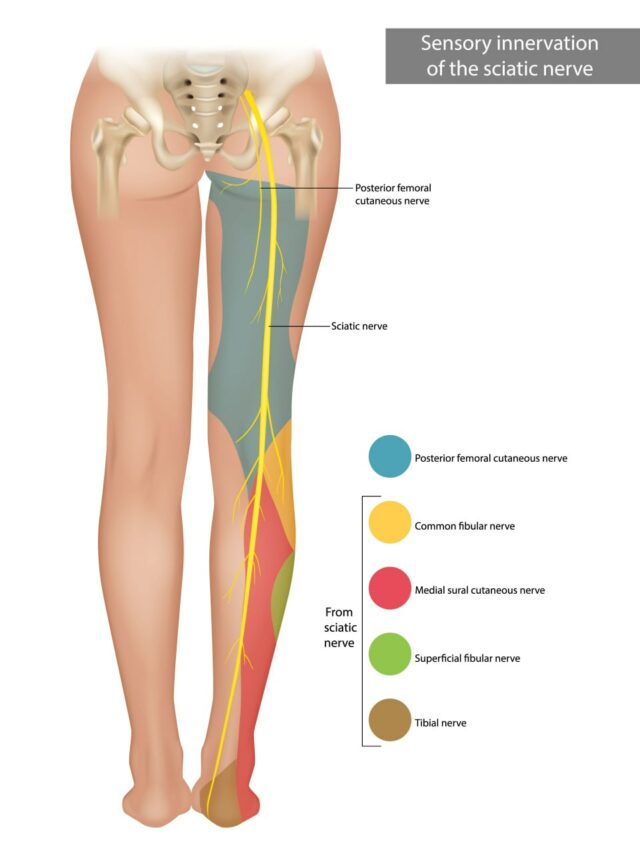
The main role of the sciatic nerve is to carry sensory and motor signals:

  • Sensory signals are signals relating to sensations such as pain, vibration, temperature, and touch.
  • Motor signals are signals relating to muscle movements.

Sciatica refers to any medical condition or disorder that causes the sciatic nerves to become compressed, irritated, inflamed, or damaged. These conditions prevent the nerves from carrying signals to and from the brain as they are supposed to, which leads to nerve pain, numbness, and even temporary loss of movement.

Below, we’ll look at the symptoms, types, and causes of sciatica in more detail.


Sciatica And Pain In The Buttocks

If you have been struggling with pain in the buttocks that is not going away, or you are experiencing numbness and loss of movement in the buttock area and upper leg, you may have sciatica or sciatica-like conditions.

Here’s the difference between the two:

  • True sciatica. True sciatica refers to any condition that directly impacts one of the two sciatic nerves.
  • Sciatica-like conditions. Sciatica mimics are conditions that cause similar symptoms to sciatica but occur for other reasons. These include piriformis syndrome and inflammatory sacroiliitis (inflammation of the sacroiliac joint).

Besides getting in the way of your everyday life, sciatica and pain in the buttocks can cause temporary disability and conceal more serious underlying conditions. To ensure you are getting adequate treatment in a timely manner, let’s look at what the symptoms and features of this condition are.

Defining The Symptoms

One of the most common symptoms of sciatica is pain, which tends to manifest with the following features:

  • Sharp or stabbing sensations
  • Localized in one side of the body (the same area where the affected nerve is located)
  • Radiating from the buttocks down the hip and leg
  • Intensifying after long periods of sitting, after strenuous exercise, or when sneezing or coughing

As damage and irritation to the sciatic nerve worsen, you may begin to experience other symptoms, including numbness, tingling (“pins and needles” sensations, also known as paresthesia), weakness, and temporary loss of movement.

  • A word of caution: The symptoms of sciatica may appear similar to those of cauda equina syndrome, which is considered to be a neurosurgical emergency that requires immediate intervention to avoid long-lasting neurological damage. If your buttock pain is accompanied by intense stabbing sensations, severe weakness, and loss of bladder or bowel control, seek immediate medical attention.

Where Else On The Body Does Sciatic Pain Occur?

Commonly, sciatica begins to develop as pain in the buttocks. Over time, as irritation of the sciatic nerve progresses, symptoms such as pain, numbness, and tingling begin to spread along the length of the sciatic nerve.

In turn, you may begin to experience discomfort, weakness, and temporary loss of movement in your lower back, upper leg, lower, leg, or foot.
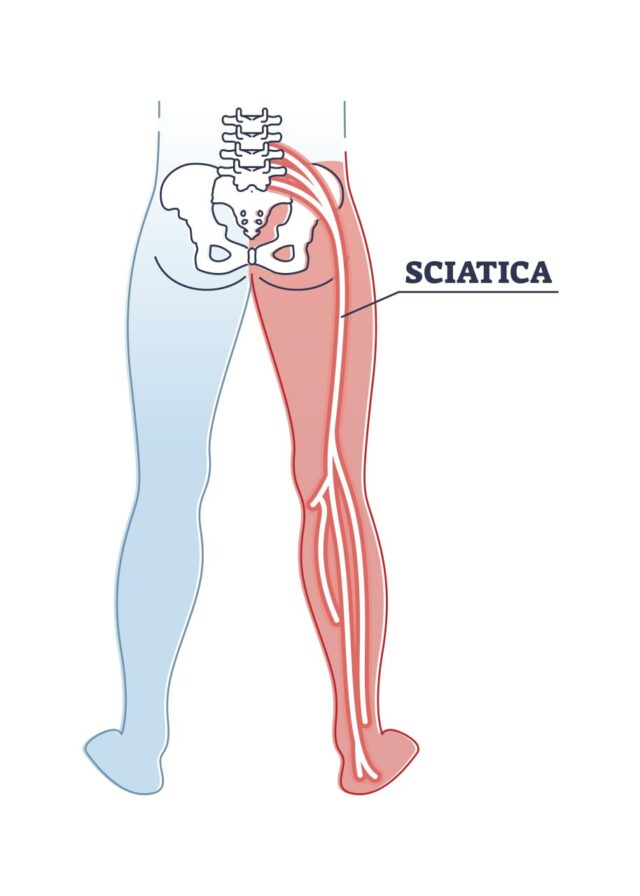
Role Of Sciatic Nerve In Spine-Lower Body Transmission

As we have seen above, the sciatic nerve is like a “freeway”: a bundle of several nerve fibers that carry signals to and from the brain. These signals relate to movement and sensations, such as pain and touch.

A pinched, irritated, or damaged sciatic nerve won’t be able to transmit signals as it is supposed to, resulting in symptoms such as extreme sensitivity to touch, nerve pain, numbness, and tingling.

In severe cases, damage to the sciatic nerve can interfere with the function of the nerves and muscles responsible for controlling the bladder and bowel. If you experience urinary or fecal incontinence, you should seek immediate medical care.


10 Common Causes Of Sciatica And Butt Pain

In most cases, sciatica is a temporary condition that improves within 12 weeks without serious complications. However, as we have seen above, pain in the buttocks can camouflage more serious, long-lasting conditions that require adequate treatment – including disc herniation, abnormal bony growths, and even tumors.
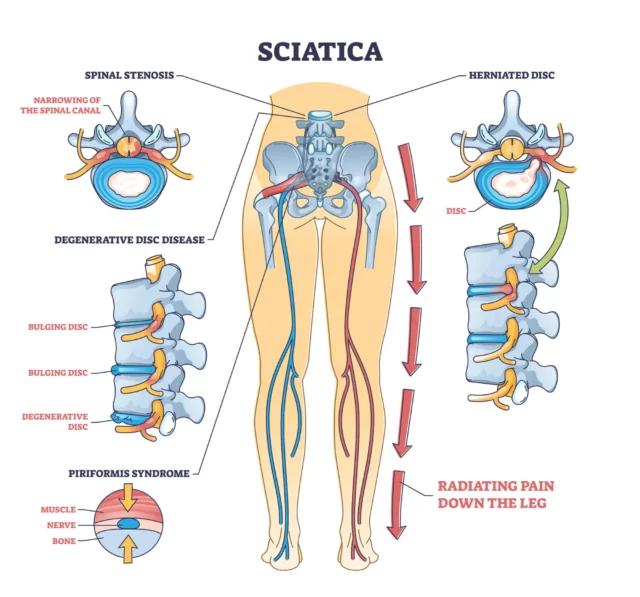
Because of this, it is crucial to learn more about the causes of sciatica and determine the best line of treatment to avoid life-limiting complications. Let’s look at the most common conditions at the root of pain in the buttocks below.


1. Lumbar Disc Herniation

The spine is composed of small, circular bones, known as the vertebrae. These vertebrae are separated by the intervertebral discs, which are “cushions” of cartilage that allow movements such as flexion, extension, and rotation, and keep the spine flexible. They also protect the vertebrae from shock and friction damage.

Each intervertebral disc is composed of two main parts: an outer, stronger ring of cartilage and an inner, gel-like core. Although the intervertebral discs are incredibly reliable and capable of withstanding exceptional loads, factors such as overuse, aging, excessive stress, or injury can cause them to wear down.

When this happens, the outer ring of the intervertebral disc can become lax or crack, causing the softer core to protrude to nearby structures. Bulging or herniated discs can begin to press on, irritate, or damage adjacent spinal cord nerves, eventually leading to sciatica.
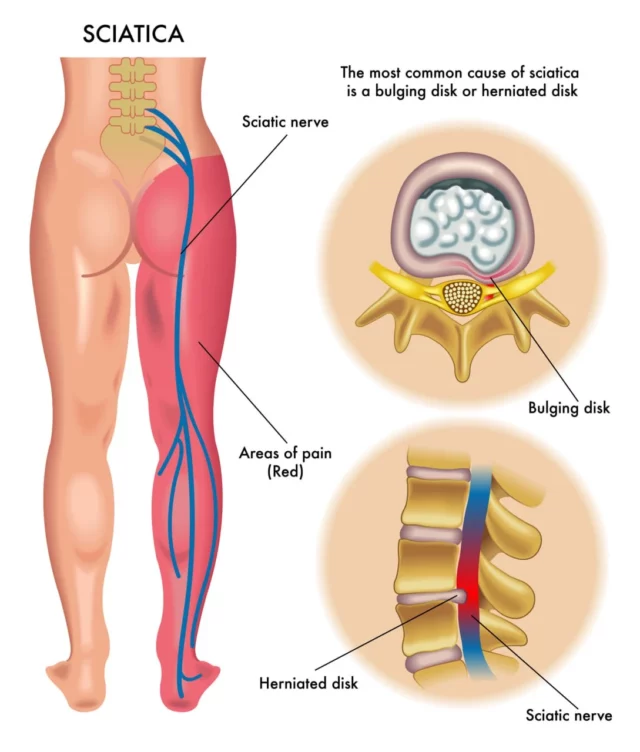
As the nerves are no longer able to transmit motor and sensory signals as expected, you may develop symptoms such as pain, numbness, and weakness.


2. Lumbar Spinal Stenosis (Nerve Compression)

Another common cause of sciatica is lumbar spinal stenosis. Spinal stenosis, or nerve compression, occurs due to the narrowing of the spinal canal, which is a cavity that houses the spinal cord. As this space in the spine narrows, the nerve roots are put under excessive pressure, which can interfere with the normal signaling of sensory and motor signals.
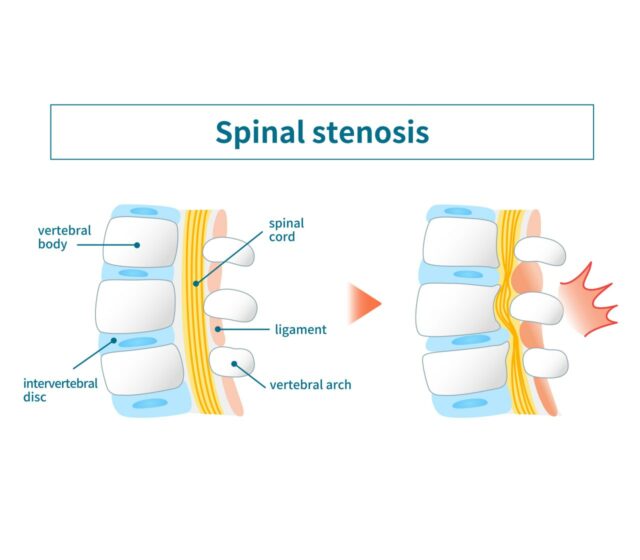
Spinal stenosis can occur due to several reasons and affect anyone, at any age. However, some common causes include:


  • The thickening and calcification of the ligaments that connect the vertebrae, which tend to occur with aging and affect the spine’s flexibility
  • Congenital factors, such as being born with a narrow spinal canal
  • Injuries and trauma that change the course of the spinal canal
  • Inflammatory diseases such as arthritis, which cause the swelling of nearby structures
  • Abnormal bony growth
  • Spinal tumors

Besides pain in the buttocks, lumbar spinal stenosis can cause a unique set of symptoms. Let’s look at these below.

Increasing Pain Due To Nerve Compression

Spinal stenosis causes ongoing nerve compression, which leads to severe pain that radiates from the area affected (the lower back, in this case) to the upper and lower leg. When the nerve roots in the spine are compressed or damaged, they can also misfire, causing several neuropathic pain (or nerve pain) conditions, such as:

  • Allodynia. Allodynia refers to a condition that causes you to experience severe pain in response to stimuli that should normally be painless, such as dressing yourself or gently stroking your back.
  • Hyperalgesia. Hyperalgesia causes excessive sensitivity to pain. This means that you may experience severe pain from stimuli that should only cause mild discomfort (such as pinching your back).

Paresthesia

Alongside misfiring and causing pain, compressed spinal nerve roots may also not be able to transfer sensory signals to the brain. This can lead to symptoms such as weakness and numbness, as well as a condition known as paresthesia.

Paresthesia refers to “pins and needles” sensations, which are often described as burning, prickling, itching, or “skin crawling” feelings. Depending on what nerve is affected by compression and irritation, these sensations can manifest in the hands, feet, buttocks, or other parts of the body.


3. Piriformis Syndrome

Accounting for only 0.6 to 3% of lower back pain cases, piriformis syndrome (PS) isn’t as common as disc herniation or spinal stenosis. PS can feel like sciatica, but it requires a different line of treatment to address the root cause of your pain in the buttocks.

So, what is piriformis syndrome? PS is a neuromuscular condition that occurs when the piriformis muscle becomes inflamed, tingling, or swollen and compresses the sciatic nerve. The piriformis muscle is a narrow, flat muscle that runs from the lower spine, through the buttocks, to the top of the thigh.
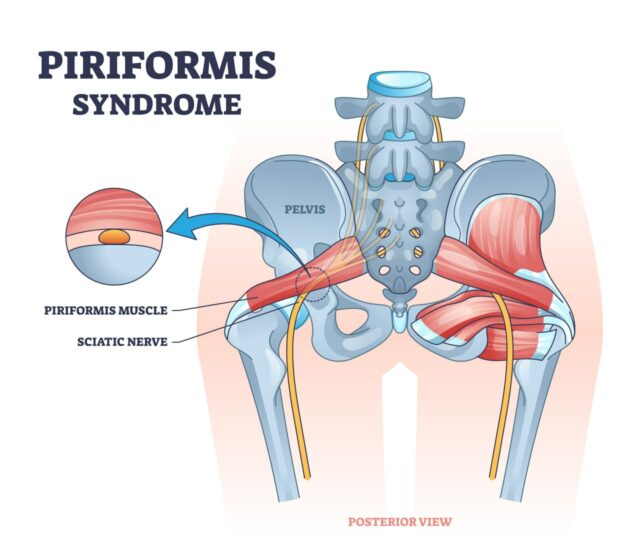
When this muscle becomes enlarged or tight, it presses on a specific area of the sciatic nerve, causing the pain and numbness to be localized to a certain site. The pain tends to become more intense during activities such as climbing stairs, walking, running, or sitting for long periods of time.

Some of the most common causes of PS include:

  • Traumatic injury
  • Overuse
  • Muscle spasms
  • Creation of scar tissue on the muscle
  • Inflammation and swelling
  • Poor muscle conditioning, having tight muscles, and limited physical activity
  • Not maintaining proper form during exercise or not warming up or cooling down


4. Degenerative Disc Disease

Degenerative disease is an incredibly widespread condition. It is estimated that up to 35% of adults over 30, and up to 90% of people aged 60, show signs of this disorder. However, not everyone will experience symptoms, and only 5% of low back pain cases can be traced back to degenerative disc disease.

This disease occurs due to the natural, age-related degeneration of the intervertebral discs, which are the discs located between the spine’s vertebrae. While it may affect anyone and its incidence increases with age, there are also some risk factors that may speed up the degeneration of the discs. These are:

  • Excessive stress on the spine (such as that caused by carrying excessive weight or being obese)
  • Overuse (such as repetitive hyperextension or arching of the back)
  • Smoking
  • Suffering acute injuries
  • Being female
  • Lifestyle factors (such as performing repetitive, forceful movements with your spine at work or during sports)

Degenerative disc disease works similarly to herniated discs: as the intervertebral discs degenerate, the outer ring begins to protrude and crack, causing the inner gel-like substance to protrude and press on nearby spinal nerve roots.

The main difference between the two conditions is that degenerative disc disease is primarily caused by aging and wear and tear. Degenerative disc disease is also a common risk factor for herniated discs.


5. Sacroiliac Joint Dysfunction

The sacroiliac joint is a joint located near the bottom of the spine, just above the tailbone, and connects the sacrum with the pelvis. It plays a vital role in stabilizing the spine during movements such as sitting or walking.

Dysfunction in the sacroiliac joint occurs when flawed or abnormal movements take place. These include:

  • Misalignment of the joint during movement
  • Hypermobility or instability
  • Reduced mobility (hypomobility) or fixation

Sacroiliac joint dysfunction does not cause sciatica but can cause sciatica-like pain in the buttocks, lower back, and hips, and can radiate down the leg (usually above the knee, but it can sometimes also affect the ankle and foot).

Besides pain, this condition can also cause numbness, weakness, tingling sensations, disturbed sleeping patterns, and difficulty in sitting.


6. Tumors And Infections

In rare cases, sciatica and pain in the buttocks may be caused by tumors (abnormal growth of tissues) that press on and irritate the nerves within and around the spinal column. This can happen when the tumor is located near the spine or in the spinal canal. Some tumors that may appear as sciatic-like pain include:

  • Sciatic notch dumbbell tumors
  • Schwannoma
  • Prostate gland tumor
  • Spinal or sacral neoplasms
  • Metastasis (cancer cells that have traveled from other parts of the body and get lodged in the spine)

Sciatica-like pain can also be caused by infections, such as blood vessel infections and spinal infections that develop into abscesses (swollen and infected masses).


7. Diabetes

Diabetes is considered to be the leading cause of peripheral neuropathy, or damage to nerves outside the brain and the spinal cord.

Today, up to 51% of people with diabetes are at risk of developing neuropathy. This is because the sharp rises and drops in blood sugar levels can eventually damage blood vessels. In turn, this can sever the supply of blood, oxygen, and nutrients to nerve endings, which, over time, degenerate and die.

Neuropathy can affect any nerve in the body and, although it is more common in the hands and feet, it can also affect the legs and buttocks, which causes symptoms similar to those of sciatica (especially in the legs).


8. Trauma Or Injury

Trauma or injury can lead to sciatica, pain in the buttocks, or conditions that mimic the symptoms of sciatica (e.g. lumbar spinal stenosis). This happens when fractures, ligament or tendon ruptures, and joint dislocations change the body’s mechanics.

Over time, improper mechanics can cause you to put more pressure on a certain aspect of the joint and prevent the body from distributing loads properly while walking, running, jumping, or lifting weights. When the areas affected are the spine, hips, buttocks, or legs, the sciatic nerve can become abnormally compressed or irritated during movement, thus leading to sciatica and sciatica-like pain.


9. Obesity

Besides accounting for over 12% of the years of disability reported by people with chronic back pain, both obesity and being overweight have been seen to be major risk factors for sciatica and lumbar radicular pain.

There are several reasons for this:

  • The increased weight you carry if you are obese or overweight puts the spine under excessive pressure, which increases the risk of disc herniation and degenerative disc disease.
  • Obesity is a major risk factor for diabetes and arthritis, which may contribute to nerve pain and damage.
  • Being obese can make it harder to exercise and lead an active lifestyle. Poor conditioning and limited flexibility can increase the risk of injuries and diseases like piriformis syndrome.
  • Excessively fatty body composition is linked to increased systemic inflammation and chronic pain, which can aggravate pain in your buttocks.

Lastly, an unhealthy diet, excessive weight, and limited exercise can increase recovery time from sciatica and sciatica-like conditions.

10. Poor Posture And Body Mechanics

Sciatica-like pain in the buttocks, as well as true sciatica, can derive from poor posture and abnormal body mechanics.

Poor sitting or standing posture (such as slouching or leaning forward to your desk) can increase strain in your lower back. At the same time, structural problems such as scoliosis can expose certain components that should be unaffected during movement to friction damage.

If not corrected promptly, poor posture and body mechanics can lead to undue pressure on nerves (such as the sciatic nerve) and associated symptoms, such as pain, numbness, and weakness.


Contributing Factors And Risk Factors

Above, we’ve looked at some of the most common causes of sciatica and sciatica-like pain. However, there are also other risk factors that, over time, can significantly increase the likelihood of experiencing chronic pain in the buttocks.

Let’s look at these risk factors below.

Age And Degeneration

Intervertebral disc degeneration is a normal aspect of the aging process. Over time, the discs lose their suppleness and flexibility, which increases the risk of herniation, tears, and bulging discs that can press on the sciatic nerve.

While you can’t turn back the hands of time, there is a lot that you can do to age healthily and control the rate at which intervertebral discs degenerate. For example, maintaining a healthy weight, eating healthily, and staying active are just some of the strategies to manage the complications of obesity, diabetes, and osteoarthritis – which are all risk factors for low back pain and pain in the buttocks.

Lifestyle Factors

Certain lifestyle factors increase your risk of developing sciatica or pain in the buttocks. These include:

  • Limited physical activity. A sedentary lifestyle can make obesity more likely, while poor muscle conditioning increases the risk of injuries.
  • Drinking alcohol and smoking cigarettes. Not only are these substances neurotoxic (toxic for nerves), but they also increase the risk of suffering from inflammatory diseases, obesity, diabetes, and cardiovascular diseases.
  • Occupation and hobbies. You may be at greater risk of sciatica and pain in the buttocks if you often perform repetitive, forceful movements, such as heavy lifting, bending, jumping, and twisting.

Pregnancy and prolonged sitting can also put you at greater risk of developing sciatica or sciatica-like pain.

Injury And Trauma

Both new and old injuries can impact your risk of developing sciatica.

New injuries may cause damage to the body components located around the sciatic nerve, such as the hip, leg, pelvis, or buttocks. Traumatic injury can compress or damage the sciatic nerve, thus leading to temporary symptoms

An old injury that hasn’t properly healed may have similar consequences. If a fracture, dislocation, or surgical intervention has permanently changed certain aspects of your body’s mechanics, you may be inadvertently putting unexpected pressure on your sciatic nerve during daily activities


Conventional Treatment Options

If you have been struggling with sciatica or pain in the buttocks, the chances are that you’ve been recommended conventional lines of treatment, such as medications, physical therapy, or, in severe cases, surgery.

While these treatments may help you manage your pain and discomfort, they may not provide the long-lasting relief you are after. And, more importantly, they can expose you to undesirable side effects and risks.

Understanding the pros and cons of these treatment options is the first step toward finding a solution that works for your unique needs. Let’s start by looking at the common surgical and non-surgical lines of treatment commonly recommended for sciatic pain.

Non-Surgical Treatments

Non-surgical treatments are often the first port of call when you develop sciatica. After a few days of rest, you may resort to medications, physical therapy, and at-home remedies to manage the pain.

  • Medications – Pain medications for sciatica include over-the-counter painkillers and NSAIDs (non-steroidal anti-inflammatory drugs) such as ibuprofen. These medications temporarily decrease pain and swelling, but using them chronically leads to side effects such as increased risk of heart attack and stroke, gastric ulcers, and addiction.
  • Physical therapy – Physical therapy can help you regain movement in your lower body affected by sciatica. It may also help increase muscle strength in your core and back, thus reducing the risk of recurring episodes of sciatica.
  • Chiropractic care – Spinal adjustments and massages may help reduce pressure on the sciatic nerve, thus easing pain and discomfort. While this method is non-invasive, there is little evidence of its effectiveness in relieving sciatica and sciatic-like pain.
  • Warm and cold packs – During the first few days after an injury, ice packs may help relieve swelling and pain, which can help you regain mobility in your legs and buttocks. If sciatica continues for weeks or months, warm compresses may help stimulate blood flow and relax tense muscles, thus providing temporary relief.

Surgical Treatments

If you have been struggling with sciatica for months and other lines of treatments have not worked as well as you had hoped, your doctor may recommend surgery. It is important to be aware of the risks of surgical procedures before making this your treatment of choice: invasive procedures can increase the risk of infection and, while they may provide relief from sciatica, results may not be long-lived.

Here are two of the most common surgical treatments for sciatica:

  • Discectomy – Discectomy (or microdiscectomy) is a surgical procedure used to relieve the pressure on the sciatic nerve deriving from a herniated disc. During surgery, your doctor will remove parts of the intervertebral discs that are bulging out, to prevent further irritation or damage to the sciatic nerve.
  • Laminectomy – Laminectomy is used to relieve the pressure on the sciatic nerve caused by spinal stenosis. In this procedure, part of the vertebral bone (lamina) is removed to create a larger canal for the spinal cord and nerve roots.


Preventive Measures

Although sciatica and pain in the buttocks can affect anyone, at any age, there are preventive strategies you can take advantage of to reduce the risk of this condition becoming a chronic problem.

These measures can also help you recover quickly from an episode of sciatica and boost the effectiveness of the line of treatment you’ve chosen. Let’s look at preventive strategies in detail below.

Avoid Prolonged Sitting

Sitting is a normal aspect of our daily life. Whether you work at a desk, spend hours gaming or watching TV, or enjoy a sedentary hobby, you may inadvertently be spending a large part of your day sitting.

However, it is important not to underestimate the impact that sitting too much can have on your musculoskeletal and spinal health. Firstly, your entire upper body will rest on your lower back while sitting. This can increase the pressure on your buttocks and cause sciatica-like pain.

The poor posture you may adopt while sitting can also further compress your spine’s vertebrae, which can speed up disc degeneration and increase the risk of herniated or bulging discs. Lastly, prolonged sitting can weaken your back and core muscles, making injuries more likely.

Fortunately, you don’t need to revolutionize your entire lifestyle to cut down on sitting! Instead, try to introduce progressive changes, such as:

  • Taking active breaks at work
  • Practicing yoga or tai chi while you are at a desk
  • Investing in a walking pad
  • Walking or cycling to work
  • Spending time outdoors with your pets or kids
  • Joining active initiatives and hobbies, such as gardening, beach cleaning, and dog walking.

Stay Active And Stretch

To prevent sciatica, another piece of the puzzle is physical activity and stretching. Boosting your muscle conditioning, endurance, and flexibility can help you avoid injuries and disorders such as piriformis syndrome.

Regular exercise is also key to keeping at bay several of the risk factors for sciatica, nerve pain, and pain in the buttocks, such as obesity, diabetes, osteoarthritis, and cardiovascular diseases.

Strengthen Core Muscles

Your back and core muscles work together to enable spinal movements, maintain stability during movement, and prevent injuries that may arise from overextension or excessive rotation. When your back muscles are weak, your body will rely on other, weaker structures to support these functions, such as ligaments and tendons. This can increase the risk of injuries and misalignments that can lead to chronic pain.

Strengthening your core muscles is an efficient way to support spinal movements, protect the spine, maintain a neutral pelvic tilt, and reduce stress on structures such as the vertebrae or intervertebral discs.

Reduce Excessive Stress On Your Lower Back

Excessive stress on your lower back can derive from multiple sources, including:

  • Poor posture
  • Sitting too much
  • Repetitive movements
  • Being obese

To decompress your lower back and find long-lasting relief from pain, work on losing excess weight, adopt a better posture, and work with an occupational therapist to prevent your job or hobby from compromising your spinal health.

Neurofunctional Pain Management® For Sciatica And Buttock Pain

When it comes down to overcoming pain in your bottom and finding a sustainable line of treatment that can help you regain your mobility and health, it is crucial to look at the root cause of your condition: inflammation.

Systemic inflammation can speed up the degeneration of the intervertebral disc and increase the risk of components of the spine becoming inflamed and swollen. Fortunately, tackling systemic inflammation – and deriving chronic pain – without surgery or medication is possible.

The Neurofunctional Pain Management approach pioneered by Relatyv addresses the root causes of- chronic pain and inflammation without resorting to taking drugs or fearing invasive procedures. This cutting-edge approach works by:

  • Creating a low-to-no pain state in which your body can begin healing
  • Reversing chronic hydration and nutritional deficiencies, and
  • Helping you make positive lifestyle changes to build long-lasting musculoskeletal health.

Let’s look at how this proprietary protocol works below.

Electroanalgesia

Electroanalgesia involves high-pulse electrical stimulation that targets the intricate connections between pain, the nervous system, and the brain. This non-invasive therapy can intercept pain signals at the nerve’s source, providing relief at a cellular level. By regulating the responses of the nervous system, electroanalgesia has the potential to relieve the painful symptoms of osteoporosis-related microfractures.

IV Therapy

At Relatyv, our protocols utilize specialized intravenous therapy (IV therapy) to support your bone health. This is an efficient approach that delivers important vitamins and minerals directly to the circulatory system, boosting their bioavailability and maximizing their impact. IV therapy aims to alleviate pain by reducing inflammation with immune support and to promote bone health by optimizing the body’s bone remodeling process.

Lifestyle Counseling

At Relatyv, we are aware that painful experiences extend to more than just physical symptoms; they also affect your mental health and feelings of well-being. Our team of experts fosters an approach to pain management that encompasses the whole person. To assist people with osteoporosis in making informed lifestyle decisions, we provide individualized lifestyle counseling. We offer advice that includes addressing the strategies that promote bone health and may decrease the progression of osteoporosis, as well as creating a positive attitude about living with this long-term condition.

Our specialized protocols utilize a combination of these innovative Neurofunctional Pain Management techniques to collaboratively address the pain associated with osteoporosis without relying on invasive treatments or prescription medications. We believe it’s essential to find a pain management strategy that best suits you and your lifestyle.


Efficiently Address Your Pain At The Earliest Opportunity

Sciatica and pain in the buttocks can lead to temporary disability and rob you of several days’ worth of productivity and enjoyment. Fortunately, relying on medications while waiting for the symptoms to ease down or living in fear of having to undergo surgery are no longer the only options.

The non-invasive, non-chiropractic, and non-surgical approach pioneered by Relatyv – Neurofunctional Pain Management – can help you take back control of your musculoskeletal health and magnify your quality of life.
Relatyv - Can Osteoporosis be Reversed?

Can Osteoporosis Be Reversed?

Can Osteoporosis Be Reversed? 2560 1707 Relatyv

About 10 million people across the United States are dealing with osteoporosis. This widespread condition causes a significant reduction in bone density, where weakened bones become prone to fractures.

Interestingly, it’s estimated another 44 million people have low levels of bone density, putting them at risk of developing osteoporosis, especially as they get older. Getting diagnosed with osteoporosis isn’t always straightforward. It’s actually quite common for people to have low bone density without even realizing it, until one day, they fracture a bone from something as simple as a sneeze! 

“Can osteoporosis be reversed?” is likely one of the most common and important questions asked of individuals living with, or at risk of, this silent condition. In this article, we will share with you the current understanding of osteoporosis reversal as well as the many important factors that can impact your bone health. 

We’ll also discuss the outlook for individuals diagnosed with osteoporosis and examine some of the available options to potentially slow down its progression during the early stages. 

Additionally, osteoporosis often goes beyond just the risk of breaking bones, it can also be a very painful and debilitating condition due to stiffness and inflammation. Finding effective treatment and relief for its painful symptoms often becomes a priority for sufferers. 

We’ll introduce how the specialized Neurofunctional Pain Management techniques offered by Relatyv provide an innovative approach to finding relief from pain without resorting to heavy medications or invasive surgeries.

Let’s begin by taking a closer look at what different factors can influence your bone density and overall bone health.

Different Factors Affecting Bone Health

It’s important to first understand the many factors that contribute to impaired bone health before we delve into the possibility of reversing osteoporosis. These include: 

  • Dietary factors: The nutrients you consume, particularly calcium and vitamin D, play a significant role in maintaining bone health. Over time, a lack of these nutrients can cause bones to deteriorate, leading to osteoporosis.
  • Physical activity: Bone loss may be accelerated by a sedentary lifestyle. Completing weight-bearing exercises, such as walking or weightlifting regularly, can promote bone density by stimulating bone formation.
  • Hormonal changes: Hormones such as estrogen and testosterone have a protective effect on bone density. It is well-researched that the hormonal changes that occur during menopause can increase the risk of osteoporosis, making women more susceptible.
  • Medications and health conditions: Prescription medications, such as glucocorticoids, and underlying health conditions like rheumatoid arthritis or gastrointestinal diseases can negatively impact bone health by disrupting the body’s bone remodeling process. Medications and health conditions can lead to secondary osteoporosis.

Our lifestyle choices have a great impact on our overall bone health, since they help our body’s bone remodeling process while also optimizing our health and boosting positive well-being. In the next section, we’ll define bone remodeling, explore its intricate process, and tackle the question of whether it’s possible to reverse osteoporosis.

Is Osteoporosis Reversal Possible?

Let’s now answer the pressing question of “Can osteoporosis be reversed?” Unfortunately, there is currently no known treatment that can completely reverse the effects of osteoporosis. However, the good news is that there are effective ways of managing its progression and overall impact to prevent any further reduction of bone density. We will discuss these in the forthcoming sections. 

Firstly, to understand why the idea of completely reversing osteoporosis is challenging, we need to grasp the concept of bone remodeling. Did you know that our bones are dynamic structures that continuously regenerate as they undergo the intricate processes of “resorption” and “renewal”? These two terms describe bone remodeling.

The delicate balance of resorption and renewal relies heavily on your body’s state of equilibrium so it can reabsorb old bone tissue (resorption) and replenish it with new tissue (renewal). Our bone density is higher when we are younger because renewal tends to be more efficient than resorption.

However, this balance shifts as we age due to many factors, including those mentioned above. Bone resorption begins to surpass bone renewal, resulting in reduced bone density. This is a natural part of the aging process, making it difficult to completely reverse osteoporosis. Let’s go on to explore what this means for those diagnosed.

What Is The Prognosis For Osteoporosis?

When an individual’s bone density drops to levels that indicate osteoporosis, it’s important to recognize that there cannot be a one-size-fits-all generalized prognosis. The future outlook will depend on numerous factors such as the age at diagnosis, the severity of the condition, the presence of underlying health problems, and the treatment options available. 

Early detection and intervention play a very important role in improving the prognosis for those living with osteoporosis. Let’s shift our focus to explore some of the common treatment methods your doctor may suggest to slow osteoporosis in its early stages.

Managing Osteoporosis: Slowing Progression And Alleviating Symptoms

We want you to pause and take a breath. Getting an osteoporosis diagnosis doesn’t have to be overwhelming. 

While complete reversal of osteoporosis may not be possible, numerous conventional treatments are available that aim to slow its progression, especially in the early stages. Working closely with healthcare providers and obtaining a personalized management plan that suits your individual needs is key to finding effective relief and a long-term strategy.

Let’s explore some of the common approaches, including medications, physical therapy, and lifestyle changes.

Targeted Medications

Several prescription medications may help slow the progression of osteoporosis and reduce the risk of bone fractures. Some targeted medications include:

  • Bisphosphonates: These drugs help to increase bone density by inhibiting the process of bone resorption.
  • Selective estrogen receptor modulators (SERMs): SERMs are not the same as HRT but can mimic the effects of estrogen on bone tissue, helping to maintain bone density.
  • Parathyroid hormone: Supplementing the parathyroid hormone aims to increase bone density by stimulating bone formation. 

It is very important that you are aware of all of the potential risks of taking any medication. Be sure to ask your doctor about the risks vs. benefits of these medications so you can make informed decisions regarding your healthcare management.

NSAIDs And Opioids 

Nonsteroidal anti-inflammatory drugs (NSAIDs) or more potent drugs such as opioids may be prescribed to manage the painful symptoms associated with osteoporosis. It is paramount that medications are carefully monitored to ensure optimal effectiveness and minimize potential side effects.

Physical Therapy

With an emphasis on improving strength, balance, and posture, physical therapy can be beneficial for individuals with osteoporosis. When we optimize the muscles and tendons that support our bones, the risk of falls and fractures can be reduced. Additionally, some physical therapy exercises may improve bone density by promoting renewal.

Braces And Supports

In certain cases, braces and supports may be recommended to provide stability and prevent falls. Additionally, a greater level of support might lessen the strain on the bones and joints, ultimately alleviating some of the pain associated with osteoporosis.

Warm Compress

Osteoporosis-related muscle and joint discomfort can be reduced by applying a warm compress to painful areas. 

While conventional treatments may offer temporary relief from the pain associated with osteoporosis, they might not provide the lasting results you’re looking for. Additionally, it is becoming more common for individuals to explore alternative treatments before making any serious health decisions or agreeing to take medications for long periods of time. 

In the next section, we’ll introduce Neurofunctional Pain Management as an effective approach to relieving the pain and inflammation associated with this chronic condition.

How We Can Help Manage Osteoporosis Pain

We have discussed how osteoporosis weakens bone integrity, but what truly makes osteoporosis a painful condition to endure is the development of microfractures, especially within large weight-bearing joints such as the spine, hips, and knees. 

By targeting the nervous system’s response to pain, Relatyv aims to relieve the painful symptoms of osteoporosis through specialized Neurofunctional Pain Management protocols. These include:

Electroanalgesia

Electroanalgesia involves high-pulse electrical stimulation that targets the intricate connections between pain, the nervous system, and the brain. This non-invasive therapy can intercept pain signals at the nerve’s source, providing relief at a cellular level. By regulating the responses of the nervous system, electroanalgesia has the potential to relieve the painful symptoms of osteoporosis-related microfractures.

IV Therapy

At Relatyv, our protocols utilize specialized intravenous therapy (IV therapy) to support your bone health. This is an efficient approach that delivers important vitamins and minerals directly to the circulatory system, boosting their bioavailability and maximizing their impact. IV therapy aims to alleviate pain by reducing inflammation with immune support and to promote bone health by optimizing the body’s bone remodeling process.

Lifestyle Counseling

At Relatyv, we are aware that painful experiences extend to more than just physical symptoms; they also affect your mental health and feelings of well-being. Our team of experts fosters an approach to pain management that encompasses the whole person. To assist people with osteoporosis in making informed lifestyle decisions, we provide individualized lifestyle counseling. We offer advice that includes addressing the strategies that promote bone health and may decrease the progression of osteoporosis, as well as creating a positive attitude about living with this long-term condition. 

Our specialized protocols utilize a combination of these innovative Neurofunctional Pain Management techniques to collaboratively address the pain associated with osteoporosis without relying on invasive treatments or prescription medications. We believe it’s essential to find a pain management strategy that best suits you and your lifestyle.

Achieve Pain Management Without Invasive Procedures

Receiving a diagnosis of a chronic health condition such as osteoporosis can be overwhelming, but please don’t lose hope. This condition may be irreversible, but with the insights of this article, you are now armed with the awareness and knowledge to actively manage pain caused by this condition and reduce its impact on your life. 

Taking early action and working with healthcare professionals to find the right treatment plan for you is crucial for slowing down osteoporosis and reducing its painful symptoms. While medication can help, there are alternative treatments available that are specially designed to ease pain and inflammation without relying heavily on medications.

Consider exploring the lasting solutions through Neurofunctional Pain Management. At Relatyv, we’re here to support you every step of the way and maintain a special focus on reducing your pain to magnify your quality of life. With our comprehensive protocols and tailored approach, you can regain control over your painful symptoms and move towards a future where osteoporosis has less of an impact on your life.
Heel Spur Vs. Plantar Fasciitis: How Are They Different?

Heel Spur Vs. Plantar Fasciitis: How Are They Different? 1999 1333 Relatyv

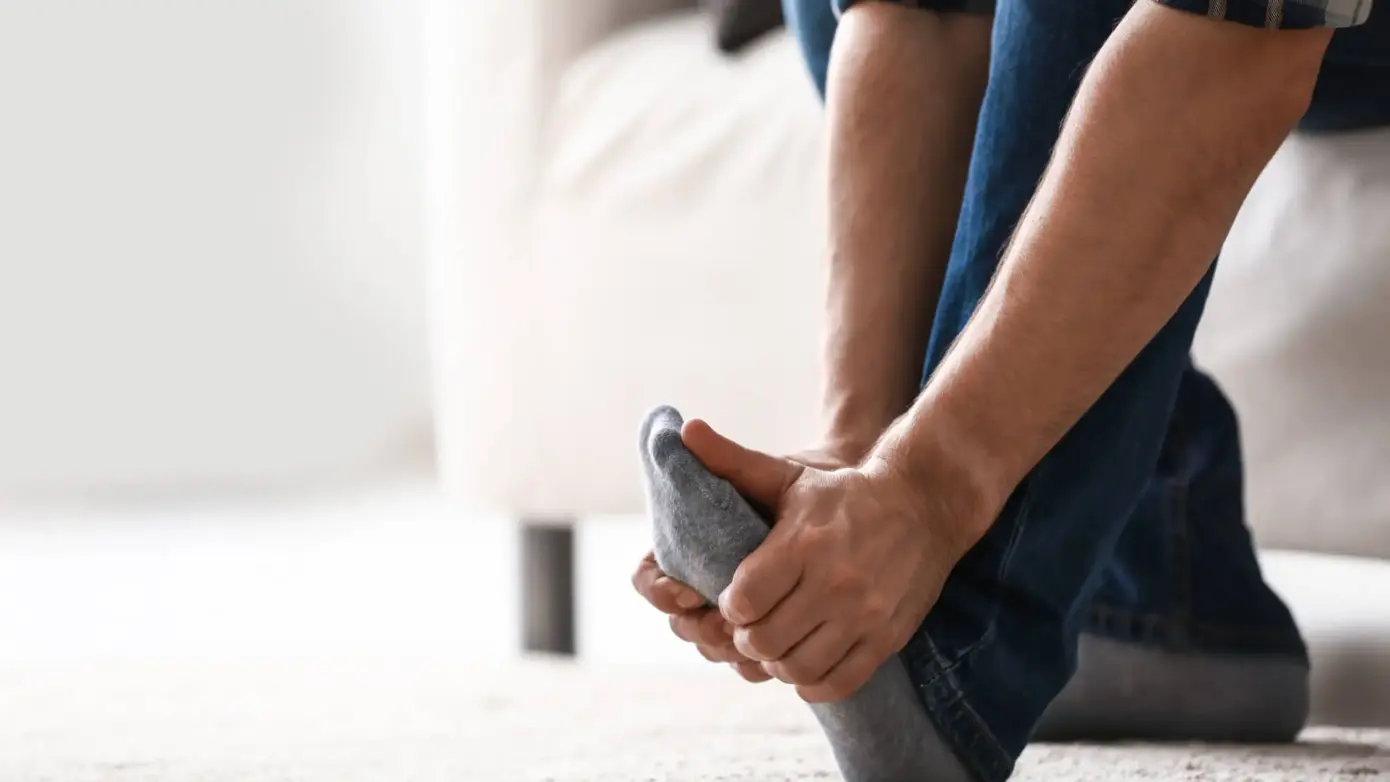
Heel spurs and plantar fasciitis are two common culprits behind agonizing heel pain. If you’ve ever experienced heel pain, you know how it can seriously disrupt your daily life, making even simple activities like walking a challenge. 

People frequently mix these two conditions, but it’s important to note that they do have some distinct differences. Understanding these differences enables you to promptly receive accurate treatment with the most effective pain management options.

In this article, we will explore the topic of heel spurs vs. plantar fasciitis, looking into their similarities and differences, as well as their common causes. We will also discuss Neurofunctional Pain Management as a non-pharmaceutical, non-surgical, and non-invasive solution for pain relief, focusing on the techniques used at Relatyv.

Before we look at the specific differences between heel spurs and plantar fasciitis, let’s briefly look at the heel’s anatomy so we can better understand the structures that are affected by these conditions. 

The heel bone plays a vital role in stabilization as it is the foot’s most prominent bone, whereas the plantar fascia is a thick band of tissue that runs along the bottom of the foot, connecting the heel bone to the toes. 

Having a solid understanding of this foot anatomy will help you understand the concepts we explore in the following sections about how the two disorders of heel spurs and plantar fasciitis impact this area.


Understanding Heel Spurs And Plantar Fasciitis

Now, we can look closer at the specific characteristics of heel spurs and plantar fasciitis. The sections below explore how these conditions can uniquely impact your foot health, often leading to the pain and discomfort you may be experiencing.


What Are Heel Spurs?

Heel spurs are bony protrusions that grow on the underside of the heel bone. When there is ongoing inflammation and tension throughout the foot’s soft tissue, including the plantar fascia, it leads to heel spurs developing. 

The bony growths can vary in shape and size and do not always cause pain. 38% of the population is estimated to have heel spurs, with many not even realizing it. However, when heel spurs become painful, it’s usually due to the irritation and inflammation of surrounding tissues.


What Is Plantar Fasciitis?

On the other hand, plantar fasciitis is a condition causing significant inflammation throughout the thick plantar fascia tissue. This painful condition can cause individuals to experience stabbing or aching sensations at the base of the heel or along the bottom of the foot. 

Plantar fasciitis occurs due to repetitive activities that subject the plantar fascia to excessive strain, leading to micro-tears and localized inflammation. These activities include repetitive running, dancing, and everyday movements like prolonged walking.

Understanding the unique nuances of these conditions can become a helpful guide for an accurate diagnosis and uncovering effective management strategies. Let’s explore why these two conditions often get mixed together. 


What Makes These Two Conditions Similar?

While we’ve established that heel spurs and plantar fasciitis are two different conditions, they share some common features. To become more familiar with them, let’s look closely at the underlying causes and symptoms.


Causes

Both conditions often develop due to:

  • Overuse: Repetitive stress or strain on the feet, such as seen in athletes or those with physically demanding jobs
  • Improper footwear: Wearing shoes that lack proper arch support or cushioning or wearing shoes that put your feet at awkward angles, such as high heels or rock climbing shoes
  • Age: Heel spurs and plantar fasciitis become more common as we age
  • Obesity: Excess weight can increase the level of strain throughout the heel and plantar fascia


Symptoms

The symptoms for both conditions can include:

  • Heel pain: Pain is typically felt near the bottom of the heel and is frequently worse in the morning
  • Stiffness: Difficulty flexing or moving the foot, especially while waking or after long periods of rest and inactivity
  • Tenderness: It is common for an increase in sensitivity when the bottom of the foot is touched or comes into contact with the ground, shoes, or other objects
  • Reduced mobility: Walking or standing for long periods becomes a challenge, potentially impacting simple daily tasks

After exploring these similarities, you might be wondering how you can distinguish between the two conditions. Don’t worry just yet; the next section will clarify the best ways plantar fasciitis and heel spurs can be differentiated.


How To Tell The Difference Between Heel Spurs And Plantar Fasciitis

While their causes and symptoms can be similar, there are a few key differences to help you distinguish between heel spurs and plantar fasciitis. 

Firstly, plantar fasciitis is one of the most common causes of heel pain, with an estimated 2 million people affected annually. This challenging condition can quickly become very painful, with pronounced heel discomfort, especially in the morning or after sitting still. 

Relatyv uses Neurofunctional Pain Management (NFPM) techniques to provide an alternate approach to managing the pain associated with plantar fasciitis. Learn more about how we can help you here

Heel spurs, on the other hand, are more likely to go unnoticed. In fact, less than 5% of people with heel spurs experience heel pain. Typically, they become an incidental finding during an X-ray or foot scan for an unrelated condition. While heel spurs are common among those with plantar fasciitis, they are rarely the source of pain. The good news is that you can often treat the pain without removing bony growths.

On the rare occasion that a heel spur is to blame for your heel discomfort, you may notice a distinct lump under the skin, and the jarring sensation tends to be confined to the heel area. 

For an accurate diagnosis and proper treatment, schedule an appointment with your doctor for a clinical examination. Aside from examining the affected area, imaging may be recommended. An X-ray can confirm the presence of heel spurs, while an ultrasound may be used to reveal the inflammation associated with plantar fasciitis

The following section will discuss practical ways to maintain your foot health and avoid unpleasant problems like plantar fasciitis


Strategies To Keep Your Feet Pain-Free

It’s beneficial to focus on preventing heel pain and maintaining overall good foot health. Implementing the following strategies might help keep your feet pain-free:

  • Wear proper footwear: It is best to avoid wearing old, worn-out shoes. Invest in a pair of shoes that provide adequate arch support and cushioning.
  • Stretch and exercise regularly: Try to include daily foot and calf stretches for flexibility and strength to maintain the health of your feet. 
  • Maintain a healthy weight and lifestyle: By achieving and maintaining a healthy weight, your feet will be exposed to less strain daily.
  • Pay attention to discomfort: If you experience foot pain or discomfort, such as an ache or pinch, address it promptly. Begin by resting, then try ice and gentle stretching to help alleviate minor discomfort.
  • Consult a specialist: If your heel pain becomes an ongoing problem or worsens, seek professional help from your doctor, a podiatrist, or a foot specialist.


Non-Drug, Non-Surgical, And Non-Invasive Solutions For Relieving Foot Pain 

If you or someone you care about is experiencing heel pain, it’s understandable that finding relief is a top priority. While simple preventive measures are excellent, it can be challenging to find relief once foot pain and discomfort have set in. 

At Relatyv, we specialize in Neurofunctional Pain Management, which offers a revolutionary approach to pain relief without resorting to pharmaceuticals or surgery. Our innovative strategies effectively address the pain and inflammation causing your foot discomfort.

The advanced protocols at Relatyv focus on a whole-person method that utilizes a powerful combination of electroanalgesia and IV hydration therapy. Both are specifically designed to reduce pain and inflammation and promote healing.

Electroanalgesia is a unique therapy that directs high-frequency electronic waves to the affected area, reducing your body’s pain signals at a cellular level. This non-invasive method may also improve muscle function by increasing blood flow and decreasing inflammation. 

Additionally, most people experience an enhanced sense of relaxation and well-being as the body’s natural endorphins elevate.

IV therapy directly administers critical nutrients, vitamins, and minerals to the body; these components assist anti-inflammatory processes, optimizing the body’s healing environment for tissue repair. At Relatyv, we customize each of our IV therapy programs based on individual needs to ensure patients receive the right nourishment for their healing journey.

Our professionals recognize that managing prolonged pain-related discomfort entails more than treating physical symptoms. This is why we provide lifestyle counseling that includes tailored guidance for improving your general physical health and well-being, including strategies for enhancing your foot health. 


Ease Pain Caused By Heel Spurs And Plantar Fasciitis

Simple daily tasks can become complicated when foot or heel pain is a persistent issue. Constant discomfort can take a toll on your physical and mental health and well-being. 

Plantar fasciitis and heel bone spurs, two separate conditions, often share similar causes and symptoms. Most importantly, they both contribute to dreaded foot and heel pain. While plantar fasciitis is more prevalent, it is essential to receive an accurate diagnosis to initiate the proper treatment and help you find relief from the painful symptoms. Relatyv is a leader in the field of Neurofunctional Pain Management, offering non-pharmaceutical, non-surgical, and non-invasive solutions for easing the pain associated with common conditions impacting the feet.

With the insights gained from this article, you are now equipped with the fundamental knowledge, beneficial prevention strategies, and an understanding of advanced treatments that can help you find relief from unbearable foot pain.

Relatyv - Seven Helpful Tips on HOw to Sleep with Sciatic Nerve Pain

Seven Helpful Tips On How To Sleep With Sciatic Nerve Pain

Seven Helpful Tips On How To Sleep With Sciatic Nerve Pain 2000 1500 Relatyv

The relentless sensations of sciatic pain can cause even the simplest of tasks to become monumental challenges. Perhaps one of the most unpleasant aspects of having sciatica is the difficulty in getting a decent night’s sleep because of the persistent nerve pain. Many people wonder, “how to sleep with sciatic nerve pain?”

Consistently poor sleep over time may profoundly impact both your daily life and general well-being. It can have negative effects on many areas of your health, including your energy levels, immune function, mood regulation, and most importantly, your happiness.

Improving the quality of your sleep despite the ongoing nerve pain of sciatica can seem daunting. But don’t worry, we’re here to shed some light on this common symptom and share with you some practical advice that may help ease your pain.

With this article, we hope to provide valuable insights as to why sciatica can make sleeping such a challenge. We will then provide seven practical tips for getting better sleep while dealing with sciatic pain. 

Additionally, we will share some effective home remedies for treating sciatic pain and the complex role of medications within a pain management approach. We’ll explore why it is important to find a safe and effective long-term strategy to manage the pain associated with sciatica so you can get the restful sleep you deserve. 

Let’s begin by taking a look at how sciatica can make sleeping so difficult. 

Why Does Sciatica Make Sleeping Difficult?

There are many varying factors that contribute to sleeping difficulties for people dealing with sciatic pain. These factors can range from the underlying cause and severity of sciatic pain through to your regular sleeping habits. Let’s explore a number of these factors further:

The Location Of Sciatic Pain

Sciatic pain originates from the lower back, where it then extends down through either side of the buttock and into the leg. This is often described as a sharp shooting pain or even a tingling, burning sensation. The pain is caused by irritation of the sciatic nerve, either from the spinal disc compressing the nerve or irritation from an underlying medical condition. Pain is commonly exacerbated when you lie down because the pressure on your lower back increases, making it difficult to find a comfortable sleeping position. 

The Causes Of Sciatic Pain

Some of the many underlying causes of sciatic pain include herniated discs, spinal stenosis, arthritis, and even muscle spasms. It is normal for painful medical conditions such as these to worsen during the night. You see, as we begin to relax, our circulation slows, which can reduce the body’s level of anti-inflammatory hormones like cortisol and raise inflammation. This can contribute to increased levels of pain and discomfort, ultimately interrupting sleep.

The Importance Of Spinal Alignment

Having good spinal alignment while sleeping is important as it reduces muscle strain and imbalances. Sciatica can lead to a disruption of the spine’s alignment as muscle tension leads to additional nerve irritation and discomfort. Maintaining the right posture while sleeping is essential to alleviate pressure on the sciatic nerve and ease painful nerve signals.

The Role Of Sleep Hygiene

Sleep hygiene describes the healthy habits and practices we can do before bedtime that promote healthy sleep. Unfortunately, sciatica sufferers can often struggle with maintaining healthy sleep hygiene due to increased levels of pain, discomfort, and perhaps a level of anxiety about sleep itself. However, addressing sleep hygiene and establishing a nighttime routine that’s effective for you could lead to better sleep quality as well as longer-lasting sleep.

These various factors can all contribute to poor sleep quality and fewer hours of sleep for individuals dealing with sciatica because they cause issues such as waking frequently, difficulty in finding a comfortable sleeping position, and persistent pain. Let’s now explore seven practical methods that could help enhance your sleep quality and guide you on how to sleep with sciatic nerve pain.

Seven Ways Of Getting A Better Sleep With Sciatic Pain

Now that we know why sleeping with sciatica is oftentimes challenging, let’s look at seven useful strategies that could help you reduce pain and discomfort enough so you can get a better night’s rest.

1. Start With A Supportive Mattress

Let’s start with the foundations. Investing in a mattress that provides adequate support for the natural curvature of your spine will assist in reducing the pressure on your sciatic nerve, which may make a big difference. Typically, a mattress that feels medium to firm is best; ultra-soft mattresses typically do not provide enough support for proper spine alignment. 

2. Add Pillows For Support

Placing pillows in strategically beneficial positions can also promote proper spinal alignment and ease discomfort. Try placing a pillow between your knees when sleeping on your side to reduce pressure on the lower back and hips.

3. Avoid Sleeping On Your Stomach

Unfortunately for stomach sleepers, this position is associated with various muscle pains and discomfort in the neck and back, including lower back strain and sciatic nerve irritation. Sleeping on your back or side is generally more gentle on your muscles and can reduce strain, which can be especially beneficial for those with sciatica.

If changing your sleeping habits entirely is too much of a challenge, you can try placing a small towel or pillow under your lower abdomen and hips. This can help prevent the sagging of your lower back out of its neutral position for a more comfortable sleep.

4. Elevate Your Knees In Bed

Elevating your knees while you sleep may also reduce the pressure throughout your lower back and sciatic nerve. You can purchase specialized pillows or experiment with pillows of different sizes and positions to see what helps you find the best relief and comfort. 

5. Stretch Before Getting Into Bed

Gentle stretching exercises of the lower back and upper legs can relax tense muscles, improve your flexibility, and increase blood flow. Incorporating some short, simple movements before bedtime may help to loosen the area and ease sciatica-related muscle tension and discomfort.

6. Take A Warm Bath

A relaxing, warm bath before bed is a great way to ease tight muscles, improve circulation, and reduce nighttime sciatic pain. It also serves as a wonderful mindfulness exercise to help calm the mind, making it one of the great tools for developing positive sleep hygiene practices.

7. Incorporate A Nighttime Routine

Having a consistent nighttime routine helps your body recognize that it is time to relax and wind down. Perhaps some of the above strategies, such as light stretching or taking a warm bath, would be a good place to start. Whatever you choose to incorporate into your routine, by regularly preparing your body for sleep, you can promote great improvements to your sleep quality, even if you have challenging sciatic pain. 

Integrating some of these practical tips can make significant changes to how your sciatic pain affects your sleep, perhaps helping you finally find some quality rest and relief. Additionally, there are a number of easy remedies and techniques you can implement at home, which we will discuss in the next section.

Nighttime Home Remedy Treatments

Home remedies can be a simple way to get some additional relief from sciatic pain. Before going to bed, try some of these simple remedies to help you ease your discomfort and find quality sleep. 

Targeted Pain Relief Patches

There are a number of different over-the-counter pain relief patches, such as those containing capsaicin or lidocaine. These patches can be applied directly to the lower back, where they aim to provide localized relief of sciatic pain.

Heat Or Ice Therapy

Heat and ice therapy are timeless home remedies that remain a great way to ease swelling and discomfort. For sciatic pain, experiment with both hot and cold packs applied to the lower back to see which works best for you. Heat therapy aims to improve blood flow and relax tight muscles, whereas a cold pack will help numb the area, potentially reducing nerve-related pain. 

Massage Accessories

  • Tennis ball
  • Spinal roller
  • Massage gun

Massage is another well-known therapy for reducing the pain brought on by tight muscles, as it helps promote relaxation. Unfortunately, visiting a massage therapist isn’t always convenient. However, the good news for us is that there is a growing variety of massage accessories available on the market.

For sciatic pain, consider using a massage accessory to gently relieve tension throughout the lower back, near the sciatic nerve. This can also be done before bedtime to help ease pain and improve your chances of a better night’s sleep. Some of the more common accessories we recommended could include a simple tennis ball, a spinal roller, and a massage gun. 

While home remedies can be beneficial in relieving sciatic pain for many individuals, it’s common for some people to turn to pain-relieving medications. In the following section, we’ll discuss why medication may not always be the most suitable option for those seeking long-term relief from sciatic pain that is causing sleep disturbances.

Is Taking A Pain Reliever Recommended?

Taking over-the-counter pain relievers can provide some temporary relief from sciatic pain. However, solely relying on pharmacological options may lead to detrimental long-term effects on your health. 

One of the most common types of medications taken for sciatic nerve pain is non-steroidal-anti-inflammatories (NSAIDs), as they help to ease pain and reduce inflammation. However, NSAIDs have the potential to cause gastric upset, such as nausea and stomach pain. And when taken over long periods of time or in high doses, they can be seen to be associated with a number of health issues, such as peptic ulcers and renal dysfunction, particularly in older adults.

Additionally, some doctors may prescribe stronger pain relievers, such as oxycodone or hydrocodone. These medications are powerful analgesics that can help reduce pain and discomfort; however, they often leave individuals feeling drowsy or may interrupt a normal sleeping cycle. Taking opioid medications long-term or in high doses may also lead to dependency and potentially mask an underlying issue that is worsening. 

It’s essential to consult with a healthcare professional for a comprehensive approach to pain management and to learn of all the options available to ensure you can make informed decisions about your pain management strategy. Let’s shift our focus and discuss some alternative approaches to sciatic pain that don’t involve medication. 

Finding Safe And Effective Long-Term Relief From Sciatica

Individuals suffering from chronic sciatic pain, including those with underlying medical conditions such as peripheral neuropathy, should consider exploring non-pharmaceutical and non-invasive treatment options such as Neurofunctional Pain Management (NFPM). This is an innovative approach that addresses the pain and inflammation associated with sciatica without the use of strong medications or surgery.

At Relatyv, we specialize in NFPM techniques that feature a uniquely designed protocol to provide a comprehensive, whole-person approach to pain management. Our approach aims to not only help you find relief from sciatic pain and improve your sleep but also enhance your general health and well-being. Read about how NFPM is one of the most innovative medical developments in pain management. 

Neurofunctional Pain Management

At Relatyv, we are dedicated to providing comprehensive care that can help you find relief from sciatic nerve pain with the help of our state-of-the-art innovative therapies. 

We utilize a unique Neurofunctional Pain Management approach, offering non-pharmaceutical and non-surgical alternatives for effective and long-lasting relief from painful symptoms. 

Our Relatyv protocol involves a powerful combination of electroanalgesia and IV hydration therapy. Both are specifically designed to reduce pain and inflammation and promote healing.

Electroanalgesia is a well-researched and innovative therapy that involves directing high-frequency electronic waves to the affected area. This is a painless procedure that not only reduces nerve pain at a cellular level but can also improve muscle function.

Additionally, electroanalgesia signals the release of naturally occurring endorphins, fostering long-lasting effects, leaving you feeling rejuvenated and enhancing your overall well-being.

Specially tailored IV hydration therapy sessions are also incorporated throughout our Relatyv protocol. This is a very effective way to directly administer nutrients, vitamins, and minerals into the body through the bloodstream. This aids in reducing inflammation and optimizing the body’s environment for healing and tissue repair.

At Relatyv, we strongly believe in encompassing a comprehensive whole-person approach to health care, which is why we also provide lifestyle counseling. We understand that managing sciatic nerve pain and its associated sleep disturbances involves more than just addressing physical pain.

We provide specialized guidance on improving your overall physical health and well-being, including strategies for enhancing your sleep hygiene to magnify your quality of life.
Sleep Better With Less Sciatic Pain

Sciatic pain can significantly impact your quality of life, where finding restful sleep becomes a nightly challenge. The good news is that implementing some of our top seven tips and exploring specific at-home remedies close to bedtime can help improve your comfort and lead you toward better sleep hygiene for a more restful night’s sleep. 

For those who are struggling with relentless sciatic pain, medications such as NSAIDs can be beneficial for a short-term fix. However, it is important to be aware of the potentially negative health effects of long-term use. 

To find relief from relentless sciatic pain, explore the comprehensive pain management solutions at Relatyv. NFPM is an innovative treatment method that specifically targets the pain and inflammation associated with sciatica, aiming to reduce discomfort and improve sleep quality, ultimately enhancing your overall quality of life. 

Contact us today to learn more about Neurofunctional Pain Management and how we can assist you in your journey to a pain-free sleep.

Relatyv - What’s The Connection Between Peripheral Neuropathy And Fatigue?

What’s The Connection Between Peripheral Neuropathy And Fatigue?

What’s The Connection Between Peripheral Neuropathy And Fatigue? 1280 853 Relatyv

Do you frequently feel exhausted? Besides merely being worn out from a long day, fatigue can be a symptom of more serious conditions, such as peripheral neuropathy and fatigue, a medical condition that affects your nervous system.

Within this article, we explore the complex relationship between fatigue and peripheral neuropathy and show how two seemingly unrelated conditions can impact your health and well-being.

We’ll begin with an explanation of the various medical aspects of fatigue and some of the common factors and conditions that influence it. Then, we’ll discuss peripheral neuropathy and its distinct types, defining how it affects the nervous system, its role in inducing symptoms of fatigue, and other distressing symptoms it can induce.

We’ll also provide information on helpful approaches to managing fatigue, including lifestyle modifications, professional interventions, and preventive measures.

At Relatyv, we understand how the effects of fatigue can significantly impact your quality of life. After reading this article, we hope you’ll have a better grasp of how peripheral neuropathy can cause fatigue, as well as new perspectives on this condition’s overall picture and how to manage its symptoms to enhance your quality of life.

Let’s begin by discussing what fatigue is, how it is perceived medically, and which conditions are frequently associated with this challenging symptom.

Fatigue May Not Be As Simple As Exhaustion

Imagine an overwhelming feeling of tiredness, a persistent lack of energy that makes you feel worn out and weary. This is how fatigue is commonly described, and it’s likely that you have experienced it or are currently confronting it. While fatigue is often linked with a stressful day or not getting enough sleep, its medical implications may not be so obvious.

The relationship between fatigue and a variety of medical conditions raises intriguing questions about how the underlying mechanisms of illness and disease can affect our overall sense of well-being. This is particularly the case with peripheral neuropathy and how nerve-related problems can cause feelings of immense exhaustion and malaise.

It is important to pay greater attention to symptoms of fatigue and acknowledge the many underlying medical issues that can cause this feeling of extreme exhaustion. Peripheral neuropathy is just one of a number of illnesses connected to exhaustion that warrant our attention:

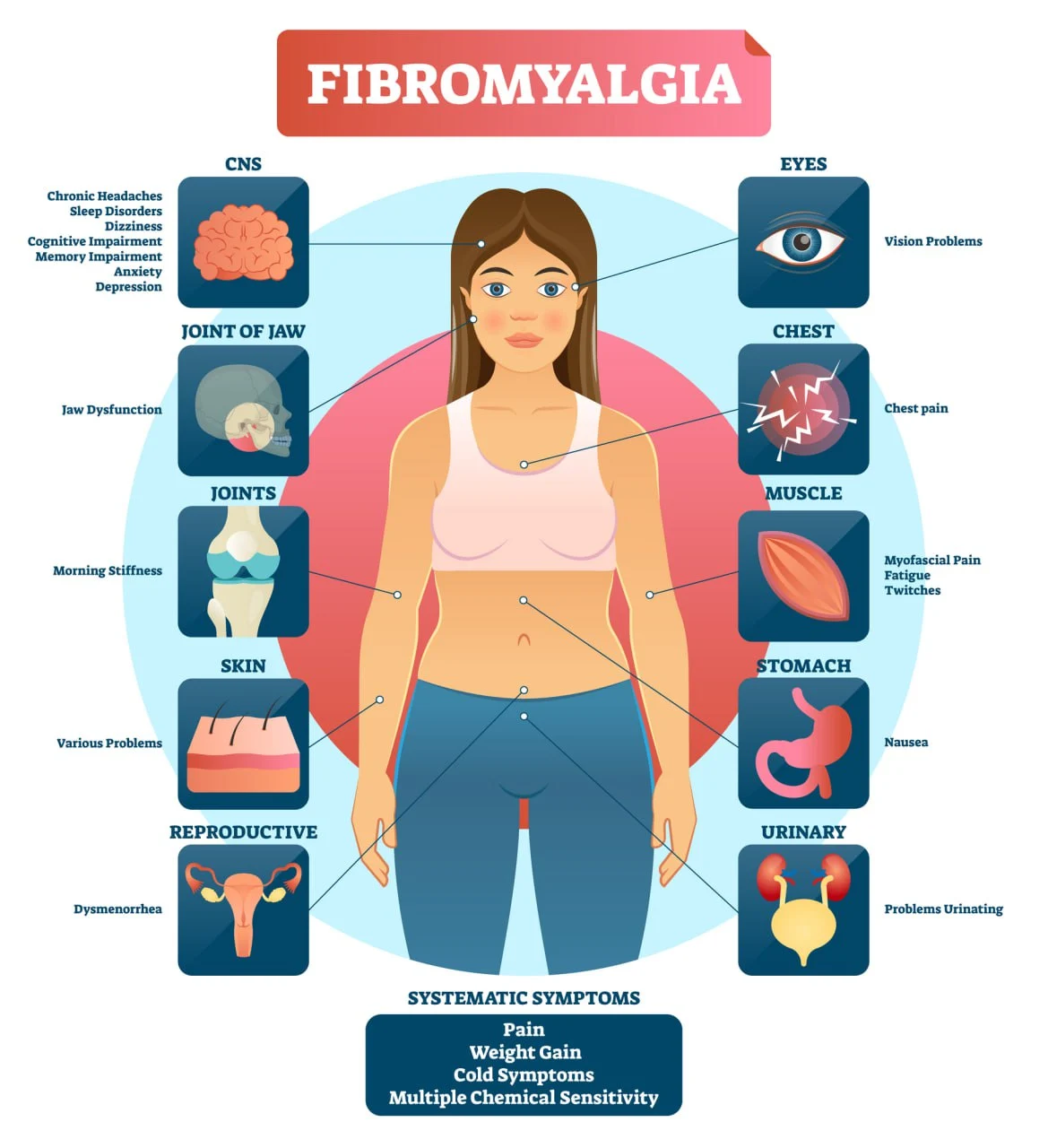
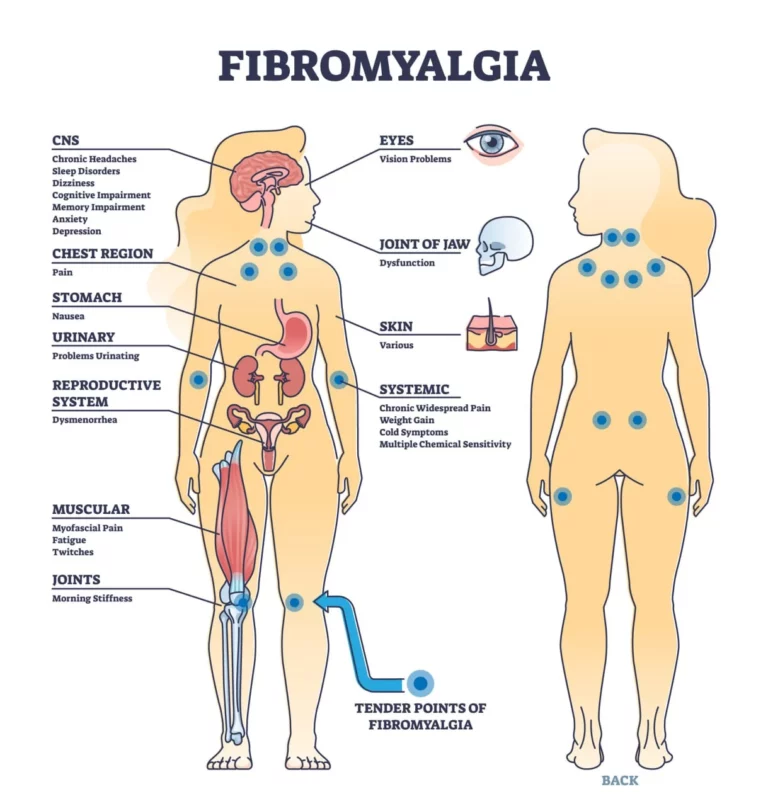
  • Fibromyalgia

Fibromyalgia is a severe illness that results in multiple symptoms, including widespread musculoskeletal pain, tiredness, and hypersensitivity. Numerous people who have fibromyalgia suffer from chronically low levels of energy that are not improved by rest.

Symptoms of fatigue and malaise seen in fibromyalgia are thought to be caused by a dysfunction of the natural system that helps us deal with stress and energy, called the hypothalamic-pituitary-adrenal axis.

Additionally, individuals with fibromyalgia can have decreased melatonin secretion at night, which is linked to poor sleep, excessive daytime fatigue, and altered pain perception.

  • Diabetes

Diabetes is a chronic health condition that causes fluctuations in blood sugar levels. Through a variety of mechanisms, both type 1 and type 2 diabetes can result in sensations of exhaustion and fatigue.

Blood sugar fluctuations can prevent cells from receiving adequate oxygen and nutrients, which will induce feelings of tiredness. Sleep deprivation can also be seen in diabetes, as high blood sugar levels cause headaches, thirst, and frequent urination at night.

In addition, the hardship of managing diabetes can have psychological effects, such as depression and anxiety, which can add to feelings of exhaustion.

  • Sleep disorders

Insomnia and sleep apnea are just two of the many conditions that can significantly lower a person’s overall level of energy, rendering them with feelings of persistent fatigue.

These disorders can prevent you from reaching deep and restorative stages of sleep or leave you feeling unrefreshed and drained during the day. Disruptions to the natural sleep cycle prevent your body from maintaining adequate repair and rejuvenation, resulting in a constant sense of tiredness.

  • Anemia

Anemia is a medical condition that causes a deficiency of red blood cells throughout the bloodstream. This may be caused by an underlying issue such as low iron levels, immune disorders, or certain medications.

Red blood cells are essential for carrying oxygen to all of the body’s tissues and organs. When their numbers decrease, it leads to insufficient oxygen delivery, impacting overall bodily function. This deficiency in oxygen can result in feelings of exhaustion and fatigue as the body struggles to meet its energy demands.

  • Peripheral neuropathy

Peripheral neuropathy is characterized by damage or dysfunction of peripheral nerves, which are the nerves that are not connected to the brain or spinal cord. It is known to have various causes, including diabetes (both type 1 and type 2), vitamin deficiencies, autoimmune diseases, and certain medications.

As our primary focus, we will discuss how peripheral neuropathy leads to fatigue in greater detail in the sections that follow.

When we have a deeper understanding of these factors, we can begin to comprehend how fatigue can go beyond just a lack of sleep and instead be linked to a number of medical issues.

In the upcoming sections, we will take a closer look at the connection between peripheral neuropathy and fatigue, clarifying how its effect on the nervous system may contribute to this widespread feeling.

How Fatigue Relates To Peripheral Neuropathy

While peripheral neuropathy may be an unfamiliar term, its implications can be profound. The peripheral nerves of the body become damaged by this complicated disorder, which disrupts the flow of information between the brain, spinal cord, and body.

Peripheral neuropathy often leads to damaged nerves in the hands, arms, feet, and legs, where it goes on to cause sensations of numbness, muscle weakness, balance problems, impaired reflexes, poor coordination, and even organ dysfunction in severe cases.

Over time, fatigue can develop as a result of peripheral neuropathy’s interference with regular bodily functions. The cycle of discomforts brought on by nerve injury can affect a person’s emotional well-being, in addition to causing physical pain.

This ongoing impact can cause individuals to feel worn out, leading them to seek additional rest. Moreover, neuropathy’s pain disrupts sleep, leading to poor sleep quality and daytime fatigue.

Additionally, neuropathy impairs muscle strength and limits physical activity, which decreases cardiovascular flow and exacerbates mood depression, all of which add to fatigue.

Finding effective relief from the discomfort and emotional toll that peripheral neuropathy causes can be a lifelong struggle that can create mental exhaustion and difficulty focusing.

Feelings of fatigue are linked to all of these challenges that peripheral neuropathy brings, highlighting the intricate relationship between the two. Let’s continue to look deeper into peripheral neuropathy’s complexities by examining its two distinct types, as well as several additional symptoms it can cause alongside fatigue.

Types Of Peripheral Neuropathy

There are two main types of peripheral neuropathy, and because of how they affect the nervous system, each type has slightly distinct symptoms, including different symptoms of fatigue. The two main types of peripheral neuropathy are:

  • Demyelinating neuropathy

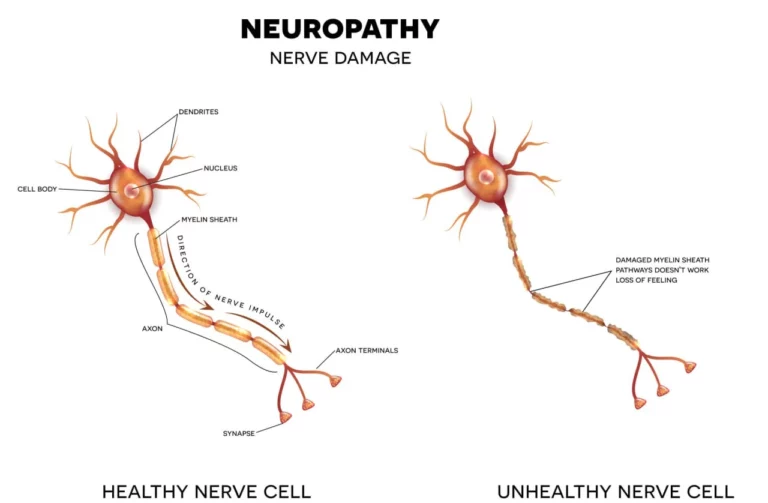
This type of peripheral neuropathy occurs when the nerve’s protective layer, called the myelin sheath, suffers from damage. Swelling and inflammation lead to degeneration of this protective layer, which disrupts the nerve’s ability to transmit nerve impulses, causing sensations of numbness and tingling.

Chronic levels of inflammation seen in this type of neuropathy can lead to a global overstimulation of the body’s cells, requiring increased energy output, which eventually leads to fatigue. Additionally, the discomfort and altered nerve functionality could potentially contribute to an individual’s overall sense of tiredness.

  • Axonal degeneration

This form of peripheral neuropathy causes trauma to the axon, a crucial part of a nerve cell, which can lead to diminished nerve function, affecting both movement and sensation.

Axonal degeneration and fatigue are related in that when a nerve is damaged, it affects an individual’s ability to move, feel, and perform everyday tasks. This can cause muscle deterioration, resulting in weaknesses that make people feel drained and worn out physically as well as mentally.

Recognizing the complex links between nerve damage and fatigue is essential to understanding the overall effects of peripheral neuropathy on one’s well-being, even if the links can vary.

Accompanying Symptoms

Besides fatigue, peripheral neuropathy can bring about a series of accompanying symptoms. Identifying the additional discomforts that this complex condition can bring will lead to a more accurate diagnosis and proper management. Here’s a brief overview of some of these interconnected symptoms:

  • Muscle weakness: When the nerves responsible for sending signals from the brain to the muscles become damaged, it can lead to reduced muscle strength and altered balance and coordination.
  • Muscle spasms and twitches: Inappropriately fired impulses from damaged nerve cells can produce involuntary muscle contractions, such as spasms and twitches.
  • Balance and coordination issues: As a result of muscle weakness brought on by damaged nerve cells, individuals may experience balance and coordination issues as the muscle fibers cease to coordinate coherently.
  • Pain and discomfort: A common symptom of peripheral neuropathy is pain. In both demyelinating neuropathy and axonal degeneration, pain can range from tingling, burning, and numbness to sharp, stabbing, agonizing sensations.
  • Hypersensitive sensory responses: Nerve damage can result in heightened sensitivity, causing disturbance to touch perception and temperature sensations.
  • Digestive and bladder problems: In rare or severe cases, peripheral neuropathy can impact the nerves that control the bladder and digestive tract. This may result in gastrointestinal distress like constipation and diarrhea as well as problems like altered sensations throughout the bladder or difficulties with urinary continence.

With a deeper understanding of these additional signs of peripheral neuropathy, you can discover suitable interventions to effectively manage your individual symptoms.

Let’s move our attention to some practical strategies you can use to combat the relentless effects of fatigue and try to recapture your energy levels.

Lifestyle Strategies for Managing Symptoms of Fatigue

Managing fatigue and chronic exhaustion is an individual journey, where strategies that work for some sufferers may not work for others. While there might not be a one-size-fits-all solution, there are some practices you can incorporate into your daily routine that can significantly improve your energy levels and overall well-being:

  • Exercising: Regular physical activity that is appropriate for your level of ability can improve circulation, stimulate nerve function, and lift your mood. Walking, swimming, or light stretching are examples of low-impact workouts that might be particularly useful.
  • Monitoring and improving sleep: Healthy sleep habits are fundamental when it comes to combating fatigue and rejuvenating both body and mind. These include establishing a consistent sleep schedule, maintaining a clean and comfortable sleep environment, and avoiding caffeine and electronic devices close to bedtime.
  • Practicing mindfulness: Incorporating mindfulness practices can help manage the stress, anxiety, and mental fatigue associated with peripheral neuropathy and boost your mood. In addition to the frequently recommended techniques of meditation and breathing exercises, we advise engaging in any activity that helps you unwind and feel at peace, whether it be bathing in nature, reading a book, or spending time with a loved one.

It’s crucial to keep in mind that fighting fatigue starts with a solid comprehension of the condition and consistent application of fundamental management techniques such as those listed above. Even with peripheral neuropathy symptoms, integrating these practices can pave the way for more energy and an improved sense of well-being.

Remember, it may take some time to find what works for you. However, regular communication with your healthcare provider can provide you with the confidence and support you need to adapt these strategies to your specific needs. Next, we will discuss some additional approaches that can be beneficial through the comprehensive guidance of doctors and alternative healthcare specialists.

Managing Fatigue Through Professionals

Seeking advice from medical experts can make a big difference when it comes to managing the various challenges that come with peripheral neuropathy. Even though this condition does not currently have a cure, there are a number of methods that may be implemented to alleviate many of its unpleasant symptoms, including fatigue.

Our article on the Relatyv protocol for neuropathy explains how Neurofunctional Pain Management can provide enduring relief from peripheral neuropathy symptoms. Two additional approaches that healthcare professionals may recommend are:

Medications

Healthcare providers can prescribe a number of pharmaceuticals that are aimed at addressing specific symptoms of peripheral neuropathy. The types of medications utilized will vary, focusing on the different aspects of peripheral neuropathy, such as nerve pain, inflammation, or slowing the progression of underlying health issues.

The intention is to address these individual factors in order to reduce discomfort as well as the effects of fatigue.

Behavioral Therapy

Behavioral therapy, sometimes called cognitive behavioral therapy (CBT), is a psychological therapeutic approach that can help combat disease and illnesses. It involves employing cognitive and behavioral interventions to create shifts in lifestyle and altering mindsets.

This therapeutic approach focuses on enhancing individuals’ resilience by equipping them with valuable coping mechanisms and strategies to manage emotional distress, anxiety, and stress – factors that can exacerbate fatigue.

Consulting with healthcare professionals ensures you receive a comprehensive and tailored approach that proactively addresses fatigue and its underlying causes, leading you toward a better quality of life despite the challenges of peripheral neuropathy.

Preventing Fatigue Caused By Peripheral Neuropathy

Prevention is the key to reducing the effects of peripheral neuropathy and fatigue. While the exact onset of peripheral neuropathy may not always be preventable, there are some measures you can take to minimize the potentially debilitating effects of fatigue taking hold. These include:

  • Managing underlying health conditions: When underlying health conditions are addressed, such as diabetes, it can significantly reduce the risk of peripheral neuropathy progressing.
  • By working closely with your healthcare provider, following prescribed medications, and adopting lifestyle changes, you can promote an overall improvement in your health as well as diminish the likelihood of nerve damage that triggers fatigue.
  • Monitoring blood sugar levels: As one of the leading causes, diabetes and sustained high blood sugar levels damage nerves over time, contributing to peripheral neuropathy and fatigue.
  • For individuals with diabetes, it is important that vigilant monitoring and control of blood sugar levels is maintained to reduce the risk of poor health outcomes.
  • Adhering to a balanced diet: Maintaining a well-balanced diet rich in essential vitamins, nutrients, and minerals is crucial in supporting nerve health.
  • Adequate vitamin and mineral intake, particularly B vitamins and magnesium, can foster nerve health and resilience, potentially preventing the onset of neuropathy and the accompanying fatigue.
  • Practicing regular exercise: In addition to the benefits of exercise in assisting with the management of fatigue, exercise is also beneficial in preventing this condition. Regular physical activity improves healthy circulation and nerve function in addition to improving overall well-being.
  • Exercise can help you keep a healthy weight, control your blood sugar, and avoid nerve damage, all of which can reduce the exhaustion brought on by peripheral neuropathy.

Individuals can drastically alter the course of peripheral neuropathy by proactively adopting these methods. With a comprehensive understanding and support from your healthcare providers, you can help reduce the risk and lessen the effects peripheral neuropathy and fatigue have on your life.

You Can Still Go Back To Your Active Lifestyle

The intricate link between peripheral neuropathy and the persistent feeling of exhaustion shows how varied this condition can be. Although this link may initially seem intimidating, it’s important to realize that there are workable strategies to reduce its impact on your overall health and well-being.

Individuals can successfully navigate the difficulties caused by peripheral neuropathy and the fatigue it causes by adopting a complete strategy that includes lifestyle modifications, professional guidance, and preventative measures.

By gaining a comprehensive understanding of available treatments and management strategies, you can make well-informed decisions about your healthcare that are tailored to your unique needs and lifestyle.

Relatyv offers specific therapies and support that can enhance your journey. Our innovative therapies are designed to target the root causes of peripheral neuropathy, addressing both its painful symptoms and the fatigue that often accompanies it.

With our team of experts, we can assist you on your path toward improved well-being, helping you regain a sense of vitality and an active life, even in the face of challenges. Your journey to relief and a magnified quality of life can begin with Relatyv.


Relatyv - Heat Or Cold For Muscle Spasms – What Is The Better Option?

Heat Or Cold For Muscle Spasms – What Is The Better Option?

Heat Or Cold For Muscle Spasms – What Is The Better Option? 1280 849 Relatyv

Many muscular injuries and conditions, including muscle spasms, have long been treated with heat and cold therapy, but it can be difficult to know when to apply which therapy. In this comprehensive overview, we address the issue of whether to use heat or cold for muscle spasms as an effective way to find relief and promote healing.

Muscle spasms can affect any muscle of the body, ranging from slight twitches to agonizing cramps that have a major negative impact on your quality of life. We’ll talk about what triggers muscular spasms, when to apply heat or cold therapy, and how to successfully manage and avoid these frustrating episodes.

Additionally, we will highlight a few of the red flags that may point to an underlying issue and require you to consult a medical professional regarding your muscle spasms.

At Relatyv, we are aware of the difficulties in managing persistent muscular spasms. We hope to provide you with useful information so you can better understand this condition and make informed decisions regarding the management of its unpleasant symptoms.

Let’s begin with exploring the potential causes of muscle spasms and how they come about.

Why Muscle Spasms Occur – Potential Causes

Muscle spasms can strike suddenly, developing into an uncomfortable inconvenience of uncontrollable muscle contractions. If they become a regular occurrence, muscle spasms may begin to interfere with your regular activities and possibly leave you wondering why they occurred.

For instance, your muscles can suddenly contract while you’re exercising, driving, or shopping. For some people, spasms might even interfere with their sleep. Let’s look at some of the most common causes of muscle spasms and the underlying reasons for these unpleasant sensations.

Dehydration

We all understand how important it is to be well-hydrated, but it is still frequently overlooked. Becoming dehydrated plays a significant role in causing muscle spasms as it leads to imbalances in essential electrolytes required for normal muscle contraction and function.

Your muscles can suddenly twitch or spasm as a result of dehydration. This is why it is important to grab the water bottle and rehydrate after sweating it out.

Electrolyte Depletion

Similar to dehydration, an imbalance in electrolytes can arise from not replenishing vital nutrients with a balanced diet. Whether it is after strenuous physical activities or a big day of work, neglecting nutritious foods can lead to low levels of electrolytes, especially magnesium and potassium, calcium, and sodium, increasing the likelihood of muscle spasms.

Inadequate Stretching

Tense muscles may be less able to function normally and can become more prone to spasms, especially when abruptly placed under increased stress, such as exercise or heavy lifting. Inadequate stretching before or after physical activity can lead to muscle imbalances and ongoing tightness, triggering spasms.

Muscle Fatigue

Overexertion without proper rest and recovery can lead to muscle fatigue and spasms. Your muscles can begin to involuntarily contract if you push them beyond their normal limits without giving them time to rest.

Working Out In The Heat

Exercising in hot and humid conditions is a perfect storm for muscle spasms. Your body is at risk of becoming dehydrated through increased sweating and loss of bodily fluids. In addition, the heat itself may tighten muscles, increasing their susceptibility to spasms.

Restricted Blood Supply

Another common trigger for muscle spasms is poor blood flow. Without appropriate blood flow, muscles are deprived of oxygen and nutrients, causing them to become dysfunctional and spasm. Restricted circulation can be caused by tight clothing, sitting for long periods of time, intense exercise, or certain medical conditions.

Stress

Due to the powerful mind-body connection, stress can manifest physically as muscular spasms. High amounts of physical or emotional stress can cause muscle tension, leading to spasms to occur throughout the body.

Excessive Vigorous Exercise

Even though exercise is crucial for our overall health, expecting your body to leap right into rigorous exercise without the correct preparation can cause overexertion, muscle strain, and, eventually, muscle spasms.

Spontaneous Nerve Discharges

If there is no clear cause of your muscle spasms, you could have spontaneous nerve discharges. These nerve impulses have the potential to trigger abrupt involuntary contractions of the affected muscles. A medical evaluation could be necessary to determine the underlying cause of this nerve abnormality.

Now that we are clear on some of the main causes, let’s explore when using heat and ice can help you find relief from sudden or recurring muscle spasms.

When Muscle Spasms Respond Well To Ice

Muscle spasms, both acute and chronic, can be a major source of discomfort. Cold therapy can be a helpful pain reliever for treating the distressing symptoms associated with spasms.

Applying ice to muscle spasms can be especially helpful in the first 72 hours after the discomfort begins to develop. Ice packs, frozen vegetables, or a cold gel pad can offer significant relief from muscle discomfort and spasms when wrapped in a thin towel and placed directly on the affected area.

As the affected area is quickly cooled down, the motor reflex loops that keep the muscles cramped and spastic are suppressed, relieving the muscle spasms.

When choosing ice treatment, it is advised to apply the cold compress to the affected area several times during the day for up to 20 minutes at a time. Exceeding 20 minutes might potentially exacerbate muscle tightness or escalate tissue inflammation.

As well as inducing numbness and pain relief to the affected area, ice therapy also helps to reduce inflammation and swelling, slowing down the nerve impulses directed to the injured region.

When Applying Heat Works For Muscle Spasms

Although it is the polar opposite of cold therapy, heat can have a significant positive effect on spasms when utilized properly, especially when the spasms have been provoked by muscle tension and tightness. Heat reduces discomfort by promoting muscle relaxation, and improving blood circulation, alleviating the symptoms caused by muscle fatigue or insufficient stretching.

If your spasms are suspected to be associated with muscular injury, it’s best to wait three days before introducing heat therapy. This window of time enables the injury’s initial swelling and inflammation to go down, ensuring the optimal environment for heat therapy to be effective and preventing aggravation of inflammation and swelling.

Due to its lower tendency to cause dehydration, moist heat is desirable and is, therefore, a safer option than dry heat. Preferred sources of heat include moist heat pads and cloths, heat packs, warm baths, or showers.

Heat can reduce muscle tension and improve overall comfort when applied for 20-30 minutes. It is important that heat is applied safely and your skin is checked often to prevent blistering and localized swelling.

Since prevention is always preferable to treatment, let’s switch our attention to strategies to prevent muscle spasms.

Can You Avoid Muscle Spasms?

Adopting preventative techniques that help protect against muscle spasms is a proactive way you can maintain an active life free of these discomforting episodes.

There are numerous strategies that can help you significantly reduce the likelihood of muscle spasms arising. Any or all of the following can be helpful:

  • Stay hydrated
  • Staying adequately hydrated is especially important when trying to prevent muscle spasms. Drinking enough water helps to maintain proper electrolyte balance and maintain optimal muscle function.
  • Stretch often
    Embedding a regular stretching routine will enhance muscle flexibility and reduce ongoing tension, reducing the likelihood of spasms. By focusing on all major muscle groups, you can maintain adequate balance and promote a healthy posture.
  • Stay within a healthy weight range
  • Excess weight can lead to imbalances throughout your muscles and increase the likelihood of injury and discomfort. By maintaining a healthy weight, you can relieve strain on your muscles and joints, reducing the likelihood of muscle spasms.
  • Avoid exercising in hot weather
    Exercise in a hot environment raises the chance of electrolyte depletion, dehydration, and muscle exhaustion, all of which can result in spasms. If you like to work out in the heat, take additional care to stay hydrated, cool, and get enough rest and recovery.

If your muscle spasms are becoming a persistent, ongoing, and distressing issue, it’s important to consider seeking a professional opinion. In the next section, we will look at symptoms and warning signs that indicate it is time to seek the advice and intervention of your health practitioner.

When To Seek Professional Help

Many muscular spasms are able to be effectively managed with self-care and heat and cold therapy, but in some cases, a medical professional’s evaluation and assessment are required.

Knowing the symptoms that call for expert help is essential to taking care of your health and well-being. It is advised to consider seeking medical advice if you have any of the following symptoms accompanying your muscle spasms:

Severe Discomfort

If your muscle spasms are disrupting your daily activities with intense pain and discomfort, it could be a sign of an underlying condition or muscular disturbance that needs medical attention. Consult your doctor to get a complete evaluation and learn about the potential therapies to ease the discomfort of your severe spasms.

Swelling Or Numbness Of Affected Regions

Your muscular spasms should be examined for a more serious cause if there is any localized swelling, tingling, or numbness throughout the affected area. These symptoms can be a sign of nerve compression, inflammation, or other potential causes that require a comprehensive medical assessment.

Skin Alterations

If you notice that the skin around where your muscle spasms occur has any changes, such as a rash, redness, edema, or discoloration, it’s essential to consult a healthcare professional. Skin alterations can indicate underlying issues, such as an allergic reaction or infection, that need to be promptly addressed.

Awareness Of Body Fluid Irregularities And Electrolyte Imbalance

Our bodies often communicate valuable clues about the status of our hydration and electrolyte balance. Indicators of dehydration or a lack of vital electrolytes and minerals include persistent changes in urine output, its color, the amount and smell of sweat, and even physical sensations like a sour taste in the mouth or dryness in the mouth and eyes.

By seeking medical advice, you can make sure that these symptoms are appropriately evaluated and, if necessary, that the right actions are implemented to restore the balance of electrolytes and hydration.

In order to assist you in maintaining ideal levels and avoiding muscular spasms and the associated discomfort, your doctor can offer specific recommendations.

Remember, your health and well-being comes first, and seeking medical assistance can provide you with peace of mind. Gaining an accurate diagnosis and customized treatment strategies can help alleviate your muscular spasms in addition to any of these alarming symptoms.

Additionally, consulting a healthcare provider ensures that any underlying conditions are identified and addressed appropriately, allowing you to take proactive steps toward effective relief and improved quality of life.

Magnify Your Quality Of Life With Relatyv

When to apply heat or cold therapy for muscle spasms depends on a few factors, including the underlying cause and your personal preference. Both treatments can be beneficial, and understanding when to use each can help you find relief from pain and discomfort associated with the disturbing symptoms of muscle spasms.

You can reduce the frequency and severity of these uncomfortable episodes if you practice mindful exercise, stretch, and stay proactive in preventing muscular spasms. Always remember that for complete care and long-term well-being, it is essential to seek expert assistance when necessary.

At Relatyv, we’re dedicated to magnifying your quality of life through specialized Neurofunctional Pain Management techniques. Our expertise lies in nerve stimulation pain relief, providing innovative solutions to individuals dealing with muscle spasms and related discomforts.

We are aware that every person has a distinct experience with muscle spasms, and our customized strategies are designed to meet your individual needs.

Empower yourself with knowledge and explore the possibilities of a more comfortable and active life with Relatyv. Your journey to pain relief starts with understanding your body and making informed choices.

Relatyv - Secondary Osteoporosis And Managing Its Accompanying Symptoms

Secondary Osteoporosis And Managing Its Accompanying Symptoms

Secondary Osteoporosis And Managing Its Accompanying Symptoms 1280 921 Relatyv

When we hear the term “osteoporosis,” thoughts of frail bones and diminished bone health likely come to mind, particularly as a result of aging. However, you should be aware of a lesser-known type of osteoporosis – secondary osteoporosis.

This article takes a closer look at the intricacies of secondary osteoporosis, highlighting its differences from primary osteoporosis and discussing the challenges people may face when dealing with this impactful form of bone disease.

We will explore the underlying causes, recognizable signs and symptoms, and the medical conditions often linked with secondary osteoporosis. Additionally, we will discuss the spectrum of management strategies, ranging from conventional treatments to innovative approaches such as Neurofunctional Pain Management.

Our goal is to provide insights that lead you toward finding effective treatments and enduring relief tailored to your individual needs and lifestyle. We want you to live a life unburdened by the constraints of secondary osteoporosis.

With this knowledge, you can feel confident in making informed decisions regarding your bone health and overall well-being. Let’s begin by defining secondary osteoporosis and how it differs from primary osteoporosis.

What Is Secondary Osteoporosis?

Did you know that most of the adult skeleton is replaced roughly every ten years? Much like your skin, your bones continue to remodel throughout your life via an intricate process known as “resorption” and “renewal.” This process heavily relies on an equilibrium state of your body reabsorbing old bone tissue (resorption) and replenishing it with new tissue (renewal).

Secondary osteoporosis disrupts the delicate balance of your bone’s resorption and renewal, decreasing the quality and quantity of bone tissue. Decreased bone density significantly compromises bone health, reducing overall skeletal strength and increasing fracture susceptibility.

Recognizing that secondary osteoporosis shares important differences with its primary counterpart is crucial, which we will discuss next.

Differentiating Primary And Secondary Osteoporosis

Identifying the differences between the primary and secondary forms of osteoporosis is an important aspect of better understanding their unique attributes and health implications.

Primary osteoporosis occurs as a natural part of the aging process, where the pace of bone renewal slows over time. In comparison, secondary osteoporosis occurs as a consequence of secondary factors such as an underlying health condition or certain medications.

These secondary factors lead to heightened resorption, a situation where the rate of bone renewal cannot keep up with resorption, ultimately reducing bone density and increasing frailty.

When we can differentiate between the two forms of osteoporosis, it guides us toward tailored strategies for both disease prevention and symptom management. Moving forward, let’s look into the signs and symptoms that may indicate the development of secondary osteoporosis.

Common Signs And Symptoms Of Secondary Osteoporosis

Most bone diseases, including secondary osteoporosis, do not present symptoms during their early development. In fact, both osteoporosis forms are referred to as “silent conditions” because individuals frequently remain unaware of their presence until a minor incident leads to a major bone fracture, revealing the underlying bone frailty.

Nonetheless, secondary osteoporosis might reveal itself through several subtle symptoms. These include gradual height loss, a hunched posture of the upper back, and back pain. Additionally, individuals can experience localized discomfort in bones or joints, especially during load-bearing activities, along with extended periods of deep pain or tenderness following a minor injury.

By staying watchful and proactive, secondary osteoporosis may be detected early. This leads us to explore some of the causes of secondary osteoporosis in the upcoming section.

Causes Of Secondary Osteoporosis

We now understand that secondary osteoporosis is a multifaceted condition intertwined with secondary factors. For example, complications from various health conditions can bring rise to secondary osteoporosis. Additionally, medications prescribed to treat many health conditions can inadvertently contribute to weakened bones. 

Alongside these two common causes is an array of lifestyle factors and habits that influence overall bone health. Here, we will discuss the interplay of these components and how they collectively contribute to developing secondary osteoporosis.

Health Conditions

Various health conditions can trigger the development of osteoporosis. These conditions influence the vital processes of bone growth, where they can cause shifts in bone replenishment, the depletion of important minerals, alteration of the bone structure, and even changes in the expression and function of individual bone cells. Some of the more common health conditions include:

Gastrointestinal Diseases

Disorders that affect the gastrointestinal tract, such as inflammatory bowel disease (IBD), can disrupt the absorption of essential vitamins and minerals. Depletion of these essential nutrients can directly affect bone health, reducing their density and overall strength.

Rheumatological Conditions

Rheumatic diseases, such as rheumatoid arthritis, are inflammatory autoimmune conditions. Many factors from rheumatological conditions combine to damage bone health and density, including the direct impact of inflammation, poor nutrition, and reduced mobility. Additionally, medications used to treat these conditions, specifically glucocorticoids, can inadvertently contribute to bone weakening.

Chronic Kidney Disease

Your kidneys are vital in balancing the hormones and minerals required for optimal bone health. When your kidney function is impacted by disease, it can lead to imbalances that deplete your bones of calcium, compromising their structure and density.

Medications

While useful for treating specific health concerns, certain drugs can paradoxically induce side effects that accelerate bone loss by catalyzing resorption. This leads to bone weakening and an increased risk of fractures.

These medications include some anticonvulsants, certain cancer treatments, and some medications used to suppress the immune system, like methotrexate. Additionally, glucocorticoids are a prominent treatment for many health conditions. Let’s briefly examine how this drug explicitly affects bone mass.

Glucocorticoid-Induced Bone Loss

Prednisone, hydrocortisone, and dexamethasone are examples of glucocorticoid medications, a class of steroid hormones. Glucocorticoids treat a wide range of inflammatory health conditions such as arthritis, inflammatory bowel disease, asthma, and most cancers. However, having increased exposure to glucocorticoids can damage our bones. They lower the bone renewal rate and can increase bone resorption. As a result, this can lead to the development of secondary osteoporosis.

Awareness of the potential side effects of all medications is pivotal, ensuring that you and your healthcare provider make informed choices that balance both your health needs and the preservation of bone density.

Lifestyle Factors

The lifestyle choices we make will greatly impact our overall bone health. Engaging in regular weight-bearing exercises, such as weightlifting, is well known to improve overall bone density. Additionally, maintaining a healthy diet rich in essential nutrients, and avoiding detrimental habits like smoking and excessive alcohol consumption are potent tools in the fight against secondary osteoporosis.

These lifestyle factors play important roles in managing the healthy balance of bone renewal and resorption, while optimizing overall health and promoting positive well-being.

Why Is Early Diagnosis Crucial?

Discussing your concerns about your bone health with your doctor is important. Learning all the facts and understanding the bigger picture of your bone health can help you to take proactive steps toward managing your overall bone health and preventing the progression or exacerbation of osteoporosis.

An early diagnosis, particularly a distinction between primary and secondary osteoporosis, is pivotal for uncovering the root cause of bone loss and making informed decisions about suitable treatments. The following section will discuss the more conventional approaches your doctor might recommend to address a diagnosis of secondary osteoporosis.

Conventional Approach To Managing Secondary Osteoporosis

Due to the multi-dimensional nature of secondary osteoporosis, many components of this condition require a specialist approach to finalize a comprehensive strategy tailored to your individual needs. Some of the components involved in this approach include:

  • Involving various medical specialists: A team of medical experts can conduct specialist assessments and finalize a comprehensive strategy tailored to the individual needs of your bone health. 
  • Depending on the underlying cause of your condition, this may include specialists such as endocrinologists, rheumatologists, nephrologists, physiotherapists, and pharmacists, all providing insights into the intricate interplay of various health factors to help manage secondary osteoporosis. 
  • Medications: Your team of health professionals collaborates to assess the most suitable medication regimen for you. The medications prescribed target the specific mechanisms contributing to bone loss and work towards slowing down its progression. 
  • Additionally, over-the-counter analgesics or more potent prescription drugs such as opioids may be recommended for painful symptoms. It is paramount that medications are carefully selected and monitored to ensure optimal effectiveness and minimize potential side effects.
  • Lifestyle modifications: Positive changes to detrimental lifestyle habits can greatly enhance health outcomes for people with secondary osteoporosis. It may begin with receiving the necessary support to reduce alcohol intake or quit smoking. 
  • Additionally, a tailored weight-bearing exercise program that is safe and effective can be established with guidance from your medical team. This program will help to strengthen bones and promote healthy renewal and resorption.
  • Nutritional support: Establishing a diet rich in calcium, vitamin D, and other essential nutrients is essential in fostering healthy bones. A nutritional expert can address your preferences and dietary requirements to formulate a plan that meets your needs.

While specific management plans may help slow the progression of osteoporosis, it can be challenging to address the accompanying painful symptoms without strong pain medications.

As a result, some individuals may seek alternative therapies that don’t rely on pharmaceuticals. In the next section, we explore Neurofunctional Pain Management as a solution for managing the pain related to osteoporosis.

How RelatyvTargets Pain Caused By Osteoporosis

As osteoporosis weakens bone integrity, micro fractures can develop, especially within large weight-bearing joints such as the spine, hips, and knees. By ta eting the nervous system’s response to pain, Relatyv aims to relieve the pain caused by osteoporosis through specialized Neurofunctional Pain Management protocols. These include:

  • Electroanalgesia
  • Electroanalgesia involves high-pulse electrical stimulation that targets the intricate connections between pain, the nervous system, and the brain. This non-invasive therapy intercepts pain signals at the nerve’s source, providing pain relief at a cellular level. Electroanalgesia can mitigate the discomfort from osteoporosis-related microfractures by modulating the nervous system’s responses.
  • IV therapy
  • Specialized intravenous therapy (IV therapy) directly introduces vital nutrients essential for bone health into the bloodstream, enhancing their availability and maximizing their impact. This essential component of Neurofunctional Pain Management is a targeted approach that supports organ function, replenishes minerals, and reduces inflammation, contributing to overall pain reduction and more robust bones.
  • Lifestyle counseling
  • At Relatyv, we understand that pain goes beyond physical sensations, where it also incorporates aspects of your mental health and overall sense of well-being. Our team of experts fosters an approach to pain management that encompasses the whole person. We offer personalized lifestyle counseling to support individuals with osteoporosis in making informed lifestyle choices. We provide guidance that includes exercise routines to fortify vulnerable joints, dietary recommendations to nurture bone health, and strategies to fosters mindful stress reduction habits.

Our specialized Neurofunctional Pain Management protocol utilizes these innovative techniques collaboratively to address the pain associated with this incurable disease. Let’s shift our focus to examine the prognosis of secondary osteoporosis.

Prognosis Of Secondary Osteoporosis

While secondary osteoporosis cannot be cured, detecting the condition early and following a management plan within the early stages can significantly alter its trajectory. The outlook for individuals grappling with secondary osteoporosis relies heavily on the steps you take to prevent it and the tailored treatments prescribed to you.

By working closely with your team of healthcare professionals, you can mitigate the impact of secondary osteoporosis and enhance the long-term health of your bones, optimizing your future health outcomes. 

Next, we will discuss some practical steps you can take that may help prevent the development of osteoporosis.

What Are The Prevention Strategies?

Prevention is the cornerstone of optimal health, including bone health. By employing practical strategies to promote strong bones, you can help prevent weak bones that are susceptible to breakage. These include:

  • Embracing a well-balanced diet rich in vitamin D and calcium
  • Engaging in bone-strengthening exercises like weightlifting or jogging
  • Reducing your alcohol intake
  • Quitting smoking
  • Addressing underlying health conditions
  • Maintaining regular bone health checkups

Although most of our bone strength develops during our childhood and teenage years, these are some helpful ways you can slow age-related bone loss to prevent your bones from becoming weak and brittle.

Stop Pain Associated With Osteoporosis With Relatyv

Secondary osteoporosis is a complex condition that can significantly affect bone health and reduce the quality of life for those affected. However, through the insights of this article, you are now armed with the awareness and knowledge to actively lower your risk of this disease impacting your life.

Recognizing the subtle signs and symptoms, understanding how it develops, and exploring the management strategies available will contribute to mitigating the effects of secondary osteoporosis. By adopting practical strategies and staying vigilant with checkups, you can effectively reduce the risk factors associated with developing this complex condition.

Seeking professional guidance and prompt treatment can lead to effective solutions that manage the painful symptoms of secondary osteoporosis. You can find lasting relief and improved quality of life through the innovative techniques of Neurofunctional Pain Management.

At Relatyv, our tailored approach strives to reduce pain and magnify your overall well-being. By embracing these strategies and seeking support from our experts, you can take charge of your bone health and pave the way to a future free from the constraints of secondary osteoporosis.


Can Diabetic Neuropathy Be Reversed?

Can Diabetic Neuropathy Be Reversed? 700 468 Relatyv

Experiencing diabetic neuropathy can be quite distressing. A question that many individuals living with diabetes might find themselves asking is, can diabetic neuropathy be reversed? Don’t worry; we’re here to answer this important question and shed some light on this uncomfortable symptom.

While completely reversing diabetic neuropathy may not always be possible, it is well worth exploring ways to manage the impact of symptoms and prevent any further nerve damage from occurring. By taking proactive steps and intervening early, you can find solutions that significantly reduce pain and discomfort and improve your quality of life.

In this article, we’ll explore the common types of diabetic neuropathy and their unique characteristics. We’ll also discuss various conventional treatment options commonly prescribed to help manage this condition.

When it comes to individuals experiencing persistently painful and debilitating symptoms of diabetic neuropathy, finding effective treatment becomes a top priority.

We’ll introduce how the specialized Neurofunctional Pain Management techniques offered by Relatyv provide an innovative approach to finding relief from pain without resorting to heavy medications or invasive surgeries.

Let’s begin by taking a closer look at what diabetic neuropathy is and what it is that causes your painful symptoms.

Understanding Diabetic Neuropathy and Its Prevalence

Diabetic neuropathy is a complication of diabetes that causes damage to the nerves throughout the body. This results from elevated blood sugar levels, which over time, can lead to disruptions in nerve function and communication, resulting in various uncomfortable and often painful symptoms.

The prevalence of diabetic neuropathy is striking, where sufferers of both type 1 and type 2 diabetes can experience its effects. Nearly half of all people who have diabetes will develop neuropathy during their lifetime, according to the American Diabetes Association (ADA). It is more prevalent among those who have struggled with diabetes for a long time or those who have difficulty managing their diabetes.

Depending on the severity and type of diabetic neuropathy, it can cause mild to severe pain, particularly in the hands and feet. Additionally, it can provoke further complications such as ulcers and infections, muscle weakness, and, in severe cases, amputation of the affected area. These symptoms carry the potential to deeply influence the daily lives of those affected.

The impact of diabetic neuropathy can vary widely, highlighting how important it is to better understand this condition. In the next section, we will discuss the different types of diabetic neuropathy and their distinct symptoms.

Types Of Diabetic Neuropathy And Their Symptoms

There are several distinct types of diabetic neuropathy, each displaying an identifiable set of symptoms. These variations exist due to the many ways high blood sugar, a hallmark of diabetes, impacts different nerves of the body. Let’s explore the different classifications and their effects below:

Peripheral Neuropathy

As the most common type of diabetic neuropathy, peripheral neuropathy is what most people may picture when thinking of this condition. It damages the nerves in the hands, arms, feet, and legs, where it typically begins with sensations of numbness.

Over time, it can lead to mild to severe neuropathic pain and loss of most or all local sensation. Even the early stages of peripheral neuropathy can impact routine activities, making walking, exercising, or dexterous tasks a challenge.

Autonomic Neuropathy

Autonomic neuropathy poses a different set of challenges to those affected. This type of neuropathy damages the autonomic nerves, which control many of the body’s involuntary functions. This can affect an individual’s heart rate, blood pressure, bladder, digestive tract, and genitals.

Symptoms of autonomic neuropathy will vary, depending on its severity and the areas affected. Digestive upsets such as constipation, diarrhea, nausea, and bowel incontinence can develop. Additionally, urinary tract areas may be impacted, causing infrequent urination, bladder infections, or incontinence.

If autonomic neuropathy affects the nerves that control heart rate and blood pressure, it can cause dizziness and fainting, along with slow, fast, or abnormal heart rates. A further uncomfortable sign can include problems with getting or keeping an erection (for men) or difficulty with orgasms and vaginal dryness (for women).

Focal Neuropathy

Focal neuropathy, sometimes called mononeuropathy, damages a single nerve or group of nerves in close proximity. It is less common than both peripheral and autonomic neuropathy, and it mostly affects nerves of the torso, legs, head, or hands.

The distinctive characteristic of focal neuropathy involves the localization of symptoms to a specific area, where it causes sudden pain and weakness.

For example, it may cause sudden pain and numbness within the face, otherwise known as Bell’s Palsy. Or it may affect the thumb and index finger, as seen in carpal tunnel syndrome, where pain and immobility develop.

Proximal Neuropathy

Proximal neuropathy is a rare form of diabetic neuropathy that can lead to life-altering symptoms if left unmanaged. Otherwise referred to as diabetic amyotrophy, this type of neuropathy harms the nerves of the hips, thighs, and buttocks.

Pain and weakness arise throughout the affected areas where even standing and walking can become difficult tasks. Symptoms will usually only affect one side of the body, although it can spread to both sides in rare cases.

Common Medical Treatment Options For Diabetic Neuropathy

While completely reversing the effects of diabetic neuropathy may be challenging, an individual can slow down its progression and manage its painful symptoms in many ways.

The two biggest factors that can prevent the condition from worsening and help you to find relief are adopting lifestyle changes to manage blood sugar levels effectively. Let’s discuss these alongside other contemporary treatments in more detail:

  • Glycemic control: Maintaining blood sugar levels through lifestyle adjustments and medication is the best way to prevent nerve damage from diabetic neuropathy from worsening and to ease the symptoms. This can be achieved by following your prescribed medication regime, eating a well-balanced diet, exercising, and avoiding alcohol and cigarettes.
  • Over-the-counter pain medications: Some over-the-counter medications, such as nonsteroidal anti-inflammatory drugs (NSAIDs), can provide relief from the pain and inflammation caused by diabetic neuropathy. It is essential to check with your doctor or pharmacist before taking any medication.
  • Surgery: In some cases, inflammation from nerve and tissue damage causes swelling and compression of the surrounding nerves, heightening the painful symptoms. In this case, surgery may be considered to reduce nerve compression and alleviate pain.
  • Physical therapy: Through the help of a qualified physical therapist, you can discover targeted exercises and conditioning movements that help improve muscle strength, relieve tension, and alleviate discomfort caused by neuropathy.
  • Complementary Therapies: Many individuals choose to explore complementary options to help find effective relief from diabetic neuropathy. Techniques such as acupuncture, massage, relaxation, and meditation may help relieve the pain associated with diabetic neuropathy.
  • TENS (transcutaneous electrical nerve stimulation): This therapy aims to alleviate pain associated with diabetic neuropathy by improving blood flow and reducing painful signals sent to the brain from low-pulse electrical currents applied to the skin.

These treatment options aim to relieve painful symptoms, improve nerve function, and slow the progression of diabetic neuropathy. However, some individuals who suffer from chronic pain may struggle to find sufficient relief.

Alternative approaches, such as our Relatyv approach to Neurofunctional Pain Management, can offer promising solutions. Next, we will discuss how Relatyv can help you find enduring relief from the pain caused by diabetic neuropathy.

The Relatyv Protocol

Relatyv specializes in Neurofunctional Pain Management and offers a tailored pain treatment protocol designed to address diabetic neuropathy at its source. Our dedicated specialists offer an alternative to traditional treatment methods by providing non-pharmaceutical, non-surgical, non-invasive, and non-chiropractic options for pain management.

So, what does Neurofunctional Pain Management involve, and how does it work? Our Relatyv protocols include electroanalgesia treatments, specialized IV therapy, and lifestyle counseling. Let’s explore these techniques in more detail.

IV Nutritional Therapy

Specialized IV therapy is an integral part of our tailored approach that addresses an individual’s specific needs. Through blood work evaluation, we identify your nutritional deficiencies, customizing a hydration therapy program that can improve your overall health. 

IV nutritional therapy replenishes essential nutrients, vitamins, minerals, and other core nutritional components. When combined with electroanalgesia, customized hydration therapy reduces inflammation and promotes overall healing, optimizing the body for enduring pain relief for each patient.

Electroanalgesia

Electroanalgesia is another key component of Neurofunctional Pain Management. This therapy uses electrical stimulation to reduce inflammation and provide pain relief. Electroanalgesia uses high-pulse electrical currents applied to the skin.

By promoting nerve regeneration and reducing pain signals, electroanalgesia enhances muscle function and alleviates the impact of neuropathy. Its long-lasting effects can provide relief for months after completing the treatment course.

Lifestyle Counseling And Patient Education

At Relatyv, we strongly believe in a whole-person, patient-centered approach to managing pain. We understand that suffering from chronic pain can have a profound psychological effect and encompasses more than just an underlying health condition but also your entire lifestyle. 

That is why our Relatyv protocol includes lifestyle counseling. Our comprehensive patient education program focuses on improving various aspects of health to enhance overall well-being and address specific health conditions, such as diabetic neuropathy. 

By making positive lifestyle changes, patients can further support their healing process and improve their quality of life even after completing their Relatyv treatment course.

Take Control Of Your Diabetic Neuropathy Today

Although the answer to the question ‘Can diabetic neuropathy be reversed?’ isn’t as straightforward as you might have hoped, there are many ways to manage and alleviate its impact and manage painful symptoms.

Improving your well-being while living with diabetes is very achievable through early detection and intervention of diabetic neuropathy. Discovering tailored treatments and adopting lifestyle adjustments are key in helping to slow the progression of this condition and enhancing your overall quality of life.

Diabetic neuropathy can be challenging, and with the help of our dedicated team at Relatyv, our expertise, support, and innovative solutions can help you navigate the complexities of this complex condition. Your journey to a more comfortable and fulfilling life starts with informed choices and a commitment to proactive care.

Relatyv - Connections And Distinctions Between Neuropathy And Fibromyalgia

Connections And Distinctions Between Neuropathy And Fibromyalgia

Connections And Distinctions Between Neuropathy And Fibromyalgia 732 549 Relatyv

Affecting 20 million and 4 million Americans respectively, neuropathy and fibromyalgia are among the most common pain conditions affecting adults of all ages. These disorders can lead to chronic widespread pain and cause severe limitations to your everyday personal and professional life. 

But despite how common fibromyalgia and nerve pain are, a lot is yet to be understood about these conditions, including their causes and nature. Nonetheless, thanks to recent research, a connection between nerve dysfunction and fibromyalgia pain has started to emerge. In turn, these findings may open up the path to new, innovative treatment options for patients battling chronic pain. 

In this guide, we’ll look at how the whole-person program developed by Relatyv – Neurofunctional Pain Management – targets the underlying causes of chronic pain and offers patients a non-invasive and non-drug therapeutic approach. Let’s get started.  


Is Fibromyalgia Neuropathic In Nature?

To understand the connection between fibromyalgia and nerve pain, it is first important to clarify how these conditions are defined:

  • Neuropathy: Neuropathy – or simply nerve pain – is a term used to describe the symptoms deriving from damage to the nerves in the peripheral nervous system, which are the nerves located outside the brain and the spinal cord.

    In turn, damage to nerve fibers interferes with the natural transmission of signals to and from the brain. Depending on whether sensory, motor, or autonomic nerves are affected, you may experience one or more of the following symptoms:

  • Fibromyalgia: Initially categorized as “arthritis-like” pain, fibromyalgia is a condition that causes widespread musculoskeletal pain, muscle weakness, fatigue, sleep problems, and changes in mood and memory. 

Given the “invisible” nature of fibromyalgia, this disorder remains difficult to diagnose and manage. What’s more, research is still ongoing to determine the nature and causes of this condition. 

According to studies, fibromyalgia is linked to disturbances in the normal processing of pain signals deriving from dysfunction of the central nervous system, i.e. the brain or spinal cord. In turn, patients with fibromyalgia are more sensitive to pain or experience excessive pain in response to stimuli that should normally be painless or mildly uncomfortable. 

People with fibromyalgia also tend to suffer from hypersensitivity to light, temperature, sounds, and smells, as well as difficulties with autonomic functions like increased sweating and irregular heartbeat. All of these are symptoms that can be traced back to altered neurological function. 

It has also been seen that fibromyalgia is more likely to occur in people who suffer from nerve damage and pain. According to a 2019 study, nearly 50% of people with fibromyalgia also had small fiber pathology, which is a form of neuropathy that causes burning pain and prickling sensations. 

Research conducted in 2014 on skin samples of people with and without fibromyalgia showed that those diagnosed with this condition have a much lower density of nerve fibers on the outer layer of the skin. 

Other aspects that indicate that fibromyalgia may be neuropathic in nature include:

  • Fibromyalgia causes symptoms that are similar to the ones caused by nerve damage (i.e. tactile allodynia and hyperalgesia).
  • Common symptoms of fibromyalgia such as involuntary muscle movements and contractions that occur without visible cause are often due to damaged nerve fibers that fire spontaneously and become excessively excitable. 
  • Both neuropathy and fibromyalgia have a genetic component and are more likely in people with a family history of these conditions. 

Although ongoing research shows even more similarities between the two conditions, the physiological changes that cause fibromyalgia (pathophysiology) are unclear. Because of this, according to a 2018 review, fibromyalgia does not meet the “current criteria for the definition of neuropathic pain.”

Below, we’ll look at the aspects that set fibromyalgia and neuropathy apart. 


Fibromyalgia Vs. Neuropathy: How These Conditions Differ

Although fibromyalgia and nerve pain may be interconnected and have overlapping symptoms, there are critical differences between these two conditions that are worth noting. 

This knowledge can help you identify your symptoms correctly, facilitate an accurate diagnosis, and find an adequate management strategy as swiftly as possible.  


Tender Points

One of the main similarities between fibromyalgia and nerve pain is that these two conditions cause pain throughout the body, often described as burning or prickling. Both disorders are also associated with numbness, tingling sensations, and excessive sensitivity to external stimuli. 

However, a closer examination shows some differences. 

Historically, according to the official guidelines published in 1990 by the American College of Rheumatology, fibromyalgia was diagnosed by examining 18 sites in the body. These sites included regions in the upper arm, the back of the shoulders, the upper edge of the breast, the knee, the leg, the hip bone, and the base of the skull. 

If, at the time of examination, patients experienced pain in at least 11 of these 18 “tender spots”, they were diagnosed with fibromyalgia. These diagnostic criteria were updated in 2010 following findings that show how the pain caused by fibromyalgia tends to move across the body and change in location and intensity over time.

On the other hand, nerve pain caused by neuropathy follows what’s known as the “dying-back phenomenon” or axonal degeneration. This process dictates that the longer nerves, which are also those located the furthest from the brain and the spinal cord, are the first ones to be affected by degenerative damage. Thanks to this process, the more important nerves in the peripheral nervous system that connect to vital organs are protected for longer. 

Because of the “dying-back phenomenon”, you’ll begin to experience pain, numbness, and extreme sensitivity to touch in the hands, fingers, feet, or toes. Over time, the pain can progress and start affecting your arms and legs before spreading across the body.


Underlying Causes

As we have seen above, the causes of fibromyalgia are unclear. Current hypotheses show that dysfunction of the nervous system may be involved. However, other studies present different theories. 

For example, a 2020 study explored the connection between fibromyalgia and gut microbiome composition, while 2021 research links this pain condition to dysfunction of the immune system. What’s more, in most cases, the onset of fibromyalgia is associated with another major health event, such as a traumatic injury or mental health illness. 

When looking at the causes of neuropathy, different patterns emerge. Nerve damage can be caused by several conditions, including:

  • Diabetes and unmanaged blood sugar levels 
  • Tumors that press on the nerves
  • Some medications, such as those used in chemotherapy
  • Infections like HIV/AIDS, shingles, and hepatitis B and C
  • Alcohol use disorder
  • Exposure to toxins
  • Vitamin imbalances (i.e. vitamin B12 deficiency)
  • Hormonal imbalances
  • Traumatic injury 
  • Kidney disease

It is important to note that up to 30% of cases of neuropathy are idiopathic, meaning that they have no known cause. 


Diagnostic Criteria

Until 2010, fibromyalgia used to be diagnosed through a physical examination, during which a doctor would gently press on the 18 tender spots of the body. However, following the updated diagnostic criteria published by the American College of Rheumatology in 2010, doctors now use a wide range of tools to diagnose this condition, including

  • A review of a patient’s family and medical history
  • An examination of the symptoms experienced
  • A complete blood count
  • Tests for vitamin deficiencies
  • Thyroid function assessments
  • Tests to check for celiac disease
  • Rheumatoid factor (the presence of autoantibodies that determine the development of rheumatoid arthritis)

When it comes down to diagnosing neuropathy, doctors will use similar tools to the ones seen above. However, they may also use electrodiagnostic tests, biopsies, and neurological examinations to determine the location, cause, and extent of nerve damage. 

Imaging tests like CT and MRI scans may be recommended to ascertain the presence of anomalies (i.e. tumors) pressing on and damaging a certain nerve. 


Similarities In Their Symptoms

One of the aspects that makes fibromyalgia and neuropathy so difficult to diagnose and manage is that their symptoms are often similar or overlapping. Next, we’ll look at the most common telltale signs of these conditions. 


Tingling Sensation

Damage to nerve fibers or their protective sheath (myelin) interferes with the normal transmission of signals relating to pain, touch, temperature, and vibration. When your nerves are damaged or are unable to send these signals as they should, you may experience what’s known as paresthesia, or tingling and prickling sensations. 

Paresthesia is also associated with other symptoms, including:

  • Numbness 
  • Excessive sensitivity to touch (allodynia) 
  • Experiencing pain in response to stimuli that should be painless (hyperalgesia)
  • Heat intolerance

The inability to properly experience sensation can lead to severe complications. For example, if your toes are numb, you may inadvertently expose your feet to extreme heat or cold, or let an infected wound go untreated. When this happens, you may suffer tissue degeneration and ulcers which, in diabetic patients, account for up to 75% of nontraumatic limb amputations


Muscle Pain

Muscle pain arises as a complication of nerve damage. When the nerves responsible for carrying motor signals to the brain are damaged, you may begin to experience involuntary muscle movements, painful cramps, and spasms. 

As your disorder progresses, you may lose your ability to voluntarily move your muscles, which translates into balance and coordination problems, as well as the shrinking of the muscle mass. 

What’s more, both fibromyalgia and neuropathy interfere with how your brain processes painful and non-painful signals, causing physical sensations to appear more intense. 


Fatigue 

Alongside widespread pain, chronic fatigue is one of the most debilitating aspects of both fibromyalgia and neuropathy. This symptom occurs due to the fact that damaged nerves are unable to support the contraction and relaxation of the blood vessels that supply muscles around the body. The difficulty of supplying muscles with enough oxygen and blood translates into an excessive drain of energy, which results in constant fatigue. 

This symptom is also aggravated by chronic pain and the impact on mental health it can have. A 2020 study shows that, among those with neuropathy, 65.6% also suffered from depression, and 73.7% from anxiety disorders. In turn, these mental health disorders are known to cause persistent feelings of sadness, a lack of energy, sleep disturbances, and fatigue. 


Sleep Disturbances

As we have seen above, both neuropathy and fibromyalgia cause increased sensitivity to touch. These painful sensations tend to become more noticeable at night when there are fewer distractions and external stimuli. In turn, for people with nerve pain, even the light brushing of the bed sheets on the skin can become excruciatingly painful. 

The pain and discomfort you experience at nighttime can prevent you from falling asleep and staying asleep, which can impact your daytime productivity and increase your levels of fatigue and stress. 

According to estimations, 70% of people with nerve damage experience sleep disturbances, and 96% of people with fibromyalgia are problem sleepers. Some of the most common sleep disorders affecting those diagnosed with neuropathy or chronic pain include insomnia, trouble falling asleep, and non-restorative sleep. 


Examining Shared Treatment Approaches For Symptom Management

If neuropathy is often challenging to diagnose, fibromyalgia is even more so. According to 2018 estimations, patients tend to wait over six years to obtain an accurate diagnosis and, in most cases, the root cause of their chronic pain remains unknown.

Because of this, most treatment programs for fibromyalgia and nerve pain aim to help patients manage their symptoms, rather than target the underlying condition that is causing chronic pain. 

Here are the shared treatment approaches for these two conditions, their benefits, and their limitations.  


Medication

Medications are considered the go-to solution for patients struggling with widespread chronic pain. The most commonly used classes of drugs for chronic pain include:

  • NSAIDs: Non-steroidal anti-inflammatory drugs (NSAIDs) are pain relievers, often available as an over-the-counter solution. 
  • Antidepressants: Antidepressants can increase the activity of the neurotransmitters in the spinal cord responsible for reducing pain signals. These drugs can also induce sleep, helping patients with chronic pain feel more restful and less fatigued during the daytime. 
  • Anti-seizure medications: Antiepileptic drugs disrupt pain signals traveling to the brain, thus reducing the intensity of painful sensations in people with nerve pain. 
  • Narcotics and opioids: Drugs like oxycodone temporarily block the transmission of pain signals to the brain. Nearly half of patients with neuropathy between 2014 and 2018 were prescribed opioids to manage their pain. 

It is important to note that both neuropathy and fibromyalgia are chronic conditions, which means that you’d need to take medications regularly to manage ongoing pain and distress.

But the side effects of this decision cannot be overlooked. The regular consumption of painkillers, antidepressants, antiepileptics, and opioids can lead to a cascade of side effects, including the increased risk of stroke and heart attack, ulcers, sleep disturbances, mood swings, and addiction. 


Physical Therapy

Physical and occupational therapy play an important role in helping patients manage their chronic pain and adapt their lifestyle to prevent severe complications. 

In particular, a review published in 2000 shows that physical therapy and regular cardiovascular fitness exercises can reduce pain, boost energy levels, and promote overall musculoskeletal health. It is also important to note that regular physical activity can improve muscle strength and flexibility, and help people fight the risk factors for both neuropathy and fibromyalgia, such as diabetes, obesity, and poor cardiovascular health. 


Acupuncture

Acupuncture, as well as other natural remedies like massages, meditation, and mind-body exercises (e.g. yoga), can have multiple beneficial effects. Firstly, acupuncture has been seen to induce an overall sense of well-being and trigger the release of endorphins, the body’s natural painkilling hormones. 

Additionally, these therapies can help relax tense muscles, which prevents painful spasms and cramps. Lastly, massages can support the circulation of blood and oxygen around the damaged nerve endings, thus preventing further damage. 

While these therapies may help people with chronic pain, they don’t work equally well for all patients, and results may only be temporary. 


TENS Unit

Possible internal link to “TENS Unit For Neuropathy – Is It Your Best Treatment Option?

TENS – or transcutaneous electrical nerve stimulation – refers to a therapy that involves targeting a painful area with low-frequency electrical pulses. The electrical current has a similar effect to the one of acupuncture: it may help relax tense muscles, alleviate pain, and support blood and oxygen circulation around the areas affected by pain. 

TENS units are available as an over-the-counter solution and, given that they are only able to deliver low-frequency pulses, they are considered generally safe. However, the relief this therapy provides is only limited to the duration of the treatment and cannot be considered a long-term solution. 


Neurofunctional Pain Management For Fibromyalgia And Neuropathy Pain

Although a lot is yet to be understood about the connection between fibromyalgia and neuropathic pain, one aspect is certain: most treatments prescribed for these conditions are inefficient at best and harmful at worst. 

Fortunately, taking medications daily to ease your pain or facing the prospect of living with your condition for years to come are no longer the only options. Thanks to the innovative treatment program pioneered by Relatyv, you can target the underlying cause of your chronic pain, prevent complications, ease discomfort, and, ultimately, magnify your quality of life. 

Neurofunctional Pain Management is a whole-person approach that aims to target all of those lifestyle and health factors that contribute to or aggravate your chronic pain. Thanks to non-invasive, non-drug, and non-chiropractic therapies, this customized treatment program can help you make positive changes, understand the nature of your conditions, and build the foundations of long-term health. 

Some of the key pillars of Neurofunctional Pain Management are:

  • Electroanalgesia: Electroanalgesia is a pain management method that leverages high-frequency electrical pulses. Professionally administered, this therapy supports the body’s regenerative power by stimulating the blood flow around the painful area. It also interferes with the signaling of pain signals and triggers the release of painkilling hormones such as endorphins. The combination of these actions provides long-lasting relief from pain. 
  • IV therapy: Ad hoc IV mixes are designed based on the imbalances that emerge from complete blood counts. Delivered intravenously, minerals, vitamins, and nutrients can correct deficiencies that may be aggravating your nerve pain. In the case of fibromyalgia and neuropathy, these include vitamin D, vitamin B12, and copper, among others. IV therapies also provide long-lasting hydration, which supports the function of essential bodily processes. 
  • Lifestyle counseling: Through patient education and lifestyle counseling, you’ll be able to identify and change risk factors for pain conditions. An expert lifestyle counselor will guide you in the process of designing an exercise, nutrition, and stress management program that supports your overall health. 


Obtain Appropriate Treatment To Find Effective Relief

Obtaining a diagnosis of fibromyalgia or neuropathy can be a life-changing moment, especially when facing the prospect of not being able to access an efficient treatment program for your condition. Fortunately, this is no longer the case. 

With Neurofunctional Pain Management, you can start working towards a pain-free, healthy life – without medications or surgery.

Relatyv - Understanding What Causes Endometriosis

Understanding What Causes Endometriosis

Understanding What Causes Endometriosis 1999 1333 Relatyv

Endometriosis is an increasingly prevalent condition that affects approximately one in ten women of reproductive age. This painful condition can become debilitating and goes beyond just the physical discomfort; it can also have profound emotional and psychological effects. If you or someone you care for suffers from this complex condition, you probably have questions about what causes endometriosis and how it develops. Understanding endometriosis causes is crucial for managing the condition effectively.

In this comprehensive article, we share valuable insights into the complex and multifaceted nature of endometriosis. We’ll explain what endometriosis is, shed light on what it can feel like, and explore the various factors that play a role in its development.

By gaining a deeper understanding of its intricate workings, you can learn more about your individual experiences with endometriosis. This knowledge will guide you toward an accurate diagnosis and a personalized management plan tailored to your needs.

Additionally, we will explore how Neurofunctional Pain Management is revolutionizing how we address endometriosis-related pain, offering hope for those seeking practical, long-lasting relief.

Firstly, let’s discuss the definition of endometriosis and some of the painful symptoms that impact the lives of the women it affects.

What Is Endometriosis?

Endometriosis is a complex and painful condition that occurs when the lining of the uterus (endometrial tissue) begins to grow outside the uterus. This tissue can infiltrate the structures and organs of the pelvic cavity, causing pain and inflammation, as well as potentially affecting fertility. Endometriosis causes highly individual experiences because it has many types and stages.

What Does Endometriosis Pain Feel Like?

Endometriosis is a unique condition that affects women in many ways; for example, some women may experience no symptoms, whereas the journey is marked by persistent challenges for others.

Symptoms of endometriosis include chronic pain, excruciating periods, heavy bleeding, discomfort during intercourse, altered bowel movements, digestive troubles, and fertility issues. The pain is often described as a sharp abdominal sensation, typically amplified with enduring period cramps. These feelings may ebb and flow in intensity, fluctuating with the hormonal cycle.

Additionally, the associated symptoms of fatigue, depression, and anxiety can be commonly overlooked or considered a separate problem. However, these symptoms are highly prevalent in people living with endometriosis and are thought to be due to the inflammatory nature of this condition.

Now that we understand the nature of endometriosis, let’s focus on exploring some of the common causes and influencing factors that lead to its development.

Eight Common Causes Of Endometriosis

Due to its complexity, the exact cause of endometriosis is still unknown. However, researchers have identified several potential contributing factors linked to its development. In the following sections, we will explore these causes and their implications for those affected by this distressing condition.

1. Genetic Predisposition

Genetics is seen to play a crucial role in the development of endometriosis, although it is still not yet completely understood. Here are the three critical genetic factors currently being explored by experts.

Familial Links And Hereditary Factors

It is well-established knowledge that familial links and hereditary factors significantly influence the risk of developing endometriosis. This means if you have a first-degree relative who has faced this condition, such as your mother, aunt, or sister, your risk of developing it is notably elevated. This also extends to instances of difficulties in fertility within the family, which again suggest a shared genetic vulnerability. However, it is important to note while hereditary factors are underscored as a significant influence, it doesn’t guarantee that you will develop endometriosis.

Genetic Studies And Identified Susceptibility Genes

There has been an ongoing exploration into the identified genes that increase endometriosis susceptibility. Although there is no specifically identified “endometriosis gene”, there have been certain genes pinpointed that appear to contribute to an increased risk of developing this condition.


It has been identified that any gene variation that influences the body’s response to hormonal changes, particularly estrogen, has been linked to individuals with endometriosis. This knowledge provides insights into potentially identifiable genetic markers predisposing certain women to develop the condition. However, much like hereditary genes, there are many other factors to consider, and having a gene variation alone does not guarantee the onset of endometriosis.

Epigenetics’ Role In Endometriosis Development

Epigenetics is the study of how genes work or “express” in our bodies. Many factors, such as environmental factors, lifestyle choices, and hormonal influences, can change how a certain gene expresses and functions. These changes can affect how the body reacts to things like hormonal shifts, inflammation, and tissue growth, which are important in endometriosis pathophysiology.

While epigenetic research is still in its early stages, it is promising to see a deeper understanding of how our genes and the world around us play a part in causing conditions like endometriosis.

2. Hormonal Influences

The two sex hormones, estrogen and progesterone, play an intricate role in a woman’s reproductive health. The normal hormonal fluctuations throughout the menstrual cycle are delicately balanced and, if altered, can fuel the growth of endometrial tissue outside the confines of the uterus. Below are some of the most critical hormonal influences on endometriosis.

Estrogen Dominance And Its Effects

One of the fascinating things about endometriosis is that it is known to be dependent on estrogen. If estrogen becomes dominant, outweighing the normal balance, it can significantly contribute to the development and persistence of this condition. When left untreated, elevated estrogen levels trigger inflammation and growth of abnormal endometrial tissue remodeling, exacerbating the painful symptoms of this condition and contributing to its chronic nature.

The Role Of Progesterone In Endometriosis Development

Levels of progesterone increase following ovulation, which helps promote healthy pregnancies and regulate the menstrual cycle. Elevated progesterone levels will balance and prevent overly high estrogen levels and, consequently, the excess growth of endometriosis. This highlights the delicate balance of these two hormones, where low levels of progesterone and increased estrogen levels are thought to play a role in endometriosis simultaneously.

With this in mind, most hormonal treatments for endometriosis revolve around restoring balance with increasing levels of progesterone. However, this is not always effective, and in some cases, the endometriosis growth will persist or even worsen. In this case, it is suggested that endometrial tissue has become resistant to progesterone as a hormone, both naturally occurring and conventional treatments.

3. Retrograde Menstruation

Retrograde menstruation is a well-established concept of endometriosis development. To be in retrograde is to move backward, and in retrograde menstruation, there is a backward flow of menstrual blood through the fallopian tubes and into the pelvic cavity instead of down and out through the cervix. This process explains how endometrial cells can exit the uterus and go on to implant and grow within the pelvic cavity.

4. Immune System Disorders

Endometriosis is becoming increasingly explored in the context of autoimmune disease. Although there is limited research, the literature indicates that when specific immune cells malfunction, particularly natural killer (NK) cells, it may contribute to abnormal endometrial tissue growth. These NK cells typically combat viruses and tumors but have been seen to be compromised in people with endometriosis. It’s suggested that when an immune system disorder hinders the body’s defenses, abnormal endometrial tissue can thrive in places beyond the uterus, complicating endometriosis further.

5. Surgical Scar Implantation

Another way that endometrial tissue can develop is by direct transplantation of endometrial cells to organs and tissues outside the uterus, like the abdominal walls. Surgical scar implantation can occur during surgeries such as Cesarean delivery or a hysterectomy. During these procedures, endometrial cells can spread through the pelvis and transfer to surrounding organs, the abdominal wall, or within the surgical incision.

6. Embryonic Cell Transformation

Puberty is a transformative and body-altering phase where estrogen levels surge to prepare for the first menstrual cycle, and it often coincides with the onset of endometriosis.

Embryonic cell transformation hypothesizes that embryonic stem cells within the abdomen convert into endometrial tissue outside the uterus due to elevated estrogen during puberty. Embryonic cells are wonderfully versatile stem cells that can divide or take on various cell roles during the earliest stages of the human body’s development.

This idea is based on the notion that most abdominal cells and tissues originated from embryonic cells. This intricate process underscores the potential link between embryonic cell transformation and the development of endometriosis.

7. Environmental And Lifestyle Factors

Several environmental and lifestyle factors can have a significant effect on the development of endometriosis. These factors interact with the body’s intricate systems, potentially shaping the course of this complex condition.

Impact Of Environmental Toxins And Pollutants

Being exposed to environmental toxins and pollutants is always considered unsuitable for our overall health and well-being, and it also causes a noteworthy concern when it comes to endometriosis. Suppose you are exposed to elevated levels of these harmful agents throughout your everyday life. In that case, this exposure can contribute to increased levels of inflammation throughout the body and, consequently, the progression of endometriosis.

Dietary Factors And Endometriosis Risk

It’s evident that our dietary choices can significantly impact many aspects of our health, particularly the development of chronic disease. Processed foods have long been thought to contribute to chronic illness, including endometriosis, as they increase inflammation throughout the body, which can trigger or enhance the growth of endometriosis.

Additionally, emerging evidence has suggested a potential link between high consumption of red meat as a possible contributor to an increased risk of endometriosis. This could be because red meat may increase the levels of naturally occurring estrogen throughout the body. Further investigation is required to better understand how different foods might be connected to causing endometriosis.

8. Reproductive Health History

There are many significant milestones in a woman’s reproductive health history. Let’s unpack some of them and discuss how they can shape the future risk of endometriosis development.

Impact Of Early Age Menstruation

Endometriosis can develop any time from your first period until the final stages of menopause. It is suggested that getting your period at a younger age can be a potential risk factor for endometriosis developing as it may lead to longer exposure to hormonal changes. It is important to make a note of any changes to your menstruation so proactive steps can be taken to manage your reproductive health and risk of endometriosis development.

Pregnancy History And Endometriosis Risk

Your reproductive history includes your pregnancy history, and important factors like the number of pregnancies, delivery method, timing, and associated complications can give insights into the increased risk of endometriosis developing. It’s important to remember the whole pregnancy journey can impact the development of this condition, as well as potentially modify its trajectory.

Role Of Childbirth And Breastfeeding In Endometriosis Prevention

Breastfeeding is known to have many positive benefits for both mother and child, and it could even impact the progression of endometriosis. Studies have recently shown that childbirth and an extended duration of breastfeeding can decrease the risk of developing endometriosis and significantly reduce the symptoms. It has been recommended that women be encouraged to breastfeed straight after childbirth and continue for a long duration for positive benefits for those living with endometriosis.

How Is Endometriosis Diagnosed?

It can be challenging to get an official diagnosis of endometriosis, which leads to delays in timely treatment and increases the risk of complications. A comprehensive approach to diagnosing this complex condition is necessary to ensure all factors are considered.

Your healthcare provider, typically a gynecologist, will ask questions regarding your medical and reproductive history, as well as your specific symptoms. They will also conduct a physical examination of the abdomen, exploring the areas of tenderness that may indicate endometriosis.

Additionally, scans such as an ultrasound or MRI may be recommended for a more thorough approach to viewing the surrounding pelvic structures for endometrial growth. These scans give a much more detailed review of the severity of endometriosis.

Furthermore, a surgical laparoscopy may be required, which enables your doctor to explore the pelvis and identify endometrial growth and allow for any targeted removal or tissue sampling that may be required.

Once endometriosis is determined, the initial focus is on managing the distressing symptoms. In the next section, we will explore an innovative approach for addressing endometriosis that doesn’t rely on medications or invasive surgeries.

How We Approach Endometriosis Pain

When it comes to treatments for endometriosis, it’s essential to consider all approaches so you can be sure you’re making informed decisions that are right for you. The innovative techniques of Neurofunctional Pain Management (NFPM) aim to provide effective relief and enhance the overall well-being of individuals with endometriosis. Various therapies incorporated into the Relatyv protocol of NFPM can help alleviate pain and manage symptoms, focusing on individualized care. These non-pharmaceutical, non-surgical methods include:

Electroanalgesia

Electroanalgesia therapy involves the application of specialized electrical currents that can disrupt pain signals and provide effective pain relief. This therapy targets the nerve pathways that signal pain to the brain, reducing pain perception and improving comfort for individuals with endometriosis and its debilitating symptoms. Electroanalgesia offers a non-invasive and non-pharmaceutical option tailored to your specific needs.

IV Therapy

Intravenous (IV) therapy is another aspect of Neurofunctional Pain Management. It involves administering essential nutrients, vitamins, and amino acids directly into the bloodstream, which can be highly beneficial for patients with chronic pain. By addressing deficiencies, IV therapy promotes optimal organ and immune function, ultimately leading to better health outcomes and overall well-being. This therapy is pre-prepared for your individual requirements based on your blood tests.

Lifestyle Counseling

Neurofunctional Pain Management techniques go beyond treating physical pain. We believe there can be a positive impact on the symptoms of chronic illnesses, including endometriosis, through the adoption of certain lifestyle factors. With the support and guidance of lifestyle counseling, you can integrate these into your daily routine. These elements play an important role in maintaining effective and enduring pain management strategies and contributing to long-term relief.

The three NFPM therapies of electroanalgesia, IV therapy, and lifestyle counseling offer a comprehensive and holistic approach to managing endometriosis-related pain. This patient-centered approach seeks to improve quality of life and empower individuals to take an active role in their pain management journey.

The Relatyv Protocol For Endometriosis Pain

Endometriosis is a complex condition with a range of potential causes that can individually contribute to developing this challenging condition. The exact trigger may vary, and understanding its possible causes can lead you toward finding the right treatments and pain management solutions.

At Relatyv, we offer innovative and tailored solutions to help manage endometriosis-related pain and provide lasting relief. Our Neurofunctional Pain Management techniques offer a whole-person approach that addresses the root causes of pain, supports your overall well-being, and empowers you to regain control of your life.

Back to top
Privacy Preferences

When you visit our website, it may store information through your browser from specific services, usually in the form of cookies. Here you can change your Privacy preferences. It is worth noting that blocking some types of cookies may impact your experience on our website and the services we are able to offer.

Click to enable/disable Google Analytics tracking code.
Click to enable/disable Google Fonts.
Click to enable/disable Google Maps.
Click to enable/disable video embeds.
Our website uses cookies, mainly from 3rd party services. Define your Privacy Preferences and/or agree to our use of cookies.