Posts By :

Relatyv

Exploring The Key Risk Factors For Osteoporosis

Exploring The Key Risk Factors For Osteoporosis 2000 1335 Relatyv

Did you know that osteoporosis and low bone density currently affect over 44 million people across the US? 

Osteoporosis is a bone disease that is often referred to as the “silent epidemic.” Over time, it causes a deterioration of bone mass, weakening bones and making them more susceptible to fractures. 

This condition can manifest with no noticeable symptoms and often isn’t diagnosed until after a bone fracture occurs. Suffering from an osteoporosis fracture can be sudden and unexpected and may lead to a significant decline in your overall well-being and quality of life. 

Adults over the age of 50 are more likely to develop osteoporosis, and it is more prevalent in women than men. There is no cure; however, understanding the risk factors associated with osteoporosis can prepare you to take preventative steps toward maintaining strong and healthy bones. 

By identifying and addressing the key risk factors for osteoporosis, the likelihood of it developing or rapidly progressing can be significantly reduced. Throughout this article, we highlight the various factors that contribute to osteoporosis, specifically sharing the importance of certain lifestyle factors. 

So, what are these key risk factors? Throughout this article, we explore the impact of age, lifestyle choices, certain medications, other medical conditions, and hormone-related factors that affect the risk of osteoporosis

By identifying and addressing the key risk factors for osteoporosis, we are able to make better-informed decisions and take the steps necessary to protect our bone health and look forward to a more active future.

Understanding The Impact of Age On Osteoporosis Risk

It is between the ages of 25-30 that our bones are at peak mass and strength. 

From childhood, all the way into early adulthood, are the years our peak bone mass can be optimized, ultimately through proper nutrition and exercise. Throughout these years, our bodies maintain a healthy balance between breaking down old bone tissue and replenishing it with stronger, more resilient bone tissue. 

After the age of 40, our body gradually loses its ability to replenish bone tissue as quickly. Osteoporosis develops when more bone tissue is broken down than what the body can replenish, which makes the bones brittle and susceptible to fracture. 

According to the International Osteoporosis Foundation, one in three women and one in five men over 50 years old worldwide are likely to suffer from osteoporosis-related bone fractures. 

Suffering from a fracture throughout our later years, such as a hip, femur, or wrist due to a fall, results in a complex, multifaceted situation. It can impact all aspects of our health and well-being beyond physical injury, significantly impacting our longevity.

Although a certain amount of bone loss is a natural part of the aging process, there are a number of lifestyle factors that can impact the overall severity and pace of bone loss, ultimately increasing the risk of osteoporosis. 

Let’s go on to explore some of the most crucial lifestyle factors that influence osteoporosis.

Lifestyle Choices: A Crucial Determinant Of Osteoporosis Risk

The lifestyle choices we make play a fundamental role in the health of our bones. It’s never too soon or too late to take positive steps toward optimizing our bone health. By learning the impact of all the major factors outlined below, we can make informed decisions that promote stronger, more resilient bones.

Impact Of Sedentary Lifestyle On Osteoporosis Risk

Leading a sedentary lifestyle that involves low levels of physical activity or long periods of sitting can contribute to an increased risk of low bone density and osteoporosis. By not exercising, the bones of our body may begin aging and thinning at an increased rate. 

Engaging in regular exercise that involves weight-bearing activities such as walking, running, dancing, or strength training (lifting weights) can help stimulate bone growth and preserve bone density. Doing 20-30 minutes of exercise around 3-4 times a week can make a positive impact that helps reduce the risk of osteoporosis.

Nutrition And Bone Health

Our nutrition plays such an important role in our overall health and well-being; there is no surprise that it also plays a significant role in maintaining strong and healthy bones. Consuming a balanced diet rich in calcium, vitamin D, and magnesium, among other essential micro-nutrients, will support optimal bone health and help reduce osteoporosis risk. 

Some nutritional sources of magnesium and calcium include dairy products, dark leafy greens, and fortified foods. Vitamin D is also found in fortified dairy products or fatty fish; exposure to sunlight can also help boost vitamin D levels. Maintaining an adequate protein intake through meats and (or) plant-based sources is also important.

Smoking And Osteoporosis

Smoking has a significant detrimental effect on our health, including the health of our bones. It is a significant risk factor for osteoporosis as it leads to a decrease in bone density through the chemicals found in Tobacco. 

Smoking introduces chemicals to the body that affect the normal metabolism of micronutrients and hormones, ultimately restricting the body’s ability to absorb calcium. This reduces the body’s ability to replenish and causes our bones to age at a more accelerated rate.

The decision to quit smoking will greatly improve the health and strength of our bones, as well as our overall health. Talking to your healthcare provider about getting the support you need can greatly assist in the journey towards a smoke-free lifestyle.

Excessive Alcohol Consumption And Osteoporosis Risk

Similarly to smoking, excessive alcohol consumption can interfere with the body’s ability to absorb calcium. It can also have harmful effects on the pancreas and the ability to metabolize vitamin D.

Ultimately, drinking alcohol to excess leads to an impairment of bone formation that can have harmful effects on bone health and increase the risk of osteoporosis developing. Enjoying alcohol in moderation will help protect our bones from its harmful effects.

Caffeine And Its Effect On Bone Density

Although not as impactful as alcohol and smoking, the caffeine found in coffee, tea, energy drinks, and other caffeinated drinks can impact our ability to absorb calcium and affect our bone density long term, increasing the risk of osteoporosis. 

However, the devil is in the dose, and the damaging effects occur when caffeine is consumed to excess. Decreasing your caffeine intake to a moderate amount (1-2 cups of coffee per day) is recommended to limit its effects on our bone health. 

It is important to note that engaging in regular physical activity and maintaining a nutritious diet are likely to play a more significant role in maintaining our bone health. Balancing moderate caffeine consumption with a healthy diet and regular exercise is key. 

Our lifestyle choices and their impact on osteoporosis are just one element to consider, as there are a number of other factors that can significantly influence the development and progression of this condition. We’ll now delve into a comprehensive discussion of some of the other osteoporosis risk factors and how your healthcare professionals can help you in this journey.

Other Factors Influencing Osteoporosis Risk

Some factors that influence the risk of osteoporosis developing may be further beyond our level of control compared to lifestyle factors. However, understanding these additional risk factors can help us develop valuable insights into the various layers associated with osteoporosis and guide us to make more informed decisions for our bone health.

Medications And Their Impact on Bone Health

Some medications can have a negative impact on your bone’s strength and density, which causes an increased risk of osteoporosis. Corticosteroids, such as prednisone that are taken over a long duration of time can increase the rate at which bone is broken down. Additionally, several medications used to treat thyroid disorders or breast and prostate cancers can also affect the health and density of our bones.

Medications that can increase your risk of osteoporosis are likely to be provided under a prescription. It is not recommended that you simply stop taking your medication; rather, you work closely with your healthcare provider to identify strategies that can mitigate the potential impact these medications may have on your bones.

Medical Conditions Associated with Osteoporosis Risk

Several medical conditions are associated with an increased risk of osteoporosis. Working with your healthcare provider to establish a comprehensive management plan that includes regular check-ups and assessments is crucial to effectively integrate strategies that can optimize your bone health in the presence of the following conditions.

Rheumatoid Arthritis

Rheumatoid Arthritis (RA) is associated with large levels of inflammation throughout the body that can directly affect the bone’s ability to regenerate, reducing its density. Additionally, the medications typically used to treat RA may involve corticosteroids or immune-suppressing agents that will have a further impact on your bone health and increase the risk of osteoporosis. 

Following a specialized treatment plan in consultation with your rheumatologist can help minimize RA contributing to the development of osteoporosis. Clearly outlining your concerns surrounding osteoporosis can lead to a multi-disciplinary approach to your condition. 

The implementation of strategies such as an individualized exercise regime, professional nutritional advice, or supplements for optimizing your calcium and vitamin D intake can help support your bone health with a RA diagnosis.

Chronic Kidney Disease

Having chronic kidney disease (CKD) can lead to an imbalance of the body’s essential electrolytes, minerals, and hormone levels, that are needed for healthy bone growth and replenishment. It’s important to work closely with your renal physician and other healthcare providers, explaining your concerns surrounding osteoporosis. 

You may be recommended to see a dietitian who can provide you with a nutrition plan that limits your phosphorus intake and ensures adequate calcium and vitamin D levels are met. 

Regular blood tests and check-ups to monitor your mineral and hormone levels can help identify the need for additional supplementation. Furthermore, regular bone density testing can identify changes and lead to further interventions to preserve your bone health.

Hormone-Related Conditions And Osteoporosis Risk

Your endocrine system controls the production, storage, and release of hormones throughout the body. 

Hormones are critical to bone health and strength, and conditions that affect the endocrine system causing either a severe deficit or excessive amount of certain hormones in the body’s system, can contribute to osteoporosis. Some examples of conditions that affect our hormones include:

Menopause And Osteoporosis

Throughout menopause, a woman’s estrogen levels will decrease dramatically. Estrogen is a hormone that has been identified as essential for maintaining healthy bones. The sudden drop in estrogen throughout menopause contributes to an acceleration in bone loss, which increases the risk of osteoporosis developing. 

Talking with your healthcare providers will be essential for exploring and implementing preventative strategies to reduce the risk of osteoporosis occurring as a result of menopause. Consider diet and lifestyle changes along with optimizing calcium and vitamin D levels in the body through dietary adjustments or supplementation. 

Depending on factors such as a family history of premature menopause or other risk factors, it may be beneficial to ask your doctor about the appropriateness of prescription hormone replacement therapy or other bone-preserving treatments.

Hyperparathyroidism

Hyperparathyroidism is a condition that affects the parathyroid glands, which causes the body to produce the parathyroid hormone to excess. This condition leads to elevated levels of calcium in the body, which, if sustained, can cause detrimental effects on bone health. 

Hyperthyroidism can provoke accelerated bone loss, and bone weakening, ultimately increasing the risk of osteoporosis. Consulting your endocrinologist to establish a treatment plan that effectively manages your hormone levels will be crucial to preserving bone strength. 

Treatment options for hyperparathyroidism vary depending on its severity. Regular monitoring of calcium and bone density levels, along with lifestyle modifications such as a calcium-rich diet and weight-bearing exercises, is firstly recommended.

Additional treatments include medications to help regulate calcium levels and, in severe cases, surgical removal of the affected parathyroid gland.

Taking Charge Of Your Osteoporosis Risk

Understanding and addressing the risk factors for osteoporosis allows us to make informed decisions and positive changes that promote strong and healthy bones for our longevity. 

While some factors, such as age, genetics, and medical conditions, may be beyond our control, we have the power to reduce the risk of osteoporosis through lifestyle choices and other proactive measures. 

By adopting a balanced diet, engaging in regular weight-bearing exercises, and avoiding habits that are detrimental to our health, such as smoking and excessive alcohol consumption, we can optimize our bone density and reduce the likelihood of osteoporosis and bone fractures. 

Open communication with your healthcare providers, discussing your concerns surrounding osteoporosis, and exploring preventative measures are vital in developing a management plan personalized to your specific needs.  

Taking charge of our individual osteoporosis risk empowers us to make informed decisions, minimize risk factors, and strive for strong and resilient bones. It’s never too early or too late to prioritize bone health and pave the way for a healthier future.

6 Migraine Triggers You Should Try To Avoid To Manage Pain

6 Migraine Triggers You Should Try To Avoid To Manage Pain 2000 1333 Relatyv

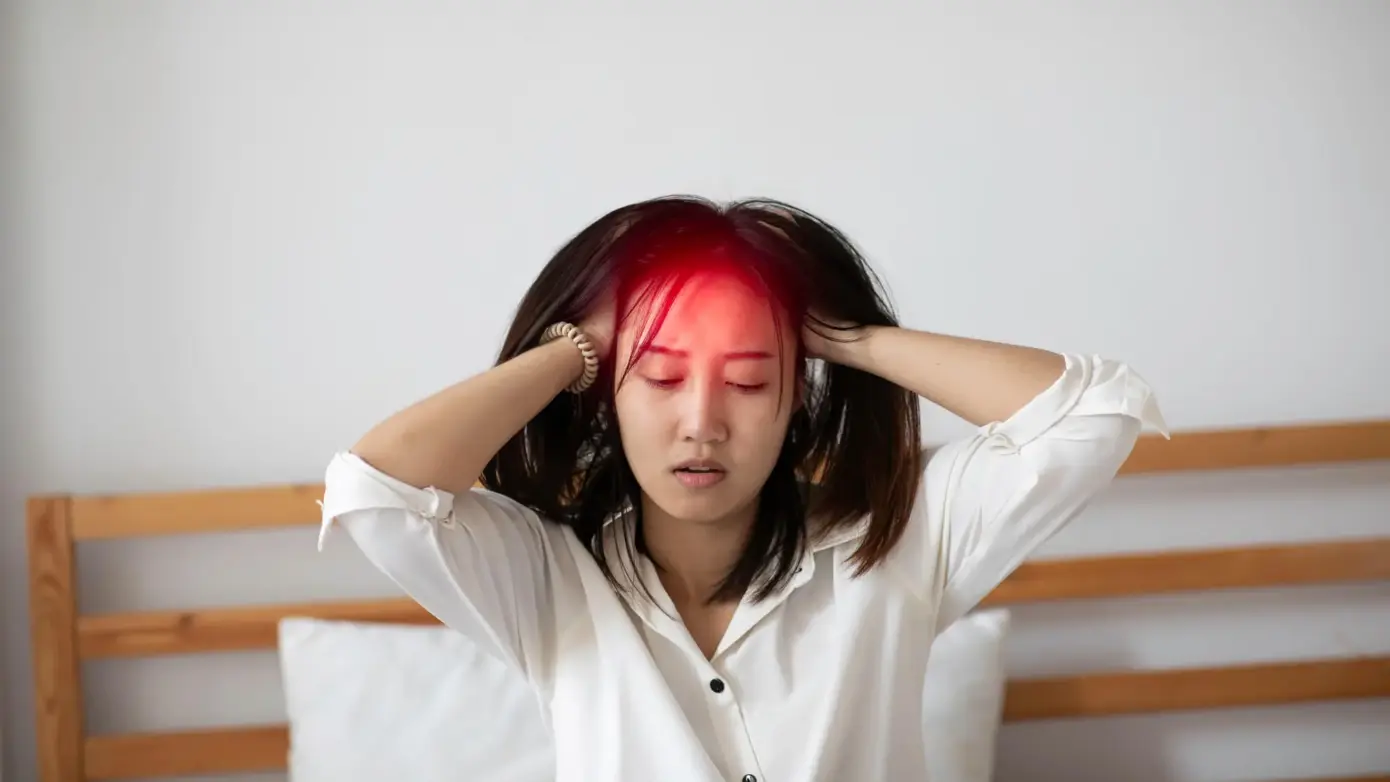
Migraines involve recurring, debilitating headaches lasting anywhere from a few hours to several days. Approximately 39 million people in the U.S. suffer from chronic migraines, and many more experience occasional ones. Unfortunately, nobody knows what causes migraines, meaning there is no cure. However, there are a variety of triggers that have been identified. Different people have different triggers, but understanding your migraine triggers can help you manage your migraine pain over the long term.

6 Major Migraine Triggers

A migraine trigger is any factor that can lead to a migraine. Sometimes, just one of these factors can trigger a migraine. Other times, a combination of these factors may trigger a migraine. There are countless potential triggers, but they can generally be divided into four main categories: stress, hormonal changes, food triggers, and environmental triggers.

Knowing what your triggers are can allow you to take steps to avoid them, thereby helping reduce the risk of getting a migraine. The following are six of the primary migraine triggers to watch out for:

1. Stress 

Stress is a primary trigger for migraines. Emotional stress can lead to physical tension, which results in headaches. Many things can cause stress, from work and relationships to financial worries. Understanding what’s causing your stress can help you to manage it more effectively and potentially help you avoid migraines. Of course, you can’t always solve the situation that’s causing your stress. However, there are lots of methods that can help you manage stress, such as relaxation techniques, exercise, and meditation.

2. Hormonal Changes

Hormonal changes can also trigger migraines. Women are especially prone to hormonal triggers due to the fluctuating estrogen levels during menstrual cycles, pregnancy, and menopause. It’s why women are three times more likely to experience migraines than men and why migraines in women taper off following menopause.

Other hormones that may affect migraine frequency are serotonin, melatonin, and vasoactive intestinal peptide (VIP). Research has shown that these hormones can trigger or worsen migraines.

3. Changes In Or An Irregular Sleep Schedule

Changes in or an irregular sleep schedule can also trigger migraines. Sleep is vital to migraine management, as it helps regulate hormones, alleviate stress, and restore energy levels. When you don’t get enough sleep or have an erratic sleeping pattern, your body doesn’t have the chance to rest and recover properly — which can then trigger a migraine. So, make sure that you’re getting enough restful sleep each night and following a consistent sleeping schedule to help reduce your risk of migraines.

4. Lifestyle Migraine Triggers

Several lifestyle factors can trigger migraines as well. Fortunately, making lifestyle changes to avoid certain migraine triggers is one of the most effective ways to reduce your risk of getting a migraine. The following are some of the common lifestyle habits and activities that can trigger migraines:

Dehydration and Hunger

Dehydration and hunger can both trigger migraines. Your body requires the right amount of fluids and nutrients to function properly. Without them, it can start to break down and trigger a migraine. As such, be sure to drink lots of water throughout your day and eat regular, balanced meals to reduce your risk of migraines.

Overexertion

Overexerting yourself can be another major trigger. This includes physical activities as well as mental exertion. If your migraines often occur following a particularly strenuous activity, it’s a good idea to reduce the intensity of your workouts. You may even want to take breaks in-between tasks throughout the day.

Posture and Neck Strain

There is also a link between posture and neck strain, and migraines. Poor posture can put added strain on the muscles in your neck, which may result in headaches or migraines. Make sure you’re taking regular breaks throughout the day to stretch and move around so your neck muscles don’t become too tense.

Medications and Supplements

Finally, certain medications and supplements can also trigger migraines. If you’re taking any kind of medication or supplement regularly, it’s important to speak with a healthcare professional about the possibility of them being a migraine trigger. Your doctor can switch you to a new medication or, at the very least, adjust your dosage.

Artificial Sweeteners And Additives

Artificial sweeteners and additives, such as MSG or aspartame, also trigger migraines in some people. This is because these additives can affect the balance of chemicals in your brain, which may lead to a migraine. It’s best to limit or avoid processed foods and drinks that contain artificial sweeteners and additives to reduce your risk of migraines triggered by them.

5. Environmental Factors

Certain environmental factors can contribute to migraine risk as well. Knowing your environmental triggers can help you learn how to avoid them and take steps to create an environment at home that’s better suited to help prevent migraines. Some of the environmental triggers for migraines include:

Bright Lights

Bright lights, such as those from computer screens, televisions, and overhead lights, can trigger migraines in some people. To reduce the risk of a migraine due to bright lights, make sure that you have adequate lighting in your home and workplace, and take regular breaks from looking at screens. In addition, because the glare from bright light can be the specific trigger, it can also help to invest in anti-glare glasses or filters for your screens.

Loud Noises

Loud noises can be another trigger for migraines, as they can disrupt your brain’s normal functioning. To reduce the risk of a migraine due to loud noises, make sure that the volume of your television and other devices is at a comfortable level. Also, try to avoid loud places, such as concerts or nightclubs, if you know that they can trigger migraines. If you don’t want to miss out on fun activities that involve loud noises, then make sure that you bring earplugs or noise-canceling headphones to help reduce the loud noises.

Strong Odors

Strong odors, such as perfumes or smoke, can also trigger migraines. To reduce the risk of a migraine due to strong odors, make sure that your home and workplace are well-ventilated and free of any strong scents. If you know that certain scents can trigger your migraines, it’s best to avoid them altogether.

Weather Changes 

Weather changes, such as an increase in barometric pressure, can also be a trigger for migraines. To reduce the risk of a migraine due to weather changes, it can help to stay inside when the barometric pressure is changing rapidly.

6. Physical Triggers

Finally, physical triggers can also play a role in the onset of migraines. These don’t just include changes in your body’s physiology, such as a lack of sleep or changes in your hormone levels. They can also include physical issues that can be bothersome in their own right, such as the following:

Allergies

If you suffer from allergies, your risk of migraines can increase. This is because allergens can trigger a reaction that causes inflammation and other issues that can lead to migraines. To reduce the risk of a migraine due to allergies, take steps to reduce your exposure to allergens and try to keep your allergies under control.

Sinus Problems

Sinus problems, such as congestion or sinus infections, can also increase the risk of getting a migraine. This is because the inflammation caused by these conditions can affect the balance of chemicals in your brain and trigger a migraine attack. As such, getting regular checkups with your doctor is vital to ensure that your sinuses are healthy and taken care of.

Jaw Or Dental Problems

Problems with the jaw, such as temporomandibular joint disorder (TMJ), can also increase your risk of migraines. This is because TMJ can cause muscle spasms and inflammation that can lead to a migraine. To reduce the risk of a migraine due to jaw or dental problems, make sure that you get regular checkups with your dentist and practice good oral hygiene. Also, try to avoid chewing gum or grinding your teeth if you know that it can trigger a migraine.

How To Identify Triggers Of A Migraine

Because of how intense migraines are, trying to figure out what your triggers are can be a bit tricky after the fact. This is especially true if you have multiple triggers. Fortunately, there are ways to identify your migraine triggers. For example, you can conduct an elimination diet, which involves eliminating certain foods or drinks from your diet for a couple of weeks to determine if your migraines improve. If you eliminate a specific food from your diet and stop migraines (or have them noticeably less frequently), then you can assume that food is one of your triggers.

Another way to identify your migraine triggers is to keep a migraine diary, which involves writing down details about the events that happen before and during a migraine attack. This can help you identify patterns in your migraines so that you can more easily pinpoint the triggers. Lastly, you can also discuss your migraine triggers with a healthcare provider. They can provide insight or advice to help you identify what triggers your migraines.

When To See A Doctor

If you are experiencing severe or frequent migraines, it is essential to see a doctor. You should also seek medical help if you experience certain symptoms with your migraines, such as fever, confusion, speech difficulties, paralysis, or numbness. Additionally, if pain persists for over 72 hours, then be sure to seek medical attention.

Furthermore, if you have never experienced a migraine before, you should seek medical help to make sure that it is indeed a migraine and not something else. Finally, if your migraines are interfering with your daily life and affecting your ability to work or participate in other activities, it is crucial to seek medical help.

Common Ways Of Coping Up With Migraine Attack

Many people will take over-the-counter pain medications, such as ibuprofen or acetaminophen, to help with migraine pain. However, it’s essential to understand that taking such medication too frequently can lead to rebound headaches and other health issues. Additionally, relying solely on pain medications won’t help you find long-term relief. It will only provide temporary pain relief because you’re only addressing the symptoms of the migraine. The following are a couple of tips on how you can learn to manage your migraine attacks more effectively over the long term:

Lifestyle Modification

Changing your lifestyle can be an easy way to reduce the intensity and frequency of your migraine attacks. This includes regular exercise, ensuring you’re getting plenty of sleep, drinking enough water to stay hydrated, and making dietary changes to avoid certain food and drink triggers.

Stress Management

Stress is often a significant contributor to migraine attacks, so finding ways to reduce stress in your life is critical. This can include taking time for yourself each day, incorporating relaxation techniques into your daily routine, such as meditation and yoga, and ensuring you’re not overworking yourself.

Reduce The Symptoms Caused By Hormonal Changes

For women, hormonal changes can be a major migraine trigger. To reduce migraine symptoms brought on by hormonal changes, make sure that you’re getting plenty of sleep regularly, eat regular snacks throughout the day and don’t miss meals, and try to avoid stress. Additionally, your healthcare provider can provide hormonal treatments to help you manage migraines caused by hormonal changes.

Seek A Medical Treatment To Relieve Your Migraine Attacks

If you are experiencing frequent or severe migraine attacks, it is vital to seek medical help. At Relatyv, we offer personalized pain management plans tailored specifically to our patients’ needs. We take a whole-person approach to treating migraines, using electroanalgesia therapy, IV therapy, and lifestyle counseling to help our patients find long-term pain relief. In addition, using a Neurofunctional Pain Management approach, we can help identify the triggers of your migraine attacks and provide treatment plans to help you cope with and manage them.

5 Beneficial Exercises For Osteoporosis Patients

5 Beneficial Exercises For Osteoporosis Patients 2000 1335 Relatyv

Osteoporosis is a condition where bones become thin, weak, and fragile due to the loss of bone density. It affects both men and women, but it is more common in women, particularly after menopause, when the body produces less estrogen, a hormone that helps to protect bones.

Other factors that increase the risk of developing osteoporosis include age, family history, a sedentary lifestyle, smoking, and a diet low in calcium and vitamin D.

Osteoporosis often has no symptoms in the early stages, which is why it is sometimes called a “silent disease.” However, as it progresses, it can cause a variety of symptoms. The most common symptom of osteoporosis is bone pain, which can occur in the back, hips, and wrists.

Perhaps most noteworthy is that individuals with osteoporosis may experience frequent fractures or breaks in their bones, particularly in the spine, hips, and wrists. Unfortunately, it is only after a fracture that many patients are diagnosed with osteoporosis.

The Connection Between Exercise And Bone Health

It might be surprising for some patients to learn that regular exercise plays an important role in maintaining bone health, as it helps to increase bone density and prevent bone loss. Engaging in weight-bearing activities can help to stimulate bone growth and improve bone strength.

Additionally, exercise can also help to improve balance and coordination, reducing the risk of falls and fractures, which is a common concern for individuals with osteoporosis.

When it comes to treating osteoporosis, exercise is often recommended as part of a comprehensive treatment plan. Along with medications, dietary changes, and lifestyle modifications, exercise can help to slow down the progression of osteoporosis and reduce the risk of fractures.

Additionally, exercise can help to improve overall health and wellbeing, reducing the risk of other chronic conditions such as heart disease and diabetes, which are often seen in individuals with osteoporosis.

Importance Of Osteoporosis Exercises

Weight-bearing exercises are known to be beneficial for bone health. These exercises put stress on the bones, which stimulates the cells that build new bone tissue. Here are just some of the natural benefits associated with exercise and improving overall bone health:

Improve The Bone Density

Resistance exercises help build bone density by triggering the cells to repair and strengthen the bones. By improving bone density, exercise can help prevent fractures in people with osteoporosis. Osteoporosis occurs when bone composition breaks down from a variety of factors. Exercise can help restore that strength and density.

Strength And Balance

In addition to improving bone density, exercise can also improve strength and balance, which are important for preventing falls and reducing the risk of fractures. Exercise can also improve overall health and well-being, which can be important for people with osteoporosis.

Regular exercise has been shown to improve mood, reduce stress, and improve sleep quality, all of which can have a positive and emotionally-balancing impact on overall health. Exercise can also help maintain a healthy weight, which can reduce the risk of falls and fractures.

Reducing The Risk Of Fractures

Strength exercises can help build muscle, which in turn can help support the bones and reduce the risk of fractures. Falls are a common cause of fractures in people with osteoporosis, so improving strength and balance can be an important part of preventing fractures.

5 Of The Best Exercises For Osteoporosis

It is important to note that not all types of exercise are equally effective for treating osteoporosis. In general, weight-bearing and resistance exercises that target the major muscle groups are the most effective for building bone density and strength. Examples of the most effective weight-bearing exercises include:

1. Weight-Bearing Exercises

Brisk Walking

Brisk walking is a weight-bearing exercise that can help prevent and treat osteoporosis. This type of exercise helps improve bone density by stimulating the bones to grow stronger and become denser. Brisk walking also helps improve balance and coordination.

Additionally, brisk walking is a low-impact exercise that is easy on the joints, making it a great option for individuals with joint pain or other physical limitations.

Jogging

Jogging is a high-impact weight-bearing exercise that can help to treat osteoporosis by stimulating bone growth and increasing bone density. The repetitive impact of jogging can cause small amounts of damage to the bones, which prompts the body to repair and rebuild them, resulting in stronger and denser bones over time.

Additionally, jogging can also help to improve muscle strength, balance, and coordination, which can reduce the risk of falls and fractures. However, it is important to note that jogging may not be suitable for everyone, particularly those with joint pain or mobility issues.

Hiking

Hiking and spending time outdoors can be a great way to help treat osteoporosis. Hiking on uneven terrain, such as trails or mountains, can help improve balance and stability.

Additionally, spending time in nature and breathing in fresh air can have numerous benefits for overall health and well-being, including reducing stress levels and improving mood. It is important to choose trails that are appropriate for your level of fitness and ability, and to wear appropriate footwear and clothing.

Dancing

Dancing can be a fun and effective way to improve bone density, strength, and balance, which are all important for treating osteoporosis. It can also be a great way to boost mood and reduce stress, which can have positive effects on overall health.

Dancing can be adapted to suit a range of abilities and preferences, from gentle ballroom dancing to more high-intensity styles like hip hop or salsa. Regular dancing can also provide a social outlet and a sense of community, which can be especially beneficial for older adults who may be at higher risk for social isolation.

Stair Climbing

Stair climbing involves pushing against gravity, which helps to stimulate the bones to grow stronger. It is a high-impact exercise that can put stress on the joints, so it may not be appropriate for everyone with osteoporosis. However, for those who are able to do it, stair climbing can be an effective way to improve bone health and overall fitness.

Tennis

Playing tennis can be an effective way to help treat osteoporosis due to its ability to increase bone density, improve balance and coordination, and strengthen muscles. The impact and weight-bearing nature of the sport help to stimulate bone growth and prevent bone loss, reducing the risk of fractures.

Additionally, tennis is a social sport that can provide a sense of community and boost mood. Regular participation in tennis can also improve cardiovascular health, which is important for overall well-being.

2. Resistance Training

Weightlifting

Weightlifting can help treat osteoporosis by promoting bone density and strength. Resistance training is a type of weightlifting that focuses on building muscle and bone strength through the use of low-level weights. The stress placed on the bones during weightlifting can stimulate the growth of new bone tissue and improve bone density.

As bone density increases, the risk of fractures due to osteoporosis decreases. Weightlifting can also improve overall health by increasing muscle mass and improving balance, which can reduce the risk of falls and fractures. It is important to start with lighter weights and gradually increase the weight as strength improves to prevent injury.

Bodyweight Exercises

Bodyweight exercises, such as squats, lunges, and push-ups, can be an effective way to treat osteoporosis by improving bone density, strength, and balance. These exercises use the body’s own weight as resistance and can be done without the need for equipment or a gym membership.

By increasing the load on the bones, bodyweight exercises can stimulate bone growth and improve bone density. Incorporating bodyweight exercises into a regular exercise routine can improve overall health and well-being for individuals with osteoporosis.

Using Resistance Bands

Resistance bands provide resistance to movements, which helps stimulate bone growth and remodeling. Resistance band exercises can also target specific muscle groups and improve overall body strength and flexibility, which can help reduce the risk of falls and fractures.

Additionally, resistance band exercises are low-impact and can be easily modified to fit individual fitness levels and abilities.

3. Yoga 

Yoga is a low-impact exercise that can be a beneficial addition to a treatment plan for osteoporosis. Certain yoga poses can help improve balance, posture, and flexibility, which can reduce the risk of falls and fractures.

Additionally, weight-bearing yoga poses can stimulate bone growth and help maintain bone density. Yoga has also been shown to reduce stress, which can be beneficial for overall health and mood. It is important to work with a qualified yoga instructor who is knowledgeable about osteoporosis and can tailor the practice to individual needs and abilities.

4. Tai Chi 

Tai chi is a gentle form of exercise that has been shown to improve balance, flexibility, and strength, which are all important for treating osteoporosis. It is a low-impact exercise that involves slow, controlled movements and deep breathing, making it suitable for individuals with varying levels of mobility and fitness.

Tai chi has been found to be effective in improving bone density, reducing the risk of falls, and improving overall physical and mental well-being in individuals with osteoporosis. In addition, tai chi has been shown to reduce stress, anxiety, and depression, which are often associated with chronic pain and conditions like osteoporosis.

5. Low-Impact Aerobics

Low impact aerobics are a form of exercise that involves rhythmic movements, usually performed in a group setting. Unlike high impact aerobics, which put a lot of stress on the joints, low impact aerobics are designed to be gentle on the body while still providing a cardiovascular workout. This makes them an excellent form of exercise for individuals with osteoporosis.

Walking

Walking is a low-impact aerobic exercise that can help treat osteoporosis by improving bone density and reducing the risk of fractures. Walking also helps improve strength, balance, and coordination, which can reduce the risk of falls.

Furthermore, walking is a weight-bearing exercise that can stimulate bone growth and help maintain bone health. Beyond its physical benefits, walking can also improve mood by releasing endorphins and reducing stress and anxiety.

It is a simple and accessible exercise that can be done indoors or outdoors, alone or with friends or family. A regular walking routine can help individuals with osteoporosis improve their bone health.

Cycling

Cycling is a low-impact exercise that can be beneficial for individuals with osteoporosis. Cycling helps build bone density in the lower body, especially in the hips and legs, which are common areas of bone loss in individuals with osteoporosis. Regular cycling can also improve cardiovascular health, reducing the risk of heart disease, stroke, and other chronic conditions.

Additionally, cycling can improve moods by reducing stress and increasing endorphin levels. It is important to start slowly and gradually increase the duration and intensity of cycling to avoid injury or strain on the joints.

Elliptical Training

Much like cycling, Elliptical training is a low-impact aerobic exercise that can be beneficial for individuals with osteoporosis. This exercise works the entire body, including the bones, muscles, and joints, without putting too much stress on the bones. Elliptical training can help increase bone density by stimulating bone growth. It also improves strength and balance, which can help prevent falls, another common concern for people with osteoporosis.

Elliptical training can also improve cardiovascular health and overall fitness, which can lead to improved mood and quality of life.

Rowing

Rowing is particularly beneficial because it is a full-body exercise that works multiple muscle groups simultaneously, including the legs, core, back, and arms. This can help improve overall bone health and reduce the risk of fractures. Regular rowing can help individuals with osteoporosis feel stronger, more confident, and more capable in their daily lives.

Swimming

Swimming is a low-impact, non-weight-bearing exercise that can help treat osteoporosis. It is an effective form of cardiovascular exercise that can improve muscle strength and endurance, as well as bone density. Swimming can also help improve joint flexibility and range of motion, which can be especially beneficial for individuals with osteoporosis who may experience stiffness or pain in their joints.

Additionally, swimming can be a low-stress activity that can help reduce stress levels and improve overall mental health. However, it is important to note that swimming may not be as effective as weight-bearing exercises in improving bone density, so it should be combined with other types of exercise– such as water aerobics– for optimal results in treating osteoporosis.

Water Aerobics

Water aerobics, or aqua aerobics, can be a great way to treat osteoporosis as it provides a low-impact workout that puts minimal stress on the joints while still offering cardiovascular benefits. The buoyancy of the water can also help improve balance and reduce the risk of falls, which is particularly important for those with osteoporosis who are at a higher risk of fractures.

Additionally, being in the water can have a calming effect on the body and mind, helping to reduce stress and improve overall mood.

Tips And Techniques For Effective Exercises For Osteoporosis

While all of these suggested exercises are wonderful and fill us with optimism in treating out osteoporosis, many of us simply don’t know where to start. One tip is to start with low-impact exercises, such as walking or gentle yoga, to gradually build up strength and stamina.

It is important to choose exercises that are safe and appropriate for an individual’s age, fitness level, and medical history. Consulting a healthcare provider or a certified exercise professional can help to develop an exercise plan that is safe and effective.

Another technique for effective exercises for osteoporosis is to incorporate a variety of exercises that target different areas of the body. For example, weight-bearing exercises such as walking or hiking target the lower body, while resistance exercises such as lifting weights or using resistance bands can target the upper body. 

Precautions While Exercising With Osteoporosis

Improper form and lack of training can lead to injury while exercising, especially for individuals with conditions like osteoporosis. When performing exercises with incorrect form, there is a higher likelihood of putting unnecessary strain on joints and bones, which can lead to fractures and other injuries.

This is why it’s important to learn proper form and technique before attempting any exercise.

Furthermore, lack of training and inadequate warm-up can increase the risk of injury. Without proper training, individuals may not know the appropriate intensity and duration of exercise required to improve bone density and overall fitness.

Additionally, skipping a warm-up can lead to muscle strains and sprains, which can be particularly problematic for individuals with osteoporosis, who may have weaker bones and muscles.

Injuries caused by improper form and lack of training can be prevented by seeking guidance from a certified exercise professional or physical therapist. These professionals can help design a safe and effective exercise program tailored to individual needs, taking into account factors such as age, fitness level, and any pre-existing conditions.

They can also teach proper form and technique and ensure that exercises are performed correctly.

To ensure proper form and reduce the risk of injury, it is important to use the correct techniques when performing exercises. This may include maintaining proper posture, using proper breathing techniques, and using the appropriate amount of weight or resistance. It is also important to gradually increase the intensity and duration of the exercises over time to avoid overexertion.

Overall, it’s important to listen to the body and take necessary precautions when exercising with osteoporosis or any other medical condition. If any pain or discomfort is felt during an exercise, it’s important to stop and seek medical attention if necessary.

With proper form, training, and guidance, exercise can be a safe and effective way to improve bone density and overall health for individuals with osteoporosis.

Stop Pain Associated With Osteoporosis By Relatyv

Relatyv leads the way with its whole-person approach to pain management and relief. With Electroanalgesia patients feel lasting relief from osteoporosis pain. Accompanying Electroanalgesia, patients can also expect to be treated to a specialized nutritional hydration therapy to assist the body in its natural healing process.

Finally, patients will be treated with a suite of lifestyle counseling and patient education that ensures they will have the opportunity to and confidence to tackle aspects of their osteoporosis pain on their own.

Relatyv offers the most effective form of electrical stimulation and pain relief through electroanalgesia. Not only is it safe and effective at treating osteoporosis pain, its efficacy outweighs that of other electrical stimulation therapies.

Electroanalgesia, with its high pulse electrical stimulation of 10,000 pulses per second, creates a depolarization effect on the pain neurons, while also stimulating tissue regeneration that repairs damaged nerves and damaged microvascular tissues. 

As a supplementary treatment in tandem with electroanalgesia, patients will be given a targeted hydration therapy that accounts for any missing or deficient nutrients the body might be lacking.

Relatyv’s specialized nutritional hydration therapy of vitamins, minerals, and other nutritional necessities assists the body’s ability to relieve pain and works in conjunction with Electroanalgesia’s ability to relieve pain.

Patients can be sure that with Relatyv’s lifestyle counseling, they are in good hands and will find relief from osteoporosis pain. Lifestyle counseling with us can play an essential role in helping patients manage their osteoporosis.

One of the most crucial aspects of lifestyle counseling is educating patients on healthy lifestyle habits that can help slow down the progression of the disease. For example, patients can be advised to quit smoking and reduce their alcohol consumption, as these habits have been linked to decreased bone density.

Patients might also be counseled on the importance of maintaining a healthy weight, as being overweight or underweight can both be detrimental to bone health.

Another important aspect of lifestyle counseling for osteoporosis patients is advising them on proper nutrition. A diet rich in calcium, vitamin D, and other bone-healthy nutrients can help slow down the progression of the disease and reduce the risk of fractures.

Patients can be advised on dietary sources of these nutrients or may be recommended supplements to ensure they are getting enough of them.

Finally, lifestyle counseling with Relatyv can help patients with osteoporosis incorporate exercise into their daily routine safely. Exercise is essential for building and maintaining bone density, but– as we discussed earlier– improper form or overexertion can lead to injury.

With Relatyv, patients can be advised on safe exercises and techniques that are appropriate for their fitness level and medical condition. Overall, our lifestyle counseling can empower patients with osteoporosis to take an active role in managing their condition and improving their overall health.

What Causes Neuropathy, Its Different Types, And Treatment Options

What Causes Neuropathy, Its Different Types, And Treatment Options 2000 1250 Relatyv

One of the common mistakes people make when attempting to treat pain is that they assume all pain is the same. As such, they tend to treat any pain they experience using the same methods, whether acute or chronic. However, doing so will never solve the problem; it only provides temporary relief. This is especially the case regarding neuropathy, which can cause multiple symptoms, including mild to severe pain in various forms. The tricky thing about neuropathy is that there are several forms of neuropathy that can lead to many kinds of symptoms. Not to mention, there are many potential underlying causes.

The following is a guide to understanding what neuropathy is, what can cause it, the different types of neuropathy, and the treatment options available.

Neuropathy

Neuropathy is a condition in which various symptoms are experienced as a result of nerve damage. This nerve damage can be caused by numerous diseases, conditions, and even injuries. It occurs when the body’s nerves malfunction, leading to pain, numbness, tingling, and even paralysis.

Neuropathy can affect any system of the body that relies on the nervous system, such as muscles and internal organs. Because neuropathy is complex, it can be challenging to understand what causes the disorder and how to treat it. As such, understanding the basics of the nervous system and its different types, as well as their accompanying symptoms and treatment options, is crucial.

Neuropathy And Our Nervous System

The nervous system is a complex and essential system of the body that helps us control our movements, interpret sensations, and even think. It is comprised of two parts:

  • Central Nervous System: The central nervous system is responsible for processing and interpreting incoming sensory information. It includes the brain and spinal cord, forming a communication network between the body and the environment.
  • Peripheral Nervous System: The peripheral nervous system is responsible for controlling bodily functions, such as movement and the function of organs. The peripheral nervous system connects the central nervous system to the body’s other systems, such as the muscles and internal organs. The peripheral nervous system is divided into two parts:

    • Somatic Nervous System: The somatic nervous system is responsible for voluntary movements, such as writing and walking.
    • Autonomic Nervous System: The autonomic nervous system is responsible for involuntary activities like digestion and heart rate.

4 Types Of Neuropathy

Neuropathy is caused by damage to or malformation of the nerve fibers in the peripheral nervous system. When this happens, it can cause various symptoms depending on which nerves are affected. There are four types of neuropathy. Each type has its own set of symptoms. These include the following:

1. Peripheral Neuropathy

Peripheral neuropathy is a disorder that affects your peripheral nerves. These nerves connect your brain and spinal cord to your muscles, internal organs, and skin. Causes of peripheral neuropathy can include injury, infection, or exposure to certain toxins.

It’s estimated that over 20 million people in the U.S. have some sort of peripheral neuropathy. However, because symptoms can sometimes be mild and can be confused with other conditions, many people with peripheral neuropathy are not diagnosed with the disorder.

Signs And Symptoms

Symptoms and signs of peripheral neuropathy include:

  • Numbness and tingling in the feet or hands
  • Burning sensations
  • Loss of coordination
  • Weakness in the limbs
  • Muscle cramps and spasms
  • Loss of reflexes
  • Chronic pain

2. Autonomic Neuropathy

Autonomic neuropathy is a disorder that affects your autonomic nervous system. Autonomic nerves control your involuntary bodily functions such as digestion, heart rate, respiration, perspiration, and urination. Damage to the autonomic nerves can be caused by diseases such as diabetes, alcoholism, or any condition affecting the blood vessels. It can also occur on its own. It’s said to affect more than 70 million people worldwide.

Signs And Symptoms

Signs and symptoms of a damaged autonomic nervous system include:

  • Diarrhea/constipation
  • Nausea and/or vomiting
  • Bloating
  • Heartburn or acid reflux
  • Lightheadedness
  • Trouble controlling body temperature
  • Sexual dysfunction
  • Dizziness or fainting when standing up
  • Blurred vision or other vision changes
  • Dry mouth and eyes
  • Excessive sweating or lack of sweating
  • Incontinence
  • Slowed digestion or digestive issues
  • Difficulty swallowing

3. Focal Neuropathy

Focal neuropathy is a disorder where only one nerve, or group of nerves, is damaged. It can affect any part of your body and can cause a range of symptoms. It’s most commonly seen in older adults, especially those with diabetes or other metabolic disorders. Entrapments, or nerve compression due to trauma, can also cause focal neuropathy.

Signs And Symptoms

Focal neuropathy can occur suddenly, and the symptoms can last anywhere from a few days to a few weeks. However, when caused by chronic conditions like diabetes or HIV/AIDS, it can persist for much longer. Common signs and symptoms of focal neuropathy include:

  • Pain
  • Numbness
  • Weakness
  • Tingling
  • Loss of sensation
  • Paralysis in the affected area

4. Cranial Neuropathy

Cranial neuropathy is a disorder that affects the nerves in your brain. It can affect any of the 12 cranial nerves, which control different functions in your body. Various conditions, such as diabetes, tumors, trauma, infections, or toxins, can cause it. There are several types of cranial neuropathy, and the symptoms can vary depending on which nerves are affected. These types include the following:

Microvascular Cranial Nerve Palsy

Microvascular cranial nerve palsy (also known as ischemic cranial neuropathy) is the most common form of cranial neuropathy. It is caused by the narrowing or blockage of small blood vessels that supply oxygen to the cranial nerves in your brain, leading to nerve damage and a range of possible symptoms. Common signs and symptoms include:

  • Double vision
  • Facial numbness
  • Drooping eyelids
  • Loss of taste
  • Slurred speech
  • Difficulty swallowing or speaking

Bell’s Palsy

Bell’s palsy is another form of cranial neuropathy. It is caused by inflammation in the facial nerve, which can lead to temporary paralysis of the affected side of your face. Common signs and symptoms include:

  • Drooping on one side of the face
  • Sudden loss of facial movement
  • Pain around your ear
  • Uncontrollable blinking of one eye
  • Difficulty smiling or frowning on one side
  • Sensitivity to sound on one side
  • Headache pain in the affected area.

Third, Fourth, And Sixth Nerve Palsy

Third, fourth, and sixth nerve palsy are other types of cranial neuropathies. They involve damage to the oculomotor, trochlear, and abducens nerves. Common signs and symptoms include:

  • Double vision
  • Headaches
  • Crossed eyes (strabismus)
  • Loss of peripheral vision
  • Trouble focusing on near objects
  • Drooping eyelids.

What Neuropathic Pain Feels Like

Neuropathy can cause many symptoms, many of which depend on the type of neuropathy and what is causing it. However, one of the common symptoms of neuropathy is nerve pain or neuropathic pain. This type of pain is normally described as a burning, tingling sensation, but it can also feel like a shooting, stabbing, or electricity-like sensation. The following examples are of conditions that can cause such neuropathic pain:

  • Postherpetic neuralgia: Postherpetic neuralgia is a complication of herpes zoster (more commonly referred to as shingles) and can cause burning, aching, and sharp pain in the area where the rash appeared. It can last for months or even years after the rash has cleared.
  • Trigeminal neuralgia: Trigeminal neuralgia causes sharp, shooting pain in the face and jaw. It is caused by damage or irritation to the trigeminal nerve. This nerve is responsible for delivering sensation from the face to the brain. It often feels like a stabbing or electric shock and can be triggered by the slightest touch or movement.
  • Diabetic neuropathy: Diabetic neuropathy occurs in people with diabetes. It develops because of high blood sugar and can cause various symptoms, including burning, numbness, tingling, or shooting pain in the hands and feet.
  • HIV-associated peripheral sensory neuropathy: HIV-associated peripheral sensory neuropathy is caused by nerve damage due to HIV infection. HIV infections can damage the nerves by attacking the myelin sheath, which is the nerve fibers’ protective coating. This can lead to burning sensations, numbness, tingling, and shooting pain in the hands, feet, and other areas of the body.
  • Leprosy: Leprosy is an infection caused by the Mycobacterium leprae bacteria. Leprosy can cause nerve damage as a result of inflammation and tissue damage. The nerve damage lead to a burning, tingling sensation and numbness in the affected area. Other symptoms may include weakness or paralysis of the face and other parts of the body.
  • Peripheral nerve injury pain: Peripheral nerve injury pain is caused by peripheral nerve damage, which can result from trauma, surgery, tumors, or radiation. It can cause burning, stabbing, and shooting pain in the affected area.

Other Symptoms That Accompanies Neuropathic Pain

The following are additional symptoms known to be associated with neuropathic pain:

  • Paresthesia: Paresthesia is the sensation of prickling, tingling, burning, or numbness in the skin. It can result from damage to the nerves that carry sensations from the body to the brain.
  • Allodynia: Allodynia occurs when a person feels pain from something that wouldn’t usually cause it. It can occur after nerve damage and can cause a person to experience pain from stimuli that wouldn’t normally be painful, such as light touch or even the air passing over the skin.
  • Hyperalgesia: Hyperalgesia is a condition in which pain is felt more intensely than usual. It can be caused by nerve damage and can make even mild sensations of pain feel more intense.
  • Dysesthesia: Dysesthesia is a painful sensation that can occur without any stimulation. This means that it can be experienced without anything touching the skin. It commonly affects the hands, feet, and other areas of the body and can cause sensations of burning, itching, stinging, or electric shock.

Causes Of Neuropathy

Even though neuropathy refers to a wide range of symptoms that are caused by damage to the nerves, the underlying cause of nerve damage can vary. In fact, many different things can trigger different types of neuropathy. The following are the common denominators that can lead to neuropathy as well as some of their sub-causes:

Health Conditions

Many different health conditions can lead to nerve damage, thereby causing neuropathy. The following are some of the health conditions known to lead to neuropathy:

Poorly Managed Diabetes

If you don’t manage your diabetes effectively, it can lead to nerve damage and the subsequent development of neuropathy. If your blood sugar levels are too high for too long, it can lead to small blood vessel damage which may cut off oxygen and nutrients to your nerves. This can lead to nerve damage since the nerves no longer receive the oxygen and nutrients they need to remain healthy. As a result, it should come as no surprise that people with diabetes are more prone to developing neuropathy.

Idiopathic Neuropathy

Although many different things can cause neuropathy (including the health conditions listed here), there are times when no underlying cause can be identified. When this is the case, the condition is called idiopathic neuropathy.

Chronic Alcoholism

Chronic alcoholism interferes with the normal functioning of the nerves, leading to nerve damage and neuropathy. This is because chronic alcohol use can lead to malnutrition and can have a toxic effect on the nerves.

Cancer

Certain types of cancer can lead to nerve damage and the subsequent development of neuropathy. For example, people with lymphoma may experience paraneoplastic neuropathy, which is caused by the cancer cells attacking and damaging the nerves.

HIV/AIDS

HIV/AIDS is a condition that prevents the body from fighting off infections due to a weakened immune system. As a result, HIV/AIDS can lead to nerve damage and neuropathy because it increases the risk of infections that can affect the nerves.

Dietary Causes

Certain dietary deficiencies can sometimes lead to nerve damage and neuropathy. This is because deficiencies in specific vitamins and minerals can make it difficult for the body to repair damaged nerves properly. The following are some of the more common dietary causes that can lead to neuropathy:

Vitamin B12 Deficiency

One of eight B vitamins, vitamin B12 is essential to cell metabolism (meaning how cells use energy), red blood cell formation, and nerve function. If you don’t have enough vitamin B12 in your diet, it can lead to a condition known as pernicious anemia. This form of anemia can cause nerve damage by preventing the body’s red blood cells from carrying oxygen to the nerves.

Copper Deficiency

Copper is a mineral vital for the normal functioning of nerve cells because it helps insulate the outer sheath of nerve cells. Without an adequate amount of copper in your diet, your nerves become more vulnerable to damage.

Excess Nutrient Consumption

Although deficiencies in certain vitamins and minerals can lead to nerve damage and neuropathy, consuming too much of some nutrients can also be problematic. For example, an excess of vitamin B6 can cause nerve damage because it can interfere with the body’s production of neurotransmitters.

Exposure To Toxins In Foods

Certain foods, such as shellfish and other seafood, contain toxins that can lead to nerve damage. These toxins include ciguatoxin, maitotoxin, and okadaic acid. Eating foods that contain these toxins can lead to nerve damage by interfering with the normal functioning of nerve cells.

Diagnosis Of Neuropathy

When you consider the different types of neuropathy, all the different symptoms neuropathy can cause, and all of the potential underlying conditions, diagnosing neuropathy and its cause is no simple matter. As such, there are a variety of medical tests and procedures used to diagnose neuropathy, such as the following:

Electrodiagnostic Testing

Electrodiagnostic testing involves using electrodes to measure the electrical signals sent by nerve cells. By recording these signals, doctors can look for abnormalities indicating nerve damage and neuropathy.

Blood Tests

Blood tests are used by doctors to look for certain conditions, such as diabetes, vitamin deficiencies, and infections that could be causing nerve damage. Examples of blood tests used to diagnose neuropathy include complete blood count (CBC) and comprehensive metabolic panel (CMP).

Skin Biopsies

Skin biopsies are a type of procedure used to take a small sample of skin. Skin biopsies can help doctors to identify certain types of nerve damage, such as sensory neuropathy. By looking at nerve fibers under a microscope, doctors can look for signs of damage or disease.

Quantitative Sensory Testing (QST)

Quantitative sensory testing is a procedure used to measure how sensitive a person’s skin is to different stimuli. For example, this test can identify nerve damage by looking for differences in how a person’s skin responds to light touch, pinpricks, and heat.

Different Treatments For Neuropathy

There are several neuropathy treatments available, depending on the kind of neuropathy you have, the types of symptoms you’re experiencing, the severity of the symptoms, and the underlying causes. These include

Medications

Medications such as antidepressants, anticonvulsants, and opioids are commonly prescribed to manage the pain associated with neuropathy. Antidepressants can help to reduce nerve pain by affecting the transmission of signals between nerves. Nonsteroidal anti-inflammatory drugs (NSAIDs) — for example, ibuprofen and naproxen — can reduce inflammation and nerve pain. Opioids such as codeine, oxycodone, and fentanyl can be prescribed for severe neuropathic pain.

Although these medications can help alleviate some of the symptoms of neuropathy, you should understand their potential risks. Some medications are known to be addictive and can also cause side effects. These side effects vary but can include drowsiness, nausea, constipation, dizziness, and more. On top of that, medications won’t address the underlying cause of neuropathy — they’ll only mask the symptoms.

Surgery

In some cases, a more conventional doctor might recommend surgery to treat neuropathy. For example, if the nerve damage is caused by spinal stenosis (narrowing of the spine) or a herniated disc, surgery can help release pressure on the affected nerves. In other cases, such as carpal tunnel syndrome, releasing pressure on compressed nerves in the wrist by cutting away any extra tissue can help to alleviate symptoms.

Of course, like pain medications, surgery comes with its share of risks. Surgery is invasive, which means there is a chance of complications, such as infection, allergic reaction, and nerve damage. Additionally, the recovery time can be long, depending on how complicated the surgery was. Not to mention, there’s no guarantee that the surgery will be successful.

Nerve Stimulation

Electrical stimulation (e-stim) treatments are another option for treating neuropathy. Transcutaneous Electrical Nerve Stimulation (TENS) is one type of nerve stimulation therapy that uses low levels of electrical currents that stimulate the nerves and reduce pain. However, TENS is generally only effective for providing short-term relief. In the case of chronic pain, electroanalgesia is more appropriate.

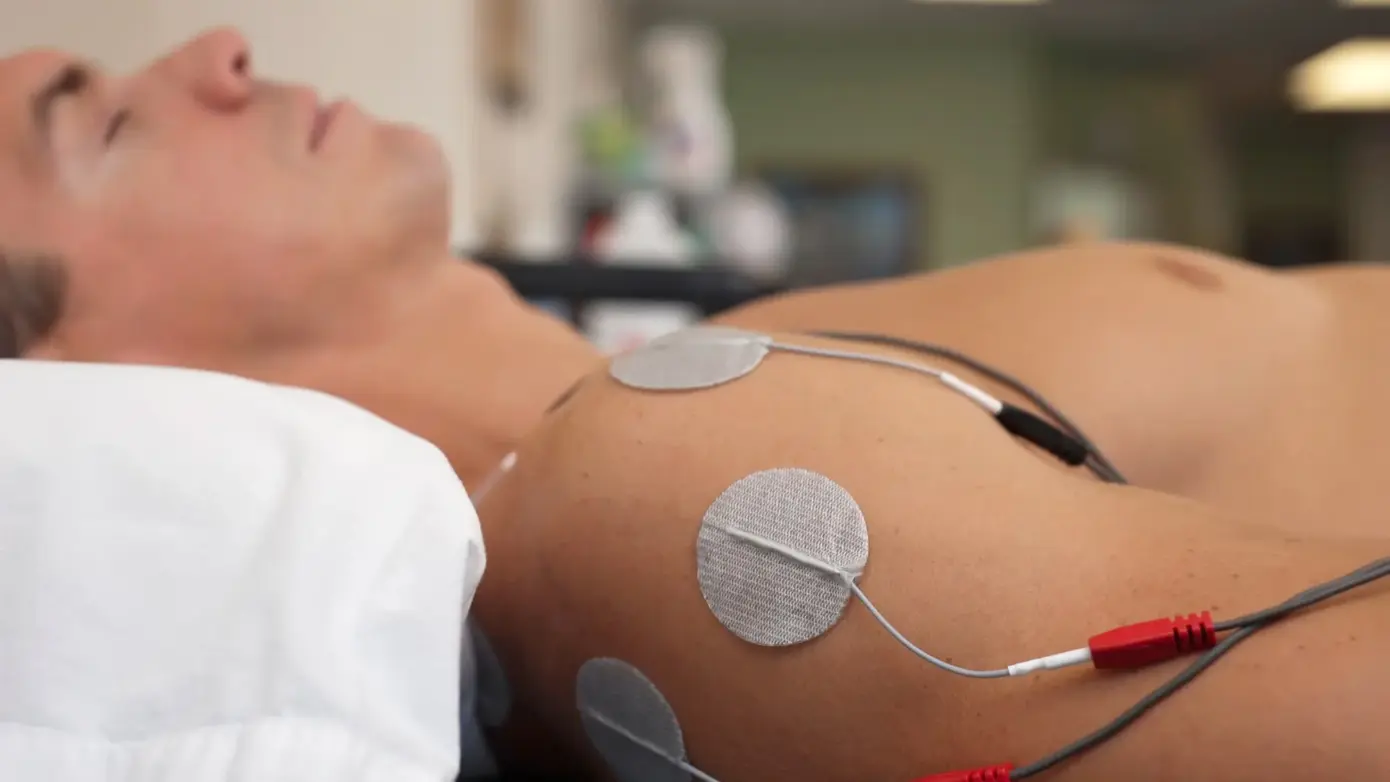
Electroanalgesia uses a high pulse rate (up to 10,000 pulses per second) to deliver electrical currents deeper into the nerves than TENS is capable of doing. As a result, electroanalgesia can provide long-term relief by stimulating the release of endorphins, blocking pain signals to the brain, increasing circulation, and reducing inflammation. Electroanalgesia is an FDA-cleared therapy that is a critical component of our Relatyv protocol, which uses a whole-person approach to treating chronic pain.

Alternative And Complementary Therapies

In addition to more traditional treatments, there are alternative and complementary therapies that may help manage neuropathy. Alpha lipoic acid, for example, is an antioxidant found to reduce nerve pain in some people with peripheral neuropathy. Acetyl-L-carnitine is another supplement that may help reduce nerve pain, as well as other symptoms associated with the condition.

However, speak with a medical professional before you take any supplements, as some may interact with medications or other treatments negatively. Additionally, it’s vital to ensure that any supplements you take are of high quality and reliable.

In addition to supplements, yoga, massage, acupuncture, and biofeedback are some of the many alternative therapies that may help reduce nerve pain or other neuropathy symptoms. Discussing the various options with your doctor before pursuing any of these therapies is best.

Diet And Proper Nutrition

Eating a balanced diet is a critical part of managing neuropathy. Eating foods rich in essential nutrients, like B vitamins and Omega-3 fatty acids, can help to decrease inflammation and improve nerve health. Additionally, it’s essential to avoid foods that may be inflammatory or can cause blood sugar fluctuations, as these can worsen neuropathy symptoms. Finally, staying hydrated is crucial, as dehydration can exacerbate neuropathy symptoms.

Prognosis Of Neuropathy

The prognosis of neuropathy depends on the underlying condition causing it and how quickly it progresses. In some cases, such as diabetic neuropathy, you can manage the condition with certain lifestyle changes. In these cases, symptoms may improve over time, and the prognosis is generally good. However, in other cases, such as neuropathy caused by a tumor or traumatic injury, the outlook may be more serious, and a more aggressive treatment plan may be necessary.

No matter what the cause, managing neuropathy requires a combination of lifestyle changes and treatments that focus on addressing the underlying cause to help provide long-term relief.

Seek The Most Effective And Safest Neuropathy Treatment

Neuropathy is a complicated condition to treat, and it’s vital to have an experienced team of experts dedicated to finding the most effective and safest treatment option. At Relatyv, we use a whole-person approach to treating chronic pain, which includes electroanalgesia, IV therapy, and lifestyle counseling. We address each patient’s individual needs by developing personalized treatment plans that may help provide long-term pain relief.

Is IV Therapy Covered By Insurance? Get Answers Here

Is IV Therapy Covered By Insurance? Get Answers Here 2000 1331 Relatyv

Is IV therapy covered by insurance? IV therapy is a form of treatment that delivers fluids, nutrients, or medication directly into a patient’s bloodstream. This type of therapy provides quick and efficient relief for patients requiring rapid intravenous delivery of fluids. IV therapy also helps support the body during illness, recovery, or major surgery. 

Insurance coverage may be available for those seeking IV therapy treatments, depending on the policy and medical diagnosis. You must check with your provider to determine what IV therapy services your health plan covers. 

Here’s how to determine if your health insurance provider covers your IV therapy for pain management at Relatyv.


The Definition Of Medical Necessity In Health Insurance

Medical necessity is an essential factor when considering insurance coverage. The term “medical necessity” is used by insurance companies to determine whether a specific procedure or treatment is necessary for the patient’s health and well-being. 

For IV therapy treatments to be considered medically necessary, a physician must provide detailed documentation outlining the patient’s medical condition and why IV therapy is vital to treatment. 

Insurance companies have varying guidelines on what they consider medically necessary, so it’s essential to check with your insurance provider before beginning treatment to determine if they will cover it. 


How Do Patients’ Eligibility Work With Insurance Coverage?

Regarding IV therapy, patients’ eligibility for insurance coverage depends mainly on their policies. Insurance providers may cover some or all of the costs associated with IV treatments, but this will vary from case to case.

If you are eligible for insurance coverage for IV therapy, several factors come into play when calculating how much money is reimbursable. These include the specifics of your plan, the cost of the treatment itself, and any applicable deductibles or copayments that might apply.  

It is also essential to consider whether your policy covers out-of-network providers. Many policies only cover in-network doctors or facilities. If an out-of-network provider administers your IV therapy, you may be required to pay the total cost of the treatment. 

If you are responsible for out-of-pocket expenses, budget accordingly and ask your provider for any available payment plans or discounts. This way, you can focus solely on the benefits of IV therapy without worrying about its financial implications. 

It’s also important to note that coverage for IV therapy may be limited depending on the diagnosis, so be sure to discuss this with your provider. Ultimately, understanding the details of your insurance policy can provide clarity and help you plan for any associated costs ahead of time.  


Does Insurance Cover IV Therapy For Pain Management Treatments?

Insurance coverage for IV therapy may depend on the specific insurance provider. Some companies provide a full guarantee for this type of treatment – in which case all associated costs are included in the policy – while others only cover a percentage or a set amount. 

Additionally, many insurance companies offer supplemental coverage that can help cover costs related to IV therapy and other treatments. It is crucial to do your due diligence to understand how much of your IV therapy costs are covered by your insurance policy. With this in mind, you can make informed decisions and plan accordingly.

Relatyv works with patients to ensure they get the highest quality of IV therapy possible. We understand that many insurance plans have coverage limitations, and we provide services to ensure our patients can access the care they need. 

We work with each patient individually to ensure they get the right treatments. We aim for our patients to receive the highest quality treatments under their insurance coverage. 


Insurance Companies And HMOs We Work With

We understand how important it is for all our patients to have access to life-changing treatments, so we strive to ensure everyone gets the care they deserve. 

Here are a few of the insurance companies and HMOs that we work with to provide affordable treatments for our patients:


Cigna

Cigna works with Relatyv to provide coverage for IV therapy, making access to this vital health solution more affordable for customers. By partnering together, Cigna and Relatyv have brought better healthcare to individuals who may not have before and ensured that we leave no one out of receiving the care they need. 


Aetna

Aetna, one of the leading health insurance providers in the United States, has partnered with Relatyv to provide its members with coverage for IV therapy.  Aetna works with Relatyv and its experienced team of clinicians so that their members always have access to affordable and quality treatments. 


BlueCross BlueShield

BlueCross Blue Shield also provides insurance coverage for IV therapy treatments. This partnership with Relatyv has allowed individuals enrolled in BlueCross BlueShield plans to access innovative pain management treatments.


UnitedHealthcare

United Healthcare also provides insurance coverage for IV therapy at Relatyv. Through their existing healthcare plan, United Healthcare members can access Relatyv services, which means that treatments do not require additional out-of-pocket expenses. 


Medicare

Medicare recognizes the importance of providing comprehensive physical health treatments to its members, which is why Medicare Part B (Medical Insurance) covers Relatyv IV therapy services. Patients must first meet specific eligibility requirements to take advantage of this coverage.


Don’t Hesitate. Get The Treatment You Deserve Today.

Through partnerships with HMOs and health insurance companies, Relatyv provides access to IV therapies with minimal out-of-pocket costs for patients. Our team of experts is available to help navigate the complexities of insurance coverage for IV treatments. 

We strive to ensure everyone has access to the care they need to prevent, treat or reverse their medical conditions. Together we are creating a better healthcare experience for all. 

The Complications Of Plantar Fasciitis Surgery: Should You Do It?

The Complications Of Plantar Fasciitis Surgery: Should You Do It? 1920 1280 Relatyv

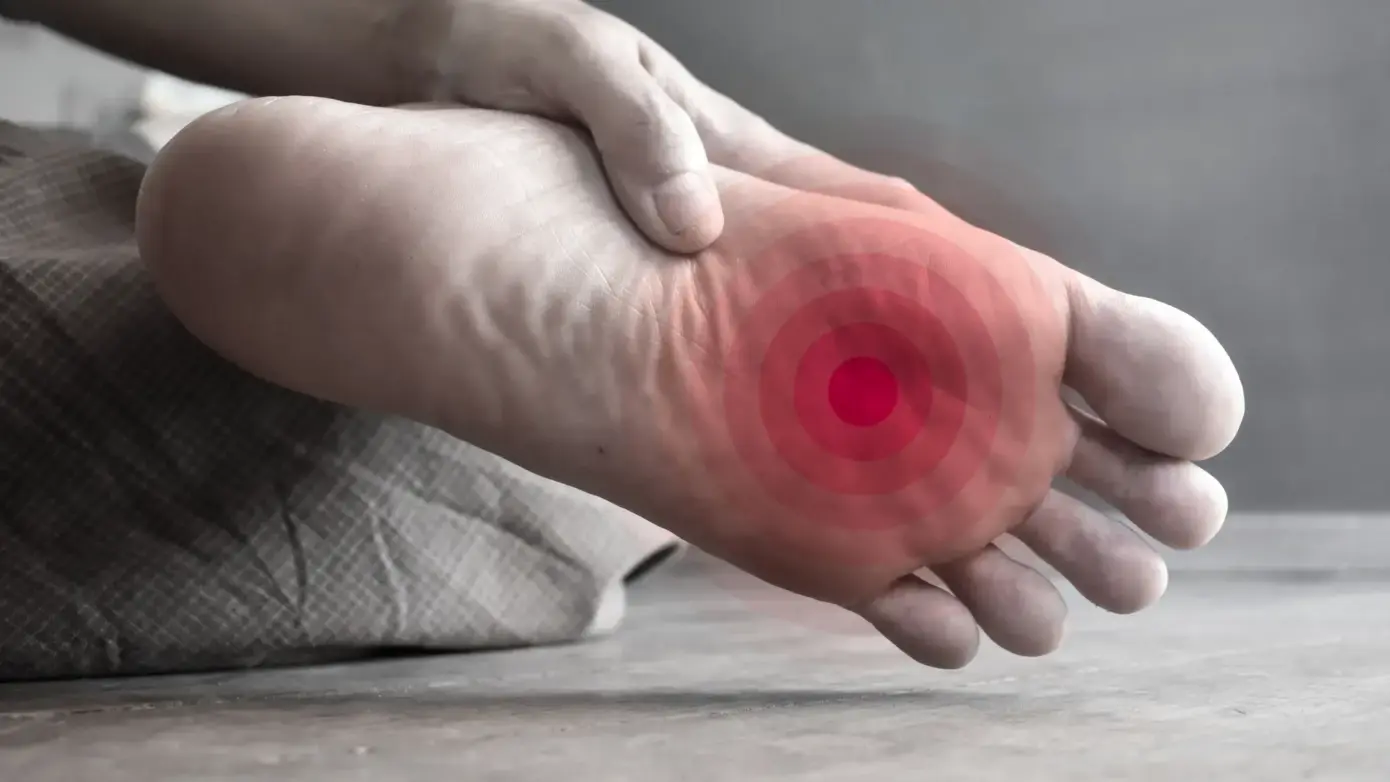
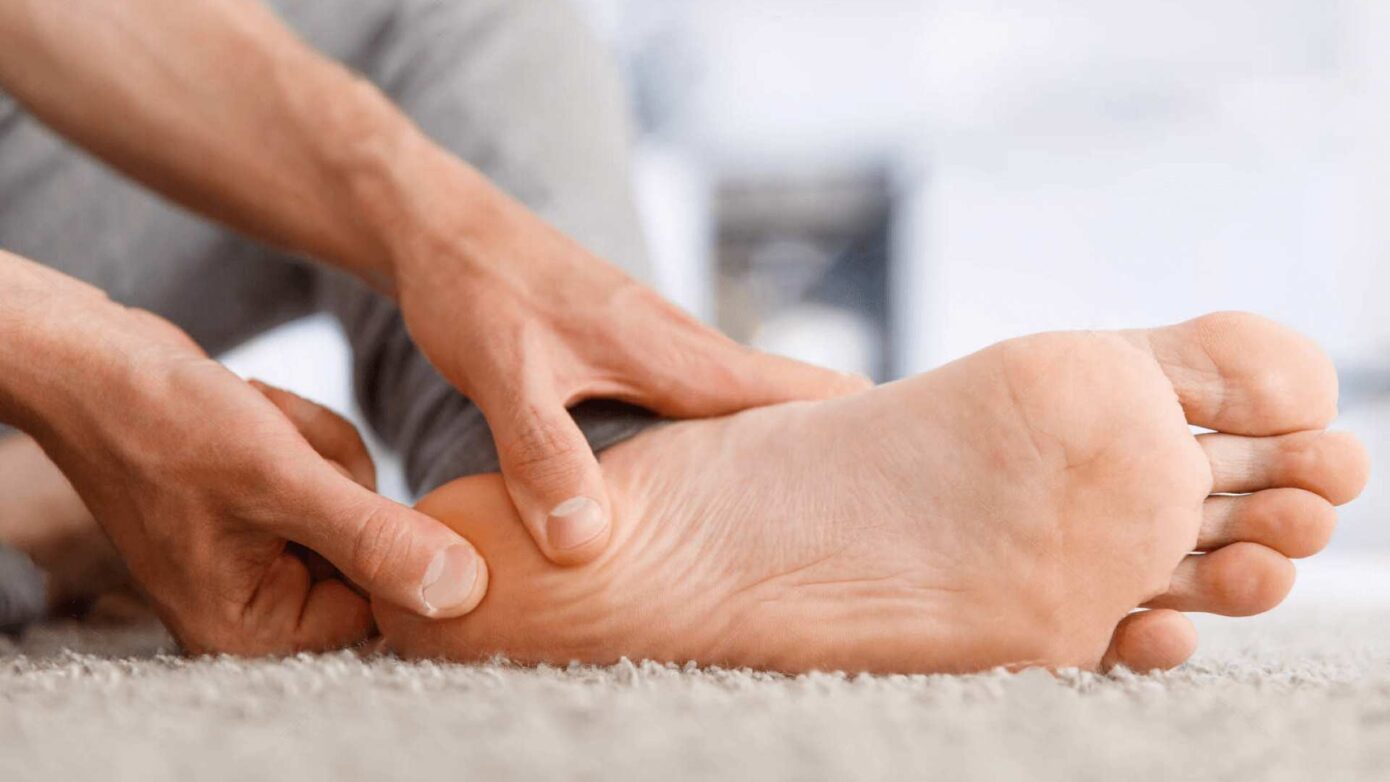
If you have plantar fasciitis, unbearable foot and heel pain accompanies even the simplest actions in your daily life, such as walking, climbing stairs, or enjoying your favorite sport or hobby. 

The pain may be so intense that it can prevent you from moving your foot, being productive at work, or living independently. And, for many of the 2 million people suffering from this condition in the US alone, surgery represents the inevitable choice to ease their pain.

But taking medications daily, enduring the risks and side effects of surgery, or undergoing invasive procedures are no longer the only alternatives to regain the function and health of your foot. 

Through the non-surgical, non-chiropractic, and non-pharmaceutical approach pioneered by Relatyv, you can regain your foot health and restore your quality of life without surgery or medications. Discover the whole-person Neurofunctional Pain Management approach below.

What Is Plantar Fasciitis Surgery?

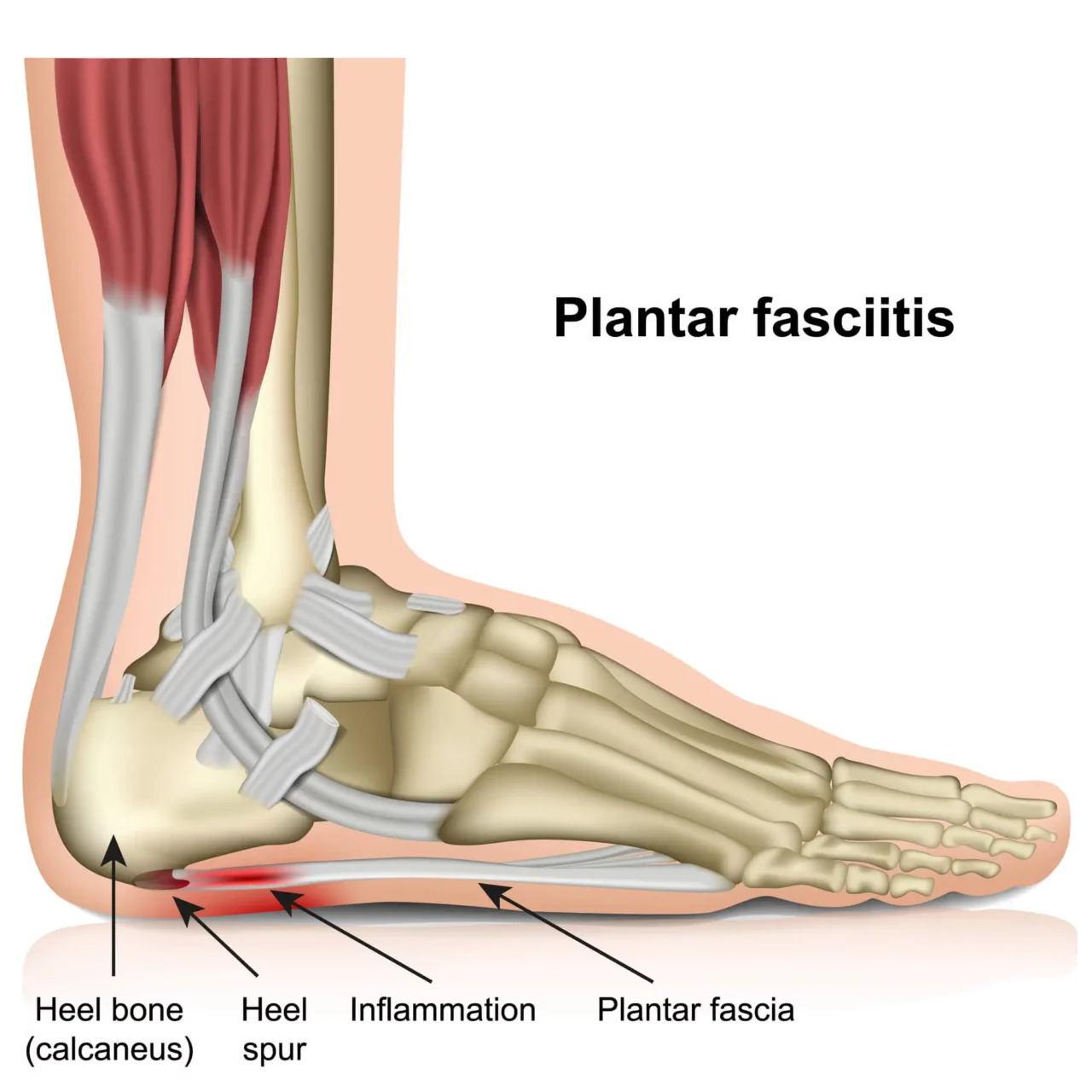
Plantar fasciitis is an inflammatory condition that occurs when the foot’s fascia becomes inflamed, irritated, or damaged. The fascia is a thick band of tissue that stems from the heel bone and then splits into smaller bands that fan out and attach to each toe. This component of the foot plays a vital role in stabilizing your gait, supporting the arch of the foot, and absorbing shock. 

The fascia can become inflamed due to overuse, excessive or strenuous activities, inadequate footwear, and improper foot mechanics. An inflamed fascia leads to a cascade of symptoms, including pain, stiffness, swelling, and reduced range of foot motion. 

Plantar fasciitis – a condition also known as plantar heel pain (PHP) – accounts for over half a million general and specialist care visits in the US alone, making it the leading cause of heel pain.

Although most patients report reduced pain and improved foot mobility with conservative therapies and medications, the pain may become so intense that it prevents you from being able to stand or walk. If all else fails, surgery may begin to appear as the inevitable choice. 

The aim of plantar fasciitis surgery is to relieve tension in the fascia, ease inflammation, and reduce pain so that you can return to your daily activities and maintain proper foot mechanics. When your doctor suggests this line of treatment, it is important to understand the risks, benefits, and associated recovery times of this procedure. Let’s start by covering the basics.

Plantar Fascia Surgery: Fasciotomy Or Fasciectomy

Plantar fasciitis surgery is an approach to treatment that involves detaching the fascia from the heel bone. 

After surgery, the fascia will heal by creating new connective tissue that stretches to and attaches to the heel bone, thus promoting the lengthening of the connective tissue. After the healing process is complete, a longer fascia can relieve tension, prevent further irritation, and increase foot mobility. 

To achieve these results, your doctor may recommend one of two surgical interventions: fasciotomy or fasciectomy. Although they both have the same goal (to separate the fascia from the heel bone) they are performed in different ways:

  • Fasciotomy: An incision in the fascia is made without removing any tissue.
  • Fasciectomy: An incision is made in the fascia and any damaged or inflamed tissue is removed.

Fasciotomy – also known as Plantar Fascia Release surgery – is the most common type of invasive intervention for plantar fasciitis, and can be either open or endoscopic.

  • Open surgery: This surgical intervention is performed under general anesthesia and involves creating a 2-inch incision under your foot, to expose the fascia. An incision to detach the fascia from the heel is then easily performed by your surgeon, who will also address abnormal bony growth (bone spurs) and trapped nerves.
  • Endoscopic surgery: Endoscopic surgery is less invasive than open surgery and only requires a local anesthetic. During this procedure, the surgeon will create two small incisions that are used to insert an endoscope, which is a thin device with a camera and tiny surgical tools. Using video guidance, the surgeon will use these tools to release the plantar fascia without needing to expose it. 

Although endoscopic surgery is less invasive than open surgery, it involves a greater risk of damage to nearby tissues and nerves. 

Other types of surgical interventions for plantar fasciitis exist, including gastrocnemius recession. This procedure is recommended if the inflammation of the fascia derives from short or thigh calf muscles (gastrocnemius muscles). It involves the surgical lengthening of these muscles to allow the ankle and foot to move more freely.

Why Is Surgery For Plantar Fasciitis Performed?

Given the side effects and risks that come with plantar fasciitis, surgery is often considered the last resort. 

Usually, healthcare providers recommend various treatment options that aim to alleviate the pain from the fascia, improve mobility, and reduce inflammation. Some of the most common ones include:

  • Anti-inflammatory non-steroidal drugs (NSAIDs)
  • Splinting
  • Rest, icing, and compression
  • Orthotic arch support
  • Cortisone
  • Exercise and physical therapy 

These conservative treatments allow 80% of people with plantar fasciitis to make a full recovery from their condition within 12 months. However, 5% of people may require surgery. 

This may be the case if:

  • You have chronic fascia pain even after 6-12 months of treatment (i.e.: pain medications)
  • Your pain is affecting your ability to work or is causing social withdrawal
  • Your pain is causing disability and preventing you from remaining independent in your daily life

If you suffer from chronic fascia pain, your condition may end up affecting your posture, gait, and foot mechanics, leading to severe complications and abnormalities in your legs, ankles, and spine. The pain can also prevent you from living a healthy and active lifestyle, thus exposing you to risks such as obesity, cardiovascular diseases, and diabetes. 

In these cases, undergoing surgery may help you regain control over your life.

Success Rate Of The Procedure

According to a 2017 study, plantar fascia release is successful in 70-90% of cases, in terms of reducing pain, improving patient mobility, and increasing activity levels. In particular, the results are excellent in over 88% of cases and good in over 6%, and pain relief maximizes at around 8 weeks after surgery. Full recovery is achieved between 6 and 18 months after surgery.

Additionally, around 75% of people who need surgery experience less pain than they did before surgical intervention. Nonetheless, it is important to note that surgery does not guarantee that your pain will go away entirely: around a quarter of patients continue to experience pain and discomfort after surgery.

Risks And Complications Associated With Plantar Fascia Surgery

Besides the fact that plantar fasciitis surgery isn’t always successful, this kind of procedure isn’t free of risks and side effects – including infection, nerve damage, and recurring pain. Understanding the possible complications of this line of treatment can help you make a more informed decision. Let’s get started. 

Infection

One of the most common complications of plantar fasciotomy is surgical site infection. An infection may be caused by harmful bacteria that infiltrate the body during surgery. 

While some infections are superficial and only affect the incision’s healing process, some can spread across the body and cause fever, chills, and drainage liquid. Surgical infections can increase your recovery time and need to be treated with antibiotics.

Recurring Heel Pain

With 10-50% of patients left unsatisfied after fasciotomy, recurring heel or foot pain after surgery is a common complication that you should be aware of. This recurring pain may be due to different causes. For example, a nerve damaged during the procedure can lead to chronic pain. 

Alternatively, the fascia release could fail to address the root cause of the irritation or inflammation, not offering the expected results.

Nerve Complications

Especially when undergoing endoscopic fascia release surgery, nearby nerves can become damaged or entrapped. This is commonly the case with Baxter’s nerve, which runs along the inside of the heel. 

When a nerve connection is severed, nerve signals relating to movement, sensation, pain, and touch may be disrupted. This can cause symptoms such as spasms, numbness, tingling, and chronic or acute pain around the foot.

Injury of Nearby Structures

The incision necessary to release the fascia from the heel bone may inadvertently damage nearby components of the foot, including ligaments, muscles, and tendons. Although most of these injuries heal over time, they can slow down the recovery process and cause abnormalities in the foot’s mechanics.

Excessive Release Of Plantar Fascia

The incision necessary to detach the fascia from the heel bone is minimal, which makes errors more likely. Over-releasing the plantar fascia – or detaching it too much from the heel bone – can cause the weakening and the flattening of the foot arch, which can lead to changes in the gait and deformity. 

Some patients also experience the opposite complication if the fascia has not been released enough. This side effect requires follow-up surgeries.

Lateral Column Pain

The plantar fascia plays a vital role in stabilizing the foot’s mechanics during movement. Releasing the fascia from its attachment to the heel can impact these mechanics and create imbalances, leading to pain that could appear after surgery in other areas of the foot. 

In particular, a 2002 study shows that surgical interventions that release over 50% of the fascia are likely to lead to lateral column pain, or pain affecting the bones that line the outer edge of your foot.

Alternative Treatment Options Before Considering Surgery

Surgery can help those with recalcitrant heel pain that has not improved with treatment options such as medication, rest, ice, and compression. However, given the severe side effects and lengthy recovery periods associated with fasciotomy, it is important to explore other conservative treatment options for plantar fasciitis such as the following:

  • Stem cell therapy: Platelet-Rich Plasma and Bone Marrow Aspirate therapies work by stimulating the healing function of the stem cells within the damaged area. 
  • Extracorporeal shock wave therapy: This therapy supports the healing and recovery of the plantar fascia through high-energy electrical pulses delivered to the painful area. 
  • Electrical stimulation: E-stim therapies such as TENS (transcutaneous electrical nerve stimulation) use mild pulses of energy delivered to the fascia to support the circulation of blood, nutrients, and oxygen around the damaged area. E-stim can also reduce the transmission of pain signals and stimulate the release of pain-relieving hormones like endorphins. 
  • Physical therapy: Physical therapy can be used to strengthen and stretch the different components of the foot to improve mobility and conditioning. A physical therapist can also help you understand how to improve your posture and foot mechanics to avoid placing excessive stress on the fascia.
  • Massage therapy and acupuncture: Massages and acupuncture sessions can decrease stress and inflammation, ease muscle tension, and relax tight tissues that may be contributing to your foot pain.

Although these therapies may help you manage your pain during flare-ups, they are not an effective alternative to win over your chronic condition and regain your foot mobility. Here’s where Neurofunctional Pain Management comes in. Let’s discover the Relatyv approach below.

How Neurofunctional Pain Management Works For Plantar Fasciitis

Pioneered by Relatyv, Neurofunctional Pain Management is a revolutionary whole-person approach that aims to help patients combat their pain condition without surgery or medications. 

Neurofunctional Pain Management addresses all of those lifestyle factors that may be contributing to your pain and utilizes regenerative medicine therapies to support the body’s ability to fight inflammation and heal damaged tissue. In the treatment of chronic plantar fasciitis, Relatyv employs tailored treatment protocols based on three pillars:

  • Electroanalgesia:

Electroanalgesia leverages pulses of electrical current to stop pain signals traveling from the diseased area of your foot to the brain, thus providing long-lasting relief from pain. This therapy also promotes blood and oxygen circulation, stimulates the release of endorphins, and supports the healing of damaged tissues. 

Unlike OTC electrical stimulation alternatives, electroanalgesia is able to deliver over 10,000 electrical pulses per second, which makes it a far superior and more efficient alternative. 

  • IV Therapy:

Custom IV therapy plans are designed to address and correct nutritional deficiencies and imbalances that may be contributing to the inflammation, pain, and damage of your foot’s tissues. 

Following comprehensive blood tests, a specialist at Relatyv will create an IV mix that contains all the essential nutrients, minerals, and vitamins needed to provide long-lasting hydration and support tissue regeneration.

  • Lifestyle Counseling:

An ad hoc Lifestyle Counseling journey is created to help you identify and modify those lifestyle choices that represent risk factors for chronic pain conditions, such as plantar fasciitis. 

For example, if you are overweight or obese, deal with nutritional deficiencies, have a sedentary lifestyle, or have proinflammatory habits like smoking or drinking alcohol, you are at greater risk of high inflammation, circulatory problems, and chronic pain. 

A lifestyle counselor at Relatyv can help you implement strategies to maintain a healthy weight, choose supportive shoes, start exercising regularly, and, ultimately, create a lifestyle that supports health in the long term.

Know All Your Options Before Signing Up For Surgery 

Surgery for plantar fasciitis can condemn you to months or years of rehabilitation, immobilization, and physical therapy – and it is certainly not free of severe risks. So, before signing up for surgery, make sure you know all of your options and try the non-invasive alternatives offered at Relatyv.

Through Neurofunctional Pain Management, you can manage your pain, decrease inflammation, and regain your foot function without medications or surgery. So, you can return to enjoying your favorite activities and magnify your quality of life.

Why TENS Unit For Hip Pain May Not Be Your Best Treatment Option

Why TENS Unit For Hip Pain May Not Be Your Best Treatment Option 640 612 Relatyv

While transcutaneous electrical nerve stimulation (TENS) units are commonly used for pain management, they may not be the most effective treatment option for hip pain. When it comes to hip pain, the underlying causes are often complex and diverse, including issues with the joint, muscles, tendons, or nerves.

Hip pain may require a more comprehensive approach that addresses muscle imbalances, joint instability, or structural abnormalities, which TENS units alone cannot address. For more effective and targeted relief from hip pain, Relatyv has the solution.

But first, let’s get into why TENS units are not nearly as effective at relieving hip pain as some might hope.

What Is A TENS Unit And How Does It Work?

A TENS unit is a small electronic device used for pain management. It consists of a battery-powered control unit connected to electrodes that are placed on the skin near the site of pain. TENS units are commonly used to alleviate various types of acute and chronic pain, including muscle and joint pain.

The principle behind TENS therapy is to deliver low-voltage electrical currents to the body, specifically targeting the nerves responsible for transmitting pain signals. The unit produces gentle electrical impulses that are transmitted through the electrodes to the underlying tissues. These impulses can stimulate the nerves in the area, providing a tingling or buzzing sensation.

The electrical currents emitted by a TENS unit have adjustable parameters such as frequency, intensity, and duration. These settings can be modified based on the individual’s needs and comfort level. The low voltage used in TENS units is typically in the range of 5-100 milliamperes (mA), which is significantly lower than the voltages used in other medical applications.

When the electrical impulses are delivered to the skin, they can potentially interfere with the transmission of pain signals to the brain. The stimulation from the TENS unit is thought to activate the body’s natural pain-relieving mechanisms, such as the release of endorphins, which are the body’s natural painkillers.

By disrupting or overriding pain signals, TENS therapy aims to provide quick and temporary pain relief as well as promote a sense of well-being.

Why TENS May Not Be Effective Enough For Hip Pain

While TENS units are commonly used for pain management, they may not be the most effective treatment option for hip pain. Hip pain often involves complex underlying causes that require a more comprehensive approach. TENS units primarily target surface-level pain and may not reach deep enough to address the root cause of hip pain.

Additionally, hip pain may require a multifaceted treatment plan that addresses muscle imbalances, joint instability, or structural abnormalities. TENS units, which deliver low-voltage electrical currents, may not provide the targeted relief needed for hip pain.

Let’s get into more detail on TENS lack of efficacy below:

Works Only By Delivering Small Electrical Shocks To The Skin

TENS units may not effectively penetrate deep enough to reach the source of hip pain due to their low voltage. The electrical impulses generated by TENS units are typically of low intensity, typically in the run at 400 pulses per second. While these currents can provide surface-level stimulation and potentially block pain signals transmitted by superficial nerves, they may not effectively reach the deeper tissues or structures within the hip joint that could be contributing to the pain. Hip pain often originates from deeper structures such as the joint capsule, ligaments, tendons, or deep muscles. These areas may require more targeted and higher-intensity electrical stimulation than what a TENS unit can provide.

May Have Limited Effectiveness For Certain Types Of Hip Pain

TENS units may not be as effective for chronic or degenerative pain conditions. While these devices can provide temporary pain relief for acute or short-term pain, their efficacy in managing chronic or degenerative pain may be limited. Additionally, chronic pain conditions often require a multidisciplinary approach that combines various treatment modalities, such as physical therapy and lifestyle modifications. TENS units alone may not address the multifaceted nature of chronic pain or provide the comprehensive management needed for sustained relief.

May Cause Side Effects

TENS unit treatments, while generally considered safe, can sometimes be associated with certain side effects. Here are some common side effects that may occur during or after TENS unit sessions:

Skin Irritation

Prolonged or repeated use of TENS electrodes can sometimes cause skin irritation or redness at the site of application. This can be due to the adhesive properties of the electrodes or the electrical stimulation itself. Proper electrode placement, ensuring clean and dry skin, and using hypoallergenic electrodes can help minimize the risk of skin irritation.

Muscle Twitching

TENS therapy involves stimulating nerves and muscles with electrical impulses. In some cases, muscle twitching or involuntary muscle contractions may occur during the treatment. This is typically temporary and subsides once the TENS unit is turned off. Adjusting the intensity or frequency settings on the device may help reduce muscle twitching if it becomes bothersome.

Tingling Sensation

The electrical stimulation produced by TENS units often creates a tingling or buzzing sensation at the site of application. While this sensation is generally well-tolerated, it can sometimes be uncomfortable for some individuals. Modifying the intensity or frequency of the TENS unit can help adjust the tingling sensation to a more comfortable level.

TENS Units May Cause More Harm Than Good

While TENS units are generally safe for most individuals, there are certain groups of people who should not use them or exercise caution when doing so due to potential risks to their health. Here are some examples:

People With Implanted Medical Devices

Individuals with implanted medical devices, such as pacemakers, defibrillators, or neurostimulators, should avoid using TENS units without consulting their healthcare provider. The electrical impulses from TENS units can potentially interfere with the functioning of these devices, leading to malfunction or inadequate therapy.

Pregnant Women

The safety of TENS therapy during pregnancy is not well-established, and its effects on the developing fetus are not fully understood. Therefore, it is generally advised that pregnant women avoid using TENS units, especially in the abdominal or pelvic regions, unless specifically recommended by their healthcare provider.

Individuals with Epilepsy or Seizure Disorders

TENS therapy involves electrical stimulation, which can potentially trigger seizures in individuals with epilepsy or seizure disorders. Therefore, it is essential for individuals with such conditions to avoid using TENS units without the guidance and approval of their healthcare provider.

People with Sensory Impairments or Skin Sensitivities

Individuals with reduced or altered sensation in the areas where TENS electrodes are applied may not be able to properly perceive the intensity of the electrical stimulation. This can lead to inadvertent overstimulation or skin damage. Similarly, individuals with skin sensitivities or open wounds should exercise caution when using TENS units to avoid skin irritation or worsening of their condition.

Individuals With Undiagnosed Pain

TENS units should not be used as a substitute for medical evaluation and diagnosis. If the cause of pain is unknown or not properly diagnosed, using TENS units without understanding the underlying condition can potentially mask symptoms or delay appropriate medical intervention.

It is crucial to consult with a healthcare professional before using a TENS unit, especially if you fall into one of the high-risk categories mentioned above. However, it is a good rule of thumb to presume that TENS units could be doing more harm than good, which is discussed in more detail here.

Alternative Treatments That May Be More Effective

While TENS units have their limitations for treating hip pain, there are alternative treatment methods that have shown effectiveness in managing hip pain. These methods offer a more comprehensive approach to address the underlying causes of hip pain. Some treatment options that may be considered include:

Physical Therapy

Physical therapy is often recommended for hip pain as it focuses on strengthening the muscles around the hip joint, improving flexibility, and correcting imbalances. A physical therapist can design a personalized exercise program that targets specific areas contributing to hip pain, helping to alleviate symptoms and improve overall hip function.

Medications

Nonsteroidal anti-inflammatory drugs (NSAIDs) and analgesics can help reduce pain and inflammation associated with hip pain. These medications are available over-the-counter or by prescription, depending on the severity of the pain and individual needs. It’s important to consult with a healthcare professional for appropriate medication recommendations and to ensure proper usage.

Injections

Corticosteroid injections or hyaluronic acid injections may be considered for individuals with hip pain that do not respond to conservative treatments. These injections can provide temporary pain relief and reduce inflammation in the hip joint. However, it is important to note that their effects are typically temporary, and repeated injections may have diminishing returns.

Assistive Devices

The use of assistive devices such as canes, crutches, or walkers can help offload the weight from the hip joint, reduce pain, and provide support during activities. These devices can help improve mobility and reduce the strain on the hip joint, particularly in cases of hip osteoarthritis or post-surgical rehabilitation.

Surgical Intervention

In cases where conservative treatments fail to provide adequate relief, surgical intervention may be considered. Surgical options range from minimally invasive procedures, such as arthroscopy, to more extensive procedures like joint replacement surgery. The type of surgery will depend on the underlying cause and severity of the hip pain.

These treatments for hip pain are slightly more effective and may even be safer but they cannot offer the same solutions provided by Relatyv.

How Relatyv Deals With Hip Pain

Relatyv uses the Neurofunctional Pain Management approach to manage hip pain. This is a whole-person treatment that focuses on providing maximum relief from hip pain; starting with electroanalgesia and moving to IV therapy and lifestyle counseling.

Electroanalgesia

Relatyv offers the most effective form of electrical stimulation and pain relief through electroanalgesia. Not only is it safe and effective at treating hip pain, its efficacy outweighs that of a TENS unit. Its efficacy, when compared to a TENS unit, is directly related to its high-pulse stimulation which is 10,000 pulses per second compared to a TENS unit’s 400 pulses per second. Electroanalgesia, with its high-pulse electrical stimulation, creates a depolarization effect on the pain neurons, while also stimulating tissue regeneration that repairs damaged nerves and damaged microvascular tissues in the hip.

IV Therapy

Relatyv also offers a specialized nutritional hydration therapy of vitamins, minerals, and other nutritional necessities that assist the body’s immune system and its ability to relieve hip pain. This specialized nutritional hydration therapy works in conjunction with electroanalgesia’s ability to effectively relieve the pain with lasting results.

Lifestyle Counseling

Patients who seek the most effective form of relief from hip pain will undoubtedly find it with our treatment program and attain the ability to maintain their pain in the interim by participating in our educational and lifestyle counseling. These programs ensure patients will have the ability and confidence to do all they can to mitigate the often debilitating endometriosis pain.

Get Yourself An Effective Hip Pain Treatment

When experiencing hip pain, it is crucial to consult with a medical professional to seek effective relief and ensure proper management of your condition. Here are the reasons why consulting with a medical professional is essential:

Accurate Diagnosis

A medical professional, such as an orthopedic specialist or a primary care physician, can conduct a thorough evaluation to accurately diagnose the underlying cause of your hip pain. Hip pain can stem from various conditions, including osteoarthritis, bursitis, tendinitis, hip labral tears, or referred pain from other areas. Obtaining an accurate diagnosis is crucial for developing an appropriate treatment plan tailored to your specific condition.

Personalized Treatment Plan

Healthcare professionals can provide a personalized treatment plan based on your diagnosis, medical history, and individual needs. They can consider various factors, such as the severity of your hip pain, functional limitations, and any underlying health conditions that may impact your treatment options. A personalized approach ensures that you receive the most effective and appropriate interventions for your specific situation.

Access to Specialized Care

Medical professionals have access to a range of resources and specialists who can contribute to the management of your hip pain. They can refer you to physical therapists, pain specialists, or orthopedic surgeons if necessary, ensuring that you receive comprehensive care and access to specialized treatments.

Monitoring Progress and Adjustments

Consulting with a medical professional allows for ongoing monitoring of your condition and the effectiveness of your treatment plan. They can assess your progress, modify your treatment approach if needed, and provide guidance on lifestyle modifications, exercises, or pain management techniques to optimize your recovery.

Safety and Risk Assessment

Healthcare professionals are trained to assess potential risks and complications associated with different treatment options. They can evaluate your medical history, medication use, and other factors to ensure that the chosen interventions are safe and suitable for you. This is particularly important if you have pre-existing medical conditions or take certain medications that may interact with specific treatments.

Seeking guidance from a medical professional is crucial to ensure that you receive the most effective and appropriate care for your hip pain. They have the expertise and knowledge to guide you through the diagnosis process, recommend evidence-based treatments, and monitor your progress to help you achieve optimal pain relief and improved hip function.

At Relatyv, we understand that hip pain can be life-limiting and preclude many from living the full-fledged life they had imagined. At the same time, we know and have confidence that pain relief will come through electroanalgesia, IV therapy, and educational programs. At Relatyv, our mission is to relieve pain, restore health, and magnify the quality of life while operating as a non-pharmaceutical, non-surgical, non-invasive, and non-chiropractic pain treatment provider. Our vision is to be the first thought, first choice, and first step in the journey of chronic pain relief.

Understanding Why Muscle Spasm In Tricep Occurs

Understanding Why Muscle Spasm In Tricep Occurs 2000 1333 Relatyv

Muscle spasms (also known as muscle cramps, charley horses, or “the knot”) are involuntary contractions of the muscles in your body. They can range from minor twitches to painful and even disabling episodes. One place that can be particularly prone to muscle spasms is the tricep, located on the back of your upper arm. Fortunately, there are ways that you can treat muscle spasms in the triceps.

However, to achieve effective relief, you need to understand why they occur in the first place. After all, the only way to achieve long-term relief is to treat the underlying cause and not just the symptoms.

Anatomy Of The Triceps

The triceps muscle group is a collection of three muscles near the elbow joint. The muscles are collectively known as the triceps brachii, including the long, medial, and lateral heads. The nerves that innervate the triceps are the radial, axillary, and musculocutaneous nerves. The blood supply to the triceps comes from the radial and ulnar arteries.

The triceps’ primary function is to extend or straighten your arm at the elbow joint. It also helps stabilize the shoulder joint when you move your arm. Learn more about shoulder muscle spasms and their impact on upper body mobility. As such, issues with your triceps can cause pain and discomfort when doing activities that require moving your arm and can limit your range of motion.

Types Of Muscle Spasms

Muscle spasms can occur throughout your body, but certain activities and conditions can make them more likely to occur in the triceps. This is because the triceps are responsible for many activities like pushing, pulling, and holding. It’s also important to note that there are various muscle spasms. The following are the three types of muscle spasms you should know about:

Clonic Spasm

Clonic spasms are the most common type of muscle spasm. They involve a sudden, sharp contraction of the affected muscle and a quick relaxation phase. Clonic spasms can be painful and may cause you to move the affected limb involuntarily.

Tonic Spasm

Tonic spasms are less common but can be more severe than clonic spasms. They involve a sustained contraction of the affected muscle, which can cause a visible deformity in the affected area. These spasms are usually excruciating and can be disabling.

Dystonic Spasm

Dystonic spasms are the least common type of muscle spasm. They involve a sustained contraction of multiple muscles in different parts of the body. These spasms usually cause twisting or contorting of the affected limb and can be associated with other symptoms, such as abnormal posture. They can also be painful.

Common Causes Of Muscle Spasm In Triceps

Many different things can cause muscle spasms in general. However, the following are some of the most common causes of muscle spasms, specifically in the triceps:

  • Overuse Or Repetitive Muscle Use: Repetitive or overuse of a particular muscle can cause it to become fatigued, which can lead to spasms. Since the triceps are often used for pushing, pulling, and holding activities, they can become overworked if not given proper rest – especially if you do many activities involving the arm or shoulder, such as playing tennis, golf, or lifting weights.
  • Poor Posture: Poor posture can strain the neck, shoulders, and arm muscles. When these muscles become strained, it can lead to muscle spasms in the triceps due to the increased tension in the area.
  • Dehydration: The body requires water to carry out normal functions. Dehydration occurs when the body isn’t receiving enough water. This can happen as a result of not drinking enough water or because of sweating too much. When this happens, it can affect the muscles in the body and cause spasms, including in the triceps.
  • Electrolyte Imbalance: Electrolytes are minerals found in the body, such as sodium and potassium. When they become unbalanced due to certain medical conditions or medications, it can lead to muscle spasms, including in the triceps. It’s also worth noting that electrolyte imbalances can occur as a result of dehydration.
  • Stress: Stress can lead to muscle tension, increasing the likelihood of muscle spasms in the triceps.
  • Lack of Strength: If you’re out of shape and using your triceps muscle too much, it can cause spasms because the muscle is overworked. As such, it’s crucial to build the strength of your triceps to ensure that they can cope with the demands placed on them.

Symptoms Of Muscle Spasm Tricep

Muscle spasms may seem self-explanatory for those who’ve had them. However, a muscle spasm can consist of several different symptoms. With that in mind, the following are the common symptoms associated with triceps muscle spasms. These include:

  • Sudden, Intense Pain in the Affected Area
  • A Cramping Sensation
  • Involuntary Muscle Contractions
  • Reduced Range Of Motion
  • Swelling or Tenderness

When To Seek Medical Attention

Although muscle spasms generally go away on their own with rest, certain instances should prompt you to consult a physician. These include:

  • Severe or persistent pain that doesn’t improve with home treatments
  • Loss of sensation or weakness in the affected area
  • Signs of infection, such as redness, warmth, or swelling
  • Difficulty moving the arm or an inability to move the arm at all
  • Inflammation or swelling in the affected area

If you’re experiencing more severe symptoms, you’ll want to rule out any underlying conditions that could be causing the muscle spasm.

Diagnosing Tricep Muscle Spasms

If you’re regularly experiencing muscle spasms in your triceps, then you’ll want to have the issue properly diagnosed. A thorough diagnosis will help rule out potentially serious underlying conditions, such as ALS (Amyotrophic Lateral Sclerosis), MS (Multiple Sclerosis), kidney disease, serotonin syndrome, and other neurological disorders.

To diagnose muscle spasms in the triceps, a doctor will request information about your medical history, do a physical exam, and order diagnostic tests, such as:

  • Imaging Studies: X-rays, CT scans, and MRI scans can help your doctor determine if any underlying issues could be causing the muscle spasms, such as a herniated disc or spinal cord tumor.
  • Blood Tests: Blood tests can help identify any underlying infections or vitamin deficiencies that could be causing muscle spasms.
  • Nerve Conduction Studies: These tests measure the electrical activity of your nerves and can help diagnose neurological disorders, such as ALS.

Treatment Options

There are several ways to treat the muscle spasms you’re experiencing in your triceps, depending on how severe they are. The following are some of the conventional and non-conventional methods of treatment for muscle spasms:

At-Home Remedies

At-home remedies tend to be more suitable for mild to moderate muscle spasms. They typically include the following:

  • Rest and Immobilization: In some cases, muscle spasms are simply the result of your muscles being overworked. In this case, the best way to treat the spasms is to rest your muscles and refrain from using them for a few days.
  • Ice and Heat Therapy: Applying a cold pack or hot compress to the affected area can reduce inflammation and soothe the spasms. When your muscles become loose or relaxed, they’re less likely to spasm.
  • Massage: Massage therapy can help relax tense muscles. A massage could be beneficial if you’re experiencing spasms due to poor posture, overworking your muscles, or stress.
  • Painkillers: Many conventional doctors will prescribe painkillers to patients experiencing painful spasms. However, taking prescription pain medications can be risky since many of them come with side effects and can be habit-forming. It’s worth noting that even over-the-counter painkillers may come with some side effects.
  • Stretching and Strengthening Exercises: Stretching and strengthening exercises can help improve your posture and reduce muscle tension, thereby preventing spasms.

Medications And Injections

In addition to painkillers, a doctor might recommend certain injections to help deal with more severe muscle spasms. Just keep in mind that some of these injections may cause side effects, such as allergic reactions. These injections could include:

  • Corticosteroid Injections: Corticosteroid injections can reduce inflammation and decrease pain. They’re usually prescribed for more severe cases of muscle spasms.
  • Botox: Botox injections are sometimes used to help relax the tricep muscles, particularly if a person is experiencing chronic spasms.
  • Hyaluronic Acid Injections: Hyaluronic acid injections can help improve the elasticity of the muscles, which can reduce the occurrence of spasms.
  • Nerve Blocks: Nerve blocks are injections that can help block pain signals from traveling to your brain. This can help reduce the intensity of the spasms and provide temporary relief from pain.
  • Muscle Relaxants: Muscle relaxant injections can help relieve severe spasms by helping to relax the muscles. These injections usually must be administered by a doctor.

Rehabilitation and Physical Therapy

Physical therapy and rehabilitation can help reduce the frequency and intensity of muscle spasms caused by poor posture or physical trauma. A physical therapist can help you identify and correct any underlying physical issues causing your spasms. Rehabilitation usually consists of stretching, strengthening, and cardiovascular exercises. These exercises can help improve your posture and strengthen the muscles, thereby reducing spasms.

Electrical Stimulation Therapy

Electrical stimulation therapy, such as TENS (transcutaneous electrical nerve stimulation) or electroanalgesia, is a non-invasive treatment involving electrical impulses to trigger the muscles to relax by stimulating the nerve endings. Doing so helps block pain signals from traveling to the brain as well as stimulate the release of endorphins. As a result, this therapy can help reduce the intensity and frequency of spasms and relieve muscle pain.

Surgery

In rare cases, a doctor might recommend surgery if a structural issue in the spine causes the spasms. Depending on the cause of your spasms, the doctor might recommend a spinal disc fusion or nerve decompression surgery.

However, surgery should be considered a last resort after all other failed treatments. After all, surgery is highly invasive and can result in various complications, such as infections, allergic reactions, and nerve damage. Not to mention, it’s the most expensive option and can result in a long recovery time.

Preventing Muscle Spasm In Tricep

When treating muscle spasms, it’s important that you not only address the symptoms but also work on preventing them from happening again. Here are a few tips that can help prevent muscle spasms in the triceps:

  • Postural Awareness: Pay attention to your posture when sitting, standing, or lying down. Poor posture may put unnecessary strain on the muscles of the triceps and cause spasms. As such, simply improving your posture can help reduce the occurrence of spasms.
  • Proper Warm-Up And Cool Down: Before and after workouts, it’s essential to warm up and cool down properly. This can include stretching and light cardio activities. Doing so helps prepare the muscles for strenuous activities and reduces strain afterwards.
  • Hydration: Ensure you drink enough fluids, as dehydration can increase the risk of developing muscle spasms.
  • Maintain a Healthy Diet: A diet rich in vitamins and minerals can go a long way toward preventing muscle spasms. Eating foods high in calcium, magnesium, and potassium can help keep your muscles healthy and functioning properly. The following are a few examples of foods that are high in these essential minerals:
  • Bananas
  • Sweet Potatoes
  • Nuts and Seeds
  • Leafy Green Vegetables
  • Lean Protein

Effects Of Delaying Treatment

Delaying treatment for muscle spasms can have serious, long-term effects on your body. If left untreated, spasms may become more frequent and intense, leading to a decrease in muscle strength and mobility. Long-term tightness can also lead to nerve damage, which can cause numbness, tingling, or pain in the affected area. In extreme cases, muscle atrophy may occur due to lack of use and blood flow.

Additionally, delaying treatment can lead to increased pain, discomfort, and reduced quality of life. This can make it difficult to perform everyday activities such as walking, sitting, or standing. In order to avoid these risks and maintain a healthy lifestyle, it’s vital to seek medical attention as soon as you start experiencing regular muscle spasms.

Regain Movement Without Tricep Muscle Spasms

One of the issues with the conventional medical treatment of muscle spasms in the triceps is that it needs to be more invasive, or it only addresses the symptoms and not the underlying cause. Relatyv takes a whole-person approach to treat tricep muscle spasms by implementing a Neurofunctional Pain Management in our Relatyv protocol. This approach combines electroanalgesia, IV therapy, and personalized lifestyle counseling to target the root cause of your muscle spasms and give you lasting relief.

Everything You Need To Know About Biphasic Electrical Stimulation

Everything You Need To Know About Biphasic Electrical Stimulation 2000 1331 Relatyv

Electrical stimulation, or e-stim, is a form of therapy that uses electrical signals to trigger muscle contractions, which can provide short-term to long-term pain relief based on the intensity of the e-stim treatment. Medical professionals have used e-stim for decades, and it is now common practice to help treat various issues and conditions, from minor muscle injuries to chronic pain. 

However, you should note that there are different e-stim treatment solutions. For example, biphasic e-stim treatment is commonly used by physical therapists to help treat a range of issues.

What Is Biphasic Electrical Stimulation?

Biphasic electrical stimulation is a type of waveform used in e-stim therapy. It is one of the most commonly used waveforms in e-stim therapy, and it is often used to help strengthen muscles, re-educate muscles, decrease swelling, and increase circulation.

Biphasic electrical stimulation works by sending two different pulses (or phases) at two different intensities that alternate (which is why it’s sometimes known as alternating current therapy as well). This type of e-stim treatment differs from the traditional direct current used in other e-stim solutions, as it does not necessarily use a continuous stream of electricity to stimulate the affected area. Instead, it uses two different pulses, one positive and one negative, that are delivered in quick succession to generate a therapeutic effect.

Types Of Biphasic Electrical Stimulation

When it comes to biphasic e-stim treatments, there are two main types. These include symmetrical biphasic waveforms and asymmetrical biphasic waveforms. The following is a breakdown of both types:

Symmetrical Biphasic Waveforms

Symmetrical biphasic waveforms use identical phases that cancel each other out, thereby producing a zero-net charge. As a result, they are less likely to cause a skin reaction. Symmetrical biphasic waveforms are also less fatiguing than polyphasic waveforms because they require less energy from the device to deliver a therapeutic effect, making them more comfortable for the patient to use. 

Symmetrical biphasic waveforms are used by variable muscle stimulator (VMS) units. Because symmetrical biphasic waveforms help generate greater torque with muscle contractions, VMS units are commonly used to help stimulate and strengthen large muscle groups.

Asymmetrical Biphasic Waveforms

Asymmetrical biphasic waveforms consist of non-identical phases that can be either balanced with no net charge or unbalanced, yielding a net charge. Asymmetrical biphasic waveforms are commonly used with transcutaneous electrical nerve stimulation (TENS) units, which tend to be more helpful for targeting and strengthening small muscle groups.

How It Works

Biphasic electrical stimulation works by sending alternating pulses that cause a change in the electrical potential between two points. This produces an electrochemical reaction that causes muscles to contract and relax, depending on the intensity of the electrical stimulus. 

The change in electrical potential can help reduce pain and inflammation, in addition to re-educating muscles. This improved muscle response can then be used to help strengthen the affected muscle group and improve overall physical function. It can also improve circulation and reduce swelling.

Conditions And Symptoms Treated By Biphasic Electrical Stimulation

Because biphasic electrical stimulation can help both small and large muscle groups to contract and relax to reduce inflammation, swelling, and pain, as well as to increase circulation, e-stim units (such as TENS and VMS) are commonly used to treat a variety of conditions and symptoms, including:

Pain

Biphasic electrical stimulation can reduce inflammation and improve circulation, which can help reduce acute and chronic pain by relaxing tight muscles, decreasing spasms, and improving blood flow to the area. This increased circulation helps promote healing and reduces pain signals send to the the brain, resulting in a decrease in pain.

Muscular and Disc Syndromes

Biphasic electrical stimulation can help reduce muscular tension and spasms and improve muscle tone in the affected areas. This improved muscle tone can help reduce back, neck, and shoulder pain caused by muscular or disc syndromes, such as herniated discs, pinched nerves, and sciatica. Additionally, improving muscle strength and range of motion can help reduce the likelihood of future pain and injuries.

Arthritis

Arthritis is inflammation of the joints and surrounding tissues that can cause pain, stiffness, swelling, and decreased range of motion. Biphasic electrical stimulation can help improve circulation to the affected area, thereby reducing inflammation and swelling. Additionally, improved muscle contractions and relaxation can help increase the affected joint’s range of motion, reducing stiffness and soreness.

Neuropathies 

Neuropathies refer to a type of nerve damage that can cause numbness, tingling, and pain in the affected area. Biphasic electrical stimulation can relieve these symptoms by helping to reduce inflammation and muscle spasms. Additionally, improved circulation can help the nerve cells to regenerate, reducing pain and restoring sensation in the affected area.

When Is Biphasic Electrical Stimulation Not Recommended

Biphasic electrical stimulation should be avoided in patients with certain cardiac conditions, including those with pacemakers, and any condition that warrants avoiding electrical stimulation, such as open wounds or infections. Additionally, pregnant women and people with epilepsy should not use biphasic electrical stimulation. Finally, patients should always consult with their medical provider before using any type of electrical stimulation to ensure safety and effectiveness.

Other Electrical Stimulation Treatments You Should Consider

TENS is a frequently used type of biphasic electrical stimulation, but there is another treatment option available: electroanalgesia. The problem with TENS units is that despite using biphasic waveforms, the pulse rate is low. At most, a TENS unit can only deliver around 400 pulses a second. At-home TENS units have an even lower pulse rate, topping out at 250. Because the pulse rate is so low, the pain neurons being targeted won’t be as affected and can even re-polarize, which means that any relief you might experience from TENS treatment will likely be temporary.

At Relatyv, we use electroanalgesia therapy instead. Electroanalgesia can provide long-term relief because it delivers electrical currents at up to 10,000 pulses per second. A frequency of at least 8300 pulses per second is required to target the neurons’ pain fibers effectively.

Get The Right E-Stim Therapy To Ease Your Pain Safely

E-stim therapy is a safe and effective way to help relieve pain from many conditions. However, it’s essential to understand how e-stim devices work and that not all forms of e-stim are the same. If you’re suffering from chronic pain, you’ll want to choose a type of e-stim therapy that provides long-term relief. As such, consider electroanalgesia as part of our Relatyv protocol to manage chronic pain.

Understanding The Various Types Of Migraines

Understanding The Various Types Of Migraines 1500 1027 Relatyv

When most people think of what a migraine is, they think of a brutal headache that can last for a long time. However, a migraine is much more than just a headache. In fact, it’s not a headache at all — it’s a neurological disorder that causes various physical and psychological symptoms. Therefore, to effectively manage your condition, it is essential to understand the different types of migraine and the associated symptoms.

That being said, the following guide will help you better understand what a migraine is, what the different types are, and how they can be managed to help prevent them from hurting your quality of life.

Four Stages Of Migraines

Regular headaches tend to occur right away, which is one of the reasons why a migraine is not considered a headache. A migraine is a condition that can affect the whole body. Migraines come in four different stages with waves of symptoms– including headaches. The following are the four stages of a typical migraine.

Stage 1: Prodrome

The word “prodrome” means “warning.” Prodrome is the first stage of a migraine; symptoms can occur up to a day or two before an actual migraine attack. During the prodrome stage, you may experience subtle changes in mood and behavior. These may be signs of a migraine attack, typically occurring at least 24 hours before the headache. Common early signals include irritability, fatigue, food cravings, and constipation.

Stage 2: Aura

The second stage is the aura. “Aura” refers to a set of neurological symptoms that occur before or during a migraine episode. The symptoms of an aura are typically sensory in nature, such as changes in vision, hearing, or smell. Other common signs include pins and needles sensations, dizziness, and difficulty speaking. An aura typically lasts up to an hour before the headache itself begins.

Stage 3: Attack

The third stage is the actual migraine attack itself. This is when you experience a throbbing headache along with other symptoms, such as nausea and sensitivity to light and sound. Depending on the individual, the attack can last anywhere from 4-72 hours.

Level 4: Postdrome

“Postdrome” is the fourth stage of a migraine, typically occurring after the headache has passed. The postdrome phase may last a couple of hours to a day or two after the migraine attack. It’s sometimes referred to as a “migraine hangover.” During this stage, you may experience confusion and exhaustion, as well as feel achy and weary.

Risk Factors

One of the challenges in treating migraines is that the underlying cause is unknown. However, various risk factors have been identified that can increase the likelihood of a migraine. The following are some of the common risk factors for migraines:

Genetics

Migraines can run in families, and studies have shown that if your parent or sibling has a history of migraines, you have an increased risk of developing them. In fact, 80 percent of people who experience migraines have reported a family history of migraines. Additionally, if one parent has a history of migraines, their child will have a 50 percent chance of developing migraines as well.

Age

Migraines are most common in adults aged 20 to 40. The reason is unknown, but it is thought to be related to changing hormone levels.

Gender

Women tend to be at greater risk than men when it comes to migraine attacks. This is thought to be the result of hormonal changes. For example, the hormonal changes that occur during menstruation, pregnancy, menopause, and oral contraceptives. It’s estimated that migraines are twice as prevalent in women than men. It’s also been shown that the prevalence of migraines increases once women go through puberty and decreases after menopause.

Migraine Triggers

Triggers” refer to environmental or lifestyle factors that can cause a migraine attack. These triggers vary from person to person and often depend on the type of migraines you’re experiencing. Understanding your triggers is vital to managing your migraines since avoiding those triggers can help you to prevent migraine attacks. With this in mind, the following are some of the most common triggers of a migraine.

Stress

One of the most common triggers is stress. When you become stressed, the brain releases certain chemicals that help to combat whatever situation is causing the stress. These chemicals are responsible for the “fight or flight” response but can also trigger a migraine. Additionally, anxiety or emotional stress, in general, can increase your muscle tension and dilate blood vessels, thereby increasing the severity of your migraine.

Hormonal Changes

As previously mentioned, hormones can play a significant role in the onset of migraines. Changes in hormone levels, like those that occur during menstruation or menopause, can trigger a migraine attack. Additionally, some medications, such as oral contraceptives and hormone replacement therapy (HRT), can increase the likelihood of migraines.

Foods

Studies show that food is responsible for triggering upwards of 30 percent of all migraines. This is because certain foods, such as processed meats (e.g., hot dogs and bacon), aged cheeses, and chocolate, contain certain additives, such as nitrates and MSG (monosodium glutamate). These additives are thought to expand the blood vessels in the brain and make you more susceptible to a migraine attack.

Environmental Triggers

Environmental triggers, such as changes in barometric pressure, sudden changes in the weather, and extreme hot or cold temperatures, can also trigger a migraine. Other environmental factors include bright lights, loud noises, and strong smells (e.g., perfume).

Medications

People who constantly take headache medications to try and relieve migraine-related headache pain may experience what is known as a rebound headache. This type of headache occurs when the medications used to alleviate pain are taken too frequently and can increase headache frequency and severity.

Other medications can trigger migraines as well. For example: vasodilators, such as those used to treat high blood pressure, can widen your blood vessels and contribute to migraine attacks.

Tobacco

Smoking and using other tobacco products can also trigger a migraine attack. This is because when nicotine enters the body, it constricts blood vessels, which can result in a tobacco migraine. Additionally, the chemicals found in cigarettes and other tobacco products are thought to increase a person’s sensitivity to pain.

Alcohol

The consumption of alcohol can also trigger a migraine attack. One study showed that alcohol was a common trigger for around a third of people who suffered from migraine attacks. This is thought to be because of the dehydrating effects of alcohol, which causes electrolyte and fluid imbalance in the body, thereby potentially triggering migraines. Additionally, certain types of alcohol, such as red wine and beer, contain additives that are thought to trigger a migraine.

Caffeine

Caffeine can also trigger a migraine attack. This is because caffeine can cause the blood vessels to constrict, which can trigger a migraine. In addition, if you drink too much caffeine, your body can become dehydrated, leading to an electrolyte and fluid imbalance, which can also trigger a migraine. Finally, the withdrawal from caffeine can also trigger a migraine, as your body is no longer receiving the regular doses of caffeine it has become used to.

Sleep Deprivation

Sleep deprivation can also contribute to the onset of a migraine attack. People with insomnia or who work long hours are at greater risk for migraines. Studies have shown that when a person doesn’t get enough sleep, their body increases the production of a specific type of protein. This protein can lower your pain threshold (making migraine attacks more severe) and trigger intense migraine attacks.

8 Types Of Migraines And Their Symptoms

Diagnosing what kind of migraine condition you have will go a long way toward finding the proper treatment. There are various types of migraines, each with its own symptoms. With that in mind, the following are the eight most common types of migraines:

1. Migraine With Aura

Migraines with aura occur when you experience a warning sign before the headache. These symptoms typically occur around 30 minutes before the headache begins and are often visual. Migraines with an aura tend to be less common than those without. It’s also worth mentioning that some people will experience the aura of a migraine with aura but won’t experience any more symptoms (such as the actual headache). Such experiences are more common in older people.

Symptoms

The following are a few of the symptoms that you may experience if you get migraines with an aura:

  • Dizziness and confusion during the aura stage
  • Vision changes, such as flashing lights or wavy lines
  • Numbness or tingling in different parts of the body
  • Difficulty speaking
  • Weakness in the extremities
  • Moderate to severe headache

2. Migraine Without Aura

Migraines without an aura are the most common type of migraine. They occur when you don’t experience any early signs or warning signals before the headache. To be diagnosed with migraines without aura, you must experience at least five attacks within a year.

Symptoms

The following are some of the symptoms that you may experience if you get migraines without an aura:

  • Throbbing pain located on one side of the head
  • Nausea and vomiting
  • Sensitivity to sound and light
  • Fatigue

3. Chronic Migraines

Chronic migraines are a type of migraine that happens more than 15 times per month for at least three months. People who experience episodic migraines may develop them more and more over time due to various risk factors and triggers. The more headaches you have, the lower the threshold for new headaches becomes. As a result, your migraines will become less responsive to medication and may become chronic.

Symptoms

Chronic migraines can occur with or without an aura. The symptoms are generally similar to migraines with or without an aura. The only difference is that they happen much more regularly. As such, the following are some of the common symptoms of chronic migraines:

  • Dizziness and confusion during the aura stage
  • Vision changes, such as flashing lights or wavy lines
  • Numbness or tingling in various parts of the body
  • Throbbing pain located on one side of the head
  • Nausea and vomiting
  • Sensitivity to sound and light
  • Fatigue

4. Vestibular Migraine

The vestibular system is the body’s balance and coordination system. A vestibular migraine occurs when this system is affected by a migraine attack, which can lead to vertigo or dizziness and a feeling of unsteadiness or motion sickness. The reason this occurs is thought to be a change in how you interpret your senses caused by abnormal brainstem activity.

It’s estimated that around 10 percent of people with migraines experience vestibular migraines. They also tend to occur more often in people with a history of migraines without an aura. To be diagnosed as having vestibular migraines, you must experience dizziness at least 50 percent of the time that you have a migraine.

Symptoms

Vestibular migraines are unique in that they come with various symptoms that regular migraines do not cause. The symptoms of a vestibular migraine include:

5. Migraine With Brainstem Aura

Also known as a basilar-type migraine, this type of migraine is rare and originates from the brainstem. There are several theories as to what causes this type of migraine. When the condition was first identified, it was thought to be caused by a temporary narrowing of the basilar artery that supplies blood to the brainstem. Currently, most people believe it results from a genetic predisposition or an abnormality of the nerves or occipital lobes.

It’s estimated that only around ten percent of people with migraines with an aura experience this type of attack. It’s most common in teenagers and young adults, and it can be triggered by physical activity or stress.

Symptoms

The symptoms of a migraine with a brainstem aura are unique in that they are very similar to the symptoms that a stroke victim might have. These symptoms tend to come during the aura stage before the onset of the headache and generally don’t last for more than an hour. With that in mind, the following are the common symptoms of a migraine with a brainstem aura:

  • Double vision
  • Vertigo
  • Slurred speech
  • Numbness
  • Tinnitus
  • Partial hearing loss
  • Coordination problems
  • Pain in the back of the head on both sides

6. Menstrual Migraine

Considering that migraines, in general, are linked to hormones, it makes sense that some women experience migraines around the time of their period. In fact, migraines in women occur two to three times as often during menstruation than any other time. This type of migraine is called a menstrual migraine. Menstrual migraines are incredibly common in women. In fact, 60 percent of women with migraines experience menstrual migraines.

Symptoms

First, it’s important to note that there are two types of menstrual migraines: a menstrual-related migraine and a pure menstrual migraine. A menstrual-related migraine occurs when you experience a migraine without an aura for a day or two before your period and in more than 60 percent of your cycles. You may also experience migraines with or without an aura at various other times during your cycle.

A pure menstrual migraine occurs when you only experience migraines without an aura during the one or two days before your period or after the onset of your period for more than 60 percent of your cycles. These types are much less common than menstrual-related migraines. As far as the actual symptoms go, they are no different than regular migraines with or without auras.

7. Hemiplegic Migraine

Like a migraine with a brainstem aura, a hemiplegic migraine causes stroke-like symptoms during the aura stage. It’s one of the most serious types of migraines and also one of the rarest. There are two main types of hemiplegic migraines: familial and sporadic. Familial hemiplegic migraines are genetic and are passed down from generation to generation. Sporadic hemiplegic migraines, on the other hand, are not genetic in origin. Both forms typically develop in childhood and can last hours to weeks.

Symptoms

Because of how similar some of the symptoms are to a stroke, you must seek medical attention if you experience such symptoms to rule out other potential conditions (like a stroke). A complete neurological exam will likely need to be done to diagnose the issue. With that in mind, the symptoms of a hemiplegic migraine include the following:

  • Fever
  • Problems with coordination
  • Numbness or tingling sensations
  • Increased sensitivity to sound and light
  • Vision changes
  • Trouble speaking
  • Nausea or vomiting
  • Hemiplegia (paralysis or weakness on one side of the body)
  • Changes in consciousness, from confusion to profound coma

8. Abdominal Migraine

Abdominal migraines are much different than other types of migraines. First of all, they mainly occur in children. Secondly, unlike other migraines, they don’t cause headache pain. Instead, they are more known for causing abdominal pain (hence, the name “abdominal migraine”). Abdominal migraines last between four and 72 hours. It’s estimated that around one to four percent of school-aged children (primarily girls) suffer from abdominal migraines.

Fortunately, abdominal migraines will disappear as most children grow older. However, some studies indicate that anywhere from 50 to 70 percent of children with abdominal migraines will develop regular migraines later.

Symptoms

These are some of the common symptoms of an abdominal migraine:

  • Moderate to severe ache or soreness in the middle of the stomach
  • Light and noise sensitivity
  • A pale appearance
  • Loss of appetite
  • Nausea
  • Vomiting

How Long Does A Migraine Attack Last?

The duration of a migraine attack can vary significantly from person to person. Generally, most migraine attacks last between 4 and 72 hours, but some can last as long as a week. However, not all of your symptoms may last for the duration of the migraine. Usually, the headache pain will last the longest of the symptoms. It’s also worth repeating that some symptoms that occur during the aura stage (if your migraines have an aura stage) will often disappear with the onset of the headache. Additionally, some symptoms may last even after your headache disappears, such as fatigue.

When To Seek Medical Treatment For Your Migraine

If your migraine lasts more than 72 hours, you should seek medical attention. Additionally, if you are experiencing symptoms that are not normal for a common migraine with or without an aura, you should also seek medical attention. Although they may indicate that you have a different type of migraine, you’ll want to ensure that any other conditions that cause similar symptoms are ruled out (such as a stroke). That being said, if you experience any of the following symptoms during your migraine, you should go to a doctor to get a proper diagnosis:

  • Extremely severe head pain
  • Paralysis or partial paralysis
  • Severe confusion
  • Difficulty speaking
  • Vision changes that do not get better
  • Weakness or difficulty moving
  • High fever
  • Continuous and intense nausea and vomiting

Take The Right Approach To Your Migraine Pain Treatment

There’s no cure for migraines. Unfortunately, that means many people rely on headache medications to try and relieve their migraine symptoms. However, doing so only temporarily masks the symptom and can create additional issues, including side effects and rebound headaches. Managing migraine pain effectively involves a comprehensive, whole-person approach to pain management, which is precisely what the Relatyv protocol provides.

We take a Neurofunctional Pain Management approach to treating migraine pain, which means that we look at all of the factors that could be contributing to your migraine. Our treatment plan is tailored to each patient and includes:

  • Electroanalgesia: High-pulse electrical stimulation therapy that’s FDA-cleared and proven to provide long-term pain relief. Electroanalgesia reduces inflammation, increases blood flow, blocks pain signals, and releases endorphins (the body’s natural pain reliever).
  • IV therapy: Intravenous (IV) therapy is a treatment that introduces vitamins, minerals, and other nutrients directly into the bloodstream. IV therapy can help hydrate the body, rebalance electrolytes, and boost energy levels, thereby potentially helping to reduce the frequency as well as the intensity of your migraines.
  • Lifestyle counseling: We provide personalized lifestyle counseling to help you change your habits and behaviors, leading to better overall health and improved migraine management. For example, helping you identify your migraine triggers and taking steps to help avoid them in the future.

At Relatyv, we focus on a whole-person approach to not only treat your symptoms but help you potentially reduce their intensity and even prevent migraines in the future — all without having to resort to medication, chiropractic therapy, or invasive treatments. Be sure to contact us today to learn more about our Relatyv protocol and how it can help you.

Back to top
Privacy Preferences

When you visit our website, it may store information through your browser from specific services, usually in the form of cookies. Here you can change your Privacy preferences. It is worth noting that blocking some types of cookies may impact your experience on our website and the services we are able to offer.

Click to enable/disable Google Analytics tracking code.
Click to enable/disable Google Fonts.
Click to enable/disable Google Maps.
Click to enable/disable video embeds.
Our website uses cookies, mainly from 3rd party services. Define your Privacy Preferences and/or agree to our use of cookies.