Posts By :

Relatyv

Best 6 Plantar Fasciitis Exercises You Can Try To Ease Pain

Best 6 Plantar Fasciitis Exercises You Can Try To Ease Pain 2000 1333 Relatyv

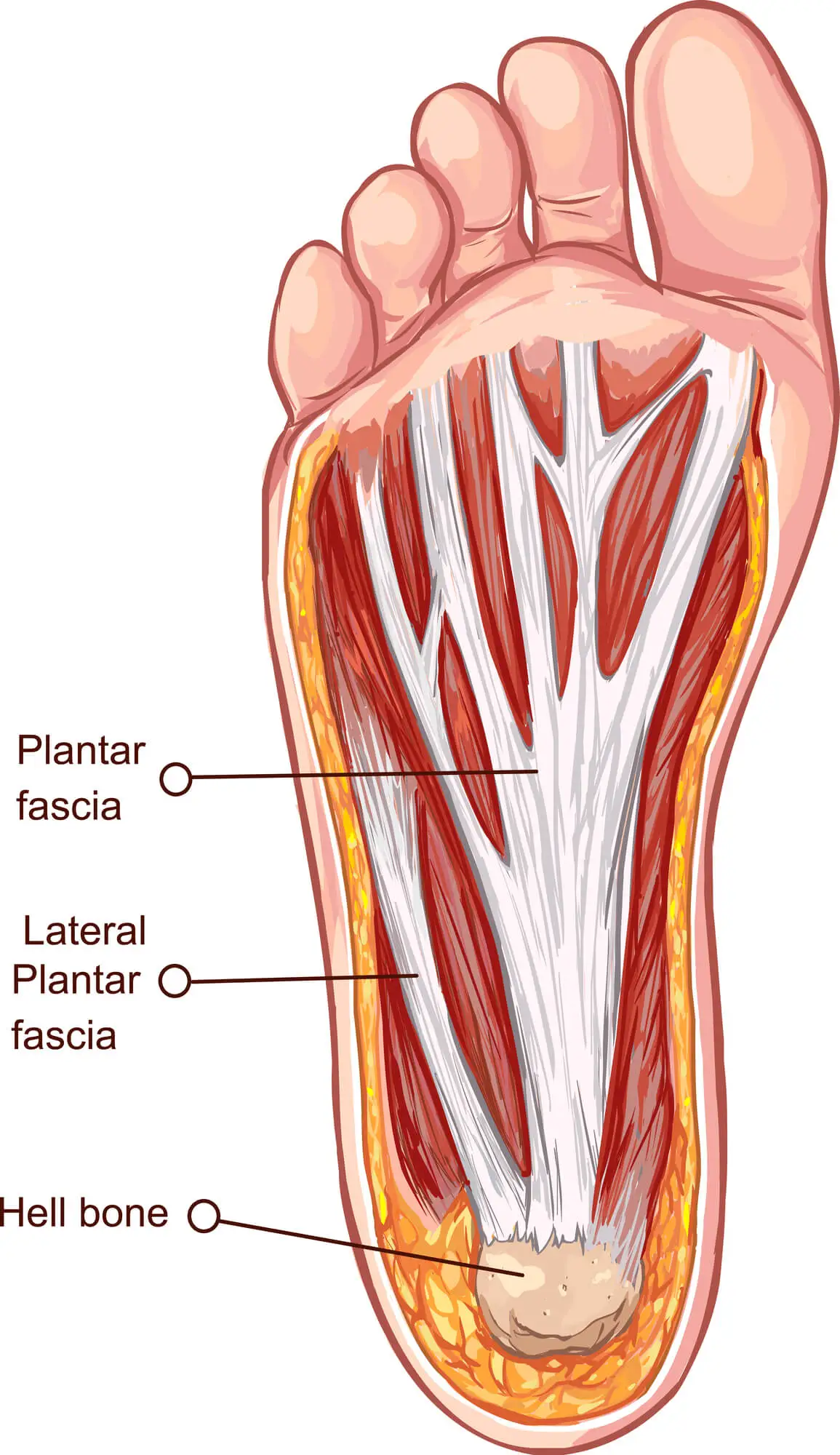
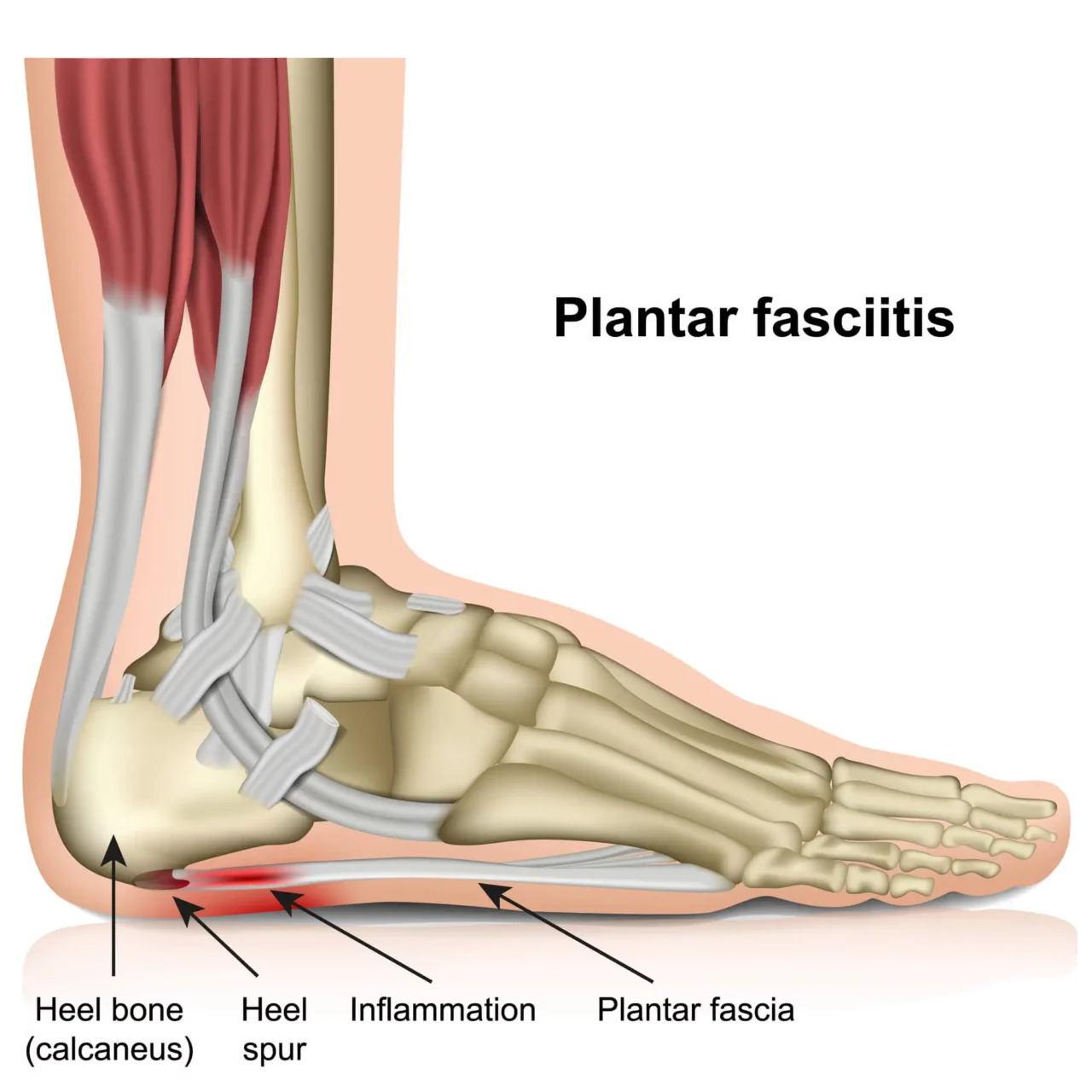
Do you experience a nagging pain throughout the bottom of your heel or foot arch every time you take a step? If so, you might be suffering from plantar fasciitis. This is a common condition that causes inflammation of the plantar fascia, a band of tissue that connects the heel bone to the toes. 

The pain associated with this condition can make walking or even standing feel like a daunting task. But plantar fasciitis doesn’t have to limit your day-to-day life. In this article, we will highlight six effective plantar fasciitis exercises that can help to relieve your pain and get you back on your feet.  

So, what exactly is plantar fasciitis? The plantar fascia plays a critical role in maintaining the arch of your feet, where it provides sturdy foundations and stability for your entire body with every step you take. It is a thick fibrous band of muscle, and when it becomes irritated or inflamed, it can lead to that intense heel pain which can persist for months if left untreated. 

There are varying causes of plantar fasciitis, ranging from over-exercising and prolonged standing to improper footwear and obesity. Athletes or individuals who have an overly high foot arch or particularly flat feet are more susceptible to experiencing this painful condition. 

The good news is that the pain and discomfort associated with plantar fasciitis can be alleviated with a combination of rest, adequate footwear, and targeted exercises. By incorporating specific exercises into your daily routine, you’ll be taking proactive steps to address the root cause of your heel pain and restore comfort to your daily activities. 

In addition, we unveil a revolutionary alternative for tackling plantar fasciitis pain and restoring your mobility. Relatyv offers a holistic approach that goes beyond conventional medicines and addresses the root cause of the condition. 

This alternative treatment doesn’t rely on medications, making it ideal for individuals seeking a natural solution to alleviate their heel pain associated with plantar fasciitis. 

Let’s go on to discuss the six specific exercises for plantar fasciitis that are known to be effective in significantly alleviating pain and discomfort.  Get ready to have your future steps become pain-free!

How Do Exercises Help With Plantar Fasciitis?

When it comes to plantar fasciitis, there are a multitude of benefits that come with performing targeted stretches and conditioning exercises. Not only can they assist in relieving pain and discomfort, but they can also play a big role in strengthening the muscles and tissues involved, which can prevent future flare-ups. Key benefits include:

1. Pain Relief: Targeted stretches can alleviate pain by loosening the tight plantar fascia and calf muscles, reducing strain on the inflamed muscles and surrounding tissues. Additionally, specific exercises focus on strengthening the supportive muscles of the foot, improving stability, and reducing stress on the affected area. 

2. Improved Flexibility: Plantar fasciitis commonly occurs as a result of tightness throughout the calf and plantar fascia. By implementing a regular stretching regime, you can improve the flexibility of these muscles, which can reduce painful symptoms. 

Additionally, enhanced flexibility can help prevent future injuries and maintain overall foot, ankle, and calf health. 

3. Promotes Healing: Doing stretches and exercises stimulates blood flow to the inflamed and painful area of the foot. By increasing circulation, there is an increase of available essential nutrients, oxygen, and healing properties that promotes the repair and recovery of damaged tissues. 

Additionally, increased blood flow can help flush out waste products from the area, aiding the healing process. 

4. Preventing Recurring Episodes: Unfortunately, if the underlying issues of plantar fasciitis are not addressed, this condition has a tendency to recur. Having a sound stretching and exercise regime will help strengthen all surrounding structures of the foot. 

By acquiring additional strength and flexibility, you are implementing a preventative measure to reduce the risk of future flare-ups and providing long-term relief. 

So, now we have an understanding of how stretches and exercises can be beneficial to managing plantar fasciitis. How do we know what exercises are best and what movements should be avoided? We’ll discuss this in more detail next.

6 Best Exercises For Plantar Fasciitis

We have carefully selected six exercises that are highly effective at targeting the underlying causes of plantar fasciitis. They can help improve mobility and reduce that stabbing pain throughout your heel.

As recommended by our group of experienced and qualified physicians, these exercises have proven to help many people suffering from this painful condition.

1. Heel Raise

Begin with your feet hip-width apart, standing near a wall, table, or alternative stable surface for support. 

Moving both feet at the same time, slowly raise your heels off the ground, shifting your body weight onto the balls of your feet. 

Hold this raised position for a maximum of four to five seconds, then slowly lower your heels back to the ground. 

Repeat this exercise for ten repetitions. You can gradually increase the repetitions as you feel comfortable.

2. Toe Curls

Sitting either on the floor or in a chair, cross one ankle over the opposite leg and rest it just above the knee.

Wrap one hand over your toes, and use your other hand to brace your ankle.

Slowly pull your toes back towards your torso. You should feel the bottom of your foot gently stretching.

Hold this stretch for twenty seconds, then release. Repeat this exercise two to three times for each foot.

3. Tennis Ball Roll

Place a tennis ball on the ground in front of you as you sit comfortably on a chair. 

Next, position the ball so it is neatly held by the arch of your foot. 

Gently roll the ball back and forth using your foot, applying light pressure. 

Continue rolling the ball for around one to two minutes, then complete the exercise using the opposite foot. 

While doing this, focus on the areas that feel particularly tight or tender.

4. Picking Up Marbles (Using Toes)

Sitting in a chair, place a plastic container on the floor in front of you (such as a lunchbox or ice cream container).

Then, scatter a few marbles or small objects on the ground around the container. 

By using only your toes, pick up one object or marble at a time and place it into the container. 

Repeat the process until you have completed ten repetitions on each foot.

5. Toe Stretch

Whilst sitting in a chair, extend one leg out in front of you. 

Hold both ends of a resistance band or rolled-up towel, then place it around the ball of your foot. 

Now gently flex your toes upwards and pull your toes towards you with the towel or band. You should feel a stretch in the arch of your foot. 

Hold the stretch at the top of the motion for twenty seconds, then slowly release the foot downwards. Repeat this exercise with the other foot.

6. Seated Toe Towel Scrunches

Begin this exercise by sitting comfortably in a chair with your feet flat on the floor.

Now place a towel on the ground just in front of your toes.

Using a toe-curling motion, grip the towel with your toes and scrunch it towards you, holding it for one to two seconds.

Release the towel and then repeat this curling motion for ten repetitions.  You can gradually increase the repetitions as your toes begin to strengthen.

Being consistent with these exercises for plantar fasciitis will ensure you get the best results and relief. Although these particular movements will be beneficial, that is not the case for all exercises. There are some movements that may aggravate and worsen plantar fasciitis, we’ll discuss them next.

Exercises To Avoid With Plantar Fasciitis

It is important to be aware that some exercises have a tendency to worsen plantar fasciitis. They can increase inflammation and hinder the recovery process. Here are some exercises that should be avoided:

Plyometrics Or Jump Training

Plyometric exercises are high-impact exercises that involve explosive movements such as jumping and skipping. These movements place large amounts of strain on the plantar fascia and can significantly aggravate the already inflamed tissues. Avoid exercises such as box jumps, jump squats, or skip rope, as they are likely to increase pain and delay the healing process.

Running Or Jogging

Both running and jogging are exercises that place high-impact, repetitive stress on the plantar fascia. While they are great for cardiovascular health, the persistent thumping of your feet on the ground can worsen the painful symptoms of plantar fasciitis and prevent recovery. It is best to avoid running and jogging until the symptoms of your plantar fasciitis improve.

Burpees

Burpees are a full-body workout that involves squatting, jumping, and push-ups, all of which are done in one explosive repetition. The rapid and repetitive transitions from lying to standing and then into jumping can cause a lot of strain on the plantar fascia and will likely aggravate painful symptoms. 

You could modify the exercise to involve less impact on the feet. However, we have a feeling you won’t mind sitting out for this grueling exercise!

Ensuring the proper healing of the plantar fascia requires adequate rest from all impactful activities. The good news is plantar fasciitis will resolve with appropriate rest and targeted conditioning exercises. 

As your symptoms begin to improve, you can gradually start incorporating low-impact activities or modified versions of these exercises. 

In the next section, we will discuss additional tips on how to manage your plantar fasciitis flare-ups so you can begin walking and exercising pain-free again.

Additional Tips And Precautions

When beginning to incorporate exercises into your plantar fasciitis management plan, follow these simple tips and precautions that help to optimize the healing process:

  • Start Slow: Ease into your stretching and exercises by starting with slow and gentle movements, then gradually increase the intensity and duration over time. 
  • Ease Into Running: If you are an avid runner, it is recommended that you modify your running routine whilst managing plantar fasciitis. Consider not running as far, slowing your pace, or utilizing machines such as cross trainers that are less impactful on the feet. 
  • Have Adequate Footwear: Maybe it is time to throw out the old sneakers you’ve worn over countless seasons. Footwear that provides proper heel and arch support, as well as adequate cushioning, will help to alleviate the stress on the plantar fascia. 

Investing in good quality and shock-absorbing shoes or orthotic inserts can enhance support and help reduce the likelihood of plantar fasciitis reoccurring. 

Pain and discomfort are your body’s way of telling you something isn’t right. Listen to what your body and pay attention to any symptoms of pain and discomfort that arise during exercises. 

Remember, not everyone will experience plantar fasciitis in the same way.  Every individual’s experience with this condition is unique, and what works for some people may not work for others. 

By consulting a healthcare professional, you can get specialized assessments and receive a management plan that is tailored to your condition and specific needs. 

While conditioning exercises can often help manage the pain of plantar fasciitis, they may not always be sufficient. Over-the-counter medications offer temporary relief, but alternative methods exist that don’t rely on pharmaceuticals. So, what are some alternative options to alleviate plantar fasciitis pain? We’ll explore these options next.

A Specialized Approach To Effectively Manage Plantar Fasciitis Pain

At Relatyv, we offer specialized treatments that can effectively relieve the pain associated with plantar fasciitis. Our approach focuses on Neurofunctional Pain Management, which addresses the painful symptoms of plantar fasciitis without the use of pharmaceuticals or risky operations. 

Our Relatyv protocol involves a powerful combination of Electroanalgesia and IV Hydration Therapy. Both are specifically designed to reduce pain and inflammation caused by plantar fasciitis and promote healing. 

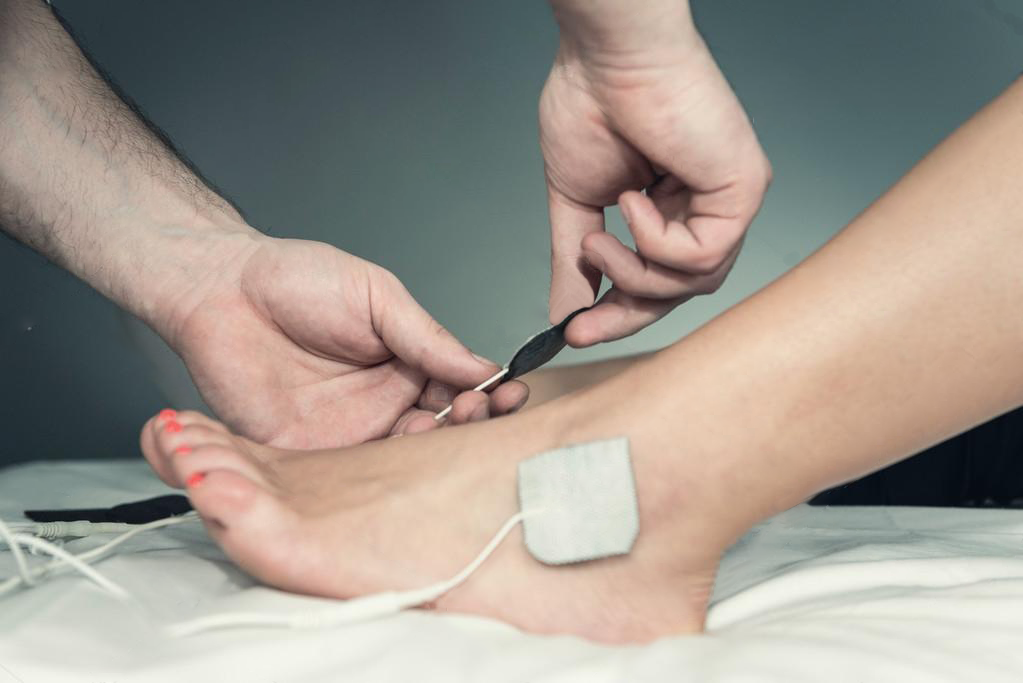
Electroanalgesia is a well-researched and innovative therapy that involves directing high-frequency electronic waves to the affected area. This is a painless procedure that not only reduces pain and inflammation at a cellular level but can also signal the release of naturally occurring endorphins, providing long-lasting relief. 

Over multiple sessions, electroanalgesia can help to improve muscle function, reduce plantar fasciitis pain and enhance your overall well-being.

Sessions of individually tailored IV Hydration Therapy are also incorporated throughout our Neruagenex protocol. This is a very effective way to directly administer nutrients, vitamins, and minerals into the body through the bloodstream. This aids in reducing inflammation and optimizing the body’s environment for healing and tissue repair. 

At Relatyv, we strongly believe in encompassing a comprehensive whole-person approach to health care, which is why we also provide lifestyle counseling. We understand that treating plantar fasciitis involves more than just addressing physical pain. 

We provide guidance on improving your overall physical and psychological health and well-being, enhancing your quality of life.

Start Walking Without Pain

Plantar fasciitis can be a frustrating condition that affects your daily life, including your ability to walk. However, with the right treatment and support, you can regain your mobility and stop the stabbing pain associated with this condition.  

Targeted stretches and conditioning exercises can help manage the pain associated with plantar fasciitis and prevent it from recurring. Individual experiences may vary, and finding long-lasting relief without relying on medications can be more difficult for some. 

At Relatyv, we are dedicated to providing comprehensive care that can help you find relief from plantar fasciitis with the help of our state-of-the-art innovative therapies. 

We utilize a Neurofunctional Pain Management approach which offers non-pharmaceutical and non-surgical alternatives for effective and long-lasting relief from the painful symptoms of plantar fasciitis. 

We’d love to work with you, help you regain your mobility, and ensure you can enjoy the activities you love without the limitations of plantar fasciitis pain.


Relatyv - Osteoporosis Vs. Arthritis: What To Know About These Conditions

Osteoporosis Vs. Arthritis: What To Know About These Conditions

Osteoporosis Vs. Arthritis: What To Know About These Conditions 2000 1331 Relatyv

Both arthritis and osteoporosis are common conditions that affect many adults in the United States. It’s estimated that around 25 percent of adults in the U.S. have arthritis. In contrast, around 10 million adults have osteoporosis (with another 44 million at risk of developing osteoporosis).

At first glance, these conditions may seem similar. After all, they are both musculoskeletal conditions that affect the bones and joints. But there are actually many distinct differences between these two conditions. If you’re suffering from symptoms associated with either arthritis or osteoporosis, it’s essential to understand the similarities and differences between these conditions so you can properly treat them.

What Is Arthritis?

Arthritis is an umbrella term referring to a group of conditions, which cause inflammation and pain in the joints. It can affect any joint in the body, including the hands, feet, hips, and spine. Risk factors for arthritis include age, genetics, obesity, and injury. That being said, the following are the most common types of arthritic conditions:

Osteoarthritis (OA)

Osteoarthritis, or OA, is the most common form of arthritis. It’s caused by age-related wear and tear of the cartilage in the joints, leading to joint stiffness, pain, and limited mobility. OA can affect any joint in your body but is most commonly seen in the knees, hips, and hands. It’s a degenerative condition, meaning it gets worse over time.

Ankylosing Spondylitis (AS) 

Ankylosing spondylitis, or AS, is a type of arthritis that primarily affects the spine. It causes inflammation and pain in the vertebrae. If left untreated, the spine experiences reduced flexibility, eventually leading to a hunched-forward posture. Other symptoms include fatigue, appetite loss, and morning stiffness. AS is caused by an abnormal response to certain bacteria in the body.

Psoriatic Arthritis (PsA)

Psoriatic arthritis, or PsA, is a type of inflammatory arthritis that’s associated with psoriasis. PsA causes joint inflammation and can also affect other organs in the body. Symptoms of PsA include swelling, stiffness, and pain in the joints. It’s caused by an autoimmune response in the body to certain proteins.

Rheumatoid Arthritis (RA) 

Rheumatoid arthritis, or RA, is a form of autoimmune arthritis that causes joint inflammation. It results from an abnormal immune response in which the body’s cells attack the joints. RA can be disabling and cause joint pain, swelling, and stiffness. A telltale symptom of RA is symmetrical joint pain, meaning it affects both sides of the body equally.

What Is Osteoporosis?

Osteoporosis is a bone-thinning disorder that affects both men and women and can lead to fractures. The condition causes bones to become weak and brittle, making them more susceptible to fractures. Osteoporosis is a condition caused by low bone density and structural changes in the bones. With this condition, there is a decrease in bone density and a change in the structure of the bone matrix — that is, the architecture of collagen fibers. 

As a result, bones become less dense and more brittle. Without proper treatment, osteoporosis can lead to an increased risk of wrist, hip, and spine fractures. People with osteoporosis are also more likely to suffer from other conditions such as arthritis, low back pain, and chronic pain.

Arthritis Vs. Osteoporosis: Difference From Each Other

Although there are some similar symptoms between these two conditions, there are key differences between arthritis and osteoporosis. The following are the primary differences between the two disorders:

Nature Of The Conditions

Arthritis is an inflammatory disorder. It is known to cause joint pain, swelling, and stiffness. It’s caused by either age-related wear and tear or an autoimmune response in the body. On the other hand, osteoporosis is a bone disorder. It can cause your bones to become weak and brittle due to low bone density and architectural changes in the bone matrix. As such, the two conditions have different underlying causes and require different treatments.

Primary Symptoms

Common arthritis symptoms include pain, stiffness, and swelling in the joints. It can also sometimes cause fatigue, loss of appetite, and a hunched-forward posture. Osteoporosis doesn’t typically cause joint pain or inflammation; instead, it causes bones to become weak and brittle. This increases the risk of fractures in areas such as the wrists, hips, and spine.

Diagnostic Methods

The two conditions can also be diagnosed differently. Arthritis is typically diagnosed with a physical exam as well as imaging tests, including X-rays or MRIs. Conversely, osteoporosis is usually diagnosed using specialized scans such as DXA (dual-energy x-ray absorptiometry) scans that measure bone density.

Similarities And Overlapping Factors

While the two conditions have distinct differences, there are also some similarities. For some types of arthritis (such as RA and AS), osteoporosis is a common side effect. The inflammatory response seen in these conditions can lead to bone loss as well as an increased risk of fractures. In some cases, the medications used to treat RA or AS may also increase the risk of developing osteoporosis.

In addition, some studies have suggested that people with arthritis are more likely to suffer from osteoporosis than the general population. This may be due to age, genetics, lack of joint movement, and poor nutrition. Therefore, people with arthritis must be aware of their risk of developing osteoporosis so they can take steps to help prevent it.

Impact On Bone Health And Quality Of Life

Arthritis and osteoporosis can both have a significant impact on bone health and quality of life. Both conditions are associated with age-related changes, poor nutrition, and lack of movement in the joints. In addition, both conditions are linked to other comorbidities, including obesity, diabetes, and cardiovascular disease. These conditions can further reduce bone health by causing additional inflammation or weakening bones further.

It’s important to note that both arthritis and osteoporosis can significantly impact the quality of life and daily activities of an individual. People with arthritis may experience challenges performing everyday tasks such as walking, climbing stairs, or even gripping objects. Osteoporosis can also reduce mobility by making bones more prone to fractures. This can lead to difficulty performing activities, such as engaging in physical activity or lifting heavy objects.

Finally, both conditions can cause fatigue, depression, and reduced quality of life due to the pain and disability associated with them.

Managing Arthritis And Osteoporosis

When it comes to managing arthritis and osteoporosis, doctors may prescribe several conventional treatment options. These include the following:

Medication

Medications for both conditions can be used to reduce inflammation, manage pain, and slow down the progression of the disease. Common medications prescribed for arthritis include non-steroidal anti-inflammatory drugs (NSAIDs), corticosteroids, biologic agents, and disease-modifying antirheumatic drugs (DMARDs). Common medications prescribed for osteoporosis include bisphosphonates, denosumab, and teriparatide.

Although these medications can help address the symptoms of both conditions, it’s important to note that they cannot cure either condition. Additionally, there are some drawbacks to using medications, such as potential side effects and long-term use.

Exercise

Exercise is one of the most effective strategies for managing arthritis and osteoporosis. Regular physical activity helps to reduce pain, stiffness, and fatigue associated with both conditions. Low-impact exercises such as walking, swimming, tai chi, or yoga can help keep joints and bones strong while providing other health benefits. For people with osteoporosis, weight-bearing exercises are crucial for maintaining bone strength and preventing fractures.

However, any exercise program must be developed and supervised by a qualified physical therapist or doctor to ensure it is tailored to your individual needs. Doing the wrong type of exercise or too much exercise can cause further damage to joints or bones.

Lifestyle Changes

In addition to exercise, making lifestyle changes can also help manage arthritis and osteoporosis. These include maintaining a healthy weight, eating a diet rich in calcium and vitamin D, reducing stress levels, quitting smoking, and avoiding excessive alcohol consumption. It’s important to discuss any proposed lifestyle changes with your doctor before starting them.

Get A Bone Density Test

Finally, getting a bone density test is important if you are at risk for either condition. This can help detect possible osteoporosis early and inform decisions about whether medication might be necessary. For people with arthritis, a bone density test can also provide insight into how the condition affects their bones and help guide treatment choices.

How Relatyv Approaches Arthritis and Osteoporosis Pain

Instead of using treatment solutions that mask the symptoms of arthritis and osteoporosis to provide temporary relief, our Relatyv protocol involves a Neurofunctional Pain Management approach. This means that we address the underlying causes of arthritis and osteoporosis to help improve overall joint health and restore mobility, as well as provide long-term relief.

Our unique approach is focused on the use of drug-free, non-invasive remedies to reduce pain, inflammation, and stiffness in the joints. We also take a whole-person approach by addressing risk factors and lifestyle changes to prevent the progression of arthritis and osteoporosis.

Electroanalgesia

Electroanalgesia is a type of electrical stimulation therapy involving the application of electrical currents to specific areas of the body. It is used to reduce swelling and inflammation in joints affected by arthritis, increase circulation, and relax the muscles. The currents target the nerves, and both block pain signals to the brain and stimulate the release of endorphins, which are natural painkillers.

It’s worth mentioning that electroanalgesia, which is FDA-cleared, differs from TENS (transcutaneous electrical nerve stimulation), another e-stim treatment that uses low pulse currents (typically up to 400 pulses per second) to provide temporary relief from acute conditions. Electroanalgesia uses a much higher pulse rate (up to 10,000 pulses per second) to deliver currents deeper into the muscle and tissue, providing longer-lasting pain relief.

IV Therapy

IV therapy involves the administration of amino acids, vitamins, minerals, and other nutrients directly into the bloodstream. This method allows for higher concentrations of beneficial substances to reach the body quickly, which can help reduce both pain and inflammation and improve overall joint health. At Relatyv, we offer specialized IV infusion therapies tailored to the needs of our patients with arthritis and osteoporosis.

Lifestyle Counseling

At Relatyv, we understand that lifestyle changes are essential to managing arthritis and osteoporosis. That’s why our team of experts is here to provide personalized lifestyle counseling to help you make the changes necessary for improved health. This includes providing guidance on nutrition, physical activity, and stress-relief techniques.

As part of our whole-person approach to pain management, we aim to provide you with the knowledge and tools to help you manage your condition and improve your quality of life.

Preventive Measures

The best way to manage arthritis and osteoporosis is to take preventive measures. You can do this by implementing certain lifestyle changes. Regular exercise, a balanced diet with plenty of calcium and vitamin D, maintaining a healthy weight, quitting smoking, reducing stress levels, and avoiding excessive alcohol consumption can all help manage the conditions. 

Here at Relatyv, we offer lifestyle counseling as part of our whole-person approach to chronic pain management. We will help you implement lifestyle modification strategies that can help you improve your overall health and well-being.

Protect Your Bones And Joints

Arthritis and osteoporosis are two conditions that share many risk factors, comorbidities, and underlying causes. Both can have a significant impact on bone health as well as quality of life. However, they are different conditions that require different approaches to manage them. At Relatyv, we use a Neurofunctional Pain Management approach that implements non-invasive, non-chiropractic, drug-free treatment solutions, including IV therapy, lifestyle counseling, and electroanalgesia, to address the root cause of your symptoms and help provide long-term relief from your arthritis or osteoporosis pain.

How To Get An Accurate Endometriosis Diagnosis?

How To Get An Accurate Endometriosis Diagnosis? 2000 1185 Relatyv

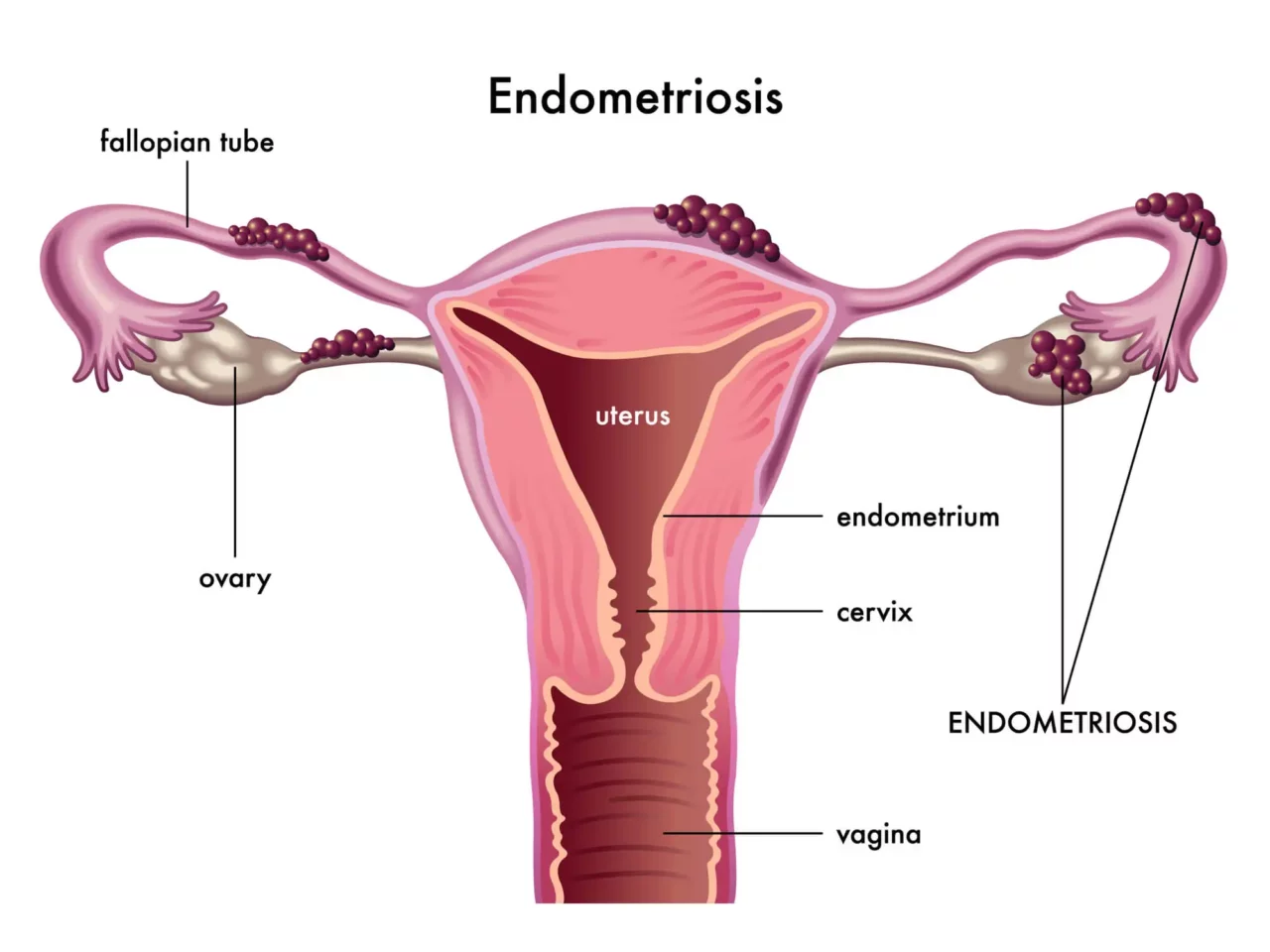
Endometriosis is a condition in which the tissue or lining of the uterus grows outside of it. It usually occurs in other organs, such as the ovaries, fallopian tubes, intestines, and bladder. It can cause pelvic pain, discomfort during sex, and infertility. There’s no cure for endometriosis, but it can be managed in several ways to prevent it from getting worse and preserve your quality of life.

Although endometriosis is very common — affecting up to 10 percent of reproductive-age women — it can go undiagnosed for many years. However, getting an accurate diagnosis of endometriosis is the first step in managing the condition.

Possible Early Signs And Symptoms Of Endometriosis

There are a few key signs and symptoms that should warrant further investigation for endometriosis. These can range from subtle to chronic and can include:

  • Fatigue: Many women with endometriosis report feeling more tired than usual.
  • Digestion issues: Endometriosis can cause abdominal pain, diarrhea, nausea, bloating, and constipation.
  • Painful urination: Endometriosis can affect the bladder, causing painful urination.
  • Painful periods: This may be more than the typical cramps experienced by some women during their period. The pain might be in the lower abdomen, back, or even in the legs or feet.
  • Pain with intercourse: If you feel pain during or after sex, it indicates something may be wrong.
  • Bleeding between periods: Spotting or bleeding between periods is abnormal and should always be discussed with your doctor.
  • Difficulty getting pregnant: Endometriosis can affect fertility, so if you are having difficulty conceiving, you should speak with your doctor about the possibility of endometriosis.

The Importance Of Recognizing The Early Signs

Recognizing the early signs and symptoms of endometriosis is essential, as the condition can often go undetected for many years. Getting diagnosed and treated early is crucial to help prevent the condition from worsening, reduce pain and discomfort, and lessen the risk of infertility.

How Is Endometriosis Diagnosed?

If you suspect you may have endometriosis, speaking with your doctor is essential. Your doctor can help assess whether or not the symptoms you are experiencing could be signs of endometriosis and refer you to a specialist if necessary. Depending on your needs, a gynecologist or an infertility specialist can provide the best treatment approach for your condition. 

And also, since the signs and symptoms of endometriosis can be similar to those of other conditions, it is important to get a proper diagnosis. Your doctor may use any combination of the following tests to diagnose endometriosis:

Medical History And Symptom Assessment 

Most doctors will ask for a detailed medical history and then evaluate your symptoms. This is important to rule out other possible causes of pelvic pain or infertility. For example, certain pre-existing conditions or medications you’re taking can cause symptoms similar to endometriosis.

Imaging Techniques

Imaging tests can help to visually identify lesions or other signs of endometriosis. Some of the common imaging tests used to help diagnose endometriosis include:

  • Pelvic Exam: During this physical examination, your doctor will look for cysts or scars in the pelvic area by palpating (examining by touch) the organs.
  • Transvaginal Ultrasound: A transvaginal ultrasound uses sound waves to develop an image of your pelvic organs, allowing the doctor to look for cysts or other signs of endometriosis.
  • Magnetic Resonance Imaging (MRI): This test uses magnetic fields and radio waves to develop a detailed image of your pelvic area, which can help identify lesions and other signs of endometriosis.

Laparoscopy

The most reliable way to diagnose endometriosis is with a laparoscopy. This surgical procedure involves a process in which a small incision is made in your abdomen and a thin, lighted tube is inserted to view your pelvic organs. This allows the doctor to look for signs of endometriosis, such as cysts or lesions. It can also be used to take samples of tissue for further testing.

Other Diagnostic Tools and Biomarkers

In addition to the tests listed above, your doctor may also use laboratory testing and biomarkers to understand your symptoms better and diagnose endometriosis. These tests can include:

  • Hormone Levels: Your doctor may check your hormone levels to see if they are out of balance, as this can be a sign of endometriosis.
  • Blood Tests: These tests can help identify immune system changes and markers of inflammation, which can indicate endometriosis.
  • Biomarkers: Certain proteins and other substances in the blood can be used to diagnose endometriosis.
  • Family history with endometriosis

Common Misdiagnosis Of Endometriosis

Unfortunately, endometriosis is often misdiagnosed or overlooked. This can be due to various factors, such as the fact that many of the symptoms are similar to other conditions. Some of the conditions that endometriosis is often mistaken for include:

  • Bladder Infection: Pelvic pain, lower abdominal cramps, and painful urination are all symptoms that can be confused with a bladder infection.
  • Pelvic Inflammatory Disease: This infection of the reproductive organs can cause pelvic pain and other symptoms.
  • Psychosexual Problems: Endometriosis-related pain during intercourse can be mistaken for psychosexual problems, which are psychological and emotional issues related to sex that can cause pain during intercourse.
  • Ovarian Cysts and Uterine Fibroids: Both of these conditions can cause pelvic pain and other symptoms. Uterine fibroids are noncancerous growths that develop in the uterus. They can cause heavy periods as well as pelvic pain and other symptoms. Ovarian cysts are fluid-filled sacs that develop in the ovaries. They can cause pelvic pain, bloating, and abnormal bleeding.
  • Irritable Bowel Syndrome: IBS is a digestive disorder that can cause abdominal cramps, bloating, and changes in bowel habits.

First Line Of Defense With Endometriosis-Related Pain

If you are diagnosed with endometriosis, there are a few things that you can do to help manage your pain and other symptoms. These include the following:

Try The Endometriosis Diet

Following a diet tailored to the needs of people living with endometriosis can be beneficial in reducing your symptoms. This diet typically focuses on anti-inflammatory foods like fruits, vegetables, whole grains, fish, nuts, and seeds. Additionally, eating a fiber-rich diet can help reduce bloating and improve digestion.

You should avoid processed and sugary foods, as well as caffeine and alcohol. Doing so can also help reduce inflammation. Reducing inflammation is essential to addressing endometriosis-related pain because it helps to reduce the size of endometrial lesions.

Manage Your Stress Levels

Stress can affect your endometriosis symptoms and can make them worse. Stress will increase cortisol production. Cortisol is a hormone that can worsen inflammation and increase endometriosis-related pain. As such, it’s vital to take steps to manage stress. This may include making time for relaxation and self-care activities, such as yoga, meditation, and journaling.

Regular Exercises

Exercising regularly can help reduce pain and improve your overall health. Exercise helps reduce inflammation, increase flexibility, and strengthen the pelvic floor muscles. Good exercises for endometriosis include walking, swimming, and gentle yoga. Regular exercise has also been linked to reduced stress levels, which can also help manage endometriosis-related pain.

Seek Support

Endometriosis can be difficult to cope with, and it’s important to remember that you don’t have to go through it alone. Talking to family and friends, as well as finding a support group for people with endometriosis, can help you better cope with your condition. Your doctor can also provide advice and support, so don’t hesitate to ask for help.

Stay Hydrated To Reduce Cramping

Staying well-hydrated is also beneficial in managing endometriosis-related pain. Drinking plenty of water can help reduce cramping and bloating, which are common symptoms of endometriosis. Additionally, hydration can help to reduce inflammation, which is essential in managing pain. Stick to drinking water and avoiding sugary drinks, which can exacerbate your symptoms.

Take Warm Baths

Simply taking a warm bath or using a heating pad can help to relax tense muscles and reduce cramping. The heat helps to improve blood flow, which can help to reduce pain. It also helps to relax the muscles of the pelvic floor, which is essential in reducing endometriosis-related pain. Additionally, a warm bath can be an excellent way to relax and relieve stress, which can also help manage your symptoms.

How Relatyv Manages Endometriosis Pain

Here at Relatyv, we use a Nuerofunctional Pain Management approach to treating chronic conditions such as endometriosis. This means we focus on treating the whole person, not just their physical symptoms. We use a combination of therapies to help reduce pain and address the underlying causes of endometriosis-related pain. These are all non-invasive, drug-free treatment solutions that include the following:

Electroanalgesia

Electroanalgesia is an FDA-cleared therapy solution that helps block pain signals to the brain, stimulates the release of endorphins, and reduces inflammation by improving circulation. This therapy is quick and easy, with no downtime or side effects. It works by stimulating the nerves and muscles in the affected area with electrical pulses.

Although a form of electrical stimulation, it differs from other similar therapies, such as TENS (transcutaneous electrical nerve stimulation), in that it uses a much higher pulse rate. Whereas TENS units typically only deliver electrical currents at a rate of 250 to 400 pulses per second, electroanalgesia delivers pulses at up to 10,000 pulses per second. This higher pulse rate allows the currents to penetrate much further, providing more effective, long-term pain relief.

IV Therapy

Our Relatyv protocol also includes IV therapy for the treatment of chronic pain. This type of therapy involves the administration of nutrients and vitamins via intravenous (IV) drip. This helps improve the body’s natural healing process and can have a profound effect on chronic pain, inflammation, and other symptoms.

IV therapy is particularly effective for endometriosis since the condition often leads to inflammation of the tissues in the pelvic area. Certain nutrients, such as magnesium, vitamin C, and omega-3 fatty acids, can help address the inflammation associated with endometriosis as well.

Lifestyle Counseling

We also offer lifestyle counseling as part of our whole-person treatment approach. This means we work with each patient to develop a comprehensive plan tailored to their individual needs. This plan includes advice on nutrition, physical activity, stress management, and lifestyle changes that can help reduce endometriosis-related pain.

Early Awareness Is The Key To Effective Treatment

Endometriosis is a complex condition that can be difficult to diagnose and manage. Early awareness and diagnosis are key in treating endometriosis effectively. Although there is no cure, the symptoms can be managed with lifestyle changes and medical intervention. As such, if you’re experiencing any of the symptoms related to endometriosis, you must get an accurate diagnosis so that you can take steps to maintain your quality of life.

Understanding The Different Endometriosis Symptoms

Understanding The Different Endometriosis Symptoms 1876 1333 Relatyv

Did you know, according to the World Health Organisation, endometriosis currently impacts the lives of approximately 190 million women of childbearing age worldwide? This chronic condition occurs when the uterine lining (endometrial tissue) abnormally grows outside the uterus, leading to a wide range of symptoms that can significantly impact your daily life.

The causes and symptoms of endometriosis can vary from person to person, making each individual’s experience with the condition unique. Many women struggle with the painful symptoms of endometriosis throughout their daily lives, although perhaps they do not know they have the condition.

Pain and other symptoms can be life-impacting, causing missed days of study or work, forcing you to forgo the activities you love, and potentially leading to a complex emotional impact.

Remember, endometriosis doesn’t have to control your life, and you don’t have to rely solely on medication or surgery for relief. We will explore how Relatyv can help you take control of your endometriosis pain, providing you with a structured and whole-person approach to finding long-term relief.

In this article, we discuss the range of symptoms commonly associated with endometriosis. We will also highlight the health complications related to severe endometriosis if left untreated. By gaining an understanding of these symptoms, you can be better equipped for early detection and intervention, improving your overall quality of life.

Painful Menstrual Periods

Painful menstrual periods, medically known as dysmenorrhea, are the primary symptom of endometriosis. Dysmenorrhea involves intense menstrual cramps, which are more severe than the abdominal discomfort typically experienced throughout menstruation.

Dysmenorrhea, as seen in endometriosis, occurs when the excess endometrial tissue, both inside and outside the uterus, responds to the regular hormonal changes of the menstrual cycle.

The inflammatory response throughout menstruation causes severe abdominal pain and cramping. It is not uncommon that pain and cramps begin before menstrual bleeding and persist over several days.

Some women find the pain extends beyond the abdomen, radiating to the lower back or around the thighs and legs. This occurs because, in some cases, the abnormally growing uterine tissue can irritate the sciatic nerve, which runs from the lower back down into the legs.

If your menstrual pain is significantly interfering with your quality of life, it is essential to consult your medical provider and discuss your concerns about endometriosis as the underlying cause.

Pain With Sexual Intercourse

Another familiar symptom for women with endometritis is pain during sexual intercourse or dyspareunia. The presence of abnormal endometrial tissue surrounding the ovaries, fallopian tubes, pelvic floor lining, and vaginal walls can cause discomforts such as deep pelvic pain or burning sensations, both during and after penetrative sex.

Depending on the severity of endometriosis, painful symptoms may be short-lived, last for hours, or potentially lasting for days. It is important to know that any pelvic pain associated with sexual intercourse is likely to be caused by an underlying condition such as endometriosis. Communicating openly with your partner and healthcare provider is critical in addressing the issue.

Pain With Bowel Movements

Irregular or painful bowel motions, medically termed Dyschezia, can be a frustrating and potentially debilitating symptom of endometriosis. Abdominal cramping, stabbing pains, diarrhea, and constipation can occur due to the endometrial growth outside the uterus adhering to the bowel, rectum, or bladder.

Hormone fluctuations during menstruation will likely exacerbate these symptoms as the rogue endometrial tissue thickens and inflames, further impacting the surrounding abdominal organs. If you have noticed a change in your bowel habits or are experiencing pain and discomfort, discussing these symptoms with your healthcare provider is essential.

It is important to note that you should seek urgent medical attention if you notice any blood in your stool when menstruating. In rare cases, endometriosis may cause small tears or fistulas to the tissue between the vaginal canal and the rectum.

Excessive Bleeding

The medical term menorrhagia describes the event where excessive bleeding occurs during menstruation. Women with endometriosis may notice that they are bleeding unusually heavily throughout their periods or that bleeding occurs over a prolonged time (longer than five days).

Excessive bleeding in endometriosis occurs as a result of the surplus endometrial tissue that also sheds and bleeds with each menstrual cycle.

Experiencing a heavy menstrual flow can cause other debilitating symptoms such as excessive cramping and bloating, iron deficiency, fatigue, and weakness. Additionally, you may notice bleeding between your scheduled cycle (spotting).

If you have noticed a change in your menstrual bleeding or are experiencing heavy flows that require the need to change sanitary items more frequently, it is important to consult with your healthcare provider. Discussing your symptoms and exploring the underlying cause, including the possibility of endometriosis, can provide guidance towards early management of the condition.

Infertility

Endometriosis can have a significant impact on a woman’s reproductive health. The rogue endometrial tissue growing outside of the uterus can lead to scar tissue formation, adhesions, and structural abnormalities that may impact the effectiveness of reproductive organs.

The ovaries’ ability to release eggs and the successful attachment of a fertilized egg to the uterine wall can be hindered, making it challenging to conceive successfully.

Remember, if you have endometriosis, it is still possible to fall pregnant, and having an effective management plan can assist with your journey. If you have a history of reproductive issues, have a family history of endometriosis, or are finding it difficult to conceive, consider seeking medical advice on ways to treat your underlying condition to optimize your reproductive health.

Digestive Issues

While there are a number of conditions that cause gastrointestinal upset and digestive problems, these frustrating symptoms are also commonly associated with endometriosis:

  • Bloating
  • Constipation
  • Diarrhea
  • Nausea and Vomiting

The abnormal growth of uterine tissue in endometriosis can spread beyond the uterus and directly impede the digestive system. As this tissue grows, sheds, and bleeds in response to the normal hormonal cycle, it can lead to inflammation and the development of scar tissue or cysts in the surrounding digestive structures.

This then causes disruption of normal bowel function and digestion and the development of the above symptoms.

If you experience any of the above digestive symptoms along with other symptoms of endometriosis, it is a sign to explore things further. Talking to your healthcare provider in depth about all of your symptoms can help lead to an accurate diagnosis.

Ignoring the symptoms associated with endometriosis has the potential for it to become more severe, which is likely to further impact your life. This leads us to discuss the health complications that are known to be associated with endometriosis.

Complications Of Endometriosis

Endometriosis that is left unmanaged will continue to spread, thicken, and affect various abdominal organs, which may lead to serious complications and associated health conditions. For instance, women with advanced endometriosis are known to suffer from infertility, debilitating chronic pain, and an increased risk of ovarian cancer.

Chronic pain can significantly impact your daily life and overall health and well-being, including your psychological health. The adhesions associated with endometriosis can impact the structures of your abdominal organs, causing them to stick together or preventing them from functioning normally.

This can lead to long-standing pain and discomfort. Chronic pain caused by endometriosis is also highly associated with the development of anxiety and depression. Persistent pain can bring the inability to perform some daily activities, leading to social isolation and reduced overall well-being.

Endometriosis can also lead to the formation of cysts on the ovaries, medically known as endometriomas. These ovarian cysts can hinder the proper release of eggs from the ovaries, potentially impacting fertility.

Furthermore, rogue endometrial tissue can cause constriction of the fallopian tubes. Damaged fallopian tubes will impede the eggs’ journey to the uterus for fertilization and implantation, further impacting the ability to conceive and leading to potential infertility.

However, the most significant concern of advanced endometriosis is the potential increased risk of ovarian cancer. Although the exact reason for this increased risk is still being researched, there is an undoubtedly identified connection.

It is important to note that not all women with endometriosis will develop cancer. However, tumors may develop on the ovaries as a result of increased inflammation and other structural damages caused by the abnormal growth of endometrial tissue.

If you have concerns about the potential complications associated with endometriosis or if you experience persistent symptoms, regardless of their severity, it is important to consult your healthcare provider in a timely manner.

They can provide you with personalized guidance specific to your needs and recommend an appropriate management plan to address any complications effectively. Seeking early medical intervention and following a proactive approach can help prevent the progression of endometriosis, improve overall outcomes, and help you find the relief you deserve.

Importance Of Early Detection Of Possible Endometriosis Signs

Early detection of endometriosis plays a significant role in effectively managing the condition and improving your overall health and well-being.

Endometriosis can prove difficult to diagnose and may require a number of different tests and scans. By noticing the signs and symptoms of endometriosis, being attentive to changes in your menstrual cycle, and seeking timely medical attention, you are more likely to have a better health outcome.

The symptoms of endometriosis can worsen over time if left untreated, and if the condition becomes more severe, the potential for additional health implications increases. The development of adhesions, scar tissue, and cysts as a result of severe endometriosis can impact other abdominal organs and pose significant health complications.

By detecting endometriosis in the early stages, a personalized management plan can be implemented to help alleviate symptoms’ impact on your daily life and reduce the progression of its harmful impact on your daily life and long-term health.

How Relatyv Treats Endometriosis Pain

Finding effective and long-lasting relief from painful symptoms is a priority for women who suffer from endometriosis. At Relatyv, we are dedicated to providing effective pain management solutions that don’t rely on pharmaceuticals and invasive surgical procedures by implementing a Neurofunctional Pain Management (NFPM) approach.

Unlike traditional treatment options, the NFPM method of managing endometriosis-related pain encompasses a whole-person approach that is safe and effective. NFPM combines high-pulse electrical stimulation, called Electroanalgesia, and specialized hydration intravenous therapy (IV therapy) to target the root causes of endometriosis-related pain.

Electroanalgesia stimulates the intricate links between our brain, nervous system, and pain, where it targets endometriosis-related pain at the root cause. This painless therapy aims to promote pain relief at a cellular level as it interrupts pain signals, reduces inflammation, and stimulates the release of naturally occurring endorphins.

Simultaneously, specialized hydration IV therapy addresses nutritional deficiencies and helps to promote optimal health by restoring a healthy balance of essential nutrients and electrolytes to the bloodstream.

IV therapy aids in reducing inflammation and optimizing the body’s environment and organ function, which can be particularly beneficial for easing the symptoms associated with endometriosis.

At Relatyv, we customize IV therapy programs for patients by analyzing bloodwork and addressing each individual’s specific needs, such as deficiencies, hydration, or electrolyte imbalances, to ensure they are receiving optional nourishment for their endometriosis pain management.

Recognizing that each individual’s experiences with endometriosis are unique, Relatyv conducts thorough diagnostics to tailor treatment plans for optimal pain management. Throughout the Neurofunctional Pain Management treatment protocols, Relatyv also offers a comprehensive lifestyle counseling education program, empowering patients to maintain strong psychological health, adopt helpful strategies, and achieve long-term pain relief.

We strongly believe that lifestyle counseling, in conjunction with our more targeted treatments, can support long-term pain management, strengthen one’s psychological health and empower individuals to take steps toward regaining control of their own well-being and quality of life.

Get A Proper Diagnosis To Get The Best Treatment

Understanding the different signs and symptoms of endometriosis is vital for its early detection and accessing effective treatment. The symptoms of endometriosis certainly have the potential to impact your daily life and, if left untreated, may lead to a number of potentially serious health complications.

Through the Neurofunctional Pain Management protocol offered by Relatyv, there is hope for the relief of endometriosis-related symptoms.

It is possible to take control of endometriosis-related symptoms and address the root cause without relying solely on medications or surgery. With Neurofunctional Pain Management at Relatyv, there is a path toward managing endometriosis-related pain through our whole-person approach.

With a focus on personalized treatment plans and comprehensive lifestyle counseling, Relatyv strives to provide long-lasting pain management solutions for individuals suffering from endometriosis.

Remember, detecting symptoms early and seeking a proper diagnosis is essential in receiving the best treatment. If you are experiencing any unusual symptoms or have noticed a change in your menstrual cycle and suspect you may have endometriosis, it is important to speak with a healthcare professional.

Understanding Migraine Symptoms

Understanding Migraine Symptoms 2000 1378 Relatyv

Migraines are much more complicated than your average headache. They are a complex neurological condition that has an impact on millions of people worldwide, and they also have the potential to severely impact your quality of life. 

If you suffer from migraine attacks or have seen someone experience one,  you might understand how intense these recurring headaches can be. But what truly sets migraines apart from regular headaches is the wide range of additional symptoms that can accompany them.

So, why is there such a wide range of migraine symptoms? Firstly, there are many different types of migraines, and each type can have its own distinct set of accompanying symptoms. Secondly,  there are certain individual triggers that can provoke a migraine attack, and how your body responds to these triggers also contributes to what symptoms are experienced.

The fact that migraines are such highly individualized experiences is another reason why migraines are so complex. Symptoms can vary from person to person and even from one migraine attack to another, which makes them more difficult to treat. 

To effectively manage migraines or support someone who suffers from them,  it is helpful to have an understanding of the various types and their typical symptoms. Only you can truly understand your migraines. Our goal is to give you the knowledge on how to distinguish them and find the strategies to reduce their severity to improve your overall well-being. 

By understanding the symptoms and how they differ between the numerous types of migraines, you’ll be better prepared to recognize when you might be suffering a migraine attack, how to manage them, and when it might be time to seek medical help. 

In this article, we explore the causes of migraines and outline in depth the symptoms associated with some of the numerous migraines. We also outline some of the strategies available for managing and alleviating symptoms so you can take control of your migraines for good.

Migraine Causes

Migraines have numerous potential causes, which can be multifactorial and different for each person. Although the exact biological mechanisms behind migraine attacks are not fully understood, there are some well-known factors that play a part in causing them.

One significant factor is your family history, as migraines are seen to have a genetic component. If you have a parent who suffers from migraines, your chances of developing them are increased by 50%.

Another aspect is fluctuations in the blood vessel activity within the brain. Sudden changes to these blood vessels can be triggered by changes in the body’s chemicals, hormones, or even external factors. As the brain’s blood vessels are stimulated to narrow or expand, it can falsely activate certain pain receptors that contribute to migraines.

The brain’s chemistry is a very intricate space, and it requires a delicate balance of neurotransmitters like serotonin and dopamine. 

An imbalance of these neurotransmitters can also disrupt the body’s normal pain signals and contribute to the onset of migraines. Imbalances of these neurotransmitters can be influenced by genetics, hormones, medications, or other external factors in your environment. 

Additionally, if the central nervous system becomes more sensitive due to increased levels of stress, illness, or certain conditions, it can further alter the body’s pain signals, causing a migraine attack and its specific set of associated symptoms.

Highlighted below are some particular triggers that are known to further contribute to these underlying mechanisms. These triggers involve both physiological and environmental factors that can ultimately lead to a migraine attack.

Common Migraine Triggers

By recognizing some of the common migraine triggers, you can take steps to understand your own migraines and gain better control over their episodes. While the following list is not exhaustive and individual experiences may vary, these common elements have been identified as triggers to migraines and their debilitating symptoms. 

  • Food and drinks

Common dietary triggers include caffeine, alcohol (particularly red wine), food additives such as aspartame and MSG, and tyramine-rich foods such as aged cheeses and cured meats, citrus fruits, and chocolate. 

These particular foods are thought to trigger a migraine attack due to the presence of specific chemicals or substances that have the potential to influence blood vessels, neurotransmitters, and the sensitivity of the nervous system. 

  • Hormonal changes

Hormone fluctuations, particularly estrogen, can have a real impact on migraines. Meaning events such as the menstrual cycle, pregnancy, and menopause may trigger or even worsen migraines.  

Interestingly, hormonal contraceptives may contribute to migraines in some women but could potentially provide relief for others, depending on an individual’s natural hormone levels. 

  • Stress

During times of increased stress, the brain’s delicate balance of neurotransmitters can be altered, which may contribute to the onset of a migraine. 

Additionally, the difficult emotions that often accompany stress, such as anxiety, can lead to increased muscle tension and even impact the brain’s blood vessels. This combination of factors has the potential to intensify the severity of migraines.

Indirectly, stress can also disrupt your regular sleeping patterns, which alters the body’s natural hormonal balance and triggers a migraine attack. 

  • Sensory stimulation

Environmental factors have the ability to overstimulate our sensory pathways. Bright lights, loud noises, strong smells, and even certain textures might be enough to activate the brain’s sensitive pain-processing neurotransmitters, leading to throbbing pain and other migraine symptoms.

Certain changes in the weather, such as humidity, heat, or storms, may also be a common sensory trigger for a migraine attack.

  • Medication

There are certain prescription and over-the-counter medications that are known to trigger the onset of a migraine for some people. 

These include medications that dilate or constrict your blood vessels, hormonal medications (the contraceptive pill or hormonal replacement therapy), over-the-counter pain medications (when overused), and medications that affect the central nervous system (such as certain antidepressants, antipsychotics, and sleeping tablets).

This is often very individualized, and not all people who take these medications will experience migraines. 

  • Illness

When our bodies are actively fighting an underlying illness or infection, there are several factors that have the potential to trigger migraines. 

Hormonal imbalances and stress responses that occur from an illness or disease can directly affect our blood vessels, nerves, and brain chemistry, making it more likely for susceptible individuals to experience migraines. 

In addition to these particular triggers, it’s important to recognize that there are many different types of migraines people can experience. With the various types of migraines, each one can present with a unique set of signs and symptoms.

By going beyond just the triggers of your migraines, you can gain a deeper understanding of your migraine type and better navigate your own symptoms and treatment options more effectively.

Migraine Types And Their Symptoms

Migraines are highly individual experiences, and it’s important to recognize that everyone’s migraine journey is likely to be unique. The complex nature of an individual’s migraines means they can present in diverse ways, with different types of migraines presenting their own set of defining symptoms. 

Some individuals may consistently encounter a specific type of migraine, while others may experience different types at different times. For example

Migraine With Aura

A migraine with an aura, also known as a classic migraine, is a type of migraine where some visual disturbances arise before the migraine pain. Auras are often seen as an early indicator to anticipate an impending migraine attack.

The duration of the aura can vary, ranging from a few minutes to potentially several hours. The aura might also present as a range of different visual disturbances, and they can vary from person to person. These symptoms can be unsettling, but it’s important to remember that they are usually reversible and tend to fade away before or shortly after the migraine headache sets in.

  • Aura Symptoms

Visual disturbances that involve seeing flashing or flickering lights, noticing blind spots or areas of reduced vision, experiencing zigzag lines or shimmering patterns, or even having temporary vision loss or blurry vision.

  • Intense head pain

Following the aura is a throbbing headache that is typically localized on one side of the head. This head pain can significantly impact your daily life and last anywhere from a few hours to a few days.

  • Nausea

Nausea and sometimes vomiting are common accompanying symptoms of a classic migraine. This is because the digestive system often becomes more sensitive during a migraine attack.

  • Sensitivity to light and sound

A heightened sensitivity to light (photophobia) and sound (phonophobia) during a migraine attack is not uncommon. Exposure to bright lights or loud noises can intensify the migraine symptoms and cause additional discomfort, often making people want to retreat to dark rooms for relief. 

  • Feeling hyper or cranky

Changes in emotions and behaviors can lead some people to feel hyperactive or irritable. This can result in feelings of restlessness or crankiness.

  • Fatigue

A general sense of fatigue and low energy are also common throughout and after a migraine attack.

Migraine Without Aura

A Migraine without aura is better known as a common migraine. It is the most prevalent type of migraine and doesn’t present with the distinctive aura phase. Although, a common migraine is often associated with many other typical migraine symptoms, such as: 

  • Moderate to severe headache

The major presenting symptom of a migraine without aura is moderate to severe pain that generally affects one side of the head. The pain is usually described as pulsing or throbbing in nature, which can be debilitating and disrupt your daily activities. 

  • Sensitivity to light and sound

Individuals who experience common migraines may also become highly sensitive to light (photophobia) and sound (phonophobia) during an episode. Exposure to bright lights or loud noises can exacerbate migraine symptoms and cause discomfort.

  • Nausea and vomiting

Many people experience gastrointestinal symptoms with a common migraine, including nausea and vomiting. These symptoms accompany the headache, exacerbating the pain and further contributing to overall discomfort.

  • Neck stiffness or pain

Common migraine attacks can sometimes be accompanied by neck stiffness or pain. This discomfort in the neck region may occur concurrently with the headache or act as an early warning sign. 

Beyond the classic and common migraines, there is a wide range of other migraine types that you might experience. Most different migraine types are associated with a unique set of accompanying symptoms. 

Learning about the different types of migraines helps you better comprehend and manage the specific patterns of your own migraines. Below, we provide a list of different migraine types along with their unique signs and symptoms:

Menstrual Migraine

Menstrual migraines tend to occur in a predictable pattern, following the normal hormonal fluctuations of estrogen in the system throughout your cycle. 

Usually, a menstrual migraine will occur within two days directly before menstruation or within the first three days of menstruation. However, the timing can vary for each individual and differ if you suffer from an irregular menstrual cycle. 

Other than their predictable timing, symptoms of a menstrual cycle is usually similar to a common migraine and include:

  • Throbbing headache
  • Visual and auditory sensitivities
  • Fatigue and mood changes
  • Nausea and vomiting

Silent Migraine

A silent migraine, also known as an acephalgic migraine, is a unique type of migraine that doesn’t bring about the typical throbbing headache pain along with its other migraine symptoms. While you may not have a headache, silent migraines can still be debilitating and disrupt daily activities. 

Fortunately, silent migraines tend not to last as long as a typical migraine, and their symptoms can include:

  • Aura symptoms
  • Fatigue and mood changes
  • Nausea and vomiting

Vestibular Migraine

The vestibular system controls the body’s balance and spatial orientation, and a vestibular migraine affects this sensitive system. This type of migraine is quite unique and causes various symptoms related to the inner ear and balance, leading to significant discomfort and disruption. Symptoms often include:

  • Throbbing headache
  • Vertigo (dizziness)
  • Sensitivity to motion or movement
  • Nausea and vomiting
  • Aura symptoms
  • Sensitivity to light and sound

Abdominal Migraine

Abdominal migraines are a type of migraine where the associated symptoms primarily affect the abdominal region, often causing intense pain and discomfort. They more commonly occur in children but can also affect adults. An abdominal migraine doesn’t typically come with a throbbing headache but is known to have other identifying symptoms, including:

  • Intense abdominal pain and cramping
  • Gastrointestinal upset (nausea, vomiting, diarrhea) 
  • Fatigue
  • Paling of the skin

Hemiplegic Migraine

Hemiplegic migraines are a rare and complex form of migraine that can involve temporary paralysis or weakness on one side of the body (hemiplegia). This particular type of migraine can be very distressing to those who experience them and can be difficult to manage.

A hemiplegic migraine can last anywhere from a few hours to several days. After the migraine, individuals usually experience a recovery period, where they gradually regain full strength and normal neurological function. A Hemiplegic’s associated symptoms include

  • Hemiplegia
  • Confusion
  • Vertigo (Dizziness)
  • Coordination problems
  • Throbbing headache
  • Aura Symptoms

Ocular Migraine

Ocular migraines are also known as retinal migraines and are a specific type of migraine that primarily impacts your visual system. 

Unlike typical migraines, an ocular migraine has a relatively shorter duration which typically lasts for less than an hour. Their unique symptoms typically manifest through visual disturbances, such as blind or blurred spots, flashing lights, or unusual patterns. 

It’s important to note that ocular migraines typically do not cause permanent visual impairment. The main symptoms associated with ocular migraines include:

  • Aura Symptoms 
  • Temporary vision loss (not permanent) 
  • Headache
  • Dizziness
  • Nausea and vomiting

Migraine with Brainstem Aura

A migraine with brainstem aura is a rare subtype of migraine that involves symptoms that originate from the brainstem. The brainstem is the lower section of the brain that connects to the spinal cord. It is a crucial component of the nervous system and plays a significant role in various bodily functions.

A migraine with brainstem aura may occur concurrently or separately from a classic or common migraine and brings symptoms including:

  • Aura Symptoms
  • Sensitivity to light and sound
  • Vertigo (Dizziness) 
  • Coordination problems
  • Nausea and vomiting
  • Throbbing headache

Status Migrainosus

A migraine attack that is both prolonged and severe, lasting for a period over 72 hours, is described as status migrainosus. One of the defining symptoms of status migrainosus is its relentless persistence that typically does not respond well to standard migraine treatments, making its management quite challenging.

The prolonged nature of this type of migraine can greatly impact an individual’s daily life and is best treated with a specialized management plan. Symptoms often include the prolonged duration of: 

  • Throbbing headache (resistant to treatments)
  • Visual and auditory sensitivities
  • Visual auras
  • Dizziness & vertigo
  • Nausea and vomiting

Ophthalmoplegic Migraine

An ophthalmoplegic migraine is a rare subtype of migraine that specifically affects the nerves responsible for eye movement. Symptoms typically affect the eye muscles’ ability to function and tend to develop gradually over hours or even days, along with a mild headache. 

Compared to a common or classic migraine, ophthalmoplegic migraines can have symptoms lasting for days or even weeks, and it is not unusual to see recurrent attacks within a period of time. Symptoms involve: 

  • Mild to moderate headache
  • Eye-related symptoms, including:
    • Severe eye pain
    • Drooping eyelid (ptosis)
    • Double vision (diplopia)
    • Weakness of eye muscles
  • Nausea and vomiting
  • Visual and auditory sensitivities

When To Seek Medical Advice

If you, or someone you care for experiences migraines, it’s important to be aware of situations where seeking medical advice is important. This includes if you notice any new or severe symptoms, especially if there is a change in neurological function, such as changes in your level of consciousness or ability to complete fine motor tasks. 

It is also important to see a healthcare professional if you notice the migraine attacks becoming more frequent, more intense, or start interfering with your day-to-day life. Noting a change in the pattern or triggers of your migraines also gives warrant to consulting a doctor. 

If you are diagnosed with any other underlying health conditions, such as cardiovascular issues or neurological disorders, and you experience migraines, it’s especially important to seek medical advice. 

Additionally, if you are taking medicines for your migraines and have any concerns or questions regarding their effectiveness, or possible interactions, it’s always a good idea to consult with a healthcare professional. 

Remember, seeking medical advice can help you gain a comprehensive understanding of your migraines and access personalized treatment options that can help you better manage and reduce the impact of migraines on your overall well-being.

Diagnosis Of Migraines

When doctors diagnose migraines, they will rely heavily on assessing and piecing together the symptoms that you can describe. They evaluate and ask questions about the characteristics of the headaches, such as their nature, frequency, and any other accompanying symptoms. 

Identifying potential triggers is also important, in addition to gathering information about relevant family history. They are likely also to conduct a physical examination or order additional tests such as blood tests or CT scans to help to rule out any other possible causes or conditions.

Because the diagnosis of a migraine relies so heavily on the thorough assessment of symptoms, a Dr may ask you to complete a migraine diary to help them differentiate between certain types of migraines or other headache conditions. Clearly documenting the certain characteristics and symptoms of your headaches, such as timing, how long they last, associating symptoms, and their severity, may help come to a conclusive diagnosis. 

Getting a migraine diagnosis and help you achieve an accurate diagnosis and develop an appropriate, personalized treatment plan that works for you.

Common Treatments For Migraines

When it comes to treating migraines, there are various approaches that can be considered, which often depend on the severity and frequency of migraine attacks. It is important to prioritize the use of the least invasive treatments that effectively relieve your symptoms, to help avoid unnecessary overmedication.

Over-the-counter pain relief, such as ibuprofen or acetaminophen, can be helpful with symptoms of mild to moderate migraines. While more specific prescription medications can be prescribed for migraines that are more severe or frequently occurring. 

Prescription medications for migraines can include triptans or ergotamines, which are taken at the onset of a migraine attack and work by constricting the blood vessels and blocking certain pain pathways in the brain. Additionally, there are anti-nausea drugs, anti-seizure medications, and antidepressants that can be prescribed to reduce the frequency and severity of migraines. 

There are many alternative treatment options for those who do not respond well or prefer non-pharmacological treatments. These include acupuncture, reflexology, or external trigeminal nerve stimulation (e-TNS) therapy, among many others. 

e-TNS is an emerging field in migraine treatment that has been well supported by evidence to indicate its effectiveness as an affordable option. Unlike some other treatments, e-TNS is considered to be generally well tolerated and free from negative side effects.

By working closely with a licensed healthcare provider, you can develop a personalized treatment plan that effectively manages your migraines and minimizes their impact on your daily life.

In addition to medical interventions, incorporating different lifestyle approaches can be beneficial in preventing the occurrence of migraines altogether.

Can Migraines Be Prevented?

Incorporating healthier lifestyle habits can be key in preventing migraines and reducing their impact on your life. Simple changes such as establishing a regular sleep routine, practicing effective stress management techniques, and doing some form of exercise regularly may make a significant difference.

Additionally, maintaining a balanced diet and staying hydrated may help identify and manage migraine triggers that are specific to you. It can be helpful to maintain a more consistent daily routine and limit your intake of caffeine, refined sugar, and alcohol. 

By adopting some healthy daily practices in your life, you can proactively reduce the frequency and severity of migraines, leading to an improved overall quality of life. 

Additionally, by working closely with healthcare professionals, you can develop a comprehensive strategy that combines lifestyle modifications with appropriate medical treatments, providing you with better control over your migraines and enhancing your well-being.

Understand Your Migraine To Treat Its Symptoms Effectively

Having a deep understanding of your migraine is the key to effectively treating its symptoms. By familiarizing yourself with the different types of migraines, recognizing your specific triggers, and being aware of the warning signs and accompanying symptoms, you can tailor your treatment and management approach.

Whatever treatments you choose to help manage your migraines, be it through over-the-counter pain relievers, prescription medications, lifestyle modifications, or alternative therapies, finding the right combination that works for you is going to ensure you have the best possible outcome.

By seeking guidance from your healthcare provider, you can gain access to the knowledge and support needed to take control of your migraines and find effective relief from your symptoms. An accurate diagnosis and a proactive management plan can lead you toward improved overall well-being and a better quality of life.

Electrical Stimulation For Plantar Fasciitis: How It Works

Electrical Stimulation For Plantar Fasciitis: How It Works 1999 1333 Relatyv

If you have plantar fasciitis, the chances are that every step you take is accompanied by excruciating pain – a condition that makes it impossible to enjoy even the simplest of daily activities, like walking, climbing stairs, or being productive at work. 

What’s more, this disorder is as common as it is life-limiting: 1 in 10 adults is estimated to suffer from heel pain during their life, and plantar fasciitis accounts for over half a million visits to healthcare clinics in the US alone. 

And, if you are one of the 2 million people diagnosed with plantar fasciitis, you may face the prospect of having to take medications daily to manage your pain. Fortunately, you can now take advantage of a non-drug and non-surgical alternative to invasive or pharmaceutical treatments: electrical stimulation. 

In this guide, we’ll look at how high-pulse electrical stimulation – when used as part of a whole-person Neurofunctional Pain Management protocol – can help you regain your foot health without drugs or surgery. Let’s dive in!

Plantar Fasciitis And Electrical Stimulation

Plantar fasciitis is a pain disorder that affects the foot and heel. Also known as plantar heel pain (PHP), this condition is caused by inflammation, irritation, or damage to the fascia, which is a strong band of connective tissue that stems from the heel, runs along the bottom of the foot, and fans out to connect each toe to the heel. 

Made of resilient collagen fibers, the fascia is responsible for providing support to the arch of the foot, stabilizing the gait, and absorbing shock from movements such as running, jumping, and walking.

The fascia can become inflamed, irritated, or torn due to several reasons, including:

  • The aging-related degeneration of the collagen fibers
  • Excessive stress to the bottom of the foot, due to obesity, overweight, and repetitive or forceful movements
  • Inadequate footwear that alters the gait or foot mechanics
  • Foot conditions such as having flat feet or a high arch
  • Regularly running or walking on uneven surfaces, which is common in people performing long-distance or trail running. 
  • Spending too much time on your feet during the day

In a 2015 study on the causes and risk factors of plantar fasciitis, nearly 90% of patients with this condition had a sedentary lifestyle.

Plantar heel pain may develop over time, starting with mild discomfort at the bottom of the foot. As the inflammation and damage to the fascia progresses, plantar fasciitis can begin to cause acute or chronic pain, often described as a stabbing sensation. The pain tends to intensify after periods of rest or after being on your feet for several hours, with the first steps in the morning being the most painful ones. 

If left untreated, this condition can lead to a cascade of complications, including abnormal bone growths (heel spurs) and the permanent degeneration of the tissue of the fascia (plantar fasciopathy). 

In most cases, plantar fasciitis resolves itself in 3-12 months, but not before forcing you to rely on pain medications, steroid injections, and even surgery to regain control of your daily life. 

That’s where electrical stimulation comes in. Electrical stimulation (e-stim) is a pain management method that uses mild pulses of electrical current to provide long-lasting relief from pain, support the regeneration of damaged tissue, and induce an overall sense of well-being. 

Let’s look at how this therapy works below.

How Is Electrical Stimulation Used For Plantar Fasciitis?

Electrical stimulation uses electrical pulses that, when delivered to the area causing pain (the bottom of the foot and heel, in this case), provide relief from pain. This occurs due to several reactions that take place simultaneously thanks to e-stim:

  • High-pulse electrical current is able to “flood” the nervous system and interfere with the normal transmission of pain signals from the bottom of the foot to the brain, where they should be processed. When these signals are unable to reach the brain, you’ll benefit from long-lasting relief from pain. 
  • The high-pulse electrical current stimulates blood circulation, which improves the supply of the nutrients and fresh oxygen necessary to support the body’s ability to heal damaged tissues (i.e.: the fascia). 
  • The massage-like experience offered by electrical stimulation triggers the release of feel-good hormones such as endorphins, which are the body’s natural painkillers. 

One of the greatest benefits of electrical stimulation is that this therapy is non-invasive and non-pharmaceutical, which makes it suitable for almost everyone.

Benefits Of E-Stim For Pain Management

Plantar fasciitis can cause intense painful sensations that last months at a time. The pain can prevent you from moving your foot as you should, make each step excruciatingly painful, and get in the way of daily activities. 

Thanks to the multiple actions provided by high-pulse electrical stimulation, you can regain your foot’s functionality without having to rely on medications. The benefits offered by this line of treatment are many, and include the following:

  • Reduce chronic pain: As seen above, the high-frequency electrical pulses can prevent pain signals from reaching the brain, providing relief from pain and discomfort. E-stim can also shift the electrical charge in the brain’s neurons in charge of processing pain signals. This process, which is known as depolarization, readjusts your perception of pain. 
  • Decrease inflammation and swelling: According to a 2023 study, electrical stimulation may be able to decrease the levels of inflammation around a painful area. Lower inflammation equals reduced swelling and redness, a positive consequence that allows you to regain your foot’s mobility. 
  • Improve range of motion: E-stim may improve your foot’s mobility by reducing swelling, inflammation, and irritation. It also supports the healing of tears in the fascia that may be affecting your ability to move your foot normally.  
  • Reduce muscle spasms: Besides pain management, e-stim can also be used to reduce involuntary muscle movements such as spasms and cramps, which may be aggravating your pain. To achieve this result, electrical pulses are used to modulate the nerve signals relating to muscle movement and relax tense muscles. 
  • Improve neuromuscular rehabilitation: If you suffer from plantar fasciitis, the pain may make movements such as walking undesirable. However, reduced mobility and immobilization can cause your muscles to shrink and waste away (muscle atrophy), which leads to disability and long-lasting impairments of your foot mechanics. E-stim can help retrain your muscles to contract and relax properly, which allows you to regain control over your foot and heel health. 

Electrical stimulation also plays a vital role in helping you avoid risk factors that, over time, can aggravate your condition. For example, if you suffer from heel pain, you may be tempted to avoid painful movements such as walking and running. 

However, this can quickly become a vicious circle: avoiding movement can cause you to adopt a sedentary lifestyle, which often leads to conditions that worsen your heel pain, like obesity and being overweight. 

Thanks to the analgesic action of electrical stimulation, you can return to your daily activities without pain and lead an active lifestyle, which is the foundation of long-term foot health.

Different Types Of Electrical Stimulation Therapy

As seen above, electrical stimulation refers to a pain management method that utilizes pulses of electrical current. However, depending on the nature, frequency, and strength of these pulses, it is possible to identify various forms of e-stim. 

The low-pulse electrical stimulation therapies below are usually available as over-the-counter treatment options, which makes them equally accessible and inefficient. Indeed, to be able to be used safely by patients with no training or experience, they can only deliver extremely mild pulses of electricity, which are often not enough to provide relief from pain. 

That’s where high-pulse, professionally-administered Electroanalgesia treatments represent a more valid alternative to access the benefits that electrical stimulation can provide. 

Below, we’ll look at the different forms of electrical stimulation and why high-pulse Electroanalgesia represents a superior and more efficient option.

Transcutaneous Electrical Nerve Stimulation (TENS)

TENS – or transcutaneous electrical nerve stimulation – is arguably the best-known form of low-pulse electrical stimulation. In this therapy, low pulses of electrical current are delivered through (trans-) the skin (-cutaneous) via sticky pads that are applied to the areas that are causing pain. 

TENS is widely available as an over-the-counter, easily accessible type of e-stim. It can be self-administered by patients, using a portable, battery-powered device attached to electrodes. Choosing the correct placement for the electrodes (usually along the bottom and on the top of the foot) and selecting an appropriate setting for the mild electrical pulses is all that’s required to perform TENS at home. 

According to a 2009 study, TENS can reduce the pain from plantar fasciitis and improve foot mobility when used in combination with plantar fascia-specific stretching exercises and specialized orthotics. 

We have a separate write up for TENS treatments for plantar fasciitis here, where we discuss just how effective an option this is.

Neuromuscular Electrostimulation (NMES)

NMES – or neuromuscular electrical stimulation – is a type of low-pulse electrical stimulation primarily used to strengthen weak muscles and relieve tension, spasms, and cramps. 

If you suffer from chronic heel pain and abnormalities like bone spurs, you may be unable to move your foot and engage in activities like walking or running. Long periods of inactivity, immobilization, and bed rest can cause the muscles of your foot and leg to shrink, which leads to long-term inability. 

Through NMES, your muscles can be retrained to contract and relax properly during periods of movement or rest. This is achieved by placing specialized electrodes around the foot and the bottom of the leg. 

The mild electrical pulses will modulate the transmission of motor signals from the foot to the brain, causing contractions while you move your foot and relaxing the muscles while resting. This therapy may also be used if your plantar fasciitis is caused by prolonged immobilization of the foot (which can occur after surgery or an injury) or due to a sedentary lifestyle. 

As shown by a 2018 study, an important fringe benefit of NMES is that this form of electrical stimulation can significantly strengthen foot muscles. In turn, stronger foot muscles are associated with improved gait and foot mechanics, better load distribution, and reduced pressure on the fascia.

Interferential Current (IFC)

IFC – or Interferential Current – is a form of low-pulse electrical stimulation that aims to support the healing of damaged tissues by promoting the circulation of blood, nutrients, and oxygen in the area affected by pain. 

The healing effect of IFC results from the fact that this therapy delivers not one, but two pulses of electricity:

  • One of the pulses remains stable at a pre-selected frequency (i.e.: 2000 Hz or 4000 Hz)
  • The second pulse changes frequency throughout the session

The variable frequency of the second pulse prevents the body from adapting to the current, which can reach further into the skin and tissues. According to a 2019 study, Interferential Current and Matrix Rhythm Therapies were effective in reducing heel pain and discomfort when coupled with strengthening exercises. 

Electronic Muscle Stimulation (EMS)

EMS – or Electronic Muscle Stimulation – works similarly to Neuromuscular Electrical Stimulation, but is mainly used to support the healing of damaged tissues, such as in the case of plantar fasciitis caused by tears in the fascia. 

During EMS sessions, low-pulse electrical current is delivered through the skin near the nerve endings to stimulate healthy muscle contractions, reduce spasms, and relax tense muscles. These actions strengthen the muscles in the foot, which can reduce the pressure on the fascia, thus allowing it to heal. 

According to a 2020 study, this form of electrical stimulation can also ease pain and reduce the thickness of the fascia if it has become swollen due to irritation and inflammation.

When Is Electrical Stimulation Not Advised?

The low-pulse e-stim therapies seen above are non-invasive and non-pharmaceutical. As such, they come with minimal side effects and are generally considered safe for the majority of demographics. 

Nonetheless, whether you are interested in at-home TENS or Interferential Current therapies, you should always start by consulting a specialized provider. After all, just like any other treatment, electrical stimulation isn’t equally suitable or safe for all patients. 

Some contraindications to electrical stimulation include the following:

  • Electrical implants: If you wear electrical or metal implants such as internal hearing aids and pacemakers, you should avoid electrical stimulation. The external electrical pulses may interfere with the normal functioning of these medical devices and can pose a risk to your life.  
  • Pregnancy: Using electrical stimulation during pregnancy can lead to complications such as induced labor contractions. While you may use e-stim in your second and third trimesters under the strict supervision of a specialist, you should avoid this therapy altogether early on in your pregnancy. 
  • Medical conditions, bacterial infections, or inflammatory processes: Electrical stimulation may lead to life-threatening complications and induce seizures if you suffer from epilepsy, heart disease, abnormalities of the heartbeat, and deep vein thrombosis. Electrical stimulation may also not be for you if you have a history of cancer in the past 5 years.
  • Open skin wounds and eczema: Since the electrodes placed on the skin can aggravate irritation, they should not be placed on open, infected, diseased, or irritated skin. You should also avoid placing the electrodes on areas that have been recently treated with radiation. 

Consult a healthcare provider to determine whether you are eligible for this type of treatment.

Risks And Drawbacks Of Electrical Stimulation Therapy

Simply purchasing a TENS unit and self-administering electrical stimulation at home may seem an appealing option to reduce your foot or heel pain. However, using e-stim without the supervision of a specialized medical professional can expose you to a cascade of risks and side effects that should not be overlooked. 

Even if the low power of at-home TENS units makes these devices generally safe, some drawbacks that you should be aware of include the following:

  • The electrodes can cause skin irritation and contact dermatitis
  • You may experience an allergic reaction to the glue used to make the electrodes adhesive
  • The electrical pulses may temporarily increase pain and “pins and needles” sensations. 
  • The chronic overuse of low-frequency electrical stimulation can also lead to muscle fatigue, twitching, and damage due to the accumulation of waste material in the muscle fibers. 
  • Electrical stimulation can also temporarily decrease blood pressure, which may be a dangerous side effect for those patients with hypotension.
  • Applying the electrodes to sensitive areas such as the eyes, nose, mouth, head, genitals, and abdomen, or using the machine when bathing or showering may cause long-lasting, life-threatening complications. 

It is also important to note that if your heel or foot pain has not been properly diagnosed as plantar fasciitis, you may be aggravating another underlying condition that is at the source of the pain. 

For example, if your chronic pain derives from a sedentary lifestyle, forceful movements performed at work or during sports, or obesity, using electrical stimulation may grant you temporary pain relief, but it can let the real cause of heel pain go untreated. 

Ultimately, electrical stimulation can only be considered safe when administered by a specialized health professional, using an FDA-cleared device, and following a comprehensive health exam.

How Electroanalgesia Is Superior From Other E-Stim Devices

Although the principles behind the different forms of e-stim are similar, not all electrical stimulation therapies are created equal. 

Certainly, over-the-counter alternatives like low-pulse TENS may seem accessible and easy to try. But the limited power offered by these therapies is inefficient at best and dangerous at worst. That’s why it is important to choose a superior, high-pulse, professionally-administered form of electrical stimulation: Electroanalgesia. 

Used as part of a more comprehensive whole-person approach that includes IV Therapy and Lifestyle Counseling, the high-frequency electrical pulses delivered through Electroanalgesia can provide long-lasting relief from chronic and acute plantar fasciitis pain. 
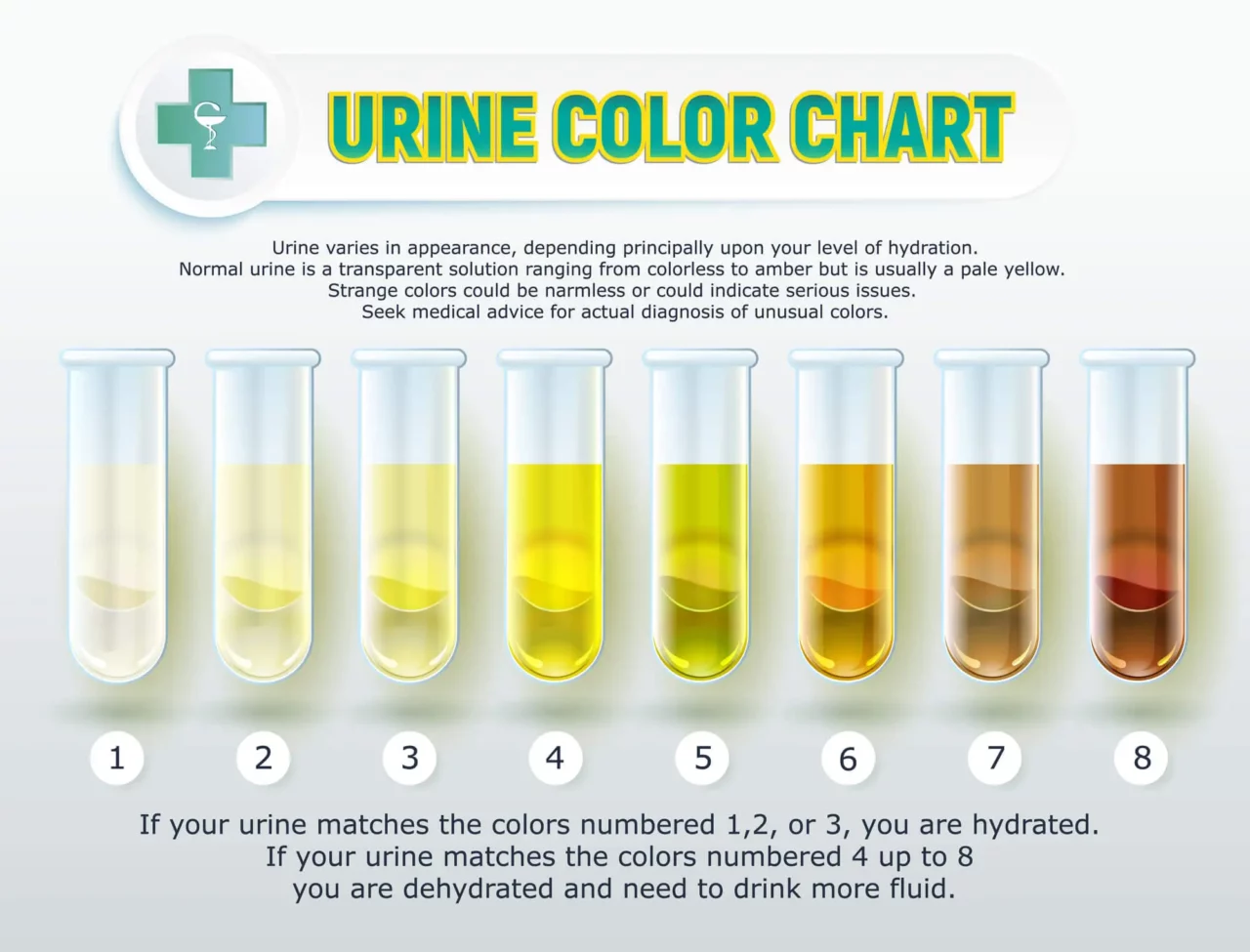
Here is how high-pulse Electroanalgesia works as part of tailored Neurofunctional Pain Management programs designed at Relatyv.

Uses High-Pulse Currents

Unlike the limited, low-pulse current delivered by at-home TENS units, electroanalgesia is able to deliver over 10,000 electrical pulses per second. Such high frequencies penetrate deeper into the tissues and provide greater stimulation to the nerve endings. 

As a result, through regular high-pulse Electroanalgesia sessions, you’ll be able to benefit from longer-lasting relief from pain, accelerated healing of damaged tissues, and healthier blood circulation.

Provides Long-Term Pain and Inflammation Management

The high-frequency electrical pulses delivered through Electroanalgesia efficiently prevent pain signals from reaching the brain and modulate the way your neurons process sensory signals. This action resets your perception of pain, which provides permanent relief from chronic pain. 

What’s more, in Neurofunctional Pain Management, high-pulse Electroanalgesia is combined with IV Therapies and Lifestyle Counseling programs. Used together, these approaches reduce inflammation, provide long-lasting hydration, address nutritional deficiencies and imbalances, and modify the risk factors of plantar fasciitis (i.e.: a sedentary lifestyle).

Targets Pain Fibers In Neurons

Painful sensations are transmitted and processed in the brain by three types of fibers: A-beta, A-delta, and C-fibers. A-beta and A-delta fibers transmit painful sensations that are deep, sharp, lancinating, and easily localized. These painful sensations may be acute but last for brief periods. 

On the other hand, C-fibers are responsible for transmitting pain signals relating to more generalized aching pain. These sensations are more tolerable but longer lasting. Electroanalgesia modulates the action of these nerve fibers to interfere with the transmission of generalized pain signals from the sole of the foot to the brain, thus offering relief from chronic pain. 

The high-frequency pulses of electricity also trigger the release of endorphins, which are the body’s natural painkillers able to counteract painful sensations and offer a generalized sense of well-being.

Administered By A Medical Provider

Given the high frequency of the electrical pulses delivered during high-pulse Electroanalgesia programs, this treatment is administered by a specialized medical provider at Relatyv using an FDA-cleared device. 

The electrodes are placed accurately and the settings are adjusted based on comprehensive medical exams, thus eliminating any risk to your health. 

Although it is recommended to undergo two sessions of electroanalgesia a week for 6-12 weeks to obtain the expected results, this superior form of electrical stimulation is able to provide long-lasting relief from heel or foot pain.

Reduce The Pain Effectively With An E-Stim That Works

At Relatyv, the Neurofunctional Pain Management protocols we design for each and every one of our patients aims to address the underlying causes of your foot conditions and treat pain without surgery or medications. 

When coupled with IV Therapy programs and ad hoc Lifestyle Counseling services, Electroanlgesia can help you magnify your quality of life today and lay the foundations of long-term health. 

Through superior, non-invasive, and non-pharmaceutical alternatives like Electraonlgesia, our mission is to become the first thought, first choice, and first step in your fight against chronic foot pain.

Relatyv - Early Signs Of Endometriosis You Need To Watch Out For

Early Signs Of Endometriosis You Need To Watch Out For

Early Signs Of Endometriosis You Need To Watch Out For 1920 1280 Relatyv

Over 6.5 million people in the US alone see their lives entirely disrupted by endometriosis – a condition that causes the abnormal growth of the lining of the uterus (endometrial implants) on other organs, including the ovaries, fallopian tubes, bladder, and pelvic cavity. 

Endometriosis isn’t always painful, but leaving it unaddressed inevitably leads to life-limiting consequences, regardless of whether you experience symptoms or not. 

For example, if you experience pain during periods or sex, these symptoms can cause distress and get in the way of your personal, professional, and intimate life. On the other hand, if you only have mild discomfort that can be mistaken for normal menstrual cramps, the endometrial implants can continue growing undetected on other organs, leading to infertility

Learning to identify the early signs of endometriosis can help you address the risk factors of this condition, avoid its most severe complications, and find the best treatment option for you. Get started with the guide below.

Endometriosis Early Signs

In people with endometriosis, the lining of the uterus (endometrium) grows outside of the uterus, on nearby tissues and organs. In healthy reproductive systems, the endometrium plays a vital role during the early stages of pregnancy by supporting the growth of the fetus and protecting it from harmful microbes. 

The endometrium thickens during the follicular phase of the menstrual cycle in preparation for a mature egg. If the egg isn’t fertilized and a pregnancy does not occur, the endometrium inside the uterus is then expelled during the menstruation (period). New endometrium is created with each menstrual cycle. 

Endometriosis occurs when the endometrium begins to grow outside of the uterus. This abnormal endometrial tissue, which is known as endometrial implants, can grow on surrounding areas such as the ovaries, bladder, pelvic cavity, rectum, cervix, and exterior walls of the uterus. 

The endometrial implants grow and swell during each menstrual cycle, behaving similarly to the endometrium inside the uterus. However, unlike normal endometrium, endometrial implants are unable to leave the body during your period. 

Over time, the build-up of abnormal endometrial implants leads to a cascade of complications, including:

  • Inflammation of tissues in and around the reproductive organs
  • Blocked fallopian tubes and trapped blood in the ovaries
  • Adhesions, scar tissues, and binding between organs
  • Abnormalities with bodily processes like digestion and bowel movements

As the endometrial implants begin to build up outside of the uterus, you may notice a range of symptoms. Learning to identify them can help you prevent dangerous cysts and lifelong problems like infertility.

Painful Periods (Dysmenorrhea)

It is estimated that 80% of women with dysmenorrhea have endometriosis, making painful periods one of the most common symptoms of this condition. 

However, painful menstruation may seem like a normal aspect of a woman’s menstrual cycle, which causes many women with dysmenorrhea to simply dismiss this symptom. Although mild cramping and discomfort are normally associated with menstruation, it is important to clarify that dysmenorrhea is a severe condition that can worsen over time. 

If you are unsure whether your painful periods are, in fact, a sign that you have endometriosis, look for other associated symptoms such as excessively painful cramps, back and abdominal pain that lasts long before and after your period, and heavy or prolonged bleeding.

Pelvic Pain

If you have endometriosis, the pain you experience isn’t always correlated to the extent and location of the endometrial implants. So, you may have a mild form of endometriosis and experience excruciating pelvic pain. On the other hand, you may only experience mild discomfort even if the endometrial implants are widespread. 

Regardless of how intense your pain is, if you have chronic (lasting longer than six months) or cyclic pain below your belly button, you should immediately undergo diagnostic tests for endometriosis. According to studies, up to 38% of people with chronic pelvic pain have endometriosis.

Pain During Intercourse (Dyspareunia)

Pain during intercourse, or dyspareunia, is a symptom that affects over half of people with endometriosis. It can occur due to deep vaginal penetration because the thrusting that occurs during sexual intercourse further inflames and irritates the endometrial growth outside of the uterus. 

Pain during intercourse can change depending on the phase of your menstrual cycle and can be mild or severe. It is often described as stabbing or sharp sensations that last long after having sex. 

Deep dyspareunia is one of the reasons why over 66% of women with endometriosis also suffer from sexual dysfunction.

Fatigue

Endometriosis is sometimes associated with fatigue and personality changes. These symptoms are more noticeable during menstruation when the body attempts to eliminate the abnormal endometrial growths outside of the uterus and any diseased tissue. During this phase of the menstrual cycle, the body’s immune system also triggers the release of inflammatory toxins known as cytokines, in an effort to fight endometriosis. 

As a result of these chemical processes, you’ll feel constantly fatigued and physically exhausted, especially during menstruation. Although this symptom is sometimes dismissed by healthcare providers, it is crucial to undergo the necessary diagnostic tests before severe symptoms of endometriosis appear.

Bloating

Although mild bloating may be a common denominator of several health conditions, up to 96% of women with endometriosis will experience several gastrointestinal problems known as “endo belly”. These digestive issues include constipation, diarrhea, bloating, and nausea. 

“Endo belly” arises from a range of processes and reactions. Firstly, people with endometriosis may have gastrointestinal bacterial overgrowth, which can impact the normal functioning of the digestive processes. Additionally, the high levels of inflammation caused by the growing endometrial implants can irritate the surrounding tissues and cause water retention, which can cause your pelvic area to appear bloated.

Bowel Problems

If you suffer from endometriosis, over time, the abnormal endometrial implants may begin to spread to surrounding organs, including the bowel, rectum, and intestines. When this happens, the endometrial implants can cause sustained inflammation, irritation, and lesions to the surrounding tissues. 

Over time, this can impact the normal functioning of your bowel and digestive organs, leading to painful and irregular bowel movements, especially when the endometrium is swelling or thickening (i.e.: during the luteal phase). It is also estimated that up to 52% of women with endometriosis also have irritable bowel syndrome (IBS).

Bladder Issues

Endometriosis can affect the health and function of the bladder in two different ways. 

Firstly, ovarian cysts caused by trapped blood in the ovaries can lead to urinary problems by pressure on the bladder. Additionally, if the endometrial implants begin to grow on the bladder and surrounding organs, you may experience several symptoms, such as:

  • Pain during urination (dysuria)
  • Bladder irritation
  • Bladder urgency and frequent urination
  • Pain associated with a full bladder
  • Pain around the kidneys area
  • Blood in the urine (hematuria)

These symptoms tend to intensify in the days before your period and during your menstruation.

Infertility

Infertility and endometriosis are often connected. Research published in the Journal of Assisted Reproduction and Genetics reports that up to 50% of infertile women have endometriosis and that half of those with endometriosis are infertile. 

Infertility in people with endometriosis is often caused by endometrial implants that cause adhesions between organs and scar tissue. The abnormal growth of endometrial tissue can block the fallopian tubes and prevent the release of mature eggs into the uterus, preventing pregnancy. Excessive endometrial growth can also inhibit the action of the sperm or damage a fertilized egg before its implantation in the uterus. 

It is also important to notice that endometriosis can cause sexual dysfunction in otherwise fertile women, which makes it more difficult to conceive. 

Although some women with endometriosis are infertile, others only experience temporary infertility and are able to carry a baby to term successfully following adequate treatment. Other alternatives, such as in-vitro fertilization (IVF) can assist patients with endometriosis looking to have a baby.

Who Is At Risk Of Getting Endometriosis

The causes and risk factors of endometriosis aren’t always clear. According to different theories, endometriosis occurs when the endometrial tissue in the uterus is spread to nearby organs and tissues. This can happen due to surgery such as a C-section or retrograde menstruation, which occurs when part of the menstrual blood carrying endometrial tissue flows back into fallopian tubes instead of leaving the body during menstruation. 

Besides these causes, several risk factors can make you more prone to developing endometriosis. Being aware of these risk factors can help you undergo the necessary screening tests early on and address the condition as the first symptoms occur.

Let’s start by looking at the factors that put you at risk of endometriosis. 

  • Individuals with a family history of endometriosis: Although endometriosis isn’t always hereditary, you may be at greater risk of developing endometriosis if you have a first-degree relative (such as a mother, sister, or aunt) suffering from endometriosis or infertility. 
  • Individuals with a history of pelvic infections: A 2023 study shows that individuals with a history of pelvic or genital infections are at greater risk of endometriosis compared to those with no history of these conditions. 
  • Individuals with certain reproductive conditions: Some disorders of the reproductive tract like uterine growths (i.e.: polyps) and asynchronous uterine contractions increase the risk that blood containing endometrial growths is transported outside of the uterus or back into the ovaries. This makes it more likely for you to develop endometriosis. 
  • Structural abnormality: Some structural abnormalities and conditions that prevent the menstrual blood from exiting the body as expected during menstruation may increase the risk of endometrial tissues flowing back into the ovaries and fallopian tubes. Here, they can contaminate healthy tissues and cause endometriosis to develop. These conditions include cervical stenosis, which causes the narrowing or obstruction of the uterus, cervix, or vagina. 
  • Individuals with a high estrogen level: Estrogen is the hormone responsible for the development of the endometrium during the menstrual cycle. Having sustained high levels of estrogen or being exposed to this hormone for years can facilitate the abnormal growth of endometrial implants outside of the uterus, thus increasing the risk of endometriosis. 
  • Individuals with a history of uterine surgery: Uterine surgery such as a C-section or hysterectomy (a procedure used to remove parts of the uterus) can facilitate the contamination of surrounding tissues with endometrial growths, which can start the development of endometriosis. The endometrial tissue can also attach to surgical incisions and spread outside of the uterus. 
  • Individuals diagnosed with immune system disorders: Recent studies have shown the connection between endometriosis and the immune system. Some disorders of the immune system can prevent your body from recognizing and destroying abnormal endometrial cells as it should. 
  • People with certain lifestyle factors: Some lifestyle factors – such as alcohol and caffeine intake, smoking, and physical activity – influence the levels of estrogen in your body, which may contribute to the development of endometriosis. Having a low Body Mass Index (BMI) or a small frame can also put you at greater risk of developing this condition. 
  • Hormonal imbalance: An imbalance of progesterone and estrogen, or having too much estradiol (a type of estrogen responsible for uterine tissue growth) can increase the risk of endometriosis. 

Endometriosis may occur at any point after the onset of the menstrual cycle (menarche). The symptoms of endometriosis may decline during pregnancy and disappear after menopause.

Importance Of Early Awareness

Unfortunately, the majority of women with endometriosis are only able to obtain an accurate diagnosis when they are trying to conceive, or if they are looking into the causes of unexplained infertility. However, this delay in getting a diagnosis – which can be as long as seven years –  isn’t necessarily related to the lack of symptoms. 

According to estimations, only around 20% of cases of endometriosis are asymptomatic, while 80% of women with this condition experience painful periods, excessive bleeding, digestive issues, and pain during intercourse. At the same time, the majority of women with endometriosis are disbelieved or dismissed by their healthcare providers, which can prevent them from obtaining an adequate diagnosis. 

Fortunately, the increased understanding of the symptoms and prognosis of endometriosis has encouraged developments in the diagnostic tools used and highlighted the importance of early awareness. 

Some of the strategies used to diagnose endometriosis today include:

  • A complete review of your medical history, previous pregnancies, and symptoms. 
  • A comprehensive physical exam, during which a healthcare provider will palpate the pelvis area to check for cysts and scars.
  • Ultrasound and imaging tests. These tools provide healthcare providers with images of your inner pelvic area, which helps them identify the location, extent, and severity of eventual endometrial implants. 
  • Minimally-invasive surgical procedures like laparoscopy, use thin viewing instruments inserted in the area inside the abdomen to determine what areas are affected by endometriosis. 

Advocating for your own health and working with a specialist who can help you obtain an accurate diagnosis for your pelvic pain can help you prevent severe complications, like cysts, scars, and infertility.

Conventional Treatment Options for Endometriosis

Endometriosis is considered to be a lifelong condition for which there is no definitive cure. However, your healthcare provider may recommend the following treatment approaches to manage your symptoms: 

  • Medications (e.g. pain relievers, hormonal therapy): Certain medications, such as non-steroidal anti-inflammatory drugs (NSAIDs) and painkillers may be used to ease discomfort and distress during flare-ups. Hormonal therapies (such as birth control pills, GnRH medications, and hormone suppressants) can slow down the development of endometrial implants, which are hormone-dependent. 
  • Surgery (e.g. laparoscopic excision, hysterectomy): Minimally-invasive procedures such as laparoscopy can be used to view the area inside the abdomen, collect samples for testing, and remove parts of the abnormal endometrial growth. More invasive procedures like hysterectomy can be used to remove parts of the uterus, the ovaries, or the cervix to stop the progression of endometriosis. Since hysterectomy is irreversible and causes permanent infertility, this surgery is only performed if the symptoms of endometriosis are causing disability. 
  • Lifestyle changes (e.g. exercise, diet): Switching to a gluten-free diet has been seen to decrease inflammation, regulate hormonal activity, and reduce endometriosis pain. Other remedies such as massages, rest, heat compresses, light exercise, and supplements with anti-inflammatory properties can also help relaxation, reduce muscle cramps, and trigger the release of the body’s natural painkillers, endorphins. 

Before choosing a certain line of treatment, it is important to determine what your goals are. For example, if you are hoping to conceive, birth control pills and irreversible surgical procedures such as hysterectomy are not suitable choices. What’s more, in around 20% of cases, surgical procedures for endometriosis are inefficient, leaving patients to seek an alternative treatment option.

Early Detection Is The Key To Effective Treatment

If you suffer from endometriosis, you may be battling the prospect of living a life reliant on medications or undergoing invasive surgical procedures. Fortunately, non-surgical, non-invasive, and non-pharmaceutical treatment options that are efficient in easing the symptoms of endometriosis and slowing down the progression of this disease exist. 

The whole-person Neurofunctional Pain Management approach pioneered by Relatyv combines several therapies  to help you regain your pelvic health and lay the foundations of long-term health. These include:

  • Electroanalgesia: This pain management method utilizes high-frequency pulses of electrical current that are delivered through the skin with an FDA-cleared device. The pulses of electricity prevent pain signals from reaching the brain and trigger the release of endorphins, thus providing long-lasting relief from pain. 
  • IV therapy: Custom IV therapy programs designed on your unique needs will aim to address and correct those nutritional imbalances that may be contributing to endometriosis.
  • Lifestyle counseling: A lifestyle counselor at Relatyv will help you introduce the positive lifestyle changes needed to prevent the progression of endometriosis, ease pain, and support overall health throughout your life.

Can Dehydration Cause Back Pain? Know The Connection

Can Dehydration Cause Back Pain? Know The Connection 2000 1333 Relatyv

Lifestyle factors and daily habits are profoundly intertwined with our mental and physical health. And, when it comes down to easing chronic pain and boosting overall health, hydration can be as impactful as nutrition and exercise.

Poor hydration can lead to a cascade of complications and detrimental effects, including fatigue, gastrointestinal problems, and low blood pressure. Dehydration can also be the root cause of your back pain

Understanding the real underlying cause of your back pain can free you of taking pain medications daily and guide you in the choice of an effective treatment. At Relatyv, our whole-person approach can help you identify and address the source of your back pain, so you can lay the foundations of long-lasting spinal health.

Dehydration And Back Pain

The human body is composed of 60% of water, the vital fluid needed for essential bodily functions, cellular processes, and chemical reactions. Drinking enough water replenishes the fluids lost through sweating, breathing, and waste removal. Hydration also supports your body’s metabolism, prevents overheating, and keeps the skin supple, healthy, and youthful

Dehydration – or the process of losing water faster than the rate at which you are able to replenish it – can significantly hinder these essential functions and cause a range of complications. In particular, dehydration can be one of the root causes of back pain. 

The spine is composed of 33 vertebrae, which are interlocking bones responsible for enabling the spine’s range of movement. Between each of these bones is located a soft cushioning structure known as intervertebral disc. These discs play an essential role in:

  • Absorbing shock while walking, running, or jumping
  • Distributing and balancing loads during movements
  • Keeping the spine mobile
  • Safeguarding the spinal bones from friction and shock damage

The intervertebral discs are composed mostly of water. This allows them to create the hydrostatic pressure necessary to counteract the compressive force the spine is exposed to at any given time. 

In a healthy spine, the water content of each disc declines throughout the day due to gravity and pressure, and it is then replaced while we sleep, through a process known as intradiscal fluid exchange. 

However, dehydration or hypohydration (having sustained low levels of hydration) can prevent the discs from accessing the water needed to retain their size, remain supple, and counteract the impact of external forces and loads. 

When this happens, the lack of cushioning exposes the spine’s bone to friction and shock damage. Irritation of tissues can lead to inflammation, swelling, and pain, which prevent you from moving your spine as you should. 

In severe cases, poor hydration can cause the outer ring of the intervertebral disc to dry out and crack, which can lead to painful conditions such as disc tears or bulging and herniated discs.

Dehydration can also cause several other effects that can worsen your back pain. For example, hypohydration can increase pain sensitivity, making you experience painful sensations more intensely. Low hydration can also cause the muscles in the spine to become stiffer, which inhibits your range of movement and leads to painful muscle spasms. 

If your back pain is associated with your menstrual cycle, hypohydration can intensify painful sensations and lower your pain threshold during critical phases such as menstruation.

Signs And Symptoms Of Dehydration

Given the impact of dehydration on your musculoskeletal and spinal health, it is critical to take steps to prevent dehydration and hypohydration – starting with learning to recognize the signs of this condition.

Common symptoms of dehydration include the following: 

  • Headaches: One of the first symptoms of dehydration is head and neck pain. This symptom occurs when the water content around the brain declines, causing the brain to shrink and pull away from the skull. Dehydration can also stiffen the neck muscles and lead to tension-like headaches
  • Bad breath: Not drinking enough water can hinder the production of saliva in the mouth. Without enough saliva, the mouth tends to dry out, creating the perfect environment for bacteria to live and multiply. This leads to halitosis – or bad breath. 
  • Dark urine: When there is not enough water in the body, the processes responsible for expelling waste, such as urination, are inhibited. So, when you are dehydrated, you may go to the bathroom less often and your urine may be dark and smelly. 
  • Fatigue: Water is essential to the cellular processes responsible for breaking down nutrients and using or storing energy. When you are dehydrated, your cells are unable to produce energy, which leads to fatigue, tiredness, dizziness, and lightheadedness. 
  • Muscle cramps: Muscle cramps are the result of dehydration-induced muscle stiffness. Additionally, according to a 2019 study, drinking water after suffering dehydration dilutes sodium and electrolyte concentrations, which make muscles more prone to cramping. 
  • Dehydrated skin: Dehydration is the root cause of several skin conditions, including dry skin, itchy patches, and scaling. Inadequate water consumption can also worsen disorders such as psoriasis, make fine lines more visible, reduce the skin’s elasticity, and give your complexion a dull appearance. 

Dehydrated skin isn’t the same as dry skin, which occurs when the skin does not produce enough natural oils. 

  • Vision problems: When the eyes aren’t properly lubricated, you may suffer from conditions such as dry eyes, blurry vision, double vision, tired eyes, and headaches. These symptoms should only be temporary and improve with hydration. 

Dehydration can cause several other symptoms, including irritability, mood swings, and fever. If you have noticed one or more of these symptoms, you should consider rehydrating immediately and restoring healthy levels of water content throughout the body.

Hydration Can Cause the Discs to Lose Water

So, what happens to the spinal discs when you are not drinking enough water? As seen above, dehydration can cause tissues throughout the body to shrink and stiffen. A similar effect occurs in the intervertebral discs in the spine. 

The cushioning discs between the vertebrae are composed of two parts:

  • The annulus fibrosus. This is the outer ring of the disc, made of multiple layers of stronger cartilaginous fiber. 
  • The nucleus pulposus. This is the core of the disc, made of a softer, gel-like substance. 

When healthy, 80-85% of the nucleus pulposus is made of water. This water content is dispersed during the day as the spine supports movements and absorbs shock and pressure. However, while we sleep, the discs regain all the lost water content, increasing the body’s height by as much as 0.5 inches (1.3 cm) by the morning. 

However, prolonged dehydration can prevent the discs from replenishing their water content, which can leave the spinal bones and surrounding tissues unprotected against shock and friction damage. 

When the water content of the nucleus pulposus reaches 70-75%, the spine can experience severe degeneration and permanent alteration of its ability to deal with loads and pressure.

Indicators Of A Dehydrated Disc

Learning to recognize the signs that you may be dehydrated can help you rehydrate as soon as possible and prevent health complications. But it’s just as important to be able to identify whether your back pain derives from low levels of hydration. 

After all, without truly understanding what’s causing your condition, you may be taking pain medications that are inefficient at best – and dangerous at worst. 

Educating yourself on the signs that your back pain is caused by dehydration is key to avoiding exposing yourself to side effects such as gastrointestinal problems, increased risk of stroke or heart attack, and addiction. These are some of the symptoms to watch out for:  

  • Extreme pain in the lower back: Prolonged dehydration prevents the intervertebral discs from replenishing their water content. This causes them to dry out and become more prone to tearing and cracking. These injuries, which can develop into herniated and bulging discs, can lead to severe back pain. 
  • Numbness in the legs: Tingling sensations and numbness in the legs is the result of two complications of dehydration. Firstly, low levels of hydration can cause a drop in sodium levels, which can cause “pin and needles” sensations. 

Additionally, if the intervertebral discs start thinning, drying out, or bulging they can start adding pressure to the nerve roots in the spine. This can damage the nerves and interfere with the normal transmission of sensory signals to the brain, which results in numbness. 

  • Bulging in the spinal area: Without enough hydration, the outer ring of each intervertebral disc can crack, making herniated discs more likely. When the gel-like core of the disc seeps out of the outer ring, you’ll experience pain and a bulging in the spine caused by inflammation, irritation, and swelling. 

You may also experience mechanical stiffness, which occurs when drying intervertebral discs are unable to accommodate spinal movements. 

  • Shooting pain in the legs: Without enough fluids, muscles across the body are less able to relax after contractions. This makes painful cramps, spasms, and involuntary movements more likely, especially in the leg. Cramps caused by dehydration are painful, recurring, and can inhibit your balance and movement. 
  • Problems in pelvic area organs: Low levels of hydration concentrate the urine and inhibits the body’s processes necessary to expel waste. This translates into the accumulation of minerals in the bladder, irritation of the bladder’s internal lining, painful bladder syndrome, cystitis, and pelvic pain. 
  • Diminished or absent reflexes in the legs: The degeneration of spinal discs caused by sustained hydration can create mechanical problems in the spine. 

In particular, the spinal nerve root can come into contact with bones and other components of the spine during movements, which can result in irritation, nerve damage, and permanent back pain. A symptom that the spine in the nerves may be damaged is numbness or an absence of reflexes in the legs.

How To Stay Hydrated During The Day

Although dehydration can cause chronic back pain, this risk factor is easy to address and modify: all you need to do is to stay hydrated. If you are struggling to manage your water intake, these strategies can help:

  • Introduce more fresh fruit, raw vegetables, smoothies, freshly squeezed juices, and broths to your diet
  • Follow the official recommendations for water intake: drink at least 2 liters of water a day (or eight 8-ounce glasses).  
  • Avoid drinks such as coffee, tea, and soda. Beverages that contain sugar, caffeine, or artificial sweeteners contribute to dehydration. 
  • Adjust your water intake as needed. In hot weather, you’ll lose water much faster than normal through sweating. On these occasions, you should increase your water intake to 2.5 liters a day. 
  • When exercising, increase your water intake, make sure to rehydrate correctly after exercise, and choose water with added electrolytes. 
  • Make drinking water more enjoyable by choosing an appealing reusable water bottle and adding fresh fruit or herbs like mint to your drink. 
  • Track your hydration levels. You can do so by looking at the color of your urine: the clearer your urine is, the more hydrated you are. Alternatively, download a water-tracking app.

Last but not least, remember to drink before you are thirsty! Building a habit of sipping water throughout the day can help you stay hydrated effortlessly.

What If Increasing Hydration Levels Isn’t Enough?

If you have increased your water intake but the back pain persists, it is time to seek an accurate diagnosis for your condition and identify the root cause of your chronic pain. After all, back pain can be the result of serious conditions like herniated discs, osteoarthritis, endometriosis, fibromyalgia, kidney infection, muscle strains, obesity, and traumatic injury.

When partnering with the specialist at Relatyv, you can pinpoint the exact cause of your back pain and obtain a personalized treatment program designed to improve your spinal health without medications or surgery. 

Here’s what to do if increasing hydration isn’t enough to stop your back pain.

Seek Medical Advice

The first step is always to talk to a specialized healthcare professional. Specialists such as orthopedists, rheumatologists, and neurologists can help you obtain a comprehensive clinical picture of your spinal health and determine what’s causing your back pain.

Undergo Diagnostic Procedures

When you are under the care of a specialist, you’ll undergo a wide range of diagnostic procedures aimed at identifying the reason for your back pain. These procedures include:

  • A review of the nature, pattern, and location of your symptoms
  • An evaluation of your medical history and conditions that run in your family (i.e.: arthritis)
  • A thorough physical exam that involves assessing your pain level, range of motion, and ability to move your muscles. 
  • Imaging tests such as X-rays and MRI scans, which offer a visual representation of your spine. These tests are used to determine mechanical problems and abnormalities, such as tumors. 
  • A complete blood count that aims to highlight possible causes of back pain, such as inflammatory conditions like osteoarthritis. 
  • Tests of your neurological reflexes, strength, flexibility, and ability to feel pain and touch.

Consider Electroanalgesia For Pain Modulation 

If you have been struggling with chronic and debilitating back pain, the chances are that you are relying on medications in every aspect of your daily life. You might also have tried different lines of treatments that have proven themselves inefficient, or you are living in fear of surgery. 

Fortunately, with the Neurofunctional Pain Management program pioneered by Relatyv, you can address your pain and restore your spinal health without invasive procedures, medications, or chiropractic manipulation. 

As part of a more comprehensive Neurofunctional Pain Management protocol, electroanalgesia uses high frequency electrical pulses to inhibit the transmission of pain signals traveling from damaged areas in the spine to the brain. 

Additionally, the precise electrical pulses delivered through electroanlgesia can decrease inflammation, swelling, and redness, while also supporting the circulation of blood, nutrients, and oxygen. 

When used as part of a tailored whole-person approach that involves Lifestyle Counseling and IV Therapy, e-stim can provide long-lasting relief from pain while also promoting the body’s ability to heal damaged tissues.

Keep Your Spinal Health At Its Optimum Condition

Staying hydrated is a critical step to take to support your spinal health and overall well-being. But what if hydration isn’t enough? Relatyv can help you access a customized program that uses non-invasive, non-pharmaceutical, and non-chiropractic treatments to ease the symptoms of back pain. 

Through Neurofunctional Pain Management and electroanalgesia you can modify all of those factors that are negatively impacting on your spine and lay the foundations of long-term health.

Can Heartburn Cause Back Pain?

Can Heartburn Cause Back Pain? 1920 1280 Relatyv

Heartburn is a common discomfort that many people experience at some point in their lives. It’s that burning sensation caused by indigestion, sometimes extending upwards toward the back of your throat. But did you know that heartburn can cause back pain?

Heartburn is commonly associated with the condition of acid reflux. This is when your stomach’s acidic fluid flows back up (the wrong way) into the esophagus, which causes the feeling of heartburn and irritation in the chest. However, the effects of acid reflux are not limited to the chest area alone. So, how can heartburn cause back pain?

In this article, we will explore heartburn as a symptom of acid reflux and explain how it connects to back pain. We’ll also look into the common causes of heartburn and acid reflux and some of the other symptoms to look out for.

Heartburn that causes back pain can be impairing if it is not well managed. We will discuss the standard treatment options available and known lifestyle modifications that can help you manage heartburn as a result of acid reflux.

Additionally, we’ll explore how Relatyv implements an alternative approach to managing heartburn-induced back pain, offering a different treatment option that doesn’t depend on the reliance on medications.

We hope to provide valuable insights to help you better understand heartburn and the frustrating back pain that it can cause, leading you to the treatment options that best suit your specific needs and desired lifestyle.

Heartburn And Acid Reflux

It’s likely that you have heard the two terms ‘heartburn’ and ‘acid reflux’ be used interchangeably, but did you know they both describe different things? Let’s discuss the connection between heartburn and acid reflux so we can have a better understanding of what body structures are involved and how symptoms emerge.

Let’s start by revisiting acid reflux. As previously mentioned, acid reflux is caused by the stomach’s digestive fluid taking a backward route and flowing back up into the esophagus. It is the harsh acidity of the digestive fluid that causes irritation to the esophagus and brings on the burning sensation, or as we call it, ‘heartburn.

This means that heartburn and its discomfort is a symptom of acid reflux, although heartburn doesn’t just affect the chest, pain can extend to other areas, including your back. So, how does acid reflux cause heartburn in the first place?

The esophagus is what connects your throat to your stomach; A muscular and tubular structure that contracts and relaxes to help food and drink pass through into your stomach. At the end of the esophagus, where it meets the stomach, is an important valve called the lower esophageal sphincter (LES).

The primary job of the LES is to keep the contents of the stomach, well, within the stomach, where it belongs. Although sometimes, the LES can falter and allow small portions of the acidic digestive fluid to pass back up into the esophagus.

Now we know the distinction between heartburn and acid reflux, let’s look into the effect acid reflux has on the esophagus and the surrounding structures and how it can lead to various symptoms emerging.

Can Acid Reflux Cause Back Pain?

Stomach acid is designed to break down and digest our foods. It is then no surprise that when the LES falters and allows acid reflux to occur, the rogue stomach acid damages the lining of the esophagus, causing it to become irritated and inflamed. But how can acid reflux cause back pain when it affects your esophagus? Let us explain.

There is an extensive network of nerves that surrounds the esophagus, and they are important in sending communication signals to various parts of the body. When stomach acid damages the esophagus through acid reflux, it can directly impact these intricate nerves.

Consequently, signals of pain and discomfort are activated through this complex web, reaching various areas, such as the back. This is called ‘referred pain’ and explains why back pain can be associated with heartburn.

Now we have a greater insight into the underlying processes and mechanisms involved in how acid reflux, heartburn, and back pain are connected. Unfortunately, back pain is not the only frustrating symptom that is associated with heartburn from acid reflux. We will go on to highlight some of the other symptoms you might experience as a result of heartburn that is caused by acid reflux.

Associated Symptoms Of Heartburn Due To Acid Reflux

Other than back pain, there are a number of other problematic symptoms that can develop alongside heartburn that is caused by acid reflux. Let’s explore some of the other symptoms associated with this condition in more detail:

Burping With An Acidic Taste In The Mouth

Quite an unpleasant symptom that accompanies heartburn due to acid reflux is an acidic taste in the mouth, often coupled with burping. This undesirable symptom happens because of the presence of stomach acid and partially digested food in the esophagus and mouth, resulting in a sour, bitter, acidic taste in the mouth and frequent burping.

Burping is a consequence of increased swallowing as your body attempts to clear the esophagus. Unfortunately, these symptoms can linger sometime after heartburn subsides.

Chest Pain

The typical tell-tale sign of acid reflux is one we have already discussed, which is that firey, burning sensation in the chest described as heartburn. Caused by the stomach acid damaging the delicate lining of the esophagus, heartburn may feel like a squeezing, burning, tight sensation that can worsen when lying down or bending over.

If you have never experienced heartburn before or experience a particularly severe episode, it is not unreasonable to mistake this sensation for a heart-related condition.

Having a sound understanding of the underlying cause, triggers, and treatments for heartburn can help you distinguish the differences between heart-related pain and the burning sensation caused by acid reflux. Remember, if your symptoms get worse and you gain no relief from common treatments or are otherwise concerned, seek urgent medical attention.

Nausea

Nausea is a common symptom that emerges as a result of heartburn from acid reflux. The urge to vomit and persistent nausea are a consequence of the inflamed esophagus caused by the rogue stomach acid.

The intensity of nausea may vary; however, it can prove debilitating when combined with the other discomforts of heartburn and back pain. It is important to get a proper diagnosis and evaluation from your healthcare provider if you experience persistent nausea with heartburn from acid reflux.

While these symptoms are commonly linked with heartburn due to acid reflux, it is important to recognize that symptoms can vary in severity and presentation among people. Some individuals might experience a combination of common symptoms, while others might notice their symptoms are not as typically associated with heartburn, such as back pain.

In the next section, we will discuss how you can better recognize back pain that is associated with heartburn. By having a deep understanding of all these diverse ways in which symptoms can manifest, you can identify and address the symptoms and underlying causes of heartburn more effectively.

How To Spot Heartburn-Related Pain In The Back

While back pain is not as commonly experienced as the other symptoms of heartburn due to acid reflux, it can still cause considerable discomfort. It is important to be able to identify if your back pain is related to heartburn or a separate condition. We have outlined two of the key factors to help recognize if your back pain is associated with heartburn from acid reflux:

Location Of The Pain

An episode of acid reflux and heartburn can cause a distinct burning sensation or dull ache in-between the shoulder blades and across the upper back. If this is where you are experiencing your back pain, it is suggestive that the underlying cause is heartburn from acid reflux. Taking the time to identify exactly where the back pain is located can be a helpful indicator of its underlying cause.

Posture And Body Position

Back pain that is associated with heartburn and acid reflux will persist or worsen when lying down or bending over. These two body positions allow for an increased amount of stomach acid to pass through the LES into the esophagus and therefore exacerbate all symptoms of heartburn from acid reflux.

If the back pain you are experiencing worsens in either of these positions, it suggests that it is a symptom of heartburn.

Remember, it is essential to consult with your healthcare provider for a proper evaluation and diagnosis if you are experiencing severe back pain or additional symptoms such as stiffness, numbness, tingling, or pain that radiates to your arms.

Taking the time to observe your symptoms and piece together these important clues can be valuable when differentiating heartburn-related back pain from other causes. Additionally, it is important to note that heartburn can emerge from factors other than acid reflux. Now let’s go on to discuss some of the other common causes of heartburn and heartburn-related back pain.

Other Common Causes Of Heartburn

So far, we have established that heartburn is a symptom of acid reflux, but acid reflux is not the only condition that can cause heartburn. Let’s go into detail about some of the other causes that can lead to heartburn and heartburn-related back pain.

  • Gastroesophageal Reflux Disease (GERD): GERD requires a medical diagnosis and describes the chronic condition where acid reflux occurs frequently. The persistent bouts of acid reflux seen in GERD will cause chronic esophageal inflammation that can result in repeated episodes of heartburn. Heartburn-related back pain is more likely to be seen in GERD, caused by the established irritation of the esophagus and surrounding nerves.
  • Smoking and Alcohol Consumption: Smoking and drinking alcohol to excess have been associated with an increased risk of developing heartburn. These habits can inhibit the LES from functioning properly, allowing stomach acid to flow back into the esophagus and generating symptoms such as heartburn and back pain as a consequence. 
  • Hiatal Hernia: A hiatal hernia is a painful type of hernia that causes a portion of the stomach to protrude through the diaphragm into the chest cavity. This can cause disruption of the LES’s ability to function normally, leading to acid reflux, heartburn, and heartburn-related back pain. 
  • Esophageal Spasm: This is a rare condition characterized by involuntary contractions of the esophageal muscles. These muscle spasms can cause acid reflux to occur, leading to the symptoms of heartburn, including back pain through the disruption of nerve signals.

By understanding these other potential causes of heartburn and heartburn-related back pain, it can be easier to identify the underlying cause of your symptoms and seek appropriate treatment with the help of a medical professional.

In the following section, we will delve into various treatment options and lifestyle modifications that can help alleviate the symptoms of heartburn caused by acid reflux. By implementing these strategies, you can take proactive steps toward finding relief from this painful and frustrating condition.

Conventional Treatment Options

Conventional treatments for heartburn and heartburn-related back pain focus on managing the associated pain and discomfort while also avoiding factors that can trigger or worsen the symptoms. Outlined below are some of the more commonly suggested treatments and lifestyle approaches to managing this condition:

Medications

Over-the-counter medications are available to help manage symptoms of heartburn and heartburn-related back pain. It may be tempting to treat back pain with anti-inflammatories such as Ibuprofen, however, in the case of heartburn-related back pain, these medications may worsen your symptoms.

Non-steroidal anti-inflammatories (NSAIDs) can further irritate the lining of the esophagus and stomach, aggravating painful symptoms. Therefore, it is best to treat the underlying cause to get relief. Liquids and tablets such as Mylanta or Gaviscon can help neutralize stomach acid, providing temporary relief from heartburn and its symptoms, including back pain.

In more serious or chronic cases, prescription medication, including proton pump inhibitors (PPIs) and H2 blockers, can be prescribed to help reduce the overall production of stomach acid, therefore reducing the frequency of heartburn. These medications can be effective in providing short-term relief, but long-term use should be monitored and guided by a healthcare professional.

Lifestyle Modifications

There are certain lifestyle modifications that can help prevent or significantly improve the symptoms of heartburn, including back pain. Consider implementing the following approaches for relief:

Avoiding Trigger Foods And Beverages

A number of foods and beverages can trigger heartburn and heartburn-related back pain. Although every individual’s experiences can differ, these foods often include foods that are overly spicy or fatty.

Additionally, foods that are higher in acidity, such as citrus fruits, chocolate, caffeine, and alcohol, can increase stomach acid and therefore worsen the symptoms of heartburn. By avoiding foods that trigger heartburn, you can reduce both its frequency and intensity, as well as any additional symptoms. 

Elevating Head

When you lie on your back, the stomach’s acid has an increased likelihood of flowing back up into the esophagus and causing heartburn and esophageal irritation. When sleeping and resting, elevate the head by a few inches to help prevent or alleviate the symptoms of heartburn, including back pain.

Weight Management

Holding excess weight increases the pressure being placed on the abdominal organs, such as the stomach. This increased pressure makes the backflow of stomach acid into the esophagus more likely.

By adopting a balanced diet and engaging in regular exercise, you can achieve and maintain a healthy weight, reducing the burden on your abdominal organs. This will help minimize heartburn episodes and eliminate the symptoms of acid reflux, including heartburn and heartburn-related back pain.

While these conventional treatment options can provide relief, it’s important to remember that individual responses may vary. For some people, finding effective relief from chronic acid reflux and its related symptoms is a significant challenge. Additionally, some individuals may want to avoid taking a number of over-the-counter or prescription medicine as a lifestyle preference.

In the next section, we will explore an alternative approach to managing heartburn-induced back pain and explore non-medication-based treatments that provide beneficial treatment options for individuals seeking alternative or complementary methods of relief.

Neurofunctional Pain Management For Heartburn-Induced Back Pain

Relatyv offers a comprehensive approach to managing heartburn-induced back pain by directly targeting symptoms at the underlying root cause. Our focus is on providing effective relief by addressing the complex nature of pain through the unique Neurofunctional Pain Management protocol (NFPM).

The NFPM protocol specifically targets the intricate connections between the brain and the nervous system’s perception of pain. By addressing the root causes of heartburn-induced back pain, our approach aims to provide long-lasting relief rather than just short-term management.

Unlike traditional treatment options, NFPM is a non-pharmaceutical and non-invasive approach that focuses on targeting and treating the underlying mechanisms involved in heartburn-induced back pain. It combines electroanalgesia, a painless therapy that stimulates the brain, nervous system, and pain pathways, with specialized hydration intravenous therapy (IV therapy).

Electroanalgesia interrupts pain signals, reduces inflammation and nerve irritation, and stimulates the release of natural endorphins, providing pain relief at a cellular level.

Simultaneously, IV therapy addresses nutritional deficiencies and promotes overall health by restoring essential nutrients and electrolytes to the bloodstream. This helps minimize inflammation, support organ function, and reduce the progression of heartburn symptoms, including back pain.

At Relatyv, we prioritize a safe and effective holistic approach to all of our treatment plans. As a part of the NFPM protocol, we are proud to offer comprehensive lifestyle counseling. Our lifestyle coaches help empower patients to maintain both their psychological and physical health, learning and adopting lifestyle strategies that achieve long-term pain relief.

Furthermore, our personalized approach to NFPM treatments for back pain is not limited to heartburn-related pain. We provide management plans that can address the underlying causes of back pain as a result of multiple conditions.

Manage Your Underlying Conditions With Relatyv

Managing heartburn and its associated symptoms, including back pain, can be challenging. Gaining an understanding of how heartburn occurs and recognizing its other related symptoms can be helpful in effectively identifying and addressing this potentially painful and frustrating condition.

A number of over-the-counter medications and lifestyle adaptations can be adequate for managing this condition by providing short-term relief from heartburn and its nagging back pain. By considering the Neurofunctional Pain Management protocol as a complementary option, individuals can take proactive steps toward regaining control over their health and finding relief.

Relatyv offers NFPM as an innovative and holistic approach to managing heartburn and heartburn-related back pain that does not solely rely on medicines. By targeting the underlying mechanisms, such as esophageal inflammation and nerve irritation caused by acid reflux, individuals can experience long-lasting relief and an improved quality of life.

Everything You Need To Know About Muscle Pain Treatment

Everything You Need To Know About Muscle Pain Treatment 1999 1333 Relatyv

Muscle pain can be a frustrating obstacle that affects your daily life and limits your ability to fully enjoy doing the activities you love. 

Whether you have overexerted your muscles, have an underlying medical condition, or have fatigued muscles from intense exercise, finding effective muscle pain treatments that work for you is important. Treatments can ease pain, help to restore normal muscle function, and get you back on track. 

When looking at common treatments that relieve muscle pain, it is important to consider the underlying cause, the severity of the pain, and its specific location. There are various treatments available which range from over-the-counter and prescription pain relievers to non-pharmaceutical remedies. 

Within this article, we outline all you need to know about muscle pain – its causes, diagnosis, and the best available treatment options. Furthermore, we recognize that muscle pain can become more prevalent as we age. 

That’s why we have also highlighted the advanced innovative therapies that are currently available for the treatment of chronic (long-lasting) muscle pain. 

By sharing our expertise, we hope to provide you with practical insights and empower you to make informed decisions about your muscle pain treatment, leading you to regain your freedom and improve your overall quality of life.

Where Can Muscle Pain Occur?

Muscle pain can occur all throughout the body, and the location and severity of the pain will depend on the specific muscles involved.

Generally, it is more common to experience muscle pain in the body’s larger and more complex muscles. This is because they are frequently used, involved in the body’s movement, and support the weight of the body. We’ll focus on some of these main areas, which include the neck, shoulders, back, and legs.   

  • Neck Muscle Pain

Whether it is caused by poor posture, muscle strain, and tension, or an injury such as whiplash, pain in the neck muscles can cause stiffness, limit the range of motion or cause frustrating headaches.  

  • Shoulder Muscle Pain

The intricate muscles of the shoulders are commonly overused through repetitive movements, heavy lifting, or sports injuries. Painful symptoms that feel like dull aches, sharp twinges, or restricted movement can affect any of the muscles spanning across the back of the shoulder blade, as well as the front trapezius and deltoid muscles

With a total of 40 muscles, the back is very complex and susceptible to muscle strain and injury. Poor lifting techniques, sudden twisting movements, or prolonged periods of poor posture can lead to muscle pain. Discomfort in the muscles around the back of the ribs can be particularly awkward, affecting deep breathing and the ability to hold certain body positions.

  • Leg Muscle Pain

Pain throughout the muscles of the leg can affect different areas, such as the thighs, hamstrings, and calves. Each individual part of the leg has its own set of causes and symptoms of muscle pain. 

Typically, muscle pain that occurs in the thighs and hamstrings occurs as a result of overexertion through exercise or imbalances in muscle strength, making it difficult to walk, run, or climb stairs. This pain is usually described as a tight, sharp, or dull aching sensation. 

Pain throughout the calves is usually associated with muscle cramps, strains, or inadequate blood flow. This can feel like a tight, pulling sensation or a sharp pain in the back of the leg. Dehydration, overuse, or sudden movements are common triggers for calf muscle pain.

Does Muscle Pain Go Away On Its Own?

The prognosis for muscle pain will depend on what is causing the pain and the treatment options available. A minor muscle strain or overexertion may resolve in a few days to a couple of weeks. 

However, it is important to note that all muscle pains will benefit from even gentle treatments as they will ultimately ease discomfort, reduce recovery time, and minimize the risk of the injury worsening. 

If your muscle pain becomes long-lasting over a number of weeks or months, it is a sign to explore that pain further. Ignoring chronic muscle soreness and discomfort has the potential to make injuries worse, leading to muscle imbalances, muscle wastage, reduced flexibility, and more discomfort.

Taking proactive measures to address muscle pain, regardless of its severity, can contribute to a better overall outcome.

When To See A Doctor

Most muscle pains can typically be managed at home with simple treatments. However, there are certain symptoms that require medical attention from your healthcare provider should you experience them. These include

  • Muscle stiffness or weakness that affects daily activities.
  • Inability to move the affected muscle or joint.
  • Numbness and tingling sensations.

Furthermore, muscle pains can be associated with more serious underlying conditions. If you experience any of the following symptoms alongside muscle pain, it is important to seek medical attention

  • Pain that doesn’t go away after a few days.
  • Severe pain without a clear cause.
  • Pain accompanied by a rash or a tick bite.
  • Redness and swelling in the affected area.
  • Pain that arises after starting a new medication.
  • Pain that occurs after an increase in body temperature.
  • Water retention or noticeable swelling.
  • Difficulty in swallowing or persistent trouble breathing.
  • Presence of fever or recurrent vomiting.

Diagnosing Muscle Pain

If there is no clear explanation for your muscle pain or your pain has become a chronic problem, it’s time to seek advice and a diagnosis from a healthcare professional. 

A doctor can complete a comprehensive physical assessment as well as order a range of diagnostic tests to help determine the underlying cause of your pain. Some common tests include:

  • Blood tests

A complete blood test can provide insights into your body’s inflammation levels, muscle enzymes, and hormone or electrolyte levels. They can provide valuable insights into whether or not you are suffering from an infection, imbalances, deficiencies, or any other hidden reason for muscle pain. 

  • Magnetic resonance imaging (MRI)

An MRI generates detailed images of the muscles, tendons, and surrounding tissues. The scan uses magnetic fields and radio waves to help identify any structural changes or damages that could contribute to muscle pain. 

  • Electromyography (EMG)

EMGs measure the electrical activity of your muscles and nerves. It can help determine if there is any muscle dysfunction, nerve damage, or abnormalities that may cause muscle pain.  

  • Muscle Biopsy

In some circumstances, a muscle biopsy may be necessary. This a minor procedure where a sample of your muscle tissue is taken through a biopsy. The biopsy is then examined closely in a laboratory where any specific defects, disorders, or inflammatory conditions can be detected in the muscle cells. 

These diagnostics help healthcare professionals lead to an accurate diagnosis and pinpoint the cause of muscle pain. Following this, an appropriate and individualized treatment plan can be developed.

How To Relieve Muscle Pain 

When it comes to relieving muscle pain, traditional medicine takes into account the specific diagnosis and underlying cause. If your pain is related to a more complex condition, the treatment strategy may vary and involve addressing the root cause of the condition. 

In these cases, a combination of pharmaceutical treatment and complementary interventions is the most common approach to tackling the pain and restoring function. So what are the most common interventions prescribed to relieve muscle pain?

Rest and Elevation

Pain is your body’s warning sign! Keeping damaged muscles rested wherever possible is a fundamental element in reducing painful symptoms. Minimizing physical activity and limiting weight bearing allow the healing process to occur without causing further muscle strain. Additionally, elevating the affected muscle is going to help reduce unwanted inflammation and swelling, leading to a quicker recovery.

Ice And Heat

Ice and heat therapy continues to be a simple and effective way to manage muscle pain. Ice packs are great for an initial injury; it helps to reduce blood flow and minimize pain and inflammation. 

Whereas a warm compress is great for managing ongoing symptoms to help relax the muscles, improve circulation, and ease muscle stiffness. Ideally, both ice and heat therapy should be applied for 15-20 minutes at a time to reduce the risk of skin irritation.

Compression

A compression bandage around the affected muscles can relieve pain by decreasing swelling and providing additional support. Be careful not to constrict the area too tightly and completely inhibit blood flow; the surrounding skin should remain pink and warm to the touch.

Warm Baths Or Showers

Taking a warm bath or shower is a great method for relaxing muscles and reducing tension. Warm water will dilate your blood vessels, enhancing blood flow and the natural release of endorphins which lifts your mood and helps you relax. 

The addition of Epsom or magnesium salts sprinkled in the bathtub is an age-old remedy that may help reduce inflammation and eliminate toxins.

Pain Relievers

Over-the-counter pain relievers can be effective at temporarily relieving mild to moderate muscle pain. Medications such as acetaminophen, aspirin, ibuprofen, and naproxen can help reduce pain and inflammation. 

However, taking anti-inflammatories over a long period of time is not recommended and may be harmful. It is important to talk to your doctor about long-term pharmacological pain management options.

Stretching

Gentle stretching and physical therapy exercises benefit your muscles by aiding their mobility and promoting the healing process. It’s important to follow a regime that is specific to your injury, as this can help reduce swelling, ease stiffness, and strengthen surrounding muscles without risking further damage.

Complementary Therapies

Complementary therapies, including massage, acupuncture, or reflexology, may relieve muscle pain by targeting specific trigger points, promoting relaxation, and enhancing blood flow to the affected muscles. 

Additionally, relaxation practices through meditation or taking time out in nature can help reduce your body’s overall stress and tension, increase endorphins, and help your muscles relax.

Non-Pharmaceutical Modalities For Chronic Muscle Pain Relief

Chronic muscle pain can be complex, and traditional treatments may not always be successful in providing sufficient relief. 

However, the option of non-pharmaceutical treatments through innovative therapies can offer effective solutions in addressing your muscle pain more effectively. By exploring Relatyv advanced approaches to pain relief, you may finally find a long-lasting solution to alleviate your muscle pain.

Electroanalgesia

Electroanalgesia relieves muscle pain by utilizing cutting-edge, high-frequency electronic waves that reach deep down into your muscles. This painless, non-invasive treatment has been used for decades and works by promoting muscle healing at a cellular level. 

Electroanalgesia reduces inflammation and blocks pain signals, ultimately eliminating pain and discomfort right at the source. At Relatyv, we have seen patients experience great results when receiving electroanalgesia over multiple sessions or when it is combined with specialized IV therapy and lifestyle coaching. 

Specialized IV Therapy

Intravenous (IV) therapy is another non-pharmaceutical treatment option that can relieve muscle pain. IV therapy re-introduces nutrients, vitamins, and minerals to the body directly through the bloodstream to reduce inflammation, enhance the body’s healing processes, and promote tissue repair. 

This is especially beneficial for chronic muscle pain while additionally helping to improve energy levels and reduce fatigue. 

At Relatyv, we customize IV therapy programs for patients by analyzing their bloodwork and addressing specific needs, such as deficiencies, hydration, or electrolyte imbalances, aiming to support natural healing processes.

Lifestyle Counseling

At Relatyv, we believe in a holistic approach to muscle pain treatment, managing all aspects of your life for effective pain management. 

Our comprehensive range of guidance, resources, and techniques related to diet, exercise, and stress management, is carefully individualized to reduce or even eliminate your painful symptoms and improve your overall well-being. 

We recognize the uniqueness of every individual’s pain journey. That’s why we also offer counseling services to help you gain a better understanding of your specific condition and develop effective strategies to cope with your pain. With lifestyle counseling, you can take control of your pain and enjoy a more fulfilling life.

Relieve Your Muscle Pain With Relatyv

Our specialized team at Relatyv is dedicated to providing safe and effective relief for muscle pain. Our advanced therapies offer a non-pharmaceutical, non-surgical, non-chiropractic, and non-invasive option that is specifically designed to address the complexities of long-lasting muscle pain. 

Through our innovative techniques, we strive to deliver personalized treatment options that provide relief to those who have been struggling with persistent stress and discomfort. Whether it is through electroanalgesia, IV therapy, lifestyle counseling, or other advanced modalities, our aim is to provide options that target the root cause of your muscle pain. 

We invite you to explore the possibilities with Relatyv, where we want you to safely and effectively eliminate your pain, restore your function, and help you enjoy life to the fullest once again.

Back to top
Privacy Preferences

When you visit our website, it may store information through your browser from specific services, usually in the form of cookies. Here you can change your Privacy preferences. It is worth noting that blocking some types of cookies may impact your experience on our website and the services we are able to offer.

Click to enable/disable Google Analytics tracking code.
Click to enable/disable Google Fonts.
Click to enable/disable Google Maps.
Click to enable/disable video embeds.
Our website uses cookies, mainly from 3rd party services. Define your Privacy Preferences and/or agree to our use of cookies.