Posts By :

Relatyv

Relatyv - Understanding The Concept Of Hormesis

Understanding The Concept Of Hormesis

Understanding The Concept Of Hormesis 2560 1703 Relatyv

When we think about stress, it’s often viewed in a negative light. Chronic stress, in particular, is associated with a range of health issues, including heart disease, mental health disorders, and a weakened immune system. 

The common understanding is that stress, in any form, should be avoided to maintain overall well-being. However, there’s a different perspective that challenges this conventional wisdom. Enter hormesis, a concept that turns the idea of stress on its head.

What Is Hormesis?

The concept of hormesis is rooted in ancient practices but was formally introduced to the scientific world in the early 20th century. 

The term hormesis was first coined in 1943 by scientists Chester Southam and John Ehrlich, who observed that low doses of toxic substances stimulated growth in fungi, while higher doses were lethal. This paradoxical response to low-dose stressors has been observed across many biological systems.

However, the origins of hormesis can be traced back much further. Ancient cultures practiced fasting, exposure to extreme temperatures, and physical exertion to build resilience and improve health. Though the mechanisms weren’t fully understood then, the underlying idea was the same: stress, in moderation, can be beneficial. 

Today, hormesis is applied in various fields, from exercise science to longevity research, promoting the idea that small stressors can induce adaptations that enhance overall function.

Theoretical Foundations Of Hormesis

Hormesis is based on the idea that low-level stress activates the body’s repair and defense mechanisms, leading to a net positive effect on health. Unlike chronic stress, which damages the body, hormetic stress strengthens it. 

The adaptive stress response theory suggests that when cells encounter mild stress, they initiate protective processes that enhance future resilience, improve cellular repair, and bolster immune defenses. This phenomenon contrasts with traditional toxicology models, which assume that any exposure to harmful substances has negative effects.

The Mechanisms Of Hormetic Response
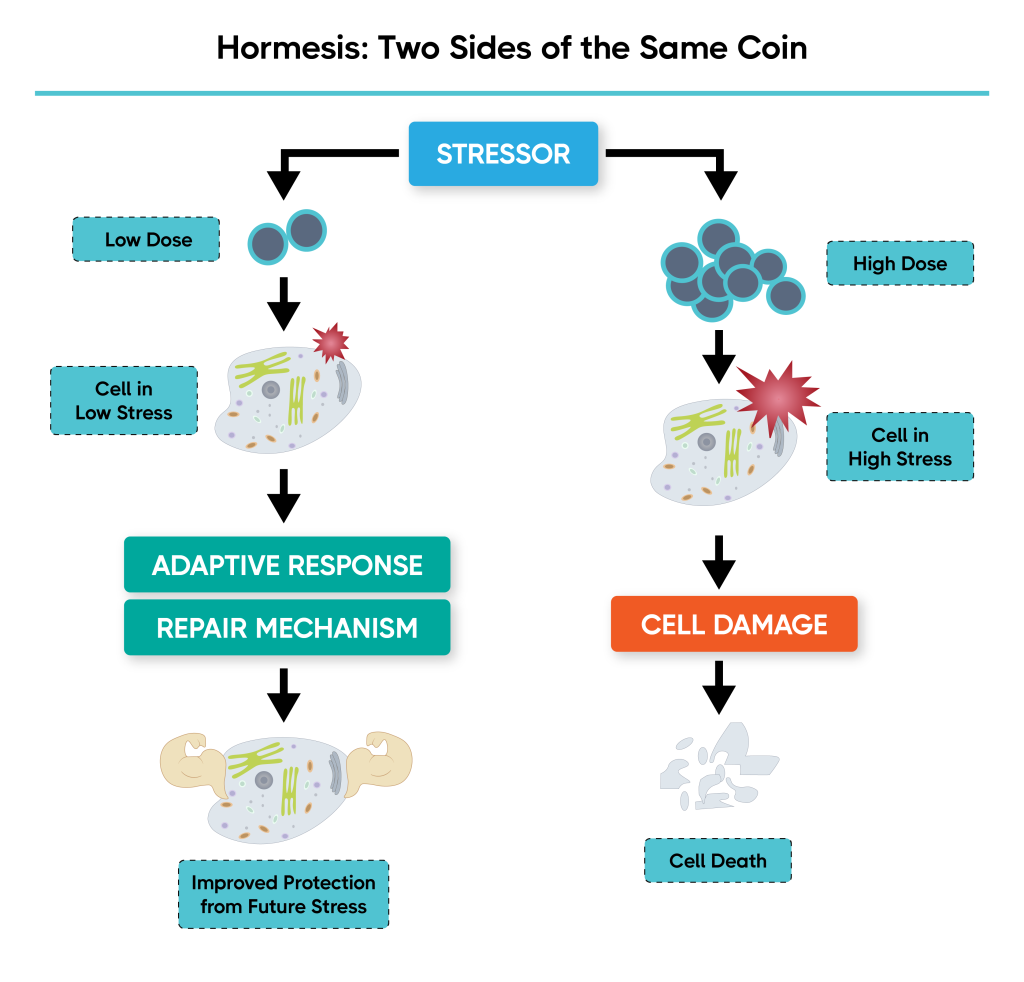
The health benefits of hormesis stem from the biological pathways that are activated in response to hormetic stressors. When the body encounters a low dose of stress, it triggers a cascade of molecular and cellular processes designed to repair damage, enhance resilience, and prepare the system for future challenges. 

The following mechanisms not only protect against immediate harm but also contribute to long-term improvements in health and longevity:

  • Activation of heat shock proteins (HSPs): One of the primary responses to hormetic stress is the activation of HSPs. These proteins are crucial in maintaining cellular function under stress. HSPs help refold damaged proteins, prevent the accumulation of misfolded proteins, and protect cells from apoptosis (programmed cell death). This process is activated by various stressors such as heat, exercise, and oxidative stress.
  • Upregulation of antioxidant defense systems: Hormetic stress can increase the production of endogenous antioxidants, which are crucial for neutralizing free radicals and preventing oxidative damage to cells. One key pathway involved in this process is the Nrf2 pathway, a transcription factor that regulates the expression of antioxidant and detoxifying enzymes. 

When activated by stressors such as fasting, exercise, or caloric restriction, Nrf2 promotes the production of antioxidants like glutathione, catalase, and superoxide dismutase, which protect cells from oxidative damage and support overall health.

  • Mitochondrial biogenesis and efficiency: Mitochondria, the cell’s energy powerhouses, are critical for producing ATP (adenosine triphosphate), the body’s energy currency. Hormetic stressors like exercise or intermittent fasting stimulate mitochondrial biogenesis, the process by which new mitochondria are produced. 

This leads to improved energy production, increased metabolic efficiency, and greater stress resistance. Over time, better mitochondrial function supports healthy aging and may protect against diseases linked to mitochondrial dysfunction, such as neurodegenerative disorders.

  • Autophagy and cellular repair: When exposed to hormetic stress, cells activate autophagy to remove damaged proteins, dysfunctional organelles, and other cellular debris. This process prevents the accumulation of cellular waste that can lead to disease and promotes the regeneration of new, healthy cells. 

Hormetic triggers like caloric restriction, exercise, and heat exposure are well-known to stimulate autophagy, contributing to longevity and disease prevention.

  • Hormonal adaptations: Hormesis can also activate hormonal pathways that improve the body’s response to stress. For example, short-term stressors can boost the production of adrenaline, noradrenaline, and growth hormone, which promote enhanced energy availability, fat metabolism, and muscle repair. 

Additionally, intermittent fasting and caloric restriction have been shown to increase levels of insulin sensitivity and reduce systemic inflammation, contributing to improved metabolic health.

Types Of Hormetic Stimuli

Hormesis can be triggered by various stressors, each of which engages the body’s adaptive mechanisms. These stimuli can be broadly categorized into chemical agents, physical stressors, and environmental conditions, all of which contribute to improving resilience and overall health.

Chemical Agents

Chemical agents that induce hormesis include a wide range of naturally occurring and synthetic compounds. When consumed or encountered in low doses, these chemicals activate detoxification pathways and other protective responses within the body. Some of the most well-known chemical agents that stimulate hormesis include:

  • Polyphenols and phytochemicals: Found in plant-based foods like fruits, vegetables, and herbs, compounds such as resveratrol (found in grapes) and sulforaphane (in broccoli) can activate antioxidant defenses, improve detoxification, and reduce inflammation. 

These chemicals stress cells just enough to enhance protective pathways, particularly through the activation of the Nrf2 pathway.

  • Toxins in low doses: Certain mild toxins, like those found in medicinal plants, can induce hormesis. For example, curcumin from turmeric and capsaicin from chili peppers have mild irritant effects that activate cellular defense mechanisms, which help fight off larger, more harmful challenges.
  • Pharmaceutical hormesis: Some medications at lower doses can promote beneficial effects. For example, low-dose aspirin is often used to reduce the risk of heart disease, as it exerts mild stress on platelets, reducing clot formation and inflammation.

Physical Stressors

Physical stressors play a significant role in inducing hormesis by challenging the body to adapt and strengthen. These stressors can enhance physical and metabolic resilience when applied in controlled settings. Examples of physical hormetic stimuli include:

  • Exercise: One of the most common and effective forms of hormesis, exercise induces temporary stress on muscles, the cardiovascular system, and metabolic pathways. This stimulates muscle repair, enhances mitochondrial function, and improves cardiovascular health.
  • Fasting and caloric restriction: Intermittent fasting and caloric restriction introduce metabolic stress by limiting the body’s usual energy supply. In response, the body activates pathways like autophagy, mitochondrial biogenesis, and improved insulin sensitivity, all of which contribute to better metabolic health and longevity.
  • Cold exposure: Cold therapy, such as ice baths or cold plunges, is a growing trend in the wellness world. Short bursts of cold exposure stress the body by activating heat shock proteins, improving circulation, and enhancing the body’s ability to regulate temperature. Over time, regular cold exposure may improve immune function and reduce inflammation.
  • Heat exposure: Heat exposure, such as through sauna use or hot baths, can trigger hormetic responses. Heat stress promotes the production of heat shock proteins, improves cardiovascular function, and increases metabolic rate. This type of stress has been linked to enhanced detoxification and longevity.

Environmental Conditions

Environmental factors can also act as hormetic stimuli, forcing the body to adapt to external stressors. While extreme environmental conditions can be harmful, moderate exposure to these factors in controlled amounts can promote resilience. Common environmental hormetic stressors include:

  • Radiation: Low doses of radiation, such as those encountered during specific medical scans or natural background radiation, can activate DNA repair mechanisms and increase cellular resistance to higher levels of radiation. Though high doses are dangerous, low-level exposure in certain settings may have protective effects.
  • Hypoxia (low oxygen): Mild hypoxia, or reduced oxygen availability, is another form of hormesis. Techniques like high-altitude training or brief periods of breath-holding stimulate the body to produce more red blood cells, enhance oxygen utilization, and improve endurance.
  • Hypergravity (increased gravity): In controlled environments like astronaut training, hypergravity exposure can induce hormetic responses by challenging the body’s musculoskeletal system. This leads to greater muscle strength, bone density, and cardiovascular efficiency.

Does Hormesis Affect Aging And Longevity?

Hormesis plays a critical role in promoting health benefits that directly impact aging and longevity. By engaging the body’s adaptive stress responses, hormetic stressors activate cellular pathways that repair damage, enhance resilience, and slow down age-related decline. 

These protective mechanisms help maintain health during aging and promote longevity by preventing the onset of chronic diseases commonly associated with aging, such as cardiovascular disease, neurodegeneration, and metabolic disorders.

One of the emerging therapies that align with hormetic principles is hyperbaric oxygen therapy (HBOT). HBOT involves exposing the body to higher-than-normal oxygen levels in a controlled environment. The increased oxygen acts as a mild stressor, prompting the body to enhance its repair mechanisms. 

Research suggests that HBOT can support anti-aging efforts by improving tissue repair, reducing inflammation, and promoting neuroplasticity, all of which may help reverse some of the hallmarks of aging.

The Role Of Beneficial Stress In Promoting Health

As we age, our bodies become less efficient at managing stress and repairing damage, leading to cellular dysfunction. Hormesis offers a solution by applying controlled, low-level stress that activates the body’s repair systems, slowing the aging process. 

Hormetic stressors, such as exercise and caloric restriction, stimulate key processes like autophagy and mitochondrial biogenesis, improving cellular repair and energy production. This reduces inflammation and oxidative stress, which are central to many age-related diseases. 

Additionally, hormesis activates longevity-related pathways, such as AMPK and sirtuins, which enhance metabolic efficiency and stress resistance, supporting a longer, healthier life.

The Dose-Response Relationship In Physical Activity

Physical activity is a well-established form of hormesis, but its benefits follow a dose-response curve. Moderate exercise, such as walking or resistance training, promotes cardiovascular health, strengthens muscles, improves insulin sensitivity, and reduces the risk of chronic diseases. It also releases myokines, proteins that combat inflammation and support longevity.

However, recovery is essential; excessive exercise without rest can lead to chronic inflammation, injury, and accelerated aging. High-intensity interval training (HIIT) is a prime example of hormetic exercise, offering metabolic and cardiovascular benefits in short bursts. 

Balanced exercise also triggers beneficial hormonal changes, such as increased growth hormone and improved insulin sensitivity, supporting healthy aging. Moderation is key to avoiding the negative effects of overtraining.

Therapeutic Implications Of Hormesis

Hormesis has significant therapeutic implications, influencing both drug development and non-pharmacological therapies. The concept of harnessing controlled stress to elicit protective biological responses has guided innovative treatments to enhance health, prevent disease, and promote longevity. 

Whether through pharmacological interventions or lifestyle modifications, hormetic principles are increasingly integrated into modern medical and therapeutic practices.

Hormesis In Drug Development And Pharmacology

In the field of drug development, hormesis is an important principle that guides the dosing of certain medications. Instead of adhering to a linear model – where a higher dose is presumed to have a stronger effect – many drugs are now understood to follow a biphasic dose-response curve, characteristic of hormesis. These drugs can activate beneficial responses at lower doses, while higher doses may result in toxicity or diminished effectiveness.

  • Low-dose therapy: In pharmacology, low-dose therapy is increasingly being explored for its hormetic benefits. For example, in cancer treatment, low doses of certain chemotherapy drugs or radiation are used to induce DNA repair mechanisms, which can help slow the progression of cancer without the harmful side effects associated with higher doses. 

This concept of using minimal effective doses is also applied in treatments for autoimmune diseases, where low doses of immune-modulating drugs are used to temper immune responses without causing widespread immune suppression.

  • Immunotherapy: Hormetic principles are applied in immunotherapy, particularly in cancer treatment, where low doses of immune-stimulating agents activate the body’s immune response against cancer cells. The hormetic activation of immune defenses helps to enhance the body’s natural ability to fight off tumors while minimizing the harmful side effects of more aggressive treatments.
  • Hormetic drugs for neuroprotection: In neuropharmacology, low-dose interventions are being explored to protect neurons from degeneration in conditions like Alzheimer’s and Parkinson’s diseases. These interventions involve compounds that trigger mild oxidative or mitochondrial stress to induce protective responses in the brain, potentially slowing down neurodegeneration and preserving cognitive function.

Hormetic Principles in Non-Pharmacological Therapies

Hormesis extends beyond pharmacology and plays a central role in non-pharmacological therapies. Many lifestyle interventions and therapeutic practices rely on hormetic principles to promote health, resilience, and longevity without the use of drugs. These therapies are particularly appealing because they leverage the body’s natural adaptive processes.

  • Cold therapy (cryotherapy): Cold exposure, whether through cold plunges, ice baths, or cryotherapy, is a popular non-pharmacological hormetic therapy. Cryotherapy stimulates heat shock proteins, improves circulation, and reduces inflammation by subjecting the body to short bursts of extreme cold. 

Regular cold exposure has been associated with increased immune function, enhanced recovery from exercise, and improved metabolic health.

  • Heat therapy (sauna): Sauna therapy is another example of using environmental stress for therapeutic benefits. Regular sauna use applies controlled heat stress to the body, promoting cardiovascular health, improving metabolic function, and increasing longevity. Heat exposure activates hormetic pathways like heat shock proteins and enhances detoxification processes through sweating.
  • Exercise as therapy: Physical exercise is perhaps the most accessible and widely used form of hormesis. Regular, moderate-intensity exercise activates numerous hormetic pathways, including mitochondrial biogenesis, autophagy, and antioxidant defense. 

In medical rehabilitation settings, exercise therapy treats cardiovascular disease, diabetes, and musculoskeletal disorders. The hormetic stress of exercise helps to strengthen muscles, improve insulin sensitivity, and enhance overall metabolic health.

  • Intermittent fasting and caloric restriction: Fasting and caloric restriction have been shown to activate hormetic responses by inducing metabolic stress. These dietary interventions trigger autophagy, improve insulin sensitivity, and promote mitochondrial function. 

Fasting is increasingly being used as a therapeutic intervention to manage metabolic diseases like type 2 diabetes and to promote longevity through enhanced cellular repair mechanisms.

  • Radiotherapy and low-dose radiation therapy: While high doses of radiation are harmful, low-dose radiation therapy is used therapeutically to stimulate the body’s natural repair mechanisms. This is particularly relevant in treating certain cancers, where low-dose radiation can activate protective responses in normal cells while targeting cancerous cells.

Integrating Hormesis Into A Holistic Wellness Strategy

Integrating hormesis into a holistic wellness strategy involves applying controlled, beneficial stressors to improve resilience, slow aging, and boost overall well-being. At RELATYV, we take a comprehensive approach by offering supplements and health diagnostics that align with these hormetic principles. 

Our products, such as Berberine X5, are designed to support metabolic health and longevity. Berberine activates key pathways like AMPK, which enhance energy metabolism, reduce inflammation, and improve mitochondrial function – factors essential for healthy aging.

We also offer advanced health diagnostics to complement our supplements, providing individuals with personalized insights into their body’s response to hormetic stressors. Our longevity testing panels and metabolic assessments measure important biomarkers like telomere length, mitochondrial efficiency, and inflammation levels.

These diagnostics allow users to tailor their wellness routines, ensuring the right balance of exercise, caloric intake, and supplementation for optimal health outcomes.

By combining personalized data with tailored supplements, RELATYV ensures that individuals can safely and effectively apply hormetic principles to enhance their quality of life, promote healthy aging, and achieve long-term well-being. This personalized, data-driven approach helps individuals harness the power of hormesis while avoiding overstimulation, resulting in a balanced and sustainable path to longevity.

Harness Your Stress As A Tool For Longevity

Hormesis highlights a fascinating paradox: stress, typically viewed as harmful, can actually become a powerful tool for enhancing health and promoting longevity when applied in controlled doses. 

By exposing the body to mild stressors – whether through exercise, fasting, cold exposure, or specific supplements – we can activate the body’s natural repair mechanisms, reduce inflammation, and enhance resilience to future challenges. 

This process not only helps slow down aging but also reduces the risk of chronic diseases like cardiovascular issues, neurodegeneration, and metabolic disorders.

The significance of hormesis for human health cannot be overstated. It taps into the body’s innate ability to adapt, heal, and grow stronger, which is essential for maintaining vitality over the long term. 

By adopting hormetic practices, such as regular physical activity, intermittent fasting, and mindful exposure to environmental stressors, individuals can improve their overall well-being, boost longevity, and unlock their full health potential.

As we continue to learn more about hormesis, it’s clear that incorporating these practices into our daily lives offers significant benefits. With RELATYV’s personalized supplements and health diagnostics, you can take a tailored approach to integrating hormetic stress into your wellness routine. 

By leveraging RELATYV’s tools and expertise, you can harness stress as a tool for living a longer, healthier life.


Relatyv - How Berberine Can Help: A Comprehensive Guide

How Berberine Can Help: A Comprehensive Guide

How Berberine Can Help: A Comprehensive Guide 923 611 Relatyv

Berberine, a naturally occurring compound, has garnered significant attention for its potential health benefits. Found in several plants and long utilized in traditional medicine, this powerful bioactive substance is now being studied for its wide range of therapeutic effects. The following guide will explore what berberine is, its origins, and why it’s considered a potent compound worth considering for supporting overall health.


What Is Berberine?

Berberine is an alkaloid, a type of naturally occurring compound produced by plants. It’s most commonly extracted from several plants, including Berberis vulgaris (barberry), Coptis chinensis (goldthread), and Hydrastis canadensis (goldenseal). These plants have been used in traditional Chinese and Ayurvedic medicine for thousands of years, often for treating infections, digestive disorders, and more.

On a chemical level, berberine’s structure is characterized by a yellow-colored isoquinoline alkaloid, which is responsible for many of its bioactive properties. The term “bioactive” refers to a substance’s ability to interact with living organisms and influence biological processes.

Berberine’s bioactive properties mean that it can affect how cells function and how the body’s metabolic systems operate. This is largely due to its unique chemical structure, which allows it to bind to and modulate various molecular targets within the body. These interactions can result in multiple effects, such as regulating blood sugar levels, supporting metabolic health, and promoting a healthy inflammatory response.


The Mechanism Of Action Of Berberine In The Body

Berberine exerts its effects on the body through several important mechanisms, with one of the most significant being its ability to activate AMP-activated protein kinase (AMPK). AMPK is often called the body’s “metabolic master switch.” This is because it plays a crucial role in regulating energy balance and metabolism at the cellular level.

When berberine activates AMPK, it initiates a cascade of metabolic processes that help the body use energy more efficiently. This activation improves insulin sensitivity, making cells more responsive to insulin, which is key for maintaining healthy blood sugar levels. As a result, berberine helps regulate blood sugar by enhancing the body’s ability to use glucose effectively and reducing the production of glucose in the liver.

Moreover, berberine’s activation of AMPK also influences energy production. By increasing the activity of AMPK, berberine encourages the body to switch from storing energy in the form of fat to burning it, which can contribute to overall metabolic health.

Additionally, berberine impacts other molecular pathways. It has been shown to reduce inflammation by modulating inflammatory pathways and influencing cholesterol metabolism, potentially helping to lower LDL (bad) cholesterol levels.


Benefits Of Taking Berberine

Berberine has been widely studied for its numerous health benefits, many of which are linked to its ability to regulate metabolic processes in the body. Below are some of the key benefits of berberine:


Lower Blood Sugar

One of berberine’s most well-researched benefits is its ability to reduce blood sugar levels. This effect is largely due to its activation of AMP-activated protein kinase (AMPK), which enhances insulin sensitivity and promotes glucose uptake by cells. By increasing the effectiveness of insulin, berberine helps the body maintain stable blood sugar levels. This makes it particularly beneficial for people with insulin resistance or type 2 diabetes.

Berberine also helps to reduce glucose production in the liver. This can help lower blood sugar levels as well. This dual action – improving how the body uses glucose while decreasing the amount of glucose the liver releases – makes berberine a powerful natural option for supporting healthy blood sugar levels.


Increase Gut Bacteria

Berberine helps support a healthy gut microbiome, which is important for overall well-being. The gut microbiome is made up of trillions of tiny organisms, including bacteria, that are crucial for digestion, immune health, and even mental wellness.

It has been shown that berberine can help improve gut bacteria by boosting the growth of good bacteria while helping to reduce the growth of harmful ones. This balancing effect helps maintain a healthy gut environment, improving digestion and enhancing nutrient absorption.

By increasing the population of beneficial bacteria, berberine may also support the integrity of the gut lining, reducing the risk of issues such as leaky gut syndrome. A well-balanced gut microbiome is also linked to better metabolic health, including improved weight management and reduced inflammation.

Additionally, berberine’s ability to modulate gut bacteria may have further-reaching effects, such as supporting the immune system and potentially influencing mood and cognitive function. This makes berberine a valuable supplement for those looking to enhance gut health and overall wellness.


Decrease Sugar Production In Liver

The liver is vital to maintaining blood sugar levels, particularly during fasting or between meals. However, too much glucose production in the liver can result in higher blood sugar levels, which is often a concern for those with type 2 diabetes and insulin resistance.

Berberine helps to mitigate this problem by inhibiting key enzymes involved in the gluconeogenesis process. By doing so, it reduces the amount of glucose the liver releases into the bloodstream. This action is particularly important for managing fasting blood sugar levels, which can be challenging to control in people with metabolic disorders.

Moreover, berberine’s ability to decrease hepatic glucose production works in tandem with its other effects, such as increasing insulin sensitivity and enhancing glucose uptake by cells. This multifaceted approach makes berberine an effective natural option for supporting healthy blood sugar levels and lowering the risk of potential complications associated with high blood sugar.


Lowers Cholesterol

Berberine has been shown to positively impact cholesterol levels, making it a valuable supplement for cardiovascular health. High levels of LDL cholesterol, which is known to be “bad” cholesterol, can cause plaque to accumulate in the arteries, raising the risk of heart disease and stroke. Berberine’s ability to lower cholesterol levels adds another layer of protection against these conditions.

One way berberine lowers cholesterol is by upregulating the expression of LDL receptors on liver cells. These receptors help remove LDL cholesterol from the bloodstream, reducing its overall levels. This process is similar to the mechanism by which statin drugs work, although berberine does so naturally and without some of the side effects associated with pharmaceuticals.

Berberine has also been found to reduce triglyceride levels, which is another form of fat in the blood that, when elevated, can contribute to cardiovascular risk. Furthermore, some studies suggest that berberine may also help increase HDL cholesterol, known as “good” cholesterol. This helps remove excess cholesterol from the body.


Reduces Risk Of Heart Disease

Berberine’s multifaceted effects on metabolic health extend to lowering the risk of heart disease, which is one of the leading causes of death globally. By addressing several key risk factors – such as high blood sugar, elevated cholesterol, and high blood pressure – berberine contributes to overall cardiovascular health.

One way berberine reduces heart disease risk is by improving lipid profiles. As discussed, it lowers LDL cholesterol and triglycerides while potentially increasing HDL cholesterol. This balancing act helps prevent plaque buildup in the arteries. Such plaque buildup can lead to atherosclerosis, a condition characterized by hardened and narrowed arteries that restrict blood flow to the heart.

Additionally, berberine’s ability to enhance insulin sensitivity and lower blood sugar levels also plays a crucial role in heart health. High blood sugar and insulin resistance are closely linked to the development of cardiovascular diseases, such as coronary artery disease. By keeping blood sugar in check, berberine helps reduce the strain on the heart as well as blood vessels.


Antioxidant And Anti-Inflammatory Effects

Berberine is well-regarded for its potent antioxidant and anti-inflammatory properties, both of which play an essential role in supporting overall health and preventing chronic diseases. Oxidative stress and persistent inflammation are key contributors to diabetes, cardiovascular disease, and even certain cancers. Berberine’s ability to counteract these processes makes it a valuable natural compound for promoting long-term health.

As an antioxidant, berberine helps neutralize free radicals – unstable molecules that can result in cellular damage if their levels become too high. This oxidative damage is a key contributor to aging and the development of various diseases. By reducing oxidative stress, berberine supports the health of cells, tissues, and organs, helping to slow down the aging process and protect against diseases linked to oxidative damage.

In addition to its antioxidant effects, berberine also exhibits strong anti-inflammatory properties. Chronic inflammation is a persistent, low-grade immune response that can lead to tissue damage over time. It’s associated with numerous health conditions, from heart disease and diabetes to arthritis and neurodegenerative disorders.

Berberine reduces inflammation by modulating key inflammatory pathways, including the inhibition of pro-inflammatory cytokines. This action helps lower the body’s overall inflammatory burden, reducing the risk of inflammation-related diseases.


Are There Precautions To Consider When Taking Berberine?

While berberine offers many potential health benefits, it’s essential to consider certain precautions before incorporating it into your routine. Like any supplement, berberine may not be suitable for everyone. For example, the following are specific situations where caution is warranted.

  • Pregnancy: Berberine is generally not recommended for use during pregnancy. Although there is limited research on the effects of berberine in pregnant women, some studies suggest that it can cross the placenta, potentially affecting fetal development. There is also concern that berberine might stimulate uterine contractions. This could increase the risk of complications during pregnancy.


  • Hypoglycemia: Although berberine can help lower blood sugar levels, this effect can pose a risk for individuals who are already prone to hypoglycemia. This condition is characterized by abnormally low blood sugar levels. If you are taking medications for diabetes or other conditions that lower blood sugar, combining them with berberine could potentially lead to hypoglycemia. Symptoms of hypoglycemia include dizziness, sweating, confusion, and, in severe cases, loss of consciousness.


Is Berberine Safe When Taken With Other Supplements?

Berberine is considered safe for most people as long as it is taken as directed. However, it’s vital to understand how it interacts with other supplements and any potential contraindications. Combining berberine with other supplements or medications can influence its effects, so being informed about these interactions is crucial for safe and effective use.


Side Effects

While berberine is well-tolerated by many, some individuals may experience side effects, particularly at higher doses. Common side effects include:

    • Digestive issues: Berberine may cause gastrointestinal discomfort, including constipation, diarrhea, gas, or cramping. These side effects are usually mild and can often be mitigated by beginning with a lower dose and gradually increasing it.
    • Low blood sugar: Because berberine helps to lower blood sugar levels, there is a potential risk of hypoglycemia, especially in individuals taking other blood sugar-lowering supplements or medications. As noted above, symptoms of hypoglycemia include dizziness, shakiness, sweating, and confusion.
    • Low blood pressure: Since berberine can reduce blood pressure, it may be a concern for those who already have low blood pressure or are using supplements or medications that lower blood pressure.


Interactions

When taking berberine in combination with other medications or supplements, you should be aware of potential interactions:

    • Blood sugar-lowering supplements: Berberine’s effects on blood sugar may be amplified when combined with other supplements that also lower blood sugar, such as chromium, alpha-lipoic acid, or bitter melon. This could increase the risk of hypoglycemia.
    • Blood pressure-lowering supplements: Similarly, combining berberine with supplements like garlic, hawthorn, or magnesium, which are known to lower blood pressure, might lead to excessive lowering of blood pressure, causing dizziness or fainting.
    • CYP3A4 Inhibitors: Berberine is metabolized by the liver enzyme CYP3A4. Supplements or medications that inhibit this enzyme, such as grapefruit, goldenseal, or certain medications, can increase the concentration of berberine in the blood, potentially leading to increased side effects.
    • Anticoagulant supplements: Berberine may also interact with blood-thinning supplements like fish oil, ginkgo biloba, or vitamin E, potentially increasing the risk of bleeding.


RELATYV Incorporates Berberine In Our Longevity Formula

We are committed to developing high-quality formulations that promote health, vitality, and longevity. The RELATYV product range is carefully crafted using the finest ingredients, with berberine playing a central role in several of our formulations. Known for its extensive health benefits, berberine is a key component in our approach to supporting metabolic health, cardiovascular function, and overall well-being. Through rigorous research and innovation, we have harnessed the power of berberine to help you live a healthier life.


Berberine X5

Among our flagship products is Berberine X5, a standout in RELATYV’s Longevity Formula. Berberine X5 is designed with a potent concentration of berberine, ensuring that you receive an effective dose with each serving. What sets Berberine X5 apart is its unique formulation that combines berberine with other synergistic ingredients to maximize its health benefits.

In Berberine X5, we have optimized the concentration of berberine to enhance its bioavailability, ensuring that your body can absorb and utilize it efficiently. This product is specifically formulated to support healthy blood sugar levels, improve insulin sensitivity, and promote cardiovascular health – all crucial aspects of longevity. Additionally, Berberine X5 includes complementary ingredients that work in harmony with berberine to further support metabolic health, reduce inflammation, and provide antioxidant protection.

By incorporating Berberine X5 into your daily routine, you are not just taking a supplement but investing in your long-term health and well-being. Our dedication to quality and efficacy means that every bottle of Berberine X5 is crafted with care, using only the best ingredients to help you achieve your health goals.


Discover The Power Of Berberine For Improved Overall Wellbeing

Incorporating berberine into your daily routine can be a powerful step toward enhancing your overall well-being. From supporting healthy blood sugar levels and cholesterol management to promoting a balanced gut microbiome and reducing the risk of heart disease, berberine offers many potential benefits backed by both traditional wisdom and modern science.

We recognize the incredible potential of berberine, which is why it is a cornerstone of our longevity-focused formulas. With products like Berberine X5, we bring you a high-quality, effective solution designed to help you live a healthier, longer life. By choosing RELATYV, you are not just choosing a supplement; you are choosing a partner in your journey toward optimal health and vitality.

Relatyv - How To Improve Mitochondrial Function

How To Improve Mitochondrial Function

How To Improve Mitochondrial Function 1920 1279 Relatyv

The search for longer life has been a constant pursuit throughout human history. From ancient medicines to modern technology, humans have always been fascinated with extending their lifespan. However, in recent years, the focus has shifted from simply living longer to improving the quality of life in our later years. While there are many factors linked to aging, one key factor that can significantly affect your overall health and well-being is the function of your mitochondria.

Mitochondria are tiny organelles (which are like mini-organs within our cells) that produce most of the energy needed for cellular functions. Additionally, mitochondria are important in regulating numerous cellular processes and maintaining overall health.

As you age, your mitochondrial function gradually declines. This can result in a decrease in energy production, as well as an increase in oxidative stress and inflammation within the body, both of which can contribute to age-related diseases and conditions. Therefore, finding ways to improve mitochondrial function can be key to promoting healthy aging.

Understanding Mitochondrial Function

Mitochondria are double-membraned organelles. They are found in most eukaryotic cells (cells with a nucleus and other membrane-bound organelles, as opposed to prokaryotic cells, which lack these structures) and are often referred to as the “powerhouse” of the cell because their primary function is to produce adenosine triphosphate (ATP).

ATP is the molecule that provides the energy needed for various cellular processes, including nerve impulses, muscle contraction, and protein synthesis. To produce ATP, mitochondria go through cellular respiration, which involves breaking down nutrients and utilizing oxygen to create energy. This process occurs within specialized structures in the mitochondria called cristae.

In addition to producing ATP, mitochondria have other functions essential for maintaining proper cellular function and overall health. These functions include:

  • Regulating calcium levels: Calcium is a mineral necessary for bone health, muscle contraction, nerve function, and more. Calcium also helps regulate the production of ATP in mitochondria and other metabolic processes. When calcium levels become too high, mitochondria can help remove excess calcium from the cell, preventing potential damage.
  • Generating heat: Mitochondria can generate heat, which is vital for regulating body temperature and metabolism. This process occurs in a specialized type of brown fat tissue called beige adipose tissue, which has a high concentration of mitochondria.
  • Triggering cell death: While it may seem counterintuitive, cell death (also known as apoptosis) is actually an essential part of maintaining healthy cellular function because it helps to eliminate damaged or dysfunctional cells that can be harmful to the body. Mitochondria assist in this process by releasing certain proteins that trigger cell death when necessary.

Emerging Research And Innovations In Mitochondrial Health

Over the years, researchers have become increasingly interested in understanding how mitochondrial health impacts aging and overall health. Numerous studies have linked declining mitochondrial function to age-related diseases and conditions, such as diabetes, Alzheimer’s disease, Parkinson’s disease, and cardiovascular disease. The following are a few recent studies that have shed light on this topic:

  • Mitochondrial Dysfunction and Oxidative Stress in Alzheimer’s Disease: This study, published in Frontiers in Aging Neuroscience, highlights how mitochondrial dysfunction is a key feature of many neurodegenerative diseases, such as Alzheimer’s. This dysfunction leads to an overproduction of reactive oxygen species (ROS). The overproduction of ROS causes oxidative damage to cellular components, including lipids, proteins, and DNA. This cascade of damage further exacerbates mitochondrial dysfunction, creating a vicious cycle that accelerates neuronal damage and death. The study proposes that targeting mitochondrial function could be a promising therapeutic strategy for Alzheimer’s. Approaches that reduce ROS levels, such as antioxidant therapies, dietary interventions, and exercise, may protect neuronal mitochondria from oxidative damage and slow the progression of Alzheimer’s.
  • NAD+ Metabolism and Aging: A 2020 study published in Nature highlights the critical role of NAD+ in cellular energy production and metabolic processes. As organisms age, NAD+ levels naturally decline, which is linked with numerous age-related diseases, such as neurodegenerative diseases, metabolic disorders, and cardiovascular conditions. The study underscores that this decline in NAD+ significantly impacts mitochondrial function, leading to reduced cellular energy production and increased oxidative stress. Researchers have found that supplementing with NAD+ precursors, such as nicotinamide mononucleotide (NMN) and nicotinamide riboside (NR), can effectively boost NAD+ levels. These supplements have shown promising results in preclinical models by improving mitochondrial function, enhancing physical performance, and potentially extending lifespan.
  • Mitochondrial Transfer As Therapy: In a study published on BioMed Central (BMC), researchers explored the potential of mitochondrial transfer as a therapeutic strategy for age-related diseases. Mitochondrial transfer involves injecting healthy mitochondria into cells with dysfunctional mitochondria, potentially restoring their function and improving cellular health. The study found that this strategy may hold promise for treating neurodegenerative diseases and other chronic conditions associated with aging.

These studies are examples of recent research highlighting the importance of mitochondrial health for healthy aging. As this area of study continues to evolve, we will likely see more innovative approaches and interventions aimed at improving mitochondrial function and promoting healthy aging.

Does Aging Affect Proper Mitochondrial Function?

As mentioned earlier, mitochondrial function gradually declines with age. This decline can significantly impact the aging process and overall health. Here are some ways in which aging may affect proper mitochondrial function:

  • Decreased energy production: As mitochondria become less efficient with age, they produce less ATP. This can lead to fatigue, decreased physical performance, and reduced ability to withstand stressors.
  • Increased oxidative stress: Mitochondria help regulate oxidative stress within cells. As their function declines, there is an increase in ROS production, leading to cellular damage and potentially contributing to age-related diseases such as cancer.
  • Impaired cellular communication: Mitochondria play a critical role in cellular communication through the release of signaling molecules. As they age, their ability to communicate effectively with other cells may be impaired, affecting many different physiological processes, such as tissue repair and immune function.
  • Inefficient waste removal: As mitochondria age, their ability to remove waste products from cells decreases. This can result in toxin buildup and molecule damage that can contribute to cellular dysfunction and aging.
  • Decreased mitophagy: Mitophagy is a process in which mitochondria that are either dysfunctional or damaged are removed from the cell and replaced with new ones. This process becomes less efficient with age, leading to a buildup of damaged mitochondria that can contribute to aging and disease.

Overall, proper mitochondrial function is crucial for promoting healthy aging. Therefore, taking proactive steps to support and improve mitochondrial health should be essential to any anti-aging strategy.

Mitochondrial Dysfunction As A Central Hub For Other Aging Hallmarks

When it comes to discussing aging, it’s important to differentiate between “chronological” age and “biological” age. Whereas chronological age refers to how many years you have been alive, your biological age reflects the health and functioning of your cells. Many scientists believe that biological aging is closely linked to mitochondrial function, as mitochondria are responsible for maintaining cellular health and regulating many processes associated with aging.

The following are some aging hallmarks that have been linked to mitochondrial dysfunction:

Genomic Instability

Genomic instability refers to a state in which the genetic material within a cell undergoes frequent alterations, leading to changes in the DNA sequence. These alterations can include mutations, rearrangements, duplications, deletions, or other structural changes in the DNA.
Genomic instability can result in the accumulation of mutations that drive the uncontrolled growth of cells. As a result, it’s often the hallmark of cancer. Genomic instability can also have broader implications, contributing to aging, neurodegenerative diseases, and other disorders.

Mitochondrial dysfunction can contribute to genomic instability in the following ways:

  • Increase ROS levels: Mitochondrial dysfunction increases ROS levels, which can damage DNA, proteins, and lipids, leading to genomic instability.
  • Reduce ATP production: Low ATP production due to mitochondrial dysfunction impairs a cell’s ability to repair DNA damage, further promoting genomic instability.
  • Cause ROS damage: Mitochondrial DNA (mtDNA) mutations resulting from ROS damage can exacerbate genomic instability.
  • Impair apoptosis: Dysfunctional mitochondria may impair apoptosis, allowing cells with damaged DNA to survive and proliferate, contributing to genomic instability.

Telomere Attrition

Telomere attrition refers to the process in which telomeres, which are repetitive DNA sequences located at the ends of chromosomes, slowly shorten over time. Telomeres protect the coding regions of chromosomes from degradation and fusion with neighboring chromosomes during cell division.

Each time a cell divides, its telomeres become slightly shorter due to the incomplete replication of the DNA lagging strand. This shortening process continues with each cell division, and eventually, when telomeres become critically short, the cell reaches a state known as replicative senescence or undergoes apoptosis (cell death).

Telomere attrition is a natural part of the aging process and is associated with numerous age-related diseases. It can also occur prematurely as a result of mitochondrial dysfunction. Mitochondrial dysfunction can contribute to telomere attrition through several mechanisms:

  • Increased oxidative stress: Dysfunction in mitochondria can lead to increased production of ROS, which are known to cause damage to DNA, including telomeric DNA. Elevated oxidative stress accelerates the rate of telomere shortening, contributing to telomere attrition.
  • Impaired DNA repair: Dysfunction in mitochondria can impair DNA repair mechanisms, including those involved in maintaining telomere integrity. Reduced efficiency in DNA repair can lead to an accumulation of DNA damage at telomeres, accelerating their attrition.
  • Energy imbalance: Mitochondrial dysfunction can lead to energy imbalance within the cell, resulting in insufficient ATP levels. Reduced ATP availability compromises the function of enzymes involved in telomere maintenance, leading to accelerated telomere shortening.
  • Indirect effects on telomere maintenance machinery: Mitochondrial dysfunction can indirectly affect telomere maintenance machinery by influencing cellular signaling pathways involved in telomere regulation. For example, dysfunctional mitochondria can alter the expression of genes involved in telomere length regulation or affect the activity of telomerase, the enzyme responsible for telomere elongation.

Epigenetic Alterations

Epigenetic alterations are changes in gene expression patterns not caused by changes in the underlying DNA sequence itself. Instead, these alterations involve modifications to the DNA structure or associated proteins, such as histones, which can affect how genes are turned on or off. Epigenetic alterations can result in various disorders, including cancer. Mitochondrial dysfunction can contribute to epigenetic alterations in the following ways:

  • Increased ROS production: ROS can induce epigenetic modifications by causing DNA damage and altering the activity of enzymes involved in DNA methylation and histone modification. For example, ROS can inhibit DNA methyltransferases, which are enzymes responsible for adding methyl groups to DNA, leading to changes in DNA methylation patterns.
  • Altered metabolism: Mitochondrial dysfunction affects cellular metabolism, including the availability of metabolites involved in epigenetic regulation. Metabolites such as acetyl-CoA, α-ketoglutarate, and S-adenosylmethionine (SAM) serve as cofactors for enzymes that regulate histone acetylation, histone methylation, and DNA methylation. Changes in mitochondrial metabolism can alter the levels of these metabolites, leading to dysregulation of epigenetic processes.
  • Release of mitochondrial components: Under conditions of mitochondrial dysfunction, mitochondrial components such as mtDNA, mitochondrial transcription factors, and mitochondrial-derived peptides can be released into the cytoplasm and extracellular space. These mitochondrial components can activate immune responses and inflammatory pathways, which can influence epigenetic modifications through various signaling pathways.
  • Mitochondrial-nuclear communication: Mitochondria communicate with the cell nucleus through signaling pathways, such as the mitochondrial unfolded protein response (UPRmt) and mitochondrial retrograde signaling. Dysfunctional mitochondria can activate these signaling pathways, leading to changes in nuclear gene expression and epigenetic regulation.

Loss Of Proteostasis

Loss of proteostasis refers to the inability of cells to maintain proper protein folding, assembly, and degradation. Protein folding, assembly, and degradation are essential processes that ensure the correct structure and function of proteins within cells. Proteins are long chains of amino acids that need to be folded into specific shapes to carry out their designated functions. Improper protein folding or assembly can result in dysfunctional proteins that may not work correctly or may even be harmful to the cell.

Proteostasis is crucial for normal cellular function because proteins must be correctly folded to perform their intended roles within the cell. Loss of proteostasis is a strong sign of aging and is associated with age-related diseases, such as neurodegenerative disorders like Alzheimer’s and Parkinson’s disease. Mitochondrial dysfunction can contribute to loss of proteostasis through:

  • Increased oxidative stress: Higher levels of ROS can damage proteins and interfere with their folding and stability. Oxidative stress disrupts cellular protein homeostasis by promoting protein misfolding and aggregation.
  • Impaired protein quality control: Mitochondria play a role in protein quality control through the ubiquitin-proteasome system (UPS) and autophagy-lysosome pathway. Dysfunction in mitochondria can impair these protein degradation pathways, leading to the accumulation of misfolded or damaged proteins within the cell.
  • Mitochondrial protein misfolding: Mitochondrial dysfunction can lead to the misfolding of mitochondrial proteins, which are essential for cellular energy production and other cellular processes. Misfolded mitochondrial proteins can overload the cellular protein quality control mechanisms, further contributing to proteostasis imbalance.
  • Disrupted cellular signaling: Altered signaling can affect the expression and activity of proteins involved in proteostasis, leading to imbalance.

Disabled Macroautophagy

Disabled macroautophagy, often simply referred to as impaired autophagy, is a condition where the process of macroautophagy, a key mechanism for cellular waste disposal, is not functioning correctly. Macroautophagy is responsible for engulfing and degrading damaged or dysfunctional cellular components, including organelles like mitochondria, to maintain cellular health and homeostasis.

When the body’s cells are unable to perform autophagy, it can result in the accumulation of damaged or dysfunctional cellular components, the presence of which can lead to the development of cancer as well as various metabolic and neurological disorders. Mitochondrial dysfunction can lead to disabled macroautophagy in several ways:

  • Mitophagy defects: Mitophagy is a specialized form of macroautophagy that specifically targets damaged or unwanted mitochondria for degradation. Mitochondrial dysfunction can impair the process of mitophagy, leading to the accumulation of dysfunctional mitochondria. This can further compromise cellular function and contribute to various neurodegenerative and metabolic disorders.
  • Interference with autophagic machinery: Mitochondrial dysfunction can interfere with the proper functioning of the cellular machinery involved in macroautophagy. This can include defects in the formation of autophagosomes, the vesicles responsible for engulfing cellular cargo destined for degradation, or defects in the fusion of autophagosomes with lysosomes, where the cargo is broken down. Without efficient macroautophagy, cellular waste, including dysfunctional mitochondria, can accumulate, leading to cellular dysfunction and disease.
  • Altered signaling pathways: Dysfunctional mitochondria can release signaling molecules or undergo structural changes that affect the cellular signaling pathways, leading to impaired macroautophagy. Conversely, impaired macroautophagy can also exacerbate mitochondrial dysfunction, creating a vicious cycle of cellular damage and dysfunction.

Deregulated Nutrient Sensing

Nutrient sensing refers to the body’s ability to sense and respond to changes in nutrient levels. This process becomes less efficient with age, leading to an imbalance in nutrient utilization. Deregulated nutrient sensing can potentially lead to numerous chronic diseases like obesity and type 2 diabetes. Mitochondrial dysfunction can contribute to deregulated nutrient sensing by causing the following:

  • Energy imbalance: When mitochondria are dysfunctional, ATP production is compromised, leading to cellular energy imbalance. This imbalance can trigger nutrient-sensing pathways, such as the AMP-activated protein kinase (AMPK) pathway, which senses low energy levels and activates processes to restore energy balance.
  • Altered metabolism: Mitochondria play a central role in cellular metabolism, including the metabolism of glucose, fatty acids, and amino acids. Dysfunctional mitochondria can alter cellular metabolism, leading to changes in nutrient availability and utilization. These changes can activate nutrient-sensing pathways, such as the mTOR (mechanistic target of rapamycin) pathway, which integrates nutrient signals to regulate cell growth and metabolism.
  • Mitochondrial-derived signals: Dysfunctional mitochondria can alter the production and release of signaling molecules, such as ROS and metabolites, leading to aberrant activation or inhibition of nutrient-sensing pathways.
  • Cellular stress response: Mitochondrial dysfunction can induce cellular stress responses. These responses include the unfolded protein response (UPR) and the integrated stress response (ISR), which can influence nutrient-sensing pathways. These stress responses can modulate the activity of nutrient-sensing kinases and transcription factors, leading to deregulated nutrient sensing.

Cellular Senescence

Cellular senescence occurs when cells stop dividing and become metabolically active, but they don’t die. Instead, senescent cells undergo significant changes in their gene expression patterns and secrete various factors collectively known as the senescence-associated secretory phenotype (SASP).

Senescent cells play essential roles in tissue repair, wound healing, and tumor suppression. However, they can also contribute to aging and age-related diseases when they accumulate in tissues. Mitochondrial dysfunction can contribute to cellular senescence through several mechanisms:

  • Increased ROS production: High levels of ROS can cause damage to cellular DNA, proteins, and lipids. Such damage can induce cellular senescence by activating DNA damage response pathways, such as the p53-p21 and p16-Rb pathways, which halt cell cycle progression and initiate senescence.
  • mtDNA damage: Accumulation of mtDNA mutations and damage can lead to mitochondrial dysfunction and cellular senescence. Additionally, mtDNA damage can activate cytoplasmic DNA sensing pathways. This can lead to the production of pro-inflammatory cytokines and SASP factors that promote senescence.
  • Impaired mitochondrial quality control: Accumulation of dysfunctional mitochondria can trigger cellular stress responses, such as the UPRmt, which can induce cellular senescence.
  • Altered metabolism: Mitochondrial dysfunction can lead to metabolic changes that promote cellular senescence. For example, changes in mitochondrial metabolism can alter the production of metabolites involved in epigenetic regulation, which can influence gene expression patterns associated with senescence.

Stem Cell Exhaustion

Stem cell exhaustion is the decline in the regenerative capacity of stem cells over time, leading to reduced tissue repair and regeneration. Stem cells can self-renew as well as differentiate into different cell types. This makes stem cells crucial for maintaining tissue homeostasis and repairing damaged tissues. Mitochondrial dysfunction can contribute to stem cell exhaustion through the following mechanisms:

  • Energy deficiency: Stem cells require a high level of energy to maintain their self-renewal and differentiation capacities. Dysfunctional mitochondria may produce less ATP, leading to energy deficiency in stem cells. This can impair their ability to proliferate and differentiate, contributing to stem cell exhaustion.
  • Increased oxidative stress: Excessive ROS can impair the function of stem cells and promote their senescence or apoptosis, leading to stem cell exhaustion.
  • mtDNA damage: The accumulation of mtDNA mutations and damage can impair mitochondrial function and compromise the regenerative capacity of stem cells. Additionally, mtDNA damage can trigger cellular stress responses that inhibit stem cell proliferation and differentiation, contributing to stem cell exhaustion.
  • Altered metabolism: Changes in mitochondrial metabolism can alter the availability of metabolites and signaling molecules that regulate stem cell fate decisions, such as proliferation, differentiation, and self-renewal. Dysregulated metabolism can impair the regenerative capacity of stem cells and contribute to stem cell exhaustion.

Altered Intercellular Communication

Intercellular communication refers to the exchange of signals between cells that allows for proper functioning and coordination within tissues and organs. Altered intercellular communication occurs when there are disruptions in the signaling pathways that enable cells to communicate with each other. These communication pathways are crucial for coordinating cellular activities, maintaining tissue homeostasis, and responding to environmental cues. In addition, when cell communication breaks down, it can lead to uncontrolled cell growth, which can then lead to cancer. Mitochondrial dysfunction can cause altered intercellular communication in the following ways:

  • Release of signaling molecules: Dysfunctional mitochondria may produce higher levels of ROS or release abnormal levels of signaling molecules, disrupting signaling pathways and altering communication between cells.
  • Induction of inflammatory responses: Dysfunctional mitochondria release damage-associated molecular patterns (DAMPs) and mtDNA, which can activate immune cells and induce inflammation. Chronic inflammation can disrupt intercellular communication and contribute to the development of various diseases.
  • Impaired secretory pathways: Mitochondrial dysfunction can affect cellular secretory pathways, including the endoplasmic reticulum (ER) and Golgi apparatus, which are responsible for packaging and releasing signaling molecules. Disruption of these secretory pathways can impair the release of signaling molecules and affect intercellular communication.
  • Altered metabolic signaling: Mitochondrial dysfunction can cause metabolic changes that influence intercellular communication. Changes in mitochondrial metabolism can alter the production of metabolites and signaling molecules that regulate cellular responses and affect communication between cells.

Chronic Inflammation

Chronic inflammation is a sustained and prolonged immune response that persists over time, often without resolution. Although acute inflammation is the body’s normal response to injury or infection, chronic inflammation can occur when the immune system cannot eliminate the initial trigger or when there is persistent low-grade stimulation of the immune system. Chronic inflammation is linked to countless diseases, including cardiovascular diseases, autoimmune diseases, and more. The following are a few ways that mitochondrial dysfunction can contribute to chronic inflammation:

  • Increased ROS production: Excessive ROS production can lead to oxidative stress, which can trigger inflammation by activating transcription factors like inflammasomes and nuclear factor kappa B (NF-κB).
  • Release of DAMPs: Mitochondria contain mtDNA and proteins that can be released into the cytoplasm or extracellular space when mitochondria are damaged. These mitochondrial components act as DAMPs and can activate immune cells and induce inflammation. Additionally, mitochondrial DAMPs can stimulate toll-like receptors (TLRs) and other pattern recognition receptors (PRRs), triggering inflammatory responses.
  • Dysregulated immune responses: Dysfunctional mitochondria can alter the function of macrophages, dendritic cells, and T cells, leading to dysregulated immune responses and chronic inflammation.
  • Altered metabolism: Changes in mitochondrial metabolism can affect the production of metabolites and signaling molecules involved in immune regulation, leading to dysregulated immune responses and chronic inflammation.

Dysbiosis

Dysbiosis is an imbalance in the body’s microbial communities, particularly in the gut microbiota.
There are trillions of microorganisms in the gut microbiota, including fungi, bacteria, and archaea, all of which are critical to digestion, immune function, and metabolism. Dysbiosis can disrupt the balance of the gut microbiota, leading to adverse effects on health, including gastrointestinal disorders, metabolic disorders, and more. The following are some ways in which mitochondrial dysfunction can contribute to dysbiosis:

  • Altered intestinal permeability: Mitochondrial dysfunction can lead to increased oxidative stress and inflammation in the gastrointestinal tract. This can disrupt the integrity of the intestinal barrier, leading to increased permeability or “leaky gut.” A leaky gut allows harmful substances, such as bacterial toxins and undigested food particles, to enter the bloodstream and trigger immune responses, contributing to dysbiosis.
  • Changes in host metabolism: Mitochondrial dysfunction can lead to metabolic changes that affect nutrient availability and utilization. Altered host metabolism can build a gut environment that favors the growth of certain microbial species over others, leading to dysbiosis.
  • Impaired immune regulation: Dysfunctional mitochondria can alter the function of immune cells in the gut, such as macrophages, dendritic cells, and intestinal epithelial cells, leading to impaired immune regulation and inflammation. Chronic inflammation in the gut can lead to dysbiosis by disrupting the balance of the gut microbiota.
  • Release of mitochondrial-derived molecules: Dysfunctional mitochondria can release mitochondrial-derived molecules, such as ROS and mtDNA, into the gut environment. These molecules can interact with the gut microbiota and alter microbial composition and function, leading to dysbiosis.

Signs And Symptoms Of Mitochondrial Dysfunction

Mitochondrial dysfunction can lead to countless issues, as evidenced by its role in various diseases. As a result, several signs and symptoms may indicate mitochondrial dysfunction. These signs can vary based on the severity of the dysfunction and which cells and tissues are affected.

Common Symptoms

The following are common symptoms that may indicate mitochondrial dysfunction:

  • Fatigue: Because the mitochondria cannot produce enough ATP when dysfunctional, it can lead to feelings of fatigue and lack of energy.
  • Muscle weakness: Mitochondrial dysfunction can affect the muscles’ ability to contract and relax, leading to muscle weakness. More specifically, mitochondrial myopathies are a group of disorders caused by dysfunctional mitochondria in muscle cells and can cause weakness, exercise intolerance, and other symptoms.
  • Neurological issues: Mitochondria play a crucial role in the brain’s function, and their dysfunction has been linked to various neurological disorders. Symptoms may include headaches, migraines, seizures, and cognitive impairment.

Diagnosing Mitochondrial Dysfunction

Diagnosing mitochondrial dysfunction can be a challenge because it can present symptoms that can easily be attributed to other conditions. Some medical tests and evaluations that may be used to diagnose mitochondrial dysfunction include:

  • Genetic testing: In some cases, mitochondrial dysfunction is caused by inherited genetic mutations. Genetic testing will help identify these mutations to help diagnose mitochondrial disorders.
  • Blood tests: Blood tests are used to measure levels of lactate, pyruvate, and other markers that may indicate mitochondrial dysfunction.
  • Muscle biopsy: A muscle biopsy is used to examine the structure and function of mitochondria in muscle cells.
  • MRI or CT scans: These imaging tests can reveal abnormalities in brain structure or function that may point to mitochondrial dysfunction.

Factors Accelerating Mitochondrial Dysfunction

Although mitochondrial dysfunction does occur naturally as the body ages, several factors can accelerate this process and worsen mitochondrial health. These include:

Dietary Lifestyle

Your diet plays a substantial role in the health of your mitochondria. A diet that is too high in unhealthy fats, added sugars, and processed foods can increase oxidative stress and inflammation, resulting in mitochondrial dysfunction. On the other hand, a nutrient-dense diet rich in antioxidants and healthy fats can support mitochondrial function. The following are a few specific ways in which dietary habits can accelerate mitochondrial dysfunction:

  • High sugar intake: A diet that consists of too much sugar (such as high-fructose corn syrup and refined sugars) can result in insulin resistance and increase oxidative stress in cells, potentially damaging mitochondria.
  • High-fat diet: While some fats are essential for cell function, excessive intake of unhealthy fats, such as saturated and trans fats, can cause inflammation and impair mitochondrial function.
  • Processed foods: Processed foods are full of preservatives, additives, and various artificial ingredients that may contribute to mitochondrial dysfunction through increased oxidative stress and inflammation.
  • Nutrient deficiencies: A diet that lacks essential nutrients such as vitamins (e.g., B vitamins, vitamin C, vitamin E) and minerals (e.g. magnesium, zinc) can impair mitochondrial function since these nutrients are required for energy production and antioxidant defense mechanisms.
  • Excessive caloric intake: Overeating, especially in the context of a diet high in unhealthy foods, can lead to mitochondrial dysfunction due to increased oxidative stress and mitochondrial overload.
  • Poor quality protein: Low-quality protein sources, such as processed meats or those high in saturated fats, can contribute to inflammation and oxidative stress, potentially harming mitochondrial function.
  • Lack of antioxidants: Antioxidants help neutralize free radicals and reduce oxidative stress, protecting mitochondria from damage. A diet low in antioxidant-rich fruits, vegetables, and other plant-based foods may increase the risk of mitochondrial dysfunction.
  • Alcohol consumption: Excessive alcohol consumption can disrupt mitochondrial function by increasing oxidative stress and impairing mitochondrial DNA replication and repair processes.
  • Toxins and contaminants: Certain contaminants present in food, such as heavy metals, pesticides, and environmental pollutants can accumulate in the body over time and negatively impact mitochondrial function.

Physical Wellbeing

Physical well-being encompasses various aspects of health, including fitness, strength, flexibility, and endurance. It plays a significant role in your overall health and can influence mitochondrial function in several ways:

  • Exercise: Regular physical activity is essential for maintaining mitochondrial health. Exercise stimulates mitochondrial biogenesis, the process of creating new mitochondria, which enhances cellular energy production and improves mitochondrial function. Both aerobic exercise (e.g., running, swimming, cycling) and resistance training (e.g., weightlifting, bodyweight exercises) have been shown to promote mitochondrial health.
  • Cardiorespiratory fitness: Improving cardiorespiratory fitness through aerobic exercise enhances mitochondrial function by increasing oxygen utilization and improving the efficiency of mitochondrial energy production.
  • Muscle strength and endurance: Resistance training improves muscle strength and endurance, which can benefit mitochondrial function by increasing muscle mass and enhancing energy metabolism.
  • Flexibility and mobility: Activities that promote flexibility and mobility, such as yoga and stretching exercises, help support your physical well-being by reducing the risk of injury and enhancing muscle function, which indirectly contributes to mitochondrial health.
  • Rest and recovery: Proper rest and recovery allow your muscles and mitochondria to repair and adapt to the demands of physical activity. Insufficient rest can lead to overtraining, negatively impacting mitochondrial function and overall physical well-being.
  • Nutrition: Proper nutrition is crucial for supporting physical well-being and optimizing mitochondrial function. A balanced diet rich in protein, carbohydrates, healthy fats, vitamins, and minerals provides the necessary fuel for energy production and supports muscle repair and recovery.
  • Hydration: Staying hydrated is vital for maintaining optimal physical performance and supporting mitochondrial function. Water is essential for cellular hydration and plays a role in various metabolic processes, including energy production.
  • Stress management: Chronic stress can negatively affect your physical well-being and mitochondrial function by increasing inflammation and oxidative stress. Implementing stress management techniques such as mindfulness, meditation, and relaxation exercises can help you manage your stress and support your overall health.

Environmental Influences

Exposure to certain environmental influences can have a negative impact on mitochondrial function and your overall health. The following are a few specific ways that various environmental factors can affect mitochondria:

  • Air quality: Exposure to air pollution, such as particulate matter, nitrogen oxides, and volatile organic compounds, can result in oxidative stress and inflammation, leading to mitochondrial dysfunction and associated health problems.
  • Radiation: Ionizing radiation from sources such as X-rays, gamma rays, and radioactive materials can damage mitochondrial DNA and impair mitochondrial function, potentially increasing the risk of cancer, neurodegenerative disorders, and other diseases.
  • Chemical exposures: Exposure to environmental toxins and chemicals, including pesticides, heavy metals (e.g., lead, mercury), industrial pollutants, and endocrine-disrupting chemicals, can disrupt mitochondrial function and contribute to various metabolic disorders, neurological conditions, and reproductive problems.
  • Temperature extremes: Exposure to extreme heat or cold can stress the body’s energy metabolism and affect mitochondrial function. Heat stress, in particular, can lead to oxidative damage and impair mitochondrial respiration.
  • Noise pollution: Chronic exposure to high levels of noise pollution has been associated with increased oxidative stress and mitochondrial dysfunction, potentially contributing to cardiovascular diseases, sleep disturbances, and other health problems.

Strategies To Enhance Mitochondrial Function And Promote Longevity

Although there are many different factors, including lifestyle choices, environmental influences, and genetic predispositions, that can impact mitochondrial function and contribute to the development of diseases, there are a few things you can do to support mitochondrial health and promote longevity:

Exercise Regularly

Regular exercise, including aerobic and resistance training, can help stimulate the creation of new mitochondria in your cells. This process, known as mitochondrial biogenesis, enhances cellular energy production and supports mitochondrial function. Each type of exercise has different benefits for mitochondrial health. Aerobic exercise improves cardiorespiratory fitness and oxygen utilization, while resistance training promotes muscle strength and endurance.

The American Heart Association recommends a minimum of 150 minutes of moderate physical activity every week to maintain cardiovascular health. This amount of exercise has also been shown to improve mitochondrial function.

Eat A Longevity-Boosting Diet

A healthy diet goes a long way when it comes to enhancing your mitochondrial function. A diet consisting of plenty of nuts, vegetables, fruits, and seeds will help provide the essential nutrients required for mitochondrial function. Antioxidants help neutralize free radicals as well as limit oxidative stress, while healthy fats (such as omega-3s) can improve mitochondrial membrane fluidity. B vitamins and CoQ10 are also crucial for energy production within mitochondria.

Additionally, protein is necessary for muscle maintenance and repair, which indirectly supports mitochondrial health. Your diet should include diverse protein sources, such as fish, lean meats, legumes, eggs, and dairy products.

Prioritize Quality Sleep

The body repairs and regenerates your cells (including mitochondria) while you sleep. Therefore, getting quality sleep is essential for maintaining mitochondrial health and promoting longevity. Some tips to improve sleep quality include:

  • Establishing a consistent bedtime routine
  • Creating a comfortable sleeping environment
  • Limiting screen time before bed
  • Avoiding caffeine or alcohol close to bedtime

Manage Stress

Finding ways to reduce chronic stress levels helps decrease inflammation and oxidative stress in the body, which can support mitochondrial health and overall well-being. Finding healthy outlets for managing your stress, such as exercise, hobbies, or spending time in nature, can also help reduce chronic stress levels and support mitochondrial function.

Consider Supplements

Supplementation with certain antioxidants has shown potential benefits for supporting mitochondrial health. The following supplements have been studied for their effects on mitochondrial function:

  • CoQ10: Helps produce energy within mitochondria and has antioxidant properties.
  • Alpha-lipoic acid: Supports cellular energy production and may improve mitochondrial function in certain conditions.
  • Resveratrol: A polyphenol found in foods like grapes, red wine, and berries, which has been shown to enhance mitochondrial biogenesis.

Be sure to speak with a healthcare provider before you begin using any supplements, as they may interact with medications or have other contraindications. A healthcare professional can also help determine the appropriate dosages for individual needs.

How Longevity Testing Can Identify Ways to Supplement Mitochondrial Health

Cellular health is crucial for maintaining your overall well-being, and one of the key factors in maintaining your cellular health is mitochondrial function. At RELATYV, we offer various services, treatments, and supplements designed to support mitochondrial health and promote longevity. One specific service we offer is longevity testing.

Longevity testing involves analyzing various biomarkers that can provide insights into your current state of health and potential risk factors for age-related diseases. These biomarkers can include inflammatory markers, oxidative stress levels, hormonal balance, nutrient deficiencies, and more.

By identifying areas of concern through longevity testing, individuals can work towards improving their mitochondrial function and overall wellness through targeted lifestyle changes or supplementation.

Build Cellular Resilience And Enhance Mitochondrial Function

Mitochondrial health is vital for promoting longevity and overall wellness. You can support your mitochondrial function and promote cellular resilience by incorporating regular exercise, a healthy diet, quality sleep, stress management techniques, and targeted supplementation. With the help of RELATYV, you can tailor their approach to best suit your individual needs for optimal health and well-being.

Contact us at RELATYV to learn more about how we can help you improve your mitochondrial health and support your journey toward a long and healthy life. Start by scheduling a consultation with one of our experts to discuss personalized strategies for promoting longevity through lifestyle changes and supplementation today.

Addressing Endometriosis Pain With Intercourse

Addressing Endometriosis Pain With Intercourse 2000 1185 Relatyv

Dealing with pain during intercourse, particularly endometriosis pain with intercourse, can be a source of significant distress and discomfort for both partners. In addition to the obvious physical pain, there is often an emotional toll that can be taken when dealing with sexual issues. While taking the proper steps to resolve these issues is essential, it is equally important to understand where they stem from and what underlying conditions may be at play to address the problem. This is because the pain associated with intercourse can be a symptom of a more serious medical condition, such as endometriosis.

At RELATYV, we can help manage the chronic pain you may be experiencing during sexual intercourse by addressing the neurological factors contributing to the root cause of the pain. 

Understanding Endometriosis

Endometriosis is a condition affecting women where the tissue normally lining the uterus grows outside of it, often on other organs within the pelvic region. This excess tissue can cause inflammation and scarring, leading to painful symptoms such as heavy periods, abdominal pain, and pain during sexual intercourse. In severe cases, endometriosis can also lead to infertility or damage to the reproductive organs.

Painful Sexual Activity As A Common Symptom

Endometriosis can cause pain during sexual intercourse in a few different ways. The excess tissue growth may create physical barriers and limitations, making certain movements or positions uncomfortable or even impossible. Additionally, the inflammation and scarring caused by endometriosis can make the pelvic region more sensitive to touch, leading to heightened pain during penetration.

This pain can have a significant effect on both the physical and emotional well-being of women. Physically, it can make sexual activity a source of discomfort or even fear, causing avoidance and strain on relationships. Emotionally, it can create feelings of shame, guilt, and inadequacy as intimacy becomes associated with pain rather than pleasure.

Communicating With Your Healthcare Provider

If you are experiencing pain during intercourse, it is vital to address this with your healthcare provider. Be sure to communicate openly and honestly about the severity, frequency, and location of the pain, as well as any other accompanying symptoms. This will allow your doctor to properly diagnose the underlying cause. That being said, a doctor will perform the following diagnostic methods to determine if endometriosis is present:

  • Medical History Assessment: Your doctor will ask about your medical history, including any previous diagnoses or treatments for endometriosis.
  • Pelvic Examination: This physical exam will involve your doctor checking for any abnormalities or signs of endometriosis in the pelvic region.
  • Imaging Tests: Your doctor may order an ultrasound or MRI to get a better look at the pelvic organs and tissues.
  • Laparoscopy: In some cases, a minor surgical procedure called laparoscopy may be necessary to definitively diagnose endometriosis and determine its severity. This procedure involves the insertion of a small, thin tube containing a camera into the abdomen to view the pelvic organs and take tissue samples for further examination.

Conventional Treatments For Pain During Intercourse

Once your healthcare provider has determined what is causing pain during intercourse, they will work with you to develop an individualized treatment plan. Several conventional treatment solutions can be effective if done with the utmost care. However, it’s worth mentioning that these solutions are not guaranteed. With that in mind, depending on the severity and location of the tissue growth, as well as other factors such as age and desire for pregnancy, treatment options may include:

Pain Medication

Over-the-counter or prescription pain relievers can help alleviate discomfort during sexual activity. However, such medications are only suitable for short-term pain relief and won’t address the root cause of your pain. Additionally, certain medications can cause side effects.

Hormonal Therapy

Hormone therapies, such as birth control pills or gonadotropin-releasing hormone (GnRH) agonists, can help regulate the menstrual cycle and reduce tissue growth and inflammation in endometriosis. As a result, hormonal therapy can potentially improve pain symptoms during intercourse.

Surgery

In severe cases of endometriosis, surgery may be necessary to remove excess tissue and scarring from the pelvic region, potentially improving pain symptoms. Although surgery can be effective, it’s essential to understand the potential drawbacks. Like any type of surgical procedure, risks are involved, and it may not completely eliminate pain during intercourse. Some potential surgical risks include infection, bleeding, and organ damage.

Physical Therapy

Physical therapy can also be a beneficial treatment option for pain during intercourse caused by endometriosis. A trained physical therapist may work with you to develop exercises and stretches that target the pelvic floor muscles, helping reduce tension and pain.

Neurofunctional Pain Management For Endometriosis-Induced Sexual Pain

The Neuragenex NFPM protocol was developed to treat the neurological factors contributing to chronic pain and inflammation. We use a Neurological Pain Management approach, which targets and treats the underlying neurological components of endometriosis-induced sexual pain. This individualized protocol is non-invasive, drug-free, non-surgical, and non-chiropractic. It aims to provide long-term relief from painful symptoms.

By targeting the nervous system and its response to pain signals, our treatments can help reduce inflammation and ultimately improve pain symptoms during intercourse for those with endometriosis. The following are some of the methods we use to implement our whole-person approach to pain management:

Electroanalgesia

IV Therapy

Lifestyle Counseling

We Manage Endometriosis Pain Causing Painful Sexual Intercourse

The Neuragenex NFPM protocol can help reduce chronic pain and inflammation caused by various conditions. By addressing the neurological aspects of pain, we strive to provide effective and long-lasting relief for our patients. This means that we can help address pain during intercourse caused by conditions such as:

  • Endometriosis

Seek Early Treatment For Sexual Pain

If you are experiencing pain during intercourse, seeking early treatment for potential underlying conditions such as endometriosis is crucial. Early detection and intervention can greatly improve long-term outcomes and quality of life.

Ignoring or dismissing pain during intercourse may lead to worsening symptoms and potentially more invasive treatments in the future. By addressing the issue early on, you have a better chance of finding effective solutions and minimizing the impact of painful intercourse on your overall well-being.

Don’t hesitate to speak with your healthcare provider about any concerns or symptoms you may be experiencing. Together, you can find the best course of treatment for your individual needs. Remember, early treatment is key in effectively managing pain and improving quality of life.

Relatyv - An In-Depth Guide To Attaining Longevity

An In-Depth Guide To Attaining Longevity

An In-Depth Guide To Attaining Longevity 2560 1707 Relatyv

Longevity is a topic that has fascinated humanity for centuries. The pursuit of a long and healthy life has been a constant goal, leading to numerous studies and theories on how to achieve it. One major inspiration for this quest is the “Blue Zone” communities, which are areas around the world where people live significantly longer than average and have lower rates of chronic diseases.

The following guide will explore the concept of longevity and provide tips based on scientific research, including the habits and lifestyles of those living in the Blue Zones. By understanding what contributes to a longer life, you can take steps towards living a vibrant future.


What Is Longevity?

Longevity is defined as the state or condition of living for a long time, typically referring to a person’s lifespan. In today’s world, longevity has become increasingly important due to the aging population and the increasing prevalence of chronic diseases that can affect your quality of life as you age. With advancements in medicine and technology, people are now living longer than ever, making it crucial to focus on not just increasing lifespan but also promoting healthy aging and maintaining a good quality of life as you age.


The Difference Between Longevity And Quality Of Life

It’s important to note that longevity and quality of life are not mutually exclusive. While extending lifespan is undoubtedly a desirable goal, it should not come at the expense of your overall well-being and enjoyment of life. In other words, living longer doesn’t necessarily equate to living better. Striking a balance between longevity and quality of life is crucial for achieving true, timeless living.


Genetic And Epigenetic Factors Influencing Longevity And Aging

Genetics and epigenetics both play important roles in determining an individual’s lifespan. While genetics refers to the genes you inherit from your parents, epigenetics refers to external factors that can impact how your genes are expressed. Keeping that in mind, the following are a few key factors to consider regarding longevity and aging.


1. Inherited Genes

Genes that are passed down from your parents can influence how long you live. Some individuals may have a genetic predisposition to diseases that can affect lifespan, such as heart disease or Alzheimer’s. Specific gene variants have also been linked to longevity, indicating that genetics plays a role in how long you live. However, it’s essential to note that while genetic factors can influence lifespan, they are not the sole determinants of longevity.


2. Gender Difference

Research has shown that women tend to live longer than men. According to studies from 2021, women have a global average life expectancy of 73.8 years, while men live for an average of 68.4 years. While there is no definitive answer as to why this difference exists, some theories suggest that hormonal and genetic factors could also play a role. Moreover, women are more likely to engage in healthy behaviors and seek medical care, which can also contribute to their longer lifespan.


3. Lifestyle Choices

Your lifestyle choices affect your longevity and quality of life. Healthy practices such as maintaining a nutritious diet, exercising regularly, avoiding smoking and excessive alcohol consumption, and managing stress can promote healthy aging and potentially extend your lifespan.

Conversely, unhealthy habits like poor diet, sedentary lifestyle, and substance abuse can all increase your risk of developing chronic diseases and shorten your lifespan. Making conscious choices to prioritize your health can positively impact your longevity.


4. Environmental Factors

While genetics and lifestyle choices are often at the forefront of discussions on longevity, environmental factors also play a crucial role. Exposure (especially long-term exposure) to pollutants, toxins, and other harmful substances in your environment can have detrimental effects on your health and potentially shorten your lifespan.

On the other hand, living in clean, healthy environments with access to nutritious food, clean water, and proper sanitation can promote longevity. The World Health Organization states that environmental risk factors contribute to 24% of global deaths. These include air pollution, water contamination, and hazardous chemicals. 


5. Healthcare Access

Access to quality healthcare is critical for promoting longevity and healthy aging. Regular check-ups, early detection of diseases, and proper treatment can significantly impact your lifespan. Additionally, access to preventative care and management of chronic conditions can also contribute to a longer and healthier life.

Unfortunately, not everyone has access to healthcare services, which can result in health disparities and affect longevity. Advocating for accessible and equitable healthcare systems is essential to promoting longevity and quality of life for all individuals.


6. Geographic Location

Certain regions around the world have a higher concentration of individuals who live to be over 100 years old. Their average lifespans are also upwards of 10 years longer compared to the global average. Researchers have studied these regions, known as “Blue Zones,” to determine common factors that contribute to their longevity. 

There are currently five recognized Blue Zones: Sardinia, Italy; Okinawa, Japan; Nicoya Peninsula, Costa Rica; Icaria, Greece; and Loma Linda, California. These regions are unique because their communities share a common lifestyle and cultural practices that contribute to longevity, such as diet, physical activity, social connections, and a strong sense of purpose. The Blue Zones phenomenon highlights the importance of environmental and behavioral factors in promoting lifelong health and well-being.

For example, the Blue Zone in Okinawa, Japan, is known for its plant-based diet and strong sense of community. Its average lifespan is 81.2 years, and it has one of the highest concentrations of centenarians in the world. The people there also live by the concept of “ikigai,” which translates to “a reason for being” and promotes a sense of purpose and fulfillment in life. 

Overall, the Blue Zones phenomenon highlights the impact of lifestyle and community on longevity. Adopting some of these habits and creating supportive environments can prolong your lifespan and improve your quality of life. 


Recent Research And Technological Advancements In Longevity 

Recent research in the field of longevity has led to significant breakthroughs and discoveries that have shed light on ways to extend lifespans and slow down the aging process. One such discovery is the identification of genes and genetic pathways that are associated with healthy aging. This has opened up new avenues for advanced gene therapy techniques that can potentially manipulate these pathways and promote healthier aging.

Moreover, biotechnology advancements have allowed for the development of anti-aging treatments and interventions that target age-related diseases. These include regenerative medicine techniques, stem cell therapy, and personalized medicine approaches.

Advanced technologies also play a vital role in promoting healthy aging. Wearable devices and health monitoring tools allow individuals to track their health status and make necessary lifestyle changes to improve longevity. Additionally, telemedicine and digital health platforms provide easy access to healthcare services, particularly for older adults or those with mobility issues.

At RELATYV, we utilize research-based approaches to promote slow and healthy aging. Our platform incorporates personalized recommendations based on individual health data, genetics, lifestyle habits, and environmental factors. By utilizing advanced technologies and the latest longevity research, we aim to empower individuals to take control of their health and promote longevity. 

The following are some of the examples of how recent research and technological advancements have helped improve longevity:


Genetic Discoveries

In recent years, there has been an increase in research focusing on identifying genetic factors that contribute to healthy aging. This has led to significant discoveries, such as the identification of the FOXO3 gene, which is associated with longevity and resilience against age-related diseases. Other genes, such as the KLOTHO gene, have also been found to play a role in healthy aging and may serve as potential targets for interventions.

These genetic discoveries have provided insight into the complex biological processes involved in aging and have opened up new possibilities for developing targeted therapies and interventions. By understanding how certain genes influence the aging process, we can potentially find ways to manipulate them and promote healthier aging.


Cellular Senescence And Senolytics

Cellular senescence is a natural process in which the body’s cells stop dividing and enter a state of permanent growth arrest. This process contributes to tissue dysfunction and age-related diseases. However, recent research has shown that targeting senescent cells with senolytic treatments can help slow the aging process.

Senolytics are drugs or compounds that selectively remove senescent cells from the body. This allows for the regeneration of healthy cells and tissue, thereby promoting healthier aging. While still in the early stages of research, senolytics show promising results in extending lifespan and improving overall health.


Epigenetic Modifications

Epigenetics refers to the process in which gene expression changes without the genetic code being altered. These changes can happen as a result of environmental factors like diet, stress, and lifestyle habits. Recent studies have shown that epigenetic modifications significantly affect aging and age-related diseases.

However, the good news is that these modifications are reversible, and interventions such as dietary changes and exercise can potentially reverse or slow down the aging process. Furthermore, research in this area has led to the development of epigenetic-based therapies aimed at promoting healthy aging.


Telomere Research

Telomeres are the protective caps that are found at the ends of chromosomes crucial in maintaining genomic stability. As you age, these telomeres naturally shorten, leading to cellular dysfunction, thereby increasing the risk of diseases. However, recent research has shown that lifestyle factors such as diet and stress management can affect telomere length.

Moreover, interventions such as exercise and meditation have been linked to maintaining telomere length, thereby promoting healthier aging. This research has also paved the way for potential telomere-targeted therapies that may help slow down the aging process.


AI And Data Analytics

With the rise of technology, AI and data analytics have become powerful tools in the field of longevity. Such technologies can analyze vast amounts of health data to identify patterns, predict disease risk, and provide personalized recommendations for individuals to improve their healthspan.

At RELATYV, we utilize these advanced technologies to provide tailored recommendations for individuals based on their unique health data and lifestyle factors. This allows for a personalized approach to promoting healthy aging, taking into account the individual’s specific needs and goals.


Effective Habits For A Longer And Healthier Life

Now that you understand the role of advanced technologies and research in promoting longevity let’s explore some effective habits that can help extend your lifespan and improve overall health:

  • Incorporate a healthy diet: A balanced and nutritious diet is essential for healthy aging. Consuming plenty of lean proteins, vegetables, whole grains, and fruits can provide the nutrients needed for maintaining optimal health.
  • Stay physically active: Exercising on a regular basis can not only help you maintain a healthy weight but can also provide numerous benefits for your overall health. It can improve cardiovascular health, prevent chronic diseases, and boost mental well-being.
  • Avoid harmful substances: Habits such as drug use, smoking, and excessive drinking can significantly impact longevity and increase the risk of chronic diseases. Quitting these harmful substances can have a positive impact on overall health.
  • Manage stress and anxiety: Chronic stress and anxiety can take a toll on your health and accelerate the aging process. Engaging in relaxation techniques such as yoga, meditation, or even spending time in nature can help manage your stress and promote healthier aging.
  • Prioritize your happiness: Research has shown that happiness and a positive outlook can significantly impact longevity and overall health. Make time for activities that bring you joy, spend time with loved ones, and practice gratitude to promote happiness in your life.
  • Nurture your social circle: A strong support system and maintaining social connections have been linked to longer lifespans and better overall health. Make an effort to foster meaningful relationships with friends and family or join social groups in your community.
  • Develop a good sleeping pattern: Adequate sleep is essential for maintaining your overall health and promoting longevity. You should get at least 7 to 9 hours of quality sleep every night to allow your body to repair and recharge.


How RELATYV Is Revolutionizing The Approach For A Longer Life

At RELATYV, we believe in a proactive approach to promoting longevity and healthy aging. Our platform offers personalized recommendations based on individual health data, incorporating advanced AI and data analytics. By analyzing an individual’s health data, we can identify potential risk factors and provide personalized recommendations to improve overall health. 

But what sets us apart is our comprehensive approach that goes beyond just technology. We believe in incorporating good habits and a holistic view of health to promote longevity. Our Learning Centre provides resources and information on various aspects of healthy aging, including nutrition, exercise, stress management, and more. 

Finally, we offer a variety of supplements specifically designed for healthy aging. These supplements are formulated using the latest research and can help support overall health and longevity.


RELATYV Longevity Formula

The RELATYV Longevity Formula is a revolutionary supplement blend that combines the power of nature and cutting-edge science to support healthy aging. With a carefully crafted formula, our supplements provide a range of physiological benefits for optimal longevity. By embracing this advanced approach to wellness, individuals can experience significant improvements in their overall health and lifespan. Our meticulously selected supplements are designed not just to slow the aging process but to actually age forward, maximizing both the quality and span of life. By harnessing the latest research and technology, we offer a comprehensive solution for promoting longevity and vitality. 


Longevity Is Your Blueprint To A Timeless Tomorrow

Promoting longevity is essential for living a fulfilling and vibrant life. With advancements in technology and research, you have the tools to make lasting changes and improve your healthspan. By incorporating effective habits and using resources like our RELATYV web app and formula, you can take a proactive approach to healthy aging and increase your chances of longevity. So why wait? Start taking steps towards a timeless tomorrow today! With RELATYV by your side, the possibilities for an extended, vibrant life are within reach.

Relatyv - Choosing The Right Longevity Supplements

Choosing The Right Longevity Supplements

Choosing The Right Longevity Supplements 1920 1280 Relatyv

Around the world, people are living longer than ever before, leading to a growing aging population. This increasing lifespan has sparked interest in longevity supplements and the concept of longevity – enjoying a more meaningful and extended life as we age.

Longevity means more than just living longer; it means having more healthy years and enjoying each day without the challenges of sickness and disease—a concept known as “healthspan.” People simply want to live long and stay healthy.

Renowned longevity experts like Dr. Peter Attia and Dr. Rhonda Patrick, along with ongoing research, highlight the importance of micronutrients and supplements for healthy aging. Nutrients are seen to play a crucial role in supporting different aspects of our health, from brain function to combating inflammation and chronic diseases.

Many experts emphasize the importance of having the right nutrients in our bodies for living a long and healthy life. But can longevity supplements truly slow down the aging process, and which ones should you consider?

Here, we’ll explain the role of nutrients in our life expectancy by breaking down the science behind how micronutrient needs change as we age. We’ll address commonly asked questions and examine the intricate pathways supplements target to optimize longevity processes as we age. We’ll also examine the many supplements scientists are studying for health and longevity.

Keep in mind that not all supplements are the same, and deciding what to take and how much can truly be an intimidating task. Along with its groundbreaking program for staying healthy and living longer, RELATYV provides a high-quality longevity supplement. This supplement helps support essential nutrient levels for a positive journey towards a longer and healthier life.

Let’s start by looking at the biology of longevity and understanding how aging works on a cellular level. 

What Is Longevity And How Does Aging Unfold?

The natural course of cellular aging is a complex biological process heavily influenced by our lifestyle habits, genetics, and environmental surroundings. These factors can cause cell damage and inflammation over time. When we’re young, any damaged cells are replaced, but as we age, this regeneration process slows.

Senescence, Cellular Retirement, is this critical phase where cells permanently stop dividing and don’t die off as they should, becoming older, less functional, and less efficient. This is sometimes referred to as a “zombie state.” These senescent cells are also pro-inflammatory, releasing chemicals that cause ongoing chronic systemic inflammation.

Senescence is the stage in a cell’s life that contributes to aging, and the communication signals put out by these cells triggers other cells to also go down the path of cellular retirement. It causes a decline in optimal tissue and organ functioning and visible signs like skin changes, reduced mobility, and cognitive decline. When there are more of these cells in our bodies, our biological age rises, and the risk of age-related conditions such as neurological decline, cancer, and cardiovascular disease increases.

On the other hand, cellular senescence is not all harmful – this phase is also an important part of embryonic development and optimal wound healing. Ultimately, scientists are still working to fully understand the aging process and how senescence affects our health and longevity. 

To learn more about the complexity of aging at a cellular level, check out our article “What Is Your Actual Biological Age?.” Now, let’s explore the impact of nutrients on the aging process and longevity.

Nutrients And Their Role In Aging

Nutrients serve as important building blocks for various biological processes, supporting the health of our cells, tissues, and organs. Deficiencies can impact how our body functions and ages, causing issues like inflammation and cellular damage. Key nutrients that support aging and healthspan include:

  • Antioxidants: Antioxidants fight against oxidative stress, a big contributor to inflammation, cellular damage, and aging.
  • Vitamins: Key vitamins like A, C, D, K, and B12 are essential for functions like immune health, skin integrity, and hormone regulation.
  • Minerals: Minerals such as calcium, magnesium, and zinc are vital for bone health, muscle function, and overall well-being.
  • Omega-3 Fatty Acids: Found in fish and nuts, omega-3s support heart health and cognitive function.

Although aging might make obtaining and absorbing these nutrients a bit harder, being mindful of what we eat plays a key role in healthier aging. Sometimes, adding supplements to our routine can help keep these essential elements at optimal levels, which we’ll discuss in more detail next.

What You Need To Know About Supplements

Ideally, our main source of nutrition comes from the foods we eat. But as we age, our bodies undergo physical and metabolic changes that make it harder to absorb the nutrients we need from food. This can result in deficiencies, and for people over 65, it’s a common cause of health problems.

In fact, many health issues in this age group are linked to not getting enough nutrients. So, the question is, how can supplements help fill in the nutrient gaps for better health and aging?

Science Behind Supplements

Taking micronutrient supplements is a targeted way to bridge nutritional gaps and make sure our bodies receive the essential micronutrients needed for optimal health. This is especially important when our diets change, we get older, or we have specific health concerns affecting our health span.

Supplements are deliberately designed to provide precise doses of vitamins, minerals, and vital elements that might be lacking in our regular diet or become challenging to absorb due to age-related changes. The concentration of nutrients in supplements is targeted to address deficiencies and support essential bodily processes.

Throughout the body, these micro-nutrients undergo chemical processes, interacting with other substances to supply cells with the energy needed for proper function. But in some cases, supplementation is needed to help either kickstart or speed up these chemical reactions.

In essence, supplements work by targeting specific pathways within the body’s cellular processes. This focused approach not only addresses deficiencies but also maintains important biological functions, contributing to overall health and well-being.

Next, we’ll go into further detail on how specific supplements can help maintain general health and well-being while also combating the effects of aging.

Can Supplements For Longevity Truly Slow Down The Aging Process?

Yes, supplements can genuinely contribute to slowing down the aging process by optimizing cellular functions through their interaction with the body’s biological pathways. 

They are part of a well-rounded approach to healthy aging that ensures that we fill nutritional gaps, promoting a healthier and more resilient body, particularly as we age and face challenges related to deficiencies

For example, specific B vitamins like folate and B12 support cognitive health, maintaining mental clarity with age. Additionally, supplements such as zinc, vitamin C, and vitamin E enhance immune activity, reducing the risk of infections and seasonal illnesses.

Other helpful micronutrient supplements, such as calcium, vitamin D, magnesium, and potassium, play a crucial role in supporting bone strength, gut health, and blood pressure, promoting healthy aging and digestion. 

Overall, choosing the right longevity supplements can play a crucial role in preventing poor health, slowing down the biological aging processes, and supporting an active lifestyle. And while they’re not the entire solution, supplements are definitely a valuable component in the journey of healthy aging and longevity.

Recommended Supplements To Enhance Longevity

Explore this list of incredible supplements to discover their impactful benefits in promoting health and longevity.

Coenzyme Q10 (CoQ10)

CoQ10 is a powerful antioxidant that our bodies synthesize from absorbed components of our diet. This important enzyme protects cells against harmful oxidative stress, preventing cellular damage and promoting overall cell health.

In particular, CoQ10 supports efficient cellular energy production and mitochondrial function, which is crucial for heart health, metabolism, and sustained energy levels. As CoQ10 levels decline with age, supplementation can help maintain its protective and longevity benefits.

Omega 3 Fatty Acids

Omega-3s, commonly found in fish oil, are crucial polyunsaturated fats known for an array of health benefits and a well-rounded approach to maintaining overall health and wellness. 

These fatty acids are particularly effective in combatting inflammation and preventing cellular damage that occurs as the body ages.

Additionally, their positive impact extends to mental health, contributing to the delay of cognitive aging and reducing the risk of disorders such as dementia and depression. Ongoing research also suggests promising benefits for heart health, potentially lowering the risk of heart attacks and strokes.

Calcium

Calcium is the most abundant mineral in the body and is stored almost exclusively in the bones and teeth. Calcium maintains bone health, yes, but it also plays a critical role in blood coagulation (clotting), nerve transmission, and heart function.

As we get older, calcium levels naturally decline, forcing the body to use stores from the bones. This can leave them brittle and more vulnerable to osteoporosis, as well as increase the risk of hypertension and arteriosclerosis (plaque buildup in the arteries).

Supplementing with calcium helps to preserve bone density and support the various biological processes for healthy aging and longevity. It’s important to remember that taking calcium with a vitamin D supplement improves the body’s absorption of these vital micronutrients.

Collagen

Collagen is famous for its cosmetic benefits, but it also plays an important role in maintaining the health of our muscles, ligaments, joints, and tendons. As our body’s main protein, collagen offers essential support for the structural integrity of a large number of tissues and their cells. 

However, collagen production decreases with age, leading to visible signs of aging such as reduced skin elasticity and unstable joints. 

Supplementing with collagen boosts levels in the body, actively supporting the optimal function and structure of skin and skeletal tissues. This not only slows down visible skin aging but also promotes healthy mobility and an active lifestyle, contributing to an improved healthspan.

Berberine

Berberine is derived from various plants and has long been a staple supplement of Chinese medicines. It targets glucose metabolism, blood pressure, and cholesterol management.

Research on this plant-based ingredient indicates multiple longevity effects, including reducing cellular senescence in heart cells, extending lifespan, and boosting cognitive function in animal models. 

With its range of advantages and anti-inflammatory effects, berberine supports metabolic wellness and has the potential to slow down cellular aging, making it an appealing choice for those seeking overall vitality.

Vitamins D3 + K2 

Vitamins D3 and K2 have been named the perfect pair. They work together to boost calcium absorption for strong bones and cardiovascular well-being. Research even suggests they lower mortality risks and help maintain healthy blood pressure.

Additionally, taking D3/K2 shows promising results for supporting optimal immune function and reducing inflammation, which contributes to overall health and longevity.

Curcumin

Curcumin is a beneficial supplement for overall health and longevity. Its various benefits include improved joint health, cognitive performance, immune function, and overall well-being.

Curcumin is a naturally occurring compound of turmeric and is well-researched. It is best known for its anti-inflammatory and antioxidant properties. By lowering oxidative stress, curcumin optimizes cell function and encourages anti-aging processes like autophagy, which prevents cell senescence.

N-Acetylcysteine (NAC)

NAC is another highly beneficial antioxidant supplement. Much like other antioxidants, it fights against oxidative stress, minimizing cell damage and associated inflammation. NAC also has liver-protecting properties and supports respiratory health and overall immune function. 

Remarkably, studies have shown that NAC can extend lifespan by up to 30.5 % in various animal models, firmly establishing its place as a longevity supplement.

Nicotinamide Adenine Dinucleotide (NAD+) 

NAD+ is an important coenzyme produced in the body’s tissues, playing a vital role in metabolism, DNA repair, and cellular energy production. However, NAD+ levels will naturally decrease throughout the aging process.

A large number of biological processes rely on NAD+ as a safeguard to protect the body against aging and diseases. Research suggests that raising NAD+ levels can improve longevity by not only slowing but potentially reversing certain aspects of aging. 

Gaining knowledge about how these supplements impact specific biological pathways opens doors to better overall health and graceful aging. These insights can help people make thoughtful and well-informed supplement choices to enhance their journey toward longevity.

Is Longevity Attainable Solely With Supplements?

In the pursuit of longevity, supplements are a great way to support the body, but they are not the sole solution, and the benefits of healthy lifestyle habits should not be overlooked.

Eating well and staying active with regular exercise significantly impact the aging process. They are two important ways to avoid senescence and inflammation, helping to slow down the effects of biological aging.

Healthy Diet

Eating a balanced diet means enjoying foods with lots of minerals, vitamins, and antioxidants. This gives your body the nutrients it needs to repair and prevent cell damage. 

Avoiding processed foods and cutting back on refined sugars can also reduce inflammation. Try including whole grains, veggies, fruits, and lean proteins in your daily meals to help your body work its best, keeping you healthy and feeling good.

Regular Exercise:

Exercising daily is important for physical and mental well-being. It improves blood flow to deliver essential nutrients to cells, strengthens bones and muscles, optimizes cardiovascular health, enhances brain function, and elevates mood. 

Exercise can even slow down aging by lowering stress levels in your body, helping your cells produce and use energy more efficiently, and promoting mechanisms for cell regeneration and cellular aging.

In essence, while supplements are essential, achieving longevity necessitates a comprehensive approach. A nourishing diet, regular exercise, and mindful lifestyle choices together form a well-rounded strategy for a longer, healthier life.

RELATYV’s Advanced Supplements For Optimal Longevity

Despite having access to all this valuable information, navigating the world of longevity supplements can still be overwhelming. Research on longevity supplements continues to advance, providing us with new knowledge regularly.

At RELATYV, we’ve simplified your journey with our specially formulated longevity supplement. Supported by the latest longevity research, our advanced formula aims to enhance your healthspan, providing a range of physiological benefits for impressive and lasting results.

Designed by our experts, this unique blend targets key aspects of aging, from cellular senescence to shielding cells from oxidative stress and reducing inflammation. It’s more than just supplementing additional nutrients; it’s a combination of high-quality ingredients designed to protect the body and slow the aging process, promoting vitality and supporting your well-being as you age.

Achieve Your Best Years With RELATYV

Genetics, lifestyle choices, and what you eat all play big roles in healthy aging and the prevention of age-related conditions. Nutrients such as CoQ10, omega-3 fatty acids, calcium, and curcumin, among others, are known to support longevity. Being mindful to include vital nutrients in your diet or incorporating supplements can help keep the body healthy and reduce the risk of age-related health risks. 

Our longevity formula is a carefully formulated supplement based on the latest research designed to improve healthspan and extended lifespan by addressing key biological aging processes and boosting vitality.

At RELATYV, we are committed to extending your healthspan and supporting your optimal longevity journey. Our unique anti-aging approach combines advanced technology with personalized recommendations for a more energized and youthful you. 

With quick access to medical testing and expert guidance on supplements or nutrition, we’re your one-stop destination for a longer, healthier life. Step into your best years with RELATYV’s revolutionary approach to aging gracefully.

Relatyv - Does Plantar Fasciitis Cause Swelling?

Does Plantar Fasciitis Cause Swelling?

Does Plantar Fasciitis Cause Swelling? 2480 1656 Relatyv

Plantar fasciitis is a relatively common problem that affects the feet, particularly the heel area. Approximately one in every ten people will develop plantar fasciitis in their lives. This foot condition can cause discomfort and pain in the affected area, making walking or engaging in other physical activities difficult. While pain is the most common symptom, plantar fasciitis causes swelling, which can contribute to the discomfort and overall impact on one’s daily life.

The Anatomy Of The Foot

To understand how plantar fasciitis can cause swelling, it is essential to be familiar with the foot’s anatomy. The foot consists of various muscles, tendons, ligaments, and bones that work together to support your body weight and allow you to move. One crucial structure in the foot is the plantar fascia, which is a thick band of tissue. This tissue stretches from the heel bone to the toes and helps maintain the foot’s arch. When it becomes inflamed or irritated, it can lead to plantar fasciitis.

Understanding Plantar Fasciitis

Plantar fasciitis occurs when overuse or strain causes the plantar fascia to become irritated and inflamed. This can happen for various reasons, such as wearing improper footwear, engaging in high-impact activities like running or jumping, obesity, or having tight calf muscles. In most cases, plantar fasciitis will heal on its own with proper rest and treatment. The healing time can vary from a few weeks to several months, depending on the severity of the condition. However, in some cases, it can develop into a chronic condition if left untreated.


How Plantar Fasciitis Causes Swelling

When the plantar fascia becomes strained or is injured, it can lead to inflammation and swelling in the affected area. Inflammation is the body’s natural response to any injury. It occurs when blood flow to the affected area is increased. Such inflammation causes fluid buildup, which results in swelling and can make the foot feel tight and stiff. 

In the case of plantar fasciitis, this swelling can occur in the heel or along the arch of the foot. This swelling adds pressure on the already irritated tissue, causing more pain and discomfort. Swelling can also restrict blood flow to the affected area, slowing down the healing process.

Besides the visible swelling, other signs of inflammation in plantar fasciitis can include redness and warmth in the affected area. The foot may also feel tender to touch, and the skin on the heel or arch may appear stretched or shiny. In severe cases, the swelling can cause difficulty walking or standing for extended periods.


Other Symptoms Associated With Plantar Fasciitis

In addition to swelling, plantar fasciitis can cause other symptoms that may persist even after the swelling has subsided.

Sharp Pain Under The Heel Or Arch Of The Foot

Sharp, stabbing pain in the heel or on the underside of the foot is one of the most common symptoms. This type of pain is often worse in the morning or after long periods of rest and can also be felt during physical activity. The pain may subside as the day goes on but can return after prolonged standing or walking.

Pain That Worsens Over Time

If left untreated, plantar fasciitis can become chronic. In these cases, the pain may worsen over time and become constant, even during periods of rest. This happens due to repetitive strain on the plantar fascia without proper rest or treatment.

Foot Ligament Pain

The plantar fascia is not the only ligament that can be affected by plantar fasciitis. It can also lead to pain as well as inflammation in other foot ligaments, such as the Achilles or peroneal tendons. This happens because the plantar fascia is connected to these ligaments, and any strain or inflammation in the plantar fascia can also affect them.

Difficulty In Walking

Plantar fasciitis usually makes walking or standing for prolonged periods a challenge, especially if the swelling and pain are severe. Every step you take puts pressure on the foot, particularly the heel and arch area. In cases of severe pain or swelling, this pressure can become unbearable and make it difficult to perform even simple daily activities.

Chronic Foot Pain

Since plantar fasciitis can become a chronic condition if left untreated, it can lead to long-term foot pain that may persist even after the swelling and other symptoms have subsided. This makes it crucial to seek treatment early on to prevent the long-term consequences of this condition.

Common Causes Of Swelling In Plantar Fasciitis

Swelling in plantar fasciitis can occur due to various reasons, including:

  • Inflammation of the plantar fascia: As noted above, plantar fascia inflammation is the primary cause of swelling in plantar fasciitis.
  • Micro-tears and damage to the tissue: Repeated strain can lead to micro-tears in the tissue, causing inflammation and swelling.
  • Fluid accumulation in the affected area: As a response to inflammation, the body may send excess fluid to the foot, leading to swelling.


Tips For At-Home Treatment To Relieve Swelling Due To Plantar Fasciitis

Whether or not medical treatment is required, there are a few things you can do at home to relieve swelling and discomfort from plantar fasciitis:

  • Rest: Giving your foot proper rest is crucial in reducing inflammation and allowing the tissue to heal. Avoid activities that put pressure on the affected area.
  • Ice therapy: Applying ice packs or frozen water bottles to the affected area can help reduce swelling and temporarily relieve pain.
  • Stretching exercises: Gentle stretching of your feet and calves can improve flexibility, thereby relieving tension in the plantar fascia and reducing swelling.
  • Elevation: Elevating your foot above heart level when resting can aid in reducing inflammation and promoting fluid drainage.
  • Proper footwear: Wearing shoes that have proper arch support and cushioning can alleviate pressure on the plantar fascia and reduce swelling.
  • Massage: Massaging the affected area can improve blood flow, reduce muscle tension, and relieve pain and swelling.


When To Seek Medical Attention

If the swelling and other symptoms in your foot persist despite at-home remedies, it is essential to seek medical attention. A doctor may recommend one or more of the following treatment options based on how severe your condition is:

  • Nonsteroidal anti-inflammatory drugs (NSAIDs) to reduce pain and inflammation
  • Physical therapy to strengthen and stretch the foot’s muscles and ligaments
  • Orthotic inserts or custom-made shoe inserts to provide proper support for the foot
  • Corticosteroid injections to reduce inflammation
  • Endoscopic plantar fasciotomy, which involves cutting the plantar fascia to relieve tension and pain

It’s important to be aware that many conventional treatments come with a certain amount of risk. For example, pain medications often cause side effects, while surgery is incredibly invasive and can cause various complications, such as infection or nerve damage.


How We Approach Pain And Swelling Induced By Plantar Fasciitis

At Relatyv, we avoid the use of treatments that are invasive or come with potential side effects. Instead, we take a more whole-person approach to managing pain and swelling induced by plantar fasciitis. Our protocol implements a Neurofunctional Pain Management approach to address the neurological, muscular, and sensory components of the pain experience instead of simply masking the symptoms. Our drug-free, non-invasive, non-surgical, and non-chiropractic treatment modalities include:

  • Electroanalgesia: Electroanalgesia is an electrical stimulation (e-stim) treatment that delivers high-pulse currents through the skin to reduce pain. It does this by blocking pain signals, stimulating the release of endorphins, and improving circulation, which can help reduce swelling.
  • IV therapy: IV therapy can help reduce inflammation by providing essential nutrients and antioxidants directly to the affected area, thereby promoting healing and reducing swelling.
  • Lifestyle counseling:  Our team provides guidance on lifestyle changes that can help reduce pain and swelling, such as dietary modifications, stress management techniques, and exercise recommendations.


Alleviate Plantar Fasciitis Pain To Feel Like You’re Walking On Clouds

Plantar fasciitis can be quite debilitating, causing significant discomfort and affecting daily activities. However, with the proper approach to pain management, it is possible to alleviate swelling and pain induced by this condition. 

At Relatyv, we offer a personalized treatment plan that addresses the root cause of plantar fasciitis and provides relief without the use of invasive or potentially harmful treatments. Our goal is for our patients to feel like they are walking on clouds, free from the burden of pain and swelling caused by plantar fasciitis.

Relatyv - Does Plantar Fasciitis Cause Swelling?

Sprained Ankle Pain: Understanding The Different Pain Levels

Sprained Ankle Pain: Understanding The Different Pain Levels 1920 1280 Relatyv

Sprained ankle pain occurs when the ligaments supporting your ankle are stretched or torn. Ankle sprains commonly happen during physical activities such as sports or simply tripping and twisting your ankle. A sprained ankle can lead to numerous symptoms, including swelling, pain, and difficulty walking or bearing weight on the affected ankle, limiting daily activities and affecting overall mobility. For comprehensive insights into managing such injuries, explore our guide on bone bruise pain.

While most people will experience at least one sprained ankle in their lifetime, it is important to understand how to manage pain levels for a successful recovery. Otherwise, it can lead to further complications, such as chronic pain or instability in the ankle joint.

How Often Do Ankle Sprain Injuries Occur?

Ankle sprains are one of the most common injuries, with about 25,000 people suffering from it every day. This amounts to approximately 2 million ankle sprains annually in the United States alone. It’s even more common for athletes. It’s estimated that around 16 to 40% of all sports-related injuries are ankle sprains. The following are just a few examples of how ankle sprains can happen:

Uneven Surfaces Can Lead To Falls Or Trips

Walking, running, or playing on uneven surfaces, such as grassy fields or rocky trails, increases the chances of rolling your ankle and causing a sprain. This is because when you step on an uneven surface, your ankle may twist or turn unnaturally, putting pressure on the ligaments and causing them to stretch or tear. This is especially common in outdoor sports or recreational activities.

Jumping And Landing Incorrectly

In certain activities that involve jumping, such as volleyball or basketball, there is a risk of landing incorrectly and spraining your ankle. This can happen if you land on someone’s foot or your own foot lands awkwardly on the ground.

Losing Balance

Even in daily activities like walking or climbing stairs, you can lose your balance and twist your ankle. This is more likely to happen if you have weak ankles or unstable footwear. Sometimes, losing your balance can also result from a previous injury or an underlying condition.

Sports Participation That Involves Cutting Or Jumping Actions

Sports involving quick changes in direction as well as sudden movements, such as tennis, football, or gymnastics, put a high amount of stress on the ankles and increase the risk of sprains. This is because the body’s weight is supported by one leg while the other leg performs cutting or jumping actions, making it easier to roll or twist your ankle.

What Does It Feel Like To Have A Sprained Ankle?

Ankle sprains can be mild or severe, with varying levels of pain and discomfort. The following are some common sensations and symptoms associated with different levels of ankle sprains:

  • Swelling and bruising: When a ligament is stretched or torn, it can cause damage to the small blood vessels in the area, leading to bruising. Additionally, the body’s natural response to a sprain is to send more blood to the affected area to heal and repair the damaged tissue. Increased blood flow can lead to swelling, which may accompany bruising due to small blood vessels breaking.
  • Pain with and without weight-bearing or activity: The severity of ankle sprain pain can vary depending on the extent of the injury. A mild sprain may only cause discomfort when walking or performing activities that put pressure on the affected ankle, while a severe sprain can result in constant pain, regardless of weight-bearing or activity.
  • Popping sensation or sound: Some people may experience a popping sensation or sound when they sprain their ankles. This could be due to the ligament tearing or the bone moving out of place temporarily.
  • Instability: A severe sprain can cause instability in the ankle joint, making it difficult to bear weight or move without feeling like your ankle is giving out. The ligaments provide stability and support to the ankle joint, so when they are damaged, it can result in a feeling of instability.
  • Tenderness: The body’s natural response is to protect the injured area by sending pain signals when touched. This means that the affected area can feel tender to the touch. Even light pressure on a sprained ankle can cause discomfort or pain.
  • Limited range of motion: In a severe sprain, the affected ankle may not be able to move as freely as it did before the injury. This is because the damaged ligaments cannot support and stabilize the joint effectively.

Pain Levels According To The Severity Of Damage

Because there is a wide range of severity for ankle sprains, the level of pain experienced can vary greatly. Generally, the more severe the damage to the ligaments, the more intense and persistent the pain will be. The following are some general guidelines on how pain levels may differ depending on the severity of an ankle sprain:

Grade 1 (Mild)

A grade 1 or mild ankle sprain is the most common type of sprain and involves slight stretching or tearing of a ligament. Pain levels for this type of injury may range from minimal discomfort to moderate pain, with little to no swelling or bruising.

Grade 2 (Moderate)

A grade 2 sprain involves a partial tear of a ligament, resulting in moderate pain and discomfort. Swelling and bruising may be more pronounced, and the affected ankle may feel unstable or weak.

Grade 3 (Severe) 

A grade 3 or severe ankle sprain is when the ligament in the ankle is torn completely. A complete tear generally leads to both significant instability and pain. Pain levels for this type of sprain may be intense and persistent, making it difficult to bear weight or move the ankle without support. Swelling and bruising are usually present, and the range of motion may be severely limited.

Differentiating Between A Sprain And Other Ankle Injuries

Ankle sprains, fractures, and strains can all cause pain and discomfort in the ankle. However, they each involve different types of injuries and require different treatment approaches. Knowing how to differentiate between these injuries is essential to seek appropriate medical care. For example, a strain may be treated differently than a sprain, and an untreated fracture can lead to further complications. Here are some ways to distinguish between ankle sprains, fractures, and strains:

  • Sprains: As previously explained, a sprain is an injury to the ankle ligaments that connect the bones in the joint. Regarding pain level, a sprain usually falls somewhere between a fracture and a strain – it is usually more severe than a strain but less intense than a fracture. Sprains also involve swelling, bruising, and instability in the joint.
  • Fractures: A fracture is a crack or break in one of the ankle bones. Unlike sprains, fractures typically cause sharp and localized pain that may be accompanied by significant swelling and bruising. It may also be difficult or impossible to bear weight on the affected foot.
  • Strains: A strain is an injury to an ankle tendon or muscle that connects muscles to bones. Strains usually occur due to overstretching or tearing of these tissues, resulting in acute pain and tenderness in the affected area. However, unlike sprains and fractures, strains do not usually involve swelling or bruising. Additionally, strains may not affect mobility as much as sprains or fractures, and the pain tends to be more diffuse rather than localized.

Should You Visit A Doctor For Your Sprain?

Some mild sprains can be treated at home with rest, ice, compression, and elevation (RICE). However, in some cases, seeking medical attention for a sprain is crucial to ensure proper healing and prevent further damage. Here are some situations that may indicate the need to visit a doctor for your ankle sprain:

Signs Of Severe Injury

If you experience intense and persistent pain, severe swelling and bruising, or significant instability in the affected joint, these may be signs of a severe sprain or other injury. If this is the case, you should seek medical attention right away to determine the extent of the damage and receive appropriate treatment.

Persistent Or Worsening Symptoms

If your symptoms do not improve with at-home treatment or seem to be getting worse, it is crucial to visit a doctor. This may indicate more severe damage that requires medical intervention.

Complications Of Untreated Ankle Sprains

If you don’t get treatment for a badly sprained ankle, it can result in chronic ankle instability, causing the joint to become weak and unstable. This can increase the risk of future injuries and negatively impact your daily activities. Seeking medical attention for an ankle sprain can help prevent long-term complications and promote proper healing.

Immediate Care For Ankle Sprains

Some mild sprains can be treated at home with the RICE protocol. This protocol is commonly used to reduce pain and swelling and promote healing after an ankle sprain. Here are the steps for implementing the RICE protocol immediately after an injury:

  • Rest: It is essential to avoid putting weight on the affected ankle and to rest it as much as possible. Rest will give the injured ligaments time to heal.
  • Ice: Applying ice to the sprained ankle can help reduce swelling and pain. Use a towel between your ankle and the ice pack, and apply for 15-20 minutes at a time, several times a day.
  • Compression: Wrap an elastic bandage around the sprained ankle to help reduce swelling and support the joint. Make sure not to wrap it too tightly, as this can restrict blood flow. 
  • Elevation: Elevating the injured ankle above heart level can help to reduce swelling and promote healing. Use pillows or cushions to prop up your ankle while sitting or lying down.

It is advisable to follow the RICE protocol for the first 48-72 hours after the injury. You should visit a doctor for further treatment if symptoms do not improve.

Medical Treatments For Pain Relief

In addition to at-home care and physical therapy, doctors may prescribe medication for pain relief after an ankle sprain. Over-the-counter (OTC) nonsteroidal anti-inflammatory drugs (NSAIDs) can help relieve pain and reduce swelling around the sprained ankle. 

When OTC medications are not effective at providing pain relief, your doctor will likely prescribe a stronger pain reliever for short-term use. They may also recommend corticosteroids, which are injected into the ankle joint to reduce inflammation and relieve pain. 

Although some of these medical treatments can help provide pain relief, long-term use can result in side effects as well as mask underlying issues. It is also important to realize that prescription-strength pain relievers can be addictive.

Nonsteroidal Anti-Inflammatory Drugs (NSAIDs)

There are several types of NSAIDs available, including ibuprofen and naproxen. NSAIDs inhibit the production of prostaglandins, which cause pain and inflammation in the body. However, prolonged use can lead to side effects such as stomach ulcers and kidney damage.

Physical Therapy And Rehabilitation Options

Physical therapy is a vital part of the recovery process for ankle sprains. It helps improve strength, flexibility, and stability in the affected joint and can help prevent future injuries. Here are some exercises and rehabilitation techniques commonly used in physical therapy for ankle sprains:

Alphabet

This exercise involves drawing the letters of the alphabet with your toes while sitting or lying down. This simple movement helps improve the range of motion, strengthen muscles and ligaments, and promote healing.

Circles

Similar to the alphabet exercise, this involves rotating your foot in a circular motion. Doing so can improve your ankle’s range of motion as well as its flexibility.

Flex And Extend

Sitting with your feet flat on the ground, slowly point your toes towards the ceiling and then back down to the floor. This exercise helps strengthen the ankle’s muscles and improve flexibility.

In And Out Bends

Sitting with your feet flat on the ground, slowly bend your ankle inward and then outward. This exercise helps strengthen the muscles that support the ankle joint.

Towel Curls

Lay a towel on the floor and place your feet on it. Then use your toes to scrunch the towel towards you. Doing so will help promote stability by strengthening the muscles in your foot and ankle.

Seated Calf Stretch

Sitting with your legs straight out in front of you, wrap a towel or resistance band around the ball of your foot. Gently pull the towel or band towards your body until you can feel a stretch in your calf muscle. Hold for 30 seconds and repeat on the other leg.

Standing Calf Stretch

Standing facing a wall, place your hands on the wall and step one foot back. Keep both feet flat on the ground and lean forward gently until you can feel your calf muscle stretch. Then hold the position for 30 seconds. Repeat the stretch with your other leg.

Step-Ups

Using a step or sturdy platform, gently step one foot up onto the surface and then back down. This exercise helps improve strength and balance in the ankle joint.

Heel Raises

Standing with your feet shoulder-width apart, slowly rise up onto your toes and then back down. Doing this exercise helps strengthen your foot and ankle muscles.

Preventing Future Ankle Sprains

Ankle sprains can be very painful and limiting, so it is wise to take steps to prevent them. The following are a few tips to reduce your risk of future ankle sprains:

  • Exercise or play sports after warming up: Be sure to warm up before you do any physical activity. Doing so will increase the blood flow to your muscles and prepare them for movement, thereby reducing the risk of strains or sprains.
  • Increase your flexibility: Regular stretching, particularly exercises targeting the ankles and calves, can help improve flexibility and reduce the risk of ankle sprains.
  • Exercise caution when jogging, walking, or working on uneven surfaces: Be mindful of your surroundings and wear appropriate shoes with good traction so you don’t slip or twist your ankle.
  • Use an ankle support brace or tape on a weak or previously damaged ankle: This can help provide support and stability to the joint during physical activity.
  • Wear activity-appropriate footwear: Different activities require different levels of support and protection, so make sure to wear appropriate footwear for each activity. For example, wear high-top athletic shoes for sports that involve jumping to protect your ankles.
  • Avoid engaging in sports or other activities you are not conditioned for: Gradually increase the intensity and duration of your physical activities to prevent overexertion and potential injuries. Trying a new sport or physical activity without proper conditioning and training can increase your risk of sprains and other injuries.
  • Exercises for balance are part of stability training: Incorporating exercises such as yoga, Pilates, and balance boards into your fitness routine can help improve stability in the ankle joint.

Accelerate Healing From Painful Ankle Sprains

Ankle sprains can cause pain and inconvenience in daily activities. Seeking treatment through physical therapy and rehabilitation options is crucial for a speedy recovery and preventing future injuries. By incorporating exercises for strength, flexibility, stability, and balance into your routine, you can accelerate healing and get back to your regular activities in no time. 

If you’re experiencing ankle pain or have suffered an ankle sprain, consider our Relatyv treatment protocol. Our Neurofunctional Pain Management approach targets the underlying neurological causes of your ankle sprain pain. We use several drug-free, non-invasive treatment modalities as part of our whole-person treatment protocol to help provide long-term relief from chronic pain.

Relatyv - What Does Fibromyalgia Pain Feel Like?

What Does Fibromyalgia Pain Feel Like?

What Does Fibromyalgia Pain Feel Like? 1500 1000 Relatyv

Fibromyalgia presents a multitude of challenges affecting individuals physically, psychologically, and socially. Despite global recognition, its true cause remains unknown, and it can be difficult to manage. Many people ask, “what does fibromyalgia pain feel like?” People with fibromyalgia face a plethora of impactful symptoms, and rarely do any two cases present the same. This leads many to begin wondering: What does fibromyalgia pain really feel like? This is a common question, and you’re not alone in seeking answers.

This page aims to clearly define fibromyalgia, providing helpful information about its intricate characteristics. We’ll discuss the physical presentation of its various symptoms, clarifying why identifying and managing this condition can be particularly challenging.

We’ll also share how new techniques, like Neurofunctional Pain Management, are offering hope for effective and long-term pain relief for people with fibromyalgia.

Importantly, this fresh approach steers clear of harsh painkillers and invasive procedures, providing a more sustainable strategy for those grappling with this debilitating condition.

Our goal is to provide you with information that gives you the confidence to take the initial steps in understanding and managing the complex and painful symptoms of fibromyalgia. Let’s begin with an overview of fibromyalgia.

What Is Fibromyalgia?

Fibromyalgia is considered a “disorder of pain regulation,” causing chronic pain and discomfort that significantly affect the musculoskeletal system and make daily life exceedingly challenging for individuals.

People diagnosed with fibromyalgia have an amplified perception of pain because the brain is processing pain signals incorrectly. This leads to widespread discomfort throughout the body or isolated pain in specific “pain points,” often triggered by certain factors.

In addition to persistent and fluctuating pain, individuals with fibromyalgia also face sleep disturbance, fatigue, and psychological issues such as anxiety, depression, and “fibro-fog,” which involves difficulty with attention and quick decision-making.

While research into the exact cause of fibromyalgia is ongoing, it’s currently believed that factors like genetics, infections, and physical or emotional trauma contribute to its onset.

Severity Of Pain Caused By Fibromyalgia

Fibromyalgia symptoms vary from person to person, creating a unique experience for each individual. It’s considered a chronic disorder with long-lasting effects, and the best way to understand its symptoms is by picturing them on a spectrum.

People with fibromyalgia can experience significant variations in their symptoms. At times, there’s a steady, ongoing discomfort, and at other times, there are waves of more intense pain, described as acute flare-ups. This variation is what we mean by pain moving along a broad spectrum.

In the chronic phases of fibromyalgia, it is common to have persistent musculoskeletal aches, along with accompanying fatigue or psychological challenges. On the other hand, acute attacks, known as “fibro-flares,” are accompanied by more severe and debilitating pain.

It’s important for those with fibromyalgia to understand its broad spectrum of pain variations. It can help people find effective treatments that address the condition as it fluctuates between acute and chronic episodes. Exploring the potential triggers of fibromyalgia flare-ups is also beneficial, and we’ll discuss this topic next.

What Triggers Fibromyalgia Flare-ups?

A fibromyalgia flare can be caused by various factors, and while it’s expected that individual experiences will vary, common triggers include:

  • Stress or grief
  • Weather changes
  • Infections
  • Physical exertion or injuries
  • Hormonal fluctuations
  • Changes in diet or sleeping patterns

A fibro-flare episode can bring sharp or stabbing pains to specific areas of the body. If it’s particularly severe or affects multiple areas, it can be completely debilitating, lasting for hours or even days. In some cases, individuals may need supplementary treatments alongside their regular management plan to address the worsening symptoms during fibro-flares.

By being aware of your fibro-flare triggers, it’s possible to minimize their impact on your daily life and reduce the likelihood that they occur. However, given that fibromyalgia can result in both acute and chronic pain, where does it usually appear in the body? We’ll discuss this in the next section.

Areas Affected By Fibromyalgia Pain

Unlike most musculoskeletal conditions, fibromyalgia symptoms are not isolated to just one area of the body; rather, they affect different parts of the body. Let’s take a closer look at these areas below:

Head

Fibromyalgia often causes head discomfort, resulting in tension headaches, jaw pain, or earaches. These head pains can also contribute to feelings of fatigue and fibro-fog, where people lose their sense of clear thinking. In another article, we’ve discussed the connection between migraines and fibromyalgia, where you can learn more.

Shoulders And Neck

Aches and pains throughout the neck and shoulders are normal for individuals with fibromyalgia. The complex network of muscles in these areas tends to hold significant tension, making them susceptible to discomfort. Repetitive movements in some daily activities may exacerbate these symptoms.

Hips

The hips, as large weight-bearing joints, are prone to chronic fibromyalgia pain. Individuals who experience discomfort in their hips may notice difficulties with regular mobility, adding to the multifaceted nature of fibromyalgia.

Arms And Legs

Fibromyalgia-related pain commonly targets the arms and legs. Chronic aching and stiffness in these areas can limit a person’s ability to achieve simple tasks like taking long walks, shopping, or cleaning. The arms and legs are particularly vulnerable during an acute fibro-flare, with people experiencing intense, stabbing pains that can be debilitating.

Hands And Feet

Fibromyalgia pain can also affect the hands and feet, causing aches, tingling, or numbness. This can impact a person’s ability to wear certain shoes, stand or walk for long periods, and even maintain normal hand dexterity.

Chest

Chest pain is a less common but noteworthy symptom of fibromyalgia that individuals should be mindful of. It’s important to be able to identify the nature of chest pain, establish its true underlying cause, and address it appropriately.

This is crucial for ensuring this symptom is well managed and avoiding it being mistaken for a more serious health concern such as heart or lung conditions.

Upper And Lower Back

Many individuals with various health conditions experience chronic pain in the upper and lower back. As a symptom of fibromyalgia, back pain usually causes widespread discomfort that can alter everyday movements and even disrupt sleep patterns, leading to fatigue and mental strain.

The potential diversity of fibromyalgia symptoms can significantly limit a person’s ability to lead a normal life. Beyond physical discomfort, symptoms can significantly affect a person’s work and career, potentially resulting in financial concerns.

Moreover, certain symptoms may prevent participation in social activities, leading to social isolation and giving rise to psychological impacts.

When these far-reaching consequences are acknowledged, it’s easy to see why those dealing with fibromyalgia search for effective treatments to address pain as well as improve their overall quality of life. Let’s now discuss some practical home therapies for managing fibromyalgia discomfort.

Fibromyalgia Home Remedies

While there’s no cure for fibromyalgia, many people find these practical home remedies and lifestyle adjustments can help manage its milder symptoms and reduce flare-ups.

  • A balanced diet: Adopting an anti-inflammatory diet rich in foods such as fruits, vegetables, and omega-3 fatty acids may help to control certain symptoms. Other diets, such as vegetarian, Mediterranean, low FODMAP, or gluten-free, have also been seen to lessen symptom severity in some people. It’s about finding what works best for you and your health and working closely with a doctor or dietitian.
  • Good sleeping habits: Sleep is so important for managing fatigue related to fibromyalgia and can be underestimated in its ability to provide the body with essential rest for healing and recovery. Good sleep hygiene means establishing a regular sleep schedule and creating a comfortable sleep environment. This can include maintaining a suitable temperature, managing light, and ensuring a quiet setting for the bedroom.
  • Regular exercises: Engaging in low-impact exercises like walking, swimming, and yoga can improve muscle strength and flexibility, improve blood flow, and reduce stiffness, which may help ease painful symptoms. Regular aerobic exercise can also be beneficial for promoting good sleep cycles.
  • Massage: A gentle self-massage can bring temporary comfort for fibromyalgia aches and pains and is a simple way to manage fibromyalgia discomfort at home. Individuals can ease their muscle tension and improve blood flow by using a simple technique of light circular motions across tender points. Massages can also encourage relaxation for both the body and mind.
  • Heat and cold therapy: Heat and cold therapy is another simple yet effective way of promoting pain relief and a sense of comfort. Use a warm compress or heating pad on the sore areas to ease muscle stiffness. Cold packs can also reduce acute inflammation and numb painful areas, providing temporary relief.

For individuals dealing with more severe symptoms of fibromyalgia, a doctor may prescribe medications or suggest specific therapies. We’ll talk about these conventional treatments in the next section.

Conventional Treatment Options For Fibromyalgia

If lifestyle changes aren’t enough to tame the symptoms of fibromyalgia, a collaborative approach involving specialists like rheumatologists, physiatrists, and psychiatrists becomes necessary to create a treatment plan.

Treatments should focus on improving symptoms, minimizing side effects, and preventing the condition from getting worse. The final management strategy will vary for each person, depending on their specific symptoms.

It’s important that individuals with the condition are involved in this decision-making process, ensuring they understand the potential risks and benefits.

Below are some of the conventional treatments currently used to address fibromyalgia symptoms:

Medications

The most researched medications for fibromyalgia include antidepressants and anticonvulsants. Common choices are tricyclic antidepressants like amitriptyline and selective serotonin reuptake inhibitors (SSRIs) and are often used first.

Norepinephrine reuptake inhibitors (SNRIs) like duloxetine and milnacipran are also options if SSRIs aren’t effective.

Anticonvulsants like pregabalin and gabapentin can also be prescribed to manage fibromyalgia pain. They work by reducing the heightened perceptions of painful sensations caused by overstimulated or damaged nerves.

Doctors may prescribe dual therapy if one medication doesn’t provide sufficient relief. This means taking multiple pills to induce broader effects and better symptom management.

Therapies

People with fibromyalgia pains may find more targeted relief from certain allied health therapies. For example, physical therapy uses tailored exercises to improve overall body function and ease pain. Occupational therapy can similarly assist individuals in adapting their daily work and home activities for increased levels of comfort and independence.

Cognitive-behavioral therapy (CBT) is another valuable tool for managing both the physical and emotional aspects of fibromyalgia. It’s often recommended for those who haven’t responded well to initial treatments or prefer avoiding harsh medications.

In CBT, a therapist works collaboratively with the person suffering from fibromyalgia to develop unique coping strategies for the person’s specific symptoms and triggers.

It’s important to understand that fibromyalgia is a complex condition that requires a thoughtful pain management plan to care for both physical symptoms and overall mental health and well-being.

If you’re searching for advanced solutions that go beyond these conventional treatments, you may want to consider Neurofunctional Pain Management. This breakthrough method is designed not just to alleviate fibromyalgia pain but also to elevate your overall well-being. Let’s move on to explore the details and understand how this innovative approach works.

The Relatyv Protocol For Fibromyalgia Pain Management

At Relatyv, we understand the challenges of fibromyalgia and prioritize providing effective strategies that reduce symptoms and improve quality of life.

Our cutting-edge protocols utilize Neurofunctional Pain Management (NFPM) techniques, aiming to ease symptoms, improve daily functioning, and boost overall well-being without resorting to harsh medications.

One key technique is electroanalgesia, a non-invasive therapy designed to target pain signals right down to the nerve level. This therapy also stimulates the release of natural pain-relieving and feel-good compounds.

Specialized IV therapy is also an important part of our protocol, as it provides essential nutrients tailored to individual needs. By addressing individual deficiencies, IV therapy can address symptoms such as muscle aches, poor sleep, fatigue, and fibro-fog.

Furthermore, we acknowledge the intricate relationship between fibromyalgia and mental well-being, which is why our program includes lifestyle counseling. This essential aspect offers customized education and support in areas such as diet, exercise, and wellness strategies.

Our experienced team strives to boost confidence and provide tools that promote lasting improvements in symptoms, empowering individuals to better cope with this chronic condition.

Our goal is to magnify your quality of life by offering the chance of lasting relief from painful and debilitating symptoms. Learn more about the Relatyv treatment for fibromyalgia on our dedicated page.

You Can Magnify Your Quality Of Life Without Drugs Or Surgery

Understanding what fibromyalgia pain feels like is the first step towards finding effective management. Remember, if you or someone you care about is dealing with the painful symptoms of fibromyalgia, it’s important to speak to a medical professional about appropriate strategies for relief.

While medications and conventional therapies can be valuable options, it’s equally important for individuals to explore alternative methods that can positively impact their quality of life.

Relatyv offers a sustainable, whole-person approach to fibromyalgia pain that manages both chronic symptoms and acute fibro-flares. Our goal is to reduce dependence on drugs and empower individuals to take control of their overall health and well-being.

Remember, you can lead a more fulfilling life despite the challenges of fibromyalgia with Relatyv and the innovative tools of Neurofunctional Pain Management.


Different Plantar Fasciitis Symptoms To Watch Out For

Different Plantar Fasciitis Symptoms To Watch Out For 1920 1280 Relatyv

Have you recently experienced a sudden, sharp pain in your heel or the arch of your foot? If so, you might be dealing with plantar fasciitis, a common condition that affects the thick ligament that connects your heel bone to your toes.

While it is pretty common, plantar fasciitis is often missed in its early stages. If left untreated, it can make everyday activities like walking or standing up from a chair challenging. However, identifying plantar fasciitis early is the key to finding effective management and preventing prolonged discomfort.

On this page, we will highlight the various stages and early symptoms of plantar fasciitis, offering valuable insights that can help you recognize this condition before it has a chance to worsen. Identifying symptoms early not only makes managing the condition easier but also reduces the likelihood of lingering issues down the line.

We’ll also look at other conditions that share similar signs of plantar fasciitis and explain the benefits of getting your symptoms checked out by a doctor.

Beyond the traditional treatment approaches, we’ll also introduce how Relatyv uses Neurofunctional Pain Management techniques to provide relief from painful plantar fasciitis symptoms without relying on heavy medications or resorting to invasive surgeries.

To kick things off, let’s explore what causes plantar fasciitis to flare up in the first place and why early recognition is essential for optimizing your health outcomes.

What Causes Plantar Fasciitis To Flare Up?

Plantar fasciitis is estimated to affect 10% of the population at some point in their lives, with active, working individuals being the most susceptible. Despite its prevalence, plantar fasciitis doesn’t have a known single cause. Rather, it tends to be a combination of factors.

The underlying concern for its development is when there is persistent strain placed on the plantar fascia. This can be triggered by overuse, inappropriate footwear, and specific biomechanical issues. If placed under continual stress, the plantar fascia becomes aggravated and inflamed, ultimately resulting in the painful symptoms and reduced mobility associated with plantar fasciitis.

Recognizing these key triggers is not just helpful for preventing the development of the condition but is also useful to address the issues and minimize the progression of plantar fasciitis if it does arise. For a more in-depth exploration of plantar fasciitis causes, explore our dedicated plantar fasciitis page.

Stages Of Plantar Fasciitis

Plantar fasciitis is thought to progress through stages, where each stage is marked by varying levels of pain and discomfort. The headings below define each stage of plantar fasciitis and explain how the underlying inflammatory process can range from mild to severe.

Stage 1: Minor Pain After Activity

In the early stages of plantar fasciitis, people will begin to notice minor pain after physical activity. This discomfort typically occurs around the heel bone and is a subtle warning sign that your feet need attention.

The beginning of these symptoms marks a crucial point in the progression of plantar fasciitis. It is an indication that the plantar fascia has started to become aggravated and mildly inflamed.

Implementing early intervention strategies at this stage can greatly reduce the likelihood of the condition worsening, preventing further inflammation, pain, and problems with movement.

Stage 2: Intense Pain And Symptoms During Activity And At Rest

In the second stage of plantar fasciitis, the pain will become more intense as inflammation begins to damage the plantar fascia tissue. Individuals can experience persistent foot discomfort during and after physical activity, and it may continue even during periods of rest.

It’s important to note that some treatments may not be as effective in addressing stage two plantar fasciitis. Getting expert guidance ensures you’re on the right track to managing the condition and finding relief to prevent further inflammation, damage, and potential degeneration of the plantar fascia.

We recognize that there is plenty of information on caring for plantar fasciitis at home, but it’s important to understand that certain movements can make the condition worse. Discover more about specific movements that could exacerbate plantar fasciitis on our dedicated page.

Stage 3: Persistent, Intense Pain

By stage 3, the pain may become relentless, extending across the entire bottom of the foot, including the toes, and potentially extending up the back of the leg. This persistent discomfort can significantly impact your life during both physical activity and periods of rest.

At this stage, the inflammatory process has deeply impacted on the thick ligament, resulting in substantial tissue damage that could lead to foot deformity and mobility issues. Addressing plantar fasciitis at this stage is crucial to prevent irreversible complications.

Managing stage 3 plantar fasciitis is much more challenging, and the recovery process tends to stretch out. Symptoms might ease over about a year with conventional treatments. This underscores just how important timely diagnosis and intervention are for effective treatment of this painful condition.

Now that we have a clear understanding of how plantar fasciitis progresses through its stages, let’s explore the common symptoms of plantar fasciitis in the next section.

Common Symptoms Of Plantar Fasciitis

When it comes to plantar fasciitis symptoms, they often tightly correspond to the underlying severity of the condition. If the symptoms begin progressing beyond a mere nuisance, not responding to home treatments, and are starting to impact your day-to-day life, it’s a clear sign the condition is getting worse.

Common symptoms include:

Sharp Pain In The Heel Or Arch Of The Foot

Discomfort in the bottom of the foot is a hallmark symptom of plantar fasciitis. Sharp pains will typically begin close to the heel, but they can also be felt throughout the arch of the foot or even down towards the toes.

Pain During Or After Exercise

One of the initial symptoms of plantar fasciitis is experiencing pain during or after exercise. This discomfort arises from the impactful movements that stress the plantar fascia, aggravating the condition and triggering increased inflammation, resulting in painful symptoms.

Difficulty In Walking

Pain and inflammation throughout the fascia can make even simply walking around the house a painful exercise. If pain or restricted muscle mobility is making walking difficult, consider it a sign that symptoms are impacting your daily life. Addressing these symptoms is crucial to preventing the condition from worsening. 

Foot Pain That Worsens Over Time

The pain associated with plantar fasciitis will gradually worsen as inflammation spreads. If you’ve been experiencing chronic foot pain that worsens over time, it’s important to seek a medical assessment to understand the underlying cause and address these painful symptoms promptly. A proactive approach may help prevent complications down the line.

Pain In The Foot Ligaments

Plantar fasciitis affects the plantar fascia, which is the longest ligament in the foot. However, it’s important to note that pain throughout the various other ligaments of the foot can be caused by conditions aside from plantar fasciitis.

If you suspect painful ligaments, our dedicated page can provide a better understanding of why foot ligament pain occurs. And remember, it’s always a good idea to speak to a doctor about your concerns for proper guidance and diagnosis.

Swelling In The Foot

As the plantar fascia and surrounding tissues become inflamed, swelling can accumulate throughout the affected areas. In certain cases, the swelling may be visible under the skin underneath or around the sides of the foot. Visible swelling is a clear indication that something isn’t right. It’s important to speak to a doctor about your concerns, whether related to plantar fasciitis or a separate condition.

Numbness Or Tingling In The Foot

Some individuals with plantar fasciitis report a numbness or tingling sensation in certain areas of the foot. This occurs because when swollen and inflamed tissues compress sensitive nerves, it can prevent appropriate nerve communication.

Nerve damage is a serious complication, and if left untreated, it could lead to irreversible damage. Seeking timely intervention is crucial to address this potential complication.

Pain In The Calf Or Knee

Some people are surprised to hear that calf or knee pain might be caused by plantar fasciitis. When pain alters your normal walking pattern, it’s common to adjust your gait. This change can lead to muscle imbalances and strains in surrounding structures involved in walking, causing pain in areas like the Achilles tendon, calf, and knee on the affected leg.

Recognizing these typical symptoms of plantar fasciitis will help you identify the condition before it becomes a serious challenge to manage. However, it’s also important to understand that these symptoms may indicate other foot conditions, which we’ll go on to explain in more detail.

What Conditions Can Be Mistaken As Plantar Fasciitis?

The common symptoms of plantar fasciitis can overlap with various other conditions, such as bone marrow edema, structural changes to the heel’s fat pad, and injuries to the plantar fascia.

Another condition to consider, which can sometimes even coexist with plantar fasciitis, is heel spurs. You can learn more about the distinct differences between heel spurs and plantar fasciitis on our dedicated page.

Ultimately, recognizing symptoms and seeking timely intervention are the key first steps to gaining an accurate diagnosis. Let’s move on to discuss the various tools used to diagnose plantar fasciitis in the next section.

Differential Diagnosis For Plantar Fasciitis

Gaining a diagnosis and addressing uncomfortable symptoms early can significantly improve the impact plantar fasciitis has on your overall health and well-being. Additionally, managing symptoms appropriately may also prevent potentially serious complications.

When visiting a doctor, you can expect them to conduct a comprehensive investigation into your current symptoms. This helps them to gather all the necessary information to better understand your condition and make the right diagnosis.

The diagnostic tools typically used for plantar fasciitis can include:

  • Clinical examination: During a physical examination, your doctor will assess your foot for signs of structural abnormalities or infection. They may also gently press around the foot to check the skin and muscle tone, as well as guide the foot through certain positions and movements.
  • Imaging studies: Specific imaging tests such as X-rays or MRI scans provide detailed images of the foot, helping to identify structural issues, signs of swelling, or injuries.
  • Ultrasound: This is a non-invasive imaging technique that allows healthcare professionals to visualize inflammation, thickening, or tears in the plantar fascia.
  • Biomechanical assessment: Receiving a biomechanical assessment from a specialized healthcare provider can be helpful for assessing abnormalities in your foot’s movements. They can identify muscle imbalances and assess any other components of the foot or leg that may require treatment.
  • Laboratory tests: Although not always necessary, a simple blood test may be used to identify blood inflammation levels and rule out any other health concerns.

Next up, we’ll explore the common treatment options doctors often recommend for plantar fasciitis. We’ll break down their different approaches and provide helpful insights into how they work. This way, you can make informed decisions about the treatment options you choose.

Common Treatment For Plantar Fasciitis

Home remedies such as hot and cold therapy, orthotics, and exercises for plantar fasciitis are highly recommended to ease uncomfortable symptoms. The following treatments are also typically recommended by healthcare professionals:

Medications

Medications like non-steroidal anti-inflammatories (NSAIDs) and corticosteroids can offer relief. These work by periodically reducing painful inflammation. However, they’re not typically recommended for prolonged use due to potential side effects and potential gastric upset. It’s essential to discuss their usage with a healthcare professional, weighing the benefits against the risks.

TENS

Transcutaneous electrical nerve stimulation (TENS) can be very beneficial for plantar fasciitis pain. A TENS machine delivers electrical impulses to the affected area, helping alleviate painful symptoms and addressing underlying inflammation.

This non-invasive approach is worth exploring, but it’s important to remember not all TENS machines provide the same benefits, and medical-grade devices delivered by health professionals are more likely to provide effective results. Learn more on our webpage that discusses how effective a TENS unit is for plantar fasciitis.

Surgical Interventions

For severe cases of plantar fasciitis, surgical interventions may be considered as a last resort, typically when other treatments have failed. It’s important to remember that surgery is an invasive option that carries risks of plantar fasciitis surgery complications such as infection and anesthetic concerns. It’s crucial to thoroughly weigh the benefits and potential drawbacks, consulting closely with healthcare professionals before considering this path.

Ultimately, each individual’s experience with plantar fasciitis will vary, which is why discovering a personalized approach to your condition will work best for you. However, even with these helpful treatment strategies, dealing with fasciitis can be a challenge, and it has been suggested through the literature that there’s a need for more effective treatment options.

Let’s shift our focus to explore the alternative treatment options Relatyv provides for plantar fasciitis pain.

Neurofunctional Pain Management For Relieving Plantar Fasciitis Pain

Relatyv offers a specialized Neurofunctional Pain Management protocol designed to effectively manage the painful symptoms and underlying inflammation of plantar fasciitis. Our innovative approach not only helps to alleviate pain signals but also enhances overall well-being, going beyond conventional pain management.

At Relatyv, our commitment is to offer pain management solutions that are non-pharmaceutical, non-chiropractic, and non-surgical. We incorporate the following modalities: electroanalgesialifestyle counseling, and IV therapy./span>

Recognize Early Signs For Immediate Relief From Plantar Fasciitis Pain

Receiving a late plantar fasciitis diagnosis is a common issue. This can lead individuals to experience prolonged pain and sometimes unclear treatment outcomes. By recognizing the early signs and addressing symptoms early with suitable treatments, you can significantly improve your health outcomes and find enduring relief.

If you suspect you may have plantar fasciitis, it’s wise to consult a healthcare professional for personalized advice.

Consider exploring the innovative Neurofunctional Pain Management techniques offered by Relatyv. We’re here to help you on your journey to relieve plantar fasciitis pain, and we hope to see you take those first pain-free steps toward comfort.

Back to top
Privacy Preferences

When you visit our website, it may store information through your browser from specific services, usually in the form of cookies. Here you can change your Privacy preferences. It is worth noting that blocking some types of cookies may impact your experience on our website and the services we are able to offer.

Click to enable/disable Google Analytics tracking code.
Click to enable/disable Google Fonts.
Click to enable/disable Google Maps.
Click to enable/disable video embeds.
Our website uses cookies, mainly from 3rd party services. Define your Privacy Preferences and/or agree to our use of cookies.