Posts By :

Relatyv

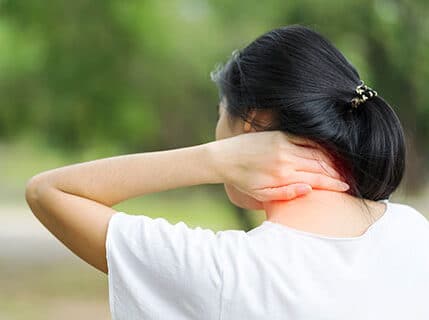
Craniosacral Treatment For Chronic Pain: Neurofunctional Pain Management

Craniosacral Treatment For Chronic Pain: Neurofunctional Pain Management 429 320 Relatyv

When patients have back pain that has been chronic and spreads across the length of the back, it is often difficult for those patients to determine its origin. For many patients with chronic pain that worsens over the years, it may seem practically impossible for a doctor to diagnose their condition and its cause. It is even less likely for patients to have a successful self-diagnosis. This is because back pain that travels along the length of the spine is not as easily diagnosed, nor can it always be pinpointed to a previous injury or condition.

Conditions of pain that are isolated to a specific portion of the back are typically due to an injury, but what should patients do if they cannot specify the event in which an injury occurred or if they have no recollected diagnosis of a back pain condition?

Unfortunately, the confusion surrounding general back pain is not only due to the inability to detect the cause, but it also reflects the early stages of research into craniosacral pain. One of the most common and least understood conditions of pain stems from the craniosacral system– a system of nerves that many don’t realize are connected to a wide variety of pain conditions.

So, what is the craniosacral system? How does it relate to physically painful conditions? What are some treatment methods for pain related to the craniosacral system?

In this guide, we’ll cover all you need to know about the craniosacral system and look at how craniosacral therapy (CST) can help your chronic pain

Understanding The Craniosacral System And Regulating Pain

The craniosacral system is only recently understood and its relevance to other various forms and conditions of pain has recently come to the forefront in the search for pain treatment. 

Other, more familiar, systems in the body– like the cardiovascular or respiratory system– have centuries of research to back up our understanding of their function and maintenance in the body. However, all of these systems, including the craniosacral system, deserve a high level of attention and study if we are to understand the primary causes and adjustment of pain.

Each system plays a role in the maintenance and regulation of the body on a constant basis, but the maintenance and regulation of pain are entirely dependent on the craniosacral system.

A study examining the prevalence of craniosacral pain asserts that, “[c]hronic pain disorders are the leading global cause of disability and are still increasing in prevalence. Low back and neck pain, headache and migraine considerably affect all age groups from the beginning of adolescence to middle-aged and older adults. The often limited effects and potential side effects of pharmacological treatments for chronic musculoskeletal pain conditions may be reasons why patients frequently use complementary therapies” (2020).

With craniosacral difficulties leading not only to general back pain but headaches and migraines, one can begin to understand why our comprehension of the craniosacral system is crucial to mitigating its painful conditions. So, what is the craniosacral system?

How The Craniosacral System Communicates Pain Signals

We can imagine the craniosacral system as a highway that extends from the base of the skull (cranio, or cranium) to the bottom vertebra of the spine (sacral, or sacrum).

Simply put, the system consists of the entirety of the spine, so it should not be surprising to find a growing number of pain conditions attributable to the craniosacral system.

This highway of nerves is a major part of our central nervous system (CNS) and branches out into other roads and paths of nerves that extend to our peripheral nervous system at the ends of our fingers and toes.

Every instance of pain is tied to our CNS and the CNS is how the pain we feel is communicated to our brain. If we feel pain in our hands, the CNS sends a message of pain to our brain so that we recognize the problem and seek treatment.

However, even though the signals run along the craniosacral system, this does not mean that we will feel the pain travel from our hand to our spine, and finally our brain.

The brain recognizes the affected nerve endings, and the pain is localized to the affected areas. For this reason, we should not always assume that every pain condition is related to the craniosacral system.

Common Cause

One of the most basic causes of craniosacral pain is what researchers are calling “malalignment”. Malalignment in the sacral region is common among more sedentary lifestyles with a lot of sitting.

If you think of the sacral bone as a three-dimensional bone being supported by tension pulling it in all directions, you can visualize that the sacrum can get turned and twisted in a variety of ways that agitate and pull or pinch nerves all around the region.

Sacral torsion is a term you may hear to refer to this concept. In some cases, a torsion is so visible that you can see a corner of the sacral bone pushing out of the back, forming a lump on the low back when a patient bends over and stretches the area. If you see or feel a lump pushing out on one of the four corners of the sacral bone that would be an example of a malalignment that can cause craniosacral chronic back pain.

Dr. Ghasemi Cobra and her associates explain that malalignment, “. . . in the pelvic and spinal column disturbs the balance and decreases the postural control ability. Malalignment is known as one of the main causes of back pain particularly the nonspecific chronic low back pain” (2020). Craniosacral pain is certainly what patients would refer to as “nonspecific” and as was mentioned previously, this nonspecificity leads to difficulty in diagnosing the cause. However, as Dr. Cobra and her associates conclude, malalignment may be one of the largest contributing factors to craniosacral pain.

The physicians go on to suggest that “[m]alalignment in the pelvic and spinal column regions exists in 90–80% of the adult population. Malalignment leads to asymmetry in bones and joints in the pelvis, trunk, and limbs and affects the muscles and lower limbs and disturbs the balance and decreases the postural control ability. It is known as an early and significant cause or an exacerbating factor in 50–60% of people suffering from back pain, particularly the nonspecific chronic low back pain (NSCLBP) which is the most common form of low back pain”.

With most of the adult population suffering from malalignment of the spinal column, is it any wonder that patients experience indecipherable back pain? Is it any wonder that research into craniosacral pain has increased exponentially?

Conditions Related To Problems With The Craniosacral System

Along with malalignment leading to the imbalance and asymmetry of other bones, joints, and limbs, it will typically lead to other conditions related to craniosacral pain. These conditions include and are certainly not limited to:

  • Fibromyalgia
  • Migraines
  • Multiple Sclerosis
  • Insomnia
  • General Neck Pain

While these are the most common conditions related to the craniosacral system, the list is seemingly endless. As was previously mentioned, and because we are learning more about the craniosacral system every day, many will falsely attribute their pain or medical condition to the craniosacral system when their condition requires treatment which is entirely unrelated.

This is why craniosacral treatment should focus on the affected area between the base of the skull and the base of the spine.

A Quick Note On Malalignment And Chronic Craniosacral Back Pain

Many non-physician providers will attempt to treat craniosacral back pain with spinal adjustments such as chiropractic adjustments and special stretching and massage. These techniques may help, but in most cases, they provide temporary relief.

Many patients suffering from these conditions describe having to seek these treatments continually. One patient described it as an endless cycle of chiropractic appointments with no other option but to keep coming in. What’s worse is that the pain relief doesn’t always last very long. Stretches and massage also help, but these are similar scenarios of temporary relief and the requirement for repeated patient participation.

Is it any wonder that these service providers are quick to diagnose craniosacral pain as the problem because the only current treatment is an ongoing cycle of adjustments and massage? Patients may be fine with this for a while, but ultimately, they will want some sort of relief that lasts.

Neurofunctional Pain Management As A Treatment Protocol

When pain travels along the spine like this, and splits off into various parts of the body, it can seem almost impossible to find a treatment that can both target and mitigate the pain. Relatyv has developed the field of Neurofunctional Pain Management as a treatment for chronic pain conditions of all kinds.

Neurofunctional Pain Management is a treatment protocol that utilizes external high pulse electrical stimulation and specialized hydration therapy to relieve pain and restore health to a point where patients can get back to an active lifestyle and be motivated to engage in healthier lifestyles and activities, which will magnify the patient’s quality of life.

Benefits Of Craniosacral Treatment

Patients with craniosacral pain can be treated across the entire spine from top to bottom using high-pulse electrical stimulation. This treatment creates a sustained depolarization effect that relieves pain for a prolonged period of time. Nutritional hydration therapy helps restore health and reduce inflammation that may be exacerbating the pain condition.

Also, it’s perfectly fine to continue to receive adjustments and massages from non-physician providers while going through a course of treatment with Relatyv.

Combined, these therapies make up a whole-person approach that can offer endless benefits, including easing pain, improving posture, and laying the foundations of long-term health.

In the sections below, we’ll look at how craniosacral therapy and Neurofunctional Pain Management can help you combat chronic pain.

Improved Postural Alignment

Craniosacral treatment programs aim to restore the natural flow and rhythm of the cerebrospinal fluid (the fluid that flows around the brain and the spinal cord). To do so, this type of therapy looks at blockages and malalignments that may occur between the bones of the cranium or along the spine.

Craniosacral treatment – used as part of a more comprehensive Neurofunctional Pain Management treatment protocol – can resolve these malalignments and improve the overall function of the spine. In turn, this can improve your posture and gait, which translates into improved spinal function, greater mobility, reduced risk of injury and falls, and ultimately, less pain.

Reducing Restrictions Throughout The Body

According to a 2009 study, the rhythmic flow of the cerebrospinal fluid around the skull and the spine is considered to be the body’s third circulatory system. Although this system isn’t as well-researched as the cardiovascular and lymphatic systems, it is believed to play a role in disorders such as restricted respiratory function, vertebral subluxation syndrome, and mechanical disorders of the nervous system.

Through an ad hoc craniosacral treatment program, a specialist will be able to remove blockages that are hindering the circulation of the cerebrospinal fluid. Removing these blockages restores the normal flow of the cerebrospinal fluid and prevents conditions that may aggravate your chronic pain, such as respiratory conditions, fibromyalgia, and stress.

According to a 2007 study, craniosacral therapies can help in the management of asthma, when used alongside a more comprehensive treatment program.

Calming The Nervous System

Practitioners who specialize in restoring the rhythmic flow of the cerebrospinal fluid around your head and spine will use hands-on techniques to assess and restore imbalances in the craniosacral system.

Using light touch (no more than 5 grams of pressure), practitioners will be able to remove blockages and ensure that the cerebrospinal fluid can move freely around the central nervous system.

This can balance components of the craniosacral system such as nerves, fluids, connective tissues, and bones. The restored balance ensures that mechanical systems work as they should, that loads and weight are evenly distributed by the spine, and that the nervous system carries signals to the brain appropriately.

As a result, craniosacral therapies can relieve tension in the central nervous system and prevent other components of the craniosacral system from being overloaded.

Providing Stress Relief

High stress levels play a significant role in making pain feel more intense. This is because sustained high levels of stress can cause your muscles to become tense and spasms. Additionally, stress is associated with an increase in the cortisol hormone throughout the body, which can have pro-inflammatory effects.

Ultimately, craniosacral therapies may help you relieve pain by offering stress relief benefits. During craniosacral treatment sessions, a specialist will use a light touch to relieve compression in the neck, head, and spine.

These therapies also calm the central nervous system while activating the parasympathetic nervous system, which is the component of your nervous system responsible for rest, relaxation, and reducing bodily functions when needed.

Overall Sense Of Wellbeing

Craniosacral therapy has been seen to help relieve tension in the membranes surrounding the skull and the spine (known as the Fascia), realign the spine’s components, improve posture, and calm the central nervous system. This translates into an overall sense of well-being, which you can enjoy after each session.

What’s more, a 2011 study shows that craniosacral therapy can ease depression and anxiety, and boost the quality of life of patients affected by chronic pain conditions such as fibromyalgia.

Get Lifetime Relief From Craniosacral Pain Without Surgery Or Drugs

If you have been battling chronic back pain, and obtaining an accurate diagnosis for your pain seems to be a distant dream, craniosacral therapy may help. Used as part of a more comprehensive, whole-person Neurofunctional Pain Management protocol, this therapy can address imbalances and tension that may be aggravating your pain – without medications or surgery!

The mission of Relatyv is to relieve pain, restore health, and magnify quality of life without drugs, surgery, or invasive procedures. Our vision is to be the first thought, first choice, and first step in the journey of chronic pain relief.

Relatyv - Plantar Fasciitis

Treating Plantar Fasciitis Pain With Neurofunctional Pain Management

Treating Plantar Fasciitis Pain With Neurofunctional Pain Management 2560 1707 Relatyv

Plantar fasciitis is one of those conditions that you don’t usually hear much about until you or someone you know develops it themselves. It’s very painful and debilitating because the pain in your feet makes it nearly impossible to get around normally and handle the daily activities of life. 

Since most patients are unfamiliar with it, they are likely lacking the vital information they need to seek the proper treatment. 

Simply put, plantar fasciitis is inflammation of the muscle bodies on the bottom of the foot, so imagine that when you walk, your entire weight is stepping down onto this bed of muscle bodies and stretches out and contracts for you to walk. There is a significant opportunity for any sort of inflammation or injury in this area to create compounded problems. 

When a patient has experienced plantar fasciitis pain and learns how to handle it and educate themselves on their condition, they are more likely to seek and apply effective treatment for the pain. 

While patients may not fully grasp the original cause of their pain or have the ability to mitigate the risk factors associated with plantar fasciitis, the fight for manageable pain levels begins with a patient’s willingness to be proactive. Armed with the appropriate knowledge, patients can tackle the condition with alacrity and hope for a future of improved quality of life.

Understanding Plantar Fasciitis

Plantar fasciitis is a painful foot condition that accounts for over 600,000 visits to primary and specialist care clinics in America, making it one of the leading causes of foot and heel pain. Also known as plantar heel pain (PHP), this condition exhibits itself on the bottom of the foot between the arch and the heel in the cords of tissue known as the fascia. This part of your foot is intended to hold the weight of your body and flex to absorb the shock from stepping and standing. 

You can think of the fascia as the built-in bridge that connects your heel to your toes and facilitates movement and communication along the bottom of your foot.

When it comes to understanding the nature and causes of plantar fasciitis, it is important to start by clarifying that, just like most other conditions that have the suffix -itis in their name, this is an inflammatory condition. 

It arises when the fascia becomes inflamed, irritated, or damaged, and can lead to severe pain, changes in the gait, and reduced foot mobility. Although most plantar fasciitis cases resolve by themselves with lifestyle modifications within a year, this condition can lead to complications such as structural changes in the foot and the degeneration of the connective tissue in the fascia (plantar fasciopathy). 

Plantar fasciitis can affect anyone at any age, but it often arises as a consequence of excessive stress and tension on the fascia, which can be caused by repeated forceful movements (i.e.: running), a sedentary lifestyle, obesity, improper footwear, or aging. 

Let’s look at the symptoms and risk factors for plantar fasciitis in more detail below.

Symptoms Of Plantar Fasciitis Pain

Since plantar fasciitis develops gradually over time, the first symptom that you may notice is mild discomfort. However, as inflammation worsens, the painful sensations may become chronic, stabbing, or burning pain that spreads from the arch of the foot to the top of the foot and heel.

Most patients with plantar fasciitis will notice that the pain will manifest in the morning when they first stand and have been walking or standing for long periods.

Besides pain, other symptoms of plantar fasciitis include the following:

  • Stiffness and swelling: The build-up of fluids and increased blood flow to the damaged area are normal aspects of the body’s inflammatory response. However, in the case of inflammatory conditions, the swelling is sustained over long periods of time. In turn, swelling around the foot and ankle area can lead to stiffness or the inability to move your foot properly. 
  • Tight Achilles tendon: If you have plantar fasciitis, you may notice sensations of tightness in the Achilles tendon, which attaches to the plantar fascia. An inflamed fascia will cause you to change your foot mechanics and gait to avoid pain, which may put excessive stress on the Achilles tendon. When this happens, you may start suffering from a tight Achilles tendon and, in severe cases, from a secondary Achilles tendinitis (inflammation of the Achilles tendon). 
  • Reduced foot mobility: If your foot’s fascia is tight, inflamed, or stiff, you may have trouble moving your foot properly. Movements such as lifting your toes or climbing stairs can become difficult or painful. 

If left unaddressed, plantar fasciitis may also lead to a cascade of complications. Firstly, sustained or chronic inflammation may cause permanent damage to the connective tissue in the fascia. Additionally, changes in the way you walk to compensate for the pain can cause you to develop foot deformities such as heel spurs.

Physicians Explain The Causes Of Plantar Fasciitis

The cause of this pain has been attributed to inactivity, as well as excess activity– another reason why plantar fasciitis is one of the least understood conditions of pain. 

Many physicians, such as Dr. Lindsey Luffy, explain in the most basic terms that, “[p]lantar fasciitis is a degeneration of the plantar fascia as a result of repetitive microtears of the fascia that lead to an inflammatory reaction, and is not a primary inflammatory process that most believe it to be” (2018)

However, Dr. Luffy goes on to state that, “[t]he cause of plantar fasciitis is unknown but is believed to be multifactorial, with abnormal biomechanics and delayed healing as likely contributors”. The “abnormal biomechanics” Dr. Luffy mentions specifically refers to the use of the fascia that is likely to lead to wearing down the cords of tissue. 

For example, if a patient suffers from chronic gout or has experienced ankle injuries that cause them to walk in an abnormal way, the likelihood of developing plantar fasciitis increases. Along with “abnormal biomechanics”, Dr. Lindsey refers to “delayed healing” which is a cause of plantar fasciitis on which patients can likely have a direct impact. 

As mentioned before, when patients educate themselves on the condition of plantar fasciitis, they are more likely to be proactive and seek treatment early on. When intervention is early and intentional, the progression of the condition is greatly decreased.

As was mentioned previously, patients who experience pathogenesis of plantar fasciitis have likely seen it develop due to abnormal biomechanics that are themselves a result of another painful condition or injury. 

Patients suffering from these conditions and subsequent plantar fasciitis will often ask themselves how much their feet can handle before experiencing pain and whether it would be better to stay off their feet altogether. 

Unfortunately, those who stay off their feet to avoid the pain know that the moment they stand, the pain will come searing back. Even when patients understand the cause or development of their plantar fasciitis, they often feel frustrated at their inability to move and be physically proactive. 

Over time, the demands of daily life will necessitate the use of a patient’s feet and the constant stretching of the fascia will further inflame and irritate the condition of plantar fasciitis. So, what are patients with developed plantar fasciitis to do?

Managing Risks Associated With Plantar Fasciitis: Awareness Is The Key

The solution to addressing developed plantar fasciitis goes back to education. With further education in mind, the risk factors must be explained in order for patients to seek effective treatment. 

Once the risk factors for plantar fasciitis have been assessed, it is likely that patients will find they can reduce the likelihood of experiencing plantar fasciitis pain by managing their risk factors where possible.

Below, we’ll look at the main risk factors for plantar fasciitis and how to manage them.

First Risk: Age

Because plantar fasciitis should be understood as a degenerative tissue condition, the most common risk factor, as is common with most conditions related to pain, is age.

Age is primarily a risk factor for plantar fasciitis because the fascia’s nature wears down over time.

A lifetime of walking and performing daily activities can cause the fascia to wear and tear, become less elastic, and lose its ability to withstand stress or absorb shock. Additionally, as we age, our feet become wider due to repeated stress that may flatten some of the foot’s structures. This can change how the weight is distributed during movement and can put the fascia under excessive stress.

The likelihood of plantar fasciitis symptoms cropping up in patients is in direct correlation with the age of those patients–the age being around fifty. However, some patients claim to have felt the pain of plantar fasciitis decrease as they age. This is not due to the condition miraculously going away over time but the reduction of physical activity and therefore, irritation of the plantar fascia is reduced.

While you can’t stop the effects of aging on your body, you can manage the risk of suffering from plantar fasciitis through certain lifestyle choices, such as massaging and stretching your feet, maintaining a healthy weight, or choosing supportive shoes.

Second Risk: Excess Weight

As mentioned earlier, excess weight can also cause unnecessary strain on the fascia. When this is compounded with the wearing down that occurs with age, a patient can begin to understand the delicate nature and necessity for care of their feet. 

Fortunately, and unlike the age of a patient, weight is one of the manageable risk factors that will influence the pain from plantar fasciitis.

Although working with a specialized nutritionist should always be your first port of call, eating a nutritious and balanced diet, maintaining a healthy weight, and exercising regularly can help you avoid the complications associated with a high BMI or obesity.

Third Risk: Harmful Exercises

While patients claim to have reduced plantar fasciitis pain when activity is decreased, one of the more surprising risk factors is exercise. In order to appreciate and fully understand the impact of exercise on plantar fasciitis, we must first qualify which types of exercise contribute to the pain associated with the condition. 

Qualifying the type of harmful exercise will reduce the likelihood of patients exercising in a way that might exacerbate their condition. At the same time, patients should be aware that exercise that does not worsen their condition could lead to weight loss and less strain on their plantar fascia.

While many who hear about plantar fasciitis might assume it is characteristic of an older population, patients who experience the pain are often young dancers or distance runners who spend long hours placing strain on their feet. Even occupations that require patients to remain on their feet for long periods of time may also experience the pain associated with plantar fasciitis.

Activities that involve frequent jumping or walking on uneven surfaces can lead to plantar fasciitis. You may be at greater risk of developing this condition if you practice sports such as football, soccer, or trail running. Some occupations may also involve movements that lead to the inflammation of the fascia. These include professions that require you to be on your feet all day long. 

If you are an athlete, working with a personal trainer or physiotherapist can help you better understand how to improve your form to avoid injuries. On the other hand, if the condition is caused by factors related to your job or hobbies, an occupational therapist will be able to help you make positive changes in your life to safeguard your foot health.

Patients who learn and understand the risk factors for plantar fasciitis will understand the signals from their bodies and learn to manage their pain, although the condition will worsen with time.

Conventional Treatment Options For Plantar Fasciitis

As we have seen above, plantar fasciitis is a degenerative condition that worsens gradually over time. While it may be asymptomatic at first, inflammation of the fascia can lead to chronic or acute pain, and impair most of your daily activities.

Eventually, patients with plantar fasciitis pain will require treatment to manage the pain. The task for those seeking to manage their pain without surgery is to find a treatment that works and lasts without side effects.

Besides physical therapy, massages, rest, ice compresses, and immobilization, patients are often recommended one of the therapies below. Understanding the side effects of these lines of treatment is essential to understand the risks involved and choosing a pain management program that works for your needs.

Let’s look at the most common treatment options for plantar fasciitis below.

NSAIDs

Non-steroidal anti-inflammatory drugs (NSAIDs) such as ibuprofen, naproxen, or aspirin are often recommended by doctors to alleviate painful sensations. While these medications are easily accessible over-the-counter and may relieve pain in the short term, they cannot be considered valid long-term solutions. 

Patients with plantar fasciitis may experience pain for a year or longer. Taking these medications for such long periods can expose you to severe side effects, including gastrointestinal ulcers, kidney failure, increased risk of heart attack or stroke, or dependency.

Iontophoresis

Iontophoresis is a medical procedure that involves delivering ionic (soluble) medications into the body through the skin. Iontophoresis is performed by applying mild electrical pulses to the painful area. 

In the case of plantar fasciitis, a 1997 study showed that iontophoresis of 0.4% dexamethasone may be effective in reducing the symptoms of an inflamed fascia when other more conservative methods haven’t worked. New clinical trials are also attempting to determine whether iontophoresis is a valid alternative to ultrasound therapy in the treatment of plantar fasciitis. 

Iontophoresis can cause mild side effects, such as minor electric shock or temporary tingling sensations. However, this treatment option isn’t recommended for patients who are pregnant, epileptic, or wearing devices such as pacemakers.

Corticosteroid Injection

While there are treatments available for plantar fasciitis, there is one treatment in particular that patients should be made aware of– and not necessarily for its positive effects. 

In an extensive study untangling the puzzle of plantar fasciitis, Dr. Daniel Latt of the American Orthopaedic Foot & Ankle Society concludes that “[t]he therapeutic benefit of corticosteroids is dependent on their anti-inflammatory properties, which provide significant pain reduction. 

However, they also act to inhibit fibroblast proliferation and ground substance protein expression. These effects can produce atrophy of the plantar fascia and plantar fat pad and lead to complete plantar fascia rupture, both of which are difficult to treat” (2020). 

As was mentioned previously, plantar fasciitis is not only a condition of inflammation but degeneration as the tissues of the plantar fascia wear down. Dr. Latt not only concludes that corticosteroid injections would do little to solve the problem of plantar fasciitis but might actually make the condition worse– effectively atrophying, tearing down, and rupturing the plantar fascia.

Dr. Latt continues to embolden his claim by stating that a “. . . number of studies have demonstrated the association between steroid injections and plantar fascia rupture. In summary, steroid injections may provide temporary symptomatic relief but are associated with an increased risk of developing persistent pain, local tissue atrophy, or plantar fascia rupture. 

Thus, if they are used it should be with caution and patients should be advised of the risks and benefits before injection”. Dr. Latt, without dismissing CSIs completely, properly provides the context and risk factors associated with their use in plantar fasciitis. 

One of the biggest determinations patients need to make when it comes to treating plantar fasciitis pain is if the treatment is safe. The second preliminary decision that helps patients determine their proper course of treatment is whether the treatment is effective. Luckily, better options are becoming available in the medical field that may help.

Plantar Fasciitis Pain Treatment And Our Neurofunctional Pain Management Approach

Relatyv is pioneering Neurofunctional Pain Management and focuses on three core components for patient care to ensure that treatments are safe, effective, and covered by Medicare and commercial insurance. 

Neurofunctional Pain Management may be the future of chronic pain management, but most people wouldn’t be able to participate if those three elements were safe, effective, and reimbursed. Patients can be sure that their condition will be met with a targeted and professional approach that works to treat the pain and maintain the quality-of-life patients expect and deserve. 

Neurofunctional Pain Management is a combination of disciplines that work together to produce effective pain relief.

Neuralgesia And IV Therapy

Relatyv has a proprietary treatment protocol called Neuralgesia and is a combination of high pulse electrical stimulation that relieves pain in the affected area and specialized hydration therapy to balance nutritional deficiencies in patients suffering from chronic pain conditions. 

Neuralgesia utilized a high-pulse electrical stimulation treatment called electroanalgesia that has been around for decades as an approved treatment for nerve pain. However, combining that treatment with specialized hydration makes this even more effective for a patient, relieving their pain, restoring their health as much as possible, and magnifying their quality of life.

Lifestyle Counseling

As a part of Neurofunctional Pain Management, patients will not only be treated with high pulse electrical stimulation and specialized hydration and nutritional deficiency replenishment, but they will also engage in a thorough patient education program throughout the course of their treatment program. 

This education process is critical to patients changing their lives, bringing them greater success in enduring pain relief. 

A typical patient that goes through a treatment program with Relatyv has an extended period in which the pain relief will endure after the treatment program is completed. Imagine if you could get out of pain, then that pain relief motivated you to get back into a better state of health, and that motivated you to engage in a higher quality of life altogether.

Our Goal At Relatyv Is To Help Patients Like You

We aim to see and celebrate the improved quality of life patients have through Neurofunctional Pain Management and the specific protocols we’ve developed here at Relatyv. As patients understand their condition, participate in effective treatment, and maintain a positive outlook on their condition, they can experience that magnified quality of life that drives our passion for this work. 

At Relatyv, we aim to relieve pain, restore health, and magnify the quality of life without drugs, surgeries, or invasive procedures. Our vision is to be the first thought, first choice, and first step in the journey of chronic pain relief.
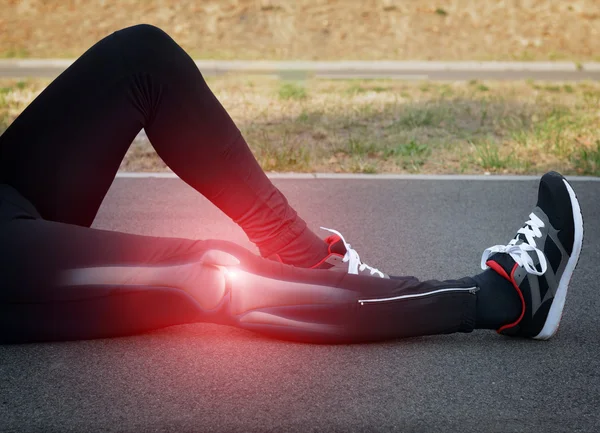
Relatyv - Osteoporosis Pain Relief

Osteoporosis Pain Relief

Osteoporosis Pain Relief 2560 1707 Relatyv

Osteoporosis pain is one of the lesser-known pain conditions in the world of chronic pain. Osteoporosis is fairly well-known by most people as a condition of fragile, thinning bones that increases the risk of fractures. 

Aside from the details surrounding the cause and effects of osteoporosis, there is a pain element to this condition that typically originates in the central regions of the back and spine. 

As we’ve discussed in many other articles, some pain may be caused in one area but felt in another area as referred pain. This makes it harder to know exactly where the source of pain is coming from and often leaves patients and medical providers frustrated over the elusiveness of referred pain in some cases. 

Osteoporosis is a condition that takes time to develop, so patients are often unaware of it until they have it. Because of the gradual onset of osteoporosis, physicians have employed routine screenings for patients at certain stages of life or have been diagnosed with comorbidities to check for the disease.

Managing The Effects Of The Condition

There are many preventive measures that can be taken to reduce the effects of osteoporosis and even restore bone density. Lifestyle modification in the way of diet and exercise is a very good place to start, however, if a patient is in pain, it makes it harder to engage in exercise and makes them less motivated to do anything health related other than to find relief for the pain.

As patients learn of their condition and its treatment options, they may find more courage to make the changes they need to mitigate and manage the risk. With knowledge of osteoporosis, effective risk management, and proven treatment, patients will be best equipped to tackle their condition head-on.

Osteoporosis is a unique condition whose symptoms might be described as hidden or withdrawn. To understand the degenerative nature of human bones and skeletal structure in general, we must first observe the condition and composition of our bones. 

All 206 bones in the human body are composed of calcium tissues that are filled with tunnels and networks of holes and pockets that allow for bone cells to live and work, blood vessels to supply them, and nerves to connect to the central nervous system.

Risk Factors For Osteoporosis

Unfortunately, there are several risk factors associated with osteoporosis, from sex to race and hereditary characteristics. Some of these risk factors can be mitigated by a change in lifestyle, while others are immutable. Either way, as fixed risk factors such as age increase, the likelihood of a diagnosis of osteoporosis increases. 

It is common that patients who have the following risk factors are more likely to develop osteoporosis:

A Slight Or Small Frame

Although osteoporosis may affect anyone, the prevalence of this disease is greater among people who are excessively thin or have a small body frame. This is because small-framed individuals are more likely to have less bone mass to draw on as they age. 

This risk can be managed by maintaining a healthy weight, making physical activity part of your routine, eating a balanced diet, and avoiding nutritional deficiencies.

Postmenopausal

Bone health is often correlated to hormonal health. Some inevitable hormonal changes may have an impact on bone mineral density and lead to conditions such as osteoporosis. 

In particular, sex hormones – such as estrogen and testosterone – play a vital role in preserving a healthy bone mass. 

During development, estrogen supports the maturation of the bone. As we age, this same hormone regulates bone turnover or the rate at which minerals in the bones are released and replenished. 

The rates of estrogens in the body drop significantly during menopause, which causes the bones to start breaking down faster than they can be regenerated. Women who had their ovaries removed may also suffer from similar effects because of the sudden drop in estrogen levels that occurs after the surgical procedure. 

The hormonal changes that take place in a woman’s body, coupled with the smaller frame of females, make women over 50 four times more likely than men to develop osteoporosis. 

Other conditions affecting the endocrine system – such as drops in testosterone levels due to prostate cancer, thyroid disorders, and gland overactivity – can speed up the rate at which bone mass is lost.

Over The Age Of Sixty 

The living tissue that constitutes the bones is constantly changing and regenerating, using minerals such as calcium and phosphate to replenish old or lost bone tissue. This process is referred to as bone metabolism. 

However, as we age, the body begins to reabsorb these minerals instead of using them to rebuild the bone structure, which causes bone metabolism to slow down and bones to break down. 

When the bone breakdown happens faster than the rate at which the body can regenerate old tissue, bone loss occurs. And, this can lead to osteoporosis. In the highest-risk group – which is constituted of women aged 60 to 80 – screening rates for osteoporosis are as low as 12.8%. This means that, although osteoporosis is significantly prevalent in women and men aged 55 and 65 or over respectively, most patients don’t discover their condition until they experience a fracture.

Being Female

Women are more likely than men to suffer from this disease. This is because, often, the aging-related bone mass loss occurs at the same time as menopause, when the drop in estrogen levels aggravates their bone health. Females are also more likely to have a smaller or slighter frame, which is linked to less bone mass.

Patients can take away from this assessment that women are more likely to be diagnosed with osteoporosis, and they would be correct. However, Dr. Rinonapoli and his associates do not discount the possibility of its diagnosis showing up in men: “Osteoporosis is considered a female disease. 

However, while there is no doubt that women are more exposed to osteoporosis and fragility fractures, the literature clearly indicates that physicians tend to underestimate osteoporosis in men” (2021). 

Men, especially men who experience the conditions of osteoporosis, should not discount the possibility of being diagnosed with the condition because sex is not the only determining risk factor.

It must be understood that patients who would otherwise seem healthy cannot change the immutable risk factors. 

However, factors that can be changed to reduce the likelihood of a diagnosis include diet, exercise, and sometimes a change in medications that might worsen the condition. 

Since our bones are made up of porous tissues of calcium, the early introduction of calcium and vitamin D to a patient’s diet is likely to decrease the risk of being diagnosed with osteoporosis. In the same way, changing to a more active lifestyle may increase bone strength and density, decreasing the likelihood of osteoporosis.

Diagnosis Of Osteoporosis Pain

Regardless of the risk factors associated with osteoporosis, diagnosis is often tricky and commonly missed before bone fractures occur. Patients who do not wish to wait for a fracture to learn of their diagnosis and treatment options may find comfort in learning about and recognizing the signs of osteoporosis. 

These early signs might be better recognized by examining family history with osteoporosis, acknowledging prescribed medications that might contribute to loss of bone density, testing balance, noticing a loss of posture, or assessing applicable risk factors. 

If any of these signs are apparent to you, we would advise seeking a possible diagnosis from a medical professional before a fracture occurs.

How We Manage The Pain Associated With Osteoporosis

One of the less discussed components of osteoporosis is the pain associated with the condition. The pain physicians I have worked with and discussed this condition with have noted that patients with osteoporosis typically experience pain referred into the back and spine, even if the osteoporosis issues are occurring throughout the body. 

This is because all the pain neurons connect to the central nervous system, so perhaps this is why someone with a full-body condition is predominantly experiencing pain in the back. This actually creates a target area for pain relief, so perhaps there is some positive use for this occurrence. 

We created and pioneered the field of Neurofunctional Pain Management. This new category of pain management attempts to relieve pain through high-pulse electrical stimulation while engaging in a health restoration effort to revitalize the tissues and stimulate cellular activity. 

This may help to lessen the onset of osteoporosis and even possibly help the bone cells and tissues reverse course and build back bone density.

Neuralgesia: Neurofunctional Pain Management 

The combination of high-pulse electrical stimulation and specialized hydration therapy offered simultaneously is a proprietary treatment protocol called Neuralgesia, which is exclusive to Relatyv. This combination works together to produce enhanced pain relief that can endure for several months after a patient completes a course of treatment. 

In addition to electrical stimulation and hydration therapy, patients undergo an extensive lifestyle counseling and education program that helps them understand the range of lifestyle activities that are needed to produce long-term effects on their health, with an emphasis on remaining out of pain. 

As with all courses of treatment, from medications to physical therapy, patients with osteoporosis are most likely to achieve effective and long-lasting pain relief if they complete the entire course of therapy and stick to the prescribed treatment plan. Treatments typically last for one hour, twice a week. 

The combination of high pulse electrical stimulation, which creates a sustained depolarization effect in pain neurons and stimulates repair of damaged tissues in the area, and hydration therapy consisting of vitamins, minerals, and other nutritional components. 

Patients typically experience pain relief after only a few visits and often report additional significant improvements in their quality of life in short periods of time, such as feeling more energetic during the day and sleeping better at night.

Restore The Quality Of Life Through Relatyv

The mission of Relatyv is to relieve pain, restore health, and magnify quality of life without drugs, surgery, or invasive procedures, while operating as a non-pharmaceutical, non-surgical, non-invasive, and non-chiropractic pain treatment program. 

Our vision is to be the first thought, the first choice, and the first step in the journey of chronic pain relief.

And we understand that, with a custom vitamin and mineral treatment, healing electrical stimulation, education, and lifestyle modifications, Neurofunctional Pain Management is really the future of chronic pain management.

Nonsurgical Treatment Options for Osteoarthritis

Nonsurgical Treatment Options for Osteoarthritis 600 433 Relatyv

As I start out most articles on osteoarthritis, (OA) affects almost 33 million adults in the United States alone and more people are diagnosed daily across the nation with this chronic condition. Like peripheral neuropathy, osteoarthritis is a condition that often manifests in the knees, fingers, and toes of patients who have been diagnosed with it. However, patients who suffer from OA can expect to experience its symptoms in most joints throughout the body. The symptoms of OA, when compared to peripheral neuropathy, are not entirely the same and patients who are familiar with the nonsurgical treatments for peripheral neuropathy often look elsewhere to treat the conditions of OA. While peripheral neuropathy causes tingling, burning, and numbness in the extremities, OA manifests itself with symptoms of bone spurs, stiffness, and pain specifically targeting the joints. It’s also common for patients to have both neuropathy and OA simultaneously, and that is even harder to manage. While there are varying treatment options for both of these conditions, both surgical and nonsurgical, the options differ between the two so much that patients suffering from both may wish to look for one solution that will treat the pain they experience on a daily basis. This means a one-size-fits-all approach to the pain is often the objective because there’s not much else that can be done.

We have discussed in previous articles the conditions and nonsurgical treatment options available to patients with peripheral neuropathy and how Relatyv is creating and pioneering the field of Neurofunctional Pain Management with its proprietary Neuralgesia treatment protocol. Neuralgesia is a combination of high pulse electrical stimulation and specialized hydration therapy to produce an enhanced pain relief effect that can last for months after a course of treatment. Neuralgesia is a non-pharmaceutical, non-surgical, non-invasive, and non-chiropractic treatment program that produces an enduring pain relief effect for those suffering from chronic neuropathy or osteoarthritis pain. Neuralgesia is a next generation pain management treatment option when weighed against other conventional options. The question that will be weighed in this article is the efficacy of Relatyv treatment options for OA when weighed against more conventional nonsurgical treatments. Patients who choose not to rely on pharmaceuticals, perhaps fearing the risk of dependency or addiction, and patients who are wary of seeking surgical treatment to alleviate chronic pain should first look to Relatyv technology for a solution to their pain. After all, wouldn’t anyone want to try the least invasive option first and move on to surgeries and medications as a secondary effort or last resort?


Available Conventional Treatments


Those who have suffered from OA for years will often consider more drastic and surgical solutions to the pain of this diagnosis without considering nonsurgical options. One of the most prominent surgical solutions for OA was discovered in the 1950’s and 60’s by Dr. John Charnley who successfully treated the condition by an invasive procedure called arthroplasty. The procedure was widely successful and continues to be the preferred method for surgical treatment of osteoarthritis. However, surgical options such as arthroplasty are not considered for patients who have had success maintaining their OA pain through non-surgical treatment.

Surgical Treatment Options for Osteoarthritis

In a medical assessment and survey of advancements in treating OA, Professor K.D. Brandt of the Indiana University School of Medicine found that “[r]ecommendation of total joint arthroplasty for the patient with OA, however, is tantamount to an acknowledgement of the failure of medical management. The surgical procedure is often performed after the patient has experienced years, or even decades, of pain and disability” (2004). Patients who have sought treatment for their OA who are familiar with the medical management comment referred to by Professor Brandt may not have even considered that arthroplasty is only considered for patients who have suffered from its symptoms for years and even decades. This means that even patients who would choose to undergo drastic surgery to relieve their pain, may not have the same recommendation from their doctor before years or even decades of living with debilitating pain. While this news may not be surprising to some who have sought immediate and lasting relief for their pain, it is no less of a disappointment. Still, there are those who are wary of surgical procedures to cure their OA and have lasting relief from pain and understandably so. Elective, non-emergency surgery is a heavy decision that would weigh on the mind of any patient. Naturally, most patients will seek more mild solutions that will not require surgery– solutions that will help them manage the pain.

Non-surgical Treatment Options for Osteoarthritis

When we speak of nonsurgical options for treatment, we must consider that these treatments are not always recommended or even effective for many patients who suffer from the pain of any condition. However, for OA, seeing how it has affected and continues to affect millions of adults in the United States alone, there has been extensive research done in search of a treatment or a cure that does not involve extensive and invasive surgery. Unlike cases of peripheral neuropathy, which increase daily with cases of diabetes around the world, cases of OA have remained steady among American adults and have remained static since the 1950’s, increasing with the constantly increasing age of the high-volume aging population, with the prevalence largely remaining the same. We must qualify that although cases of OA have remained steady by prevalence, this does not mean total cases haven’t been increasing. Prevalence refers to the percentage of the demographic with this issue and as greater percentage of the population age we see more cases across the board. This has contributed to a steady and persistent level of research into a treatment for the condition and this should be welcome relief for anyone seeking said treatment. Unfortunately, research from several in the medical community conclude that effective treatment for osteoarthritis is elusive and often lacks the efficacy desired by both patients and their doctors.

With the need for effective nonsurgical treatment of osteoarthritis being sought by patients, even professionals in the medical community like Professor Brandt are frustrated at the lack of effective options available to their patients. Professor Brandt, after surveying through the available options, their limited benefits, and many side-effects, states that “. . . we surely need better and safer drugs to treat OA symptoms” (2004). The last thing patients of OA want to hear is that the symptoms they are attempting to treat with better and safer drugs are met with sometimes worsening side-effects.

Throughout the survey of treatments, Professor Brandt also concludes that some drugs had little to no effect in a clinical trial when compared to the effects of a placebo. It is perhaps most dissapointing to hear this statement which sums up the entirety of Professor Brandt’s concern: “Despite enormous increases in our understanding of pain mechanisms and of the metabolism, biochemistry, and molecular biology of articular cartilage . . . our track record for the development of more efficacious drug treatment for OA is discouraging”. This is not to say that treatments do not exist for osteoarthritis; in fact, there are several. The issue, which Professor Brandt brings succinctly to the forefront, is the issue of efficacy.

The most popular nonsurgical treatment for OA is the use of nutraceuticals. Nutraceuticals are diet supplements that claim to improve the medical condition, quality of life, or life expectancy and health of an individual when used in tandem with healthy foods. The general assumption of nutraceutical efficacy works in tandem with the patient’s willingness to live a healthy lifestyle. The specific nutraceuticals that treat OA include glucosamine and chondroitin methylsulfonylmethane. The efficacy of these treatments has been debated among peers in the medical community for decades. Notwithstanding, Dr. Begum Yurdakok Dikmen, a Turkish physician counters that nutraceuticals have been introduced as a form of treatment over the centuries and that many suffering from osteoarthritis look to them for a solution.

In a study on nutraceuticals done in 2016, Dr. Dikmen grappled with the fact that “[r]egulations regarding the quality and safety of nutraceuticals are still being debated . . .” (2016). This is in part due to the medical community’s skepticism of nutraceuticals being seen as an alternative medicinal treatment for OA. However, Dikmen states that nutraceuticals are still being considered by governmental bodies that will continue to “. . . develop strategies together with the public to enlighten the benefits supported by solid scientific evidence”. Understandably, skepticism continues to be a persistent hindrance for the use of nutraceuticals in the treatment of osteoarthritis. This skepticism lies not only in physicians with patients who suffer from osteoarthritis but in the patients themselves. Many would rather consider a lasting treatment that they know will work for them before ingesting a nutraceutical with which they are unfamiliar.

A study conducted by Marco AntônioPercope de Andrade M.DPh.D. concluded that glucosamine hydrochloride, a nutraceutical, “ . . . had no effect on pain management” when it came to treating osteoarthritis (2015). Dr. de Andrade confirmed that results from more familiar sources for nutraceuticals such as avocado and soybeans were less conclusive and “. . . may have positive effects on knee and hip OA, but long-term results could not be confirmed”. These conclusions on the benefits of nutraceuticals are both disappointing and frustrating especially for those who are seeking relief from the pain. While some patients who suffer from OA may feel a small amount of relief from the pain when using nutraceuticals, lasting relief will not be found. There are perhaps more nonsurgical options that will help– options that are made available through Relatyv.


Relatyv’s Neurofunctional Pain Management Protocol


In the year 2000, a clinical trial evaluating the efficacy of another nonsurgical treatment known as hyaluronic acid viscosupplementation was conducted. While the clinical trials of viscosupplementation were in their infancy, Dr. John Watterson found that “. . . the lack of systemic side effects and the potential lasting effects make it an appealing option” (2000). The process of viscosupplementation is best described as a loosening and relaxing of the joints that feel stiff and rusted over. This nonsurgical option uses a safe compound called hyaluronic acid. Hyaluronic acid has been USDA approved for decades and Dr. Watterson attests to this benefit by stating that “[t]he US Food and Drug Administration approval of hyaluronic acid as a device has avoided the need for meeting the more stringent criteria for approval as a drug”. Decades later, the use of hyaluronic acid in viscosupplementation has remained an effective and affordable solution to treat osteoarthritis. Relatyv incorporates hyaluronic acid viscosupplementation treatment for osteoarthritis in conjunction with its pain-relieving Neuralgesia protocol. While viscosupplementation ads a fluid cushion to the joint and relieves and loosens the joints affected by OA, Neuralgesia treatments further reduce the pain through high pulse electrical stimulation of the damaged tissues in combination with specialized hydration therapy. Many patients experiencing the symptoms of OA report relief after only one session with Relatyv. Patients routinely experience greater mobility, strength, and improvement of the motor skills they used to enjoy to complete their daily tasks.

Thousands of patients experience relief from pain and treatment is simple. Patients who suffer from chronic pain, such as neuropathy and osteoarthritis, report relief after starting our treatment sessions. Relatyv believes that the least invasive options should be the first options. Our proprietary Neurofunctional Pain Management program is designed to be the safest and least invasive option for chronic pain, while fully understanding that no one therapy works 100% of time and there is a need for all the conventional treatments out there, we simply believe in starting with the least invasive options first. Our mission is to relieve pain, restore health, and magnify quality of life without drugs, surgery, or invasive procedures. Our vision is to be the first thought, first choice, and first step in the journey of chronic pain management.

Migraine Headache Treatment With Neurofunctional Pain Management

Migraine Headache Treatment With Neurofunctional Pain Management 600 400 Relatyv

If you have ever experienced a true migraine or suffer from chronic, recurring headaches that last for four hours, you certainly understand the urgency for an effective form of pain relief, as well as some ways to prevent them from occurring. 

Moderate to intense throbbing pain that fluctuates for hours and sometimes days, debilitating nausea, and sensitivity to light and sound– migraines are more than just a bad headache, and patients who suffer from chronic migraines know the difference. 

When patients experience migraine pain, or pain from any condition, that pain is a signal that something in the body is at risk. Some damage is occurring, or some tissue is in trouble. This triggers an inflammatory response that creates inflammation and swelling in the areas of pain. 

This can be very problematic in areas of the body that cannot handle that swelling and puts pressure on all the other tissues in that area. The pain and inflammatory cycle is especially constrictive in areas like the head and neck, where there is no physical tolerance for swelling and inflammation. 

Pain signals have the purpose of driving us to seek treatment or to completely stop using the affected area. Self-diagnosis of migraines and a patient’s ability to identify and sometimes avoid the triggers for a migraine have increased alongside our understanding of the condition. However, knowing when and how a migraine is triggered is not enough to treat the condition or reduce its pain.

Types Of Headaches

Over 50% of the world’s population experiences headaches and, according to the CDC, a quarter of adults aged 18-44 have at least one severe headache or migraine every three months. 

But these figures alone don’t show the impact that an active headache disorder can have on a person’s life, nor do they describe the types and intensity of symptoms experienced. 

To understand this, it is important to look at the different types of headaches and at the symptoms they cause. Let’s look more in-depth at the various types of headaches below.

Primary Headache

Primary headaches don’t have another underlying cause, such as an illness or disease. This means that the pain you experience in your head or face is, in itself, the condition. 

Primary headaches can be chronic (occurring more than 15 times in a month) or episodic (occurring up to 15 times each month). There are different types of primary headaches, including the following ones:

  • Tension headache – These headaches cause dull or aching sensations around the head and are caused by tension in the neck, forehead, scalp, or shoulder muscles. 
  • Cluster headaches – These are severe headaches that cause a burning or piercing sensation. They may last between 3 and 15 minutes and can recur 1-4 times a day. Other symptoms include tearing eyes, swelling, flushing, and seating. 
  • Hemicrania continua – Hemicrania continua causes mild but continuous pain on one side of the face for 3 months or longer. Flare-ups are common and they involve symptoms such as eye tearing, nasal congestion, agitation, and sweating. 
  • Stabbing headache – Ice-pick headaches may cause short and intense pain in your head. The pain lasts only a few seconds, moves around the head, and comes without warning. 
  • Hypnic headache – Also known as alarm clock headache, this type of head pain recurs at nighttime, during the REM phase of the sleep cycle, and always at the same time. 

One of the most common types of primary headaches is migraines. Migraines are neurological diseases caused by changes in the brain’s pathways and chemicals. Migraines involve severe throbbing pain on one side of your head that lasts for days and can be extremely debilitating. These headaches are also accompanied by other symptoms, including vomiting, nausea, and extreme sensitivity to light and sound.

Secondary Headache

Secondary headaches usually have a well-defined underlying cause and may be the symptom of another illness, disease, or allergic reaction that is happening in the body. 

Some triggers of secondary headaches include:

  • Allergies
  • Head injury 
  • Hormone fluctuations (i.e.: associated with pregnancy, menstrual cycles, and using birth control pills)
  • Overuse of and withdrawal from caffeine
  • Exertion and intense physical activity 
  • High blood pressure
  • Medication overuse 

Some forms of headaches, such as thunderclap headaches, can either be primary or secondary, depending on whether they are related to an underlying cause or whether they are spontaneous.

Causes Of Migraines

Doctors Kristian Haanes and Lars Edvinsson explain that “the neurovascular theory dominates, suggesting clear involvement of the trigeminovascular system. The most recent data show that a migraine attack most likely originates in the hypothalamus and activates the trigeminal nucleus caudalis (TNC)” (2019). 

In other words, the part of our brain responsible for maintaining our body’s stability (the hypothalamus) triggers the part of our brain that responds with pain and heat (the TNC). 

The hypothalamus being set off and triggering the adverse effect from the TNC does not always have a clear cause; however, there are several scenarios in which migraine pain can be triggered by anything from food sensitivities, allergies, alcohol, lack of sleep, medications, or changes in the weather.

The Prevalence Of Migraines In The General Population

Overall, migraines are not to be taken lightly, and they affect more people than previously thought. Doctors De Logu and his associates conclude that “[m]igraine is a pain disorder that affects about 15% of the adult population worldwide” (2019)

With around 1.2 billion people suffering from migraines, it is unsurprising that research to understand its origin and the search for a cure has been relentless. 

Dr. De Logu continues: “Thus, the burden of migraine is enormous in terms of suffering, disability, healthcare costs, and social and economic costs. For these reasons, migraine is ranked among the most disabling medical conditions. 

Although considerable progress has been made in the development of new treatment options, our current understanding of the mechanisms underlying migraine pain is still incomplete.”

Migraines As A Medical Condition

To someone unfamiliar with the condition, let it first be understood that migraines are classified as a neurological medical condition that manifests from a multitude of contributing factors. 

Dr. Karl Messlinger, whose research still stands relevant today, explains that “[m]igraine is a complex neurological disease with a genetic background. Headache is the most prominent and clinically important symptom of migraine, but its origin is still enigmatic” (2009)

Since 2009, the condition, origins, and treatment options for migraine pain and chronic headaches have remained mysterious.

Symptoms Of Migraines

Suffering from chronic headaches can prevent you from sleeping, being productive at work, or even concentrating on a task. Learning more about the symptoms of your headache can tell you more about the nature of your condition and help you choose a line of treatment that best suits you. 

Below, we’ll look at the common symptoms of migraines and chronic headaches

A word of caution; if your headaches last more than two days or are accompanied by vision loss, numbness, nosebleeds, shortness of breath, chest pain, high fever, or slurred speech, you should seek immediate medical care. This is because many symptoms of migraines overlap with the signs of serious conditions, such as strokes.

Pain

One of the most prominent symptoms of migraine and chronic headaches is pain. While the pain is often localized in one or more areas of the head, it can spread through your neck, shoulders, ears, and arms. 

In the case of migraines, painful and throbbing sensations concentrate in one half of the head. 

Although it isn’t clear what triggers this kind of pain, theories show that multiple factors might come into play, including hyperactive brain cells that trigger the production of vasoconstricting chemicals, such as serotonin. As the blood vessels narrow, fluctuations in the blood supply to the brain can aggravate the painful sensations. 

The pain deriving from migraines can last between 4 and 72 hours.

Light, Noise, And Odor Sensitivity

Migraine and chronic headaches can increase your sensitivity to stimuli such as noise, light, or odors, which can worsen your headache. 

This is due to the fact that migraines increase brain connectivity, or the link between the brain and other parts of the body. This changes the way the brain processes visual and auditory noises and alters how pain receptors in the brain work, causing you to be hypersensitive to stimuli that should normally be painless.

Nausea And Vomiting

Nearly 30% of migraine attacks are accompanied by nausea and vomiting, making this one of the most severe and bothersome symptoms of migraines. Although the connection between migraine pain and vomiting isn’t well-understood, researchers have several hypotheses. 

For example, vomiting may represent the last stage of a migraine. Other hypotheses show that vomiting might have a stimulating effect on the vagus nerve, which can relieve a migraine attack.

Fatigue

Fatigue is a natural part of the migraine’s pathophysiology, or the range of abnormal changes in body functions caused by this disease. 

Fatigue and tiredness may also be worsened by pain, vomiting, and feelings of nausea. Additionally, the throbbing pain of a migraine might prevent you from falling asleep and getting a good night of rest, which can aggravate your fatigue.

Blurred Vision

Migraines may also cause temporary vision changes, including blurred vision, double vision, or blindness in one eye. In most cases, these symptoms are a normal part of the migraine’s “aura”, or wave of brain activity that occurs before the migraine attack. 

In some rare cases, blurred vision may be a symptom of retinal migraine; a type of migraine that affects the eye and might lead to serious vision changes, such as seeing flashing lights in one eye or blindness. Retinal migraine is a rare condition that is estimated to occur in 1 in every 200 people with migraines

Migraine-related vision changes arise from changes in the blood flow reaching the brain as well as vasoconstriction. However, abnormal brain activity and changes in how brain receptors process visual stimuli may also be contributing factors.

Other Symptoms

The symptoms associated with migraines can vary in nature and intensity from one person to another. You might also experience different symptoms from one migraine to another, depending on what has triggered the attack. 

However, some other common symptoms you should be aware of include the following:

  • Changes in body temperature – Migraines commonly affect the areas of the brain associated with processing muscle and temperature sensations. Changes in these parts of the brain during a migraine attack can cause you to experience temperature spikes and drops, shivering, fever, chills, or excessive sweating. 
  • Paleness – Migraines might cause changes in the blood flow, which can lead to pallor (paleness). You might also look paler due to the changes in body temperature, fatigue, or nausea. 
  • Diarrhea – Beyond vomiting and nausea, migraines are linked to several gastrointestinal disorders, including irritable or inflammatory bowel syndrome. These can cause digestive issues such as diarrhea, nausea, or bloating. 
  • Vertigo – Dizziness and vertigo are common symptoms of a type of migraine called vestibular migraine. These symptoms appear when the migraine affects the area of the brain responsible for balance and coordination. 

Other symptoms that might be associated with a migraine attack include allodynia (feeling pain from stimuli that should be painless), mood swings, insomnia, brain fog, neck pain, or phantom smells.

Migraine Timeline

As seen above, every migraine is different. However, the body of research over the past years has been growing and, today, migraines are categorized into three types:

  • Migraine with aura – If you have a migraine with aura, you’ll experience warning signs several hours before developing a headache. 
  • Migraine without aura – This is the most common type of migraine. It occurs suddenly and without warning signs. 
  • Silent migraines – This happens when you experience the aura, or the premonitory signs of a migraine, but don’t develop a headache. 

Migraines with auras are characterized by sensory, visual, and motor disturbances, and they manifest themselves in 4 well-defined phases.  Today, it is estimated that nearly 30% of people suffering from migraines will experience at least one premonitory sign.

Pre-Headache (Prodrome)

The prodrome (or pre-headache) phase occurs up to 24 hours before a migraine. During this phase, you’ll experience abnormal sensations that may last for hours or days. 

Some of the prodrome symptoms include:

  • Food cravings and changes in appetite
  • Mood changes and feelings of depression or euphoria
  • Increased urination or fluid retention
  • Stiffness in the neck
  • Excessive yawning 
  • Hypersensitivity to light, smell, or noise
  • Fatigue
  • Digestive issues like bloating, constipation, and diarrhea

Aura

Within 24 hours of developing a headache, you might experience what’s called a migraine aura. The exact causes of auras are not well-understood, but it is believed that visual, auditory, and sensory changes are due to abnormal electrical activity in the brain. 

The aura can last between 30 and 60 minutes, and it is characterized by a range of symptoms, which can vary from one person to another. 

Common telltale signs of a developing migraine aura include:

  • Visual disturbances – These include seeing dots and sparks of light, having tunnel vision, experiencing blurred vision or vision loss, or seeing wavy lines. You may also experience hallucinations. 
  • Motor and sensory disturbances – Also known as sensorimotor aura, this type of aura causes changes in your movement and sense of touch. You may experience numbness, tingling, changes in smell or taste, and weakness in your arms and legs. 
  • Impaired speech and communication problems – Although less common, dysphasic migraine aura can cause temporary slurred speech or mumbling. 

You may also experience sensations such as being touched or a ringing in your ears (tinnitus). Migraine auras can be triggered by several factors, including bright lights, skipping meals, certain foods, stress, certain medications, sleep problems, or hormonal changes. 

Learning to recognize the symptoms of an aura can help you go to a safe and comfortable place before the headache starts.

Headache

The headache phase is characterized by intense, throbbing pain in one side of the head. The pain will build gradually in intensity and become worse during or after physical activity, 

Migraine attacks commonly last around 4 hours, but if left unaddressed, can be painful for up to 3 days. During this time, the pain can move from one side of the head to the other, or even affect both sides. 

Symptoms such as vomiting, nausea, sleep disturbances, fatigue, or a feeling of “fainting” are common during this phase.

Postdrome

The postdrome phase occurs after the headache has subsided. During this stage of a migraine, you may feel tired or confused, experience muscle weakness, or have food cravings. 

The postdrome stage usually lasts around a day.

Types Of Medications For Migraines

Migraines are difficult to treat because, in most cases, they have no direct cause. Additionally, a lot of how they change over time and the symptoms they cause are not well understood. 

However, beyond home remedies such as resting and applying cold compresses to the forehead, patients with migraines often get recommended one of two lines of treatments by their healthcare providers:

  • Pain-relievers– These medications are not curative; they only aim to reduce the pain derived from severe headaches. Usually taken during the attack, these medications include pain relievers, prescription drugs that block pain pathways in the brain (triptans), anti-nausea drugs, opioid medications, and medications with sedating effects. 
  • Preventive treatments – Medications to lower blood pressure, antidepressants, and anti-seizure drugs might be prescribed to patients who suffer from migraines in order to prevent future attacks.

These medications might provide some relief in the short term. However, people who suffer from migraines will experience debilitating headaches an average of 2-4 times each month. Taking migraine medications for such long periods can expose you to significant side effects, including:

  • Gastrointestinal problems, like diarrhea, bloating, and nausea
  • Fatigue and myalgia
  • Weakness and heaviness in the limbs
  • Dizziness, confusion, and brain fog
  • Insomnia and sleep disturbances
  • Chest tightness
  • Alopecia and hair loss
  • Visual disturbances
  • Weight gain and changes in appetite
  • Low blood pressure
  • Bradycardia or tachycardia
  • Sexual and liver dysfunction 

Taking these medications over long periods might also lead to increased tolerance, addiction, or dependency. 

Fortunately, thanks to advances in migraine treatment research, today’s patients can start to look beyond traditional treatments. Below, we’ll look at the limitations of today’s lines of treatment for migraines and explore the benefits of Neurofunctional Pain Management for chronic headaches.

Are Traditional Migraine Treatments Enough?

Patients don’t want to be addicted to or even dependent on painkillers, especially when those painkillers become less potent over time. When the pills fail, patients will often turn to more potent prescriptions for their migraine pain.

When migraine relief appears beyond reach or its effectiveness is lacking, it may be time to search for an ongoing treatment that is both non-invasive and non-habit forming. 

With patients typically running for a glass of water and Tylenol to lessen the pain as it starts ramping up, these methods are not always effective. In fact, in many cases, the use of painkillers to numb the pain can be habit-forming, addictive, and even deadly.

Neurofunctional Pain Management For Migraines

Relatyv has created and pioneered the field of Neurofunctional Pain Management and may offer a solution to some of the chronic migraine conditions prevalent in the population. Neurofunctional Pain Management is considered the next generation of pain management due to its focus on non-pharmaceutical, non-surgical, and non-invasive treatment protocols

Neurofunctional Pain Management may offer some excellent treatment options for patients suffering with chronic migraine pain. With Neurofunctional Pain Management, patients will not only acquire pain relief but also a health restoration effort to hydrate the body and balance nutritional deficiencies that contribute to chronic pain conditions.

Foundational Elements Of Neurofunctional Pain Management

An understanding of where the pain comes from in the first place and how it presents, and progresses is the first step in understanding how a treatment program would work. The foundational elements of Neurofunctional Pain Management are high pulse electrical stimulation and specialized hydration therapy. 

This combination provides an excellent and enduring pain relief effect for many chronic pain conditions. The combination of these two treatments performed simultaneously is called Neuralgesia. Neuralgesia is a proprietary treatment protocol offered exclusively by Relatyv.

Because there are many triggering sources of migraine pain, the treatment may be received differently by different patients with migraines occurring from different problems. 

This is a much more complex scenario than other chronic pain conditions like osteoarthritis or sciatica, where the source of the pain is a known and understood condition that presents very similarly in most patients. 

Migraines are problematic because of their variability so even with Neurofunctional Pain Management the outcomes may vary from patient to patient depending on these many factors.

Relatyv also includes robust education and lifestyle counseling as part of the Neurofunctional Pain Management program to educate patients on their condition and counsel them on lifestyle changes through their course of treatment. 

While patients learn more about their condition and what they can do to help manage the migraine pain on their own, they will go through the treatment protocols of high pulse electrical stimulation and specialized hydration therapy.

Get Help For The Pain. Consult With Us Today.

Neurofunctional Pain Management treatment protocols attempt to reduce the pain-inflammation cycle in multiple essential ways, treating pain through direct stimulation of pain neurons with high-pulse electrical stimulation and adding hydration to dilute the concentrations of inflammatory ions in the affected tissue areas. This two-sided approach gives patients relief from future episodes of migraine pain.

The ultimate goal and objective of Neurofunctional Pain Management is to relieve pain and prevent its recurrence. Relatyv works towards the same mission: relieving pain, restoring health, and improving quality of life without dependence on drugs, surgery, or invasive procedures.

The first step in that process is to get the patient out of the immediate pain condition and into a state or relief so that they are motivated to engage in health restoration efforts. These additional efforts, such as specialized nutritional deficiency, hydration therapies, and lifestyle modifications, will help the pain relief effect endure for a prolonged period. 

When they know they are relieved of pain and their health is better all around, their entire outlook on life changes from restrictions to freedoms. This is a magnified quality of life, and we champion this final step in the process.

Relatyv - Osteporosis

Neurofunctional Pain Management For Chronic Osteoarthritis Pain

Neurofunctional Pain Management For Chronic Osteoarthritis Pain 2560 1707 Relatyv

Osteoarthritis is a chronic pain condition and a pervasive medical problem across the world. It is often referred to as a wear and tear condition that continues to progress throughout a patient’s adult life until they are driven to seek treatment. 

Osteoarthritis often presents in knees, fingers, and toes, but most joints are capable of developing osteoarthritis. Patients who suffer from OA can expect to experience chronic pain and inflammation that gets worse over time.

To make things worse, if you have been diagnosed with osteoarthritis, your physician or doctor may have recommended painkillers, steroids, or invasive procedures to ease the pain.

Fortunately, taking pain relievers every day or living in fear of having to undergo surgery are no longer the two alternatives available to treat the symptoms of osteoarthritis and improve your joints’ function. 

In this guide, you’ll learn what we know – and what we don’t know – about osteoarthritis, and explore the treatment options that can help you magnify your quality of life. Let’s get started.

What We Know About Chronic Osteoarthritis

Osteoarthritis is one of the most common musculoskeletal conditions and a leading cause of disability in the elderly.

In a study conducted in 2021, Dr. Jeffrey Katz and his associates conclude that OA is, “. . . the most common joint disease, affecting an estimated more than 240 million people worldwide, including an estimated more than 32 million in the US. Osteoarthritis is the most frequent reason for activity limitation in adults” (2021).

While patients experience limitations from joint-damaging conditions such as OA, they should not discount that their pain and inability to operate their life normally could also result from multiple other chronic pain conditions.

Dr. Katz explains why patients may confuse OA with other conditions, such as neuropathy when assessing their symptoms by explaining that OA “. . . can involve almost any joint but typically affects the hands, knees, hips, and feet”. Patients should be careful and thorough in the assessment of their pain and understand its origin to properly target it for treatment. 

This task is sometimes proven more difficult by the shared pain conditions themselves which, as Dr. Katz states to include, “. . . joint dysfunction, pain, stiffness, functional limitation, and loss of valued activities, such as walking for exercise and dancing”. With so many similarities that create a barrier to self-diagnosis, patients may wonder what the major differences could be.

The overlapping symptoms, as well as the fact that there is no definitive diagnostic test for osteoarthritis, cause people to wait nearly 8 years to receive an accurate diagnosis. At the same time, understanding the nature of your condition is the first step to accepting it and finding an adequate treatment option. 

Let’s start by looking at the causes, symptoms, and risk factors for osteoarthritis.

What Causes Osteoarthritis?

Osteoarthritis is one of the most common forms of arthritis; an inflammatory disease that affects the joints. 

Also known as “wear and tear” arthritis, osteoarthritis develops when the cartilage in the joints starts to break down. The cartilage is a soft, cushioning material located between a joint’s components, and has the role of protecting the bones from friction and shock damage during movement. 

In people with osteoarthritis, the loss of cartilage is caused by the high levels of inflammation sustained by an overactive immune system. The high inflammation, coupled with the natural wear and tear of the cartilage that occurs as we age, can cause severe joint damage. 

As the cartilage breaks down, the bones are left to rub against each other during movement, which can lead to a wide range of complications. For example, you may compensate for the pain you experience in one side of the joint by overloading another area, which can cause abnormalities and posture problems. 

Additionally, if left untreated, osteoarthritis can cause chronic joint pain, inhibited range of motion, and disability. 

Although there is no trigger cause of osteoarthritis, some factors can put some individuals at greater risk of developing this condition. Let’s look at the symptoms and risk factors of OA below.

Symptoms Of Osteoarthritis 

Most of the symptoms of osteoarthritis are related to the progressive breakdown of the joint’s cartilage. 

Most often, OA affects load-bearing joints such as the knee and hips. However, no joint is immune to this disease. For example, statistics by the Arthritis Foundation show that around 50% of women and 25% of men may suffer from hand osteoarthritis to some extent by the time they are 85.

Depending on what joints are affected by OA, you’ll experience the symptoms below around one or more areas of the body.

  • Joint pain at the end of the day or after a strenuous activity: One of the main symptoms of OA is chronic joint pain, which affects an estimated 70% of older adults. The pain and discomfort may intensify at the end of the day or after practicing physical activity.

This is because high-impact, strenuous, or repetitive movements add unnecessary pressure to the joints, which are unable to endure such stress due to the loss of cartilage.

  • Stiffness at the beginning of the day or after resting: If you have OA, you may notice that your joints feel stiff in the morning or after periods of resting. Such high levels of stiffness only last for around 30 minutes, a period during which the body replenishes some of the lubrication between the joints’ components. 
  • Limited range of motion that goes away with movement: OA can cause temporary or permanent limited range of motion. In some cases, your ability to move your joints can improve with movement. This happens because, with movement, the muscles become more flexible and the body pumps lubrication into the joints. 

However, if the cartilage is severely damaged, the joint’s bones may not be able to move as they should, which can cause permanent mobility issues. 

  • Clicking or popping sounds in the joint: If you suffer from OA, you may start hearing “popping” or “clicking” noises when walking or moving your joints. This symptom is known as crepitus, and it occurs when the joint’s components are unable to slide smoothly against each other. 
  • Swelling around the joint and stiffness: Osteoarthritis is an inflammatory condition. As such, it causes the body to sustain high levels of inflammation for long periods of time. In turn, inflammation can lead to the build-up of fluids around the area of injury, which can cause swelling and stiffness. 
  • Joint instability or buckling: OA can prevent the joints from moving as they should, and even alter your joints’ mechanics and gait. This translates into posture problems and a sensation of instability in the joints affected by osteoarthritis.

Risk Factors For Osteoarthritis

As we have seen above, there is no single cause that triggers osteoarthritis. However, some factors can put you at greater risk of developing OA. Learning about them is the first step to modifying your lifestyle and reducing the risk of suffering from this degenerative disease.

Here are some critical risk factors for OA and what you can do to reduce the risk

  • Age: Age is a leading risk factor for OA, but it is also an unmodifiable one. During the aging process, the cartilage between the joints becomes less elastic and supple, which makes it more prone to breaking down. The high inflammation levels caused by arthritis speed up this process. 
  • Genetics: If you have a family history of OA, you may be at greater risk of developing this disease. Although there is more to be understood about the correlation between genetics and osteoarthritis, studies have shown that 40-70% of OA cases have a genetic component. 
  • Obesity: Obesity is one of the main risk factors for osteoarthritis because the extra weight puts the joints under excessive pressure, which accelerates the loss of cartilage. Overweight individuals are 4-5 times more at risk of developing OA, which makes maintaining a healthy weight essential to prevent osteoarthritis. 
  • Weak Muscles: Weak muscles and poor conditioning impact how the body weight is distributed and managed during movement. Without the support of strong muscles, the joints may be under excessive stress, which can speed up the breakdown of the cartilage. 

Practicing regular physical activity can help you keep your muscles strong, prevent the age-related loss of muscle mass, and lower the risk of OA. 

  • Overuse: Overusing your joints can speed up the degeneration of the cartilage, especially as you age. Practicing sports that involve high-impact, throwing, jumping, and swinging motions can make you more likely to develop OA in the knees and hips. 

Occupational activities that require repetitive hand movements, such as typing on a keyboard, can increase the risk of hand OA. Working with an occupational therapist can help you understand how to practice your favorite activities without increasing the risk of suffering from degenerative diseases of the joints. 

  • Joint Injuries: Joint injuries, even if healed, can lead to OA. This may be the case if the cartilage between a joint was severely damaged by trauma. You may also develop osteoarthritis if an injury has changed the joint’s mechanics, which can cause areas of the joints to rub against each other and wear down the cartilage during movement.
  • Musculoskeletal Abnormalities: Some hereditary and congenital abnormalities may increase the risk of OA. These include abnormal joint mechanics and gait, which expose joints to friction and shock damage areas of the joint that should be unaffected during movement. Being born with thinner or weaker cartilage can also increase the risk of OA.

What Is Not Known About Osteoarthritis

According to the Global Burden of Disease Study 2019, the prevalence of OA has grown by more than 113% between 1990 and 2019. Additionally, as life expectancy, global population, and rates of obesity continue to rise, OA is expected to remain one of the greatest health concerns worldwide.

The steady growth in the number of cases has contributed to a steady and persistent level of research into a treatment for the condition and this should be a welcome relief for anyone seeking said treatment. 

Unfortunately, research from several in the medical community concludes that effective treatment for osteoarthritis is elusive and often lacks the efficacy desired by both patients and their doctors.

While a definitive cure for OA is yet to be found, there are several pain management strategies that you can use to ease the discomfort deriving from osteoarthritis. Below, we’ll look at the surgical and non-surgical alternatives often recommended by physicians.

Treatment Options For Chronic Osteoarthritis

Osteoarthritis is the leading cause of invasive surgical procedures such as knee and hip arthroplasty, or joint replacement surgery. 

These procedures are prescribed to patients with advanced osteoarthritis, which has caused a severe loss of cartilage, bone spurs, or changes in the joint’s mechanics. Arthroplasty is an invasive surgical intervention that aims to replace parts of the joint that have been damaged with artificial components, usually made of metal or plastic. 

It is important to note that these surgical procedures don’t cure osteoarthritis, nor are they able to stop the future degeneration of cartilage. Additionally, they involve 3-6 months of immobilization and rehabilitation, lead to several days of work lost, and, in some cases, require additional surgical interventions to achieve desired results.

Are There Safe Non-Surgical Treatment Alternatives? 

As seen above, surgical interventions may help patients with severe osteoarthritis. But is surgery your only option? Other pain management methods are available, but they are not always effective. And, they are certainly not curative or disease-modifying. 

With the need for effective nonsurgical treatment of osteoarthritis being sought by patients, even professionals in the medical community like Professor Brandt are frustrated with the lack of effective options available to their patients. 

Professor Brandt, after surveying the available options, their limited benefits, and many side-effects, states that “. . . we surely need better and safer drugs to treat OA symptoms” (2004). The last thing patients of OA want to hear is that the symptoms they are attempting to treat with better and safer drugs are met with sometimes worsening side effects.

Throughout the survey of treatments, Professor Brandt also concludes that some drugs had little to no effect in a clinical trial when compared to the effects of a placebo.

It is perhaps most disconcerting to hear this statement which sums up the entirety of Professor Brandt’s concern: “Despite enormous increases in our understanding of pain mechanisms and of the metabolism, biochemistry, and molecular biology of articular cartilage . . . our track record for the development of more efficacious drug treatment for OA is discouraging”. 

This is not to say that treatments do not exist for osteoarthritis; in fact, there are several. The issue, that Professor Brandt brings succinctly to the forefront, is the issue of efficacy.

Some of the most common conservative treatment options for osteoarthritis include the following:

  • Weight Loss: If you are overweight or obese, a weight loss journey can help reduce the stress and pressure on the joint. In turn, this may slow down the degeneration of cartilage and reduce inflammation and pain. 
  • Exercise: Regular physical activity and muscle conditioning can strengthen the musculoskeletal system as a whole, and help ease the load on affected joints. 
  • Nutraceuticals: Nutraceuticals and supplements, such as chondroitin and glucosamine, are often used to decrease the pain and inflammation associated with osteoarthritis. 

However, more studies are needed to determine the efficacy of this treatment, and the American College of Rheumatology recommends against the use of these supplements in the treatment of hip, knee, and hand arthritis. 

  • Pain Medication: Pain medications such as non-steroidal anti-inflammatory drugs (NSAIDs) and over-the-counter pain relievers are often the first line of treatment for osteoarthritis. 

While this treatment may help relieve the pain during flare-ups, taking medications daily cannot be considered a long-term solution. Additionally, pain medications come with severe side effects, including the increased risk of stroke and heart attack, stomach ulcers, and dependency.

  • Topical Treatments: Creams and other topical creams that contain capsaicin may help relieve pain. Capsaicin, which is the active compound in chili peppers, has been seen to inhibit the function of a pain transmitter, thus preventing you from feeling pain. 
  • Steroids: Corticosteroid injections are sometimes used to provide longer-lasting pain relief to people with osteoarthritis. These medications have severe side effects, including high blood pressure, mood swings, and muscle weakness
  • Platelet-Rich Plasma (PRP): PRP refers to a treatment that uses the blood’s healing factors – known as platelets – to support the regeneration of the cartilage affected by osteoarthritis.

Is There A Cure In The Horizon?

Patients may feel disheartened and hope for a simple cure that might end OA once and for all. Unfortunately, as is the case for many conditions, there is no cure for osteoarthritis. There are only treatments for the condition that can help manage the pain and improve limb functionality. 

Dr. J.L. Whitaker and his associates cooperated with him in a 2021 study that evaluates our understanding of treating OA. 

In the article, they state: “Given there is no cure for OA disease, and we only can offer persons who have OA illness modestly effective symptomatic treatments, the concept of prevention is attractive” (2021). 

Many patients reading this would not accept that answer and conclude that they would have to go back in time to prevent an incurable condition from ever happening in the first place.

Nonetheless, with the right treatment options, it is possible for patients to improve the functionality of the joints affected by osteoarthritis, while also preventing the disease from progressing. Let’s look at what you can do to prevent and manage OA below.

Is Osteoarthritis Preventable?

Dr. Whitaker continues to explain that, “[t]he field of OA prevention is relatively young. To date, most of what is known about preventing OA and risk factors for OA is relative to the disease of OA, with few studies considering risk factors for the illness of OA”. 

While patients assess their risk factors, including age and obesity, they may be able to determine their likelihood of worsening their already diagnosed condition. Patients may protest that age is a risk factor that cannot be mitigated, however, there are risk factors, including weight and diet, that can be addressed to mitigate the worsening of OA. 

Dr. Whitaker explains this further and offers another manageable risk factor by concluding that “. . . as our understanding of disease mechanisms grows, it is important to acknowledge that OA may emerge as a heterogeneous disease that culminates in a common illness. Despite these important knowledge gaps, obesity and joint injury have emerged as strong and highly prevalent modifiable risk factors for OA disease and aspects of OA illness.”

How Neurofunctional Pain Management Can Help

While the best way to avoid worsening effects of OA is to mitigate the manageable risk factors, there are other treatment options that can help get patients into a better situation regarding their OA pain and improve joint flexibility.

Neurofunctional Pain Management offers a possible option for osteoarthritis pain relief by first addressing the pain relief with high pulse electrical stimulation, then addressing the health of the patient with specialized hydration therapy to enhance the effect of pain relief. 

This combination of therapy creates an enduring pain relief effect and restores health so that patients are motivated and have a more positive outlook on their chronic pain condition, which magnifies their quality of life. 

This is the core protocol of Neurofunctional Pain Management. With a new positive outlook on their situation, patients are motivated to act and to take direction for a better state of health and ultimately keep their chronic pain under control.

Relatyv is pioneering the field of Neurofunctional Pain Management and is creating the core principles that may bring sustained pain relief and restored health to millions of patients across the nation. Neurofunctional Pain Management for osteoarthritis is one area where these innovations show promising results.

The specific protocol of combining high-pulse electrical stimulation simultaneously with hydration therapy is called Neuralgesia and is a proprietary treatment program offered exclusively by Relatyv. These two treatment protocols work together to produce the enhanced pain relief that can endure for several months after a patient completes a course of treatment.

How Neurofunctional Pain Management Approach Works

As seen above, osteoarthritis is not preventable or curable. But this should not condemn you to live with excruciating pain and limited joint mobility! Thanks to the customizable Neurofunctional Pain Management programs offered at Relatyv, you can improve your quality of life, regain your joint’s mobility, and ease your pain – without invasive procedures or medications. 

Here are some of the main pillars of a Neurofunctional Pain Management plan:

  • Electroanalgesia: Electroanalgesia is a pain-relieving technique that employs electrical current pulses. The electrical pulses improve blood and oxygen circulation, trigger the release of endorphins, and inhibit pain signals from reaching the brain This combination of actions may result in long-term pain relief. 
  • IV Therapy: Ad hoc IV therapies assist patients in combating nutritional deficiencies and dietary imbalances, which may be risk factors for illnesses like osteoarthritis. IV therapies attempt to replenish nutrients and offer long-lasting hydration. 
  • Lifestyle Counseling: Some lifestyle factors may increase the risk of developing osteoarthritis. These include performing activities that put the joints under unnecessary stress, being overweight, or living a sedentary or inactive life. A specialized counselor can help you address these lifestyle factors, thus reducing the risk of developing or aggravating OA. 

The mission of Relatyv is to relieve pain, restore health, and magnify the quality of life without drugs, surgery, or invasive procedures. This is the optimal pattern for sustained long-term pain relief from chronic pain conditions. 

The first step is to relieve pain so that patients can experience the relief they need to be motivated to take additional steps for their nutritional health and physical movement and exercise. 

This immediate pain relief can really help them gain the motivation to get relief and move forward with their lives. Restored health through specialized hydration therapy and nutritional deficiency balancing. In addition to these two protocols, we have an education program that offers lifestyle counseling for ongoing health and wellness activities. 

This approach to chronic pain makes our mission statement much stronger to relieve pain, restore health, and magnify the quality of life while operating as a non-pharmaceutical, non-surgical, non-invasive, and non-chiropractic pain management treatment program.

Safely Manage Your Chronic Osteoarthritis Pain

If you suffer from osteoarthritis, taking pain medications daily or living in fear of having to undergo a total knee replacement surgery can have a profound impact on all aspects of your life. 

Fortunately, thanks to today’s advances in regenerative medicine, and the whole-person approach of Relatyv, you can take advantage of a non-surgical, non-pharmaceutical, and non-invasive Neurofunctional Pain Management designed around your unique needs.

TMJ Pain Relief With Next-Generation Neurofunctional Pain Management

TMJ Pain Relief With Next-Generation Neurofunctional Pain Management 600 400 Relatyv

TMJ pain is a condition for which a lack of familiarity among many in the medical community may prevent some patients from seeking treatment at all. TMJ pain can be debilitating and create a downward spiral of events that make everything worse.

Mouth and jaw pain from TMJ can make it difficult to sleep without medication, make it difficult to eat, make it difficult to drink, and make it difficult to exercise, and even talk normally, which can cause social stigma or fear of social interaction.

Imagine if you talk to your doctor and they don’t actually have a good treatment option for you; they will probably give you advice on temporary relief like over-the-counter medications and icing and other things that can bring a little relief for a short time.

The prevailing preference of all patients is that they can find a treatment that does not produce unfavorable side effects and has lasting results.

Fortunately, nonsurgical treatments exist for the condition. However, the most important thing that patients seeking treatment for any painful condition must consider is that they consider the ramifications associated with each treatment option, both positive and negative.

What Do We Know About TMJ Pain?

Temporomandibular joint (TMJ) pain falls into the category of a Temporomandibular Disorder (or TMD). The two temporomandibular joints – one on each side of the face – connect your jaw to the base of your skull and are the hinges that allow you to open your mouth when speaking or eating.

TMJ pain and discomfort can occur due to several factors, including arthritis, jaw injury, genetics, and abnormal joint mechanics. Additionally, there may be pain in the jaw area if the ligaments and tendons surrounding the temporomandibular joint become inflamed or damaged. 

Today, over 10 million Americans suffer from TMJ disorders. Nonetheless, due to the many risk factors that contribute to it and the different symptoms it causes, this condition remains clinically challenging to diagnose and treat. 

For example, clenching and grinding the teeth could be a risk factor for TMJ pain, but not all people with bruxism develop temporomandibular disorders. What’s more, the symptoms and discomfort deriving from TMJ can vary in nature and intensity from one person to another. 

In any case, understanding the condition and obtaining an accurate diagnosis are the first steps to finding adequate treatment. So, let’s start by looking into the key facts you should know about TMJ.

Symptoms

Patients, when asked to explain their experiences with TMJ pain, will often cite their experience with one or both joints increasing in pain. Over time and without treatment, patients also explain how the pain increases to where they will not or cannot open their mouths because of the swelling and locking of these joints.

Beyond the pain in one or both of the temporomandibular joints, TMJ disorders can manifest themselves as a range of signs and symptoms, including the following:

  • Tenderness and aching in the jaw area
  • Facial pain and discomfort that radiates to the ears
  • Aching sensations in the shoulders and neck area
  • Difficulty opening mouth and chewing
  • Headaches 
  • Earaches and ear problems such as tinnitus (ringing in ears)
  • Tooth pain (especially if TMJ disorders are caused by teeth grinding and clenching)
  • Swelling around the jaw area, often associated with inflammation

TMJ disorders can also cause clicking, grinding, and popping noises when opening and closing the mouth.

One unfamiliar with the condition of TMJ pain can only imagine the issues this would cause for patients who wish to eat, drink, and clearly communicate.

Progression

In some cases, TMJ might be temporary. This can happen if the condition is caused by high levels of stress or inflammation of the tissue around the joint. However, in most cases, TMJ disorders cause long-lasting pain that worsen over time. This is especially true if this condition is caused by the degeneration of the joint’s components. 

This degeneration may involve:

  • The joint’s cartilage (a cushioning disk between the joint’s bones) erodes or is damaged by arthritis
  • The joint’s components move out of alignment and cause mechanical issues
  • Jaw deformities, such as malformations at birth
  • Direct trauma to the joint 

In these cases, TMJ pain can cause chronic and acute pain that lasts for months or years. The discomfort can start as a mild soreness in the jaw area, but it can progress into a reduced range of motion for the mouth, difficulty eating, and daily migraines. Over time, TMJ dysfunctions can also cause changes in the way the teeth fit together and cause permanent damage to the teeth.

Diagnosis

TMJ disorders are diagnosed by a dentist or other specialized healthcare professional.

During a dental check-up, a dentist will assess the jaw’s range of motion and determine what areas cause discomfort. The doctor might also conduct a series of tests to determine what’s causing the TMJ pain. These examinations include imaging tests such as panoramic X-rays, cone beam computed tomography (CBCT) tests, and MRI scans.

These tests aim to determine what parts of the joints have been damaged, whether there are mechanical issues, or if the tissues around the TMJ are affected by inflammation.

What The Research Says About TMJ Pain

While our knowledge of TMJ pain may be limited, such is the case for many pain conditions. Luckily, as our search for a treatment for this pain condition continues, many continue to research and put in the work to make these solutions manifest.

The existing body of research focuses on determining the causes and symptoms of TMJ pain, as well as assessing what demographic groups are more affected by this condition. 2021 studies also aimed to resolve controversies in the diagnosis and management of this condition. 

Although a lot is yet to be understood, recent research is providing today’s patients with invaluable insights that can be used to prevent and manage TMJ dysfunction. Let’s look at what the research says about TMJ below.

The Complex Origins Of TMJ Pain

One of the most important aspects of TMJ pain is that it regularly points to a complex origin. 

Doctor Miho Ibi of Iwate Medical University breaks down TMJ’s origin by explaining that, “Temporomandibular disorders (TMD) are a common stomatognathic disease affecting all age groups. Patients with internal derangement (ID) or osteoarthritis (OA) of temporomandibular joint (TMJ) often have TMJ synovitis [swelling]” (2019). 

In other words, TMJ pain is a TMD that can affect everyone, and it is often a form of osteoarthritis in the TMJ itself. Dr. Ibi continues to elaborate on the condition’s causes by stating that, “[w]hen TMJ synovial membrane is damaged, many inflammatory cytokines [crucial proteins that work for the immune system] are produced and secreted from TMJ synoviocytes to the synovial fluid of TMJ.” 

What Dr. Ibi describes is an inflammation that is triggered by TMJ pain and further exacerbated by the reaction from inflammatory cytokines, the proteins that drive the immune system’s cells, and the inflammation response mechanism. 

As we have discussed many times before, the pain and inflammation cycle are often a downward spiral effect of chronic pain. 

This is clearly an issue, as many patients who experience swelling in the TMJ will have difficulty speaking and/or eating when the TMJ increases in swelling with each movement, as well as experiencing malnutrition, due to pain from chewing essential foods. 

While Dr. Ibi points to osteoarthritis as the cause of TMJ pain, the direct cause is not easily determined, and it’s due to multiple factors, including injury or even the habitual grinding of teeth. 

However, Dr. Ibi is correct to diagnose that the most common cause for TMJ pain is osteoarthritis which wears down the disk that lies between the TMJ and the base of the skull. 

Normally, this disk would absorb the impact or shock from the chewing and sliding of the jaw. Much like the disks that lie between the vertebrae in our spines, the disks in our TMJ will wear out over time due to the risk factors discussed. Regardless of the cause of TMJ pain, the hassle of living with this condition cannot be understated.

The High Probability Of TMD and TMJ Pain In Women

Dr. Sebastien Sannajust and his associates determined that while TMD and TMJ pain can manifest in everyone, “(w)omen are more commonly diagnosed with TMD and are more likely to seek care at tertiary orofacial pain clinics. 

Limited knowledge regarding mechanisms underlying TMJ pain impairs the development of improved pain management strategies” (2019).

In simpler terms, TMJ is 1.5-2 times more prevalent in women than in men, and 80% of the patients treated with TMJ are women. Nonetheless, little is understood about why women are more likely to suffer from TMJ. 

A few factors that may come into play and increase the prevalence of TMJ among the female population include:

  • Drops in estrogen levels: Estrogen is a powerful anti-inflammatory hormone. During life events such as menopause, the levels of estrogen in a woman’s body drop, thus leaving females more exposed to inflammatory conditions such as arthritis and inflammatory TMJ pain. 
  • Progesterone fluctuations: Changes in the levels of progesterone may affect the body’s ability to form bones and maintain the health of the joints. 
  • Anatomical factors: Women’s joints are more lax and more unstable than men’s. This can make mechanical issues more likely and increase the risk of a joint’s components sliding out of alignment. 
  • Stress management: Women show a different psychological and physiological response to stress than men, which makes them more likely to develop problems such as bruxism and teeth grinding.

The Side Effects Of TMJ Pain On Daily Life

Although at first, TMJ pain might seem nothing more than a minor issue, the pain and discomfort can progress over time and begin to affect all aspects of life. 

Firstly, pain that radiates to the ears and neck can cause recurring migraines or severe headaches, which is one of the most common conditions associated with TMJ dysfunction. Headaches can cause fatigue, inability to focus at work, and reduced productivity. 

Physically, TMJ pain can prevent a person from opening and closing their mouth properly, or lead to a jaw that “locks up” during movement. These consequences aren’t just painful; they can also cause severe health complications. It might lead to a person struggling to eat and drink normally.

Not being able to eat or drink well is obviously going to cause nutritional deficiencies and dehydration over time. People already don’t drink enough water, so any aspect of life that further reduces hydration is a detriment to health.

Additionally, TMJ pain is known to be worse at night time. While sleeping, a person is more prone to teeth clenching and grinding as their body tries to keep the airways open and they don’t have control over voluntary movements of the jaw. 

The pain and discomfort that radiates from the jaw to the neck, shoulder, ears, and head can keep a person with TMJ awake at night and prevent them from getting enough rest. Currently, it is estimated that more than 50% of TMD patients suffer from sleep disturbances.

Reduced sleep is one of the most widely known causes of continued downward health spirals. If you can’t sleep well, you can’t ensure your health and your body can’t overcome systemic inflammation if the tissues are constantly under stress and pain from not being able to sleep.

These elements alone are enough for most patients to realize that they need an option that can relieve the pain and restore health in order to regain their quality of life.

Fortunately, there is more than one valid treatment option that allows for easing pain deriving from a temporomandibular joint disorder without surgery or medications. Let’s look at the different therapies available and which one might be the best choice.

How To Relieve TMJ Pain At Home

Because the pain deriving from temporomandibular joint disorders is often not properly understood or diagnosed, many patients are encouraged to manage their discomfort with at-home methods.

These strategies include:

  • Soft-Food Diets: Avoiding hard and crunchy foods can reduce the stress on the joint’s components while eating, thus preventing the pain that usually accompanies chewing. 
  • Compresses: Compresses and ice packs can reduce the swelling and sensations of warmth that are commonly associated with the high levels of inflammation in TMJ pain. 
  • Avoiding Excessive Motion And Pressure In The Jaw: If one or more of the components of the temporomandibular joint has been injured, it may be a good idea to avoid movement of or pressure on the jaw.
  • Massages: Massages can ease the tension in the muscles around the jaw area, which can reduce stress-related grinding and clenching of the teeth.

While these solutions might provide short-term relief, they are impractical at best, and inefficient at worst. Indeed, relying on compresses or only eating soft foods can cause severe limitations to a social or personal life. Plus, these solutions are ineffective in addressing the underlying cause of TMJ dysfunction in the long-term.

Why Medications Don’t Always Work For TMJ Pain

In recent years, so much effort in the pharmaceutical production field is directed toward anti-inflammatory medications. This is also the reason for the wide-scale use of steroids to reduce inflammation, which reduces pain.

However, pain-relievers, non-steroidal anti-inflammatory drugs should not be considered a long-term solution for TMJ pain. 

While these therapies are easily available and affordable for most patients, they may come with severe side effects. Let’s look at the reasons why it’s important to look beyond pharmaceutical remedies for TMJ pain.

Over-The-Counter Pain Medications

Pain-relievers and non-steroidal anti-inflammatory drugs (NSAIDs) are easily accessible as over-the-counter therapies. These medications can reduce pain in the short-term and provide relief from the discomfort caused by TMJ disorders. 

However, depending on the underlying cause of TMJ pain, this condition can last weeks, months, or even years. Taking NSAIDs and pain relievers for such long periods of time can expose a person to a cascade of side effects, including:

  • Sweating and hot flashes
  • Digestive issues such as nausea and vomiting
  • Dizziness and vertigos
  • Fatigues and lethargy
  • Headaches
  • Loss of coordination
  • Increased risk of heart attacks and strokes
  • Increased risk of gastrointestinal problems such as ulcers and bleeding

When taken over long periods, these medications can also lead to increased tolerance and dependency.

Prescription Medication

Several medications can be prescribed to ease the pain of TMJ. These include muscle relaxants such as Zanaflex and sedative-like drugs such as Valium. In some cases, your doctor might prescribe medications such as Cyclobenzaprine, which have been seen to prevent pain sensations from reaching the brain. 

Although these medications might provide relief from TMJ pain in the short term and help to restore sleep, it is essential to be aware of the side effects they might cause.

Steroids

Steroids are the artificial version of chemicals that are naturally present in the human body. These compounds are responsible for managing the inflammatory response and can help ease the pain and discomfort of an inflamed temporomandibular joint for weeks at a time. 

However, resorting to steroid injections can lead to hormonal problems such as acne and cause severe mood swings. In extreme cases, one might even experience muscle weakness (especially around the injection area) and slower wound healing.

Non-Surgical Alternatives In Conservative Treatment

As the symptoms of a TMJ dysfunction begin to appear, it is important to consider trying non-surgical, conservative treatments. Often, these therapies offer relief but are not disease-modifying nor curative, meaning that they won’t address the underlying cause of TMJ pain. 

Generally, conservative treatments strive to reduce pain and prevent further damage to the joint. These therapies include:

  • Wearing a mouth guard: Night guards and splints are removable devices that are worn over the upper or lower teeth. They absorb the shock during mouth closure and prevent the teeth from being damaged by grinding and clenching motions. At nighttime, they can ease the tension in the muscles around the jaw joint, reducing pain. 
  • Exercises: Some jaw exercises such as gentle stretching can relieve muscle tension and improve jaw function. They are more efficient when coupled with icing and moist heat compresses.
  • Physical therapy: Physical therapy for the jaw includes stretching and strengthening exercises that aim to improve the conditioning of the muscles, tendons, and ligaments around the jaw joint, thus providing support to damaged components.

Surgery: The Last Resort

If the TMJ pain is getting worse and not responding well to treatments, surgery might start to seem like the last viable treatment route. In some cases, (such as if the TMJ disorder is caused by missing or crooked teeth) oral surgery and other corrective dental treatments might be required to restore your oral and bite health. 

If the temporomandibular joint disorder is caused by stress, inflammation, or arthritis, surgery might not be the best option to consider. Some of the most common surgical procedures for TMJ include:

  • Botox injections: Botulinum toxin injections are used to reduce inflammation in painful trigger points and reduce muscle mass.
  • Arthrocentesis: This procedure aims to remove inflammatory fluid and debris from the joint, thus relieving the pressure caused by swelling and easing inflammation. 
  • Arthroscopy: This type of surgery involves inserting an arthroscope (a diagnostic instrument) into the joint to diagnose any problem. The surgeon will use the visual guidance provided by the arthroscope to operate the joint. 
  • Joint replacement surgery: Open-joint surgery is performed in severe cases, where one or more parts of the temporomandibular joint have been irreversibly damaged and require replacement. 

Surgical and invasive procedures for TMJ pain come with long rehabilitation periods and they might not be effective in the long term. In a study conducted in 2013, nearly 40% of the patients who underwent arthroscopy for TMJ pain eventually required further surgical interventions.

Our Neurofunctional Pain Management May Be Your Best Option

Relatyv is pioneering the field of Neurofunctional Pain Management and stands at the forefront of innovative next-generation pain management. Neurofunctional Pain Management is the concept of using non-invasive, non-surgical, non-pharmaceutical, and non-chiropractic techniques to relieve pain and restore health.

Some of the therapies and techniques we use as part of our individualized Neurofunctional Pain Management program include:

  • Viscosupplementation: These procedures use hyaluronic acid to replenish the levels of lubricating fluids in the damaged temporomandibular joint disorder. Even after a single injection, hyaluronic acid can restore the jaw movement’s fluidity, reduce friction, ease inflammation, and broaden the jaw’s range of movement. 
  • Natural therapies – Therapies that leverage a patient’s own growth factors can support the body’s ability to heal itself and regenerate tissue damaged by inflammation and friction.
  • Lifestyle counseling – Beyond simply providing patients with TMJ pain treatments, we look at how to address the lifestyle factors that might be worsening this condition. Through our lifestyle counseling programs, we are able to modify risk factors for TMJ such as posture, eating habits, sleep quality, and stress levels.

This approach to chronic pain management means that Relatyv aims to relieve pain so that health can be restored, and quality of life can be improved in an upward spiral event. With a large variety of treated pain conditions, from temporomandibular joint pain to endometriosis, to peripheral neuropathy pain, patients know that Relatyv will have a safe and effective treatment option for them. 

As the pioneer of Neurofunctional Pain Management, Relatyv is creating the next generation of pain management practices across the nation that will be the first step in the journey of chronic pain relief.

Why We Use The Neurofunctional Approach

Neurofunctional Pain Management addresses not only the pain and physical health of a patient in chronic pain but also the mental health of a patient going through life in chronic pain. 

There is a well-known correlation between chronic pain and deterioration in behavioral health. Being able to at least address this correlation is important to the overall outcome of chronic pain relief. 

Unlike most in-and-out medical solutions, Relatyv spends quality time with patients to learn about their condition and their overall situation. This is what Neurofunctional Pain Management is all about.

The Phases Of The Neurofunctional Pain Management Protocol For TMJ Pain Relief

With Relatyv and the next generation of pain management treatments using Neurofunctional Pain Management, there are few downsides to the treatment protocols we offer. 

The combination of high pulse electrical stimulation and specialized hydration therapy creates an enduring pain relief effect that Relatyv calls its Neurofunctional Pain Management treatment protocol. 

Neurofunctional Pain Management is a proprietary treatment protocol using the elements listed above. Relatyv is a non-pharmaceutical, non-surgical, non-invasive, and non-chiropractic pain treatment program. Patients are offered safe and effective treatment options they really want and options that relieve pain, restore health and magnify the quality of life. 

Pain signals have the purpose of driving us to seek treatment or to stop using the affected area altogether. With Neurofunctional Pain Management we can manage the pain signals that trigger the pain while treating the chronic inflammation condition with hydration therapy, so we lessen pain over time.

While TMJ pain is largely treatable through Neurofunctional Pain Management, some causes of TMJ are mechanical issues that will likely require an orthopedic mechanical treatment to actually correct. When there is no safe orthopedic option available, it simply becomes a process of mitigating the pain and living with chronic pain.

Phase 1: Pain Management Through Electrical Stimulation

TMJ pain as a chronic pain condition falls into the same category of other pain conditions that are chronically inflamed because of the pain and inflammation cycle, and is effectively treated with Neurofunctional Pain Management techniques found at Relatyv.

Neurofunctional Pain Management, or NFPM, is a combination of high-pulse electrical stimulation that relieves pain through a process called sustained depolarization. High-pulse electrical stimulation is the first aspect of NFPM because patients need to experience pain relief before they are willing to engage in additional life-improving activities.

This effect is only created with high-pulse electrical fields that are unavailable to non-physicians and non-medical offices. The devices you may see from chiropractors or physical therapists are likely not true high pulse electroanalgesia devices because they would require a medical provider on site to use and receive reimbursement for those devices.

Phase 2: Hydration Therapy

Restoring health is the second phase of Neurofunctional Pain Management by using a specialized hydration therapy that balances nutritional deficiencies and reduces chronic systemic inflammation. 

Systemic inflammation is becoming one of the known and accepted causes of chronic pain. Pain and inflammation are symbiotic cycles, where one causes the other which causes the other, and so on.

Phase 3: Nutritional Counseling

For patients to continue healing and living without pain, it is essential that they not only find a way to treat the pain, but that they also restore health and regain their quality of life.

As patients experience treatment, they will also be given extensive education opportunities through lifestyle counseling and coaching. This enables patients to educate themselves on their condition, which will assist them in furthering their pain treatment effectiveness and relief.

Effective Pain Relief For TMJ Is Within Your Reach

Temporomandibular joint disorders can have a profound impact on a person’s life, from preventing them from enjoying a meal with friends to causing severe sleep disturbances. However, a diagnosis of TMJ dysfunction does not necessarily mean they have to live in fear of relying on medications or having to undergo surgery. 

Relatyv offers next-generation pain management solutions to help in overcoming TMJ pain, restoring overall health, and improving quality of life.


Osteoarthritis Pain Relief

Osteoarthritis Pain Relief 600 438 Relatyv

If you suffer from osteoarthritis, you are familiar with how joint pain and reduced mobility affect all aspects of your personal and professional life. The chances are that you also know that this condition is challenging to treat and manage, which makes relying on pain medications the only option suggested by doctors.

While there is no definitive cure for osteoarthritis, there are several lines of treatment that allow you to manage your distress without medications or surgery – including Relatyv ’s Neurofunctional Pain Management protocols. 

In this guide, we’ll look at the risk factors, impact, and interventions for osteoarthritis, as well as how a regenerative medicine approach can help you ease OA symptoms and regain your quality of life.

What Is Osteoarthritis?

Osteoarthritis is the most widespread form of arthritis, an inflammatory degenerative condition that causes the components of the joints to break down over time. Also known as “wear and tear” arthritis, OA today affects an estimated 32.5 million people in the US alone, and it is considered to be one of the leading causes of disability in the elderly.

OA can occur in any joints in the body, but it is more likely to develop in load-bearing joints and areas of the body that are constantly under stress. These joints include:

  • Knee
  • Hip
  • Neck
  • Low back (lumbar spine)
  • Hand

As osteoarthritis progresses, it can lead to damage to the cartilage (the soft cushioning between the joint’s bones), ligaments, tendons, bones, and synovium (the joint’s lining). The breakdown of these components leaves the joints exposed to shock and friction damage. 

t also makes them more prone to inflammation, which can lead to pain, stiffness, swelling, and reduced range of motion

As your body attempts to counteract the pain deriving from the inflammation and damaged joint components, you may also experience abnormal joint mechanics, “clicking” noises, joint instability, and posture or gait problems. 

According to statistics by the CDC, OA is estimated to affect nearly 30% of adults aged 45-64, and almost 50% of those aged 65 and older. Despite how common osteoarthritis is, diagnosing this condition remains challenging, and patients wait an average of 8 years to obtain an accurate diagnosis.

3 Categories Of Pain Mitigation

Many patients who suffer from the condition don’t know or understand their treatment options and often do little to treat it effectively. Whether patients refuse to seek treatment, or they know little about the treatment available, there are related risk factors that can and should be known by these patients. 

These modifiable risk factors, while various, all fall under three categories of mitigation: personal, clinical, and public. The more personal risk factors related to osteoarthritis include the conditions that can be altered by the patient to reduce the complications related to osteoarthritis.

1. Clinical

Clinical, modifiable risk factors are mitigated between doctors and patients and include prescriptions, therapies, and lifestyle education.

2. Public

Publicly mitigated risk factors also include education about the condition of osteoarthritis and have more wide-reaching, informative capabilities.

3. Personal

Personal mitigated risk factors require self-derived motivation to create an effect such as modifying your diet or lifestyle, which is often very difficult to do and even more difficult to sustain.

While it is positive that these categories exist as channels for education, without intervention and action through these channels, patients with osteoarthritis will remain undertreated. 

In other words, if patients are educated on how to treat their osteoarthritis, they may still do nothing if intervention and action are not pursued. 

This ultimately means that there needs to be a safe and effective solution that can at the very least help patients reduce pain long enough to have the motivation to make changes in diet and exercise that can help their overall condition. 

As we all know, it’s very difficult to want to exercise when you’re in pain. It’s also very difficult to be motivated to eat better and live a healthier lifestyle when you’re in chronic pain. 

Ultimately, the first step in the process is to reduce patient pain in a safe and effective way so that there is motivation to engage in a healthy and active lifestyle.

6 Prevalent Risk Factors Of Osteoarthritis

One of the reasons why osteoarthritis remains difficult to diagnose and treat is that there is no single trigger that causes this disease. Nonetheless, some factors can increase your risk of developing this condition. 

Some non-modifiable risk factors include:

  • Age
  • Genetics
  • A family history of OA
  • Hereditary musculoskeletal abnormalities, such as being born with thinner or weaker cartilage.

Joint injuries and trauma may also play a role in the development of osteoarthritis. 

Furthermore, a 2019 study concentrating on the mitigation of knee osteoarthritis centered its arguments for treatment around six prevalent modifiable risk factors, including:

1. Obesity And Overweight

Having a high Body Mass Index of 25 or more is considered to be a leading risk factor for osteoarthritis. This is because the extra weight increases the loading on weight-bearing joints, such as the hips and knees. 

In turn, the excessive constant stress – which is significantly aggravated during movement – speeds up the wear and tear of the joint’s components. Overweight and obese individuals are between 2.5 and 4.5 times more likely than people with a healthy weight to develop OA.

2. Comorbidity

Some existing comorbidities have been seen to be linked to osteoarthritis – or are aggravated by it. These conditions include cardiovascular disease, hypertension, diabetes, and mental health conditions such as depression and anxiety. 

According to statistics by the Osteoarthritis Action Alliance, nearly a third of adults with arthritis are diagnosed with depression or anxiety, which is three times higher than the general population. Additionally, 61% of patients awaiting knee replacement surgery due to OA also have cardiovascular disease.

3. Occupational Factors

Some occupational activities may increase your risk of developing osteoarthritis. This occurs when you perform repetitive and forceful movements with your joints, thus putting the joint’s components under excessive stress and accelerating the degeneration of cartilage. 

Activities that are considered to be risk factors for osteoarthritis include sports involving jumping, throwing, and swinging motions, as well as high-impact exercises. You can also overuse your joints if you are a construction worker, dancer, miner, assembly line technician, or work in agriculture, forestry, and fisheries.

4. Physical Activity

As seen above, intense physical activity can harm your joints. However, having a sedentary lifestyle and poor conditioning are also risk factors for OA. 

Weak muscles affect how body weight and external forces are distributed during movement. In particular, if your muscles are not strong enough to support your musculoskeletal system, the joints become constantly overloaded. This shift in mechanics speeds up the wear and tear of cartilage and makes developing osteoarthritis more likely.

5. Biomechanical Factors

As seen above, some biomechanical factors, such as being born with weaker cartilage, are congenital and non-modifiable. However, some other risk factors for osteoarthritis can be easily addressed over the course of your life. These include posture problems, an abnormal gait (the way you walk), and improper form when practicing sports. 

If left unaddressed, these biomechanical problems cause some parts of the joint to bear excessive stress and become exposed to friction and shock damage during movement, which can increase your likelihood of developing OA.

6. Dietary Exposures

Osteoarthritis is an inflammatory disease, which can be aggravated by lifestyle factors that cause further inflammation. In particular, a diet rich in saturated fats, red meat, fried foods, dairy, and refined sugar or carbohydrates can speed up the degeneration of the joint’s components. 

A poor diet can also lead to other conditions such as obesity, diabetes, and cardiovascular disease, which are known risk factors for OA. 

Other lifestyle factors that increase inflammation and harm your joint health include smoking tobacco and consuming alcohol. 

While all of these risk factors fall into the categories mentioned above (personal, clinical, and public), the most imperative factor for all of these risk factors is that they have a potential for mitigation and assist in the treatment of osteoarthritis. 

For example, the risk factor of obesity is a factor that can be mitigated to change the severity of osteoarthritis. This risk factor falls almost entirely into the personal category, less so for education and more so for intervention. 

Suppose a patient is aware of and educated about the processes and their responsibilities. In that case, they have to maintain their weight: without personal intervention and action, the risk factor will remain, and osteoarthritis pain will not likely be mitigated.

While the study continues to address these risk factors and the importance of educating patients, doctors Tsvetoslav Georgiev and Alexander Angelov also conclude that “[i]n the era of age- and obesity-related diseases, the combined effects of local and systemic risk factors should be managed by combined measures”. 

Patients should be made aware that the effective treatment of their osteoarthritis includes educating themselves personally and with their physicians. 

At the same time, if patients do not make the right decisions and act for themselves, and they do not use “combined measures” to fight their osteoarthritis, it is likely that the condition will progress–and not in a good way. But what are these “combined measures,” specifically?

Interventions To Manage Osteoarthritis-related Pain

While patients follow their doctors’ advice, they often conclude that even while they do so, the pain and inconvenience of osteoarthritis permeate too much of their lives and they would like to do more. Doctors Georgiev and Angelov list the following interventions:

Femoral Muscle-Strengthening Physical Activities

Working with a specialized physical therapist can help you understand how to boost your body’s conditioning and strengthen your muscles in a safe, injury-free way. Over time, stronger muscles can ease the pressure on the joints, thus relieving the symptoms of osteoarthritis. 

While femoral muscle-strengthening physical activities are recommended for knee OA, a custom exercise program should look at what areas of your body are affected by osteoarthritis.

Proper Diet

Some dietary modifications can help you manage your OA symptoms. According to a 2018 study, it may be beneficial to increase your consumption of long-chain omega-3 fatty acids (such as oily fish and fish supplements), keep blood cholesterol levels in check, and boost the intake of Vitamin K.  

A nutritious and balanced diet can also help you manage other risk factors for osteoarthritis, such as diabetes and cardiovascular problems.

Weight Loss

A 2013 study highlights how, for every 5 kg weight gain, the risk of developing osteoarthritis increases by 36%. If you are obese or overweight, following a weight loss program and re-educating yourself about food choices is essential to manage osteoarthritis. 

By losing weight in excess, you can also find relief from OA symptoms, especially in load-bearing joints such as the knee and hip.

Vocational Rehabilitation

As seen above, certain activities represent risk factors for osteoarthritis. While you may not be able to change sports or jobs, you can ease the symptoms of OA and slow down the degeneration of cartilage by working with an occupational therapist. 

A professional will instruct you on how to engage in lifestyle and professional activities safely, safeguard your joints during everyday movements, and prevent injuries or flare-ups.

Management Of Comorbidities 

Osteoarthritis is often part of a more complex clinical picture, which commonly includes disorders such as obesity, diabetes, cardiovascular problems, and mental health disorders such as anxiety and depression. 

Managing these existing conditions can help patients boost their overall health and quality of life, which translates into a reduction of symptoms and improved joint function.

Biomechanical Support

Biomechanical support, such as wearing braces for 7 hours a day, may be correlated to a reduction in pain, according to a 2017 study. However, this intervention does not improve the inflammation levels and health status of the joints.

While education and intervention about these risk factors can help to lessen the symptoms of osteoarthritis, the study also concludes that “[a]n individual risk factor modification program should be developed in accordance with patient preferences and habits, the workplace, medical history, and overall health condition.” 

Patients should take heart in the fact that, with the advice of their doctor, maintaining their osteoarthritis and lessening its impact greatly depends on the individual choices they make related to their risk factors. In the meantime, there are treatments for osteoarthritis, and they are just a phone call away.

Nonsurgical Treatment Option For Osteoarthritis

In the year 2000, a clinical trial evaluating the efficacy of another nonsurgical treatment known as viscosupplementation was conducted. 

While the clinical trials of viscosupplementation were in their infancy, Dr. John Watterson found that “…the lack of systemic side effects and the potentially lasting effects make it an appealing option” (2000). 

The process of viscosupplementation is best described as an injection of hyaluronic acid which is a cushioning and lubricating fluid within the joint that creates a loosening and relaxing of the joint by giving it a cushion effect and taking the direct contact pressure off the joint to help relieve the pain. 

As I mentioned, this nonsurgical option uses a safe natural lubricating fluid called hyaluronic acid.

Hyaluronic acid has been USDA approved for decades, and Dr. Watterson attests to this benefit by stating that “[t]he US Food and Drug Administration approval of hyaluronic acid as a device has avoided the need for meeting the more stringent criteria for approval as a drug”. 

Decades later, the use of hyaluronic acid in viscosupplementation has remained an effective and affordable solution to treat osteoarthritis.

A Relatyv Approach To Pain Management

Relatyv uses this treatment for osteoarthritis as part of its Neurofunctional Pain Management treatment program; combining pain-relieving high-pulse electrical stimulation with specialized hydration therapy. 

The proprietary treatment protocol used by Relatyv is called Neurofunctional Pain Management and is very effective at relieving pain and restoring health. 

In the case of osteoarthritis, viscosupplementation helps to create that cushion effect in the joint that helps reduce the immediate inflammation so that the other elements in the treatment program have an opportunity to take action. 

While viscosupplementation cushions and loosens the joints affected by OA, Neurofunctional Pain Management treatments further reduce the pain and help reduce chronic systemic inflammation. 

Many patients report pain relief after only one session with Relatyv and comment on quality-of-life improvements that assist in overall increases in health, such as improved sleep and more physical activity. Patients experience greater mobility, strength, and restoration of the motor skills they used to enjoy in their daily lives.

Hundreds of patients who suffer from chronic pain (including pain from osteoarthritis) report relief after starting treatment sessions, making Neurofunctional Pain Management a strong and attractive treatment option for patients with chronic osteoarthritis pain.

Live A Pain-Free Life With Relatyv

Relatyv is pioneering the field of Neurofunctional Pain Management

The mission of Relatyv is to relieve pain, restore health, and magnify the quality of life without drugs, surgery, or invasive procedures. It is our vision to be the first thought, the first choice, and the first step in the journey of chronic pain treatment.

Sciatica and Peripheral Neuropathy Pain Treatment Options with Neurofunctional Pain

Sciatica and Peripheral Neuropathy Pain Treatment Options with Neurofunctional Pain 600 400 Relatyv

Sciatica is a condition that currently affects up to forty percent of the population in the United States. While sciatica is more common in populations fifty and older, it can present in younger populations and persist throughout life as a chronic pain condition. Many people with back and joint pain conditions can expect a high possibility of experiencing sciatica at some point in their lifetime. Regardless of the preventative measures taken by patients, before or after diagnosis, the symptoms of sciatica will often debilitate and immobilize those who suffer from it. On a personal note, I have seen my own close family members become nearly immobilized for multiple days with recurring bouts of sciatica. While most of the population suffering from sciatica are middle-aged, there is no guarantee that a younger generation (say, those in their twenties or thirties) will not experience the conditions of sciatica. Males, aged 40 and older, are three times more likely to experience sciatica and seek treatment, either surgical or nonsurgical.

Sciatica pain comes from the sciatic nerve that runs from the base of the spinal cord down through the hip and pelvic area and down the length of the leg, which is the classic pain presentation of the shooting pain down the side of the leg. Most commonly, the condition is a result of nerves along your spine being compressed, which is why it is commonly associated with back pain and sacrum torsions and other such skeletal movements that can compress the nerve. It is also possible that muscle inflammation can compress the nerve as well.

Because the pain manifests along the nerves in the leg, many who experience sciatica will incorrectly assume that the problem must originate in the leg as well. This is a common misconception among those affected with sciatica and unless the proper cause is explained by a doctor, a patient may seek alternative methods for treatment with their focus on the leg, where the pain has manifested. When pain originates in one location but is expressed in another location this is a called referred pain, or radicular pain (radiating pain) as most physicians will describe it when it pertains to compressed nerves in the spine and pelvic region creating pain that radiates down into the leg. Patients who are ill-informed on the causes of sciatica and seek to treat the pain on their own will often apply heat, cold, and massaging apparatus to the affected area. These practices may only produce fleeting or ineffective results, or no results at all, but may further irritate the affected area. As with any condition of pain that exhibits itself in the body, the most important thing to do is to learn exactly what is happening in order to seek the most effective treatment. This is why a good diagnostic work up with a medical physician is important to understand the condition. There are also other pain conditions that are time sensitive in nature that may need treatment so medical physicians and thorough diagnostic testing are important know the cause of the pain. It’s also important to note here that it is not always possible to determine the cause or source of pain even with good diagnostic workups, making it even more important to have safe and effective treatment options that are non-surgical, non-invasive, and non-pharmaceutical.

Now that we know the origins of this condition stem from nerves along the spine, we can seek further treatment that will mitigate the pain. However, to further understand an effective treatment, sciatica typically results from the nerves along the spine being pinched. This pinching occurs either as the result of a herniated disk or an overgrowth of bone along the spine that acts as a compression point against the sciatic nerve, an overgrowth that is more commonly referred to as a bone spur, or an inflamed muscle that is compressing the nerve and radiating pain. One thing for patients to consider are the risk factors associated with sciatica. Dr. Patricia Parreira and her associates determined that the risk factors for sciatica include, “[p]oor general health, physical and psychological stress, and characteristics of the person [meaning age, race, weight, and gender]” (2018). We will go further into the risk factors that could contribute to sciatica, but patients can keep Dr. Parreira’s general definition of risk factors in mind.

A less common but still contributable risk factor that causes the pinching of the sciatic nerve can be the damage that results from diabetes. This damage is somewhat akin to the damage that results in peripheral neuropathy. However, the two conditions are not entirely exclusive and multiple symptoms of sciatica are also shared with peripheral neuropathy. In fact, there are different categories or neuropathy, one being called radicular neuropathy that also derives from compressed nerves, whereas the more common peripheral neuropathy you hear about is diabetic neuropathy which is a metabolic derived problem. Both produce similar pain sensations, and both are called neuropathy. However, they are both derived differently and should be treated differently in order to ensure proper treatment options, which goes back to needing a thorough diagnostic work up that you can only get from a medical physician or medical provider, not from another type of office that can’t actually test for or diagnose a metabolic condition like diabetic neuropathy. Just make sure you are going to an actual medical office with real medical physicians when you are seeking a diagnosis and treatment solutions for your pain.

Dr. Jensen outlines the warning signs of sciatica with the following: “Unilateral leg pain more severe than low back pain, pain most commonly radiating posteriorly at the leg and below the knee, numbness and/or paranesthesia in the involved lower leg, positive neural tension test with provocation of pain in the affected leg (straight leg raise test/femoral nerve test/slump test),” and, “neurological deficit associated with the involved nerve root” (2019). Patients should also keep in mind that some of the shared symptoms include shooting pains between the lower back and legs, burning sensations, tingling sensations, and numbness which are similar symptoms of peripheral neuropathy.

While peripheral neuropathy indicates itself along the fingers and toes– hence the word peripheral– sciatica is more concentrated along the spine and is further exacerbated from sitting for long periods of time. So, those who live or work under more sedentary conditions are common patients of sciatica pain. As with many of the conditions related to chronic nerve pain, lack of exercise has repeatedly been a contributing factor. The same is especially true for sciatica. Along with exercise, patients will find a litany of nonsurgical treatments for sciatica, whose accessibility and efficacy should be determined before serious consideration.

Relatyv is pioneering the field of Neurofunctional Pain Management and creating proprietary treatment protocols that are non-pharmaceutical, non-surgical, non-invasive, and non-chiropractic. Neurofunctional Pain Management is the concept of using high pulse electrical therapies combined with specialized hydration therapies that balance nutritional deficiencies to restore health and reduce chronic systemic inflammation and create an enhanced pain relief effect that can endure for months and months after a completed course of treatment. Relatyv calls their proprietary treatment program Neuralgesia, which is that combination of electrical stimulation and hydration therapy in a single treatment event. Neurofunctional Pain Management stands at the forefront of the next generation of pain management treatment and is an ideal treatment option for sciatica pain in scenarios where orthopedic interventions to correct mechanical impingements are not possible or are not effective. Neuralgesia is a proprietary treatment program offered exclusively by Relatyv and like I mentioned, it is a combination of high pulse electrical stimulation and specialized hydration therapy that work together to produce enhanced pain relief that can endure for several months after a patient completes a course of treatment. Neurofunctional Pain Management is the overall concept of electrical pain relief and health restoration to effectively manage chronic pain.

Neuralgesia treatment therapies typically last for one hour, twice a week. With the combination of high pulse electrical stimulation that is classified as electroanalgesia, which creates an effect called sustained depolarization that prevents the pain referral event from occurring, and acts as a non-pharmaceutical analgesic therapy which reduced the pain/inflammation cycle and allows tissues the reduced inflammation time to repairs damaged nerves tissues. Hydration therapy with a specialized mix of vitamins, minerals, and other nutritional components, patients will experience the most targeted and effective pain treatment in a short amount of time. With a balanced and effective vitamin and mineral nutritional restoration treatment and full-body hydration, combined with electrical stimulation that heals damaged nerves, Neurofunctional Pain Management is really the most effective next generation pain management treatment possible.

The mission of Relatyv is to relieve pain, restore health, and magnify quality of life without drugs, surgery, or invasive procedures, while operating as a non-pharmaceutical, non-surgical, non-invasive, and non-chiropractic pain management program. Our vision is to be the first thought, first choice, and first step in the journey of chronic pain treatment for millions of patients across the nation.

Chronic Peripheral Neuropathy Pain Treatment Through The Next Generation Of Neurofunctional Pain Management Approach

Chronic Peripheral Neuropathy Pain Treatment Through The Next Generation Of Neurofunctional Pain Management Approach 600 400 Relatyv

Peripheral neuropathy, while typically a condition that results from type 2 diabetes and the insulin resistance cycle found in patients with diabetes, is one of the most difficult conditions to treat. Unfortunately, while we are familiar with the condition, that does not mean many people have been able to find an effective or lasting treatment. 

If there is one thing that patients can take away from the long and arduous history of treating peripheral neuropathy, it is that it is difficult to treat. Most patients never get full relief from the pain, and the condition gets worse over time as medications become less effective. Now, with knowledge obtained from ongoing research on the condition, we are now able to specifically target the painful symptoms of peripheral neuropathy with concentrated and effective treatments. 

Patients can take heart in knowing that as medical advancements are made, the options for treatment are also improved. Patients must also keep in mind that because there is a variety for treatment, they not only have the options for choice but the responsibility to make the best choice possible in seeking an effective treatment for chronic peripheral neuropathy.

In this guide, we’ll cover all you need to know about an innovative, non-surgical, and non-invasive treatment for peripheral neuropathy offered at Relatyv: Neurofunctional Pain Management.

The Extent Of Chronic Peripheral Neuropathy Pain

Peripheral neuropathy is a term used to describe a degenerative neurological disease that affects over 20 million people in the US alone

This condition causes progressive damage to the nerves belonging to the body’s peripheral nervous system, or the ones located outside of the brain and spinal cord. 

The peripheral nervous system is responsible for transmitting information from the brain to the body’s organs, muscles, and extremities – and vice-versa. When the peripheral nerves are damaged, this transmission is interrupted, which causes symptoms such as numbness, tingling sensations, and pain

As the nerve damage progresses, peripheral neuropathy can cause disabling pain and extreme fatigue. It may also lead to complications like ulcers or abnormalities in bodily functions such as the heartbeat, sweating, and digestion. 

The nerves in the peripheral nervous system can become damaged as a consequence of several reasons, including diabetes, infections, traumatic injury, nutritional deficiencies, exposure to toxins, and medications. 

Peripheral neuropathy affects every person differently, and the set of symptoms you’ll experience is directly correlated to what kind of nerves are affected. Let’s look at the different groups of nerves that can become damaged below.

Motor Nerve Damage

Motor nerves are nerves in the peripheral nervous system responsible for transmitting signals relating to muscle movements. These nerve endings are located within the muscle mass and supply information to the brain about muscle contractions, coordination, and the body’s positioning within the surrounding space. 

When these muscles become damaged you may experience involuntary muscle movements – such as spasms, cramps, and fasciculations – as well as impaired coordination and balance. Motor nerve damage can also make falls more likely and, when it impairs muscle movement, can lead to muscle shrinking and atrophy.

Sensory Nerve Damage

The sensory nerves of the peripheral nervous system are responsible for transmitting signals to the brain relating to sensations such as temperature, touch, vibration, and pain. Sensory nerve damage prevents these signals from traveling to and being processed by the brain. 

This translates into numbness and abnormal sensations such as tingling or burning and stabbing pain. 

Sensory nerve damage may also cause several symptoms, including:

  • Loss of feeling
  • Paresthesia pain (“pins and needles” sensations)
  • Hyperesthesia (extreme sensitivity to touch)
  • Allodynia (experiencing pain in response to stimuli that should be painless)

The sensory nerves in the fingers, toes, hands, and feet are usually the first ones to be affected.

Autonomic Nerve Damage

The autonomic nerves are responsible for carrying signals to the brain relating to the body’s autonomic functions, or those functions we don’t have direct control over. For example, these nerves regulate processes such as blood circulation, heartbeat, sweating, digestion, and bowel and bladder function.  

When these nerves are damaged, you may develop what’s known as autonomic neuropathy, a serious condition that can lead to irregular heartbeat, digestion problems, excessive sweating, and bowel or bladder dysfunction

Patients with autonomic nerve damage may need medical interventions to address their condition, such as the implantation of a pacemaker.

What Do We Know About Chronic Peripheral Neuropathy?

Most patients may live with the condition of peripheral neuropathy, experience its daily inhibiting power, and believe they know all there is to know about their options for treatment because they have only ever talked to one medical provider about it. The reality is that not even the greatest minds who have studied the condition for their entire careers know all there is to know about peripheral neuropathy, and there is more research being published every year on the subject with new and better ideas for therapy.

Below, we’ll look at what we know about diagnosing, preventing, and treating neuropathy.

How Is Peripheral Neuropathy Diagnosed?

As seen above, neuropathy is considered to be a clinically challenging condition to diagnose. This is because there are no definitive diagnostic tests for it and because its “invisible” nature makes symptoms appear subjective at first. 

However, a specialized healthcare provider may use several tools and diagnostic tests to determine the nature, cause, and extent of the nerve damage. Some of these tools include the following:

  • A thorough physical examination. This includes an assessment of symptoms and a review of the patient’s medical history.
  • Blood tests. Blood tests are used to investigate nutritional imbalances, autoimmune disease, and genetic factors that may be contributing to neuropathy. 
  • Electrodiagnostic tests. Nerve conduction tests (NCS) and electromyograms (EMG) are used to assess how well the nerves work based on the strength and signals of the nerve signals. Quantitative Sensory Tests (QST) may also be used to determine how you respond to stimuli such as vibration, pressure, and temperature. 
  • Biopsies. Skin samples containing nerve fibers may be collected for examination. These tests are used to determine the nerve count on your hands or feet. 
  • Neurological examinations. During a neurological exam, a neurologist assesses your ability to feel pain and control muscle movements. 

Your doctor may also prescribe imaging tests such as MRI and CT scans. These tests are used to exclude underlying conditions and abnormalities that may be damaging or pressing on the nerves in the peripheral nervous system, such as tumors.

Can This Condition Be Prevented?

Some risk factors for neuropathy cannot be fully prevented. These include aging, genetic factors, and hereditary conditions such as Charcot-Marie-Tooth disease. 

However, some lifestyle choices can help you safeguard your nerves from further damage. 

You can reduce your risk of peripheral neuropathy through lifestyle changes, including:

  • Avoiding alcohol and tobacco
  • Preventing nutritional deficiencies through a balanced diet
  • Exercising regularly and leading an active lifestyle
  • Monitoring risk factors for diabetes, including obesity
  • Preventing exposure to toxins that may damage nerves, such as arsenic

If you have been diagnosed with nerve damage, it is crucial to find an adequate treatment program to slow down or prevent the progression of the disease. Additionally, if you experience numbness and pain, a self-care routine that involves regular exercise, massages, and inspections of your hands and feet can help you reduce the risk of severe complications, such as ulcers. 

What Researchers Say About The Condition

In an article published in May of 2021, Dr. Gordon Sloan et al. raised concerns over the fact that they are still learning about peripheral neuropathy, particularly when it is a result of diabetes which they term as “DSPN” or Diabetic Sensorimotor Peripheral Neuropathy. Dr. Gordon and his associates in their key points note that, “The mechanisms of DSPN are not fully understood but involve downstream injurious pathways associated with hyperglycemia, dyslipidemia and microvascular disease leading to neuronal inflammation, oxidative stress, mitochondrial dysfunction and cell death” (2021). 

Even as doctors attempt to fully understand peripheral neuropathy, the mechanisms involved in the damage caused by the condition are not precisely understood. It is as if a vehicle refuses to start and a mechanic suggests that they know something is wrong with the engine. This is said not to take away from medical providers and researchers–after all, the human body is infinitely more complex than a car–but the analogy serves to prove the point that even those studying the condition struggle to understand it completely and learn more things they did not know before year after year.

It is easy to blame physicians when we think they should have all the answers to our problems and solutions for our pain. Dr. Gordon and his associates seem to understand and share this frustration, especially when confronting the pain of their patients. And while there are those patients who do not experience pain from DSPN, the frustration continues to mount for both doctors and patients. 

Dr. Gordon continues in his analysis to state that “[t]he reasons why some patients develop painless rather than painful DSPN are unknown; however, alterations in the peripheral and central nervous system have emerged as potential explanations”. These “potential explanations” are often all we have to work with when it comes to understanding the mechanisms and treatment of peripheral neuropathy, but patients and doctors should take heart in knowing that the research continues at as fast a pace we can keep.

A Deeper Dive Into Possible Causes Of Peripheral Neuropathy

Even if you have been diagnosed with peripheral neuropathy, understanding what’s causing this condition isn’t always easy. Today, up to 30% of neuropathy cases remain idiopathic, meaning that they have no known cause. Additionally, diabetes – and, in particular, poorly-managed blood sugar – is considered to be one of the main triggers of nerve damage. 

This is because sudden and drastic fluctuations in blood glucose levels can impair the functioning of the blood vessels responsible for supplying nerves with oxygen and nutrients. When this supply is disrupted, nerve endings can become damaged or die. 

According to a 2019 study, over 50% of people with diabetes have neuropathy. 

In the sections below, we’ll look in more detail at the possible causes and contributing factors to neuropathy.

The Relationship Between Diabetes And Peripheral Neuropathy

For the time being, it should suffice to know that peripheral neuropathy is a condition that typically results from diabetes and that managing diabetes will likely contribute to the management of peripheral neuropathy. In an article published in February of 2021, Doctors at the University of Milano-Bicocca surmise that all types of peripheral neuropathy, “. . . are characterized by nerves damage and axonal loss, and they could be classified in hereditary or acquired forms” (2021). 

Patients can imagine that sugar is a crystal structure with non-conforming shapes and edges that rub against everything it touches. Many people have seen a power washer with added sand particles in the water flow to enhance the destructive force of the water by having the sand particles and their sharp edges grind away at a surface like sandpaper. 

Sugar acts largely the same way in our bodies, with concentrations of sugar in the blood creating a directly observable destruction in the body. Insulin is the hormone required to trigger cellular uptake of sugar where it is metabolized. 

Insulin resistance results in cells not responding to the command to take up sugar, and leaving that sugar circulating in the blood, grinding away at everything it touches throughout the body like a power washer with sand in the water flow. 

If the body experiences a higher intake of sugar, more insulin is required to clean the blood and uptake the sugar. Over time, after a meal, the level of blood sugar should decrease to normal levels and the insulin may be lowered to match it, but the damage is done. 

This is a contributing factor to why doctors ask for a fasting blood test. They don’t want to test your blood sugar after you eat because it’s full of sugar. However, if you have not eaten in 8 hours, that blood sugar test has a lot more value to your doctor in learning about your insulin resistance condition. The body is unable to handle a high level of sugar in the blood and damage will result, damage pointed directly to the body’s most sensitive structures like microvascular passages and other delicate tissues. 

Most likely the first noticeable systems affected by this extreme insulin resistance are at the edge or periphery, hence the small delicate microvascular tissues, and directly affecting the peripheral nerves that report sensations and pain. Thus, the term peripheral neuropathy has been used to describe the condition as patients who suffer from it feel it in their fingers and toes where the nerves are at the edge or peripheral of their body.

Acrylamides: A Possible Contributing Factor

Peripheral neuropathy is not only a condition that results from diabetes, but it can result from several factors such as prescription medications, oncology and chemotherapy regimens, and even environmental chemicals including what researchers are calling acrylamide. 

In an article published in the journal Environmental Science and Pollution Research, doctors Bin-Jumah et al. found that, “[a]crylamide is a chemical monomer; its polymer compounds are used in the manufacture of plastic, papers, adhesive tapes, dyes, and food packaging. Lately, scientists found that cooking (mainly roasting, baking, and frying) yields acrylamide” (2021). 

The research continues and suggests that, “[a]crylamide has toxic effects on different body systems [including] genitourinary, reproductive, nervous system, along with being a carcinogenic substance. The neurotoxicity of acrylamide includes central and peripheral neuropathy. In humans, the clinical manifestations include sensory or motor peripheral neuropathy, drowsiness, or cerebellar ataxia”. 

While the effects of acrylamide, including peripheral neuropathy, are indeed terrifying, it is imperative that patients stay optimistic in the face of potential exposure or worsening of their condition.

Other Contributing Factors To Peripheral Neuropathy

While a lot is yet to be understood about the causes of peripheral neuropathy, research is shedding light on risk factors that may be contributing to or aggravating this disease. 

Below, we’ll explore the known causes of nerve damage.

Injuries And Trauma

Direct trauma is one of the leading causes of damage to a single nerve, a condition known as mononeuropathy. Traumatic injuries can interrupt a nerve’s connection to the brain, which can lead to neuropathic pain and numbness. 

Medical conditions such as carpal and cubital tunnel syndrome may also lead to nerve damage. In these cases, the structures around the nerve press on and irritate major nerves that connect the limb to the brain and the spinal cord, thus causing temporary or permanent neuropathy.

Autoimmune Diseases

A 2018 study shows that genetic factors contribute to 1 in every 2500 cases of neuropathy. Additionally, some forms of neuropathy – such as Charcot-Marie-Tooth disease – are hereditary. 

Beyond genetic and hereditary factors, autoimmune diseases may also lead to nerve damage. This is the case of degenerative or chronic inflammatory diseases, such as lupus and rheumatoid arthritis. These conditions are triggered by an overactive immune system, and cause the body to sustain high levels of inflammation for prolonged periods. Such high levels of inflammation can damage nerve fibers and cause neuropathy.

Hormonal Imbalance

Some hormonal imbalances may contribute to neuropathy. You may be at greater risk of nerve damage if your body produces too much or too little of certain hormones, including:

  • Estrogen and testosterone. Sex hormones play a role in regulating inflammation levels. A sudden drop in these hormones, which may occur due to health events like menopause, can lead to inflammation-induced nerve damage. 
  • Thyroid hormones. Hypothyroidism (having an underactive thyroid) can cause nerve damage by increasing fluid retention, causing the tissue to swell, and causing metabolic dysfunction. 
  • Growth hormones. High levels of growth hormones can cause structures of the body (i.e.: bones and joints) to enlarge and press on nearby nerves.
  • Progesterone. Progesterone contributes to developing and maintaining the myelin, which is the nerve’s protective sheath. When progesterone levels drop, the myelin is left unprotected, which can lead to a type of nerve damage known as demyelinating neuropathy.

Kidney And Liver Disorders

Kidney dysfunction can cause fluids, water, and waste products to accumulate in the body, which can have a toxic effect on the nerves. This condition is known as uremic neuropathy and affects an estimated 20-50% of people with kidney disease. Diabetes and high blood pressure are two of the leading causes of kidney disorders. 

Neuropathy is also a common complication of advanced liver disease. In this case, nerve damage occurs due to the fact that, when the liver does not work properly, toxins begin to build up in the blood. In some cases, these toxins may travel to the brain and cause a serious condition known as hepatic encephalopathy. 

Alcohol misuse is one of the leading causes of liver disease, alongside obesity and hepatitis infections. Additionally, chronic exposure to high quantities of alcohol can damage the myelin and lead to neuropathy. It is estimated that between 25% and 66% of those with alcohol use disorders also have neuropathy.

Vitamin Imbalances

Some nutritional deficiencies are associated with a higher risk of nerve damage. According to a 2008 study, these nutrients include:

  • Copper
  • Vitamin E
  • Vitamin B12
  • Folic acid
  • Vitamin B1
  • Vitamin B9

Too much or too little Vitamin B6 can also cause neuropathy. 

Some metabolic and digestive disorders may prevent your body from absorbing these essential nutrients. These conditions include Celiac disease and alcohol use disorder.

Infections

Nerve damage may also be caused by the sustained high levels of inflammation the body produces in response to infection. Such high levels of inflammation can damage the myelin, thus leading to peripheral neuropathy. Some infections that may trigger this condition include:

  • HIV/AIDS
  • Shingles
  • Hepatitis B and C
  • Epstein-Barr virus
  • Diphtheria 

It is estimated that over 50% of people with HIV also have neuropathy.

The Effects Of Peripheral Neuropathy On Daily Life

Being a degenerative disease, peripheral neuropathy often starts with mild symptoms, such as discomfort and numbness in the hands and feet. However, over time, living with neuropathy can lead to an array of complications. 

Hypersensitivity to touch can cause you to experience pain at the lightest touch, which can prevent you from being productive at work or getting a restful night’s sleep. It is estimated that sleep disturbances affect nearly 70% of those with nerve damage

Additionally, if you are unable to feel pain, you may inadvertently expose your limbs to extreme heat or cold, or let infected wounds go untreated, which can lead to sores, ulcers, and the death of tissue (gangrene). Amputations due to neuropathy account for up to 75% of all non-traumatic amputations

Beyond causing debilitating pain and disability, neuropathy can also affect your mental health. According to a 2020 study, depression and anxiety affect 65% and 73% of people with neuropathy, respectively. 

Nerve damage can also affect your professional life and 43% of people with neuropathy report that their employment status is affected by their condition. 

While the complications of neuropathy can undoubtedly be serious, some treatment options can help you manage your pain and prevent the disease from progressing. Let’s look at these lines of treatment below.

Why Traditional Medications Don’t Work

Neuropathy is commonly treated with medications such as painkillers, non-steroidal anti-inflammatory drugs (NSAIDs), narcotics, anesthetics, and topical drugs.

However, given the chronic nature of this condition, taking medications daily can expose you to a cascade of risks and side effects. Understanding the advantages and risks of each line of treatment can help you make a more informed decision for your health. 

Below, we’ll look at the pharmaceutical treatments traditionally prescribed for neuropathy according to the National Institute of Neurological Disorders and Stroke.

Antidepressants

Antidepressants may be prescribed to manage neuropathic pain and address the mental health complications of neuropathy. This class of drugs works by increasing the activity of the neurotransmitters in the spinal cord that reduce pain signals. 

Some of the antidepressants prescribed for neuropathy include venlafaxine, bupropion, and duloxetine, which belong to a class of drugs known as tertiary-amine TCAs. 

Taking antidepressants regularly can lead to eating disorders, fibromyalgia, insomnia, and digestive issues. They may also increase the risk of heart disease and death.

Anesthetics

Some local anesthetics can help reduce neuropathic pain by blocking nerve conduction and preventing nerve signals from reaching the brain. This line of treatment is often prescribed when other pain-killing medications have not worked. Anti-epileptic medications that work similarly to anesthetics may also be prescribed. 

Headaches, dizziness, blurred vision, and gastrointestinal problems are just a few of the side effects caused by this line of treatment.

Topicals

Some topical pain-killing creams may help reduce the symptoms of neuropathy, especially if nerve damage is a complication of shingles. Some gels, balms, and creams that may be prescribed include:

  • capsaicin (the active compound in chili peppers) cream
  • Menthol-based counterirritants
  • Lidocaine creams
  • Topical NSAIDs

Narcotics And Opioids

Narcotics and opioids such as oxycodone may temporarily relieve neuropathic pain by blocking pain signals traveling to the brain. Although these drugs should only be used if other treatments have not worked, a 2021 study showed that nearly 44% of patients diagnosed with neuropathy between 2014 and 2018 were prescribed opioids. 

Narcotics can lead to serious complications, including drowsiness, slowed breathing, euphoria, and addiction.

Why Surgery Isn’t Worth The Trouble

Surgical interventions may be prescribed if the damage and irritation to a nerve is due to enlarged surrounding structures, such as in the case of carpal tunnel syndrome. 

However, the scientific community – alongside the team of specialists at Relatyv – advised against surgical interventions, especially if you suffer from neuropathy caused by diabetes, infection, nutritional deficiencies, or exposure to toxins. 

Even if surgery may appear to be your last resort to ease neuropathic pain, invasive procedures used to repair damaged nerves can further damage the nerves and lead to long and painful rehabilitation periods.

Other Non-Surgical Treatments

Some non-surgical treatments may help you ease the pain derived from neuropathy and prevent further nerve damage. However, these treatments are not equally effective on all patients.

Let’s look at what should be included in a non-invasive treatment for neuropathy below:

  • Acupuncture and massage therapy: Acupuncture and massages may help relax the muscles around damaged nerves and stimulate blood flow, thus easing pressure and relieving pain. Massage therapy may also trigger the release of endorphins, which are the body’s natural painkillers. 
  • Nutritional supplements: Some supplements may help you prevent or correct nutritional deficiencies that contribute to neuropathy, such as B12 and copper. 
  • Quitting drinking and smoking: Avoiding alcohol and tobacco can limit your exposure to toxins that may further damage peripheral nerves. 
  • Self-care: Maintaining a structured personal hygiene routine and examining your feet for infected wounds can help you prevent some of the complications of neuropathy, including ulcers. 
  • Regular exercise: Regular physical activity can strengthen your musculoskeletal system and prevent muscle mass loss, which may help counteract the symptoms deriving from damage to motor nerves. Staying active can also help you keep a healthy weight and manage your blood sugar, thus reducing the risk of obesity and diabetes, which are risk factors for neuropathy. 
  • Managing your blood sugar levels: If neuropathy is caused by uncontrolled diabetes, managing your blood sugar levels can help you prevent further damage to your nerves and stop neuropathy from progressing. 

Lastly, physical therapy may help. With the help of a physical therapist, you may be able to boost your muscle strength, improve your flexibility, and counteract the symptoms of neuropathy. Improving your physical health may also reduce the risk of falls and injuries, which are often caused by neuropathy.

Is There An Effective Treatment For Chronic Peripheral Neuropathy Pain?

Effective treatment options for peripheral neuropathy that don’t involve medications or surgery do exist – but not many patients are aware of them. By educating yourself, you’ll discover lines of treatments for chronic peripheral neuropathy pain based on regenerative medicine and natural therapies, such as Neurofunctional Pain Management.

Relatyv is at the forefront of chronic pain management by implementing cutting edge chronic pain management protocols that relieve pain, restore health, and magnify the quality of life for patients with chronic pain. 

Relatyv has pioneered the field of Neurofunctional Pain Management and created proprietary treatment protocols that stand at the forefront of the next generation of chronic pain management and peripheral neuropathy treatment. 

Neurofunctional Pain Management is a proprietary treatment program offered exclusively by Relatyv. This treatment is a combination of high pulse electrical stimulation and specialized hydration therapy that work together to produce enhanced pain relief that may endure for several months after a patient completes a course of treatment. 

For the most effective and lasting relief from peripheral neuropathy pain, Neurofunctional Pain Management treatments typically last for one hour, twice a week. With the combination of high pulse electrical stimulation which creates a sustained depolarization effect on the pain neurons, while also stimulating tissue regeneration that repairs damaged nerves and damaged microvascular tissues

Specialized hydration therapy of vitamins, minerals, and other nutritional components help patients restore health and create a synergy effect on their pain treatment condition. The combination of these two therapies create an enhanced pain relief effect that may endure for months without the need for drugs, surgery or invasive procedures. 

Many patients experience relief after a single treatment session and those who complete their entire treatment plan may experience months and months of pain relief and enhanced quality of life.

The Next Generation Of Peripheral Neuropathy Pain Treatment

If you have been diagnosed with peripheral neuropathy, relying on medications and enduring the side effects of pharmacotherapy may seem like the only options. Fortunately, as research around the causes, symptoms, and treatments for neuropathy progresses, a new option is now available to today’s patients: Neurofunctional Pain Management.

Relatyv understands that with a balance of high pulse electrical stimulation, and effective vitamin mineral restoration treatment to restore general full-body hydration, the treatment outcomes with Relatyv are substantial and constitute a new effective way of treating chronic pain. Neurofunctional Pain Management is really the most effective next generation chronic pain treatment in the medical field. Neurofunctional Pain Management as the next generation in pain management meets the Relatyv mission to relieve pain, restore health, and magnify quality of life while operating as a non-pharmaceutical, non-surgical, non-invasive, and non-chiropractic pain treatment program. Our vision is to be the first thought, first choice, and first step in the journey of chronic pain relief.

Back to top
Privacy Preferences

When you visit our website, it may store information through your browser from specific services, usually in the form of cookies. Here you can change your Privacy preferences. It is worth noting that blocking some types of cookies may impact your experience on our website and the services we are able to offer.

Click to enable/disable Google Analytics tracking code.
Click to enable/disable Google Fonts.
Click to enable/disable Google Maps.
Click to enable/disable video embeds.
Our website uses cookies, mainly from 3rd party services. Define your Privacy Preferences and/or agree to our use of cookies.