Posts By :

Relatyv

Relatyv - Fibromyalgia Explained

Fibromyalgia Explained

Fibromyalgia Explained 2560 1707 Relatyv

Over four-million people in the United States suffer from the condition of fibromyalgia, a condition that causes widespread pain and irritation in targeted points of the body– usually in the back and arms. These pains, when left untreated, can often cause patients to have nightly insomnia and general frustration in daily activity. However, while these conditions affect roughly 2% of the United States adult population, diagnosis of the condition of fibromyalgia remains an elusive prospect for physicians who desire to find an effective treatment for their patients. 

The mysterious nature of this disabling condition continues to frustrate physicians and patients across the United States. As a matter of clarification, the condition of fibromyalgia is real and is recognized and has an entry in the 10th edition of The International Classification of Diseases which is seen as one of the most reputable sources for diagnosis of disability. For all intents and purposes, fibromyalgia is a legitimate condition and often results in chronic debilitating pain for the affected patient. Those who claim they’ve experienced the pain of fibromyalgia and seek medical attention or treatment are often met with skepticism from their physicians or treatment centers who have no clinical method of diagnosing the condition or finding the cause other than subjective information from the patient.

As Joseph Bernstein MD said about patients of fibromyalgia: “They leave us feeling ignorant because we do not understand them and feeling impotent because we cannot cure them. They hector us for notes certifying their disability without providing the usual signifiers of legitimacy” (2016). Although an understandable frustration mounts between doctor and patient, it is the physician’s responsibility to  find an effective treatment that will alleviate the alleged pain their patients are experiencing. And although diagnosis of the cause is frustrating for physicians, Bernstein also concedes that, “we have to be open to the possibility physicians can be part of the problem . . . Perhaps we find ourselves on a pedestal of wisdom we do not deserve”. Although there is not enough known about the condition, it is important that doctors maintain a healthy level of patience and tolerance for the claims of their patients. 

Meanwhile, patients need to understand that little is known about what causes fibromyalgia. Most of the time, doctors who specialize in treatment of pain conditions will examine the body for signs of a cause. If a physician can locate and diagnose a condition’s cause, they will better know how to treat it. The issue with fibromyalgia is that there are no apparent physical signs for the cause of fibromyalgia. While there is no clinical method of diagnosing the physical cause of fibromyalgia, many have turned to finding a psychiatric cause for fibromyalgia. 

Speculation for a psychiatric origin of the disability is not new and mental illness has been determined by some physicians to be the primary cause of this debilitating pain.  Because the condition cannot be diagnosed by conventional pain management clinical diagnostics, Dr. Bernstein concedes that, “ . . . it is possible that fibromyalgia is more psychiatric than musculoskeletal”, and that perhaps “ . . . patients have been encouraged to anchor their lives around their misery. Yet none of these factors make fibromyalgia any less real”. Dr. Bernstein’s claim that perhaps patients are “encouraged” to center their lives around the pain suggests that he may believe that the conditions of fibromyalgia are driven by psychosomatic means– psychosomatic meaning a physical manifestation of symptoms from mental distress. 

Perhaps it is the mental distress– the depression, anxiety, or stress– that is causing a manifestation of widespread pain. Physicians Fatmanur Kocak and Emine Eda Kurt have determined in a 2018 study that “[i]ndividuals with fibromyalgia often have comorbid anxiety, depression, and/or other pain syndromes”. These determinations suggest that some who suffer from fibromyalgia may wish to seek psychiatric attention; however, this does not detract from the physical pain that patients experience. 

While the search for the causes of fibromyalgia continues, doctors and patients look for effective treatment, both pharmaceutical and non-pharmaceutical. In the end, patients and doctors want a treatment that works to treat the pain and a solution may be found with the unique and proprietary Neurofunctional Pain Management protocols offered by Relatyv.

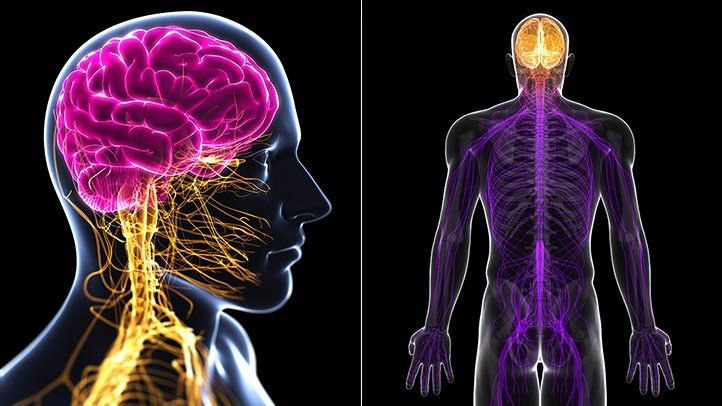
Because all pain experienced in the body is related to the central nervous system, treatment must also target the pain signaled throughout the central nervous system. The symptoms of fibromyalgia are a result of its association with the central nervous system. We now know that fibromyalgia routinely manifests in patients who may have been diagnosed with anxiety or depression. However, these conditions affect the body in different places and different ways, even different for individual patients, and result in unmitigated pain. 

Along with solutions to several conditions of pain, Relatyv offers a solution to the pain associated with fibromyalgia. Because pain conditions are a result of the firing of nerves in the central nervous system, the method of relieving pain is the is largely similar to other chronic pain conditions, which makes Relatyv one of the best options for patients seeking non-medication based treatment. Relatyv uses a proprietary treatment protocol called Neuralgesia, which is combination of high pulse electrical stimulation and specialized hydration to create an effective and enduring pain relief. Relatyv is the industry pioneer of Neurofunctional Medicine, and Neurofunctional Pain Management and these concepts are the basis of the Neuralgesia treatment protocol. 

Patients often report relief of pain and improvement in just one visit. Patients that complete a full course of therapy may be able to find pain relief for several months without the need for medications, surgeries, or invasive procedures. The mission of Relatyv is to relieve pain, restore health, and magnify quality of life without medications, surgery, or invasive procedures. Let Relatyv help you on your journey of pain relief.

Nonsurgical Treatment Options for Low Back Pain

Nonsurgical Treatment Options for Low Back Pain 1920 1280 Relatyv

Introduction: Low Back Pain

Low back pain is extremely common in the United States and manifests across a wide range of people in a wide range of scenarios. A common demographic of low back pain are patients who are obese or have suffered injury throughout their lifetime. However, low back pain can be a result of many different conditions including injury. While most pain experienced is mild and manageable, many patients experience pain that is debilitating and prevents them from completing any normal, day-to-day activities. Although there are several different causes for low back pain, patients should understand that the pain is manageable through various treatment options. While the most common treatment methods are sought out at home, some may consider surgical options such as implants and surgery procedures. For patients who seek a nonsurgical treatment for lower back pain, options should be thoroughly examined for the following: efficacy, side-effects, and lasting results. 

Misconceptions and Real Causes of Lower Back Pain

When faced with the effects of lower back pain, patients will often resort to constant rubbing and massaging the lower back without realizing that their pain is likely the result of nerves firing and not muscles being overworked. People often assume the pain is a result of muscle fatigue because the affected area is often the same area they would feel pain in after heavy-lifting. It would come to no surprise that patients experience frustration after massaging the affected area to no relief. The first thing that patients with lower back pain need to understand is that most lower back pain is a result of the nerves in their lower back being compressed or impinged which makes them agitated and report pain. The first step in seeking effective treatment is learning what is wrong with our bodies. Once we know and understand what our bodies are communicating to us, we can assess the situation, seek effective treatment, and overcome our obstacles quickly. 


The Most Common Causes

Some of the most common causes for lower back pain might not be readily apparent to patients and may take a proper diagnosis from a medical professional before starting the recommended treatment. As mentioned previously, most people will experience lower back pain in their lives and it will likely become an issue for which most would seek medical attention. The types of patients who seek medical attention for lower back pain will often be divided into subsets before doctors recommend them for a particular treatment. So, like medical professionals, when considering the causes of lower back pain, we must also consider these various subsets of patients who are categorized by the conditions they face that would be considered risk factors. 

The first, most prominent qualifier for the cause of lower back pain is age. Lower back pain is most common with patients who are over the age of thirty. This is not to say that patients under thirty cannot or will not experience back pain, but it is more likely that a patient who is experiencing back pain will be over the age of thirty. Unfortunately, age is a risk factor for most conditions including lower back pain and this is due to the wearing down of disks that sit along the vertebrae of the human spine. Over time, these soft and flexible disks that can absorb the impact and stretching required from physical activity, become more brittle and unable to support the weight placed upon the vertebrae of the spine.

The issue of accomplishing physical tasks is further exacerbated by the weight of an individual. The extra and unnecessary weight of an individual will strongly contribute to the pain experienced in the lower back. Because we ask our spine to handle hundreds of tasks which can often be strenuous every day, adding extra weight to the spine would further increase the pain experienced by patients with lower back pain. Weight is often a result of an individual’s occupation or lifestyle. Unfortunately, those who live or work in an environment that is more sedentary and requires the patient to sit for several hours at a time have a much higher chance of being overweight and experiencing greater low back pain. Patients who live or work in such environments may be surprised to learn that their environment can cause lower back pain because it is not requiring them to do any strenuous exercise or activities. Contributing factors for low back pain, while surprising, are no less serious and vary from the aforementioned qualifiers to osteoarthritis and even depression or anxiety. 

With these conditions and qualifiers in mind as causes for low back pain, we must also consider a condition that is directly tied to the nerves along the lower back, sciatica. Sciatica is a condition that results from the pinching of the sciatic nerve, may also be directly tied to the disks along the vertebrae that compress the nerve. So, if the nerve is compressed by the disks, the disks along the spine are also wearing out over time, and a patient suffers from any of the former qualifiers, one can begin to understand that low back pain is a condition that is complex and multifaceted. 

At the outset in search of treatment, patients who understand that their low back pain is likely a result of more than one contributing factor. Because of the compounding of conditions that contribute to low back pain, patients will often feel discouraged and assume that there is no one-size-fits-all solution to their back pain. While most patients may know of temporary pain-relievers, all would rather have effective, safe, and lasting treatment without risking surgery. 


Nonsurgical Treatment Options

The most common and available relief for lower back pain includes the use of nonsteroidal anti-inflammatory drugs (NSAIDs). These over-the-counter drugs are largely considered safe for temporary pain relief and therefore readily available to most of the population. Some of the more recognizable NSAIDs are Ibuprofen, Acetaminophen, or Aspirin. And while these drugs can provide temporary relief, there are other effects that should be considered by patients. While not directly addictive to patients who take NSAIDs to deal with pain, the risk of dependency cannot be dismissed. NSAIDs, by their very nature, are supposed to have a temporary effect. The effects of NSAIDs, while often effective at treating pain, are ephemeral and do not last long enough for patients to experience relief over a long period of time. One who experiences the effects of low back pain for long periods of time will know that NSAIDs are not going to be a lasting treatment. While some treatments act like stitches that clean and suture the wound, NSAIDs could be compared to a bandaid that must be replaced every eight-to-ten hours after application. For many patients, the minor efficacy of NSAIDs can cause a type of dependency and even overdose, not to mention the internal destruction on your body that occurs from overuse of these medications. The mild nature of NSAIDs often leads to patients desiring heavier doses outside of the recommendation which is a dangerous step that should not be considered when treating low back pain. Some NSAIDs are deadly when consumed in too high a quantity too quickly.

NSAIDs, like all drugs, are not without their side-effects. In a study done in February of 2020, doctors V.K. Sharma and associates concluded that, “[a]lthough NSAIDs are among the most commonly utilized drugs, their use is associated with a broad spectrum of side effects, which may include gastrointestinal and cardiovascular toxicity” (2020). According to a study conducted in 1993 by Dr. Bjarnason, the gastrointestinal effects range from diarrhea to ulcers, holes or perforations, and bleeding in the small intestine. Cardiovascular toxicity as a result of NSAID ingestion can also result in severe and irrevocable damage to the heart. It is likely that most patients will rightly conclude that the dependency on NSAIDs to treat low back pain can lead to these conditions especially if dependency and frequency of NSAID use are increased over time. 


Neuralgesia with Relatyv

Low back pain, depending on its contributing factors, is likely a signal from the nerves along the spine and unfortunately, is often not solved with a simple back massage. Any painful condition associated with the central nervous system can be effectively treated and when it comes to low back pain, non-surgical non-invasive treatment options with Relatyv should be your first consideration. The contributing factors of low back pain range from age, to weight and even mental health, and affect the nerves of the lower back. resulting in unmitigated pain. 

Along with a solution to many other painful conditions, Relatyv offers its proprietary Neuralgesia treatment program as a solution to the chronic pain associated with low back pain. Because many conditions are a result of the misfiring or restriction of nerve function in the central nervous system, the method for diminishing this pain is the same. Relatyv uses a treatment protocol called Neuralgesia. Neuralgesia is a combination of high pulse electrical stimulation technology and specialized hydration therapy that create a compounded pain relief effect that may last for many months after a course of treatment. Neuralgesia high pulse electrical stimulation is unlike other low-pulse and low-power electrical stimulation systems that are common in chiropractic offices and physical therapy offices. High pulse electrical stimulation systems require physician and medical provider oversight for application. This along with a specialized hydration therapy can produce results that may last for months and month. Many patients report substantially relieved pain after just one treatment and the quality of life aspects of Neuralgesia therapy are also impressive as many patients report being able to sleep through the night without pain and can finally begin to walk and move around without constant pain.


Chronic Back Pain Relief with Neuralgesia Next Generation Pain Management

Chronic Back Pain Relief with Neuralgesia Next Generation Pain Management 1920 1080 Relatyv

When it comes to back pain, the solutions aren’t always apparent or suitable for the average person suffering. Unfortunately, while many people do and will suffer from back pain, they will also struggle to determine a possible repair or correction, let alone a solution for the pain. On the other hand, some patients with chronic back pain know precisely why and how the pain occurs, they just can’t do anything about it. Whether patients understand the origin of pain or not, they are all looking for a solution to the pain. Luckily, pain relief is prevalent and there are several options for patients to consider. But for those struggling with the treatment after treatment, injection after injection and the path to surgery, it will be a relief to hear that a next generation of pain management has arrived. 

Before we get to the next generation solution for chronic back pain, it’s likely that many will not know or understand the origin of their chronic back pain and going over some of the likely causes could help patients in their assessment and application of treatment. It may be a comfort for patients to know they are not alone. Doctors Bursey et al. conclude that, “[a] high proportion of the public believe LBP [Low Back Pain] to have inevitable negative consequences and hold incorrect beliefs about diagnosis and management options, which is similar to findings from other countries. This presents challenges for clinicians and suggests that considering how to influence beliefs about LBP in the broader community could have value.” However, patients might not realize why learning about the origin of their back pain can be useful. That fact is that learning more about your condition will allow you to have a deeper understanding of what you are experiencing and what you believe will help. Going to a doctor with this information will give you the confidence you need to know you are receiving the best treatment possible. 

The doctors continue, “Given the high prevalence of LBP and that many will consult a range of healthcare professionals, future efforts could consider using broad reaching public health campaigns that target patients, policy makers and all relevant health providers with specific content to change commonly held unhelpful beliefs” (Bursey et al. 2021). While these common and unhelpful beliefs are for the patient to determine with their doctor, the presence of misinformation surrounding back pain is real. 

Patients experiencing the condition should always do their research and then bring their findings to a medical professional for diagnosis. Whether the patient is correct or not in their personal pre-diagnosis, they can take pride in the fact that they took initiative in understanding their condition and are working toward a lasting solution for treatment.

Some of the most common causes for back pain might not be readily apparent to patients and may take a proper diagnosis from a medical professional before starting the recommended treatment. As mentioned previously, most people will experience back pain in their lives and it will likely become an issue for which most would seek medical attention. The types of patients who seek medical attention for back pain will often be divided into subsets before doctors recommend them for a particular treatment. So, like medical professionals, when considering the causes of back pain, we must also consider these various subsets of patients who are categorized by the conditions they face that would be considered risk factors. 

The first, most prominent qualifier for the cause of back pain is age. Back pain is most common with patients who are over the age of thirty. This is not to say that patients under thirty cannot or will not experience back pain, but it is more likely that a patient who is experiencing back pain will be over the age of thirty. Unfortunately, age is a risk factor for most conditions including back pain and this is due to the wearing down of disks that sit along the vertebrae and disks of the human spine. Over time, these soft and flexible disks that can absorb the impact and stretching required from physical activity, become more brittle and unable to support the weight placed upon the vertebrae of the spine, which is compounded in complexity with obesity and metabolic conditions like insulin resistance and type 2 diabetes.

The issue of accomplishing physical tasks is further exacerbated by the weight of an individual. The extra and unnecessary weight of an individual will strongly contribute to the pain experienced in the lower back. Because we ask our spine to handle hundreds of tasks which can often be strenuous every day, adding extra weight to the spine would further increase the pain experienced by patients with back pain. Weight is often a result of an individual’s occupation or lifestyle and underlying health conditions like hormone balance and metabolic functions. 

Unfortunately, those who live or work in an environment that is more sedentary and requires the patient to sit for several hours at a time have a much higher chance of being overweight and experiencing greater back pain. Patients who live or work in such environments may be surprised to learn that their environment can cause back pain because it does not require them to move around or do any strenuous exercise or activities. Contributing factors for back pain, while surprising, are no less serious and vary from the aforementioned qualifiers to osteoarthritis and even depression or anxiety. 

With these conditions and qualifiers in mind as causes for back pain, we must also consider a condition that is directly connected to the nerves along the lower back, sciatica. Sciatica, being a condition that results from the compression or pinching of the sciatic nerve, may also be directly tied to the disks along the vertebrae that compress the nerve. So, if the nerve is compressed by the disks, the disks along the spine are also wearing out over time, and a patient suffers from any of the former qualifiers, one can begin to understand that back pain is a condition that is complex and multifaceted. 

At the outset of the search for treatment, patients who understand that their back pain is likely a result of more than one contributing factor. Because of the enumeration of conditions that contribute to back pain, patients will often feel discouraged and assume that there is no one-size-fits-all solution to their back pain. While most patients may know of temporary pain-relievers, all would rather have effective, safe, and lasting treatment without risking surgery, habit-forming drugs, or have routine steroid injections that are now known to make conditions worse over time.

When it comes to lasting and effective relief from back pain, Neuralgesia stands at the forefront of the next generation of back pain treatment. Neuralgesia is a proprietary treatment program offered exclusively by Relatyv. Neuralgesia is a combination of high pulse electrical stimulation and specialized hydration therapy that work together to produce an enhanced pain relief effect that can endure for several months after a patient completes a course of treatment. 

Patients looking for an effective and lasting pain relief that does not require medication, implants or surgeries, Neuralgesia treatment therapies may be the ideal treatment program. Neuralgesia typically lasts for one hour, twice a week. With the combination of high pulse electrical stimulation, which creates a sustained depolarization effect on pain neurons and produces an ongoing pain relief effect, and hydration therapy of a specialized blend of vitamins, minerals, and other nutritional components, patients will experience the most targeted and effective pain treatment in a short amount of time that may endure for months and months. 

Relatyv understands that with a balanced and effective nutritional vitamin/mineral treatment to restore general full-body hydration and high pulse electrical stimulation that heals damaged nerves, Neuralgesia is really the next generation of pain management, and the safest treatment option for chronic pain patients. Neuralgesia is next generation pain management that relieves pain, restores health, and magnifies quality of life while operating as a non-pharmaceutical, non-surgical, non-invasive, and non-chiropractic pain management treatment program. Join us at Relatyv to experience the relief from pain and get back to a quality of life you deserve. At Relatyv, our mission is to help patients relieve pain, restore health, and magnify quality of life without medications, surgeries, or invasive procedures.

Call and visit Relatyv today for a free phone consultation and view several patient testimonials that attest to the efficacy of these sessions:


First thought, first choice, and first step in the journey of chronic pain management.

Peripheral Neuropathy Explained: A Loss of Signal with the Mind

Peripheral Neuropathy Explained: A Loss of Signal with the Mind 722 406 Relatyv

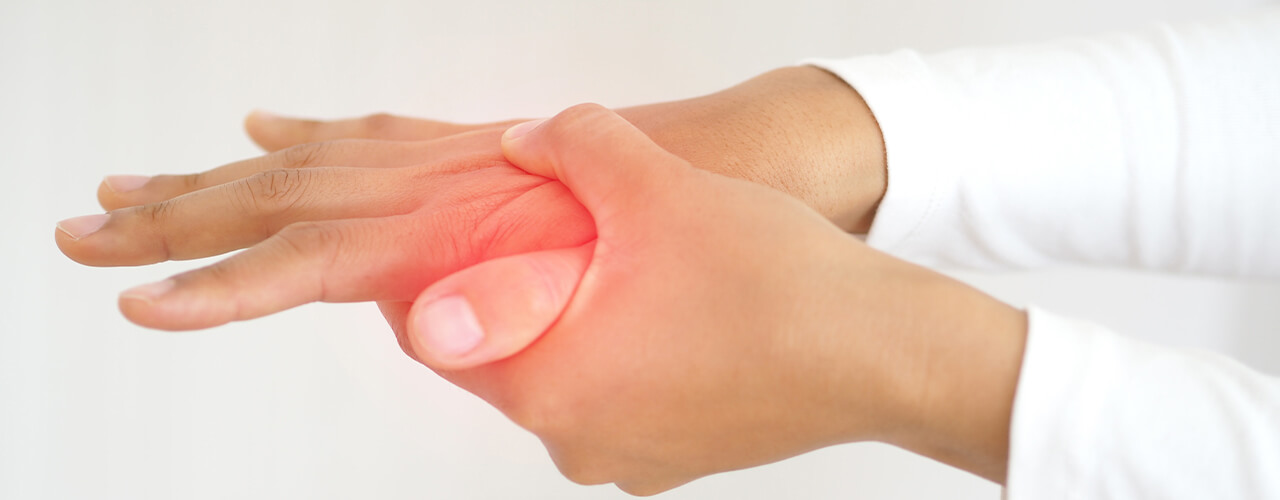
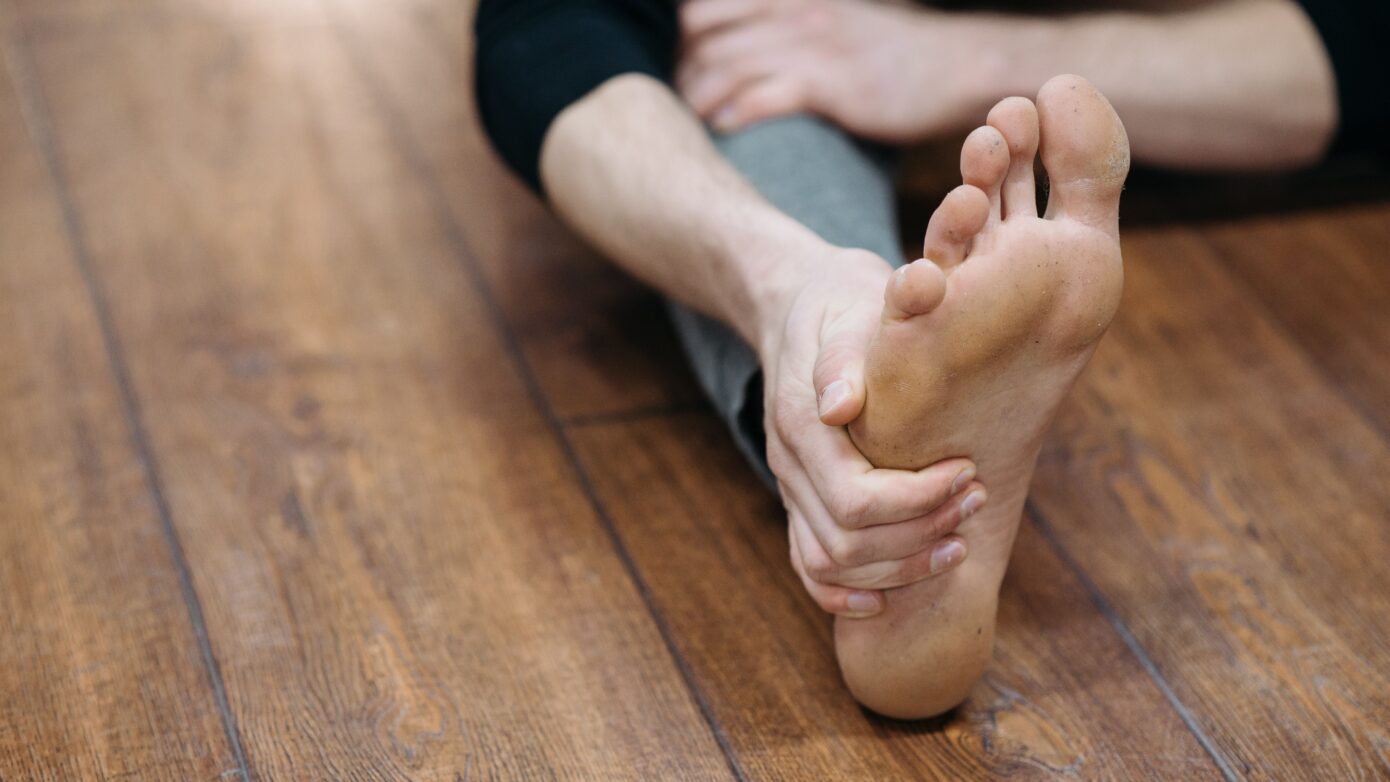
Burning, tingling, numbing, and stabbing pain in the fingers and toes; a loss of balance and hand coordination—these are all signs of peripheral neuropathy, a condition that millions of Americans suffer through every day.

Those patients who experience these symptoms have difficulty understanding what these sensations mean and how they are related to their underlying chronic health conditions. Many of them have never suffered a major injury or had severe health problems, and they still experience the debilitating pain of peripheral neuropathy.

An Outsider’s Perspective On The Causes Of Peripheral Neuropathy

For an outsider—someone who has never experienced the condition—the symptoms seem even more confusing and odd. What’s even more outlandish for outsiders is when they hear that the most probable cause of these sensations is type 2 diabetes. How can someone’s diet and blood sugar translate to pain in the nerves at the ends of their body?

Granted, peripheral neuropathy is not only caused by type 2 diabetes; it can also be caused by severe accidents or injuries.

However, with the most common cause of peripheral neuropathy being type 2 diabetes, an increase in type 2 diabetes prevalence in the population directly causes an increase in peripheral neuropathy prevalence, along with a diminished quality of life for everyone around those who are suffering from peripheral neuropathy pain.

The Prevalence of Type 2 Diabetes

In a study conducted in 2020, the shocking number of type 2 diabetes diagnoses and the increased trajectory of diagnoses demonstrates the undeniable and inevitable increase in peripheral neuropathy.

The study concluded that type 2 diabetes had a “. . . global prevalence in adults in 2017 of 8.8% of the world population, with the anticipation of a further increase to 9.9% by 2045” (Standl, 2020).

At this time, the world population suffering from type 2 diabetes is ostensibly at 9% and with a population of seven billion people, six-hundred-and-thirty-million people have been diagnosed with the condition.

The Link Between Type 2 Diabetes And Peripheral Neuropathy

Physicians everywhere have declared type 2 diabetes an epidemic, and because of its associated and damaging symptoms, the threat is real.

But why diabetes? How is the condition related to the undeniable nerve damage caused by peripheral neuropathy?

We must first look at how the underlying condition is diagnosed.

Type 2 diabetes is most commonly diagnosed by identifying the level of insulin that is created to balance out the body’s sugar intake. It is the pancreas that lowers blood sugar by producing the insulin hormone. When blood sugar rises after a meal, insulin is produced to decrease or keep blood sugar in check and in balance.

As the body takes in more sugar, more insulin is required. If the body takes in its maximum intake of sugar, there will not be enough insulin to decrease or balance the amount of blood sugar in your body.

Eventually, the body becomes unaffected by the level of insulin that has been added or naturally produced, and unless blood sugars are lowered, the body will continue to experience the myriad complications associated with diabetes. These underlying conditions associated with diabetes are often referred to as “insulin resistance“.

How Insulin Resistance Causes Damage To Neurons

Physicians Liumeng Jian and Guangda Yang confirmed in a recent study in 2020 that “Diabetes-related metabolic factors such as increased glucose, decreased insulin, and increased lipids produce changes underlying the development of diabetic neuropathy. Injury to neurons, microvascular endothelium, and Schwann cells in DM contributes to the pathogenesis of neuropathy.” (2020)

These changes associated with diabetes and insulin resistance are damaging to patients’ neurons (the cells responsible for communicating sensory experiences to the brain). The damage inflicted on neurons can account for patients losing feeling in their toes, feet, and sometimes fingers or hands.

Symptoms Of Nerve Damage From Type 2 Diabetes

Now that you know how diabetes-related metabolic factors can contribute to the damage of your neurons. With that in mind, the following are a few of the primary symptoms of nerve damage caused by type 2 diabetes:

Touch Sensitivity

It is common for peripheral nerve damage to cause touch sensitivity. It can affect your hands, arms, legs, and feet. This sensitivity is often described as a “tingling” or “pins and needles” sensation that usually begins in the feet. The sensation has also been described as feeling like you’re wearing gloves or socks. This sensitivity can grow quite extreme, even causing discomfort at the slightest touch like that of bedsheets at night.

Muscle Weakness

Peripheral nerve damage is also linked to muscle weakness. Your peripheral nervous system includes your motor nerves, which are responsible for your skeletal and somatic movements. Because type 2 diabetes can damage your motor nerves, it can lead to muscle weakness and various other issues, such as painful cramps, muscle shrinking, and uncontrollable muscle twitching.

Balance Problems

In addition to touch sensitivity, damage to your sensory nerves caused by type 2 diabetes can result in issues with your balance. In more specific terms, it can result in the loss of sense of position, which makes it more difficult to perform complex movements, such as walking or maintaining your balance when your eyes are closed.

Diagnosis of Peripheral Neuropathy Based on Diabetic Symptoms

Doctors will often check for signs of peripheral neuropathy by running a soft tool over the surface of the patient’s toes and feet. The doctor may then test for the neurons’ response to sharp pain from a needle prick as well as the differences between heat and cold.

If patients experience little to no sensation from these methods, the doctor may diagnose the patient with peripheral neuropathy. There are many other diagnostic tests that may be employed to assist in the diagnosis and severity.

In the end, the connections between peripheral neuropathy and type 2 diabetes are undeniable, but the condition of peripheral neuropathy– as mentioned previously– can also be caused by significant physical damage due to injury.

Regardless of the cause of peripheral neuropathy, the damage to the neurons that communicate pain to the brain is what signals a clear diagnosis of the condition.

Damaged Neurons Cause The Loss Of Signal With The Mind

Peripheral neuropathy is frustrating and, at times, confusing. Even with a basic understanding of the condition and why it happens, patients do not understand why they sometimes feel numbness in their feet while their hands feel on fire.

Many times, patients will express, with understandable frustration, their loss of balance when getting out of bed every morning. Loss of balance is one of the primary elements of reduced quality of life. It creates anxiety and patients are less willing to engage in activity, exercise, and movement in general due to this loss of balance.

Loss of sleep is another highly critical reduction in quality of life that is directly associated with pain caused by peripheral neuropathy.

The best way to understand your body’s differing reactions is to view its peripheral nerves as radio waves that have lost connection.

Sometimes, when peripheral nerves are damaged, the signal between the damaged nerves and your brain will become static and fuzzy. The message being sent from the nerves isn’t clear to the brain, and so the brain attempts to interpret the message to the best of its ability.

It’s not the brain that is damaged, it’s the nerve. And so, as the brain receives these messages from the periphery of the body, it will consistently lose signals and ask the nerves if they are correctly interpreting things: “Are we in pain? Are we asleep? Do we need to be concerned?”

But the fact is, the nerves have lost signal and are out of the brain’s range. Unless effective treatment is applied, the damage will remain, and the nerves will misfire and send false signals to the brain.

An Effective Treatment From Relatyv: Neuralgesia

Regardless of the causes, history, or symptoms of peripheral neuropathy, there are few effective treatments that can reduce the pain and the problems associated with this condition.

Relatyv offers a solution that works to relieve pain, restore health, and magnify the quality of life through a proprietary treatment protocol called Neuralgesia. Hundreds of patients have experienced relief from the pains and irritations of peripheral neuropathy through next-generation Neuralgesia treatment protocols.

Patients who may have suffered for years or even decades with treatments that hardly worked or stopped working overtime can now get a next-generation pain management treatment for peripheral neuropathy that serves to relieve pain, restore health, and magnify the quality of life. Many patients experience immediate relief and regain function in their extremities after one session.

In some cases, patients report being pain-free after a single treatment session for the first time in years and also report amazing quality-of-life successes like being able to sleep through the night again for the first time in years.

Neuralgesia protocols are a one-hour treatment twice a week. Neuralgesia uses a combination of high-pulse electrical stimulation and specialized hydration therapy to produce pain relief effects that may last for months and months after a completed course of treatment.

Patients who start the Neuralgesia treatment protocol with Relatyv are often amazed that they have reduced or relieved pain, they feel better all around, they want to move and get exercise and they feel like their quality of life is back, not just better, but a magnified quality of life.

This is what Relatyv aims to accomplish for all its patients using our proprietary Neuralgesia therapy protocols.

Living With Peripheral Neuropathy: The Day-to-Day Life

Living With Peripheral Neuropathy: The Day-to-Day Life 732 549 Relatyv

For patients suffering from peripheral neuropathy, some of the most difficult daily tasks used to be simple and without thought. Because of the numbing, stabbing, tingling, and burning pains that persist in the fingers, hands, toes, and feet, many patients lose the ability to maintain what they would call a normal lifestyle. 

In other words, peripheral neuropathy patients have a diminished quality of life. 

For loved ones of these patients, the most difficult aspect of peripheral neuropathy is understanding the condition and learning how they can help with something they don’t completely understand. With peripheral neuropathy, understanding the day-to-day conditions of a patient is paramount in order to seek care and treatment.

5 Peripheral Neuropathy Complications

Patients who suffer from severe cases of peripheral neuropathy will often encounter its effects the second they step out of bed. Shooting and burning pain just walking around, inability to participate in normal physical movements and activities, and fear and anxiety of worsening symptoms when engaged in any activity in the presence of loved ones. 

Patients who are elderly and have lived with the prolonged effects of peripheral neuropathy are at an increased risk of danger simply when getting out of bed. With a loss of balance being one of the most common symptoms of peripheral neuropathy, elderly patients have often experienced twisted ankles, hyper-extended knees, bruising, and even broken bones. 

In turn, balance problems and falls resulting in fractures are some of the most common causes of hospitalizations.

But to understand the full extent to which peripheral neuropathy can affect a person’s life, it is crucial to look at all the complications that can arise from not managing this condition properly. Let’s look at these complications below.

The following are complications associated with Peripheral Neuropathy:

1. Injuries, Wounds, and Ulcers From Loss of Sensation in Neuropathy

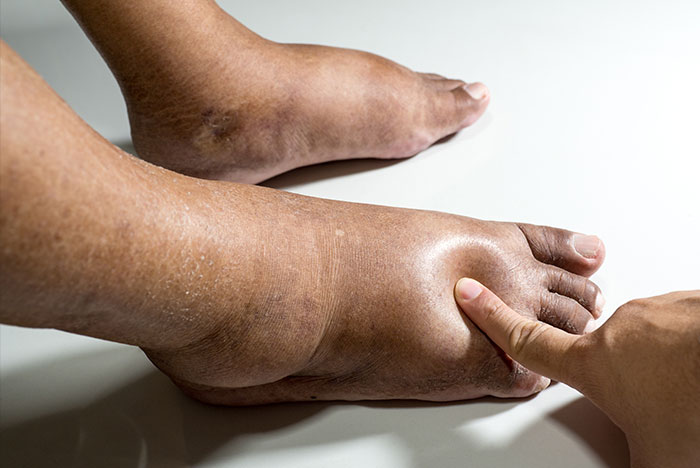
One of the most common symptoms of neuropathy is numbness – or a loss of feeling that usually begins in the hands and feet. At first, mild numbness might not feel like a major problem. However, over time, damaged sensory nerve endings become unable to send signals to the brain related to sensations of pain, touch, vibration, or temperature. 

In turn, you may no longer be able to feel the pain deriving from an infected wound in your feet, or you might inadvertently expose your limbs to extreme heat or cold. This can lead to wounds and injuries which, if unaddressed, can become infected and lead to ulcers and sores.

2. Cardiovascular Autonomic Neuropathy

Neuropathy commonly affects sensory and motor nerves, which are the nerves responsible for carrying signals to the brain relating to touch, temperature, and muscle movements. However, in some cases, nerve damage can affect the autonomic nerves, which have the role of transmitting to the brain signals relating to body functions we don’t have direct control over. These functions include blood pressure and heartbeat. 

In severe cases, damage to the autonomic nerves responsible for regulating the heartbeat can lead to what’s called cardiac autonomic neuropathy. This type of neuropathy can cause erratic heartbeat and resting tachycardia, leading to a fivefold increase in the risk of death by heart attack (myocardial infarction).

Currently, cardiac autonomic neuropathy is considered to be one of the most common severe complications of diabetes.

3. Digestive Issues Due to Autonomic Nerve Damage

If autonomic neuropathy affects the nerves responsible for controlling the digestive system, you might experience a range of gastrointestinal problems. Some of the most common complications of gastrointestinal autonomic neuropathy include:

  • Digestive issues such as constipation and diarrhea
  • Abnormal sensations such as loss of appetite and feeling full after a few bites of food
  • Nausea and vomiting
  • Feeling bloated 
  • Difficulty swallowing
  • Heartburn 
  • Gastroparesis (delayed gastric emptying)

Problems with the digestive system might make it harder to control blood sugar levels, especially in people with diabetes, and can lead to nutritional deficiencies. These consequences, in turn, can worsen neuropathy and lead to further nerve damage.

4. Bladder Control Loss

Loss of bladder control – a condition called neurogenic bladder – is caused by damage to the autonomic and motor nerves involved with the correct functioning of the urinary system. 

This condition, which is most commonly caused by diabetic neuropathy, can lead to difficulty sensing a full bladder, difficulty urinating, urinary incontinence, and inability to empty the bladder during urination. 

These side effects can lead to further complications, including urinary tract infections.

5. Gangrene and Amputations

As seen above, the inability to feel pain and discomfort deriving from an infected wound or exposure to extreme heat and cold can lead to ulcers. If not properly addressed, the infection can cause the death of surrounding tissue, which causes what’s called “gangrene”. 

If not immediately addressed, gangrene might require limb amputation. 

Currently, 25-90% of all amputations are attributable to diabetes mellitus and related diabetic neuropathies.

Along with the various sensations experienced by patients in their feet, it’s the fear that they will lose those feet with prolonged peripheral neuropathy after numbness sets in permanently and infections and ulcers dramatically increase the health risks of living with peripheral neuropathy. 

With these symptoms being a very real probability, patients would do well to recognize the metastasis of their peripheral neuropathy pain into ulcers and a final amputation.

However, fear of this condition materializing into something worse is not necessarily a bad thing. Often it is fear of a condition getting worse that motivates patients or their loved ones to seek treatment for that condition. Unfortunately, the reality of seeking effective treatment is troublesome at best. 

As patients live day-to-day with the effects of peripheral neuropathy, many rely on the aid of NSAIDs (Non-Steroidal Anti-Inflammatory Drugs) or consider the life-altering effects of drastic and invasive surgery.

The Side Effects Of NSAID Dependency In Peripheral Neuropathy Patients

Nearly 60% of Americans battling chronic pain use non-steroidal anti-inflammatory drugs (NSAIDs) regularly to manage their condition. These medications are certainly accessible and affordable, but patients should not underestimate the risks and side effects they are exposing themselves to.

With NSAIDs such as Ibuprofen and Acetaminophen, patients often become dependent and require regular doses which can cause unwanted side effects that include:

Gastrointestinal (Gi) Bleeding

The chronic use of NSAIDs over long periods can compromise the health of the gastrointestinal system. In particular, these drugs cause injury to the gastrointestinal mucosa (the inner lining that protects the digestive tract). 

In 1-2% of people taking NSAIDs regularly to manage their neuropathic pain, damage to the mucosa can cause lesions and internal bleeding. This happens because NSAIDs have an inhibiting effect on the platelets, which are the blood cells responsible for healing wounds. 

When left unaddressed, GI bleeding can have severe consequences, including shock, anemia, and inhibited blood flow.

Myocardial Infarction

Studies have shown that taking NSAIDs regularly for any length of time can lead to an increased risk of developing a heart attack (myocardial infarction). And, this can happen in as little as a week!

This is because non-steroidal anti-inflammatory drugs affect how the chemicals responsible for preventing blood clots work, making obstructions in blood vessels and arteries more likely. Additionally, NSAIDs can increase the body’s retention of fluids and salt by inhibiting the correct functioning of the kidneys. In turn, high levels of salt can cause hypertension or high blood pressure. 

The risk of developing a myocardial infarction is higher among people with existing heart conditions.

Stroke

As seen above, taking NSAIDs can increase the likelihood of blood clots. What’s more, NSAIDs can cause the narrowing of blood vessels (vasoconstriction) by inhibiting the proper functioning of prostaglandins, which are the chemicals in charge of relaxing veins and arteries. 

Combined, these effects can cut out the blood supply to the brain and cause ischaemic strokes.

Peptic Ulcer

Peptic ulcers are lesions of the lining of the stomach or of the first part of the small intestine. If left untreated, they can lead to severe consequences, including stomach cancer, obstruction, and internal bleeding. 

It is estimated that NSAIDs cause 10-30% of all peptic ulcers by inhibiting the chemicals in the gastrointestinal system responsible for protecting the mucosa.

Acute Renal Failure

As seen above, NSAIDs cause the narrowing of blood vessels and reduce the levels of chemicals (prostaglandins) responsible for relaxing veins and arteries. This reduces the blood flow to the kidneys and inhibits their ability to work properly. 

In turn, waste material, toxins, and salt begin to build up in the kidneys, which can lead to Acute Renal Failure, a severe condition that can be fatal if not immediately addressed. Since aging causes a natural loss of kidney function, Acute Renal Failure is more likely among patients aged over 65.

As patients worry and fret over a solution to their peripheral neuropathy pain, the desire to seek out invasive surgery increases. Many who seek out surgery are accompanied by understandable anxiety– a fear of cost and irreparable damage. 

Patients who are faced with the option of surgery and consider it seriously will often experience anxiety because of their lack of options and education involving peripheral neuropathy and its treatment.

The Cost Of Living With Peripheral Neuropathy And How Relatyv Can Help

Doctors who are accustomed to performing the surgeries would do well to treat patients with patience through their anxiety with education and one-on-one time, if possible. 

Unfortunately, many doctors do not take the time to educate their patients about the side effects of invasive surgery or the surprising costs associated with that surgery. In the end, living with peripheral neuropathy is costly.

Some of the costs include:

Dosage And Dosing-Schedule Adjustments Of PIs

Common treatments prescribed for peripheral neuropathy include NSAIDs and other over-the-counter pain relievers as well as anticonvulsant drugs, antidepressants, and topical medications such as capsaicin.

Beyond the cost of these medications, patients also have to deal with the expenses related to adjusting their dosage over time as their disease progresses. 

Although these costs might vary from one person to another, statistics conducted in 2006 showed that, in Canada, patients with neuropathy faced $1,137 every 3 months in direct costs (77% of which were attributable to medications, prescriptions, and specialist visits) and $1,430 in indirect costs.

PI Treatment Discontinuation And Switching

Although neuropathy is a widespread condition, it remains challenging to diagnose and treat. This is because this disease can have several underlying causes and can manifest itself with a range of symptoms. What’s more, around a third of cases of neuropathy have no known cause (idiopathic neuropathy). 

This causes patients and healthcare providers to undergo long periods of trial and error to find a treatment that is effective and only causes tolerable side effects. Undergoing several lines of treatment and switching from one therapy to another can be expensive for patients. 

According to 2019 estimations, the first line of treatment costs patients an average of $23,183, while subsequent therapies can add up to $37,880 or more.

Medications To Address The Pain

The cost of pain medications can vary, often according to the severity of symptoms and advancement of the disease. However, the economic cost of chronic pain deriving from neuropathy is certainly not negligible. 

The total cost of prescription medications recommended to patients battling chronic pain in the US is $17.8 billion annually. Additionally, individuals with chronic pain are estimated to pay $7,726 more than people with no pain in healthcare costs each year.

Surgeries

In some cases, neuropathy can be caused by soft and hard tissues (like bones, ligaments, and tendons) pressing on a nerve. This can happen in the case of conditions such as Carpal and Cubital Tunnel Syndromes. Additionally, health events like direct trauma can cause bone fractures, tendon ruptures, and mechanical issues that can damage a nerve.

In these cases, patients might be recommended to undergo surgical procedures that aim to decompress or free a nerve. These procedures are not only expensive, but they can also lead to a cascade of indirect costs, such as lost wages, missed days at work, and expensive rehabilitation therapies. 

For example, undergoing a Carpal Tunnel Release Surgery can cost around $3540 and involve a recovery period that can go from 3-4 months to a year.

How Relatyv Can Help You Prevent Surgery

Facing the prospect of having to undergo surgery is not only financially difficult but also emotionally straining, and physically taxing. In the end, patients who live through these troubles want a treatment that is effective, affordable, and accessible.

There are many causes of peripheral neuropathy ranging from diabetic-induced neuropathy to medication-induced neuropathy. 

Regardless of the causes, symptoms, or history of peripheral neuropathy, Relatyv offers a next generation solution to peripheral neuropathy pain with its proprietary Neurofunctional Pain Management treatment protocol. 

Neurofunctional Pain Management  treatment sessions are twice a week for one hour and the experience is social with patients engaging with physicians and staff the entire time they are in treatment. Neurofunctional Pain Management  is a combination of high pulse electrical stimulation and specialized hydration therapy that produces an enhanced pain reduction effect that can last for many months after a patient completes their course of treatment. Neurofunctional Pain Management  is not only effective at treating peripheral neuropathy but is also highly effective at treating a wide range of chronic pain conditions such as back pain, knee pain and joint pain, chronic migraines and headaches, fibromyalgia, and chronic pain stemming from accidents or surgery.

Relatyv is on a mission to relieve pain, restore health, and magnify quality of life across the nation without medication, surgery, or invasive procedures. Out vision is to be the first thought, first choice, and first step in the journey of chronic pain management.

Peripheral Neuropathy Pain Management: Dealing With The Condition

Peripheral Neuropathy Pain Management: Dealing With The Condition 1280 500 Relatyv

Affecting nearly 2.5% of the world population, nerve pain is certainly widespread; however, because of its “invisible” nature, it is often not well understood, diagnosed, or treated. 

But just because the pain, distress, and abnormal sensations are not immediately noticeable to others, it does not mean that nerve pain isn’t serious or life-changing.

It is important to educate yourself about the causes and symptoms of neuropathy and look for a pain management strategy that is sustainable and efficient in the long term. 

With Relatyv’s Neurofunctional Pain Management approach, individuals with peripheral neuropathy today have an alternative option to deal with their condition that does not rely on medications or surgery. Let’s take a look at how these treatment options for peripheral neuropathy can help.

What Is Peripheral Neuropathy?

Simply, peripheral neuropathy refers to damage to the nerves in the peripheral nervous system (PNS), which are the nerves that lie outside of the brain and the spinal cord. 

There are three types of nerves in the PNS:

  • Motor nerves – Motor nerves are the ones controlling the movement of muscles and are responsible for carrying movement-related signals to the brain. 
  • Sensory nerves – Sensory nerves transmit signals relating to sensations to the brain, which include touch, temperature, and vibration. A high concentration of these nerve fibers can be found in the skin of the fingertips and palms.
  • Autonomic nerves – Autonomic nerves are responsible for managing body functions we don’t have direct control over, such as breathing, digesting, and sweating. 

When these nerves become damaged, motor, sensory, and autonomic signals are unable to reach the brain, thus leading to a cascade of symptoms, including numbness, extreme sensitivity to touch, and spasms. In severe cases, this can lead to muscle atrophy, erratic heartbeat, digestive problems, and loss of bladder or bowel control. 

Nerve damage can affect a single nerve (mononeuropathy) or multiple nerves in different areas of the body (polyneuropathy), and there are over 100 forms of neuropathy. Depending on what nerves the damage extends to, a patient might experience different neuropathic pain.

What Causes Peripheral Neuropathy?

While it sometimes manifests as a lack of sensitivity and numbness, peripheral neuropathy is most commonly a condition of burning, tingling, and stabbing pain that fires on the peripheral nervous system. Patients who experience the pains of peripheral neuropathy explain that there is a burning or irritating sensation in the fingers, hands, toes, and feet. While this pain can vary between a light tingling and an intense burning; however, it is ultimately the loss of function and quality of life that affects patients the most, such as loss of balance and reduced quality of sleep or lack of sleep altogether due to ongoing neuropathy pain. 

Loss of function can lead to loss of balance when peripheral neuropathy exhibits in the feet. This can be especially dangerous the older the patients get and the longer their type 2 diabetes goes untreated – the most common cause of peripheral neuropathy. However, patients aren’t always as concerned with the cause of their condition as they are with the solution for treatment.

Understanding The Types Of Pain Caused By Peripheral Neuropathy

With over 7 trillion nerve endings present in the human body that can potentially become damaged, it is easy to see why neuropathy can manifest itself with a variety of different symptoms. 

Nonetheless, understanding how neuropathy can affect your body is the first step to accurately diagnosing nerve pain, uncovering the underlying causes of this condition, and finding a suitable treatment program. Let’s start by looking at the common consequences of nerve pain below.

Burning Pain

Burning pain, especially in the hands and feet, is one of the most common symptoms of neuropathy. Burning sensations are a result of damaged nerve endings in the epidermis (skin), which can become overactive and send improper signals to the brain. 

Nerve damage to sensory nerves (sensory neuropathy) is one of the leading causes of burning feet.

Paresthesia Pain

People with neuropathy often describe their pain as tingling, prickling, or “pins and needles” sensations. These manifestations of neuropathy fall under the category of paresthesia pain, which is caused by improper nerve signaling. This is due to abnormalities or damage to the pathway that connects a peripheral nerve to the brain’s sensory cortex.

Hyperaesthesia

Hyperesthesia refers to the hypersensitivity to touch caused by damaged sensory nerves that become overactive and begin to send improper pain, touch, and temperature signals to the brain. Although this might not directly lead to pain, hyperesthesia can cause you to experience an excessive perception of stimuli. 

For example, you might begin to experience discomfort when the bed sheets are touching your skin at nighttime. This can make it difficult to fall asleep and can lead to sleep disturbances. 

It is also important to note that neuropathy can cause the opposite of hyperesthesia as well, which is hypoalgesia. Hypoalgesia – or the reduced ability to feel pain – can lead to some of the most severe complications of neuropathy. Indeed, if you are unable to feel pain, you might let an infected wound go untreated, which can cause ulcers and gangrene, or inadvertently expose your skin to excessive heat or cold.

Allodynia Pain

Allodynia is a form of hyperesthesia that causes you to experience excessive pain in response to stimuli that should be painless or only cause mild sensations. This is due to sensory nerves becoming damaged and misfiring, thus sending improper signals to the brain. 

If you have allodynia pain, daily actions such as brushing your teeth or holding a cup can cause severe pain. This type of pain affects 15-20% of patients with neuropathy.

Managing Complications Of Peripheral Neuropathy

When it comes to peripheral neuropathy, patients should carefully explain the nature and symptoms of their condition to their doctor and confirm a diagnosis before seeking treatment. Once a confirmed diagnosis has been reached, patients are often presented with various treatment options. However, according to Maher R. Khdour in the Journal of Pharmacy and Pharmacology published in February 2020, “ . . . peripheral neuropathy is often inadequately treated.” Khdour also raises the concern that “. . . neuropathy is a highly prevalent, disabling condition, the management of which is associated with significant costs.” While insulin levels will balance out with the level of blood sugar if patients are careful, patients may also wonder what steps they can take in managing the complications associated with peripheral neuropathy.  

Khdour continues to list some of these treatments, which include “the use of specific anticonvulsants and antidepressants for pain management in patients with diabetic peripheral neuropathy” (2020). Medications of all sorts are a known cause of peripheral neuropathy. Often, a regimen of medications taken by a patient with type 2 diabetes may be partially to blame for the persistent neuropathy. Some patients may also choose to undergo expensive surgery to address the pain.

Traditional Methods Of Relieving Neuropathy Pain

The complexity of the nervous system, coupled with the existence of over 100 forms of neuropathy, makes treating nerve pain a clinical challenge. Because of this, most healthcare providers and patients resort to traditional treatments such as over-the-counter medicines, massages, and topical creams. 

Although these treatment options might be a suitable short-term solution for neuropathic pain, patients need to be aware of the full picture. Below, we’ll look at the most commonly prescribed traditional methods of relieving neuropathy pain and their implications.

Over-The-Counter Medications

Over-the-counter medications for neuropathy include painkillers (such as acetaminophen) and nonsteroidal anti-inflammatory drugs (such as Ibuprofen).

These medications are accessible and affordable, and they might be effective in temporarily reducing the pain you experience. However, they don’t come without side effects. 

Some complications of pain relievers patients should be aware of include:

  • Digestive issues, constipation, and nausea
  • Fatigue and headaches
  • Blurred vision
  • Dry mouth 
  • Sleep disturbances
  • Increased risk of heart attacks and strokes
  • Increased risk of gastrointestinal ulcers and bleeding
  • Kidney malfunction and failure

If taken over long periods, NSAIDs and painkillers can also lead to dependency.

Topical Creams, Balms, Rubs, And Gels

Topical creams can help adults with peripheral neuropathy caused by diabetes or with nerve pain deriving from the complications of shingles. In particular, capsaicin (the active component in chili peppers) cream can help provide long-lasting desensitization of the local nerve endings, thus stopping pain signals from traveling to the brain.

Other rubs, gels, balms, and sprays that can reduce nerve pain include:

  • Counterirritants containing menthol or camphor
  • Topical forms of nonsteroidal anti-inflammatory drugs
  • Lidocaine creams
  • Topical salicylates (the active compound in aspirin)

Physical Therapy And Massage Therapy

Massage therapy can help temporarily decrease the pain associated with nerve damage by relaxing the muscles and easing the pressure on damaged nerves. Additionally, massage techniques that include light stroking, gliding, and vibration can boost blood circulation in the areas affected by nerve pain, which can help regenerate damaged tissues and promote healing. 

Studies conducted in 2020 also show that foot massages can ease burning sensations, boost relaxation, and improve sleep quality in patients with hyperesthesia.

Acupuncture

Acupuncture is an alternative therapy that involves inserting small needles into the body’s pressure points. It can help with neuropathic pain by stimulating the nervous system, but it also has other benefits, including:

  • Stimulating the blood flow in the area affected by peripheral neuropathy, thus promoting nerve regeneration.
  • Triggering the release of endorphins, which are the body’s natural painkillers. 

A pilot study conducted in 2017 showed that acupuncture might be beneficial to improve nerve conduction (how fast electrical impulses travel through the nerves). 76% of the study’s participants also reported a reduction in nerve pain.

Herbal Supplements

As seen above, neuropathy can be caused by certain nutritional deficiencies. In these cases, patients might benefit from incorporating some supplements into their diet to support nerve regeneration, provide pain relief, help control blood sugar levels, and relieve inflammation. 

These supplements include:

  • B vitamins such as B12, B1, and B6
  • Antioxidants such as alpha-lipoic acid
  • Amino acids such as acetyl-L-carnitine and n-acetyl cysteine
  • Natural extracts such as fish oil and curcumin (turmeric)

Opioid Drugs (Morphine Derivatives)

Opioid drugs such as oxycodone can be used to treat the symptoms of neuropathy when other treatments have failed. In a study conducted in 2021, nearly 44% of patients who received a diagnosis of neuropathy between 2014 and 2018 were prescribed opioids as part of their therapy. 

Although opioids might help patients with neuropathy find relief from their pain in the short term, they can lead to a cascade of complications, including addiction, drowsiness, euphoria, constipation, and slowed breathing.

Drawbacks Of Using Traditional Methods In Managing Neuropathy

Most of the traditional methods for managing neuropathic pain are symptomatic, which means that they don’t have curative or disease-modifying effects. This means that they don’t address the underlying cause of neuropathy. 

What’s more, not all treatments are equally effective for all patients, who will need to go through trial-and-error, multiple lines of treatments, and steep care costs. Here are just some of the downsides of choosing the treatment options seen above.

1. Inaccurate Diagnosis

For most patients and healthcare providers, the priority is to address the pain deriving from nerve damage. However, often, the underlying reason for this condition is left untreated. This not only makes the chosen line of treatment inefficient, but it can also lead to severe complications if another disease goes unaddressed. 

For example, if neuropathy is caused by undiagnosed diabetes, simply treating the symptoms of nerve pain can expose a patient to complications linked to inadequately managed blood sugar levels, including ulcers, chronic kidney disease, and retinopathy.

2. Costly Treatments

Undergoing multiple lines of treatment can be extremely costly for patients. In a 2019 review, patients with peripheral neuropathy paid an average of $23,183 for the first line of therapy and $37,880 for the second line of therapy. 

Given the impact that nerve pain therapies can have on a person’s financial life, it is crucial for healthcare providers to avoid the trial-and-error phase where possible.

3. Time-Consuming Process

Neuropathy is a neurodegenerative disease, meaning that, if left untreated, it will progressively cause the death of more and more nerve fibers. Because of this, it is important for patients to find an effective treatment option in the shortest amount of time possible. 

Although doctors commonly prescribe one medication after another until one is found effective, obtaining an accurate diagnosis should be the first step to treating peripheral neuropathy.

4. Low Success Rates

Although there are several pharmaceutical treatment options for neuropathic pain, the benefits that these bring are limited and subjective. 

A 2021 trial comparing the efficacy of neuropathy medications showed that the most efficient treatment (nortriptyline, a type of antidepressant) only improved symptoms by 50% in a quarter of patients. The other drugs in the comparison (duloxetine, mexiletine, and pregabalin) were even less efficient and caused significant side effects.

5. Risk Of Side Effects

Undergoing several lines of treatment can expose patients to significant side effects, including dependency in the case of NSAIDs and opioids. Additionally, medications and herbal supplements can interact with one another and affect the efficiency of other drugs. 

For example, in people at risk of heart problems, taking NSAIDs for nerve pain can increase the risk of myocardial infarction.

6. Limited Knowledge And Expertise

Although therapies such as NSAIDs, massage therapy, acupuncture, and herbal supplements are readily available and affordable, patients lack the knowledge and expertise to use these treatments effectively.

7. Lack Of Personalization

No one treatment is equally effective for all patients with neuropathy, mostly because this condition can be caused by a range of risk factors and manifest itself with a variety of symptoms. 

Nonetheless, traditional treatment options tend to be a “one-size-fits-all” approach, which does not take into account the individual needs of a patient, such as existing health conditions, lifestyle factors, and health goals.

Coping With Emotional Effects Of Living With PN: Managing Stress & Anxiety

Living with peripheral neuropathy can have a profound impact on a person’s mental and emotional health. Experiencing debilitating pain can cause a loss of productivity, missed days at work, reduced wages, social withdrawal, and inhibited mobility. And, because of this, it isn’t surprising that, according to a 2020 study, around 65% of people with neuropathy suffer from depression, and 73% of those with nerve pain battle severe anxiety. 

While consulting a specialized mental health professional should always be the first port of call, there are some other complementary strategies you can use to manage the stress and anxiety arising from peripheral neuropathy:

  • Use massage therapy to ease the pain in the hands and feet and boost the release of feel-good hormones such as endorphins. 
  • Practice relaxation techniques such as meditation, yoga, breathing exercises, and body scans. 
  • Improve your bedtime routine to better cope with the sleep disturbances deriving from nerve pain. 
  • Find support from others who are struggling with nerve pain.
  • Be open about your condition and concerns with your loved ones. 

When it comes down to managing and coping with neuropathy, a critical role is played by the treatment option you have chosen. Educating yourself about the treatment options available and partnering with a specialist can help you maintain hope and find the most efficient solution for your needs.

Lifestyle Changes to Mitigate Peripheral Neuropathy Pain

Your lifestyle choices can have a profound impact on your ability to contain nerve damage, avoid the complications of neuropathy, and improve your nerves’ functionality. 

Some steps that you can take to better cope with neuropathy and improve your overall health include:

  • Exercise regularly – Not only does exercise trigger the release of pain-relieving endorphins, but it also improves muscle strength and boosts circulation. This can counteract the negative effects of nerve damage on the muscles and improve the supply of oxygen and nutrients to damaged nerves. 
  • Improve your diet – A well-balanced diet can help improve how you feel mentally and physically, and it can also help you manage conditions such as diabetes and obesity, which are risk factors for neuropathy. Additionally, supplementing B vitamins, introducing healthy fats, avoiding gluten, and eating more fruits and vegetables can help you avoid nutritional deficiencies, improve nutrient absorption, and boost your musculoskeletal system. 
  • Reduce alcohol and nicotine intake – As seen above, alcohol and nicotine can have neurotoxic effects. Avoid further damage to your nerves by quitting smoking and reducing your alcohol intake. 
  • Improve your personal care routine – Several of the complications deriving from neuropathy can be avoided with a thorough personal care regime. For example, consider checking your feet for wounds and infections to avoid ulcers, and massaging your hands and feet to improve circulation in the areas affected by neuropathy.

When looking to modify your lifestyle to ease the pain deriving from neuropathy, it is essential to work with a specialized lifestyle counselor who can help you design a nutritional and exercise routine for your health needs and goals.

When to Seek Medical Care for Uncontrollable Peripheral Neuropathy Pain

Neuropathy can have a unique impact on a person’s life. For some, the numbness and tingling sensations are temporary side effects of health events, such as undergoing chemotherapy. However, for others, peripheral neuropathy can be a debilitating or disabling condition. 

If you have noticed that your nerve pain is interfering with your daily activities, you should not think twice about seeking medical care as soon as possible. Obtaining an accurate diagnosis and selecting an appropriate treatment option can help you limit the consequences of peripheral neuropathy and, in some cases, reverse nerve damage. 

Be sure to look beyond traditional treatment options, and select a therapy that is designed around your needs, medical history, and goals with the help of Relatyv – let’s look at how Neurofunctional Pain Management can help below.

Live A Pain-free Life With Relatyv

For patients seeking treatment for peripheral neuropathy when the affected areas are numb, the use of traditional medications would seem counterintuitive. However, solutions for peripheral neuropathy may be both simple and lasting– especially when considering a solution with Relatyv.

Relatyv uses a proprietary Neurofunctional Pain Management treatment program that may effectively relieve pain, restore health, and magnify the quality of life for patients suffering from chronic peripheral neuropathy and its symptoms.

Neurofunctional Pain Management is a combination of high-pulse electrical stimulation and specialized hydration therapy that enhances the pain relief effect while also balancing and restoring health for patients in the Neurofunctional Pain Management program. Many patients report relief of pain and increases in function and quality of life after just one treatment. Many patients also report substantially long periods of pain relief after completing a full course of Neurofunctional Pain Management therapy that can endure for many months to over a year of pain relief without medications, surgeries, or invasive procedures. Neurofunctional Pain Management is the next generation of pain management. 

Patients who experience these sessions of pain treatment will tell you that they wish they had started sooner and that they had not put off such an effective and long-lasting treatment. Relatyv is on a mission to bring effective and lasting pain relief to millions of patients suffering from chronic pain across the nation. Our mission is to relieve pain, restore health, and magnify the quality of life without medication, surgery, or invasive procedures.


The Relationship Between Osteoarthritis And Peripheral Neuropathy

The Relationship Between Osteoarthritis And Peripheral Neuropathy 429 320 Relatyv

Osteoarthritis (OA) and peripheral neuropathy are two distinct diseases that affect different areas of the body. Although they are both degenerative conditions, the former leads to the breakdown of the soft tissue in the joints, while the latter refers to damage to the nerves in the peripheral nervous system.

However, all systems and processes in the human body are interconnected and interdependent. This means that even though each of the conditions above has its own causes and manifests itself with unique symptoms, OA and peripheral neuropathy can have similar risk factors, appear at the same time, or have a causal relationship with one another.

Understanding OA and neuropathy, and how they are linked to each other, can help you identify the early signs of these conditions and address their underlying causes. This guide will take you through what you need to know to safeguard your musculoskeletal and neurological health.

Understanding These Two Conditions

To understand how OA influences neuropathy and vice-versa, and while these conditions sometimes manifest themselves concurrently, it is necessary to first look at each disease separately.

Below is a comprehensive overview of each disease, its symptoms, causes, and risk factors. Let’s get started.

Osteoarthritis

Affecting 32.5 million adults in the US and an estimated 500 million people worldwide, osteoarthritis (OA) is the most common joint degenerative disease globally. As a form of arthritis, OA is an inflammatory condition that, over time, wears down the soft tissue (cartilage) in the joint area, which is responsible for cushioning and lubricating joint movements.

As the cartilage wears down, the surrounding bones, ligaments, and tendons are left unprotected against friction and shock. In turn, this can cause bone damage, reduced joint movements, mechanical issues, and deformities.

Being a degenerative disease, OA is rarely caused by direct trauma. Instead, the most common risk factors include aging, genetic factors, posture, excessive stress, and overuse. Being overweight or regularly performing motions that overload the joints are some of the most common risk factors.

Currently, OA is one of the leading causes of disability among older demographics, and causes impairments and reduced productivity to over 8 million working-age adults.

Peripheral Neuropathy

Peripheral neuropathy is a term describing degenerative damage to the nerves located in the peripheral nervous system of the human body – or the ones external to the spinal cord or brain. These nerves are in charge of carrying motor and sensory signals from different parts of the body to the brain and enable autonomic processes such as breathing, digestion, and heartbeat.

To this day, not all aspects of peripheral neuropathy are thoroughly understood. However, it has become clear that erratic blood sugar levels caused by diabetes can damage blood vessels and lead to the death of nerves by severing their supply of oxygen and nutrients. Currently, it is estimated that over 50% of those with diabetes also suffer from nerve damage.

Beyond diabetes, other risk factors that translate into nerve damage include exposure to toxins such as lead and mercury, trauma and collisions, hereditary diseases, infections such as HIV, and medications such as chemotherapy. Smoking or battling alcohol use disorder might also be risk factors for neuropathy because the toxins contained in nicotine and alcohol can damage the protective coating around nerves (myelin).

Depending on whether it affects sensory, motor, or autonomic nerves, neuropathy can manifest itself with a range of symptoms, which often include:

  • Pain and discomfort that begins in the hands and feet
  • Loss of sensation affecting the extremities
  • Inability to feel pain or hypersensitivity to touch
  • A burning sensation or stabbing pain
  • Spasms, cramps, and involuntary muscle movements
  • Loss of balance and impaired coordination
  • Loss of bladder or bowel control, erratic heartbeat, and digestive issues

If left unaddressed, neuropathy can lead to complications such as foot ulcers, increased risk of falls, and the need for medical devices such as pacemakers.

Can You Have Arthritis And Neuropathy At The Same Time?

Although both osteoarthritis and neuropathy are incredibly widespread conditions, it isn’t always easy to understand their comorbidity. This is because symptoms might overlap and each disease is often treated individually.

However, evidence is emerging that people with osteoarthritis might have undiagnosed neuropathy and vice-versa. For example, in a 2021 study, nearly 50% of patients with knee osteoarthritis also experienced neuropathic pain. The prevalence of comorbidity was higher in the group of patients with lower education, higher age, and higher body mass index.

So, the two conditions can co-exist. And, in some cases, one might be a risk factor to the other. The section below delves deeper into the connection between OA and neuropathy.

How Osteoarthritis Can Associate With Neuropathy

Not everyone with OA will develop neuropathy, and not every case of nerve damage will directly cause osteoarthritis. Nonetheless, understanding how the two conditions relate to each other can help patients gain a greater understanding of the symptoms, causes, and risk factors of the two conditions.

The Causal Relationship Between OA and Neuropathy

Let’s start by understanding how the joint and nerve systems are connected. According to a hypothesis developed in 2019, nerves and joints rely on each other to maintain the nervous and musculoskeletal systems healthy.

The nerves that surround the joints play a vital role in controlling blood flow to those areas and supplying the joint tissue with essential nutrients and oxygen. On the other hand, the high levels of inflammation in the joints affected by OA can contribute to surrounding nerve damage.

This relationship causes these main effects:

  • Damaged nerves in the joint are unable to deliver position signals to the brain, which can contribute to a loss of balance and coordination.
  • Improper sense signaling can affect how the body distributes loads during movements, which can cause improper mechanics and worsen OA
  • Affected sensory nerves can interfere with how pain is experienced, causing heightened OA discomfort
  • Deformities and improper mechanics (which are common in people with OA) can put pressure on and irritate nerves that would normally be unaffected by the same motions, thus leading to nerve damage.

Shared Risk Factors

Neuropathy and OA might have a few common risk factors.

Firstly, being overweight or obese is among the leading causes of type 2 diabetes which, in turn, is the main risk factor for neuropathy. People with high BMI are also more likely to develop osteoarthritis because of the excessive loading and stress on the joints.

Additionally, OA is an inflammatory disease, meaning that the generation of soft tissue in the joint is caused by irritation and inflammation. Inflammation also plays a role in neuropathy by causing demyelination (the loss of the nerves’ protective sheath). Both inflammatory conditions can be made worse by the use of alcohol or nicotine.

Other factors that might contribute to both OA and neuropathy include aging, mechanics, and genetics.

Symptoms Of Osteoarthritis With Peripheral Neuropathy

Understanding the differences and similarities between the symptoms of OA and neuropathy is critical to identify the onset of either of the two conditions and treatment options that go beyond simply providing pain relief.

Osteoarthritis (OA) affects almost 33 million adults in the United States alone. Much like peripheral neuropathy, which affects the extremities of the body’s nervous system, osteoarthritis is a condition that often manifests in the fingers and toes of patients who have been diagnosed with it.

But patients who suffer from OA can expect to experience its symptoms in most joints throughout the body. The symptoms of OA, when compared to peripheral neuropathy, are not entirely the same and patients who are familiar with the nonsurgical treatments for peripheral neuropathy often look elsewhere to treat the conditions of OA.

Below are some of the telltale signs that a patient might be battling both OA and neuropathy.

Nerve Pain

Peripheral neuropathy causes tingling, burning, and numbness in the extremities.

Nerve pain remains an enigmatic condition to treat, mostly due to the wide range of signs it manifests itself with. Some of the most common and best-known symptoms of peripheral neuropathy include tingling, burning, and numbness in the extremities. This is because the nerves in the hands and feet are the first ones to be affected, and the ones responsible for carrying the most evident motor and sensory signals to the brain.

When nerve damage occurs, patients are likely to experience a heightened, burning, or stabbing pain, often accompanied by unfamiliar sensations or abnormal responses to stimuli (i.e.: feeling pain in response to stimuli that should be painless).

Where the nerve pain is located depends on what nerves have been damaged. In the case of patients affected by both OA and neuropathy, nerve pain might concentrate around the joints and become more evident during joint movements. More commonly, this pain affects the nerves that connect joints to one another, such as in the case of hands, feet, wrists, ankles, elbows, and knees.

Joint Pain

OA manifests itself with symptoms of bone spurs, stiffness, and pain specifically targeting the joints. Unfortunately, there have been cases where patients have peripheral neuropathy with OA.

When this happens, the areas around the joint might begin to experience stabbing and burning sensations (if sensory nerves are affected) or muscle spasms, cramps, and fasciculations (if motor nerves are affected).

Treatment Approaches

Both OA and neuropathy are considered clinically challenging to treat, mostly because they can derive from a range of causes and each patient is likely to experience different symptoms.

However, after a thorough examination of the manifestations of each condition, healthcare providers might recommend surgical or non-surgical therapies to both ease a patient’s symptoms and treat the underlying cause of OA or neuropathy.

Below are the most common treatment options offered to patients today.

Surgical Options

Surgery tends to be the last resort for people struggling with OA, and it is only recommended in case a patient is battling a severe end-stage symptomatic condition.

On the other hand, surgery for neuropathy is most commonly administered when the nerve pain is caused by other conditions that add excessive pressure on the nerves, such as carpal or cubital tunnel syndromes. These procedures aim at decompressing or releasing the nerves, which can lead to pain relief but aren’t able to reverse the neurological damage caused by neuropathy.

Here are some of the most common surgical options available today.

Osteotomy

Osteotomy is a surgical procedure that attempts to reestablish proper mechanics of the joint by reshaping the bones located in the area affected by OA. During the procedure, the bone tissue is removed or reshaped, so that the bones deformed by arthritis can fall back into place and continue to support the joint’s movements.

Arthroscopic Surgery

Most commonly performed to repair the damage caused by osteoarthritis of the knee, arthroscopy is a minor and minimally invasive surgery that involves the use of an arthroscope.

The tube is inserted into the joint area via a small incision, and it is maneuvered to examine the damaged area and determine what is causing the pain. If further interventions are needed, the surgeon might use the arthroscope and other tools to mildly reshape the bones and soft tissue in the damaged area to relieve pain and improve mechanics.

Arthroplasty

One of the most prominent surgical solutions for OA was discovered in the 1950s and 60s by Dr. John Charnley, who successfully treated the condition with an invasive procedure called arthroplasty. The procedure was widely successful and continues to be the preferred method for the surgical treatment of osteoarthritis.

In a medical assessment and survey of advancements in treating OA, Professor K.D. Brandt of the Indiana University School of Medicine found that “[r]ecommendation of total joint arthroplasty for the patient with OA, however, is tantamount to an acknowledgement of the failure of medical management. The surgical procedure is often performed after the patient has experienced years, or even decades, of pain and disability” (2004).

Patients who have sought treatment for their OA who are familiar with the “medical management” referred to by Professor Brandt may not have even considered that arthroplasty is only considered for patients who have suffered from its symptoms for years and even decades.

This means that even patients who would choose to undergo drastic surgery to relieve their pain may not have the same recommendation from their doctor before years or even decades of living with debilitating pain.

While this news may not be surprising to some who have sought immediate and lasting relief for their pain, it is no less of a disappointment. Still, there are those who are wary of surgical procedures to cure their OA and have lasting relief from pain and understandably so.

Elective, non-emergency surgery is a heavy decision that would weigh on the mind of any patient. Naturally, most patients will seek milder and non-invasive or nonsurgical solutions, solutions that will help them manage the pain.

Nonsurgical Treatment Alternatives

When we speak of nonsurgical options for treatment, we consider that these treatments are not always recommended or even effective for many patients who suffer from the pain of any condition.

However, for OA, seeing how it has affected and continues to affect millions of adults in the United States alone and given that patients live an average of 30 years with this condition, there has been extensive research done in search of a treatment or a cure that does not involve extensive and invasive surgery.

Additionally, the prevalence of OA has nearly doubled since the 1950s and is rising alongside life expectancy and obesity rates. The steady increase in the number of cases has contributed to a steady and persistent level of research into a treatment for the condition and this should be a welcome relief for anyone seeking said treatment.

Unfortunately, research from several in the medical community conclude that effective treatment for osteoarthritis is elusive and often lacks the efficacy desired by both patients and their doctors.

With the need for effective nonsurgical treatment of osteoarthritis being sought by patients, even professionals in the medical community like Professor Brandt are frustrated at the lack of effective options available to their patients.

Professor Brandt– after surveying the available options, their limited benefits, and many side-effects– states that “. . . we surely need better and safer drugs to treat OA symptoms(2004).

The last thing patients of OA want to hear is that the symptoms they are attempting to treat with better and safer drugs are met with sometimes worsening side effects.

Because of this, it is vital for healthcare professionals to maintain a holistic approach when attempting to treat the underlying causes of OA and neuropathy. A comprehensive understanding of how lifestyle factors, genetics, and medical history can play a crucial role in determining which nonsurgical treatment (or combination of treatments) should be recommended.

Taking this into consideration, below is an overview of the nonsurgical treatment options available today.

Nutraceuticals

One of the most common nonsurgical treatments for OA is the use of nutraceuticals.

Nutraceuticals are dietary supplements that claim to improve the life expectancy and health care of an individual when used in tandem with healthy foods. The general assumption of nutraceutical efficacy works in tandem with the patient’s willingness to live a healthy lifestyle.

The specific nutraceuticals that treat OA include glucosamine and chondroitin methylsulfonylmethane. These compounds have both analgesic and chondroprotective properties, which allow them to ease pain and delay the degeneration of cartilage.

The efficacy of these treatments has been debated among peers in the medical community for decades. Notwithstanding, Dr. Begum Yurdakok Dikmen counters that nutraceuticals have been introduced as a form of treatment over the centuries and that many suffering from osteoarthritis look to them for a solution.

In a study on nutraceuticals done in 2016, Dr. Dikmen grappled with the fact that “[r]egulations regarding the quality and safety of nutraceuticals are still being debated . .” (2016). This is in part due to the medical community’s skepticism of nutraceuticals being seen as an alternative medicinal treatment for OA.

However, Dikmen states that nutraceuticals are still being considered by governmental bodies that will continue to “. . . develop strategies together with the public to enlighten the benefits supported by solid scientific evidence”.

Understandably, skepticism continues to be a persistent hindrance for the use of nutraceuticals in the treatment of osteoarthritis. This skepticism lies not only in physicians with patients who suffer from osteoarthritis but in the patients themselves.

Many would rather consider a lasting treatment that they know will work for them before ingesting a nutraceutical with which they are unfamiliar.

A study conducted by Marco AntônioPercope de Andrade M.DPh.D. concluded that glucosamine hydrochloride, a nutraceutical, “ . . . had no effect on pain management” when it came to treating osteoarthritis (2015).

Dr. de Andrade confirmed that results from more familiar sources for nutraceuticals such as avocado and soybeans were less conclusive and “. . . may have positive effects on knee and hip OA, but long-term results could not be confirmed”.

These conclusions on the benefits of nutraceuticals are both disappointing and frustrating especially for those who are seeking relief from the pain. While some patients who suffer from OA may feel a small amount of relief from the pain when using nutraceuticals, lasting relief will not be found.

Viscosupplementation

There are perhaps more nonsurgical options that will help– options that are made available through Relatyv.

In the year 2000, a clinical trial evaluating the efficacy of another nonsurgical treatment known as viscosupplementation was conducted.

While the clinical trials of viscosupplementation were in their infancy, Dr. John Watterson found that “. . . the lack of systemic side effects and the potential lasting effects make it an appealing option” (2000).

The process of viscosupplementation is best described as a loosening and relaxing of the joints that feel stiff and rusted over. This nonsurgical option uses a safe compound called hyaluronic acid.

Hyaluronic acid has been FDA approved for decades and Dr. Watterson attests to this benefit by stating that “[t]he US Food and Drug Administration approval of hyaluronic acid as a device has avoided the need for meeting the more stringent criteria for approval as a drug”.

Decades later, the use of hyaluronic acid in viscosupplementation has remained an effective and affordable solution to treat osteoarthritis. Relatyv uses this treatment for osteoarthritis in conjunction with its proprietary pain-relieving Neuralgesia treatment protocol.

While viscosupplementation relieves and loosens the joints affected by OA, Neuralgesia treatments further reduce the pain. Many patients experiencing the symptoms of OA report relief after only one Neuralgesia treatment session with Relatyv.

Patients experience greater mobility, strength, and requisition of the motor skills they used to enjoy completing their daily tasks.

Our Secret To Treating Arthritis-Related Neuropathy With Success

Because of how neuropathy and OA are interrelated and, sometimes, codependent, both degenerative diseases can be addressed using a similar approach.

Relatyv’s proprietary Neuralgesia treatment program is an effective solution to manage and ease the pain and symptoms associated with both conditions when weighed against other options.

Patients who choose not to rely on pharmaceuticals, perhaps fearing the risk of dependency or addiction, and patients who are wary of seeking surgical treatment to alleviate pain should look to Neuralgesia therapy with Relatyv for a solution to their pain.

Based on the research and findings that emerged over the past decades, Relatyv leverages a combination of viscosupplementation therapies and proprietary Neuralgesia treatment programs. The hyaluronic acid injections remain an effective option to lubricate the joints affected by OA and support the regeneration of damaged tissue, while Neuralgesia treatments further reduce pain through Combined Electrochemical Treatment (CET), Remote Therapeutic Monitoring (RTM), proprietary Neurassage therapeutic techniques, and lifestyle counseling.

Many patients experiencing the symptoms of OA and chronic pain report relief after only one Neuralgesia treatment session with Relatyv. Patients experience greater mobility, strength, and requisition of the motor skills they used to enjoy completing their daily tasks. The treatment is simple, non-invasive, and does not require the use of medications.

Relatyv is on a mission to bring Neuralgesia therapy to the millions of patients suffering from chronic pain who are not content with or willing to risk the conventional treatment options currently available. Thanks to our next-generation pain management protocol, we offer the opportunity to patients to relieve chronic pain and return to living their lives to the fullest.

Treat These Two Conditions With One Effective And Safe Treatment

Understanding how degenerative conditions such as OA and neuropathy relate to each other remains challenging. And, finding the right treatment for your needs can be even more difficult.

Nonetheless, thanks to recent advances in regenerative medicine, today’s patients have the opportunity to explore alternative treatment options that don’t involve pill-popping or surgery. And, Relatyv, with its innovative treatment protocols, is at the forefront of this revolution.

Relatyv - Peripheral Neuropathy

Peripheral Neuropathy Treatment: The Best Non-Invasive Option For You

Peripheral Neuropathy Treatment: The Best Non-Invasive Option For You 2560 1709 Relatyv

For nearly 2.5% of the world’s population, receiving a diagnosis of peripheral neuropathy means facing the prospect of relying on medications or resorting to surgery to manage their nerve pain. 

Given the degenerative nature of this disease, it has never been more important for patients to look beyond traditional treatments and find a solution that does not involve invasive medical procedures. 

Fortunately, today’s advances in regenerative medicine offer a valid, non-invasive, and non-pharmaceutical alternative worth exploring. Here, we’ll explore how Relatyv’s programs (Neuralgesia and Neurofunctional Pain Management) can help.

What Is Peripheral Neuropathy?

Peripheral neuropathy is a condition that affects the nerves in the Peripheral Nervous System, which are the nerves located outside of the brain and spinal cord. These nerves are in charge of delivering signals to the brain relating to muscle movements (motor nerves), touch and temperature sensations (sensory nerves), and autonomic processes, such as breathing, digestion, and blood circulation. 

These nerves can become damaged for several reasons, including diabetes, exposure to toxins, or infection. When this happens, motor, sensory, and autonomic signals traveling to and from the brain are inhibited. 

This may lead to experiencing acute pain (even in response to stimuli that should be painless), numbness, loss of balance, or muscle spasms. In severe cases, peripheral neuropathy can also lead to ulcers and, if it is affecting autonomic nerves, may also impair functions such as heartbeat and sweating. 

Understanding the causes and symptoms of neuropathy when the first signs begin to manifest themselves can help you contain nerve damage and avoid the most severe consequences. Above all, understanding your nerve pain can help you find the right treatment option for your needs.

Peripheral Neuropathy Symptoms

Depending on what nerves are affected by neuropathy, you might experience a range of symptoms. Learning to recognize these telltale signs as they begin to appear is the first step to understanding and managing your condition.

Let’s look at the symptoms of peripheral neuropathy in more detail below. 

  • Pain in the extremities (hands and feet) – One of the most common symptoms of neuropathy is pain that begins in the extremities, which can be described as prickling pain or “pins and needles” sensations. This pain – which is called paresthesia – appears when the normal signaling of pain, touch, and vibration is disrupted. 
  • Extreme sensitivity to touch – Damaged nerves can misfire and send abnormal signals to the brain’s sensory cortex, causing extreme sensitivity to touch (hyperesthesia) and pain in response to stimuli that should normally be painless (allodynia). 
  • Cramps and spasms – Uncontrolled muscle movements are caused by damaged motor nerves, which send improper motor signals to the brain.
  • Burning sensations – Burning pain is due to damaged nerve endings in the skin, which become overactive and misfire signals of pain to the brain. 
  • Loss of feeling – When nerves become damaged, they might become unable to transmit signals relating to pain, touch, temperature, and vibration to the brain, thus leading to numbness, loss of feeling, and reduced ability to feel pain (hypoalgesia)
  • Trouble sleeping – Around 68% of patients with neuropathy experience strongly disturbed sleep. This is due to muscle spasms that can wake you up at night and hyperesthesia, which leads to extreme sensitivity to touch, abnormal sensations, and difficulty falling asleep. 
  • Loss of balance – When motor and sensory nerves are affected, your brain might no longer be able to receive signals about your body’s position in space, balance, and coordination. This might cause you to bump into objects, struggle to get up from a low seated position, and be at greater risk of falls and injuries.

Causes Of Peripheral Neuropathy

Nerve damage can arise from a range of causes and risk factors, including the following:

  • Diabetes – Diabetes and poorly managed blood sugar can lead to nerve damage. Erratic blood glucose levels can impair the blood vessels and prevent them from delivering essential blood, nutrients, and oxygen to the nerves, thus leading to the death of nerve fibers. Currently, neuropathy is a complication in 51% of people with diabetes
  • Autoimmune diseases – Some forms of neuropathy, such as Charcot-Marie-Tooth disease, are hereditary. Additionally, some autoimmune diseases such as lupus and rheumatoid arthritis can cause nerve damage due to the sustained levels of inflammation produced by the body. 
  • Infections – In the case of infections caused by bacteria or viruses, nerve damage is derived from sustained high levels of inflammation caused by the body’s response to infections. Excessive inflammation can degrade the myelin (the nerves’ protective coating), thus preventing them from correctly transmitting signals. In people with HIV, neuropathy is a comorbidity in over 50% of cases
  • Physical injury or trauma – Direct trauma is one of the main causes of mononeuropathy (damage to a single nerve). Injuries such as fractures and dislocations can sever the nerve’s connection to the brain and lead to neuropathic pain and numbness. 
  • Exposure to toxins, alcohol, and nicotine – Some toxins, such as lead and arsenic, have neurotoxic effects, meaning that they may cause the degeneration of nerve fibers. This is also true for toxins found in food, such as mercury in swordfish. Using alcohol and nicotine over long periods can damage the myelin that coats and protects the nerves, thus leading to neuropathy. It is estimated that 25-66% of those with an alcohol abuse disorder have alcoholic neuropathy. 
  • Nutrient deficiencies – Some nutritional deficiencies (such as copper and B12) can cause nerve demyelination (damage to the nerve’s protective sheath) and lead to neuropathy. This might also happen in the case of conditions that prevent nutrients from being absorbed properly by the body, such as Celiac disease.
  • Blood or vascular problems – Conditions that damage the blood vessels supplying blood, oxygen, and nutrients to nerves (i.e.: vasculitis) can cause the death of nerve fibers and increase the risk of neuropathy. 
  • Tumors and chemotherapy – Some tumors can grow near a nerve and press on it, which can cause nerve irritation and damage. What’s more, some medications, such as the drugs used in chemotherapy, can have a neurotoxic effect and cause the death of nerve fibers. It is estimated that up to 85% of people undergoing cancer treatment will develop temporary neuropathy. 

Although the items above are some of the most common causes of neuropathy, it is important to keep in mind that up to a third of people with nerve pain have idiopathic neuropathy, meaning that the root cause of their disease is unknown.

How Diagnosis Works

Nerve pain is considered to be an “invisible illness” because its symptoms are not immediately visible to others. This makes neuropathy challenging to diagnose and treat. 

Nonetheless, by partnering with a specialized healthcare provider, you’ll be able to obtain an accurate diagnosis of your condition and its underlying causes. Beyond performing a thorough physical exam and reviewing your medical history, a specialist will conduct several tests to determine the causes and extent of your nerve damage. 

These tests include:

  • Blood tests – Blood tests are used to determine whether the nerve damage is caused by high levels of toxins (like mercury and lead) or by nutritional deficiencies, such as low levels of Vitamin B12. Blood tests can also highlight genetic, hereditary, and autoimmune disorders that contribute to neuropathy. 
  • Skin\nerve biopsies – This type of test involves removing a sample of the skin containing nerve fibers for examination. These tests aim to highlight abnormalities in nerve endings as well as determine the nerve count on your extremities. 
  • Neurological exams – Neurological examinations look at the physical signs of neuropathy, such as changes in your ability to feel pain and move muscles, tendons, and ligaments. 
  • Electrodiagnostic tests – These include a nerve conduction test (NCS) and electromyograms (EMG) to determine how well your nerves work. Some of the indicators monitored through these tests include the speed and strength of nerve signals. 
  • Quantitative Sensory Testing (QST) – If you have been diagnosed with neuropathy, this type of test can help assess the extent of the damage and determine how well nerves respond to sensory stimuli. 
  • Imaging tests – These examinations are used to diagnose neuropathy through a series of images collected via magnetic resonance imaging (MRI), nerve ultrasounds, and computerized tomography (CT) scans. These can help determine if the nerve damage is due to a tumor, a compressed nerve, or other structural abnormalities.

Importance Of Getting An Accurate Diagnosis

Peripheral neuropathy can cause chronic and severe pain and lead to threatening consequences such as ulcers, gangrene, amputations, loss of bladder/bowel control, or irregular heartbeat. 

So, while it might seem easy to resort to painkillers and non-steroidal anti-inflammatory drugs (NSAIDs) to manage your condition, these cannot be considered a sustainable long-term pain management strategy. In the best-case scenario, these medications can ease discomfort in the short term. In the worst-case scenario, they can conceal a significant, more dangerous underlying cause of nerve damage. 

That’s why obtaining an accurate diagnosis is essential. Once you have determined what is causing your nerve pain, you’ll be able to choose a pain management strategy that addresses the root cause of your condition. For example, if nerve pain is caused by poorly controlled blood sugar, diabetes management strategies and lifestyle adjustments should be your first port of call. 

Understanding your condition and what’s causing it also means educating yourself about the best treatment options for your needs and goals. Let’s compare the different alternatives to manage nerve pain below.

Comparing The Success Of Surgical And Nonsurgical Treatments

Surgical treatment options for patients suffering from peripheral neuropathy have been known to have lasting effects. However, the success of these surgeries may negate any associated side effects or patient invasiveness. Nor does the success of these surgeries guarantee the negation of peripheral neuropathy symptom recurrence down the road.

  • Surgical Offloading

One of the most common surgical treatment options available to patients is what’s known as a surgical offloading procedure. 

As patients experience the imbalance and eventual muscular deformity that evolves from long-term peripheral neuropathy, ulcers are a common development. Ulcers ultimately develop because of the pressure that has been placed on the associated limb. 

The complications prevalent in the feet of diabetic patients attribute to the pressure of standing and walking. If patients were to continue to allow these ulcers to develop without treatment, they would find both walking and standing unbearable.

  • Shoes, Orthotics, And Contact Cast

According to a study done in the Journal of Foot and Ankle Research, Aharon S. Finestone and colleagues concluded that “[t]he mainstay of treating and preventing ulcers is offloading. This may be done with shoes, orthotics and contact casts” (2018). 

Finestone uses examples of these nonsurgical treatments and states that they offload or relieve the pressure and pain from patients who may develop or have developed ulcers. 

While creating casts and specialized shoes may relieve the pain and reduce the likelihood of further ulcer development, they are not a full-proof solution to the problem. Patients may have to seek adjustment to the shoes created for them if the pain is recurrent and purchasing these shoes can be costly. 

  • Why Treatment Compliance Is Critical

Finestone addresses the concerns associated with these nonsurgical treatments, concluding that “. . . while these are frequently effective in the short run, in the long run, ulcers often recur for a variety of reasons, including patients’ lack of compliance”. 

While Finestone attributes recurring conditions and ulcers to patients’ lack of compliance or responsibility, many patients who are complying with their doctor’s recommendations may feel frustrated at this answer. 

This is especially true for patients who are seeking non-invasive solutions to their pain that will also produce long-lasting treatment for the conditions of peripheral neuropathy. Still, for some patients, the short-term solutions mentioned by Finestone may seem more like a bandaid to a wound that needs stitches.

Surgery Doesn’t Have To Be The Only Option

Finestone justifies surgical treatment while conceding that it is not an easy undertaking and should be carefully considered and explained to patients. You should know what your body is experiencing and what the first step is in seeking effective and long-lasting treatment. 

When it comes to offloading or relieving the pain induced by ulcers, Finestone states that a “. . . more definitive method of offloading includes surgical correction of foot deformities.While any surgery in these patients is a considerable undertaking, the natural history of recurrent or recalcitrant ulcers is so dismal that a more aggressive and surgical approach may be justified”. 

Patients who suffer from the long-term effects of peripheral neuropathy, such as recalcitrant or recurring ulcers, may find justification in seeking surgical treatment. This is a choice that must be carefully considered by patients and thoroughly explained by their doctors as patients who are reluctant in undergoing surgery are not alone. 

In a study conducted by Mitchell Mark, PhD, it was concluded that “[m]edical advances have led to a considerable rise in the level of elective surgery undertaken as day-case surgery and with a minimal hospital stay. However, amid such advances, preoperative psychological care has remained relatively static” (2003).

Preoperative Anxiety Of Patients Escalate With Surgery Looming

Patients in 2003 experienced little to no alleviation of their preoperative anxiety and desired to have their concerns addressed. 

Doctors performing the surgery of offloading are required to explain the procedure to the patients before they elect to undergo the surgery. But knowing the procedure and the potential side-effects may further the anxiety of patients, especially for those who have not undergone surgery in the past.

Patients who choose to undergo elective surgery not only recognize and agonize over the risks associated with the surgery but also experience skepticism and will need to weigh the risks against the rewards.

With the number of diabetic patients increasing worldwide, elective surgery related to peripheral neuropathy has risen in the past 20 years. This lack of psychological care to alleviate anxiety contributes to patient apprehension. 

Mark continues to address the need for psychological care by stating that, “[t]hirty-four studies embracing data from 3754 patients undergoing both inpatient and day-case procedures were reviewed. Three main themes emerged–causes of anxiety, clinical concerns and measurement, and anxiety management”. 

It is not unnatural for most patients to experience this apprehension and frustration, especially if they have been reviewing and following the nonsurgical recommendations of their doctors.

Neuralgesia: Your Best Non Surgical Treatment For Peripheral Neuropathy

Relatyv uses a proprietary Neuralgesia treatment protocol to administer pain relief and health restoration in patients with chronic peripheral neuropathy and chronic pain. Neuralgesia treatment protocols may effectively ease patient numbness, burning, cramping, and many other conditions because of peripheral neuropathy. 

Neuralgesia, a non-invasive therapeutic treatment program that uses a combination of high-pulse electrical stimulation and specialized hydration therapy to relieve pain and restore health and ultimately avoid or put off surgeries, invasive procedures, and endless medications.

Patients report being able to return to the workforce, performing daily activities they used to enjoy, and overall enjoying the benefits of living a life without chronic pain in their extremities. 

Sometimes, patients report pain relief and improved quality of life after just one treatment. Neuralgesia is the next generation of chronic pain management, and Relatyv is bringing this protocol to thousands of patients across the nation.

Our mission is to relieve pain, restore health, and magnify the quality of life without medications, surgeries, or invasive procedures. We believe that Relatyv will be the first thought, first choice, and first step in the journey of chronic pain management.

Treat Peripheral Neuropathy Safely And Effectively

If you have received a diagnosis of peripheral neuropathy, the chances are that you are now facing the prospect of living a life reliant on medications. And, in severe cases, you might start to believe that surgery is the only option left.

But that’s where learning more about alternative treatments can help you find a treatment that is best suited to your needs. The Innovative regenerative medicine treatments offered at Relatyv provide a non-surgical and non-pharmaceutical option that can help you ease pain and magnify your life.

Peripheral Neuropathy and Type 2 Diabetes

Peripheral Neuropathy and Type 2 Diabetes 700 468 Relatyv

Peripheral Neuropathy can sometimes be attributed to nerve damage caused by injury, but it is more commonly associated with long-term metabolic dysfunction from type 2 diabetes. Because of peripheral neuropathy’s prevalence in diabetic patients, the condition known as Diabetic Peripheral Neuropathy (DPN), it is perhaps more appropriate in order to distinguish between injury-related peripheral neuropathy and diabetic-related peripheral neuropathy. 

What is Peripheral Neuropathy?

Peripheral neuropathy is a condition in which patients experience pain and numbness in the nerves along the ends of their nervous system, almost exclusively their feet and hands. Because patients who suffer from type 2 diabetes also have a litany of other undesirable side-effects and risk factors, peripheral neuropathy is just one more major condition added to the burden. However, a patient with type 2 diabetes may wonder if they are at risk of peripheral neuropathy and may wrongly feel that the condition cannot or will not manifest in themselves.

Prevalence of Diabetic Peripheral Neuropathy

A recent study conducted by doctors Xiuxiu Liu and Yuyan Xu in 2019 found that, “[d]iabetic peripheral neuropathy (DPN) is the most common cause of neuropathy worldwide. It is estimated to be present in approximately half of those with diabetes, and 10% to 20% have symptoms that are severe enough to warrant treatment”. With peripheral neuropathy likely being a result of diabetes, at least half of patients with diabetes can expect to suffer from the condition. However, even as the chances of peripheral neuropathy are fifty-fifty or the flip of a coin, many do not seek treatment or attempt to manage their diabetes or consequential DPN. We must, however, question whether a lack of patients seeking treatment is due to patient inaction or lack of options.

Challenges in Treating DPN

The study continues its evaluation and states that, “. . . DPN is extremely difficult to treat, determining its risk factors and controlling it at an early stage is critical to preventing its serious consequences and the burden of social disease”. The issue for most physicians and their patients who suffer from DPN is that the lack of treatment for peripheral neuropathy makes “controlling” it, when it manifests in patients with diabetes, extremely difficult. What are doctors Liu and Xu referring to when they say we must determine the risk factors and control it before the serious consequences occur? 

Risk Factors for Diabetic Peripheral Neuropathy

Risk factors for diabetic peripheral neuropathy are perhaps key indicators to the severity of the condition. According to doctors Liu and Xu, risk factors for severe DPN include, “the duration of diabetes, age, HbA1c, DR, smoking, and BMI, fasting plasma glucose (FPG), blood urea nitrogen (BUN), [and] diastolic blood pressure . . .”. These risk factors for increased severity in DPN are what doctors Liu and Xu seek to educate their patients about. What doctors seek to maintain between themselves, and their patients is the ability to control these risk factors in order to mitigate the likelihood of increased, severe peripheral neuropathy

Managing Risk Factors

For these doctors, treatment of DPN includes the patient’s ability to maintain their diabetes, avoid smoking, and control their BMI (body mass index). However, while other risk factors such as age are of course uncontrollable, this does not make the unchangeable factor of increased age any less of a risk factor for increased DPN. Doctors like Liu and Xu would do well to educate their patients on their ability and responsibility to mitigate these risk factors through their own actions and explain that the choices they make for their health are indeed a major part of the treatment for DPN. 

The Impact of Disease Duration

Perhaps the most unfortunate risk factor of increased diabetic peripheral neuropathy is the presence and longevity of the condition itself. Doctors Liu and Xu later conclude in their study that, “DPN’s prevalence increases with the duration of the disease. The results of this study showed that the duration of disease had a statistically significant effect on the complications of peripheral neuropathy in patients with type 2 diabetes. This is consistent with previous research results suggesting that early screening for primary disease is important to prevent and delay the occurrence of DPN”.

Innovative Treatment: Neuralgesia

Regardless of the prevalence of diabetic peripheral neuropathy in patients or their journey in treating their condition with the advice of their doctors, Relatyv offers a next generation pain management treatment for the persistent pain, tingling, burning, and numbness from the condition. Neuralgesia, a proprietary treatment program exclusive to Relatyv, is the most advanced, safe, and effective method of treating chronic peripheral neuropathy pain. 

Patient Experiences with Neuralgesia

Hundreds of patients have experienced relief from the pains and irritations of peripheral neuropathy through our proprietary Neuralgesia treatment protocols. Neuralgesia is a combination of high pulse electrical stimulation and specialized hydration therapy to produce an enduring pain relief effect that is unlike any other treatment program in the medical field. Neuralgesia is safe and effective for a wide range of chronic pain conditions and is especially effective in treating peripheral neuropathy.

Benefits of Neuralgesia Treatment

Many patients experience immediate relief and regain function in their extremities after only one session. Some patients report improved quality of life events after just one treatment as well, such as being able to sleep through the night, or have improved mobilization due to reduced pain. Neuralgesia is a twice a week treatment protocol that is one hour in length and is conducted in a social setting, so it is pleasant and enjoyable. Neuralgesia is not only used to treat the effects of peripheral neuropathy but other chronic pain conditions such as back pain, knee pain and joint pain, chronic migraines and headaches, fibromyalgia, and pain stemming accidents or surgery. 

Relatyv’s Mission

Relatyv is on a mission to bring its proprietary Neuralgesia treatment program to millions of patients across the nation suffering with chronic pain with the ultimate goal of relieving pain, restoring health, and magnifying quality of life without medications, surgeries, or invasive procedures. As the next generation pain management program, we want to be the first thought, first choice, and first step in the journey of chronic pain management.

Peripheral Neuropathy and Motor Function

Peripheral Neuropathy and Motor Function 700 466 Relatyv

Peripheral Neuropathy put simply, is either pain or the loss of feeling in the extremities due to a number of chronic conditions or medications. The main cause of this condition is type 2 diabetes, and as Americans become more and more sedentary in their work conditions and indulge fewer nutritional diets, diagnosis for type 2 diabetes increases. A recent study from 2020 found that diabetes had a “. . . global prevalence in adults in 2017 being 8.8% of the world population, with the anticipation of a further increase to 9.9% by 2045” (Standl 2020). With the increase of type 2 diabetes, it is not surprising that there is an increase in the number of patients who also suffer from peripheral neuropathy. How exactly does type 2 diabetes lead to peripheral neuropathy and how does peripheral neuropathy lead to a dangerous loss of motor function?

We can think of our bodies containing thousands of pathways, roads, and highways of nerves and veins. If our veins are the major highways, we can think of the nerves as roads that are connected to those veins. Ultimately these roads and highways all affect how our body functions. Patients are ultimately diagnosed with type 2 diabetes when the level of insulin in their blood cannot keep up with the excess sugar. Where insulin manages blood sugar, blood sugar in extreme excess can damage the nerves which then leads to peripheral neuropathy.

At the center of our nervous system is the central nervous system (CNS). Every feeling we have of pain or pain relief runs through our CNS to our brain which interprets the feeling as pain, or pain relief. As was mentioned previously, the nerves in the body extend from the CNS like a highway to our fingers and toes. It is in these places where the nervous system has reached its extent (or peripheral). Small pain fibers connected to the ends of our nerves in our fingers and toes malfunction when an excess of sugar is introduced to the bloodstream You can visualize insulin as a dam that works to keep excess sugar from spilling over the top and damaging the microchip that is our nervous system. If even a tiny grain of sand– or in this case a grain of sugar– gets into a microchip, that microchip is compromised and will malfunction.

Our CNS is an incredibly complex system that adapts not only to interpret pain, but to feel pain treatment. Often patients who suffer from the damage of peripheral neuropathy will feel the pain– stinging, tingling, and burning– and this can lead to a loss in motor function, making patients less likely to exercise or complete simple tasks. Comparatively, the loss of feeling from peripheral neuropathy also leads to a loss of motor function. Any way you slice it, the conditions of peripheral neuropathy are not friendly to those who seek to maintain an active or sometimes even functioning lifestyle. Patients familiar with the condition will tell you, they cannot get around like they used to on a daily basis. They often report confusion and frustration and ask, “What does my diabetes have to do with the burning in my toes?” and “Can my diet really affect how my fingers and toes feel? I can’t do anything about that”. Often, patients will report incidents where they fell because they could not feel the nerves in their feet, or they dropped something because of the pain in their hands.

Regardless of the pain, frustration, and confusion surrounding the condition of peripheral neuropathy, patients don’t need to feel that their loss of motor function is permanent and that they “can’t do anything” about it. The fact is patients can do something about it today with Relatyv.

Relatyv offers a next generation pain management treatment program called Neuralgesia. Neuralgesia is a proprietary treatment protocol that uses a combination of high pulse electrical stimulation and specialized hydration therapy to produce a highly effective and enduring pain relief that can last for several months. Relatyv is on a mission to relieve pain restore health, and magnify quality of life without medications, surgery, or invasive procedures and become the first thought, first choice, and first step in the journey of chronic pain management.

Back to top
Privacy Preferences

When you visit our website, it may store information through your browser from specific services, usually in the form of cookies. Here you can change your Privacy preferences. It is worth noting that blocking some types of cookies may impact your experience on our website and the services we are able to offer.

Click to enable/disable Google Analytics tracking code.
Click to enable/disable Google Fonts.
Click to enable/disable Google Maps.
Click to enable/disable video embeds.
Our website uses cookies, mainly from 3rd party services. Define your Privacy Preferences and/or agree to our use of cookies.