Posts By :

Relatyv

TENS Unit For Neuropathy – Is It Your Best Treatment Option?

TENS Unit For Neuropathy – Is It Your Best Treatment Option? 1920 1282 Relatyv

If you are one of the 20 million people in the US whose lives are deeply affected by neuropathy, the chances are that you have a constant thought: finding a treatment that alleviates the pain and frees you from medications. One effective solution to consider is a TENS Unit for neuropathy.

But is TENS the best treatment option for neuropathy?

If you’ve decided to try neurofunctional pain management and electroanalgesia for neuropathy, you are on the right path. Electrical stimulation can improve blood flow, ease discomfort, and promote regeneration of nerve damage.

But, there’s a lot more that you need to know about TENS – let’s get started.

Potential Causes Of Neuropathic Pain

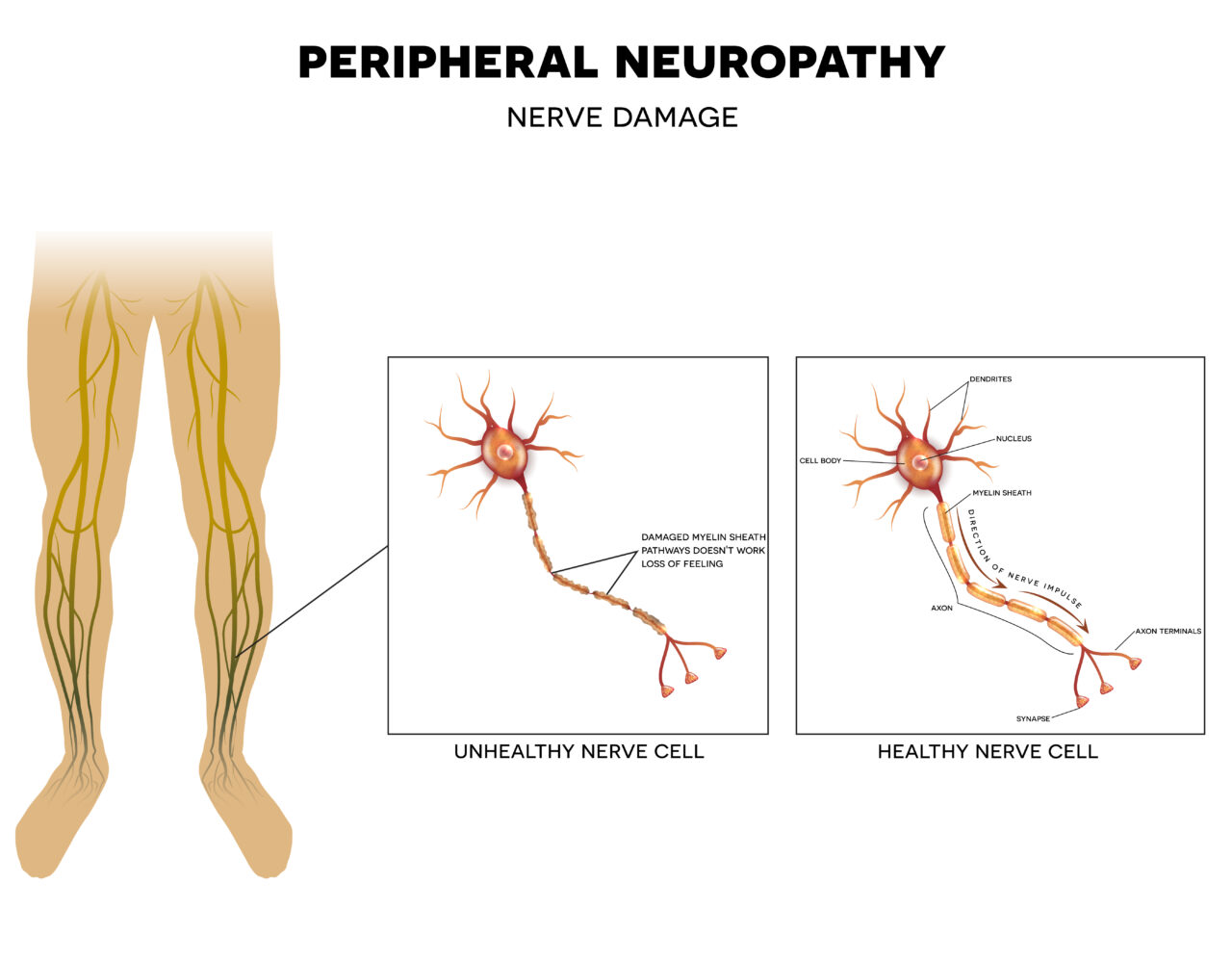
Deriving from the Greek words for “nerve” (neuron) and “condition” (pathos), neuropathy is a term used to describe the nerve damage that occurs in one or more parts of your nervous system. The term alone does not describe the underlying cause or symptom intensity of neuropathic pain, nor does it specify which part of the body is affected.

So, what causes neuropathy?

To understand this, it is crucial to understand that our body’s nervous system is divided into two parts:

  • The central nervous system – that is, the brain and the spinal cord
  • The peripheral nervous system (PNS) – that is, the nerves that are located outside of the brain and the spinal cord

The PNS is responsible for transmitting sensory information (such as pain or feeling cold) and motor signals to the brain. It also supports processes that we can’t consciously control (i.e., our heartbeat, sweating, digestion, etc).

What Does Neuropathy Feel like?

When nerves belonging to the PNS are damaged, the signals traveling from your extremities or organs are unable to reach the brain, or they are subjected to interference. 

Depending on what nerve (or nerves) is damaged, you’ll experience a range of symptoms:

  • Pain or discomfort
  • Painful cramps
  • Tingling, prickling, burning, and numbness
  • Uncontrolled muscle twitching
  • Muscle weakness or shrinking
  • Loss of coordination
  • Inability to feel sensations of touch and vibrations
  • Extreme sensitivity

In extreme cases, you might also feel as if you are wearing a glove (if the sensory nerves are affected), experience paralysis (if the motor nerves are affected), or report symptoms such as heat intolerance, excessive sweating, drops in blood pressure, and loss of bladder control (if the autonomic nerves are affected).

Everyone can experience neuropathy at any stage of life. In 20-30% of cases, neuropathic pain has no known cause (idiopathic). Nonetheless, some factors put you at greater risk of developing this condition. Let’s look at them below:
Disease And Infection

Inadequately managed health conditions, some chronic diseases, and certain treatments can lead to nerve damage. Specifically, these include:

  • Diabetes: 2019 studies show that 6-51% of adults with diabetes also live with neuropathy, often due to poorly managed blood pressure. If left untreated, diabetic peripheral neuropathy can lead to foot ulcers and even limb amputation. 
  • Autoimmune diseases: Conditions such as rheumatoid arthritis, lupus, Sjogren’s syndrome, Guillain-Barre syndrome, and some chronic inflammatory diseases can lead to nerve damage. Some forms of neuropathy can also be hereditary. 
  • Tumors and chemotherapy: Whether cancerous or not, tumors can interfere with the PNS by pressing on and damaging nerves. Additionally, chemotherapy and other medications can damage nerves. Today, chemotherapy-induced peripheral neuropathy (CIPN) affects 19-85% of patients, making it one of the most common side effects of cancer treatments. 
  • Infections: Infections caused by viruses (such as HIV/AIDS) and bacteria can lead to nerve damage. A 2020 review shows that 30-60% of people with HIV globally are also diagnosed with neuropathy.
  • Some health events: Events such as physical trauma or injury can damage the PNS in one or more locations.

Alcoholism

If you have been diagnosed with alcohol use disorder, or you drink alcohol excessively for long periods, you might be at risk of neuropathy. That’s because the toxic effects of alcohol can damage the nerves’ protective sheath, called myelin, and contribute to nutritional deficiencies.

Estimations show that alcoholic neuropathy may affect 25% to 66% of those diagnosed with chronic alcohol use disorder.

Nutritional Deficiency

Certain nutritional deficiencies can lead to nerve damage. In particular, to lower your risk of developing or worsening neuropathy, you should supplement the following vitamins and minerals to avoid deficiencies:

  • Copper
  • Vitamin B1
  • Vitamin B6 (although high levels of B6 can also cause neuropathy)
  • Vitamin B9
  • Vitamin B12
  • Vitamin B9 (folic acid)
  • Vitamin E

Some substances, such as metformin, and toxins present in food, like mercury in fish, can damage nerves in PNS.


TENS Therapy And Neuropathic Pain

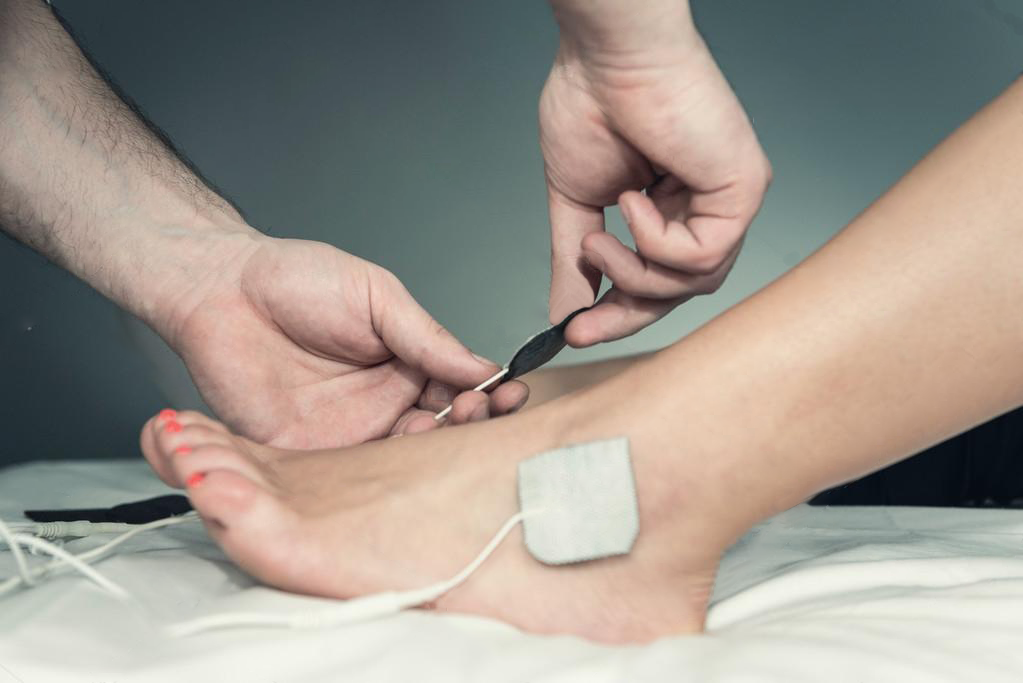
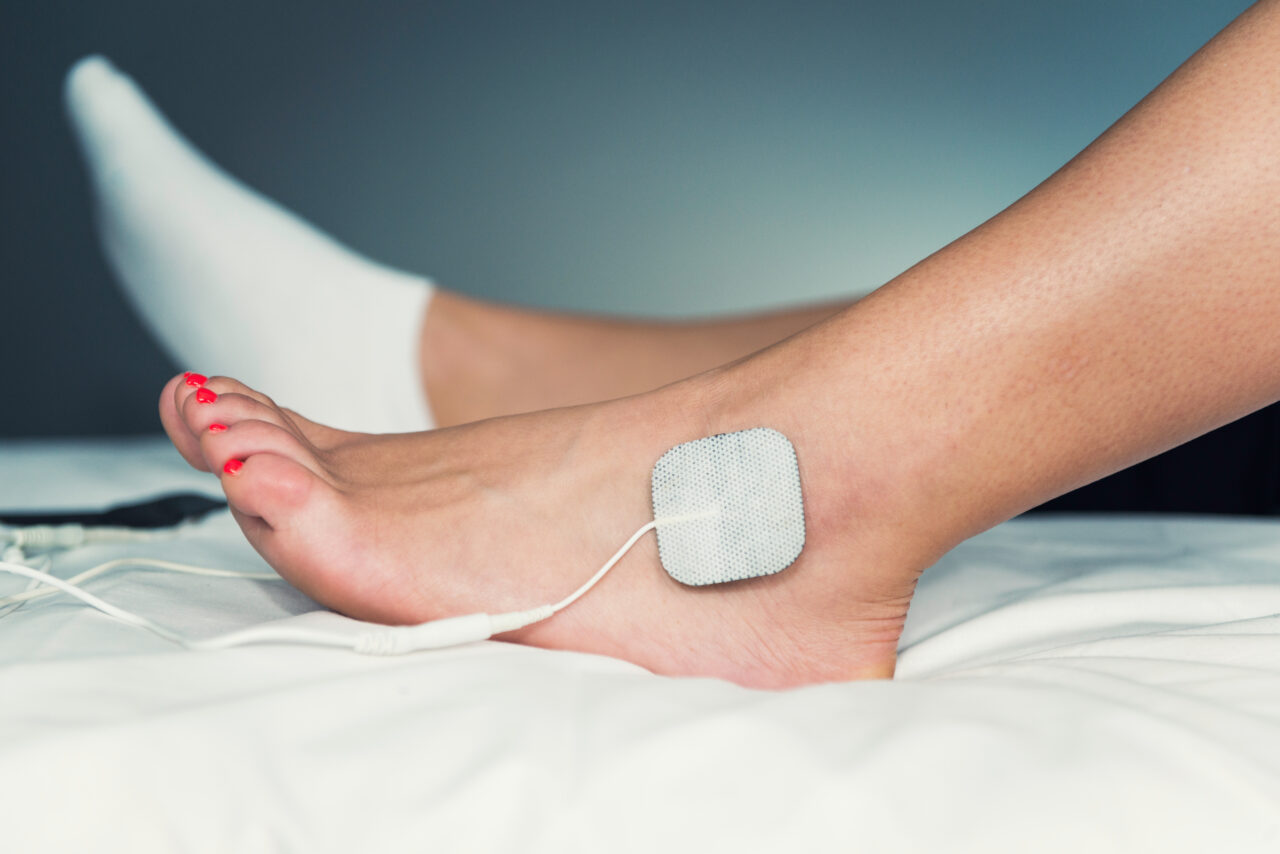
TENS – which stands for transcutaneous electrical nerve stimulation – is a type of therapy that leverages low-voltage electric pulses to ease pain and discomfort. An at-home TENS unit is a small device that is attached to electrodes (adhesive pads) via thin wires.

When applied to the problem area, the pads deliver mild impulses of electrical current through the skin and into the nervous system. When this happens, the external impulses prevent pain signals from reaching the brain by “flooding” the nervous system. In turn, this action will stop you from feeling pain.

TENS also works by boosting the production of feel-good, pain-killing hormones, such as endorphins, and stimulating blood flow in the affected area.

Today, TENS units are commercially available, making electrical stimulation a convenient pain management method for people with arthritis, back pain, and other chronic conditions.

Although TENS is a relatively new treatment for neuropathic pain, evidence-based reviews published in 2020 show that this therapy can help alleviate pain in people with neuropathy deriving from sciatica, spinal cord injury, and postherpetic neuralgia (a consequence of shingles).

Is TENS Safe To Use For Neuropathic Pain?

Generally, TENS is considered to be safe, and it can be administered by anyone, regardless of training or experience. This level of safety comes from the fact that at-home TENS units only deliver extremely mild electrical pulses that can’t cause pain. Additionally, they offer easy-to-use settings that can be adjusted by users without a medical background.

Nonetheless, there are some precautions you should take:

  • The adhesive material used to make the electrodes sticky (propylene glycol) might cause allergic reactions and irritate the skin
  • Not all TENS devices are FDA approved
  • Avoid placing the electrodes in sensitive areas, such as on the head, abdomen, and genitals

Is TENS Effective For Treating Neuropathic Pain?

Although the efficacy of TENS as a pain management method is still being researched, recent studies have made some promising conclusions. 

In a 2013 review of eight studies, electrical stimulation seemed to have a beneficial effect on patients with diabetic peripheral neuropathy, when used in conjunction with other treatments. Ongoing clinical trials also aim to prove the efficacy of electrical stimulation to delay or prevent limb amputation in patients with diabetic peripheral neuropathy, which currently accounts for 50-75% of non-traumatic amputations.

Additionally, a 2017 assessment published by the Cochrane Library showed that electrotherapy might help those with nerve damage caused by carpal tunnel syndrome and shingles.

Although still sparse, the body of research around TENS is promising. Nonetheless, it’s important to keep in mind that the beneficial effects of electrical stimulation demonstrated in the studies above were applied by medical-grade TENS devices and not at-home units. 

At-home devices are created to be harmless and come with significant limitations in terms of power and wavelength. Because of this, commercially-available TENS units can’t be classified as electroanalgesic treatment. 

On the other hand, when treating acute or chronic pain, patients require high-frequency pulses, which only medical-grade, FDA-approved machines can deliver. Because more powerful electrical pulses are just tolerable by the patient, this treatment can only be administered by a highly trained professional.

Drawbacks And Contraindications Of Using TENS Therapy

As seen above, at-home TENS units are generally considered safe – but are also less efficient than professionally-administered treatments. Because of this, you might be exposing yourself to unnecessary health risks when using an over-the-counter device.

Ultimately, just like any other treatment, TENS isn’t suitable for everyone, and being aware of the contradictions of this therapy can help you stay safe. Here’s what you need to know:

Interferes With Other Medical Devices

If you are wearing a medical device, the electrical impulses produced by TENS can interfere with the signals of your implant and lead to severe side effects. For example, if you have a pacemaker, unsupervised TENS can cause bradycardia or asystole (serious heart problems), and inhibit the functioning of your implanted device.

Irritates The Skin

As seen in a 2004 review, the acrylate in the conductive gel that coats the electrodes of a TENS unit might cause skin irritation. Although rare, contact dermatitis can worsen neuropathic pain and delay treatment progress.

Leads To Muscle Fatigue And Spasms

One of the greatest advantages of TENS is that it can be safely used without severe side effects. However, especially in the case of low-frequency electrical stimulation, you can experience muscle fatigue, spasms, and twitching due to overuse. Over time, TENS might also lead to the accumulation of waste material, which can damage the muscles in the affected area.

Affects Your Blood Pressure

The positive effects of TENS for neuropathy and nerve damage can be attributed to the improved blood flow in the problem area, which also boosts the circulation of beneficial fresh oxygen and nutrients. However, if you suffer from low blood pressure, you should be aware that TENS can decrease blood pressure even further, by as much as 6.3 mmHg.

Can Cause Facial Nerve Damage

Although some studies have found that TENS can have a positive effect on patients suffering from acute facial nerve paralysis, you should never place the TENS electrodes on certain parts of your body, including your face, genitals, and abdomen.



Your Non-Surgical And Non-Opioid Treatment For Neuropathy

If you have neuropathy, you know that this isn’t a simple condition to treat – or to understand.

However, thanks to today’s advances in regenerative medicine, new treatment options can help alleviate pain, strengthen the muscles, regenerate damaged nerves, and free you from unfamiliar and uncomfortable sensations.

At Relatyv, we provide our patients with a more efficient alternative to TENS, which still leverages the principles behind electroanalgesia and electrical stimulation. But we also combine these therapies with a more innovative approach to neuropathic pain treatment.

Here are some of the neurofunctional pain management therapies we provide:

Electromagnetic Therapies For Neuropathic Pain Management

To treat neuropathic pain, it’s important to understand what happens at a cellular level. In turn, to understand these processes, it’s necessary to leave our world, which is dominated by standard physics laws, and enter the world of cells, atoms, and particles.

These behave according to the laws of quantum mechanics. New technologies, such as Quantum Resonance-Specific Induction (QRSI™), allow us to interact with pain-causing mechanisms at a cellular level. This technology creates electromagnetic energy fields and electric currents that amplify subatomic particle movements that increase the healing and regenerating power of cells.

Put simply, with these tools, the team at Nuragenex uses electromagnetic resonance (the electrical signaling between cells) to optimize energy levels at a cellular level. These energized cells contribute to healing damaged tissues.

Discover A Safe And Effective Treatment For Neuropathic Pain

Although neuropathy is certainly a common condition, no two patients have the same story, nor do they experience the same pain. That is why generalized TENS might not be the solution you’ve been looking for.

At Relatyv, we can guide you through a personalized, holistic treatment journey to help you live a healthier, fuller, and pain-free life without medications or surgery.

How Effective Is A TENS Unit For Plantar Fasciitis?

How Effective Is A TENS Unit For Plantar Fasciitis? 1920 1280 Relatyv

If you have been struggling with foot pain, you are not alone. Plantar fasciitis affects over two million people in the US each year, and it is estimated that 1 in 10 adults will experience heel pain at some point in their lives. 

But this condition is as debilitating as it is common, and it’s important not to underestimate the impact that it can have on your life. If left untreated, plantar fasciitis can make even the simplest foot motion excruciatingly painful, affect your productivity, and impact your ability to enjoy a social life. 

If you are looking for a treatment strategy that can help you get back on your feet and regain control of your life, TENS can help – when done right. In this guide, you’ll find more about what electroanalgesia can do for your foot health and how to get started on your treatment journey. Let’s dive in!

What Is Plantar Fasciitis?

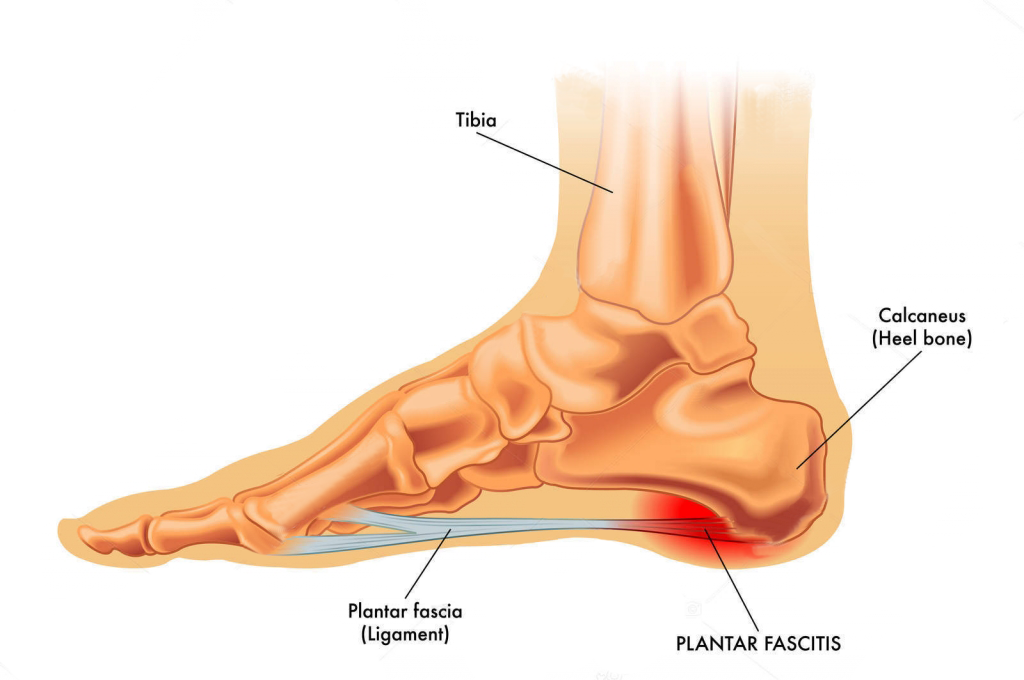
The plantar fascia is a strong band of connective tissue made of collagen fibers that connect the heel to the toes. The fascia plays a vital role in supporting the arch of the foot, enabling foot movements, and absorbing shock from walking or running.

Also known as plantar heel pain (PHP), plantar fasciitis is the medical term for a condition that causes inflammation and damage of the plantar fascia, leading to pain and reduced foot mobility. Accounting for over 600,000 visits to primary and specialist care clinics in the US alone, plantar fasciitis is one of the most common causes of foot and heel pain.

Although most patients recover from plantar fasciitis within 3 to 12 months, it is important not to leave this condition unaddressed, as it can develop into plantar fasciopathy or the tissue can even degenerate.

What Does Plantar Fasciitis Feel Like? The Symptoms and Telltale Signs

If the first steps you take in the morning are accompanied by stabbing pain in the heel area, you probably have plantar fasciitis. Although this condition develops over time and the symptoms might vary in intensity, the inflammation in the plantar fascia usually causes foot pain and discomfort that worsens after periods of inactivity or after having spent a long time on your feet. 

If left untreated, plantar fasciitis can also lead to deformities such as heel spurs, which are visible on X-rays as spiky bone structures protruding from the bottom of the heel. Heel spurs can be painful or asymptomatic, and they can lead to chronic inflammation.

Causes Of Plantar Fasciitis

Since anyone can develop plantar fasciitis, the causes of this condition aren’t always immediately evident. However, the culprits are often excessive tension and stress on the plantar fascia, which can lead to small tears, irritation, and inflammation. 

Repeated stretching or forceful movements – such as running or jogging – that put excessive stress on the fascia might also contribute to inflammation. While this condition is more common among athletes and those who tend to spend a long time each day on their feet, it can also be a consequence of a sedentary lifestyle.

Risk Factors

Some lifestyle and medical factors might increase your risk of developing plantar fasciitis:

  • Aging: Over time, the fascia becomes weaker and less elastic, making you more prone to plantar fasciitis after turning 40. 
  • Being obese or overweight: Carrying excessive weight adds extra stress to the fascia by means of increased mechanical loading. In turn, this can lead to higher levels of inflammation, which causes pain. Obesity also changes the gait and can throw your foot’s mechanics off balance. 
  • Inadequate footwear: The wrong shoes can alter your foot mechanics and damage the plantar fascia.
  • Performing certain sports: Activities such as football, soccer, and long-distance running can cause repeated stress to the fascia. Regularly walking or running on uneven surfaces might also contribute to the onset of this condition. 
  • Foot mechanics and conditions: If you suffer from flat feet or a high arch, or you have an abnormal gait, you might be more prone to plantar fasciitis.
  • Your occupation: If you tend to spend long periods on your feet while at work, the excessive stress can put you at greater risk of suffering from foot pain.


TENS Therapy And Plantar Fasciitis

If you have plantar fasciitis, every step you take may be excruciating, which can make something as easy as walking or climbing stairs unbearable. If you find yourself in this position, it is only natural to look for treatment options that do not include taking medications such as non-steroidal anti-inflammatories (NSAIDs). 

And, that’s where transcutaneous electrical nerve stimulation (TENS) comes in. 

From the moment patient-wearable TENS units made their debut on the market in the mid-1970s, electrical stimulation has helped millions of people manage their pain and supported recovery without surgery or medications. 

But is buying an over-the-counter TENS unit enough to ease your plantar fasciitis? Here’s what you need to know.

TENS Therapy: An Overview

When administered by a healthcare professional using medical-grade devices, electrical stimulation is an efficient method of electroanalgesia – a pain management strategy that utilizes electrical impulses. 

These pulses of energy are delivered to the problem area using adhesive pads, called electrodes, which trigger two important pain-relieving effects:

  • They “flood” the nervous system with external impulses, thus preventing pain signals in the foot from reaching the brain. In turn, this stops you from feeling the pain caused by plantar fasciitis during treatment. 
  • They boost the production of feel-good hormones such as endorphins, which helps counteract painful sensations.

How TENS Eases Plantar Fasciitis

Using electrodes designed to treat foot pain, TENS machines deliver mild pulses of electricity through the sole. The current inhibits your body’s ability to transmit pain signals to the brain, which can alleviate discomfort. 

What’s more, TENS can support faster recovery by improving blood flow in the foot area and supporting the circulation of inflammation-fighting compounds such as white blood cells, nutrients, and oxygen.


Does Insurance Cover TENS Therapy?

If you are looking to try TENS therapy, you might be wondering whether this kind of treatment and TENS devices are covered by insurance. 

Although a lot depends on your specific situation, insurers don’t usually cover at-home TENS units – and here’s why: 

  • At-home TENS devices are usually tuned down to be used by everyone without causing damage
  • Because they are so weak, at-home TENS can’t be classed as true electroanalgesia therapy
  • Not all over-the-counter TENS units are FDA approved 

If you are looking to claim your TENS treatment on insurance, you will need to undergo a thorough examination to determine if the treatment is medically necessary. And, even in this case, the insurer will only cover adequate professional treatments administered by a specialist.

Is The Electrical Current Of TENS Enough For Plantar Fasciitis?

Choosing electroanalgesia to manage and treat foot and heel pain is certainly the right approach. However, to understand the efficacy of TENS for plantar fasciitis, it is important to make a distinction between professional (medical-grade) electrical stimulation and at-home TENS units. 

What makes at-home TENS units safe and suitable for everyone is the limited power and wavelength they emit. But these limitations also make them the least effective option to treat pain through electrical stimulation. This is especially true in the case of chronic or acute foot pain, which requires treatment using high-frequency electrical pulses. 

On the other hand, medical-grade devices offer the capabilities and accuracy needed to treat severe pain. However, these FDA-approved instruments can only be safely used by trained MDs, such as the team of specialists at Relatyv.

When To Seek Alternative Options To The TENS Unit

Although over-the-counter TENS units are generally considered safe, you should not underestimate the importance of consulting a specialized healthcare professional before opting for this treatment. 

Indeed, using TENS if you have one or more of the conditions below can pose a significant risk to your health. You should look for an alternative, custom treatment plan if you:

  • Are pregnant: Electrical stimulation should be avoided in early pregnancy and only used under the supervision of a specialist in later stages. 
  • Have open wounds: TENS should not be used on open or infected wounds and irritated skin. 
  • Wear a medical device or metal implant: TENS can interfere with the normal functioning of medical devices, such as pacemakers and internal hearing aids.
  • Suffer from epilepsy:– If you have epilepsy, electrical stimulation might trigger seizures.
  • Have been diagnosed with neuropathy: If you suffer from nerve damage, TENS might be helpful, but only when delivered by a trained professional.
  • Have heart problems: If you suffer from heart conditions, TENS might negatively influence your heartbeat.

Just like any other treatment, TENS isn’t for everyone. If your foot pain is not responding to treatments, or you belong to one of the categories above, you should seek a safer and more effective personalized treatment plan.

How Relatyv Approaches Plantar Fasciitis


Although electroanalgesia is the right approach to address plantar fasciitis and foot pain, professionally administered electrical stimulation is only one piece of the puzzle. At Relatyv, we leverage a holistic neurofunctional pain management approach that is fully customized to each patient’s needs, goals, and medical history. 

We do so by combining innovative non-invasive, non-surgical, and drug-free treatments to ease foot pain, restore your health, and magnify your life. Discover our approach to food and heel pain management below.

Electroanalgesia

Initially introduced by Greek scholars such as Plutarch and Socrates nearly 2500 years ago, electroanalgesia refers to a pain management approach that uses electrical stimulation to modulate pain. 

Electroanalgesic treatments leverage mild and non-painful electrical current to “close the nerve gates”, thus preventing pain signals from traveling to the brain and causing the sensation of pain. Electrical stimulation also triggers the release of feel-good agents, boosts blood flow, and relieves inflammation. 

Although based on the same principles, electroanalgesia is different from standard TENS treatments in that it is delivered over multiple targeted sessions to provide long-lasting relief from pain. Additionally, unlike at-home TENS units, electroanalgesia is an FDA-approved treatment that gives patients access to the benefits of high-pulse electrical current.

IV Therapy

The inflammation that contributes to plantar fasciitis can be caused by a lack of certain nutrients or excessive stress.. In this case, ad hoc IV therapies can replenish the levels of essential vitamins, minerals, and nutrients, thus reducing inflammation, easing pain, and supporting blood flow.

Lifestyle Counseling

Repeated stress, improper posture, an abnormal gait, inadequate footwear, and obesity are only some of the lifestyle factors that lead to plantar fasciitis. With the help of our team of MDs at Relatyv, you can uncover the underlying causes of heel pain and take the right steps to safeguard your foot health – now and in the future!

Treat Your Plantar Fasciitis Safely And Effectively

At best, at-home TENS units might be ineffective to treat plantar fasciitis. At worst, they can have a detrimental effect and even expose you to significant health risks. 

Fortunately, with advances in regenerative medicine and neurofunctional pain management, you can now access a custom electroanalgesia treatment plan that is non-invasive, non-surgical, and, more importantly, designed around your unique needs.

How Effective Is Using A TENS Unit For Knee Pain?

How Effective Is Using A TENS Unit For Knee Pain? 1920 1279 Relatyv

If you have knee pain, chances are that every aspect of your life is affected by your condition – and, you are certainly not alone. 

Over a quarter of the US population today struggles with the consequences of knee pain, like reduced range of motion, unmanageable care costs, inhibited sports performance, and declining productivity. 

If the prognosis is to live with chronic pain for years to come, it is only understandable to look for alternative treatments that don’t include popping pills or surgery. So, if you’ve come across at-home TENS for knee pain, you might be wondering whether this therapy is safe and efficient. 

In this guide, you’ll learn the ins and outs of electrical stimulation for knee pain and get guidance on how to choose the best neurofunctional pain management method for your needs. Let’s dive in!

How TENS Works To Help With Knee Pain

The management of pain through electrical stimulation is a field of study that goes back thousands of years. 

However, it was only with the introduction of patient-wearable TENS units in the 1970s that transcutaneous electrical nerve stimulation became a valid pain treatment option for millions of people worldwide. 

But is TENS as effective as it is promised to be? Here’s what you need to know about how TENS works to ease knee pain.

Common Causes Of Knee Pain

To understand how TENS for knee pain works, it’s important to clarify what the root causes of this condition are. Most knee conditions derive from damaged tissue in the joint area, often caused by excessive stress, overuse, direct trauma, degenerative diseases, and risk factors such as obesity and aging.

Common knee conditions that cause acute or chronic knee pain include:

  • Sprains and strains: Torn ligaments or tendons (such as the anterior cruciate ligament or ACL) in the knee joint area can affect the knee’s stability and cause pain, swelling, and stiffness. 
  • Inflammatory conditions: Conditions such as bursitis or tendonitis arise when components of the knee joint become irritated or inflamed due to overuse or improper knee mechanics. 
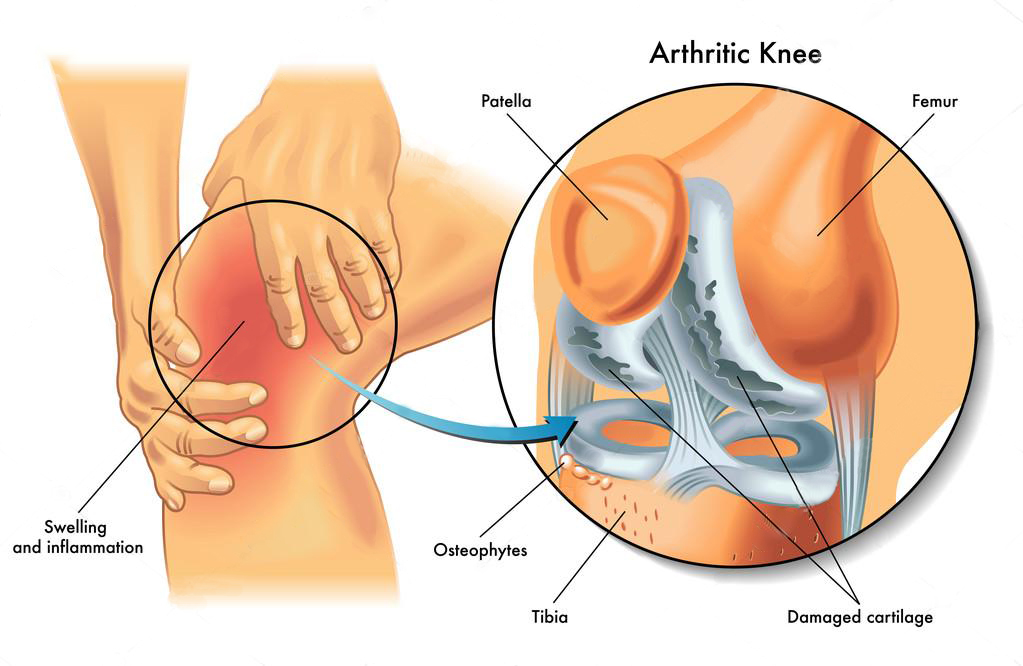
  • Arthritis: Knee osteoarthritis (OA) is a degenerative disease that wears down the cartilage that cushions joint movements and safeguards bones from friction. OA is among the most common causes of knee pain, affecting 14 million people in the US, and is a major cause of disability among older people.
  • Injuries and direct trauma: Fractured bones or ruptured tendons and ligaments can cause damage to hard and soft tissues in the knee area and cause severe pain.

How TENS Encourages The Body’s Own Pain Management Mechanisms

Electrical stimulation is considered to be an efficient treatment for knee pain that allows patients to manage their discomfort without surgery or medications. Beyond the analgesic (pain-relieving) effect of this therapy, electrical stimulation also supports the regeneration of tissue in the affected area by promoting blood flow and reducing inflammation

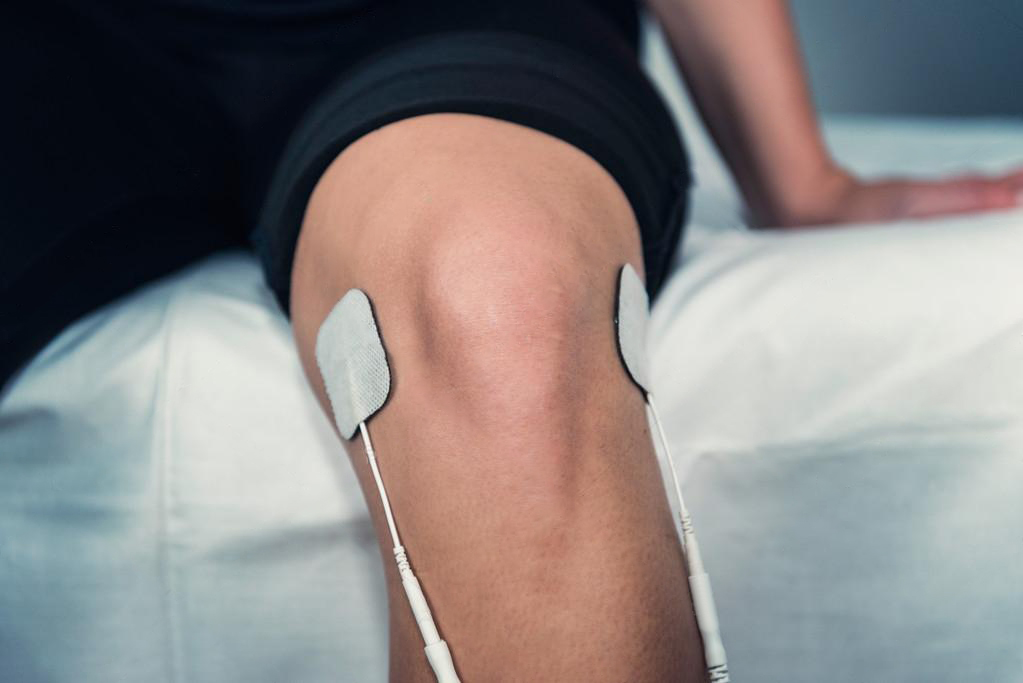
Thanks to the widespread availability of at-home TENS, people opt for this option to take advantage of the beneficial effects of electrical stimulation. TENS devices work by delivering mild pulses of electrical current to the affected area via electrodes (sticky pads). 

The electrical impulses act by triggering the body of pain-relieving agents such as endorphins, which can counteract the feeling of pain and fatigue you might feel due to your knee condition. 

But, even more importantly, it provides a concrete example of the “Gate Control Theory of Pain”: the electrical impulses “flood” the nervous system, thus closing the “gates” pain signals used to travel between the knee and the brain. In turn, this stops you from feeling pain during treatment.

When You Should Avoid TENS

Generally, this form of therapy is considered to be safe for at-home use. 

Nonetheless, there are some contraindications worth keeping in mind. Consult your doctor before using TENS if you have one or more of the following conditions:

  • You are pregnant (especially in the early stages of pregnancy) 
  • You wear a medical implant or metal device (i.e., pacemakers or internal hearing aids)
  • You have epilepsy
  • You have an open wound or irritated skin in the knee area
  • You suffer from heart and blood conditions

If your pain has not been properly diagnosed or you have a history of cancer in the past 5 years, you should also seek the advice of a healthcare specialist. 

What To Watch Out For When Resorting To At-Home TENS

At-home TENS units are often the go-to alternative for people attempting to benefit from electrical stimulation. But while these devices are readily available over the counter or online, it’s important to be aware of the fact that not all units are FDA-approved, safe, or strong enough to ease the pain. 

If you are in doubt or looking for a more personalized treatment for your knee pain, the Relatyv team can help.

Why People Use A TENS Unit For Knee Pain

If you have heard that electrical stimulation might benefit your knee condition and support the healing of damaged tissue, you might be getting ready to try TENS. 

But what makes this type of therapy so popular? Let’s find out together. 

Non-Invasive

Around 750,000 knee surgeries and knee replacements are performed each year, and this number is expected to rise alongside life expectancy rates and the prevalence of obesity. 

That’s where the greatest advantage of TENS comes in. At-home TENS involves nothing more than placing electrodes on the knee area and choosing the right setting. In turn, this form of therapy allows you to manage pain in the long term, and without surgical procedures or pharmaceutical treatments.

Convenient

Being non-invasive and generally safe, TENS can be self-administered within the comfort of your own home and at your convenience. 

What’s more, 2019 estimations show that pharmaceutical or surgical treatments for conditions such as knee osteoarthritis cost each patient between $12,400 and $16,000, making TENS a far more affordable alternative.


The Drawbacks Of Using TENS For Knee Pain

Ultimately, at-home TENS units are widely available, which gives patients the chance to try out electrical stimulation for pain management without significant financial or lifestyle commitments. 

But choosing commercially-available TENS devices over professionally-administered treatments comes with its fair share of drawbacks. Here’s what you should be aware of.

Current And Wavelength Are Not Strong Enough

The reason why over-the-counter TENS units are safe to use at home and without any training is that these devices are only designed to deliver mild electrical pulses.

But if these limitations make them harmless, they also make them ineffective to treat severe, acute, and chronic pain.

A 2007 review that compares Conventional (mild) TENS, Acupuncture-Like TENS, and Intense TENS shows that Intense TENS is best to treat small areas (like the knee) with high-frequency electrical pulses. 

While these pulses offer powerful analgesic effects, they are just tolerable by the patient. In turn, high-frequency TENS should only be administered by a specialized professional using medical-grade devices to avoid dangerous side effects.

Does Not Address All Sources Of Knee Pain

An evaluation conducted in 2000 shows that conventional TENS and Acupuncture-Like TENS are effective methods of pain management and modulation. Nonetheless, commercially-available units might not be powerful enough to address the underlying cause of knee pain. 

This means that with a TENS device, you might be able to feel a reduction of pain during and just after the treatment (up to 24 hours). However, if you are looking to support the active regeneration of tissue and kick-start the body’s healing process, at-home TENS might simply not be enough.

May Not Be Covered By Insurance

Because of the wavelength and power limitations of at-home TENS units, they cannot be classified as true electroanalgesia (the management of pain through electrical stimulation). What’s more, over-the-counter devices are created to be safely used by anyone, regardless of training or experience. 

In turn, health insurance companies won’t cover at-home TENS for knee pain. You might be able to obtain coverage if your doctor deems this procedure “medically necessary” or as a treatment for postoperative acute pain

Even if Medicare extends to TENS, coverage is only offered by professional treatments as part of a physician’s service or in conjunction with inpatient care.


A Better Treatment Alternative For Knee Pain

A review published in 2019 estimates that patients live an average of 30 years with knee disorders such as osteoarthritis. This makes it imperative to find a treatment option that isn’t just effective, but also non-invasive and non-pharmaceutical. 

Luckily, thanks to the advances in regenerative medicine, you no longer need to choose between depending on medications for the next three decades or getting surgery.

At Relatyv, we provide holistic neurofunctional pain management therapies for knee pain that are designed around your needs and lifestyle goals. So, you can do much more than simply ease your pain. You can restore your knee health, return to saying “yes” to your favorite activities and social events, and go back to enjoying your daily life.

Here are the methods and approaches we use to help you magnify your life:

Professionally-Administered Electroanalgesia

As we have seen above, electrical stimulation can be an excellent addition to your pain management strategy. But at-home TENS units might not deliver the results you’ve been expecting. 

That’s because although based on the same principle, commercially-available TENS units are unable to deliver the benefits of professionally-administered electroanalgesia. 

At Relatyv, we use medical-grade FDA-approved devices to administer electroanalgesic treatments, offering long-lasting results and supporting the regeneration of damaged tissue in the knee joint.

Viscosupplementation Therapy

If your knee condition has not been responding to other treatments, viscosupplementation therapy might be an option to explore. 

Through injections of hyaluronic acid, we can help you restore the functionalities of the synovial fluid – the knee joint fluid in charge of maintaining all movements fluid, lubricated, and free of friction.

Lifestyle Counseling

Lifestyle counseling is an important component of a comprehensive, ad hoc treatment journey. That’s because a lot of your knee pain might derive from lifestyle factors, such as being overweight, performing improper movements, overusing your knees, or leading a sedentary life.

Know Your Options. Treat Your Knee Pain

At Relatyv, we strive to provide personalized pain management strategies that are safe, non-invasive, and effective. But our overarching goal is to help you restore your body’s capabilities, improve your life and health, and support long-lasting well-being – all without medications, surgery, or chiropractic care!

Using A TENS Unit For Carpal Tunnel – Is It The Best Option?

Using A TENS Unit For Carpal Tunnel – Is It The Best Option? 1920 1281 Relatyv

Affecting an estimated 4-10 million Americans, carpal tunnel syndrome is considered to be one of the most common nerve disorders in the U.S. But despite how widespread this condition is, the pain derived from carpal tunnel affects each person differently and has a unique impact on their lives. One effective solution worth considering is a TENS Unit for carpal tunnel.

If you are among those experiencing debilitating hand and wrist discomfort, surgery (i.e., carpal tunnel release) might seem like the inevitable choice. Luckily, thanks to today’s advances in regenerative medicine and electroanalgesia, there are other non-surgical and non-invasive – but just as effective! – solutions worth considering, including transcutaneous electrical nerve stimulation (TENS).

But is using a TENS unit really the best solution?

In this guide, you’ll learn about using a TENS unit for carpal tunnel and discover the more efficient natural treatments for carpal tunnel syndrome. Let’s dive right in!

How Does a TENS Unit For Carpal Tunnel Syndrome Work?

Transcutaneous electrical nerve stimulation (TENS) is a pain-relieving treatment that delivers mild impulses of electricity delivered across (trans) the depth of the skin (cutis).

TENS units have grown in popularity since their commercial introduction in the early 1970s. Users saw TENS as a new non-invasive, self-administered, accessible, and affordable analgesic (pain-relieving) treatment.

For the millions of people affected by carpal tunnel syndrome, TENS has long been an effective way to manage pain and avoid surgery. Let’s look at what carpal tunnel syndrome is and cover the basics of using a TENS unit to treat this condition.

Carpal Tunnel Syndrome: An Overview

Our hands and wrists are at the forefront of any action we perform in our daily life. This is thanks to the complex infrastructure of ligaments, nerves, and muscles that make it all possible.

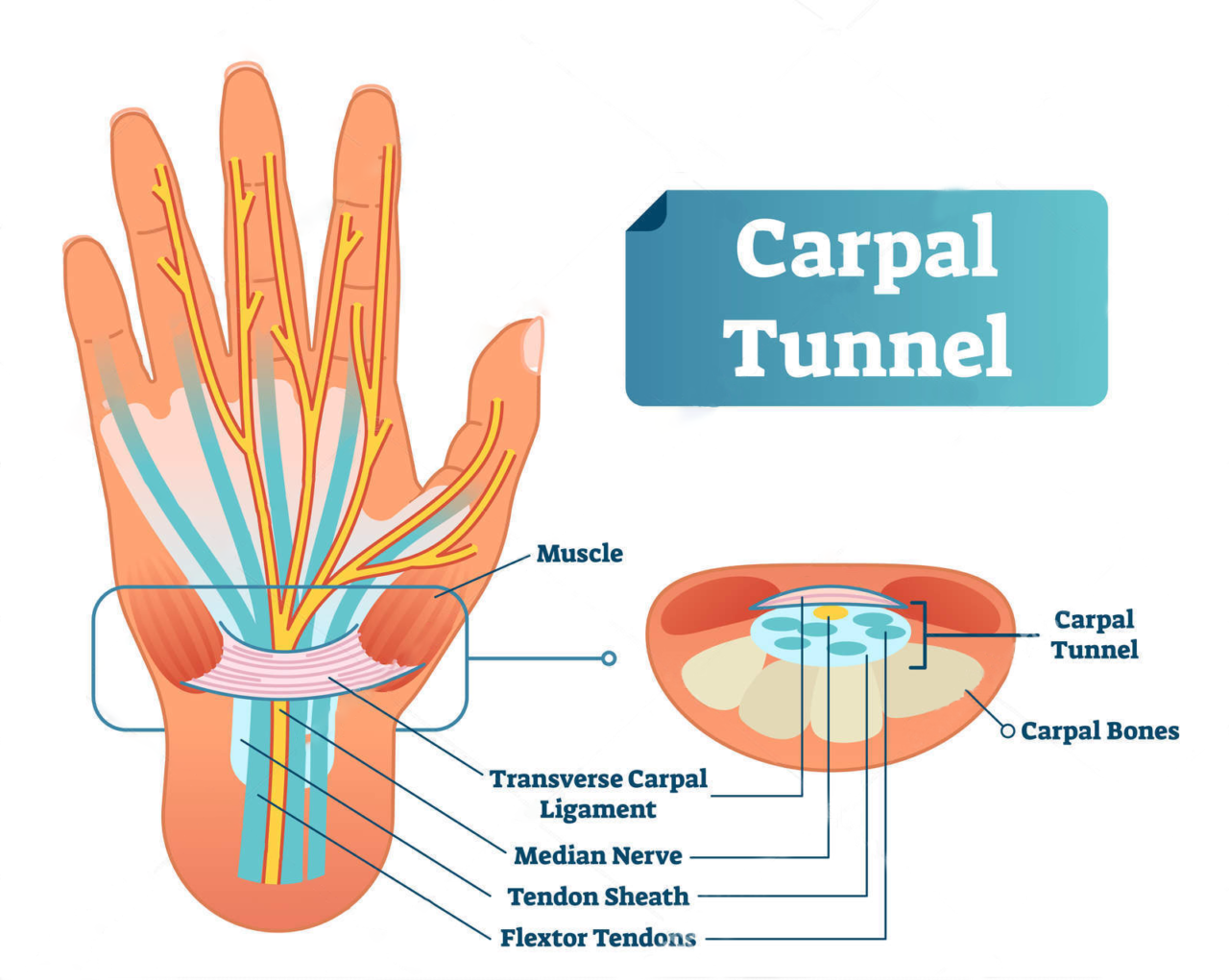
At the core of these interconnected elements is the carpal tunnel, the passageway in the inner wrist that houses the median nerve. This nerve is responsible for controlling hand movement and transmitting signals from the hand to the brain, and vice-versa.

Over time, factors such as wrist injuries, aging, repetitive motions, arthritis, obesity, thyroid disorders, diabetes, and hormonal changes (i.e., during pregnancy or menopause) can increase the risk of carpal tunnel syndrome. These factors can cause the carpal tunnel to become inflamed and swollen, thus compressing the median nerve as it passes through the carpal tunnel.

As a result, you might begin to experience feelings of pain or discomfort (especially localized around the thumb or the first three fingers), tingling and numbness spreading from the wrist to the hand, and reduced grip and hand mobility.

Understanding How TENS Units Work

If you have been diagnosed with carpal tunnel syndrome (CTS), you might be struggling to deal even with the simplest of tasks. In this case, it is understandable to start looking for the most efficient solutions for your symptoms. And, when looking for valid alternatives to surgical interventions, you might have come across TENS for carpal tunnel.

TENS treatments are delivered with a TENS unit, a battery-operated device with wires attached to electrodes (adhesive pads). These pads are then applied to the skin on the area affected by inflammation or pain (the wrist area, in this case) to deliver electrical impulses, which cause a double pain-relieving action:

  • The surge of electrical activity floods the nervous system, thus preventing pain signals from reaching the spinal cord and the brain
  • The electric pulses trigger the production of pain-relieving hormones such as endorphins

TENS is an electroanalgesic treatment, or a therapy that uses electrical stimulation to modulate, control, and manage pain.

In the video below, you can learn more about using a TENS unit:

TENS For Carpal Tunnel: Is It An Effective Treatment Option?

While some patients report improvements and pain relief in the short term, the research surrounding TENS for carpal tunnel is still ongoing.

Although there is no “one-size-fits-all” formula when it comes to devising a treatment for CTS, you might find that a TENS-based treatment program can reduce pain and discomfort in the short term.

While the electrical impulses transmitted by the TENS unit will not permanently cure the pain or the underlying syndrome, but they can temporarily hinder the pain receptors in the hand and wrist and prevent pain signals from reaching the brain.

Although often subjective, the analgesic effects of TENS for carpal tunnel usually last for the duration of the treatment, but some people also experience a reduction in pain for up to 24 hours after switching off the TENS device.

While the clinical effectiveness of a TENS unit for carpal tunnel is still being researched, this treatment has no serious side effects (when used correctly) and can be used in combination with other pain management alternatives.

What The Research Says About TENS And Carpal Tunnel Syndrome

Given its accessibility, TENS has become one of the most popular go-to non-pharmaceutical and non-surgical solutions for CTS. Some patients vouch for its effectiveness, but what does science say?

According to a 2014 randomized controlled trial published in Rheumatology International, TENS therapy is just as effective as splint therapy (wearing wrist splints as recommended by a healthcare professional) in the management of the symptoms of CTS. The same trial also showed that interferential current (IFC) therapy might be more effective than TENS treatments.

What’s more, another study published in 2010 in the International Journal of Clinical Rheumatology, microamp TENS coupled with acupuncture appears to be a beneficial nonsurgical option for the management of CTS symptoms, alongside yoga, bracing, and hand therapy.

Ongoing clinical trials have also shown that electrical stimulation (ES) can promote nerve regeneration in patients that have already undergone carpal tunnel release surgery for severe CTS.

Despite the promising results, a meta-analysis of randomized controlled trials conducted in 2019 shows that the majority of the studies conducted so far on the effectiveness of TENS as a non-surgical treatment for CTS (and other types of chronic pain) have been inconclusive due to insufficient data.

The Importance Of Wavelength

For all electrical stimulation (e-stim) therapies, including TENS and electrical muscle stimulation (EMS), the chosen pulse width, frequency, and intensity matters. These variables are described as following:

  • Frequency: the rate at which pulses of electricity are delivered to the skin. This frequency is measured in hertz (Hz). Higher frequencies are best for pain relieving.
  • Intensity – Intensity refers to how intense the sensations caused by TENS are. Low-intensity TENS produce not painful sensations (known as paresthesia), vehicle higher intensity TENS produce sensations that are closer to the patient’s pain threshold.
  • Pulse Width – This variable refers to how long each pulse of electricity lasts. Pulse width is measured in microseconds (μs).

Depending on the kind of pain or discomfort that is being treated, you might try one of three main TENS techniques:

  • Conventional TENS: Conventional TENS is a form of therapy that delivers high-frequency electrical pulses (50-100 Hz) within a small width (50-200μs) to the affected area. Unlike intense TENS, conventional TENS cause mild and not painful sensations.
  • Acupuncture-like TENS: Acupuncture-like TENS therapies use higher-intensity pulses, near the pain threshold. While these pulses feel stronger, they are low in frequency (2-4Hz), and longer in width (100-400μs). These pulses are delivered to acupuncture points to stimulate the sensory nerves under the skin.
  • Intense TENS: Intense e-stim therapies deliver electrical pulses at a high intensity and high frequency, which are just tolerable by the patient.

Although the best frequency for your needs varies, studies show that conventional TENS is the most suitable therapy for acute pain. In particular, frequencies between 50 and 150 Hz are best for acute pain as they activate the delta-opioid receptor (located in several areas of the brain), thus blocking the pain reception in the brain.

On the other hand, lower frequencies between 2 and 10 Hz have been seen to activate the mu-opioid receptors, which trigger the release of pain-relieving endorphins.

Safety Vs. Effectiveness

While the effectiveness of this treatment might still be disputed, there are no known major safety concerns about the use of a TENS unit for carpal tunnel (when used correctly), aside from potential skin irritation (due to the adhesive pads) and temporary discomfort. Additionally, if used for prolonged periods, low-frequency TENS may cause side effects such as muscle fatigue and muscle damage.

There are also some contraindications to TENS treatment. You should also avoid using TENS machines if you are pregnant, have a heart condition, or wear a pacemaker or any kind of internal electronic device. You should also avoid placing the electrodes on your head, neck, ears, chest, genitals, and eyes.

Additionally, FDA has concerns about the unregulated market of home e-stim devices which have caused burns, skin irritation, and bruising to users.

Why Home TENS Units Are Not Effective Enough

If you are looking for an affordable, alternative, FDA-cleared, and natural alternative to injections, splints, and medications for your CTS, you might consider investing in an at-home TENS device.

Although there are few risks and the treatment can be self-administered, a home TENS unit for carpal tunnel might not deliver the expected results. While the studies above showed some effect on pain and symptoms, the treatment was administered by experienced technicians using professional TENS units with much greater capabilities than over-the-counter TENS devices. Even then, most of the results were inconclusive!

There are more effective and efficient electrical stimulation treatments out there. Here’s why you should always work with a specialist who can administer professional electroanalgesic treatments:

Weak Electrical Current

Although you should ask a professional to show you how to use a home TENS unit, they are designed to be easy to use, even by those with little training. That is why most home TENS devices have pre-determined settings and frequency options.

However, when it comes to treating acute hand or wrist pain – such as carpal tunnel syndrome – these units might not have the required power and frequency settings to relieve your discomfort.

Oppositely, electroanalgesic treatments performed by a professional using an FDA-cleared device are able to deliver higher-pulse wavelengths. In turn, this boosts the treatment’s efficiency, delivers longer-lasting results, and guarantees higher levels of safety for patients.

Lack Of Precision

At-home TENS treatments are much easier to administer on larger surfaces, such as the shoulder area. However, when it comes down to addressing your CTS, it is important to keep in mind that the carpal tunnel is no longer than 12.7 ± 2.5 mm and only around 19.2 mm wide.

In turn, targeting this area can be challenging with electrical pulses, especially as you’ll need to place the electrodes in the right place and select an accurate electrical frequency and pulse width.

With so many variables, the best option to see results is to work with a healthcare professional who specializes in delivering electroanalgesic treatments.

Why You Should Reconsider TENS Therapy For Carpal Tunnel Syndrome

As we have seen above, TENS therapy can be an efficient alternative to temporarily subside the pain and discomfort of CTS during flare-ups. And, in a post-operative scenario, it can even help with nerve regeneration.

However, if your pain is recurring or chronic, doing TENS for carpal tunnel isn’t just inefficient – it can also be counterproductive! TENS does not cure the underlying condition and, if performed wrongly, it can lead to side effects such as burns or irritated skin. Even more importantly, if your pain is chronic, using a TENS unit for carpal tunnel multiple times a day just isn’t a long-term solution!

Medical-grade TENS therapy is certainly safer and more effective than using at-home devices. However, even in this case, you should bear in mind that, without a long-term strategy in place to restore the health of your carpal tunnel and median nerve, you might not be able to regain your hand’s functionalities and grip strength by counting on TENS alone!


The Superior Alternative Treatment To TENS

If you have carpal tunnel syndrome, your condition will affect a lot more than just your hand and wrists. Because of the pain and reduced grip strength, you might be struggling to take part in the hobbies or sports you have always loved, or you might have noticed your professional performance declining as the pain gets worse.

Because CTS can take over so many aspects of your life, simply addressing wrist pain with a TENS unit for carpal tunnel might not be enough.

At Relatyv, our neurofunctional approach takes into consideration these aspects and aims to address all the factors, symptoms, and underlying causes of your CTS, so that you can magnify your life and restore your hand’s full capabilities. We do so by creating a custom holistic treatment protocol that is natural, non-invasive, non-pharmaceutical, non-chiropractic, and non-surgical.

Some of the therapies we use to address your CTS pain and restore your health include:

  • Electroanalgesia: Electroanalgesic treatments use electrical pulses to block the pain signals traveling from your hand, through the median nerve, to the brain (which is a concept known as Gate Control Hypothesis). Electrical pulses also reduce inflammation, stimulate the body’s healing process, and trigger the production of pain-relieving endorphins.
  • IV Therapy: IV therapy is used to deliver nutrient-rich fluids intravenously. These nutrients aim to reduce inflammation, stimulate the body’s healing process, provide hydration, support proper circulation, and promote cell regeneration.
  • Lifestyle Counseling: Lifestyle counseling can help you understand what causes CTS, how to prevent flare-ups and protect you from injury, and how to introduce changes in your life that will improve your overall health, well-being, and quality of life.

At Relatyv, the electrical stimulation we use is part of a broader neurofunctional pain management approach, which makes it more efficient to treat chronic pain. What’s more, thanks to our medical-grade devices and highly trained specialists, we can deliver electroanalgesic treatments that provide relief for longer. With regular sessions for 12 weeks, you’ll be able to feel relief for multiple hours or days after the treatment.

Get Effective Treatment For The Pain From Your Carpal Tunnel Syndrome

If you are tired of dealing with inefficient CTS treatments, or you wish to find a way around the side effects of pain medications, the team at Relatyv can help. Our team of specialists can provide effective, safe, and non-surgical treatment for carpal tunnel syndrome, along with other common conditions.

Alternative Treatments To Knee Arthroplasty – Know Your Options Here

Alternative Treatments To Knee Arthroplasty – Know Your Options Here 600 398 Relatyv

If you are considering knee surgery for the discomfort and disability caused by your knee pain, you are certainly not alone. 

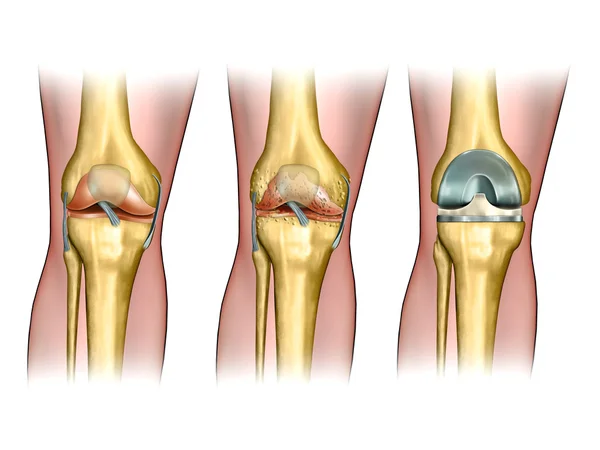
Since the first knee replacement was performed in the late 1960s, knee arthroplasty has become a popular and accessible solution for conditions that cause debilitating joint pain and reduced range of motion. 

According to the 2021 American Joint Replacement Registry Annual Report, the number of joint replacement surgeries has increased by 18.3% since 2020. And, between 2012 and 2020, the number of primary knee surgeries performed in the U.S. surged to 1.2 million. 

But despite how popular these surgeries are, they are not always the best option for knee pain – nor the only one. By learning more about alternative treatment options, patients can prevent or delay knee arthroplasty and avoid the cascade of consequences, complications, and side effects of invasive surgical procedures. 

In this guide, you’ll learn more about the implications of arthroplasty and how non-surgical treatments – such as viscosupplementation and neurofunctional therapies – can help protect your knee health. Let’s get started. 

What Is Knee Arthroplasty?

Arthroplasty is a term derived from the Greek words for joint (“arthro”) and molding or grafting (“plastos”). It describes the surgical process that involves reshaping, reconstructing, or replacing one or more components of a joint. Knee arthroplasty is also commonly referred to as “knee replacement surgery”. 

Although orthopedic surgical techniques and tools have been developing significantly since the first arthroplasty was performed in 1968, knee replacement surgery is a complex and often invasive procedure that comes with significant side effects. 

Today, knee arthroplasty is mostly recommended for end-stage symptomatic conditions that have not responded well to pharmaceutical or physical therapies, such as advanced osteoarthritis that has caused structural damages to bones and soft tissues.

If you are in the process of considering knee replacement surgery, you are probably wondering what to expect, or whether non-surgical treatment options for knee pain could be right for you.

What To Expect Before A Knee Arthroplasty

Before a knee arthroplasty, your surgeon will take you through the necessary steps to prepare you for the procedure, reduce the risk of complications such as periprosthetic joint infections, and ensure that you are fit for knee surgery. These include:

  • Blood and urine tests
  • Electrocardiograms and X-rays
  • Pre-surgical physical examinations and physical therapy
  • Medication adjustments, such as painkillers
  • Lifestyle changes, such as ceasing smoking 
  • Dental exams to rule out infections and abscesses that could enter the bloodstream, settle onto the surgical areas, and increase the risk of post-surgery infections. 
  • Review of your medical history and other conditions

How A Knee Arthroplasty Is Performed

The way knee replacement surgeries are performed may vary depending on what area of the knee is affected. However, in general, your surgeon will start by administering a general or regional anesthetic. 

The surgeon will then make an incision in the knee area. The surgeon will insert specialized tools to remove any affected portion of soft and hard tissue (i.e. the cartilage and bones). Then, a metal or plastic implant (prosthesis) will be inserted into position and secured, often using medical cement. Lastly, the surgeon will close the incision and ensure the different parts of the implant can move properly. 

Aftercare And Results

Knee replacement surgery can last anywhere between 1 and 3 hours. The type of care and treatment you’ll need after the intervention largely depends on the extent of the surgery. 

Generally, you will be moved into the recovery room straight after the procedure, and a team of healthcare professionals will monitor for signs of complications. In some cases, you might be able to go home the same day (outpatient procedures), but some patients spend one night or more in the hospital after their surgery. 

Physical therapy usually begins around 48 hours after surgery, and full recovery is usually achieved within 6-12 weeks. In terms of results, knee replacement surgeries can lead to a decrease in knee pain, improved range of motion, and reduced need for pain medications. According to a 2019 study published by the Lancet, 82% of knee surgeries last for up to 25 years. 

There are two main types of knee replacement surgeries: total knee arthroplasty and partial knee arthroplasty. Let’s look at these surgeries in more detail below. 

Total Knee Arthroplasty

Total knee arthroplasty (TKA) surgery is necessary when the entire knee joint needs to be replaced. This happens if all three components of the knee are affected by osteoarthritis or injury and require surgical intervention.

These are:

  • The medial compartment (the inner side of the knee)
  • The lateral compartment (the outer side of the knee)
  • The patellofemoral or anterior compartment (the front of the knee (under the kneecap))

Total knee surgery usually resurfaces all three components of the knee. The surgery may also involve replacing or removing the ligaments between the bones (such as the anterior and posterior cruciate ligaments).

Partial Knee Arthroplasty

A partial knee arthroplasty – also called a unicompartmental knee replacement – is less invasive than a total knee replacement. The aim is to maintain most of the original structure of the knee, and only replace the affected compartment of the knee. This might be the case for patients with knee osteoarthritis, where the arthritis has only affected one compartment in the knee, such as the medial compartment. 

Knee Conditions That Might Require Knee Arthroplasty 

Given the impact that a knee replacement can have on a patient’s health and body mechanics, surgery is usually only a last resort after other conservative treatments have been unsuccessful. Surgery is usually only recommended in the case of traumatic injuries and end-stage degenerative diseases, often after other treatment options such as physical therapy and medications have failed. 

In particular, knee arthroplasty might be suggested by a healthcare provider to treat the following conditions of the knee:

  • Debilitating Osteoarthritis (OA): OA is an inflammatory, degenerative joint disease that leads to the breakdown of the soft tissue (cartilage) in the knee joint. Mostly caused by excessive or repetitive stress on the joint, aging, genetics, bone deformities, and joint injuries, OA can end up degrading the soft cushion that keeps the joint movements lubricated. In turn, this can lead to pain, bone damage, improper knee mechanics, and disability. Currently, nearly 14% of knee replacements are administered to treat OA
  • Inflammatory Arthritis: Arthritis is the overarching term for several inflammatory conditions that affect the joints. The excessive inflammation caused by the high levels of uric acid in the body (in the case of gout) or by the improper response of the immune system (in the case of rheumatoid arthritis) can irritate, inflame, and degrade the cartilage, thus leading to pain, stiffness, and swelling. 
  • Arthritis Due To Trauma: Traumatic injuries to the knee can damage the bones and other structures in the knee joint (such as the ligaments and tendons). When this happens, areas of the knee that are normally unaffected by movement become damaged by friction or excessive loading. 

In most cases, knee replacement surgeries are recommended to ease debilitating or disabling pain, swelling, and stiffness deriving from the conditions above. 

Risk And Complications Of Arthroplasty

Although knee replacement surgeries are generally considered to be highly successful procedures, it is important for patients not to take the decision of undergoing surgery lightly. Even in the best-case scenario, these surgical procedures involve months of rehabilitation and physical therapy before a patient can return to normal activities. 

Additionally, healthcare professionals need to inform their patients regarding the risks and complications of knee replacement surgeries, which can also lead to an increased need for revision surgeries. Let’s look at the most common risks of knee arthroplasty below:

Periprosthetic Joint Infection

Although only around 1% of patients undergoing arthroplasty will develop an infection, this is one of the most common complications of such surgical procedures. Generally, infections are caused by bacteria and affect the wound caused by the surgical incision. 

However, in some cases, bacterial infection can affect the periprosthetic joint itself (the area of the joint that has been replaced with plastic and metal parts). Although this can happen at any time after the surgery, it is more likely in the first two years after surgery, which is when up to 70% of infections occur.

You might be at greater risk of developing an infection after surgery if you have immune deficiencies, diabetes, circulatory problems, or if you are obese. 

Aseptic Loosening

Aseptic loosening is another common surgical complication of knee replacement surgery. This occurs when the prosthesis begins to loosen and fails. This is often caused by improper initial implantation of the periprosthetic joint components, inflammation, or osteolysis (degeneration of the bone tissue attached to the prosthesis).

Aseptic loosening is more likely in patients who had to undergo a revision surgery because they experienced periprosthetic infection after their primary knee arthroplasty. In particular, among these patients, the prevalence of prosthetic loosening is as high as 22% after 7 years of the surgery

Metallosis

Metallosis is an uncommon complication of joint replacement surgery, but it is more likely to happen in arthroplasties of the knee, hip, or other high-wear joints. This condition causes an abnormal buildup of metallic particles and debris around the periprosthetic implant and surrounding joints. 

A BMJ case study reported that around 7 out of 30 patients who underwent a TKA involving metal-backed patellar components developed metallosis.

Instability And Dislocation

Dislocation of the periprosthetic knee can happen in a similar way to natural knee dislocations, including trauma and overextension. However, there are additional factors that increase the risk of dislocation. 

These factors include implant malpositioning, inappropriate selection of the implant, deformity, and hardware malfunction, such as the breakdown of the polyethylene (plastic) lining between the prosthetic parts. 

TKA dislocations account for 0.02-0.2% of orthopedic injuries among all patients, and 0.15-0.5% of injuries in people with arthroplasty

Beyond dislocation, less severe instability issues in TKA patients can happen due to mechanical malfunction affecting the periprosthetic knee.

Periprosthetic Fracture

As the population continues to age and the number of knee replacement surgeries performed each year increases, the prevalence of periprosthetic fractures is also rising. This complication can happen any time after the surgery and involves a fracture in one or more bones around the area where the prosthesis was implanted. 

Periprosthetic fractures almost always require surgery. Currently, this condition is estimated to affect between 0.3% and 5.5% of TKA patients

Patellofemoral Complications

The patellofemoral joint is located in front of the knee. Because of this joint’s location, it is connected to some of the components of the knee joint including the patella (kneecap). After a total knee arthroplasty, it is not uncommon for patients to experience complications such as patellofemoral pain. 

A 1995 study shows that, at the time, patellofemoral complications were present in 12.8% of patients who had undergone TKA. Additionally, the same study mentions that the prevalence of this complication is higher among older and overweight patients. 

Alternative Treatments Offered By Relatyv

For those battling end-stage symptomatic conditions of the knee – including osteoarthritis – surgery might seem like the only and inevitable option. And, for some individuals, it is. 

However, for those patients looking to prevent or delay knee replacement surgeries, it is important to learn about the alternative treatment options that can help, such as the ones offered by Relatyv

At Relatyv, our team of healthcare professionals and researchers have developed a customized treatment protocol that can help ease knee pain, support tissue regeneration, and lower the risk of surgery. These treatments are non-surgical, non-pharmaceutical, and are backed by science. 

Below are the three pillars of the treatment protocol for knee pain offered at Relatyv:

TriVisc

For patients with knee pain that has not responded to exercise and physical therapy, it is important to look for non-opioid, long-term solutions such as TriVisc. 

TriVisc injections work by delivering hyaluronic acid (HA) into the joint area. Here, the HA will form a gel-like substance called hyaluronate. This substance is naturally produced by the body and helps regulate how the joint tissue responds to injury. It also plays a vital role in keeping the joints healthy, lubricated, and safe from shock and friction.

Over time, the supply of HA in the body declines, often due to age and factors like smoking. Thanks to TriVisc injections, Relatyv can help replenish the supply of HA in the joint, thus easing discomfort, decreasing inflammation (such as in the case of arthritis and osteoarthritis), keeping the joint lubricated, and providing long-lasting comfort. 

Visco

Visco, short for viscosupplementation, is a treatment that involves injecting hyaluronic acid into diarthrodial joints. Diarthrodial joints – which are freely movable joints such as the knee – are joints that rely on two components to keep motions smooth and lubricated. These two components are:

  • A thin layer of cartilage around the connected bones
  • A synovial membrane that encapsulates the joint and is filled with synovial fluid (a thick fluid that reduces friction between the joint’s components during movement).

When this system wears down over time, the joint’s components and the surrounding bones might be exposed to damage caused by shock and friction. Viscosupplementation therapies aim to restore the synovial fluid with hyaluronic acid. 

This can have a powerful lubricative and analgesic effect, reducing inflammation, easing swelling, and relieving joint pain. According to 2015 studies, viscosupplementation can delay the need for total replacement surgery by 3 years or more. 

Neurofunctional Pain Management

The proprietary Neurofunctional Pain Management protocol designed by Relatyv helps ease pain naturally and support the regeneration of damaged tissue when combined with the therapies above. 

At Relatyv, we use hydration therapies and high-pulse electrical stimulation (electroanalgesia) to stimulate the production of endorphins, depolarize pain neurons, and deliver long-lasting pain relief. What’s more, thanks to Neurassage – our patented massage therapy – and lifestyle counseling, we are able to help patients regain control of their lives and ease pain without opioids or surgery. 

Start Living A Pain-Free Life. Consult With Us Today.

At Relatyv, our goal is to help patients do much more than simply reduce their knee pain. We aim to help individuals magnify their lives, enjoy a lifestyle free of medications, and delay or prevent the need for surgery. 

Interferential Current Therapy (ICT): Does It Work?

Interferential Current Therapy (ICT): Does It Work? 1020 726 Relatyv

Interferential Current Therapy (ICT) is a non-invasive therapy that uses electrical muscle stimulation to relieve pain and enhance healing. It is used for a variety of conditions but especially for chronic pain and post-surgical pain. We’ll discuss everything you need to know about ICT and whether it could be an effective treatment for you.

What Is ICT?

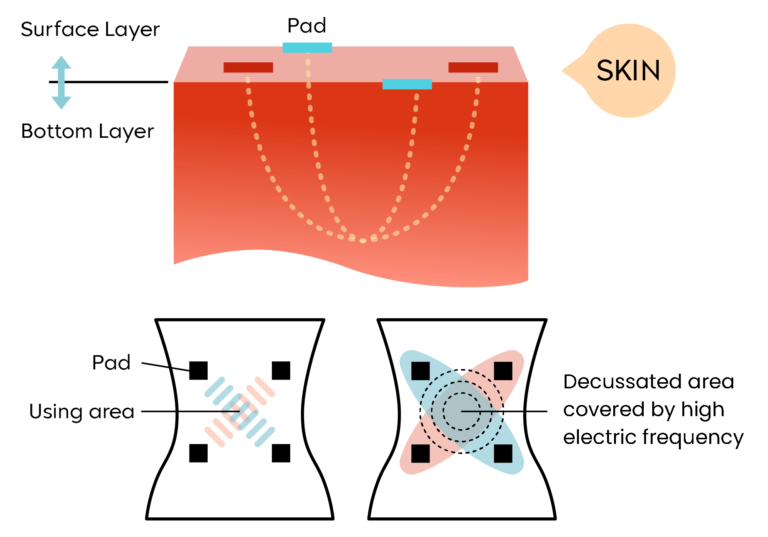
Interferential current therapy is a treatment modality where two medium-frequency currents are directed into damaged tissue. The frequencies are set up so that the paths of the currents cross and literally “interfere” with each other. 

Since the body essentially functions using a series of electrical signals across the cells, electrical stimulation can boost the healing response of the body. ICT can promote healing by increasing the hormones and chemicals that facilitate healing. 

ICT can also block pain signals as electrical stimulation can influence the nerves. This is one mechanism by which it can relieve pain, reduce swelling or edema of the damaged tissue, and promote healing of injured muscles. 

How does ICT act? ICT gets delivered via electrodes. While the physics may be a bit complicated, here’s an example. If one electrode delivers at 4000 Hz and its companion at 3900 Hz, the resultant beat frequency would be 100 Hz. 

Usually, the frequency required to contract muscles is between 1 and 100 Hz. Different frequencies produce different contraction responses. A larger frequency at 100 Hz can stimulate the pain gates and close them to painful impulses. 

Without pain, the chemicals that respond to it and cause edema are reduced. This reduces local swelling within damaged tissues and promotes the dilation of blood vessels. The duration of each session with interferential current is somewhere between 10-20 minutes.

Here are the different frequencies used to achieve various effects:

  • 100-150 Hz constant or 90-100 Hz rhythmic frequency is used for pain relief
  • 0-10 Hz rhythmic or 10- 50 Hz rhythmic frequency is used for muscle stimulation
  • 0-100 Hz rhythmic frequency is used for vasodilation as it relaxes the walls of the blood vessels and improves circulation

Earlier models used two electrodes. Modern units have four electrodes that can deliver a rapid series of currents to achieve the same effect in a single sweep. They usually offer frequencies of 1-150 Hz, with a choice of up to 250 Hz or more in others. 

Understanding How ICT Works To Relieve Pain 

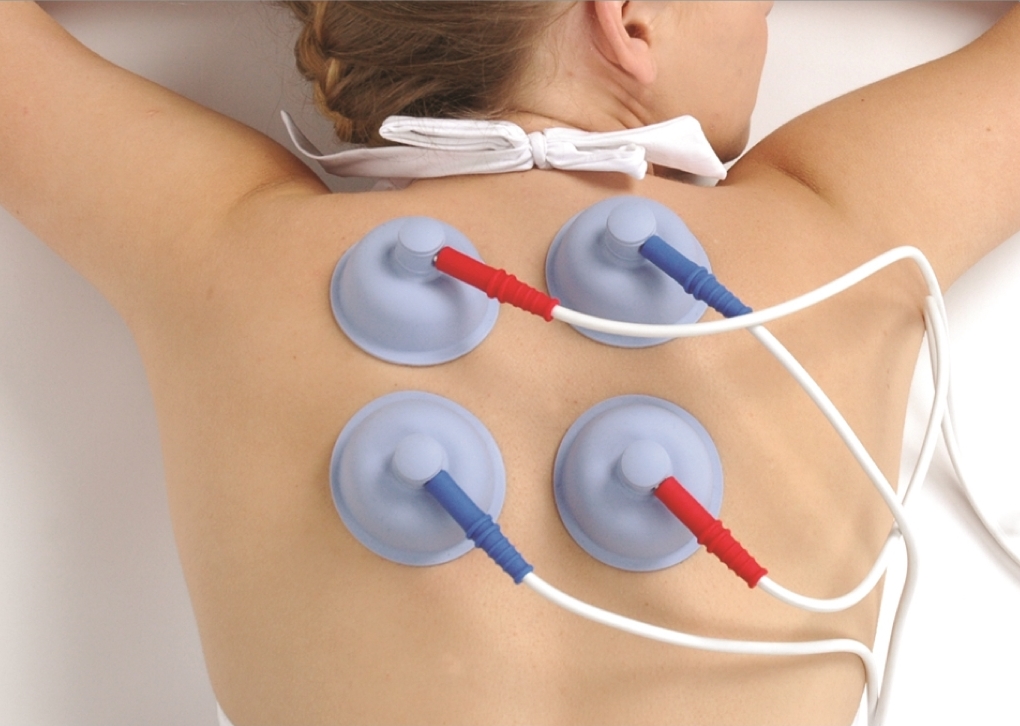
ICT is applied with the individual in a comfortable position. Before starting, the skin is cleaned and prepped. Vacuum electrodes or pad electrodes are then placed on the area that is being treated. Two pairs of electrodes are positioned so that the crossing point of the two currents is over the treatment site. Below is a list of the estimated frequency for various tissues:

  • Smooth Muscle: 0-10 Hz
  • Sympathetic Nerves: 1-5 Hz
  • Parasympathetic Nerves: 10-150 Hz
  • Motor Nerves: 10-50 Hz
  • Sensory Nerves: 90-100 Hz
  • Nociceptive Or Pain Fibers: 90-150 Hz

ICT works in four ways. They are listed below:

  • Pain Relief: By stimulating the pain gates at frequencies of 90-150 Hz, the pain sensations are blocked or hidden. At lower frequencies, the opioid receptors can also be activated. Once activated, a person becomes numb to the pain as they cannot perceive the pain. 

Both these pathways can provide significant pain relief. ICT can be used for joint pain, back pain, sciatica, and radicular pain. 

  • Muscle Stimulation: Motor nerves in the muscles can be stimulated at various frequencies. Depending on the desired effect, the stimulation can be changed. At 1 Hz, muscle twitches are possible and tetany or contraction of the muscles can be achieved at 50 Hz. 

However, if you do a sweep at 10-25 Hz, it is possible to increase blood flow, reduce edema, and stimulate the muscles. 

  • Increased Blood Flow: The effect of blood vessel dilation is most likely achieved with one of two mechanisms: muscle contraction or the effect on the sympathetic nerves. 

The first mechanism is the effect of muscle contraction, where ICT contracts the muscles which cause the blood supply to increase in response to the metabolic demand of the muscle. The other mechanism is the effect on the sympathetic nerves which causes the vessels to dilate. 

The role of the sympathetic nervous system is to increase blood supply via vasodilation. ICT stimulates the sympathetic nerves, increasing blood flow. At present, the 10-20 or 10-25Hz frequency sweep has the desired effect of increasing blood supply. 

  • Reduction Of Edema: By blocking pain sensation, the inflammatory chemicals that increase with pain can be suppressed. These chemicals are less painful, so the edema or swelling due to inflammation is reduced. ICT also promotes the resorption of edema fluid, although the exact mechanism is not clear. 
  • Interferential Current Vs. TENS

Interferential current is different from TENS (transcutaneous electrical nerve stimulation). Firstly, interferential current modulates at a much higher frequency at about 4000 Hz compared to TENS at 125 Hz. 

At higher frequencies, the resistance of the skin decreases, so there is a better penetration depth and larger volume of tissue treated. As a result, interferential current therapy can relieve deep seated pain within the tissues as well. ICT also improves circulation which facilitates healing, something that is not possible with TENS.

Clinical Conditions That Can Be Treated With ICT 

ICT can be used for various clinical conditions that cause chronic pain. Here are some of the clinical conditions in different areas of the body that can be targeted with interferential current therapy:

Neck

ICT can be used in the neck to treat conditions such as cervical spondylosis, disc herniation, and spinal canal stenosis. All of these conditions can cause severe and chronic pain that is often not relieved with analgesic medications. ICT can suppress pain and block nerve conduction so the perception of pain in the neck is less. 

Back

Disc herniation and spinal canal stenosis are chronic conditions that affect the spine and the back, leading to back pain. Chronic lower back pain that arises due to a nerve impingement, degenerative disc disease, or a herniated disc can also be treated with ICT. 

Knee

Osteoarthritis and rheumatoid arthritis are conditions that can affect the knee. Interferential current therapy can be used to treat the pain and also reduce the edema surrounding the affected knee joint. 

Shoulder

Conditions such as a frozen shoulder can be treated with multiple sessions of ICT. If there is an injury to a muscle or ligament in the shoulder, ICT can also effectively treat these conditions as well. 

Nerves

Pain from nerve conditions such as peripheral neuropathy, neuralgia, or post-herpetic lesions, can also be treated with interferential current therapy. 

Potential Side Effects Of ICT 

While ICT is effective, there are some potential side effects, especially if an individual is new to interferential current therapy. Not everyone may experience these side effects but they are a possibility. Some of the side effects of ICT are listed below: 

  • Skin irritation
  • Headaches
  • Dizziness
  • Muscle spasms
  • Decreased concentration
  • Drowsiness
  • Altered heart rate

When Is ICT Not Recommended?

Interferential current therapy is mostly safe and without any major side effects. However, there are certain individuals for whom it is not recommended: 

  • ICT is not recommended for pregnant women as the electrical current may harm the baby.
  • ICT is contraindicated for children, especially in areas of epiphyseal growth.
  • ICT may not be used on individuals with an implanted medical device like a pacemaker as it can cause cardiac arrhythmia.
  • ICT may not be used on those with severe dermatitis or where the skin barrier has been broken as this can cause a burn or infection.
  • ICT therapy may not be used on individuals with a bleeding condition or those on blood thinners.
  • ICT may not be recommended for cancer patients.
  • ICT is not recommended for those with epilepsy as it could trigger a seizure.

Relatyv Can Help You Live A Pain-Free Life

You don’t have to put up with pain – it is possible to live a pain-free life. Relatyv offers ICT as a non-pharmaceutical, non-opioid, non-drug, nonsurgical, non-invasive, and non-chiropractic treatment for pain. 

If your doctor has not offered interferential current therapy for your pain, then it may be time to ask about your treatment options. 

Relatyv - Treating Shoulder Pain with Neurofunctional Pain Management

Treating Shoulder Pain with Neurofunctional Pain Management

Treating Shoulder Pain with Neurofunctional Pain Management 2560 1707 Relatyv

With a sometimes undeciphered origin, patients experience shoulder pain at a level and frequency that quickly becomes unmanageable. While shoulder pain can be a result of several factors, at times the diagnosis of shoulder pain is not what matters to patients, it’s an option to relieve it. There are times when patients experience a level of pain in their shoulders that causes them to only care about the treatment for the pain. However, effective treatment depends on diagnostics and knowing what the problem is. As we have discussed in many articles, there are often many possible options, and sometimes co-morbid causes of pain a patient is feeling. If a patient has not been diagnosed properly it could be that the treatment options being offered won’t be as effective. Knowing the origin of the pain is important otherwise it is possible that the treatment they undergo will not only be less effective but counteractive to their condition. Understanding and educating oneself on the origin of shoulder your pain and the treatment options that will help the most is the most important part of the process.

For decades, physicians have been tracking the prevalence of patients seeking shoulder treatment. As early as 2005, Dr. Caroline Mitchell and her associates found that, “[s]elf reported prevalence of shoulder pain is estimated to be between 16% and 26%; it is the third most common cause of musculoskeletal consultation in primary care, and approximately 1% of adults consult a general practitioner with new shoulder pain annually” (2005). With that in mind, patients can be sure that as they seek treatment, they will likely know someone else who has suffered from or is currently seeking treatment for their shoulder pain.

Patients in search of an origin to their shoulder pain will often be met with several results to scroll through online. Before patients attempt to self-diagnose the condition of their shoulder pain, it is recommended that they seek the opinion of a medical professional. But, for the sake of helping patients understand the most common causes of shoulder pain, we will cover the most general aspects of these conditions so that patients will not only feel more confident in the knowledge they’ve gained but be sure that the treatment they choose for their condition is right for them and their specific condition.

One of the most common causes of shoulder pain, especially for patients who have not suffered a serious injury, is simply that they may have slept on their shoulder at a bad angle. This is typically the case for patients who are overweight and experience the height of their shoulder pain in the morning. If patients can determine whether their shoulder pain is a result of poor positioning during sleep, it is unlikely they will need a medical intervention or extensive treatment. If this is the case, it is recommended that patients attempt to sleep on their back or stomach, attempt to diet and exercise (especially shoulder exercises), and stretch their shoulders before bedtime. Patients who are able to reduce their weight are less likely to experience shoulder pain in the morning because the reduced weight lends itself to relieving pressure on the shoulder joint.

In somewhat of a contrast to uncomfortable sleeping positions that contribute to shoulder pain is the overuse of the shoulder. Dr. Mitchell explains that, “[o]ccupations as diverse as construction work and hairdressing are associated with a higher risk of shoulder disorders. Physical factors such as lifting heavy loads, repetitive movements in awkward positions, and vibrations influence the level of symptoms and disability, and psychosocial factors are also important”. When patients have a typically strenuous occupation that requires them to do heavy lifting, if they have exercised their shoulders in excess, or if they have not properly stretched the shoulder tendons before lifting, it is very possible they will experience shoulder pain.

At times, those who have not experienced shoulder pain may not recognize the seriousness or life-altering conditions of shoulder pain, especially when life calls for the patient to be physically capable. Dr. Deborah L. Greenberg explains the life-altering aspects with the following: “Shoulder problems can significantly affect a patient’s ability to work and other activities of daily life such as driving, dressing, brushing hair, and even eating” (2014). If patients with shoulder pain are incapable of even dressing or eating, can we really expect them to work under strenuous conditions.

Not unlike shoulder pain as a result of poor sleep, shoulder pain as a result of overuse is largely self-correctable and treatable without medical intervention. If patients are experiencing a level of pain that is unbearable when lifting heavy objects at work or the gym, it is recommended that patients stretch and prepare themselves before lifting those objects. If patients ever feel that a load might be too much for their shoulders to handle, it is imperative that they stop what they are doing and ask for assistance. If the pain persists in an occupational setting, medical intervention may be necessary. However, this is not always true, as patients who have strenuous occupations will often and rightly seek occupations that they know their body will be able to handle. In the end, a good rule-of-thumb is to listen to your shoulders. Not listening to your body’s signals will often lead to injury and a stronger need for correction and extensive treatment.

The misuse of shoulders will eventually lead to heavy strain and, typically, a spraining of the shoulder that is the third most common type of shoulder pain. In the case of a shoulder sprain, medical intervention and diagnosis will be necessary. This is not to say that shoulder sprains are always a result of ignorance or persistence on the part of the patient but patients who do experience injury are often refusing to listen to the signals their shoulders are sending. However, the shoulder is complex and if the origin of pain is not clear, that is not at all surprising. As Dr. Greenberg explains, “‘[t]he shoulder’ consists of a complex array of bones, muscles, tendons, and nerves, making the cause of pain seem difficult to decipher. Shoulder pain can be caused by structures within the shoulder or can arise from problems external to the shoulder”. Because of the complex structure and operation of the shoulder, the cause of pain is not always clear.

Dr. Greenberg claims to have found the most common cause of shoulder-related injuries and states that, “[t]he rotator cuff provides stabilization to the glenohumeral joint and contributes to mobility and strength of the shoulder. Disease of the rotator cuff is the most common cause of shoulder pain seen in clinical practice”. If disease of the rotator cuff is the most common cause of shoulder pain seen in clinical practice, this means that patients who elect to seek diagnosis and treatment for shoulder pain have likely experienced the pain on a chronic basis. In contrast, patients who experience a sparingly low frequency of pain, say from bad sleep positioning or basic strain, are unlikely to seek treatment from a clinic.

Those who have been diagnosed with disease of the rotator cuff will be curious to know the risk factors associated with their diagnosis and the possible pathogenesis of the disease. Dr. Greenberg continues to explain that, “[t]he prevalence of rotator cuff disease increases with age, obesity, diabetes, and chronic diseases that affect the strength of the shoulder such as stroke”. With the common comorbidities in mind, patients can take the first step in addressing their rotator cuff disease. While there are some risk factors that cannot be changed, patients can take action for others. For example, while patients cannot necessarily reduce their age or stop aging altogether, they can address their weight and assess whether their weight is contributing to the pathogenesis of their rotator cuff disease.

Once patients understand the origin of their shoulder pain, whether it is a result of rotator cuff disease or an isolated irritation of the shoulder, they can start to seek out the most effective treatment options. Neurofunctional Pain Management with Relatyv is quickly becoming one of the most effective options for shoulder pain as it is a non-pharmaceutical, non-surgical, non-invasive, and non-chiropractic pain treatment program. Neurofunctional Pain Management uses a combination of high pulse electrical stimulation therapy and specialized nutritional hydration therapy to relieve pain and restore health. This category of pain management may quickly become the first step in the journey of chronic pain management due to the safety of the program. There will always be a place for drugs, surgeries, spinal injections, implants, and chiropractic care, however we believe that a genuine effort to relieve pain and restore health using the safe and effective protocols of Neurofunctional Pain Management should be the first option for patients. Given the choice of all the options available, patients and doctors would choose Neurofunctional Pain Management over all these other conventional options mentioned.

Relatyv has created and pioneered the field of Neurofunctional Pain Management and has created a unique and proprietary treatment protocols that administers multiple aspects of therapy over the course of several weeks to treat chronic pain. Extensive diagnostics help to confirm the condition and to report success in the pain treatment effort and before and after blood work to report on the health restoration effort. The combination of high pulse electrical stimulation with concurrent IV hydration therapy is called Neuralgesia and works by sending high-pulse electrical stimulation to the affected region, depolarizing pain neurons and repairing damages vascular tissues and other tissues. When a patient experiences pain, it is a signal to the brain that something needs to be done, which triggers an inflammation cycle that also causes more pain. This is the pain/inflammation negative feedback loop that occurs with chronic pain conditions. Many medications and treatments are specifically designed to reduce inflammation in order to interrupt this negative feedback loop. However, even if a patient is unable to treat the condition on their own, the pain will continue to signal. As patients go through a course of Neurofunctional Pain Management treatment with Relatyv, they may experience a very safe and effective version of interrupting this pain/inflammation cycle.

High pulse electrical stimulation interferes with pain signaling, eliminating the pain reporting cycle which in turn reduces the inflammation response. Specialized hydration therapy also reduces inflammation by hydrating the tissues and providing a dilution effect that helps to remove hydrogen ion concentrations in the inflamed tissues. These two therapies combined create a strong pain relief effect that may endure for a long period of time. All this while improving the overall health of patients will help create a longer pain relief effect than with just electrical therapy alone. The combination makes the treatment effective and since the entire process is safe for the vast majority of patients, it is an ideal first step in the process of pain relief. Ideally patients can get out of pain and back into a state of good health and effectively be able to return to functionality, improving quality of life.

Relatyv intends to magnify quality of life as one of its core treatment models. This is a result of both pain relief and health restoration that improved the mental outlook of the patient’s chronic condition. Improved mental outlook is one of the greatest accomplishments in the process. If a patient can see a path to success their entire life can change for the better. Relatyv is more than just pain relief, it’s pain relief, with health restoration and magnified quality of life through Neurofunctional Pain Management.

Relatyv - Fibromyalgia Pain Relief With Neurofunctional Pain Management

Fibromyalgia Pain Relief With Neurofunctional Pain Management

Fibromyalgia Pain Relief With Neurofunctional Pain Management 2560 1706 Relatyv

Fibromyalgia is another complex and misunderstood condition with many possible variations of symptoms and comorbidities, making it very difficult to treat. The fact remains that many doctors, patients, and the medical community as a whole have a difficult time understanding and working with this condition. It is therefore unsurprising to learn that many physicians can’t help but feel that the condition is fabricated and that it’s all in the mind of the patient.

This suggestion is not entirely untrue, and we will explore why later, but even if fibromyalgia originates in the psyche of a patient, it does not make the pain any less real. As we know in medicine, the mind is the most powerful medical tool we have. In the end, both patients and physicians want a treatment for fibromyalgia that addresses the pain and improves the quality of life for patients.

Understanding The Origins Of Fibromyalgia

Since the first cases of fibromyalgia were found, doctors have been scrambling to understand its origins, not only to determine a proper treatment but also to understand the patient’s experience. Doctors Christine Davis and Marian Gillard claim that “. . . [t]he symptoms of fibromyalgia can be misperceived because they are often visibly undetectable, thereby leaving persons with fibromyalgia exposed to others’ incorrect understanding of their experience and physical capabilities. Persons with fibromyalgia may experience stigma when nobody understands the condition or how it affects their daily occupations” (2022).

Unlike some conditions, such as osteoporosis or peripheral neuropathy, which have been the subject of years of research that has resulted in successful diagnosis and treatment options, fibromyalgia is relatively nascent in comparison. However, for many, fibromyalgia is still painful, and its treatment has not been unlike the treatment of other conditions. In fact, for some patients, treatment can be as simple as vitamin replenishment and supplementation to balance out the system. As we learn more about the gut biome connection with the brain, we may discover that many conditions will require a specialized probiotic treatment.

The Relation Of Vitamin D Deficiency And Fibromyalgia

In a 2022 study examining the role of vitamin D deficiency in fibromyalgia syndrome (FMS) and chronic musculoskeletal pain (CMP), Dr. Mauro Lombardo and his associates concluded that, “. . . vitamin D deficiency is frequently observed in FMS and CMP patients, and supplementation with vitamin D can be proposed to reduce musculoskeletal pain and improve the quality of life in vitamin D-deficient subjects with FMS and CMP” (2022).

While patients may be unable to explain the origin of their FMS and doctors may be unclear on how to diagnose the condition, one of the first steps is for doctors to suggest supplementing with vitamin D. This natural treatment for the condition is music to the ears of both patients and doctors, as they will be less likely to look into treatments with more unwanted side effects.

The Psychiatric Cause

Speculation about the psychiatric origin of this disability is not new, and behavioral health elements have been determined by some physicians to be the primary cause of its debilitating pain. Because the condition cannot be diagnosed by conventional clinical diagnostics, Dr. Bernstein concedes that “. . . it is possible that fibromyalgia is more psychiatric than musculoskeletal. . . patients have been encouraged to anchor their lives around their misery. Yet none of these factors makes fibromyalgia any less real”.

Dr. Bernstein’s claim that perhaps patients may be “encouraged” to center their lives around the pain suggests that the conditions of fibromyalgia are driven by psychosomatic factors, with psychosomatic meaning a physical manifestation of symptoms from mental or emotional distress. Physicians Fatmanur Kocak and Emine Eda Kurt have determined that, “ . . . [i]ndividuals with fibromyalgia often have comorbid anxiety, depression, and/or other pain syndromes” (2018).

These determinations suggest that some who suffer from fibromyalgia may wish to seek psychiatric attention. However, this does not change the fact that the patient is still in physical pain that needs to be addressed. The presence of depression and anxiety, which are causes of fibromyalgia, often detracts from physicians’ understanding of a physical manifestation of pain. 

Though it may be difficult to relate a mental or emotional origin to a physical manifestation of pain, physicians should be careful not to dismiss FMS as something made up or simply in the minds of their patients. Listening and working to understand a patient’s experience with fibromyalgia is the first step to making them feel comfortable discussing the condition, and more importantly, it is the first step in finding an effective treatment.

Diagnosing Fibromyalgia

For anyone who may still doubt the existence of fibromyalgia at all, it should be understood that the condition is very real. As a matter of clarification, the condition of FMS is recognized and has an entry in the 10th edition of The International Classification of Diseases, which is seen as one of the most reputable sources for the diagnosis of disability. 

For all intents and purposes, fibromyalgia is a legitimate condition and often results in debilitating pain for the affected patient. Those who claim they’ve experienced the pain of fibromyalgia and seek medical attention or treatment are often met with skepticism from their physicians or treatment centers, who have no clinical method of diagnosing the condition or finding the cause. And even though patients may feel foolish for suggesting they have a condition their physician may or may not understand, patients should be made aware of their physicians’ perspective.

The Pressure In Diagnosing The Condition

Dr. Bernstein sums up the experience of doctors when they encounter FMS with the following: “They leave us feeling ignorant because we do not understand them and feeling impotent because we cannot cure them. They hector us for notes certifying their disability without providing the usual signifiers of legitimacy” (2016). Although an understandable frustration mounts between doctor and patient, it is the physician’s responsibility to find an effective treatment that will alleviate the pain and treat the problem their patients are experiencing. The doctors experience pressure and the patients experience frustration.

The diagnosis of the cause is frustrating for physicians, and Bernstein also concedes that, “[w]e have to be open to the possibility [that] physicians can be part of the problem . . . perhaps we find ourselves on a pedestal of wisdom we do not deserve”. Either way, doctors must work with their patients to address the condition and work to understand it so that the stigma may lessen. At the same time, patients need to understand that little is known about what causes fibromyalgia. 

Most of the time, doctors who specialize in the treatment of pain conditions will examine the body for signs of a cause. If a physician can locate and diagnose a condition’s cause, they will know how to treat it. The issue with fibromyalgia is that there are no apparent physical signs for the cause of fibromyalgia. While there is no clinical method of diagnosing the physical cause of fibromyalgia, many have turned to finding a psychiatric cause for fibromyalgia.

Treating Fibromyalgia Pain

Fibromyalgia syndrome was not defined as a standalone condition with its own set of symptoms and causes until the 1970s. However, research on the treatments for this condition did not start to show promising results until the late 1980s. 

To this day, many doctors lack the knowledge of fibromyalgia diagnostic criteria necessary to identify the condition and provide patients with an adequate treatment program. 

As more and more is understood about the symptoms and impact of FMS on a patient’s life, healthcare providers are attempting to offer solutions that aim to address both the physical and mental health effects of this condition.

Some of the treatments that are commonly prescribed for fibromyalgia include the following:

  • Pain-relievers – Pain relievers are one of the most common treatments for fibromyalgia. They include over-the-counter medications and prescription drugs such as Tylenol and Ibuprofen. 
  • Anti-seizure medications – Antiepileptic drugs might be beneficial in reducing fibromyalgia symptoms and pain by interfering with the normal pain signaling between the brain and nerve endings. Pregabalin, an anticonvulsant, may be effective in reducing pain by 30% in half of the patients with fibromyalgia. 
  • Antidepressants – Antidepressants and muscle relaxants can ease nerve pain and physical discomfort deriving from fibromyalgia. These medications also promote better sleep and reduce mood disorders. 
  • Physical and occupational therapy – Physicians and occupational therapists can help you adjust your lifestyle to ease FMS pain and can train you to keep your muscles strong and flexible, which can counteract the pain that comes from fibromyalgia. 
  • Natural remedies – Therapies such as acupuncture, massages, meditation, yoga, exercise, and stress-management techniques might be beneficial in relaxing tense muscles and providing relief from fibromyalgia pain

While these lines of treatment might be efficient in the short term, they don’t come without side effects. For example, taking opioids and pain relievers over long periods of time can lead to dependency and addiction. On the other hand, antidepressants can affect all aspects of your life, from increasing fatigue to causing mood changes, digestive problems, and sleep disturbances. 

What’s more, it is important to consider that fibromyalgia is a lifelong condition that can worsen with age. Because of this, it is vital for patients to look for a treatment strategy that is sustainable in the long term and does not involve taking medications on a daily basis. That’s where Neurofunctional Pain Management can help. Let’s look at this approach in more depth below.

Neurofunctional Pain Management

While many treatments exist across the spectrum of painful conditions, not all can claim efficacy and lasting results. What’s worse, many patients go through a litany of side effects from treatment trials that they would rather not experience in addition to their fibromyalgia pain. This is where Relatyv may be able to provide a treatment that is suitable to cover these concerns and treat the patient. Relatyv created and pioneered the field of Neurofunctional Pain Management which uses a pain relief approach combined with a health restoration approach to treat pain.

Neurofunctional Pain Management uses a combination of high-pulse electrical stimulation, specialized hydration therapy with nutritional deficiency balancing, and a robust lifestyle counseling training program that can help patients stay out of pain while they continue to maintain better health. Neurofunctional Pain Management is a thorough and extensive treatment program that tackles pain at its source. With a condition like fibromyalgia, the pain can be debilitating, but patients can have confidence in understanding that treatment is more than just a pill, it’s a non-pharmaceutical, non-surgical, non-invasive, and non-chiropractic pain treatment program. This brings a tremendous level of confidence to patients looking for treatment options.

Discover Effective Treatment For Pain Relief

Relatyv has shaped the Neurofunctional Pain Management treatment model to effectively work for a wide range of pain conditions. Fibromyalgia is one of the many conditions that may be effectively treated by Relatyv using our non-pharmaceutical, non-surgical, non-invasive, and non-chiropractic approach to pain relief and health restoration. At Relatyv, our mission is to relieve pain, restore health, and magnify the quality of life without medications, surgeries, or invasive procedures. Our vision is to be the first thought, the first choice, and the first step in the journey of chronic pain relief.

The Next Generation Of Treatment For Endometriosis Pain Management

The Next Generation Of Treatment For Endometriosis Pain Management 600 413 Relatyv

Almost half of the women worldwide experience the conditions of endometriosis and a lot of them experience it as soon as early puberty. Even considering that this condition is common, most who experience the pain do not seek medical attention or look for treatment. 

For the most part, this is not due to patients not wanting treatment, but to a lack of treatment options in general. Because of the manner in which this condition develops and the early signs that manifest as endometriosis, women who experience its effects look to common and temporary relief for the pain, rather than seeking more effective and lasting treatment. 

Dr. Machairiotis emphasizes the urgency for effective treatment by explaining that, “. . . pain is one of the main symptoms of endometriosis and it has a deleterious effect on a patient’s personal and social life. To date, the clinical management of pain includes prolonged medication use and, in some cases, surgery, both of which are disruptive events for patients. Hence, there is an urgency for the development of a sufficient non-invasive medical treatment” (2021).

Relief from the pains of chronic endometriosis, although elusive, exists and can significantly improve the lives of women who understand and seek it out.  Knowing and understanding what your body is going through is the first step to seeking effective and lasting treatment– a next-generation treatment that can be found through RELATYV.

What Is Endometriosis?

Endometriosis develops within women and can best be explained as tissue that should remain inside the uterus growing outside the uterus instead. As Dr. Teresa Gruber and Sylvia Mechsner explain, endometriosis (EM) “. . . is defined by endometrial tissue-like lesions that occur outside the uterine cavity. Primarily, the disease is described as ectopic lesions on the peritoneum of the internal genital organs (endometriosis genitalis externa)” (2021).

Specific causes are debated among the medical community, but it is generally assumed that endometriosis is caused by cell differentiation when a female reaches puberty. This cell differentiation causes the lining of the uterus to be developed on the outside.

During each menstrual cycle, the body is designed to break down this tissue and be released but because the tissue has been developed on the outside of the uterus, it has nowhere to go. 

Since it is unable to leave the body, the abnormal endometrial growth builds up, swells, and thickens with each menstrual cycle. This leads to severe complications such as widespread inflammation, cysts, scarring, and adhesions that bind reproductive organs together and prevent them from working properly. Ultimately, women with endometriosis are at greater risk of infertility, difficult bowel movements, pain during sex, and painful periods. 

Although a definitive cure for endometriosis remains elusive, there is a lot that patients can do to relieve their symptoms and restore their reproductive health. Below, we’ll explore what research says and how Neurofunctional Pain Management for endometriosis represents a valid, non-invasive, and non-pharmaceutical alternative to surgery or medication.

What The Research Says About Endometriosis

Endometriosis is a widespread condition that affects millions of women worldwide. And yet, despite how common this disorder is, 90% of people with endometriosis report being disbelieved or dismissed by doctors and loved ones. The existing stigma surrounding this condition – coupled with the fact that its symptoms are not immediately outwardly visible – has delayed the search for a definitive cure. 

Nonetheless, recent research is providing valuable insights into the causes, risk factors, and treatment options for endometriosis. Let’s look at this research in more detail below.

How A Patient’s Diet Is Connected To Endometriosis Pain

Dr. Mary Salliss and her associates summarize the experience of endometriosis as, “. . . a chronic, burdensome condition that is historically understudied” (2021). As far as the pathogenesis (or development) of endometriosis is concerned, the physicians continue to explain that the condition is “. . . influenced by estrogen metabolism and inflammation, which are modulated by several factors including the microbiome and the estrobolome (the collection of genes encoding estrogen-metabolizing enzymes in the gut microbiome). Therefore, there is increasing interest in understanding the role of microbiota in endometriosis etiology.”

To break this down, it should be understood that these doctors are specifically concentrating on the patient’s diet (microbiome) and how it can contribute to the increased/decreased pain (etiology) that patients experience. 

Also, note that chronic inflammation makes an appearance in this chronic pain condition. Chronic systemic inflammation is a common characteristic of pain conditions and chronic pain in general.

The doctors continue to suggest that, “[t]here is evidence that a dysbiotic [imbalanced] gut or genital microbiota is associated with multiple gynecologic conditions, with mounting data supporting an association between the microbiome and endometriosis and infertility. These microbiomes likely play a role in the gut-brain axis [pathway for communication between the gut and brain], which further supports a putative [reported] association with the spectrum of symptoms associated with endometriosis, including infertility . . .” 

In short, these physicians argue that a woman’s ability to maintain a healthy diet will greatly lessen the pain caused by endometriosis.

Why Endometriosis Is Hard To Diagnose

As one might imagine, the body would have an adverse reaction to being unable to release tissue that has broken down and is expected to release. This adverse reaction has even worse side effects when the tissue has grown into other organs surrounding the pelvic area and can cause severe complications and pain if not treated. However, most women who experience this pain do not recognize or differentiate it from the pain that is associated with a more common menstrual cycle. 

In a study conducted by doctors Milica Markovic and associates determined from a sample of Australian women that “diagnosis is not always straightforward, and women and health professionals alike may have difficulties recognizing period pain as a sign of anomaly, considering it instead as an inevitable part of menstruation” (2008). 

Because of the inevitable pain and discomfort associated with menstruation, many thousands of women do not seek diagnosis or treatment for endometriosis, making the condition much more unknown and elusive than other pain conditions.

Endometriosis is typically diagnosed based on the level of pain that a woman experiences during a menstrual cycle. Cramps that are worse than usual or an over-dependence on painkillers may signify that a doctor’s opinion is necessary. 

Women suffering from the effects of endometriosis should look for any signs of pain surrounding or involving the pelvic region, and this includes pain during intercourse, urination, and tension or severe cramping in the abdomen

Unfortunately, many women seek temporary solutions to the debilitating pain that do not ultimately have lasting effects, probably because they are unaware that they may even have endometriosis as a condition. 

Because of the lack of knowledge involving lasting treatment, many women settle with and accept the conditions they have and move forward without ever seeking help. However, there may be options that can help.

Available Conventional Treatments For Endometriosis

Endometriosis is a difficult condition to diagnose and treat and, in most cases, patients only obtain a detailed clinical picture when dealing with unexpected infertility. Additionally, endometriosis can manifest itself with a range of symptoms, which are not always correlated to the amount of endometrial growth present outside of the uterus. 

In simple terms, some patients can deal with severe lesions, excruciating pain, and inflammation arising from minimal endometrial growth; while others with advanced endometriosis have little to no symptoms. 

Depending on the nature of your condition and the extent of it, your healthcare provider may recommend a specific line of treatment to address your symptoms, ease pain, and remove the endometrial implants. Here’s what you need to know about the treatment options traditionally recommended.

Medications

Medications that aim to ease the pain deriving from endometriosis are often the first line of treatment recommended for this condition. It is important to note that most pharmaceutical treatments only aim to address the symptoms of endometriosis, but they don’t slow down the growth of endometrial implants outside the uterus. Additionally, each pharmaceutical treatment comes with significant downsides, including gastrointestinal ulcers, headaches, mood swings, and even addiction.

Here are some of the most common medications prescribed for endometriosis: 

  • NSAIDs: Non-steroidal anti-inflammatory drugs are affordable and accessible, and can be used to reduce the pain you experience during flare-ups. Although they represent a valid short-term treatment to manage your symptoms, taking NSAIDs chronically can increase your risk of addiction, stroke, heart attack, and stomach ulcers. What’s more, not all patients respond well to these drugs. 
  • Muscle Relaxants: Muscle relaxants are prescribed to relieve the tension and cramping of the pelvis muscles, which can occur due to inflammation and irritation. Without cramps, patients can experience a decrease in pain, better sleep quality, and less discomfort during bowel movements. 
  • Antidepressants: Antidepressants reduce pain by increasing the activity of the neurotransmitters in the spinal cord responsible for modulating pain signals. To see results from a pharmaceutical treatment based on antidepressants, you’ll need to take these medications daily for weeks at a time. However, when doing so, be sure to evaluate the side effects of this class of drugs, which include dizziness, sleep disturbances, and mood swings. 
  • Anticonvulsants: This class of drugs is used to prevent seizures, but it also has an inhibiting effect on the pain signals traveling from overactive nerves to the brain. Anticonvulsants like gabapentin and pregabalin may help in reducing endometriosis pain but, when taken regularly, they lead to nausea, weight gain, drowsiness, and fatigue.
  • Hormone Therapy: Endometrial implants that grow outside of the uterus are hormone-dependent, just like the endometrium inside the uterus is. So, each month, during the menstrual cycle luteal phase, the abnormal endometrial growth thickens and expands, worsening the severity of your endometriosis. Hormone therapy like birth control pills and GnRH drugs suppress the hormones involved with the menstrual cycle to prevent further endometrial growth.
  • Muscle Injections: Botox (Botulinum Toxin) injections into the pelvis muscles can cause these muscles to relax and prevent painful spasms and cramps. This may help you manage pain and limit distress when passing urine or stool.

Non-Surgical Interventions

Alongside medications, your healthcare provider may recommend non-surgical, conservative treatments that can help you manage pain and discomfort. Although these therapies are not equally efficient for every patient, they can help you improve your overall physical health and mental well-being. 

These therapies include 

  • Pelvic Floor Physical Therapy: Through techniques such as trigger point therapy, pelvic floor exercises (i.e.: Kegel exercise), and deep tissue massage, pelvic floor muscle physical therapy can help you improve the function, strength, and coordination of your pelvic muscles. This can prevent cramps and spasms, and ultimately ease the pain deriving from endometriosis. 
  • Cognitive Behavioral Therapy (CBT): Initially developed in the 1960s, CBT can be used to address the psychological distress associated with endometriosis. Through CBT, patients can ease the anxiety derived from their fear of pain and ultimately improve their condition.
  • Stress Management: Stress can significantly worsen your endometriosis symptoms. This is because high levels of stress are associated with high inflammation, which worsens the distress and pain you experience from thickening endometrial implants outside of the uterus. Additionally, stress increases fatigue and influences how you experience pain. Stress management techniques like yoga, meditation, and breathing exercises can help you manage your condition in your daily life.
  • Lifestyle Changes: Some habits such as caffeine intake, alcohol consumption, smoking, and limited physical activity may impact the synthesis of sex hormones. Positive lifestyle changes such as exercising regularly, reducing caffeine, and eating a nutritious diet can help you combat pain by decreasing inflammation, boosting blood circulation, and toning your muscles.

Surgery

Given the side effects associated with this treatment option, surgery for endometriosis is only recommended when the condition is recalcitrant, severe, or not responding to other lines of treatment. Your doctor may also propose surgery as a valid alternative if the pain you are experiencing is life-limiting, disabling, or impacting your ability to work and have a social life. 

Known as laparoscopy, surgical interventions for endometriosis aim to remove portions of the endometrial implants that are growing outside of the uterus. This surgery is minimally invasive and may help slow down the progress of endometriosis, but 20% of patients require further treatment to manage their symptoms.

In more severe cases, you may need to undergo a hysterectomy to remove the uterus, cervix, or ovaries to ease pain and regain some of your pelvic function. This surgery is extremely invasive and irreversible, meaning that you’ll be permanently sterile.

Alternative-Medicine Strategies For Managing Endometriosis Pain

Some non-invasive treatment options based on alternative medicine may be used to manage the symptoms of endometriosis without medications or surgery. It is important to note that this approach isn’t always efficient. 

Some of the alternative treatments you may consider trying include: 

  • Gluten-free diets: Studies conducted in 2012 show that following a gluten-free diet for at least 12 months is associated with a significant decrease in endometriosis pain. This is because gluten can influence hormonal activity and increase inflammation. Make sure to consult a specialized dietitian before switching to this nutritional plan. 
  • Acupuncture: Acupuncture may relax tense muscles, ease stress, relieve pain, and trigger the release of the body’s natural painkillers, endorphins. According to a 2023 study, acupuncture can be used to shorten pain duration, relieve dysmenorrhea (painful menstruation), and improve overall quality of life. 
  • TENS: Transcutaneous electrical nerve stimulation (TENS) for endometriosis leverages mild pulses of electrical current that interfere with how pain signals travel to the brain. The pulses also stimulate blood circulation and trigger the production of feel-good hormones like endorphins.
  • Botox: Botox injections may be used to support muscle relaxation and ease the painful spasms and cramps often associated with endometriosis. The muscle-relaxing effects of Botox injections can last up to six months.

Home Remedies For Endometriosis Pain

Some home remedies can be used to ease endometriosis pain during flare-ups that can help you temporarily, especially during menstruation or other critical times of the month. The following home remedies may reduce stress, increase blood flow to the area, relax tense muscles, relieve spasms, and reduce inflammation:

  • Heat compresses
  • Pelvic massages
  • Rest 
  • Supplements with relaxing or anti-inflammatory properties, such as turmeric and chamomile
  • Light exercise 
  • Taking probiotics and prebiotics to improve gut health

Since some of these remedies may interact with medications or negatively influence your health, make sure to consult an expert before choosing this line of treatment.

Next Generation Neurofunctional Pain Management For Endometriosis

It should be a relief for patients to know that there are not only treatments for endometriosis, but that possible lasting and effective treatments can be found through RELATYV and the use of Neurofunctional Pain Management treatment protocols. 

The way our brains interpret pain is meant to signal to us that something needs to be done. Pain signals have the purpose of driving us to seek treatment or to stop using or agitating the affected area altogether. 

With Neurofunctional Pain Management we are able to manage the pain signals that trigger the pain while treating the hydration and nutritional deficiencies of the patient, so pain is lessened over time.

Combined Electroanalgesia And Hydration Therapy

RELATYV uses high pulse electrical stimulation to relieve chronic pain, combined with specialized hydration therapy to apply health restoration efforts to address the nutritional deficiency and restore health so that the pain relief effect will endure as long as possible. The combination of high-pulse electrical stimulation and specialized hydration therapy is called Neurofunctional Pain Management and is a proprietary treatment protocol offered exclusively by RELATYV.

High pulse stimulation is the initial step in the process because it requires a high pulse frequency to deliver enough power to stimulate pain neurons in the tissues deep in the body that are causing endometriosis. The high pulse stimulation creates a depolarization effect that relieves pain. 

The specialized hydration component is accomplished with nutritional deficiency application to balance the needed vitamins and minerals that are deficient based on blood test results. 

Because there is never a one-size-fits-all solution for most pain conditions, RELATYV performs thorough diagnostics so that the overall treatment is as effective as possible.

Lifestyle Counseling Education Program

In addition to Neurofunctional Pain Management treatment protocols, RELATYV offers a robust and extensive lifestyle counseling education program that helps patients engage in a healthier lifestyle and ultimately produce the best possible pain relief duration.

Our goal is to educate patients who experience pain, offer treatment for that pain, and celebrate the results as patients return to living a manageable lifestyle. 

With these therapies combined, our objective is to create lasting therapeutic applications for relieving pain.

Take The First Step Toward Managing Endometriosis Pain

With Neurofunctional Pain Management treatment protocols, RELATYV is poised to be one of the only treatment options available for such a difficult pain condition as endometriosis. There are few conventional treatment options for endometriosis, so being able to offer a full treatment program specifically for this condition makes RELATYV a next-generation pain management program.

Our mission is to relieve pain, restore health, and magnify the quality of life without drugs, surgery, or invasive procedures while maintaining a treatment program that is non-pharmaceutical, non-surgical, non-invasive, and non-chiropractic. Our vision is to be the first thought, first choice, and first step in your journey of chronic pain relief.

Treating Osteoporosis Pain With Neurofunctional Pain Management

Treating Osteoporosis Pain With Neurofunctional Pain Management 1200 764 Relatyv

Osteoporosis is diagnosed in over three million people every year and remains a major health concern for 54 million Americans

But despite how widespread this condition is, its “silent” nature makes it difficult to diagnose and treat. Indeed, besides living on a daily basis with osteoporosis pain, patients are often unable to self-diagnose the origin of their pain and typically get their self-diagnosis wrong.

In most cases, Osteoporosis pain typically presents as back pain, making it very difficult for a patient to know the cause. To make things worse, in addition to uncertain self-diagnoses, patients also must grapple with trusting their doctor’s diagnosis and their recommended treatments. 

Even for doctors, osteoporosis related pain can be a condition difficult to diagnose because of its several risk factors and symptoms. Having a thorough understanding of the causes and treatment options available for osteoporosis can help doctors ease the burden of this disease  – and support patients in their choice of therapy. 

In this guide, we’ll dive deep into the nature of osteoporosis and explore how neurofunctional pain management can provide a safe and natural alternative to traditional treatments.

Understanding The Damage Caused By Osteoporosis

The easiest way to understand the condition is to break down the parts of the word “osteoporosis”: osteo- meaning bone, and porosis- meaning filled with holes.

It might be hard to imagine a bone being filled with holes like a sponge because our bones appear smooth and relatively solid. However, the holes that riddle the bone are not on the surface but on the inside. 

Understandably, any structure would weaken if it were filled with holes. This is why many compare the condition of osteoporosis to termites and how they slowly weaken the wooden frame of a well-constructed house. 

Eventually, the termites wear the house down to the point where several other essential parts of a home are affected. Much like termites, osteoporosis is difficult to notice without proper and careful diagnosis.

Patients with osteoporosis, after knowing the structure of their bones and how it manifests underneath the surface of the bone, can begin to see why it is so difficult to diagnose osteoporosis related pain.

Why Osteoporosis And The Pain It Causes Are Hard To Diagnose

Today, the rates of untreated or undiagnosed osteoporosis cases are as high as ever. In a 2020 study, over 22% of women with postmenopausal osteoporosis did not receive treatment for their condition. On the other hand, while osteoporosis accounts for over 2 million broken bones in the US, over 80% of patients with fractures are not tested or treated for osteoporosis. 

Fortunately, thanks to recent advances in medicine, doctors and patients can now access new, more accurate diagnostic tools. 

However, understanding the risk factors and symptoms of osteoporosis should remain a priority for healthcare providers. In turn, this can help patients obtain a reliable diagnosis before they begin to suffer from fractures and pain. 

Here is an overview of the medical research available today on osteoporosis and osteoporosis pain. 

Low Screening Rates For Osteoporosis

According to a 2022 study, only around 20% of female participants were screened for osteoporosis within 2 years before a bone fracture, and only 20% of those screened received accurate treatment for their condition. 

Additionally, despite official recommendations by the U.S. Preventive Services Task Force, screening rates of osteoporosis remains low among eligible patients. These same patients are even less likely to be screened for low bone mineral density and increased risk of fracture closer to the time of fracture. Among women aged 65 to 79 (high-risk group), screening rates in primary care were as low as 12.8% in 2020.

The Use of Imaging Tools For Osteoporosis Screening

There are common risk factors that make osteoporosis much easier to identify.

In a 2018 study evaluating the prominence of osteoporosis and its developing diagnostic methods, Dr. Palak Choksi and his associates with the University of Michigan found that “[t]wo million osteoporosis fractures occur in the U.S. each year costing approximately $19 billion. 

Despite the medical and economic costs of fragility fractures, osteoporosis screening is often overlooked and viewed as a low priority. Dual-energy X-ray absorptiometry (DXA) was introduced in the mid-1980s as a rapid and safe imaging modality to estimate bone mineral density (BMD) and predict skeletal fracture risk. 

Up until the widespread use of DXA, patients at high fracture risk were not easily identified and effective osteoporosis medications were limited. Today, not only are DXA scanners utilized in hospital radiology departments, but they are also found at many physician group outpatient clinical practices” (2018). 

While patients might take comfort in knowing there is a technology (like the DXA scanner that measures bone density) for osteoporosis, they might also consider that they might not be identified before a DXA screening. In this case, most patients will either find out about their osteoporosis through general pain or a fracture.

Dr. Choski and his associates continue and attest to the impressive structure of the human bone by explaining that “[t]he determinants of bone strength are complex but can be divided into four basic components: size, shape, architecture and composition. Bone has a unique ability to coordinately adjust these traits. 

This results in a structure that is sufficiently stiff to resist habitual loads but minimizes mass, keeping the overall energy of movement to a minimum. The overall strength of a bone depends on the proportion of cortical and trabecular tissues, their morphologies and their material properties, and the interactions among these traits. 

An individual’s unique genetic program also contributes to bone strength; it is estimated that up to 70% of ultimate bone strength and structure is genetically determined”.

The “Silent Disease”: Why Are Osteoporosis Symptoms Hard to Diagnose

One of the factors that make osteoporosis so hard to diagnose is that patients are unable to notice its symptoms before they experience a bone fracture, which commonly takes place in the wrist, hip, or spine. 

Additionally, osteoporosis tends to be painless until a bone is broken. Once a fracture happens, the disease makes it harder to heal, which can lead to long-term pain. Beyond simple pain and discomfort, osteoporosis can also lead to a loss of height and a stooped or hunched posture, which is known as kyphosis (“dowager’s hump”).

The fact that symptoms tend to only appear after a broken bone, coupled with the low screening rates for bone density, causes patients to only receive an accurate diagnosis for their pain after a fracture.

Known Risk Factors For Osteoporosis

Having a clear understanding of which lifestyle and genetic factors lead to a heightened risk of osteoporosis is critical to choose an adequate disease management program. 

In particular, for patients who are at greater risk of declining bone density (such as women over 50) learning the root causes of this condition can prevent recurring fractures and their complications.

Today, the body of research agrees that the human bone will retain its strength based on a number of factors categorized by both risk and treatment. 

In addition to the contributors to bone strength mentioned by Dr. Choski, there are unfortunately several risk factors associated with osteoporosis. 

Some of these risk factors associated with bone density and strength may be mitigated by a change in lifestyle while others are immutable. 

For example, women over 50 are four times more likely than men of a similar age to develop osteoporosis Additionally, being older, having a small body frame, and holding a family history of low bone density can increase the risk of bone loss and fractures.

Nonetheless, there are many risk factors that can be changed and reduce the likelihood of diagnosis include diet, exercise, and sometimes a change in medications that might worsen the condition.

Let’s look at these factors in more detail below.

Common Risk Factors For Osteoporosis

It is common that patients who have a slight or small frame, are postmenopausal, and are over the age of sixty have a greater risk of being diagnosed with osteoporosis. It must be understood that patients who would otherwise seem healthy cannot change the immutable risk factors of age, frame, or sex. 

In a 2018 article summarizing the risk factors associated with osteoporosis, Dr. Farkhondeh Pouresmaeili determined that “[t]he genetics of osteoporosis represents one of the greatest challenges and the most active area of research in bone biology. It is well established that the variation in BMD is determined by our genes. 

Several candidate gene polymorphisms in relation to osteoporosis have been implicated as determinants of BMD . . . Osteoporosis is a challenging human disease. In spite of using various therapeutic approaches for the prevention or treatment of osteoporosis, their side effects are undeniable. 

Increasing our knowledge about the signaling pathways involved in bone remodeling will help us to design new therapeutic options for osteoporosis” (2018). Either way, as fixed risk factors such as age increase, the likelihood of diagnosis with osteoporosis increases.

Dietary Risk Factors

Since our bones are made up of porous tissues of calcium, the introduction of calcium vitamin D and magnesium to a patient’s diet early on is likely to decrease the risk of being diagnosed with osteoporosis. In the same way, making a change to a more active lifestyle will increase bone strength and density, also decreasing the likelihood of osteoporosis.

More specifically, our diet has a profound impact on the overall wellness and strength of the bones. Here are three of the main factors that can lead to osteoporosis among other complications:

  • Low Calcium Intake – Calcium is the principal component of the human body, and has the role of maintaining the bones strong, giving them shape, and managing a reservoir of minerals necessary for other body functions. Healthy calcium levels also support the contraction and expansion of blood vessels, thus influencing blood flow and muscle health. A significant calcium deficiency for long periods of time can reduce bone density and slow down the bone’s regeneration process, thus leading to an increased risk of fractures and osteoporosis. 
  • Eating Disorders – Patients with unaddressed eating disorders might be more prone to developing osteoporosis. This is because restricting calorie intake for long periods of time and being underweight can lead to severe nutritional deficiencies (i.e.: calcium and vitamin D), thus affecting bone strength. A 2019 study shows that 20-30% of patients with anorexia nervosa also had low bone density. 
  • Gastrointestinal Surgery – Although gastrointestinal surgery does not directly cause nutritional deficiencies, it can interfere with how the body absorbs and metabolizes nutrients. This happens because some gastrointestinal surgical procedures involve the removal of a part of the stomach, which reduces the size of the intestinal surface in charge of absorbing nutrients.

Hormone-Related Risk Factors

Hormones and hormonal changes can have a significant impact on bone density and bone health. Because of this, low bone density and osteoporosis are more likely in people that have too much or too little of one or more hormones. 

  • Sex Hormones – Changes in the levels of sex hormones, such as estrogen and testosterone, can impact bone density. In women, menopause represents the major risk factor for developing osteoporosis. This is because estrogen plays a role in slowing down the natural breakdown of the bone to release minerals (bone resorption). When estrogen levels drop in menopause, bones begin to break down much faster than they regenerate. Similarly, testosterone deficiency in men (which might be caused by certain medications for prostate cancer) can decrease bone mineral density.
  • Thyroid Disorders – The thyroid covers an important role in all metabolic processes in the human body, including setting the rate at which the old bone tissue is replaced by a new one. In the case of an overactive thyroid, too much thyroxine (the thyroid hormone) is produced. In turn, thyroxine speeds up the rate of bone loss. This can also happen in people taking medications to manage an underactive thyroid. 
  • Gland Overactivity – Dysfunction of other hormone-producing glands or problems affecting the endocrine system can also lead to faster bone loss. In particular, overactive pituitary, parathyroid, and adrenal glands  – which produce hormones in charge of regulating growth and metabolism  – can lead to low bone density. 

Medication Use

Some medications and pharmaceutical therapies can have an adverse effect on bone density and speed up the rate at which bones break down, especially in older age. In particular, patients should be aware of the impact of the following treatments on their musculoskeletal system:

  • Long-Term Steroid Use – High doses of steroids (such as taking prednisone at doses of 7.5 mg per day or more) over a long period of time can have a negative effect on bone health. These medications alter how the body absorbs calcium and vitamin D, as well as how fast these nutrients are used. In turn, this can cause bones to break down more rapidly. Cortisone-induced osteoporosis occurs in 30-50% of patients taking glucocorticoid (a type of steroid hormone). 
  • Seizure Medication – High doses of anti-epileptic drugs can increase the body’s production of certain enzymes, which speed up the rate at which the body uses and destroys Vitamin D. In turn, Vitamin D deficiencies interfere with how calcium is absorbed, thus leading to bone loss. 
  • Gastric Reflux Medication – Medicines used to ease gastroesophageal reflux disease (which are called proton pump inhibitors) may cause a decline in bone density. This is because these medications reduce the amount of stomach acid produced by glands in the stomach lining, which has been seen to facilitate calcium absorption
  • Cancer Drugs – Chemotherapy and exposure to radiation can have multiple effects on bone health. In women, chemotherapy can drop estrogen levels, which can lead to early menopause and increase the risk of osteoporosis. Additionally, cancer treatments might trigger a process known as cellular senescence (permanent cell growth arrest) which might impact bone density. Lastly, drugs such as doxorubicin and cisplatin can reduce calcium levels in the body. 
  • Anti-Transplant Rejection Medication – These medications are administered to prevent a patient’s body from rejecting an implanted organ, and they act as immunosuppressants. Although not all anti-transplant rejection medications cause bone weakness, some (such as prednisone and tacrolimus) can increase the rate at which bone tissue is lost.. 

Other Medical Conditions

Some medical conditions can affect the rate at which bone tissue is replaced, speed up bone loss, and impact how the body absorbs calcium. In particular, you might be at greater risk of developing osteoporosis if you have one of the following medical conditions: 

  • Celiac Disease – In people with celiac disease, the body responds to food containing gluten by attacking the small intestine’s lining. In turn, a damaged stomach lining can negatively impact how the body absorbs calcium and Vitamin B among other nutrients. This can lead to nutritional deficiencies as well as osteoporosis. A 2016 study showed that nearly 30% of people with celiac disease had osteoporosis, and an additional 56% had osteopenia (low bone density). 
  • Inflammatory Bowel Disease – Patients with inflammatory bowel diseases such as Crohn’s disease or ulcerative colitis have a higher risk of osteoporosis. This is because these diseases damage the lining of the intestine and prevent the body from absorbing nutrients that are essential for bone health, such as calcium and Vitamin D.  
  • Kidney/Liver Disease – The kidney and liver play a significant role in several metabolic processes, including how nutrients like calcium are absorbed and how toxins are processed. Kidney or liver disease also impacts the rate at which bones are formed and boosts the levels of phosphorus in the body, which are associated with lower levels of calcium. Around 30% of people with chronic liver disease also have osteoporosis. 
  • Cancer – Besides the detrimental effect of chemotherapy on the musculoskeletal system, cancer cells alone can weaken the bone and make patients more prone to fractures. This is especially true in the case of types of cancer that are likely to spread to bone structures, such as breast and prostate cancer. 
  • Multiple myeloma – Multiple Myeloma refers to a type of cancer that affects the plasma cells in the bone marrow. Myeloma speeds up the rate at which bones break down, while also reducing the speed at which the body can regenerate lost tissue. This can lead to thinning of the bones and lytic lesions (holes in the bone structure), which can make fractures far more likely. 
  • Rheumatoid Arthritis – Directly, arthritis can lead to loss of bone tissue in the area surrounding the affected joint. Indirectly, this disease can cause osteoporosis because of the therapies recommended to ease pain (usually steroids) and due to the fact that it encourages a more sedentary lifestyle. 

Lifestyle Choices

Although some factors leading to osteoporosis are out of control for patients (i.e., genetics), some lifestyle factors can be managed to reduce the risk of losing bone mass density. Here is what patients should be aware of:

  • Sedentary LifestyleRegular exercise and weight-bearing are essential for bones to remain healthy. Physical activity stimulates bone regeneration and slows down the bone’s aging process. In turn, leading a sedentary lifestyle can speed up bone loss and increase the risk of fractures. 
  • Excessive Alcohol Consumption – Consuming alcohol excessively can impact how the intestine absorbs calcium, and negatively influence how the pancreas and the liver metabolize vitamin D. Combined, these effects reduce bone density and increase the risk of osteoporosis. 
  • Smoking And Tobacco Use – Nicotine has a cascade of negative effects on bone health. Firstly, smoking tobacco can reduce the supply of blood – and, in turn, of nutrients and oxygen – to bones. Additionally, nicotine inhibits the production of bone-regenerating cells and impacts how calcium is absorbed. Over long periods of time, this can lead to osteoporosis and reduced bone density.

Is Osteoporosis Treatable?

Osteoporosis is considered to be the least resolvable condition and is widely known to be incurable. However, there are many treatments and actions that can be taken to mitigate the onset and progression of osteoporosis so patients living with the condition every day and in fear of damaging their fragile bones have at least a few options available.

Regardless of the risk factors associated with osteoporosis, diagnosis is often tricky and commonly missed before bone fractures occur. Patients who do not wish to wait for a fracture to learn of their diagnosis and treatment options may find value in learning and recognizing signs of osteoporosis. 

These early signs might be better recognized by examining family history with osteoporosis, acknowledging prescribed medications that might contribute to loss of bone density, and testing balance or noticing loss of posture. 

In the meantime, while pain from osteoporosis can be a persistent problem, there are safe and effective options that can treat this pain.

The Healthcare Costs Of Treating Osteoporosis

Because of the consequences of osteoporosis, it is difficult to quantify the impact that this condition has on the healthcare system on a national and global scale. 

However, fractures due to weak bones cost the US healthcare system $10 to $17 billion each year. When taking into account the cumulative burden of osteoporosis in the US, Canada, and Europe, this figure can reach a whopping $5000 to $6500 billion. For patients, the impact of a fracture on their annual medical cost is as high as $8,600. 

To have a better picture of the impact of bone conditions nationally and worldwide, it is also important to consider that those patients with osteoporosis who did not experience a fracture still incurred medical costs as high as $500 per person. This translates into a cost of over $2 billion nationwide. 

But not the full impact of osteoporosis is quantifiable. Indeed, fractures and pain can lead to a significant loss of productivity, higher rates of disability, lost wages, and significant mental health implications.

At a glance, these figures show that efforts to strengthen bones have multiple benefits. Strengthening bones and preventing osteoporosis reduces the fear of fracture for patients, allowing patients to be more comfortable being active. 

It improves quality of life by reducing pain associated with osteoporosis by not having to endure hospital visits, and it reduces overall healthcare costs.

A Better Treatment Alternative For Pain From Osteoporosis

Relatyv has pioneered the field of Neurofunctional Pain Management which offers a safe and effective way to reduce pain.

Why We Use The Neurofunctional Approach For Osteoporosis

Pain is a nervous system condition, with pain neurons referring pain to the brain and the brain interpreting that pain and creating inflammation responses. It’s a feedback loop that is supposed to be a healing mechanism for short term injuries but is destructive with long-term chronic problems. 

If there is no healing occurring then it simply becomes a negative feedback loop with the pain neurons and the brain reacting to that pain and triggering inflammation which causes more pain, and the cycle continues. 

Neurofunctional Pain Management is an effort to relieve pain while also restoring health so that the conditions causing chronic pain can be resolved as much as possible in the effort to relieve overall pain from osteoporosis.

How Neurofunctional Pain Management Works

Neurofunctional Pain Management is the next generation in pain management with an emphasis on safe and effective pain treatments that are supported by health restoration. 

Neurofunctional Pain Management uses a combination of high-pulse electric stimulation that works to depolarize pain neurons associated with reporting pain, a process called sustained depolarization. This method of pain relief is effective when performed on a regular basis over a period of time. 

We combine this treatment with specialized nutritional hydration therapy which can help to restore health in general. Any degree of health restoration will help maintain the pain relief effect. 

In addition to pain neuron depolarization, high pulse electrical stimulation stimulated smooth muscle vascular tissue, effectively stimulating repair and regeneration of vascular tissues like blood vessels and capillaries in the bones themselves. 

This stimulation does not directly treat or cure the condition of osteoporosis, but it does assist with stimulation of vascular blood flow in those areas which helps everything in the process. 

Neurofunctional Pain Management treatments typically last for one hour twice a week to create the ongoing pain relief effect required for long-term pain relief. Patients who stick with their treatment plan may be able to experience long-term pain relief and a degree of health restoration that can help the pain relief effect last longer.

Get The Right Treatment For Your Pain

For many, a bone fracture or a diagnosis of osteoporosis equals a life tied to pain-killing medications, steroids, and hormone treatments. However, these are no longer the only options available to restore your bone health, prevent complications, boost your overall quality of life, and live a life free of medications and pain.

And, our mission at Relatyv is to make these alternatives available to each and every patient. Thanks to our proprietary Neurofunctional Pain Management approach, we strive to relieve pain, restore health, and magnify the quality of life without drugs, surgery, or invasive procedures. After a patient has experienced pain relief and their health has improved, their outlook on life is often better and brighter. Magnifying quality of life is the pinnacle of our efforts.


Back to top
Privacy Preferences

When you visit our website, it may store information through your browser from specific services, usually in the form of cookies. Here you can change your Privacy preferences. It is worth noting that blocking some types of cookies may impact your experience on our website and the services we are able to offer.

Click to enable/disable Google Analytics tracking code.
Click to enable/disable Google Fonts.
Click to enable/disable Google Maps.
Click to enable/disable video embeds.
Our website uses cookies, mainly from 3rd party services. Define your Privacy Preferences and/or agree to our use of cookies.