Posts By :

Relatyv

Microcurrent Electrical Therapy: Can It Manage Pain Long-Term?

Microcurrent Electrical Therapy: Can It Manage Pain Long-Term? 1920 1280 Relatyv

Microcurrent Electrical Therapy (MET) is a relatively new form of electrotherapy used to treat a variety of conditions, including pain. 

MET was developed in the mid-to-late-1900s by researchers exploring the benefits of extremely low-level electrical currents on the body’s healing processes. Since then, MET has been used to treat a variety of conditions, including chronic pain, nerve damage, and even depression. 

For its claim as a treatment capability for a variety of conditions, MET is growing in popularity. While it is a non-invasive, drug-free option that works by delivering low-level electrical currents to targeted areas of the body, questions have been raised regarding its efficacy in the long run. 

These questions and considerations–raised by both patients and physicians–will be discussed below. So, let’s dive in!

What Is Microcurrent Electrical Therapy (MET)?

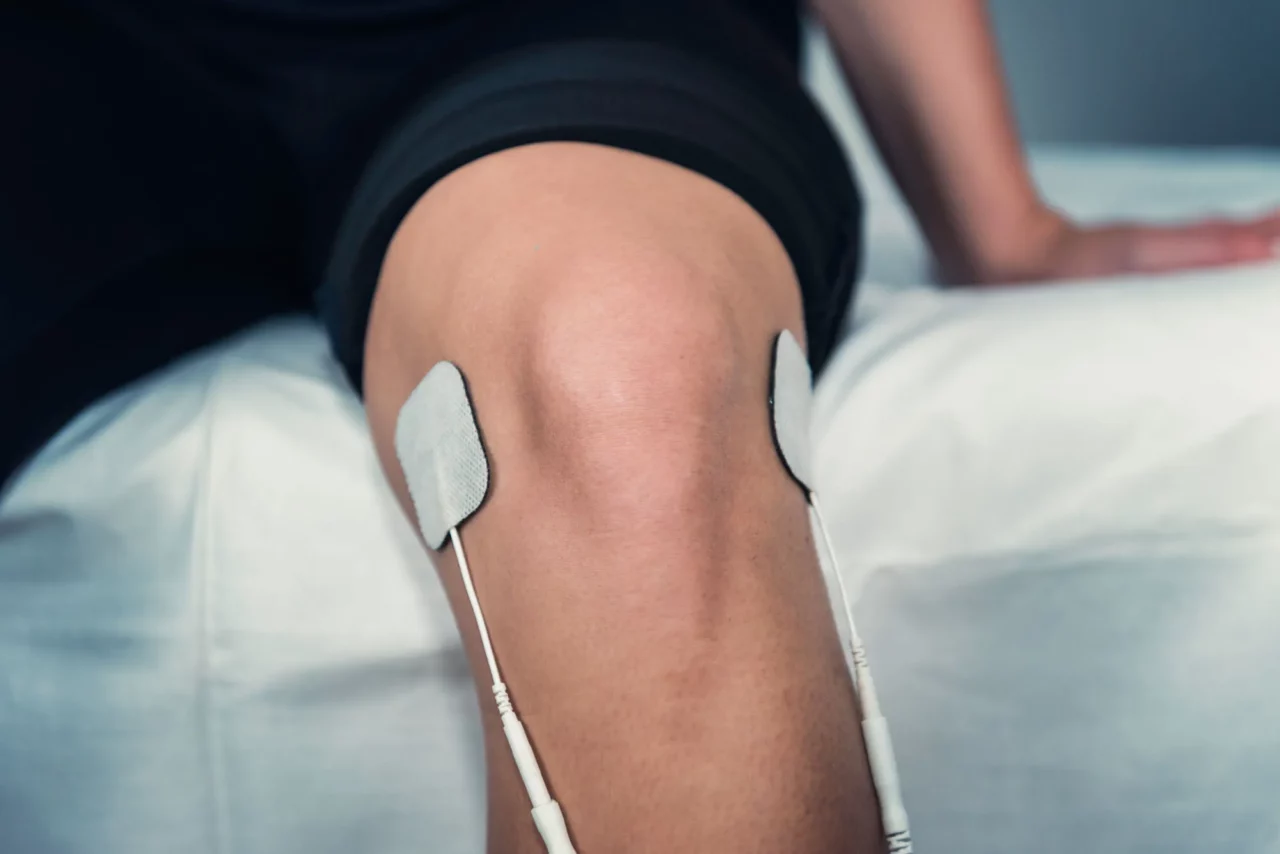
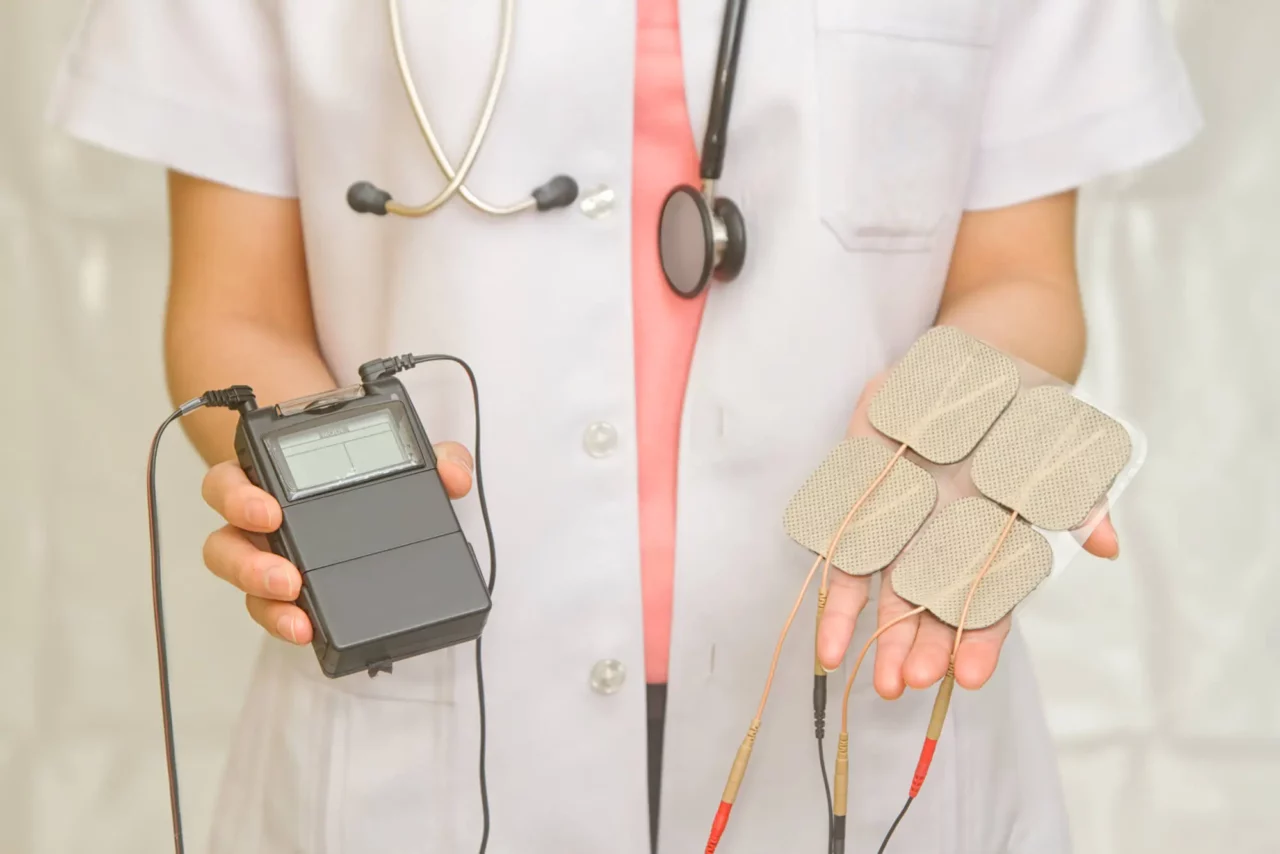
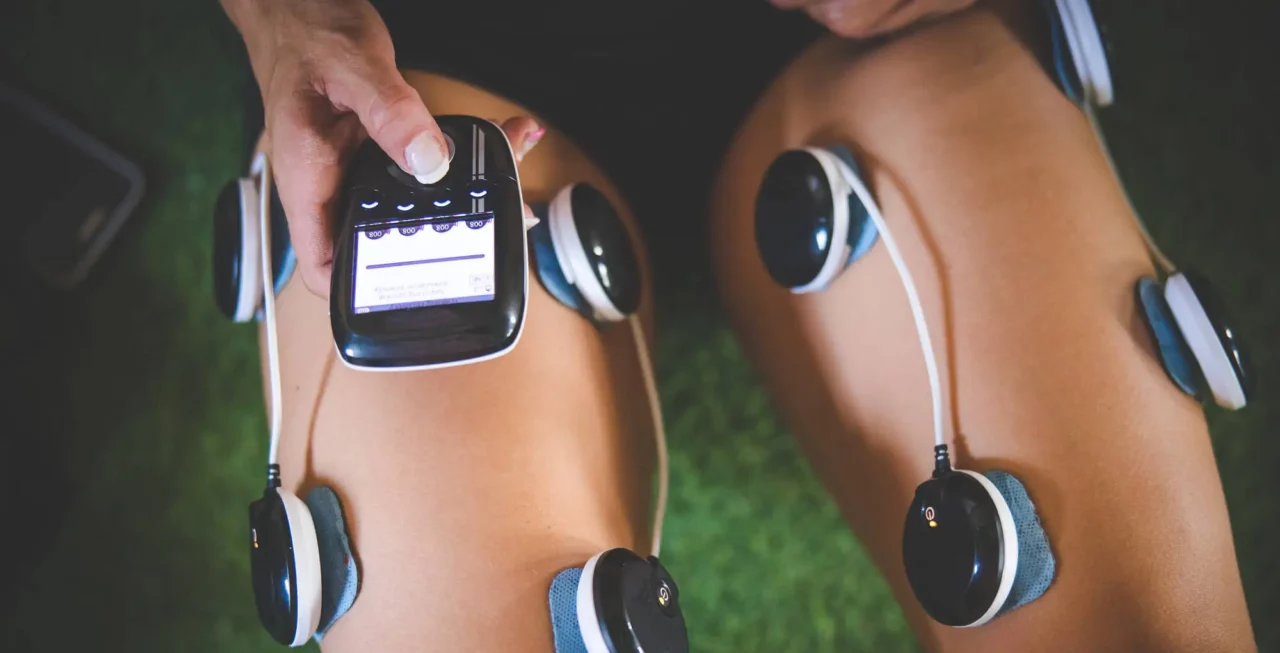
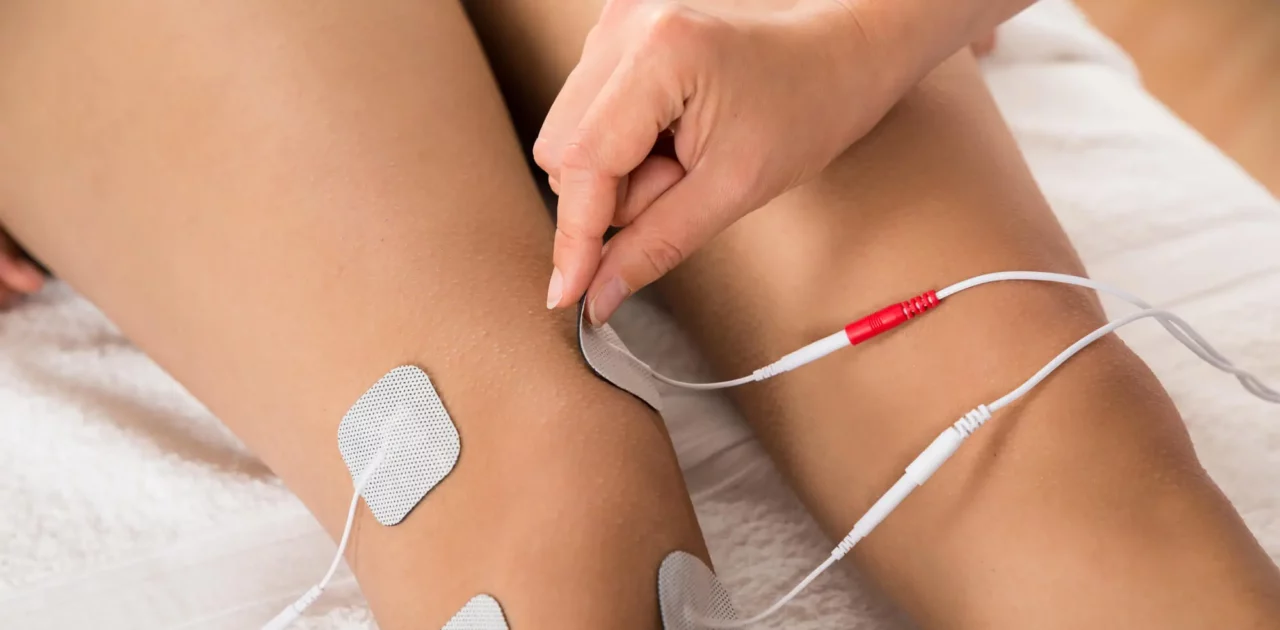
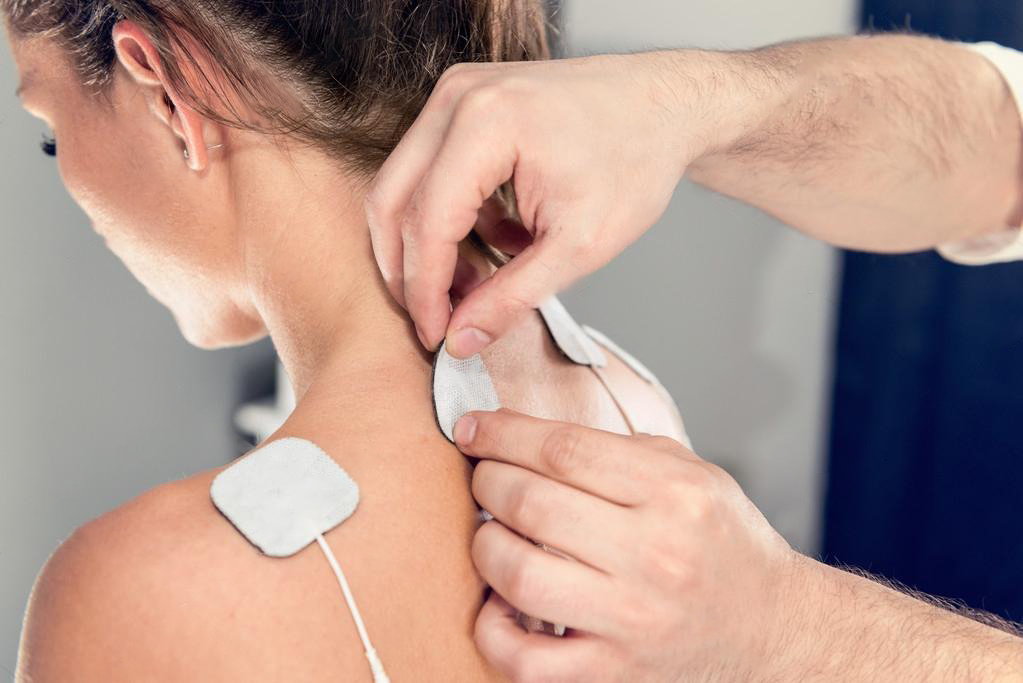
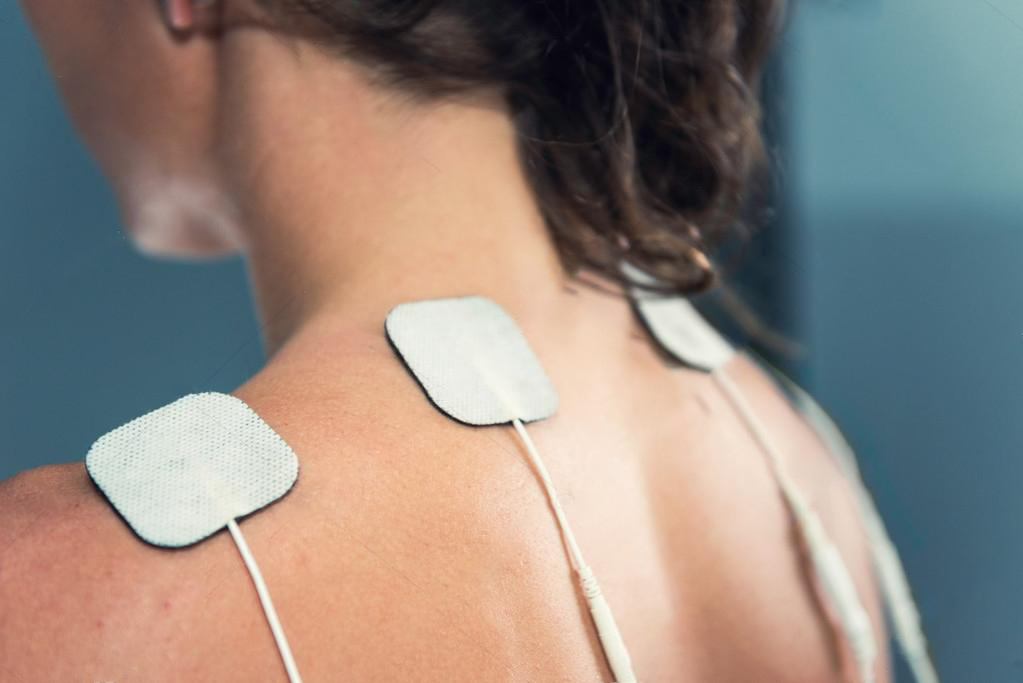
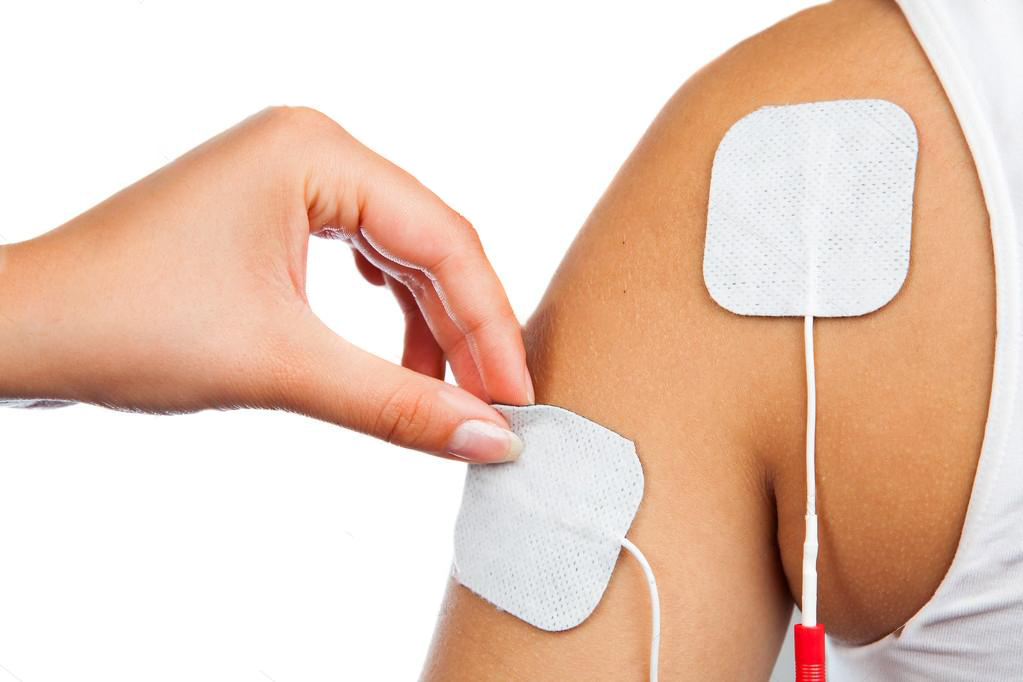
Microcurrent Electrical Therapy is a type of therapy that uses a low level of electrical current to stimulate the body’s natural healing processes. The electrical current used in MET is very small, typically less than one-millionth of an amp, and is delivered through electrodes placed on the skin. 

During MET, the electrical current is applied to specific points on the body in order to stimulate the production of adenosine triphosphate (ATP), a molecule that provides energy to cells. This increase in ATP production might help reduce inflammation, promote healing, and relieve pain. 

MET is often used to treat a variety of conditions, including fibromyalgia, arthritis, and sports injuries. It is generally considered safe, although individuals with certain medical conditions, such as pacemakers or epilepsy, should not undergo MET.

Different Types Of MET

The following are some of the most common types of MET available on the market and are available through a doctor-assisted application or self-administration:

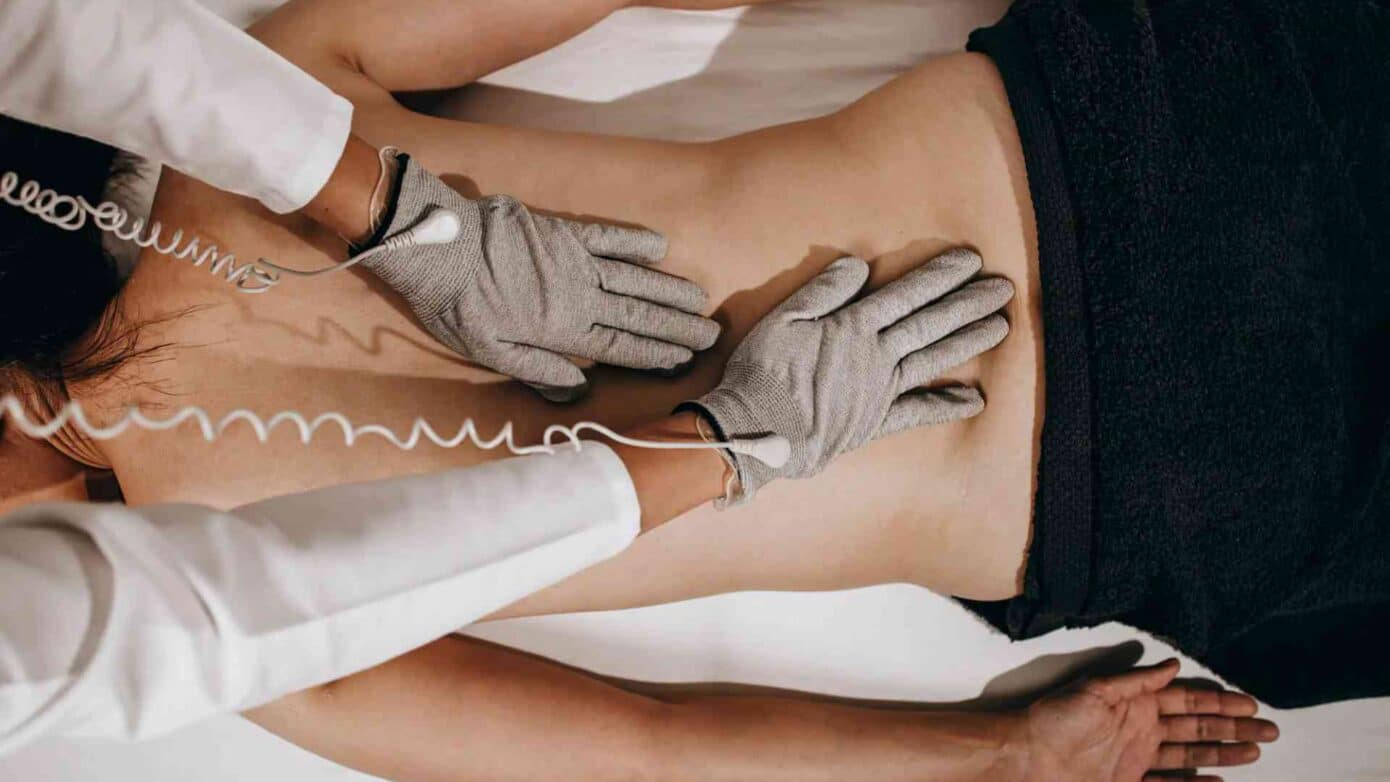
  • Interferential Therapy (IFT) is a type of electrotherapy that uses high frequency electrical currents to provide pain relief and promote healing. IFT involves the use of two or more electrical currents that are delivered through electrodes placed on the skin. 

The currents intersect and interact with each other, creating a therapeutic frequency that penetrates deep into the tissues. This treatment claims to stimulate the body’s natural healing processes and promote the release of endorphins, which are the body’s natural painkillers.

  • Russian Stimulation is a type of electrical muscle stimulation that uses a medium frequency current to stimulate muscle contractions. The current is delivered through electrodes placed on the skin, and the stimulation causes the muscles to contract and relax repeatedly. 

Russian stimulation has been used to treat muscle weakness, improve muscle tone, and reduce muscle spasms. While it may not directly treat pain, the increased muscle strength and improved muscle function may alleviate pain caused by muscle imbalances or weakness

Russian stimulation is generally considered safe, but should be used under the guidance of a healthcare professional.

  • Microcurrent Point Stimulation (MPS) is a type of therapy that combines principles from traditional Chinese medicine, acupuncture, and neurology. It involves the use of a low-level electrical current applied to specific acupuncture points on the body using a handheld device. 

The electrical current stimulates nerve endings and releases natural painkillers such as endorphins and enkephalins, which can provide pain relief and improve overall well-being. MPS has been used to treat a variety of conditions, including chronic pain, anxiety, and depression, and is generally considered safe. 

Individual results and levels of efficacy may vary.

What Are The Conditions Treated?

There are claims that microcurrent electrical therapy might be beneficial for a wide range of conditions. It could be used to treat acute and chronic pain, as well as various physical and neurological conditions. 

It has been suggested that MET is effective in treating conditions such as fibromyalgia, arthritis, muscle and joint pain, nerve pain, and migraines. It can also be used to improve range of motion, promote healing of soft tissue injuries, and reduce inflammation.

In addition to physical conditions, MET might also be beneficial for certain neurological and psychological conditions. For example, it has been used to treat anxiety, depression, and insomnia.

How Does Microcurrent Electrical Therapy Treat A Condition?

The electrical current used in MET stimulates the release of endorphins, which are the body’s natural painkillers, and can also promote relaxation and improve mood. 

While MET is generally considered safe, it is important to consult with a healthcare professional before undergoing this type of therapy, especially if you have any underlying medical conditions.

MET Vs. TENS

Transcutaneous Electrical Nerve Stimulation (TENS) and Microcurrent Electrical Therapy (MET) are both types of electrical stimulation therapies used for pain management. The main difference between TENS therapy and MET therapy is the level of electrical current used. 

TENS therapy typically uses a higher level of current than MET therapy (up to 1,000 times higher), and is designed to provide immediate pain relief by blocking pain signals from the nerves.

In contrast, MET therapy uses a much lower level of current and is designed to stimulate the body’s natural healing processes, ostensibly promoting tissue repair and reducing inflammation. While both therapies can be effective for pain management, they are used for different purposes and can have different effects on the body.

Risks & Limitations Of Microcurrent Electrical Nerve Stimulation

While microcurrent electrical therapy is generally considered safe, there are some potential drawbacks to consider. One potential drawback is the risk of skin irritation or burns from the electrical current. If the electrodes are not properly placed or if the electrical current is too high, it can cause discomfort, redness, or blistering on the skin.

Additionally, while MET can be somewhat effective for pain management, it may not be a suitable treatment for all types of pain or all individuals. Some people may not respond well to the therapy or may experience limited pain relief due to its lowered level of electrical current.

1. Uses Low-Amp Electrical Stimulation

Microcurrent Electrical Therapy implements a current that, as we previously discussed, is significantly lower than other electrical stimulation therapies. Because MET can be up to 1,000 times lower than even TENS therapy, many patients will feel dissatisfied with the resulting level of pain relief. 

Often the therapy does not do enough to help them manage their pain or return to a higher quality of life.

2. Dependent On User Compliance

Microcurrent electrical therapy (MET) can be administered in a variety of settings, including clinical settings, physical therapy clinics, and chiropractic offices. However, many MET devices are also designed to be used by patients at home, allowing for convenient self-administration of the therapy.

While self-administration of MET can be beneficial in terms of flexibility and convenience, it is important to note that proper training and guidance are essential to ensure safe and effective use of the device. 

Patients should consult with a healthcare professional before using a MET device at home to ensure that it is a suitable treatment option for their individual needs and medical history. 

Additionally, patients should carefully follow the instructions provided by the manufacturer and should not exceed the recommended duration or frequency of use. Without proper training, guidance, and regular compliance, patients may not experience an acceptable level of pain relief or may even experience painful side-effects.

3. May Not Be Covered With Insurance

Microcurrent electrical therapy is not always covered by insurance, particularly if it is an at-home device. Insurance coverage for MET can vary depending on the type of device, the underlying medical condition being treated, and the specific insurance policy. 

While some insurance plans may cover MET when it is administered by a healthcare professional in a clinical setting, coverage for at-home devices may be more limited.

Patients should consult with their insurance provider to determine if MET therapy is covered under their policy and what, if any, out-of-pocket costs may be involved. 

Additionally, some manufacturers of at-home MET devices offer payment plans or financing options to make the devices more accessible to patients who may not have insurance coverage or who may have limited financial resources. 

Ultimately, the decision to use MET therapy should be based on the individual’s needs, medical history, and financial situation, and should be made in consultation with a healthcare professional.

4. May Require Multiple Treatment Sessions

Microcurrent electrical therapy typically requires multiple sessions over a period of time to achieve the desired results. The exact number of sessions needed will depend on the individual’s condition, the severity of their symptoms, and their overall health status. 

In some cases, patients may start to experience pain relief after just a few sessions, while others may require several weeks or even months of treatment.

The need for multiple sessions can be a significant time commitment for some individuals, particularly those who have busy schedules or who live far from the treatment facility. Patients should carefully consider their ability to commit to a regular treatment schedule before starting MET therapy. 

Additionally, patients should be aware that the effects of MET are cumulative, meaning that the benefits may continue to improve with each session.

Why Consider Other Devices With Higher Pulse Rates?

Since MET only targets the near surface level, as penetration of tissue requires more actual electrical power and current and in turn requires higher pulse ratings to reach those current thresholds, it may not be as effective for conditions that require deeper tissue penetration, such as deep muscle injuries, deep musculoskeletal pain, or internal joint problems. 

Additionally, the low-level electrical current used in MET therapy may not be strong enough to reach certain areas of the body or to provide significant pain relief for some individuals. 

Because MET only focuses on targeting at the surface tissue level, this can be a potential disadvantage when compared to other devices that emit higher frequencies and wavelengths to penetrate deeper into tissues.

Electroanalgesia As A Better And Higher Alternative

For those who feel MET is not the answer for their pain or that it is not doing enough to relieve the pain, Relatyv has the answer with its electroanalgesia therapy. Electroanalgesia is an FDA-cleared treatment that implements electrical stimulation to relieve pain and reduce inflammation for extensive periods of time.

Unlike MET or even TENS therapy, Relatyv’s electroanalgesia treatment sends up to 10,000 pulses per second of current for maximum pain relief. When compared to TENS therapy’s max range of around 400 electric pulses per second, one could see how there is a higher efficacy. 

When you compare that quantity to the low level currents used in MET, there is no question that Electroanalgesia has the upper-hand in lasting efficacy and pain reduction. When the high pulse electrical stimulation offered by Electroanalgesia is applied to affected areas, there is a higher probability that pain-relieving endorphins will help reduce pain signals and inflammation. 

In addition to Electroanalgesia, patients will be treated using a whole-person approach, which includes IV-therapy and robust lifestyle counseling. IV therapy involves the infusion of vitamins, minerals, and other nutrients to supplement what the body could be missing. This therapy boosts your immune system and results in the most effective form of pain relief possible.

As patients continue to find relief from pain, Relatyv will offer lifestyle counseling to help patients make the changes in their life that will allow them to mitigate the pain on their own. Some of these sessions include low-stress exercise recommendations, nutritional advice, and educational material so patients can get the most out of their pain treatment.

TENS Unit For Endometriosis: Is It Strong Enough For Long-Term Relief?

TENS Unit For Endometriosis: Is It Strong Enough For Long-Term Relief? 2000 1333 Relatyv

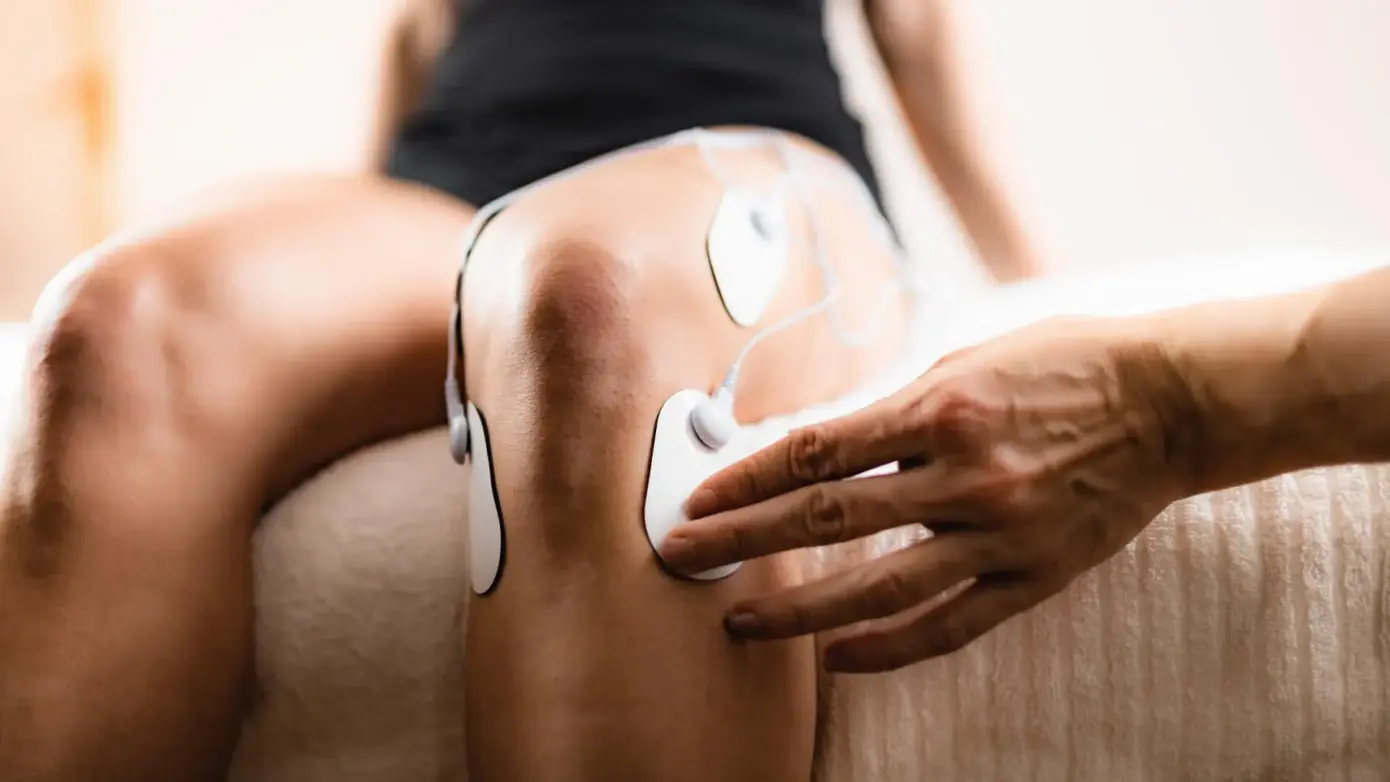
Endometriosis is a condition that affects the reproductive system, where the tissue that lines the uterus grows outside of it, causing pain and discomfort. Almost half of the female population throughout the world experience endometriosis in some form. Women with endometriosis often experience chronic pain, which can significantly impact their quality of life. One potential treatment option for managing endometriosis-related pain is transcutaneous electrical nerve stimulation (TENS) therapy. TENS therapy involves the use of a small, battery-operated device that sends low-level electrical currents through the skin to stimulate the nerves and reduce pain.

While some people with endometriosis have reported relief from TENS therapy, it may not be effective enough to fully manage endometriosis-related pain and while TENS therapy can help reduce pain during menstrual periods, it may not be effective in reducing chronic pelvic pain or improving overall quality of life for an extended period of time.

Endometriosis And TENS Therapy

TENS therapy is a relatively popular treatment option for managing endometriosis-related pain. However, it’s important to note that self-reported use of TENS therapy does not necessarily indicate its effectiveness in relieving pain. Additionally, TENS therapy may not be widely available or accessible to all individuals with endometriosis, depending on factors such as treatment cost, patient education, and availability of TENS devices.

Benefits Of Using A Tens For Endometriosis Pain

TENS therapy can offer several potential benefits for individuals with endometriosis who are seeking pain relief. First, TENS therapy is a non-invasive, drug-free option for managing pain, which may be appealing to individuals who are looking to avoid the side effects and risks associated with medication or surgery. Second, TENS therapy is a relatively safe and easy-to-use treatment option, which can be self-administered at home with the guidance of a healthcare provider. Third, TENS therapy can provide targeted pain relief to specific areas of the body, which may be particularly beneficial for individuals with endometriosis who experience localized pain in the pelvic region. Fourth, TENS therapy has been shown to stimulate the production of endorphins, which are the body’s natural pain-relieving chemicals. This can help to reduce pain and promote a sense of relaxation and well-being. 

However, it’s important to note that the efficacy of TENS therapy for endometriosis-related pain may vary from person to person, and some individuals may not experience significant relief of their symptoms with this treatment. Additionally, TENS therapy should be used as part of a comprehensive pain management plan, which may include other treatments and strategies such as medication, physical therapy, or counseling.

How A TENS Unit Work In Managing Endometriosis Pain

TENS therapy works by delivering low-level electrical impulses to the body via electrodes placed on the skin. These electrical impulses stimulate the nerve fibers in the affected area, which can help to interrupt the pain signals that are being sent to the brain.

Specifically, TENS therapy is thought to work by two primary mechanisms: the gate control theory and the release of endorphins. The gate control theory suggests that the electrical impulses produced by the TENS device can stimulate larger nerve fibers, which can help to block the transmission of pain signals from the smaller nerve fibers. The release of endorphins is the body’s natural pain relief mechanism. TENS therapy is thought to stimulate the release of endorphins in the body, which can help to reduce pain and promote a sense of relaxation and well-being.

Is An At-Home TENS Unit Strong Enough To Relieve Endometriosis Pain?

There are several reasons why TENS therapy may not be effective enough to fully manage endometriosis-related pain. For one, the underlying causes of endometriosis are not fully understood, which can make it challenging for those suffering from endometriosis pain to understand how to use the unit effectively. Additionally, endometriosis-related pain can be complex and multifactorial, involving a combination of inflammatory, hormonal, and neurogenic factors. TENS therapy may be effective at reducing pain related to nerve stimulation, but it may not address the other factors that contribute to endometriosis-related pain.

Finally, it is worth noting that TENS therapy is just one of many potential treatment options. Other options may include medication, hormone therapy, surgery, or a combination of these approaches. The best course of treatment will depend on the individual’s specific symptoms and needs, and healthcare professionals should work closely with their patients to develop a personalized treatment plan that is most effective and appropriate for them. Often, these personalized treatment plans do not include TENS therapy and it is typically due to its lacking efficacy.

Required Current And Wavelength To Achieve Relief

For effective treatment, the higher the pulse an electric stimulation treatment delivers, the more pain it will relieve– as long as it is safe, of course. When compared to other electric pulse stimulation therapies for pain relief, TENS treatment does not administer the lowest current available, but it is nowhere near the highest. Therefore, TENS treatment is not the most effective in providing lasting pain relief.

Insurance Coverage

Because a TENS unit does not provide adequate electrical stimulation for pain relief, it is not covered by insurance, particularly if it is an at-home device. Ultimately, the decision to use TENS therapy should be based on the individual’s needs, medical history, and financial situation, and should be made in consultation with a healthcare professional. However, because it is not covered by health insurance and doesn’t typically provide adequate or lasting pain relief, many seeking endometriosis pain relief will turn to alternative options.

Risks of TENS Units for Endometriosis Pain Management

TENS Units for Endometriosis pain management come with some potential risks and side effects. Some of the most common side effects of TENS therapy include discomfort in the abdominal area, skin irritation, irritation of the endometrial tissue, and allergic reactions.

Discomfort in the Abdominal Area

Discomfort in the abdominal area is one of the most common side effects of TENS therapy for endometriosis. This discomfort can range from mild to severe and may feel like a cramping or pulling sensation in the pelvic region. While this discomfort is usually temporary and will subside after the TENS therapy is stopped, it can be unpleasant and may interfere with daily activities.

Skin Irritation and Endometrial Tissue Irritation

Skin irritation is another potential side effect of TENS therapy. This can occur when the electrodes used in the therapy are not placed properly or are left in place for too long. Skin irritation can manifest as redness, itching, or a rash at the site of the electrodes. In some cases, this irritation can be severe enough to require medical treatment.

Irritation of the endometrial tissue is another potential risk associated with TENS therapy for endometriosis. This can occur when the electrodes are placed over the areas of the body where endometrial tissue is present. This irritation can cause the tissue to become inflamed and can exacerbate pain and discomfort in the pelvic region.

Allergic Reactions

Finally, some individuals may experience allergic reactions to the materials used in TENS therapy, such as the electrodes or the adhesive used to hold them in place. These reactions can range from mild to severe and may include itching, swelling, or difficulty breathing. Individuals with a history of allergies or skin sensitivities should discuss their risks with their healthcare provider before using a TENS unit for endometriosis pain management.

Who Should Avoid Using TENS Unit For Endometriosis?

Pregnant women and women with implanted medical devices should avoid using TENS therapy for endometriosis pain management. The electrical stimulation could cause harm to the developing fetus, and the device could interfere with the function of implanted medical devices, such as pacemakers or defibrillators. Additionally, individuals with epilepsy or a history of seizures should use TENS therapy with caution as it may trigger a seizure. 

It is also important to note that TENS therapy should not be used as a substitute for proper medical care for endometriosis. While it may provide temporary relief of pain, it does not address the underlying condition and should be used in conjunction with other medical treatments prescribed by a healthcare professional. Women who experience severe or persistent pain should seek medical attention to ensure proper diagnosis and management of their endometriosis.

Why Traditional Pain Management Approaches May Not Be Enough

Traditional pain management strategies, such as TENS therapy and nonsteroidal anti-inflammatory drugs (NSAIDs), can provide temporary relief. However, they may not be enough for long-term pain management due to their limitations and potential risks.

NSAIDs, such as ibuprofen and aspirin, are commonly used to manage pain. However, prolonged use of NSAIDs can cause gastrointestinal problems, such as stomach ulcers and bleeding, and may increase the risk of cardiovascular events. Moreover, not all women respond to NSAIDs, and some may require stronger pain medications, such as opioids, which have their own risks and limitations.

Partnering TENS therapy with NSAIDs is not enough for long-term pain management for endometriosis. Instead, a comprehensive approach to pain management should be taken, which includes lifestyle changes, such as regular exercise, a healthy diet, and stress management techniques. Women with endometriosis may also benefit from alternative therapies, such as acupuncture, massage therapy, and cognitive-behavioral therapy but these are no guarantee for long-term pain relief.

A Better Non-Surgical And Non-Invasive Treatment For Endo Pain

Relatyv leads the way with its whole-person approach to pain management and relief. With Electroanalgesia patients feel lasting relief from endometriosis pain. Accompanying Electroanalgesia, patients can also expect to be treated to a specialized nutritional hydration therapy to assist the body in its natural healing process. Finally, patients will be treated with a suite of lifestyle counseling and patient education that ensures they will have the opportunity to and confidence to tackle aspects of their endometriosis pain on their own.

Electroanalgesia

Relatyv offers the most effective form of electrical stimulation and pain relief through electroanalgesia. Not only is it safe and effective at treating endometriosis pain, its efficacy outweighs that of a TENS unit. Its efficacy, when compared to a TENS unit, is directly related to its high-pulse stimulation which is 1,000 times higher than that of a TENS unit. Electroanalgesia, with its high pulse electrical stimulation, creates a depolarization effect on the pain neurons, while also stimulating tissue regeneration that repairs damaged nerves and damaged microvascular tissues.

Specialized Nutritional Hydration Therapy

Relatyv’s specialized nutritional hydration therapy of vitamins, minerals, and other nutritional necessities assists the body’s ability to relieve pain and works in conjunction with Electroanalgesia’s ability to relieve pain.

Lifestyle Counseling And Patient Education

Patients seeking the most effective form of relief from endometriosis pain will find it with our treatment program and attain the ability to maintain their pain in the interim by participating in our educational and lifestyle counseling. These programs ensure patients will have the ability and confidence to do all they can to mitigate the often debilitating endometriosis pain.

Get A Long-Term Endometriosis Pain Relief With Relatyv

At Relatyv, we understand that pain from endometriosis can be life-limiting and preclude many from living the full-fledged life they had imagined. At the same time, we know and have confidence that pain relief will come through our electroanalgesia, IV therapy, and educational programs. At Relatyv, our mission is to relieve pain, restore health, and magnify quality of life while operating as a non-pharmaceutical, non-surgical, non-invasive, and non-chiropractic pain treatment provider. Our vision is to be the first thought, first choice, and first step in the journey of chronic pain relief.

A Comprehensive Guide On Electrical Stimulation Therapy For Knee Pain

A Comprehensive Guide On Electrical Stimulation Therapy For Knee Pain 2000 962 Relatyv

Chronic knee pain affects over 25% of the population, making it one of the most widespread musculoskeletal disorders worldwide. And, given how much we rely on our knees for everyday activities, it is easy to estimate the extent of the impact that this condition may have on a person’s life. 

From dealing with recurring pain and reduced mobility to facing the challenges associated with unmanageable care costs and declining productivity, chronic knee pain can certainly be debilitating. To make things worse, patients with a chronic or degenerative knee condition have two, equally undesirable options: relying on pain medications or undergoing surgery. 

However, approaches such as electrical stimulation therapy are now offering a non-pharmaceutical and non-invasive alternative to treat knee pain. Let’s look at how these therapies work and how effective they are below.

Electrical Stimulation For Knee Pain

Electrical stimulation – also known as neuromodulation or E-stim – is a pain management approach that uses electricity to decrease knee pain and discomfort. During the treatment, mild pulses of electrical current are delivered to the area affected by pain with the use of sticky pads.

The pulses of electricity will produce a cascade of effects, including:

  • Stimulating blood flow: The electrical pulses can promote the flow of blood, nutrients, and oxygen to the injured area, thus supporting the body’s ability to heal and regenerate damaged tissue. This can also reduce inflammation which, in turn, will ease swelling, redness, and stiffness. 
  • Triggering the release of endorphins: Similarly to massage therapy, electrical stimulation can trigger the release of chemicals known as endorphins, which are the body’s natural painkillers. 
  • Modulating how your brain processes pain: The electrical pulses will act by “flooding” the nervous system and preventing pain signals from reaching the brain. The current may also be able to trigger a shift of electrical charge in pain neurons in the brain (a process known as depolarization), which can reset your perception of pain and lead to long-lasting relief from pain. 
  • Helping the muscles contract properly: E-stim can stimulate muscle movements, which can help prevent muscle shrinking (atrophy). Loss of muscle mass can be a complication of disability and prolonged immobilization and can contribute to further damage to the knee components. 

Being non-drug, non-surgical, and non-pharmaceutical, this approach can be used by a large percentage of the population with minimal risks.

With the guidance of a specialized healthcare professional, electrical stimulation can be used to address a wide range of conditions that cause knee pain. The most common ones are: 

  • Excessive stress 
  • Direct trauma
  • Fractures or dislocations
  • Torn tendons or ligaments (i.e.: sprains or strains)
  • Inflammatory conditions (i.e.: tendonitis and bursitis)
  • Arthritis and osteoarthritis

With over 303 million cases worldwide, osteoarthritis is the leading cause of knee pain among older adults. This degenerative condition causes the breakdown of the joint’s components, thus leading to pain, reduced mobility, and in severe cases, disability. 

Some other factors that increase your risk of suffering from knee pain later in life include obesity, a sedentary lifestyle, and overuse. 

Given the permanent or degenerative nature of most conditions affecting the knee, electrical stimulation therapy represents a more sustainable pain management approach compared to pain medications or surgery.

Different Types Of Electrical Stimulation Therapy

Electrical stimulation therapies are often used as part of a more comprehensive physical therapy and pain management program, usually in combination with other therapies. 

Below, we’ll look at the different types of e-stim therapies and when they should be used to treat knee pain.

Transcutaneous Electrical Nerve Stimulation (TENS)

Transcutaneous electrical nerve stimulation (TENS) is one of the most popular types of neuromodulation therapy. TENS units are today available as over-the-counter devices and allow for the self-administration of the treatment. 

Using TENS units for knee pain may provide relief from pain by interrupting or altering the pain signals traveling from damaged tissues in the knee joint to the brain.

How Does It Work?

TENS is performed using a portable, battery-operated device attached to a set of electrodes (sticky pads) that are placed around the knee joint. Selecting the right setting, the device will send mild pulses of electricity through the skin and the joint’s components.

The surge of electrical activity in the area will temporarily stop pain signals from reaching the brain and spinal cord, where they should be processed. This action, coupled with the release of endorphins and a reduction of inflammation, can ease painful sensations. 

Depending on your TENS device, you may be able to choose one of many different settings and adjust the rate at which the pulses are delivered (frequency). 

This kind of e-stim therapy is the most commonly used one to address both acute (short-term) and chronic (long-term) knee pain.

Case Studies On Effectivity

Studies conducted in 2000 show that TENS can be used in the management and modulation of knee pain deriving from osteoarthritis. In a review published in 2015 by Cochrane, using transcutaneous electrical nerve stimulation reduced pain intensity by 50% in half of the patients studied.

However, not all studies have reached the same conclusions. According to a randomized controlled trial published in 2015, TENS improved subjective measures, such as pain intensity, functional abilities, and quality of life. However, a clinical trial published in 2021 in the Osteoarthritis and Cartilage Journal shows that TENS may not improve osteoarthritis pain.

Neuromuscular Electrostimulation (NMES)

Neuromuscular electrical stimulation (NMES) is a procedure used to deliver mild pulses of electrical current to weak or paralyzed muscles. The electrical pulses help the muscles contract properly, which improves muscle strength, promotes blood circulation, and relieves muscle spasms. 

This therapy works by stimulating the nerve endings located within the muscles. These nerves are part of the peripheral nervous system – or the nerves located outside the brain and the spinal cord – and are responsible for transmitting signals relating to muscle movements to the brain.

How Does It Work?

NMES works similarly to TENS units. Electrodes attached to a battery-operated device are applied to the areas around the knee. Mild pulses of electrical current are then delivered to the muscles that support the knee joint to re-educate the muscles to contract properly. 

During an NMES therapy session, the electrodes are attached to the knee while you are performing everyday tasks, such as walking. As your leg moves, the electrical stimulation turns on, thus instructing the muscles to contract when they are supposed to contract. Vice-versa, the stimulation turns off when your muscles are supposed to relax or rest. 

This form of therapy may help people regain their knee function after surgery (i.e.: total knee arthroplasty) or a long period of immobilization following an injury. 

NMES may also be used in people with arthritis to strengthen the muscles surrounding a weakened knee joint or to prevent a loss of muscle mass that may occur due to disuse.

Case Studies On Effectivity

Studies show promising results that NMES can help patients regain their muscle function. 

According to a 2019 study published by Frontiers, re-educating muscles to contract properly can play a role in the management and prevention of chronic conditions, especially in individuals who are unable to practice physical exercise. 

The same study suggests NMES can prevent muscle atrophy in patients with reduced mobility, help maintain muscle strength, and support recovery from invasive surgeries such as total knee arthroplasty. 

A 2012 study also shows that undergoing NMES therapy for 8 weeks helps patients with knee osteoarthritis improve their quadriceps strength and overall health.

Interferential Current Therapy (ICT)

Interferential Current Therapy (ICT) is a type of electrical stimulation therapy used to modulate pain and improve blood circulation to damaged tissues. 

This double action ensures that the pulses can reach deeper into the tissue and inhibit the transmission of pain signals to the brain. ICT may also be more effective in boosting blood circulation and triggering the release of pain-relieving hormones like endorphins. 

How Does It Work?

Although ICT is similar to TENS in many ways, this kind of therapy differs in that it delivers two pulses of electricity at two different medium frequencies. The pulses alternate throughout a single session and can be adjusted and varied to address different types of painful tissues. 

During an ICT session, one of the pulses is kept at a constant frequency (usually 2000 Hz, 4000 Hz, or 6000 Hz), while the other one varies within a range of frequencies. This prevents your body from becoming used to the current and improves this therapy’s efficiency. 

ICT is often recommended to patients with knee osteoarthritis because of the longer-lasting pain-relieving action, but it can also be used in the treatment of sprains, strains, and joint damage.

Case Studies On Effectivity

A systematic review conducted in 2015 on the efficacy of various electrical stimulation therapies suggests that ICT is the most prominent pain management method for knee osteoarthritis. 

Additionally, a 2021 study on the analgesic effects of ICT shows that this therapy can efficiently relieve pain in people with knee osteoarthritis and post-operative knee pain. The same study highlights that the frequencies selected during the ICT therapy did not have an impact on its analgesic effects.

Electronic Muscle Stimulation (EMS)

Electronic Muscle Stimulation (EMS) is sometimes referred to as Russian stimulation. This therapy works similarly to Neuromuscular Electrical Stimulation and aims to re-educate the muscles to contract properly during movement. 

This aids the maintenance of muscle mass and prevents muscle atrophy in people with degenerative knee conditions, limited mobility, temporary or permanent immobilization, and disability.

How Does It Work?

EMS is similar to NMES: it delivers electrical current to the nerve endings within the muscles to trigger contractions. However, EMS uses intermittent and alternating medium-frequency electrical pulses (Russian Current), which help create more powerful or forceful movements in muscles that are otherwise unable to contract. 

This therapy may be used to help strengthen the muscle mass around a weakened knee joint, which can happen due to osteoarthritis. Although EMS is sometimes used in physical therapy and weight loss programs, it is mainly recommended to relieve muscle spasms, prevent muscle loss, and retrain muscles to contract properly.

Case Studies On Effectivity

According to a 2019 study, EMS can be considered to be an affordable and efficient instrument to ease pain and speed up recovery following an athletic knee injury, such as a torn Anterior Cruciate Ligament (ACL) tear. The same study shows that EMS may be efficient in promoting the health and strength of the quadriceps muscle group after ACL repair surgery.

A 2017 study conducted on rats also shows that the use of Russian stimulation can speed up the bone regeneration process.

Benefits Of Electrical Stimulation Therapy

According to the research and case studies seen above, electrical stimulation may have analgesic – or pain-relieving – effects in people suffering from a range of conditions causing knee pain. 

But the benefits of these therapies go beyond simply easing discomfort. Let’s look at these benefits below:

  • Reduce chronic pain: By interrupting the pain signals traveling to the brain, e-stim therapy reduces painful sensations and discomfort in people with chronic conditions, such as osteoarthritis. 
  • Decrease inflammation and swelling: A study published in 2023 by The Feinstein Institutes for Medical Research shows that electrical stimulation may help relieve inflammation by stopping the release of inflammatory molecules in the brain. 

Additionally, by forcing the muscles to contract, e-stim combats the build-up of fluids and swelling that occurs when the muscles are still for too long (edema). 

  • Improve range of motion: E-stim therapies help reduce the swelling and stiffness caused by inflammation, which can help you move your knee joint more freely.
  • Reduce muscle spasms: When used for muscle stimulation, electrical stimulation can modulate the activity of motor nerves within the muscles. This helps reduce involuntary movements such as spasms, fasciculations, and cramps, which are often caused by motor nerves misfiring spontaneously. 
  • Improve neuromuscular rehabilitation: E-stim therapies can be used to help patients build up or maintain muscle mass in the event of immobilization or reduced mobility. When used to retrain muscle contraction, e-stim can promote greater mobility, help reduce the risk of muscle atrophy, and support overall musculoskeletal health. 

What To Expect During The E-Stim Therapy

What to expect during e-stim therapy depends on the type of device used and the results you are looking to achieve. Before your first session, your healthcare provider will guide you through each step of the therapy, aftercare, and expected results. 

Below, you’ll find an overview of what happens during an electrical stimulation therapy session.

The Process

Normally, electrical stimulation therapy is used as part of a broader physical therapy or rehabilitation program that aims to restore knee function, support recovery from an injury, or reduce pain. 

In these cases, the therapy is administered by a professional using medical-grade devices. You’ll be instructed on how many sessions are needed to achieve the desired results and on the best type of e-stim for your needs. Below, we’ll look at what happens during and after the therapy. 

Note: Some TENS units are also available as over-the-counter devices. Although these devices allow you to self-administer the treatment, they come with reduced electrical power. The limited strength and frequency of the electrical pulses may not be enough to improve your knee pain.

During The Therapy

Most electrical stimulation units are battery-powered devices attached to electrodes via thin wires. The electrodes are adhesive pads that are temporarily placed on the skin and can be easily removed at the end of the session. 

During the therapy, mild pulses of electrical current are delivered to the area receiving treatment via the electrodes. With the supervision of a professional, the electrical current is adjusted to provide powerful – but not painful – stimulation. 

Note: While e-stim may cause tingling and “pin and needles” sensations, it should not be painful. Tell your doctor immediately if you are experiencing pain. 

Some electrical stimulation therapies – such as the ones used to address knee pain deriving from arthritis and joint conditions – are passive, meaning that you will relax during treatment. Oppositely, when e-stim is used to improve muscle mass, prevent muscle atrophy, or retrain your muscles to contract properly, you may need to engage in movements such as walking. 

Let’s look at the e-stim therapy process in more detail below.

Application Of Electrodes

After determining the area of pain and what’s causing it, your healthcare provider will start the therapy by placing the electrodes around the knee. Usually, two or four pads are placed in the area around the knee, on the front, back, and sides of the joint. 

The most common placement for the electrodes is illustrated below:

Your doctor will determine how many pads you need and where they should be placed. However, usually, the pads’ placement is determined by where you feel pain. A few rules include:

  • Two pads are used if the pain is localized to a smaller area
  • Four pads are applied if the pain radiates from the knee to the surrounding structures
  • The kneecap should be avoided, but the electrodes can be placed around it
  • Placing the pads at the front of the knee can help with joint problems such as arthritic pain
  • Placing the pads on the side of the knee can support muscle contraction and re-education after injury or immobilization. 
  • The pads can also be placed at the back of the knee if that’s where the source of pain is

If the therapy is administered within clinical settings, your healthcare provider will place the electrodes for you. If you decide to use an at-home TENS unit, you may follow the instructions of your doctor to correctly place the electrodes. 

You should not place the electrodes on:

  • Infected or irritated skin
  • Skin that has recently been treated with radiation
  • Open wounds
  • Near the nose, eyes, or mouth
  • Reproductive organs
  • Areas of the body with inhibited sensation or numbness

The pads should be applied to clean and dry skin. They should not touch each other or any metal object, such as a belt buckle.

Gradual Increase Of Electrical Current

Once the electrodes are correctly placed around the knee, the electrical stimulation device is turned on on the lower setting. The electrical pulses are fine-tuned based on the following parameters: 

  • Frequency: The rate at which pulses of electricity are delivered. Frequency is measured in hertz (Hz). 
  • Intensity: How intense the sensations caused by the electrical current are. 
  • Pulse Width: How long each pulse of electricity lasts. Pulse width is measured in microseconds (μs).

Low-intensity pulses will cause you to experience tingling and “pin and needles” sensations. These sensations are known as paresthesia and, while they may feel strong, they should be comfortable and not painful. 

The therapy provider will gradually increase the intensity and frequency of the electrical pulses to cause sensations that are closer to your pain threshold. If the treatment is administered to build or maintain muscle mass, you may also experience mild muscle twitches and contractions.

How Long Is The Therapy?

Each electrical stimulation therapy can last between 5 and 15 minutes, depending on which condition you are aiming to treat and what type of therapy is used. At-home TENS units can be used for 30-60 minutes up to four times a day. 

According to a 2003 study, the best results among people with osteoarthritic knee pain were achieved when electrical stimulation was used for 40 to 60 minutes, 5 days a week for 2 weeks. 

Additionally, a 2019 study shows that NMES, when administered for 20 minutes 3 times a day for 6 weeks, can help patients regain knee function after total knee replacement surgery. 

The effects of electrical stimulation can last between 5 minutes and 18 hours.

Post-Therapy Care

As a non-invasive therapy, electrical stimulation does not involve long periods of downtime or recovery. However, your doctor may recommend aftercare instructions that can improve the therapy’s results and prevent injuries. 

Some guidelines include:

  • Take care of the skin areas where the pads were applied, as they may be sensitive or irritated. 
  • Interrupt the treatment if your skin is not tolerating the electrodes well, or if you feel dizzy. 
  • After treatment, avoid strenuous activities. Instead, opt for light exercise and rest as needed. 
  • If you have been given a unit to use at home, clean the pads and safely store your unit.

Risks And Limitations Of Electrical Stimulation Therapy

When administered by a professional and following a health exam, electrical stimulation is considered to be safe.

Although minor, some risks you may run when choosing this therapy include:

  • Allergic reactions to the glue that makes the electrodes adhesive
  • Skin irritation and contact dermatitis
  • Momentary increase in painful sensations
  • Tingling and “pin and needles” sensations
  • Muscle fatigue and mild twitching (due to e-stim overuse)
  • Decreased blood pressure 

A study conducted in 2015 also shows that the chronic use of low-frequency electrical stimulation can contribute to the accumulation of waste materials in the muscle fibers, which can lead to muscle fatigue and damage.  

At-home TENS units are considered safe because of the low strength of the electrical pulses they deliver. Nonetheless, you should apply the electrodes with care to avoid sensitive areas such as the genitals and abdomen. Electric stimulation devices should not be used when bathing or showering.

When You Should Avoid Using E-Stim

As seen above, electrical stimulation can be a valid pain management option for a range of knee conditions. However, just like any other treatment, this type of therapy isn’t equally suitable or safe for everyone. 

In particular, e-stim is contraindicated for:

  • Pregnant women, especially during the first trimester
  • Patients wearing a medical implant or device, such as internal hearing aids or pacemakers)
  • Epileptic patients
  • Patients with deep vein thrombosis (the increased blood circulation may increase the risk of blood clots)
  • Patients with a history of cancer in the past five years
  • Patients with actively bleeding tissue or a history of bleeding disorders
  • Patients with heart disease

You should also avoid using electrical stimulation to address pain that has not been properly diagnosed.

Improve The Quality Of Your Life With The Right Treatment

Chronic or acute knee pain can inhibit activities that are part of a normal and fulfilling life, such as climbing stairs, enjoying walks outdoors, taking care of yourself, cooking, or moving around your home. But taking pain medications daily or undergoing a total knee arthroplasty are no longer the only options to manage your pain. 

Electrical stimulation can provide long-lasting relief from pain without drugs or surgery. With Neurofunctional Pain Management, you can access ad hoc e-stim and electroanalgesia programs designed around your needs.

Tens Unit For Feet: Is It Strong Enough For A Long-Term Relief?

Tens Unit For Feet: Is It Strong Enough For A Long-Term Relief? 2560 1709 Relatyv

Dealing with any kind of foot pain can be an incredibly frustrating experience. If you have an issue with your foot that’s causing pain, it can be easy to aggravate it every time you put pressure on it. As a result, foot pain can be highly debilitating since something as simple as standing or walking can cause pain. 

Fortunately, there are many treatment solutions when it comes to pain relief. One of those options is TENS (transcutaneous electrical nerve stimulation) therapy, which is commonly used to reduce the intensity of pain symptoms. Although TENS therapy can be effective for providing temporary pain relief, the real question is, can it provide long-term relief as well?

Common Causes Of Foot Pain

Before diving further into TENS therapy and whether it can help relieve foot pain, it helps to better understand what causes foot pain. For treatment of any kind to be effective over the long term, you need to be able to treat the underlying cause of the pain. With that in mind, the following are the most common causes of foot pain:

  • Plantar Fasciitis: Plantar fasciitis is an inflammation of the tissues that connect the heel to the toes. It can be caused by an injury or overexertion of the foot and can cause intense pain when walking or standing.
  • Bunions: Bunions are when the big toe starts to lean towards the other toes, causing a bump on the side of the foot, leading to pain and discomfort. This is often caused by wearing ill-fitting shoes and can lead to pain in the toe area.
  • Hammer Toes: Hammer toes are when the joints at the end of a toe become bent, causing intense pain with every step. Like bunions, hammer toes can result from wearing footwear that’s too tight for your feet.
  • Morton’s Neuroma: Morton’s neuroma is a condition where the tissues around a nerve in your foot thicken, leading to pain and tingling sensations. It can be caused by wearing narrow or pointed shoes that put too much pressure on the front of your foot.
  • Stress Fractures: Stress fractures can occur when the bones in your feet are weakened due to repetitive stress or trauma. Stress fractures are commonly caused by running or jumping on hard surfaces while wearing improperly cushioned shoes.
  • Achilles Tendinitis: Achilles tendinitis occurs when the Achilles tendon becomes inflamed, which can be caused by running on hard surfaces while wearing shoes that don’t provide enough support. It can also be caused by doing too much physical activity without properly stretching beforehand.
  • Gout: Gout occurs when uric acid crystals accumulate in the joints, which can cause pain, swelling, and redness. An unhealthy diet or lifestyle often causes gout, leading to intense foot pain.
  • Ingrown Toenails: Ingrown toenails are often caused by cutting your nails too short, wearing shoes that are too tight for your feet, or attempting to push a nail out from the side. This can cause intense pain and infection in the affected area.

Foot Pain And TENS Therapy

There are a lot of different conditions that can cause foot pain. TENS is a popular form of treatment because it’s non-invasive and drug-free. With that in mind, the following are a few things you should know about TENS therapy to better understand how it works:

How Does  A TENS Unit Work to Relieve Foot Pain?

TENS therapy works by sending tiny electrical pulses through the skin that stimulate nerve fibers, which can help to reduce pain signals from reaching the brain and stimulate the release of endorphins, which function like natural painkillers. This is done using a TENS unit, which delivers electrical stimulation via electrodes attached to the skin. The electrical pulses can also provide a soothing massage-like sensation to the foot, which can help relax the muscles and reduce tension, thereby reducing stiffness and pain.

Benefits Of TENS Unit For Feet

The following are a few of the reasons why TENS therapy is so effective at providing temporary relief from foot pain:

  • Flexibility: With a TENS unit, you can control the intensity and duration of the treatment. This allows you to adjust it according to your level of pain or discomfort.
  • Increase Circulation And Reduce Inflammation: Many conditions that cause foot pain, like gout, are at least partially a cause of inflammation. TENS can help to increase blood circulation and reduce inflammation, which can help alleviate foot pain.
  • Improve Range Of Motion: By massaging the muscles and tendons in your feet, a TENS unit can help reduce pain and stiffness associated with conditions like plantar fasciitis and Achilles tendinitis, which can improve your range of motion.

Is TENS Strong Enough To Relieve The Foot Pain?

TENS therapy can be effective when it comes to temporary pain relief. To see how it performs specifically for heel pain, learn more about TENS therapy for plantar fasciitis. However, TENS therapy simply isn’t strong enough to provide long-term relief from more chronic foot conditions. This is because TENS therapy uses low-voltage electrical stimulation to provide relief, and it can’t penetrate deep enough into the tissues to address the underlying cause of the pain.

A regular TENS unit can only deliver electrical currents up to 400 pulses per second, and the at-home TENS units available on the market can only deliver upwards of 250 pulses per second. So if you’re suffering from severe pain or a chronic foot condition, getting TENS therapy is more akin to getting a nice foot massage. It may feel good for a moment but won’t last.

How Relatyv Approaches Foot Pain

At Relatyv, we firmly believe that electrical stimulation can be highly effective at helping patients manage their foot pain. It’s why electrical stimulation is a critical component of our Relatyv protocol, which implements a Neurofunctional Pain Management approach to treating chronic pain. This means that instead of just addressing the symptoms, we focus on the underlying cause. 

We also emphasize a whole-person approach to treatment to help you manage your condition over the long term; all without relying on potentially addictive pain medications, risky chiropractic treatments, or invasive and expensive surgical procedures. Keeping this in mind, the following are the treatment solutions we provide when treating chronic foot pain:

Electroanalgesia

At Relatyv, we use electroanalgesia to target the deeper tissue of your foot and reduce pain while improving circulation and reducing inflammation. Like TENS therapy, electroanalgesia is a form of electrical stimulation therapy to help block pain signals and stimulate the release of endorphins. 

However, unlike TENS therapy, electroanalgesia delivers high-pulse currents that provide deep penetration and targeted relief. It’s much more effective than TENS therapy because electroanalgesia machines can deliver electrical currents at up to 10,000 pulses per second. Unlike TENS, electroanalgesia therapy can’t be used at home and is only administered by trained professionals.

IV Therapy

As part of our whole-person approach, we combine electroanalgesia with IV therapy. This specialized nutrient-replenishing treatment helps reduce inflammation and nerve damage. IV therapy delivers powerful, highly concentrated solutions filled with essential vitamins, minerals, and antioxidants directly into the bloodstream. This helps to reduce foot pain caused by inflammation or nerve damage and helps to speed up the healing process.

Lifestyle Counseling

Finally, we provide lifestyle counseling to help you make the necessary adjustments to ensure long-term foot pain relief. This includes providing advice on nutrition, exercise, and stress reduction techniques as well as providing guidance on how to care for your feet properly. By helping you make the necessary lifestyle adjustments, we can help to reduce and manage your foot pain over the long term.

Take A Step Towards A Pain-Free Life With Relatyv

At Relatyv, we specialize in providing effective, long-term relief from chronic foot pain. By combining electrical stimulation, IV therapy, and lifestyle counseling, we can help you appropriately manage your condition without relying on potentially addictive pain medications or invasive surgical procedures. So, if you’re suffering from foot pain and looking for long-term relief, contact Relatyv today to take the first step to a life free of chronic foot pain.

Migraine Vs Headache: Understanding The Differences

Migraine Vs Headache: Understanding The Differences 1000 667 Relatyv

Headaches are incredibly common. Almost everybody in the world has a headache occasionally, and they can range from mild to severe. Many people get these headaches often or even daily. However, there are many types of headaches, as well as certain conditions that cause headaches, such as migraines. Migraines are not the same thing as a regular headache. They tend to be much more severe. Yet they affect an estimated 37 million people in the U.S. Unfortunately, fewer than five percent of those people have been accurately diagnosed as having migraines.

This is because many people who suffer from migraines mistake them for regular headaches. If you’re suffering from migraines, you must be properly diagnosed. Knowing the difference between migraines and frequent headaches is necessary to treat them properly and get the relief you need.

Defining Headache Vs Migraine

Migraines are very different from regular headaches. However, many people mistakenly think a migraine is a bad headache. That’s not the case at all. While both headaches and migraines can cause pain, there are some substantial differences between the two.

What Is A Headache?

A headache is a pain or sensation in the head, usually on one side. Headaches are often caused by stress, fatigue, dehydration, or muscular tension. While headaches can be bothersome and even debilitating, they generally don’t cause other symptoms. There are many different kinds of headaches that are caused by different things and that cause a unique kind of pain. These include:

  • Tension Headache: Tension headaches are the most common type. They are caused by muscle tension in the neck and head and often feel like a tight band around your forehead or temples. They can be mild to severe and usually last a few hours.
  • Sinus Headache: Sinus headaches result from inflammation and pressure in the sinuses. Sinus headaches are often accompanied by a runny nose, nasal congestion, and/or sore throat. They can cause pressure and pain in the face and the head. Seasonal allergies, the common cold, and a deviated septum can all contribute to sinus headaches.
  • Cluster Headache: Cluster headaches are characterized by intense, sharp pain occurring on one side of the head. The pain can last anywhere from 15 minutes to three hours and often occur in clusters, meaning several of them happen in a row or over a short period. Cluster headaches are a chronic condition and can be highly debilitating.

What Is A Migraine?

A migraine is far more severe than a common tension headache. It can be debilitating, causing intense pain on one side of the head, forehead, or temple. The underlying cause of migraines isn’t known, but genetics, environmental factors, and hormones all likely play a role. Migraines are usually accompanied by other symptoms like nausea, vomiting, sensitivity to light or sound, and vision changes. Migraines can last a few hours to several days and tend to come in cycles or clusters.

How Migraine Differs From A Headache

A headache is essentially just that — an ache in your head. A migraine isn’t a headache; it’s a condition. Furthermore, a headache is just one of the symptoms of a migraine. In fact, the headache is typically the last symptom to show up in a migraine. This is why it’s important to note that migraines are not just bad headaches but rather a complex neurological condition. A migraine can cause a wide variety of additional symptoms that, combined, can be incredibly debilitating. These symptoms include the following:

Dizziness

Dizziness is a common symptom of migraine. This can range from feeling lightheaded to having a spinning sensation, resulting in difficulty standing or walking.

Extra sensitivity to light, sound, and/or smells

Sensitivity to light, sound, and smells are often among the first signs that a person is having a migraine. People with migraines frequently experience sensitivity to bright or flashing lights, loud noises, and strong odors like perfumes or certain foods. This sensitivity can last for the duration of the migraine.

Extreme Fatigue

Migraines can cause extreme fatigue and make it difficult to do even simple tasks. People with migraines often feel exhausted and need to rest, even after the migraine has passed.

Nausea

Nausea can occur with a migraine and can last throughout its duration. In addition, nausea can sometimes happen due to the other symptoms accompanying the migraine. For example, the severity of the headache combined with dizziness and sensitivity to light can cause nausea.

Vomiting

If the person with the migraine is experiencing severe enough nausea, vomiting can occur. As with nausea, this may be due to other migraine symptoms.

Are Headaches Always Migraines?

No, headaches are not always migraines. A headache is a symptom of a migraine; however, certain types of headaches, such as sinus headaches and cluster headaches, are not symptomatic of a migraine. Additionally, migraines are not the only condition that can cause headaches. Other conditions, such as infections, colds, and fevers, can also result in headache symptoms.

Other Migraine And Headache Distinctions

Besides the symptoms that distinguish migraines from regular headaches, there are a few other distinctions. The following are a few additional ways that you can tell a migraine apart from a headache:

Types

As mentioned, there are several types of headaches (such as tension and sinus headaches). Likewise, there are also several types of migraines. The following are some examples of the different types of migraines:

  • Migraine with aura: This is the most common type of migraine. It typically includes visual disturbances like seeing flashes of light or wavy lines.
  • Migraine without aura: This type of migraine does not include the visual disturbances associated with migraine with aura.
  • Retinal migraine: Retinal migraines cause vision disturbances in one eye, such as blind spots or temporary blindness.
  • Hemiplegic migraine: This type causes temporary paralysis or numbness on one side of the body.

Location Of Pain

Migraines often cause pounding, pulsing pain on one side of the head. This pain is typically located in the temples, forehead, or behind the eyes. Other headaches, such as tension headaches, can cause more generalized pain across the entire head. However, the specific location of the pain (and type of pain) usually depends on the type of headache or migraine that you have.

Intensity And Duration Of Pain

The intensity and duration of the pain are two of the best ways to tell a migraine apart from a regular headache. Migraine headaches tend to be more intense and longer-lasting than other types of headaches. 

Migraine pain can range from moderate to severe, and can last for several hours or even days. In contrast, regular headaches typically last for a shorter period of time and are usually less intense. If the headache you’re experiencing is severe to the point of debilitating and lasts for a long time, there’s a chance that it’s a migraine.

Diagnosis

Migraine and headache diagnosis can be difficult, as there are many possible causes of headaches. Additionally, migraines can easily be misdiagnosed as other types of headaches. To properly diagnose a migraine or headache, a doctor will typically ask about the type and length of the pain and any associated symptoms. They may recommend an MRI or CT scan to check for other causes of the pain as well.

Common Treatment Options

There are various ways that you can treat headaches and migraines. However, although pain management is possible, curing migraines is not since the underlying cause of migraines is not known. That being said, the following are some of the standard treatment options that are available for both headaches and migraines:

Over-the-Counter And Prescription Medications

Normal tension headaches are often treated using over-the-counter medications like ibuprofen, aspirin, or acetaminophen. However, many doctors will prescribe stronger medications for patients diagnosed with migraine headaches. These can include triptans, ergotamines, and anti-nausea medications. At Relatyv, we do not recommend pain medications to treat headaches or migraines, as they may lead to side effects depending on the medication.

Lifestyle Changes

Making specific lifestyle changes can also help to reduce the frequency and intensity of migraines and headaches. These changes can include getting adequate sleep, reducing stress, and avoiding migraine triggers like certain foods or environmental factors. Additionally, regular exercise can help to reduce muscle tension that may contribute to headaches.

At Relatyv, we provide lifestyle counseling as a critical component of our whole-person approach to pain management. As such, we can provide guidance on how to make healthy lifestyle choices that may reduce the frequency of headaches and migraines.

TENS Therapy

TENS (transcutaneous electrical nerve stimulation) therapy is a non-invasive treatment solution that involves using low-voltage electrical currents to stimulate the nerves in the head and neck, thus providing pain relief. It achieves this by blocking pain signals from reaching the brain and by increasing endorphins, which are natural painkillers. Not to mention, the massaging effect of the TENS device can help to relax tense muscles in the head, neck, and shoulders.

TENS therapy can provide temporary pain relief for both headaches and migraines and is a safe treatment option with few side effects. However, it’s important to note that like pain medications, TENS is more effective at providing short-term pain relief and may not provide long-term relief.

How We Approach Migraines And Headaches

Our Relatyv protocol involves a Neurofunctional Pain Management approach, which means that we will take a drug-free, non-chiropractic, non-invasive approach to treating chronic headaches and migraines. Our protocol involves the following:

  • Electroanalgesia: Although TENS therapy can provide short-term pain relief for some patients, it’s not always effective, especially when providing long-term results. This is because TENS therapy uses low-pulse electrical currents. At Relatyv, we use electroanalgesia therapy, which is an FDA-cleared electrical stimulation therapy that uses high-pulse currents that are more powerful and can penetrate deeper into the tissue to provide longer-lasting pain relief.
  • IV therapy: IV therapy involves infusing the body with vitamins, minerals, and other nutrients that may help reduce inflammation and boost overall health. Additionally, IV therapy can help hydrate the body, which is essential for headaches and migraines since they can be triggered by dehydration.
  • Lifestyle counseling: As previously mentioned, we also offer lifestyle counseling as part of our whole-person approach. We believe that long-term pain relief requires more than just addressing the symptoms at hand, which is why we strive to treat the whole person, not just the symptoms. Through lifestyle counseling, our medical team can provide guidance on how to make lifestyle changes that may help reduce the frequency and intensity of headaches and migraines.

The Right Diagnosis Leads To The Right Head Pain Relief

If you’re suffering from severe headaches regularly, you should get your condition properly diagnosed. If you’re suffering from migraines, the right treatment is critical to ensure effective pain relief and prevent further episodes. At Relatyv, we take a comprehensive approach to treating chronic migraine pain and headaches, focusing on lifestyle changes and non-invasive treatments and therapies that may help manage your pain. With the right diagnosis and treatment plan, you can find long-term relief from headaches and migraines.

Is TENS Unit For Fibromyalgia Enough For Pain Management?

Is TENS Unit For Fibromyalgia Enough For Pain Management? 1999 1333 Relatyv

TENS (Transcutaneous Electrical Nerve Stimulation) is a treatment that uses electrical signals to relieve pain. It works by sending low-pulse electrical currents to the area of pain, which stimulates the nerve endings. 

This can help reduce pain by blocking the feeling of pain and stimulating the release of endorphins, which are the body’s natural painkillers. In addition, because the currents are sent through the body via electrodes that are placed on the skin, it also creates a massaging effect that can reduce tension and inflammation.

However, even though TENS therapy can help provide short-term pain relief, it may not be effective enough to relieve pain from more chronic conditions, such as fibromyalgia.

What Is Fibromyalgia?

Fibromyalgia is a chronic, widespread musculoskeletal pain disorder that affects an estimated four million adults in the United States. It causes pain throughout the body, particularly in the muscles and joints. In addition, patients with fibromyalgia may also experience fatigue, sleep disturbances, and depression. As such, the condition can be incredibly debilitating.

What Causes Fibromyalgia?

The cause of fibromyalgia is unknown. However, many believe that it may be related to genetics as well as hormonal imbalances. Other factors contributing to the condition include stress, physical trauma, infections, and certain medications. Unfortunately, due to the lack of understanding surrounding fibromyalgia, it is often misdiagnosed or not diagnosed at all.

Does TENS Work For Fibromyalgia?

Because fibromyalgia is a neuropathic pain disorder, inhibiting the transmission of pain signals should be an effective way to treat the symptoms. That said, the relief offered by TENS therapy may be limited and short-term. Although many patients have reported that TENS treatment has provided some relief, it doesn’t work for everyone. 

Not to mention, when it comes to using at-home TENS units, there’s a lot of potential for user error, which can significantly impact the effectiveness of the treatment. For example, placing the electrodes in the wrong area or using the wrong frequency can result in ineffective treatments.

The Research Between Fibromyalgia And TENS Unit

The fibromyalgia activity study with TENS (FAST) is a study that was conducted to determine if TENS treatment had a positive effect on patients suffering from fibromyalgia-related pain and fatigue

Research collected during the trial indicated that there is evidence that if TENS is used during physical activity, it can help to decrease activity-induced pain, resting pain, and fatigue. However, it’s also been found that at-home TENS units are nowhere near as effective and take longer to administer relief.

Is The Intensity Of TENS Enough? 

TENS units have three primary settings: amplitude, pulse width, and pulse rate. The correct settings depend on the condition of the patient and their specific needs. As such, using the wrong settings will limit the effectiveness of the treatment. 

Additionally, lower-intensity home TENS units may not be powerful enough to provide adequate relief for people with chronic pain conditions, such as fibromyalgia. This is because TENS units can only deliver low-pulse currents, which don’t penetrate deep enough to provide significant long-term relief.

For instance, at-home units only deliver up to 250 pulses per second. There are a few reasons for this. First, a higher pulse rate requires more power, meaning more wattage — this isn’t usually available in residential settings. Secondly, a high-wattage electrical stimulation unit may be unsafe for home use.

At Relatyv, we use electroanalgesia therapy, which is a high-pulse electrical stimulation treatment with a standard pulse rate of 8,300 pulses per second. By administering a higher pulse rate, the electrical current will reach deeper into the muscle tissue, providing faster and longer-lasting relief. This is especially beneficial for those with chronic pain conditions like fibromyalgia.

Are TENS Units Safe?

If correctly used, TENS units are safe. Despite electricity being involved, TENS units don’t use a lot of voltage, which is why at-home units can only deliver up to 250 pulses per second. However, if used improperly, TENS units can still pose a risk. 

For example, you’ll want to ensure the electrodes aren’t placed too close together. Additionally, the electrodes shouldn’t be placed near the eyes, mouth, head, genitals, or reproductive organs, as this could cause potential harm.

It’s also important to mention that people with certain conditions shouldn’t use any kind of electrical stimulation at all, such as if they have a pacemaker. It is recommended that people speak to their doctor before using a TENS unit, as they can advise on the best settings and placement of electrodes.

The Relatyv Protocol For Fibromyalgia

At Relatyv, we focus on providing long-term pain relief by employing a Neurofunctional Pain Management approach to treating chronic conditions. This means that we take a whole-person approach to pain management with a drug-free, non-chiropractic, non-invasive treatment plan that addresses the root cause of the symptoms.

Because TENS treatment isn’t effective enough for long-term pain relief and may not always provide effective short-term relief for some patients, we use electroanalgesia. Electroanalgesia is an FDA-cleared electrical stimulation therapy that more effectively targets and stimulates the sensory nerves, which means you may have a much better chance of experiencing long-term pain relief.

Additionally, we supplement our electroanalgesia therapy with IV therapy, which helps to stimulate the body’s natural healing powers by delivering essential vitamins, minerals, and anti-inflammatories directly into the bloodstream. 

This is particularly important for people with fibromyalgia, as certain nutrients, such as B vitamins, magnesium, and calcium, are essential for the functioning of nerve cells and muscles.

Finally, as a part of our whole-person Neurogenex protocol, we also provide lifestyle counseling tailored to the individual. This includes advice on nutrition, exercise, and stress management, which may all help you manage your fibromyalgia symptoms.

Take A Comprehensive Approach To Treating Fibromyalgia 

Instead of temporarily masking the symptoms of fibromyalgia using TENS therapy or risking potential side effects from invasive treatments or pain medications, we offer a safe and effective non-invasive approach to pain management. 

Our Neurofunctional Pain Management protocol is designed to address the underlying causes of pain and provide long-term relief from your fibromyalgia pain.

TENS Unit For Ankles: 5 Reasons It Is Not Always Recommended

TENS Unit For Ankles: 5 Reasons It Is Not Always Recommended 2560 1700 Relatyv

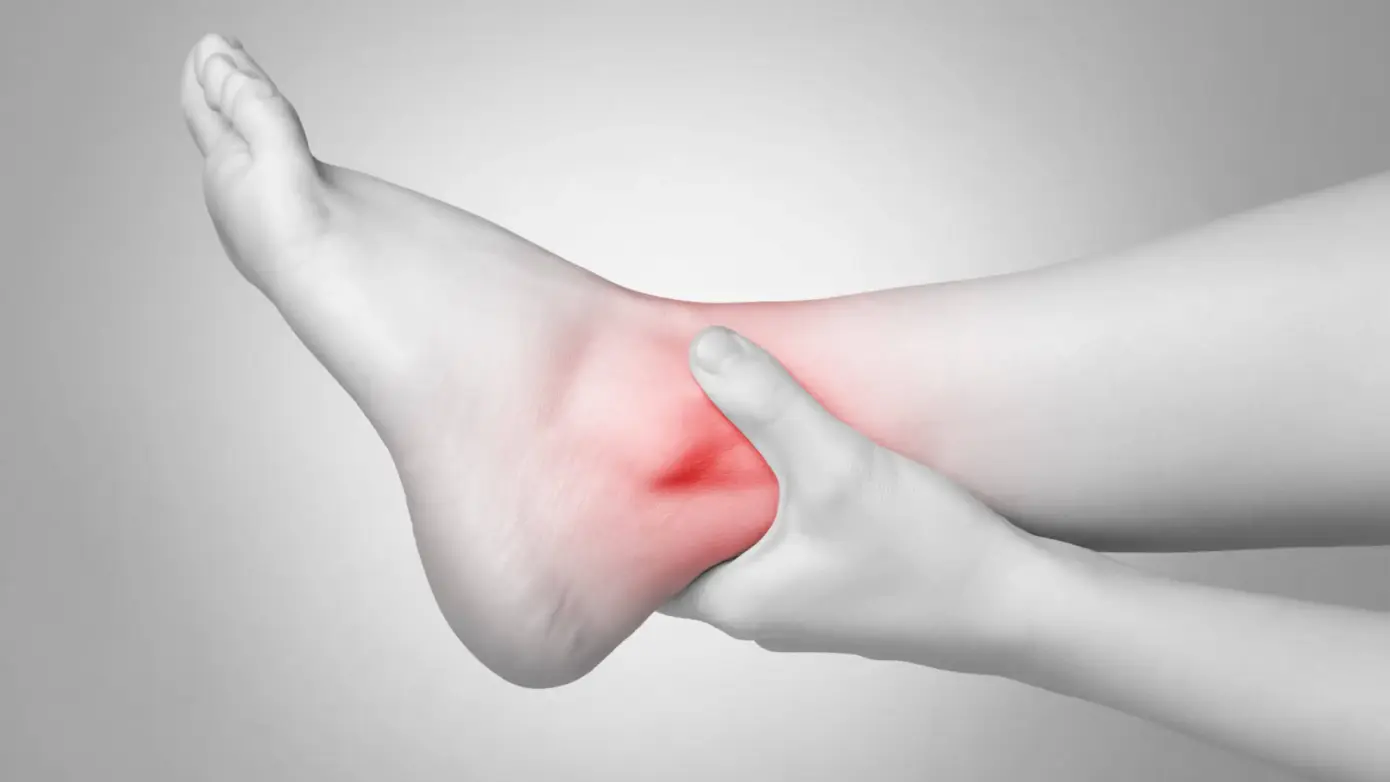
TENS (Transcutaneous Electrical Nerve Stimulation) is a popular pain relief treatment therapy. It uses a low-pulse electrical current (typically between 0 and 400 pulses per second) sent through the skin and into the muscles, creating a massaging effect that provides warmth and relief.

TENS therapy is both drug-free and non-invasive and can provide temporary relief from acute pain. However, that doesn’t mean TENS therapy suits every type of pain. For example, it won’t be enough to manage chronic ankle pain. For deeper insights into the limitations, this article discusses why a TENS unit for ankles is not always recommended.

The TENS Unit On Ankle Pain

TENS therapy involves placing electric pads on specific areas of the body experiencing pain. When activated, these pads send out small electrical pulses that create a tingling sensation. 

These electrical pulses stimulate the nerve endings and block pain signals from being sent to the brain, thereby reducing pain and relaxing the muscles. The vibrations can also help to relax tight muscles and stimulate the release of endorphins, the body’s natural painkillers. All of this helps to provide immediate pain relief.

Ankle Conditions That Can Be Treated With TENS

The following are a few examples of ankle conditions that can benefit from TENS therapy to provide temporary relief:

  • Ankle Sprains: An ankle sprain occurs when you twist or roll your ankle too far, overstretching and tearing the ligaments in the joint. This can be very painful and can cause swelling, bruising, and limited mobility. Ankle sprains typically heal on their own, but TENS therapy can help reduce the pain and swelling.
  • Tendonitis: Tendonitis is an inflammation of the tendons that connect muscles to bones. It can be caused by overuse, trauma, or various other conditions. TENS therapy can help reduce pain, inflammation, and stiffness associated with the condition.
  • Chronic Pain Conditions: Although TENS therapy won’t heal chronic pain conditions, it can provide pain relief. Because chronic pain isn’t consistent, TENS therapy can be useful for providing temporary relief when you’re experiencing a flare-up.

5 Reasons Targeting Ankle Pain With TENS Isn’t A Guaranteed Solution

Electrical stimulation is proven to be effective at pain relief. Despite being one of the more popular forms of non-invasive treatments, there are certain limitations that come with using TENS treatment for ankle pain; whether you’re receiving TENS treatment at a doctor’s office or using a commercially-available TENS unit at home. 

The following are the five main reasons why TENS therapy can’t be relied upon for long-term ankle pain relief:

1. Electrode Placement Must Be Specific

TENS therapy works best when the electrodes are placed directly over the area of pain. For example, in the case of ankle tendonitis, the electrodes must be positioned around the tendon and bone to provide adequate relief. 

However, this isn’t always easy to do with TENS because it relies on basic guidelines for electrode placement that may not be universal for all causes of ankle pain. 

Furthermore, it’s possible that the placement will vary depending on the individual and their specific condition. As a result, if you don’t place the electrodes in the right place, you may not get the desired result. This can be especially tricky if you’re using an at-home TENS unit since a medical professional isn’t there to guide you.

2. The Therapeutic Wavelength Is Limited

Commercially available TENS units for home use typically only have a limited range of therapeutic wavelengths, which means that they can’t deliver as many electrical pulses to the affected area as is necessary for long-term pain relief. TENS therapy, in general, can only deliver up to 400 pulses a second. 

At-home TENS units are even more limited and can only deliver up to 200 pulses a second. The reason it’s so limited is that more wattage is required to deliver an increased range of pulses, and at-home TENS units don’t have the capacity to do that. 

Although this may be enough to provide short-term relief from acute pain, higher-pulse currents are required to bring about long-term relief from chronic pain. This is because high-pulse currents can stimulate deeper layers of tissue that might be the cause of chronic pain. 

As a result, even with continued use, a TENS unit may not be able to penetrate deep enough to address the root cause of your ankle pain.

3. Therapy With Home Units Takes Too Long To See Results

Using a TENS unit for pain relief can take more than 20-30 minutes per session to see results. This is because the electrical pulses delivered by the TENS unit have to stimulate the nerve endings and muscles for pain relief. 

Unfortunately, because TENS units operate on limited wavelengths, it can take a while just to get temporary pain relief. If you’re experiencing multiple pain flare-ups every day, finding the time to undergo TENS therapy for that long isn’t very feasible, especially since relief generally only lasts for a few hours.

4. Long-Term Pain Relief With TENS And Medication Isn’t Guaranteed

Additionally, the primary effect of TENS therapy is that the low-pulse currents help relax the area being treated, having a massaging effect that can improve blood flow, thereby temporarily reducing pain. On top of that, these currents can help block pain signals; however, the moment you remove the electrodes, the pain signals start to return. 

TENS can also help stimulate the release of endorphins, but this is temporary as well. As such, TENS is similar to pain medication in that they do not address the root cause of the problem, they simply mask the symptoms. As such, they are not effective for long-term pain relief.

5. There Is Not Enough Proof That TENS Units Work In The Long Run

Although TENS therapy has been shown to provide short-term pain relief, there is no guarantee that it will be effective for long-term pain management. Countless studies have been done on the efficacy of TENS therapy on chronic pain conditions, and no consensus has yet been found. A few studies have found that there is some benefit, while others have found that there is none or that there is insufficient evidence to make a determination either way.

As such, it’s difficult to determine whether TENS therapy is effective in the long run or not. While many people claim to have seen positive results from TENS therapy, more research must be done to make a definitive conclusion. 

However, due to the limited wavelength at which TENS units operate (especially at-home units), it’s unlikely that TENS can dramatically impact chronic pain relief over the long term.

There’s A Better Way Of Managing Ankle Pain

Our Relatyv protocol involves a Neurofunctional Pain Management approach, which means that we combine multiple whole-person treatment modalities to treat the root cause of your ankle pain. Like TENS therapy, our pain management solutions are drug-free, non-chiropractic, non-surgical, and non-invasive. 

However, unlike TENS therapy, our treatment solutions, which include electroanalgesia, nutritional hydration therapy, and lifestyle counseling, help provide long-term relief from chronic pain caused by various conditions, such as ankle sprains and tendonitis.

Electroanalgesia

There are many forms of electrical stimulation, TENS therapy being one of them. However, we use electroanalgesia therapy instead. One of the main differences between the two forms of electrical stimulation treatment is that electroanalgesia uses high-pulse currents. 

Compared to TENS therapy, which tops out at 400 pulses a second, our electroanalgesia machine delivers electrical current at 8,300 pulses per second.

Electroanalgesia is much more effective because it can target pain fibers in the neurons, thereby reducing the intensity of pain signals sent to the brain. It’s also more effective at stimulating the release of endorphins. 

It’s worth noting that an at-home TENS unit can’t come close to delivering such a high electrical current because it requires a much greater voltage. As such, any electrical stimulation device that delivers more than 200 pulses per second isn’t safe for home use and needs to be administered by a trained medical provider.

Nutritional Hydration Therapy

In addition to electroanalgesia, we also use a form of nutritional hydration therapy as part of our Neurofunctional Pain Management approach. This involves injecting targeted nutrients and fluids into specific parts of the body to help reduce inflammation, stimulate healing, and provide long-term pain relief. 

We tailor our IV treatment to each patient’s specific needs by evaluating their bloodwork to determine if any deficiencies or imbalances need to be addressed.

Nutritional hydration therapy is beneficial for anyone dealing with chronic ankle pain since IV treatment can help to reduce inflammation around the ankle, thereby reducing any associated pain. Additionally, IV treatment can help to accelerate the healing process by providing essential nutrients and fluids that promote tissue regeneration.

Lifestyle Counseling And Patient Education

As part of our whole-person approach to pain management, we also provide lifestyle counseling and patient education. We believe that for any treatment plan to be effective, patients need to better understand their condition and how to best manage it. 

That’s why we provide our patients with information about lifestyle modifications specific to their condition, such as improved nutrition and exercise, that can help to reduce their ankle pain and improve their overall well-being.

Treat Your Ankle Pain Safely And Efficiently

TENS therapy can be helpful when it comes to getting short-term relief from acute ankle pain. However, if you’re dealing with chronic or severe ankle pain, the Neurofunctional Pain Management protocol is a much more effective solution. 

True electroanalgesia is more effective at targeting the root cause of your ankle pain to deliver greater, long-term pain relief than any at-home electrical stimulation device is capable of. 

Combined with our nutritional hydration therapy and lifestyle counseling, the Relatyv protocol helps to better equip you with the tools necessary to manage your ankle pain effectively. It’s safe, effective, and designed to help you live a happier, more active life without the limitations associated with chronic ankle pain.

TENS Unit For TMJ: Is It Strong Enough To Relieve Your Pain?

TENS Unit For TMJ: Is It Strong Enough To Relieve Your Pain? 1280 853 Relatyv

Temporomandibular joint (TMJ) disorder is a condition affecting the muscles surrounding your jaw and temporomandibular joints, causing pain when you talk or chew. Symptoms of TMJ include jaw stiffness, headaches, earaches, clicking sounds in the jaw joint, difficulty opening and closing the mouth, and popping sensations in the surrounding muscles.

Various factors can contribute to the pain and discomfort associated with TMJ, including stress, posture, teeth grinding or clenching, arthritis, and jaw injuries. Fortunately, there are some treatment solutions available. 

For example, transcutaneous electrical nerve stimulation (TENS) is one of the most popular ways to relieve TMJ pain. However, you might wonder if TENS units are effective and whether there are better solutions available.

TMJ Pain And TENS Therapy

TENS machines are a popular treatment option for TMJ pain because of their relatively low cost and ease of use. Generally speaking, TENS therapy sessions should last anywhere from 10 to 30 minutes. Additionally, you don’t have to be a licensed specialist to use TENS units. In fact, there are TENS units available for home use.

How Does A TENS Unit Work to Relieve TMJ Pain?

TENS units work by sending a mild electrical current through electrodes placed on the affected area. These electrical currents help reduce pain by stimulating nerve fibers in the affected area, which can decrease muscle spasms and reduce inflammation.

The Benefits of Using a TENS For TMJ Pain

There are several ways in which a TENS unit can help to relieve TMJ pain. The following are the benefits of a TENS unit:

Reduces Inflammation

TENS therapy works by stimulating the nerve endings in your body. As a result, the nerves send signals to the brain to release chemicals that reduce inflammation. This can help to reduce the swelling associated with TMJ.

Improves Blood Flow

TENS therapy can improve blood flow to the affected area by increasing oxygenation and circulation. It does this by stimulating the nerves to release endorphins, which can improve circulation.

Promotes Endorphin Production

TENS units can also promote the production of endorphins, which are natural painkillers that are produced by the body. Endorphins help to reduce pain and discomfort associated with TMJ.

Reduces Prescription Drug Use

Using a TENS unit to relieve pain from TMJ can help reduce your need for prescription drugs. The less dependent you are on prescription medications for pain relief, the better since many prescription drugs come with side effects and can be potentially habit-forming.

Decreases Stress

Many people with TMJ grind their teeth, which is often caused by stress. STENS therapy can relieve stress by activating the body’s natural relaxation response. This occurs when TENS therapy stimulates the body’s nerves to release endorphins and other chemicals that help to reduce stress. Not to mention that electrical stimulation has a massaging effect, which can also help reduce stress.

Is An At-Home TENS Unit Strong Enough To Relieve TMJ Pain?

At-home TENS units are particularly convenient because they allow you to treat your TMJ pain without having to visit a specialist. As a result, you can use the TENS unit the moment you begin feeling pain or discomfort instead of needing to wait for a specialist. 

However, while these units are generally effective at providing some relief from TMJ symptoms, they may not be strong enough to relieve your pain completely. Nor will it provide long-term relief. TENS units can provide relief for a few hours after use, but are not generally effective for long-term pain relief (especially if the pain is more than mild discomfort).

The following are a few reasons why TENS units simply aren’t that effective for long-term relief from moderate to severe pain caused by TMJ:

Required Current And Wavelength To Be Effective

At-home TENS units are designed to be safe for anyone to use at home. As such, the current and wavelength of these devices are not as powerful or effective as those used in a physician’s office.

This is because the low voltage current used by TENS units is not strong enough to penetrate deep into muscle tissue and reach the affected nerves. Additionally, the wavelength of the electrical current must also be precise as it needs to target the affected muscles and nerve endings. 

To receive electrical stimulation that is strong enough to penetrate deep down into the muscle tissue and provide more effective relief, you would need to visit a medical professional.

Insurance Coverage

Because TENS units are not strong enough to provide long-term relief from TMJ pain, medical professionals cannot typically bill insurance companies for using this type of intervention. Therefore, if you want to relieve TMJ pain through a TENS unit, you may need to pay for it out of pocket.

How Relatyv Approaches Pain Caused By TMJ 

Here at Relatyv, we take a Neurofunctional Pain Management approach to treat TMJ. As such, we apply various treatments to help address the root cause of TMJ, not just the symptoms. We also use non-opioid, non-chiropractic, drug-free, non-invasive treatment solutions. 

As a result, we can help TMJ patients to find long-term relief from their chronic pain without resorting to any risky treatments.

The following are the treatment modalities that we use as part of our whole-person approach to treating TMJ:

Electroanalgesia

Electroanalgesia is an FDA-cleared treatment solution that is covered by insurance. Electroanalgesia is similar to TENS therapy in that they both use electrical currents to provide pain relief. As such, electroanalgesia therapy also helps block pain signals, release endorphins, and massage the affected area to provide relief. 

However, unlike TENS therapy, electroanalgesia can penetrate deeper into muscle tissue and reach the affected nerves. This is because electroanalgesia uses high-pulse currents to reach the affected nerves, allowing for more effective, long-term pain relief.

Unlike TENS therapy, which only provides temporary relief after use, electroanalgesia becomes more effective the more sessions you undergo. Therefore, we recommend two electroanalgesia sessions a week for 12 weeks for long-lasting pain relief from TMJ.

IV Therapy

In addition to electrical stimulation therapy, we also offer IV therapy. IV treatment involves the administration of vitamins and minerals directly into your bloodstream. This is beneficial for TMJ pain relief as it helps reduce inflammation and provide essential micronutrients, thereby reducing pain and improving the healing of soft tissue damage caused by TMJ. 

IV therapy also helps to restore balance to the nervous system and improve overall well-being. In addition, we tailor our IV therapy treatments to each patient based on their bloodwork, thereby ensuring that we address any nutrient deficiencies contributing to their TMJ pain.

Lifestyle Counseling

At Relatyv, we recognize that many lifestyle factors can contribute to TMJ pain. As such, we also offer lifestyle counseling in addition to providing electrical stimulation and IV therapy. 

We work with our patients to identify any potential lifestyle factors contributing to their TMJ pain, such as stress and poor posture. We then work with them to develop an individualized plan to help address these factors to address their pain and improve their quality of life.

Take A Step Towards A Pain-Free Life With Relatyv

At Relatyv, we understand the pain and discomfort caused by TMJ. That’s why we apply a whole-person approach to treating the condition, combining electrical stimulation therapy, IV therapy, and lifestyle counseling to provide long-term relief. 

Our goal is to achieve a lasting solution to your TMJ pain, so you can return to living a normal and healthy life. Let us help you find the pain relief you deserve today.

Different Types Of Exercises For Lower Back Pain

Different Types Of Exercises For Lower Back Pain 340 256 Relatyv

Lower back pain can be a real issue in many people’s lives. It can be caused by an injury, poor posture, and even just normal aging. Fortunately, there are many treatment solutions available. However, not all of those solutions are ideal. For example, we always recommend against surgery or pain medications, both of which are risky and can have long-term adverse effects.

At Relatyv, we take a whole-person approach, which includes the implementation of lifestyle counseling as part of our treatment protocol. As far as back pain goes, we may recommend different types of exercises tailored to the individual patient. With the proper exercise program, you can reduce chronic lower back pain and mitigate future pain and other issues.

Common Causes Of Lower Back Pain

Lower back pain is a very common issue people face. It is estimated that up to 80% of people may experience discomfort or pain in their lower back at some point in their lives. The reason lower back pain is so prevalent is that there are so many different issues that can contribute to it. Some of the common causes of lower back pain include:

Poor Posture

Poor posture can be caused by sitting in the same position for too long, or it can simply result from poor habits, such as slouching when sitting or sleeping in an awkward position. Poor posture can cause the lower back muscles to become tense and strained, leading to pain and discomfort.

Muscle/Ligament Strain

Muscle strain is caused by sudden or repetitive movements that put too much stress on the lower back muscles. This can range from heavy lifting to being active for extended periods of time. Ligament strain, however, usually occurs when a joint moves beyond its normal range of motion, such as twisting suddenly or stretching too far. Such injuries often result from playing sports or participating in other recreational activities.

Nerve Damage

Nerve damage can be caused by various factors, including trauma, herniated discs, and spinal stenosis. These issues can occur due to a single event (such as an accident) or result from long-term wear and tear. Nerve damage is usually characterized by a shooting or burning pain in the lower back that can radiate down the legs. 

Nerve damage may also cause numbness and tingling in the affected area. If left untreated, nerve damage can also cause muscle weakness and even paralysis.

Spinal Degeneration/ Injury

Spinal degeneration occurs over the course of years, resulting from normal wear and tear on the spine. As people age, the discs in their spine become less flexible, and the joints begin to stiffen. This could lead to pain and discomfort in the lower back. Trauma, such as a car accident, can also lead to a spinal injury that can cause lower back pain.

How Exercises Ease Lower Back Pain

Specific exercises can be incredibly effective at helping to reduce your lower back pain. The following are some examples of how exercise can benefit your lower back issues:

Improves Mobility

Certain exercises can help to improve your mobility by stretching and strengthening the muscles of your lower back. This helps to reduce tension in the area and can improve your range of motion and flexibility. As a result, you may experience less pain and discomfort when moving around. Also, increased flexibility can help prevent you from aggravating your lower back pain with sudden movements.

Reduces Pain In The Affected Area

Exercise can help to reduce the pain in your lower back by strengthening the muscles and ligaments of the affected area. This helps to support the spine, relieve tension, and mitigate further injury. Additionally, increased blood flow can help to reduce inflammation in the affected area, which can reduce pain.

Enhances Bodily Strength

Exercises specifically designed to target the muscles of the lower back can help enhance their strength and stability. This can provide long-term relief from pain and discomfort by decreasing the strain placed on your lower back. Additionally, improving your strength can help you to move more freely, reducing the likelihood of further injury.

Precautions Before Exercising

Although certain exercises can be incredibly beneficial for your lower back, they can be detrimental if you’re not doing them properly — or if the exercises you’re doing are too strenuous. To ensure that you’re protecting your lower back, here are a few precautions to keep in mind before engaging in any form of exercise:

  • Focusing On Low-Impact Movements: Low-impact activities like walking and swimming can be good for your lower back. These exercises place minimal strain on the lower back muscles, allowing you to improve your strength and flexibility without placing too much stress on the area. High-impact activities, such as running and jumping, can significantly strain your lower back muscles. If you already have lower back pain, avoiding these activities is best.
  • Engaging Muscles In A Balanced Way: When working out, it’s essential to focus on engaging all the muscles in your body in a balanced way. This ensures that you are evenly distributing strain and tension, preventing any one area from becoming too tight or sore. Additionally, make sure to alternate between exercises that focus on different areas of the body to ensure that you are targeting all your muscles evenly.
  • Listening To Your Body: When exercising and easing lower back pain, listening to your body is critical. Don’t push yourself too much. If an exercise is causing pain or discomfort, it’s best to stop and rest. Additionally, make sure to start slowly and gradually increase the intensity of your exercises as you become stronger. This may help to prevent injury and keep you from doing too much too quickly.
  • Modifying Exercises To Fit Your Condition: Not all exercises are suitable for everyone. You should modify the exercises you do so they don’t aggravate your back pain. Doing so may require the help of a professional, who can help you to determine which exercises and movements are best suited for your body.

Types Of Lower Back Pain Exercises

When it comes to lower back pain, there are several different exercises that can help to improve flexibility, range of motion, and strength, thereby helping to reduce pain and discomfort. The following are the different types of lower back pain exercises that we may recommend as part of our lifestyle counseling services:

Stretching

Stretching can relieve pain and tension in the lower back by increasing flexibility and range of motion. Additionally, stretching helps to reduce stiffness and tension in the lower back muscles, allowing for more comfortable movement. To ensure that your stretching is effective and safe, focusing on proper form and targeting the right muscles is critical. One thing to keep in mind is to avoid twisting and extending simultaneously. 

The following are some of the stretching exercises that tend to be appropriate for patients with lower back pain:

  • Hamstring Stretch: This stretch targets the back leg muscles and helps reduce stiffness. Hamstring stretches help reduce lower back pain by improving the range of motion in the hips and lower back. To do this stretch, lie on your back with one knee bent. Extend the other leg straight. Gently press down on the thigh of the bent leg while keeping your back flat against the floor. Hold for at least 30 to 60 seconds, and then switch legs.
  • Child’s Pose: This stretching exercise is excellent for releasing tension in the lower back muscles. To do this stretch, start on your hands and knees with your arms extended forward and your buttocks resting on your heels. Gently move your torso towards the floor while extending your arms until a gentle stretch is felt in the lower back. Hold for 30 to 60 seconds.
  • Spine Twist: This stretch helps to release tension in the lower back muscles and improve flexibility. Begin on your back and extend your arms out to your sides. Gently bring your knees towards your chest, and then let them fall to one side while keeping the other shoulder on the floor. Hold for at least 30 to 60 seconds before switching sides.
  • Shoulder Roll: This stretching exercise helps to release tension in your neck, shoulders, and back. To do this stretch, start by sitting with your arms at your sides. Let your palms rest on the floor. Gently roll your shoulders forward, up, back, and down in a circular motion. Repeat 10 times.
  • Side-Lying Leg Lift: This exercise helps strengthen the lower back and hip muscles. To do this exercise, lay on your side with your bottom leg bent and your top leg extended straight out. Gently lift your top leg towards the ceiling, without lifting your hips off the floor. Hold for a couple of seconds, and then lower back down. Repeat 10 times on each side.
  • Knee To Chest Stretch: This stretch targets the muscles of the lower back and buttocks, helping to reduce stiffness and pain. Lie on your back and then bend your knees upwards. Gently bring one knee up towards your chest, while keeping the other leg on the floor. Hold for around 30 to 60 seconds, and then switch legs.

Core Strengthening

Strengthening the core muscles is essential for managing lower back pain. The core muscles help provide stability and support for the spine, which helps reduce pain and discomfort by improving posture and mobility. Additionally, if you have a strong core, you’ll be better able to manage and reduce the strain on your lower back. The following are a few core strengthening exercises that can help you manage lower back pain:

  • Planks: Planks are an excellent exercise for improving core strength and stability. To do a plank, start in a push-up position with your arms extended straight and your hands shoulder-width apart. Pull your navel towards your spine to engage your core muscles, and hold this position for 30 to 60 seconds.
  • Glute Bridges: Glute bridges are a fantastic exercise for strengthening the glutes, hamstrings, and core. To do a glute bridge, lie flat on your back. Then, bend your knees and keep your feet flat on the ground. Engage your core muscles by squeezing them together, and then lift your hips off the floor until your body forms a straight line. Hold for a couple of seconds before lowering back down.
  • Leg/Hip Lift: This exercise is great for strengthening the core, glutes, and hamstrings. To do this exercise, start by lying on your back with one knee bent. Extend the other leg straight up in the air. Engage your core, and then slowly lift your hips off the ground. Hold for a couple of seconds, and then lower back down.

Low-Impact Aerobic Exercises

Low-impact aerobic exercises can be an effective way to manage lower back pain. These exercises are gentle on your joints, reduce the strain on your lower back, and help improve your overall cardiovascular fitness. They can also help you lose weight, which may relieve some of the pressure off your back. Some examples of low-impact aerobic exercises include the following:

  • Walking: Taking a walk is an easy way to increase your heart rate and improve overall fitness. It’s also relatively low-impact, so it won’t put too much strain on your lower back. Just make sure to wear shoes with good support.
  • Swimming: Swimming is a great way to get an aerobic workout without putting too much strain on your lower back. The buoyancy of the water supports some of your weight, so it’s not as hard on your joints.
  • Recumbent Cycling: Recumbent bikes are a great way to get an aerobic workout without putting too much strain on your lower back. They provide the support for your lower back, allowing you to pedal with less strain and discomfort.

Exercises To Avoid With Back Pain

While some exercises can help manage lower back pain, certain activities may aggravate it. Any exercise that puts too much strain on your lower back should be avoided. These include activities such as the following:

Toe Touches

Toe touches can be hard on your lower back as they require you to bend over and reach for your toes. This can put too much strain on your lower back, so it should be avoided if you’re experiencing pain.

Heavy Weight Lifting

Lifting heavy weights of any kind can put too much strain on your lower back, so it should be avoided if you’re experiencing pain. If you want to do strength training, focus on low-weight exercises that don’t require you to lift more than your own body weight.

Situps and Abdominal Crunches

Situps and abdominal crunches can be hard on your lower back as they require you to lift your torso off the floor. Doing so may put too much strain on your lower back because of the resulting torque. If you’re trying to improve your core strength, focus on exercises like planks and glute bridges instead.

Leg Lifts/ Double Leg Raises

Leg lifts and double leg raises can be dangerous for people with lower back pain, as they require you to lift both legs off the ground. This puts a great deal of strain on your lower back and should be avoided if you’re experiencing pain.

When To See A Physician For Your Lower Back Pain

If you have mild to moderate lower back pain, many of these exercises — along with simple rest — can help reduce your discomfort. However, if your pain is more severe or does not improve with rest and exercise, it is vital to seek medical help. At this point, you’ll want a proper diagnosis of what’s causing your lower back so that your treatment (including exercises) can be tailored to your specific condition.

Regain Your Movement Without Experiencing Lower Back Pain

Exercise can be an effective way to manage lower back pain. However, it’s essential to focus on exercises that don’t put too much strain on your lower back and avoid those which can exacerbate the pain. At Relatyv, we provide lifestyle advice as part of our whole-person approach to pain management. Depending on your diagnosis, we may recommend various exercises in conjunction with our drug-free, non-chiropractic, non-invasive forms of treatment to help you regain your movement without experiencing lower back pain.

Is A TENS Unit For Shoulder Pain Effective?

Is A TENS Unit For Shoulder Pain Effective? 1920 1282 Relatyv

At a glance, shoulder pain affects an estimated 18-26% of the US population. It causes a significant socioeconomic burden and, in severe cases, can lead to 4-16 weeks of sickness absence from work. 

But these figures alone don’t offer the full picture of how debilitating and impactful shoulder pain can be on the life and productivity of individuals. So, it isn’t surprising that a growing number of people resort to at-home remedies such as TENS units to ease pain and regain their shoulder mobility. But is TENS all that it promises to be?

While studies have shown the efficiency of medical-grade electrical stimulation to ease pain, at-home TENS treatments might not be as safe or effective as you expect them to be. Let’s look at the best ways to use electroanalgesia to treat shoulder conditions and magnify your quality of life.

Shoulder Conditions That Cause Pain

Shoulder pain is an umbrella term for any pain, discomfort, and reduced mobility that affects the shoulder area. But with two joints, four tendons, eight muscles, and four ligaments intricately working together, the shoulder’s structure is prone to a range of different conditions. 

Most of these, especially the ones arising from inflammation and tissue damage, can be managed using professional electrical stimulation treatments, such as medical-grade TENS units.

Let’s look at the causes of shoulder pain below.


Rotator Cuff Tears

Rotator cuff injuries affect the group of muscles and tendons that keep the shoulder joint mobile. Although these injuries can affect anyone at any time, they are more common among aging adults and people regularly performing overhead movements. 

Rotator cuff tears happen due to overuse, trauma, excessive stress, or progressive tear and wear of the tendons and ligaments surrounding the joint. If left untreated, torn rotator cuffs can cause excruciating pain that worsens at night, reduced muscle strength, and hindered mobility.

Shoulder Bursitis

Bursitis is an inflammatory condition that affects the bursa in the shoulder, a sac-like layer responsible for easing the friction between bones and softer tissue (like tendons or ligaments) during movements. 

Bursas can become inflamed due to excessive stress or friction. If you suffer from shoulder bursitis, you might experience several symptoms that range in intensity, including swelling, tenderness, pain, and a “pinching” feeling when performing overhead movements. 

Bursitis can be infectious, acute, or chronic, and is more likely in high-risk individuals who have conditions like arthritis, diabetes, or thyroid disease.

Frozen Shoulder

If you’ve noticed a sensation of stiffness in the shoulder that is getting worse, you might be dealing with adhesive capsulitis – more commonly known as “frozen shoulder”. 

Adhesive capsulitis occurs when the connective tissue around the shoulder joint becomes tight, thick, or stiff, which happens when keeping the shoulder still for long periods, such as after surgery or fractures. Although symptoms can vary in intensity through the freezing, frozen, and thawing phases, adhesive capsulitis can last for up to 2-3 years.

Pinched Nerve

Clinically known as cervical radiculopathy, pinched nerves in the shoulder area occur when a nearby structure, such as bones, traps or presses on a nerve that connects the shoulder joint to the neck or upper spine. 

A pinched nerve can trigger a cascade of symptoms, including pain (which usually worsens when rotating the shoulder), reduced mobility, numbness of the hand and fingers, and “pins and needles” sensations.

Shoulder Impingement

Shoulder impingement occurs when a small portion of the rotator cuff, which is a band of muscle and soft tissue, gets pinched or catches on the nearby bone structure of the outer edge of the shoulder. 

The pinched area can become inflamed and irritated, causing pain on the outer or top side of the shoulder, nighttime aching, and weakness in your arm. Although shoulder impingement accounts for 7-34% of visits to primary care clinics for shoulder pain, it’s most common among athletes who often perform overhead rotational motions.


How Do TENS Units Work?

Since patient-wearable TENS units were introduced in the 1970s, transcutaneous electrical nerve stimulation has proven itself to be an efficient alternative to ease pain without non-steroidal anti-inflammatories (NSAIDs), prescription medications, or surgery.

The Analgesic Effects Of TENS Units

Transcutaneous electrical nerve stimulation (TENS) is a type of non-invasive analgesic (pain-relieving) treatment that uses mild impulses of electrical current delivered using adhesive pads. Pulses of electricity through the TENS device “floods” the body’s nervous system, thus temporarily reducing the nerves’ ability to transmit pain signals to the brain. 

FDA-approved, medical-grade TENS are considered to be an effective electroanalgesic treatment – a method of pain management that leverages weak electrical current. 2015 studies have shown that high-frequency TENS can increase the concentration of endorphins and other pain-relieving hormones, which can have an analgesic effect.

At-Home TENS Units: What You Need To Know

Today, at-home TENS units are easily available over the counter, often at affordable prices. But while they are certainly a tempting alternative to other therapies, patients need to be aware of the risks and downsides of at-home TENS. 

These risks, which include interactions with other medical devices and allergic reactions, are even more likely when treating shoulder pain. This is because of the shoulder TENS placement, which is closer to areas such as the neck, head, lungs, and heart.

Does Insurance Cover TENS?

Not all TENS devices available on the market today are (or need to be) approved by the FDA, because they are not considered to be “of significant risk” to a patient’s health. What’s more, at-home TENS treatments can be performed by anyone, so are therefore not covered by medical insurance. 

Conversely, TENS treatments delivered by trained professionals using medical-grade devices are covered by insurance if the treatment is deemed “medically necessary”. In 2012, the CMS also provided patients enrolled in TENS-related clinical trials with Medicare coverage.

TENS Units And Shoulder Pain

If you have been struggling with debilitating pain or are dealing with the aftermath of a shoulder injury, you might wish to try electrotherapy, which offers benefits such as:

  • Temporarily interrupting the pain signals traveling from the shoulder to the brain
  • Boosting the production of feel-good and pain-relieving hormones such as endorphins
  • Reducing inflammation
  • Boosting blood and oxygen circulation
  • Relaxing hardened or tensed muscles

In particular, you might use electrical stimulation for rotator cuff tears to support the regeneration of tissue, ease inflammatory diseases such as bursitis and osteoarthritis, and subside neck and back pain while your body heals from an injury. Shoulder electrical stimulation can also be used as a postoperative analgesic treatment.


Is TENS Therapy Strong Enough To Alleviate Shoulder Pain?

As a form of electroanalgesia, TENS has been seen to be an effective, non-surgical, and non-invasive pain management method for shoulder pain and joint conditions. Unlike NSAIDs, opioids, and other prescription medications, electrical stimulation does not come with side effects such as dizziness, indigestion, drowsiness, or physical dependence.

But while this might be the right approach to support your shoulder’s healing process, not all TENS devices or treatments are created equal. In particular, at-home units are tuned down to be safer, and they come with significant limitations in terms of electrical power, impulse frequency, and wavelength, meaning they are not classifiable as true electroanalgesic treatments!

Is TENS Safe For Your Shoulder Pain?

At-home TENS machines for shoulder pain are generally considered safe, with limited side effects that include:

  • Potential skin allergic reactions to the adhesive pads
  • High sensitivity to the tingling sensation caused by the electrical impulses
  • Discomfort and irritation 

However, as seen above, simply buying an at-home TENS unit for shoulder pain won’t necessarily give you access to the broad range of benefits that electroanalgesia can offer. This means that you might be exposing yourself to the potential side effects of TENS without benefiting from the treatment!

How To Use A TENS Unit For Shoulder Pain

At-home tens units emit mild electrical impulses that are, in most cases, not dangerous or painful. But you’ll still need to learn the correct TENS placement for shoulder pain. 

Generally, the electrodes are placed on the bulk of the shoulder muscle and to the edge of the shoulder to avoid the bone. However, the TENS unit placement for shoulder pain varies depending on the type of condition being treated. For example, if you are looking to use a TENS unit for rotator cuff pain or injuries, one of the adhesive pads is placed on the front side of the shoulder, while the other one at the back. 

In any case, you should always start your treatment journey by consulting a professional and getting adequate training.

Who Should Avoid Using TENS For Shoulder Pain?

The settings of at-home TENS units will prevent you from accidentally delivering power at high frequencies or wavelengths. But, even then, some people should avoid using TENS devices without the supervision of an experienced professional. 

In particular, TENS should be avoided in the following cases:

  • Pregnant patients: When applied incorrectly, TENS can induce labor contractions. It’s unknown whether it can also impact the baby’s development and it is not recommended in early pregnancy. 
  • Patients wearing an implanted device: Studies have shown that TENS electrodes can interfere with the functioning of pacemakers and other implanted medical devices. 
  • People with undiagnosed pain or a history of cancer:If you are unsure what is causing pain or you have been diagnosed with cancer in the past five years, you should avoid using TENS.
  • Epileptic patients: If you have epilepsy, applying electrodes in the neck, head, or shoulder area might induce seizures
  • People with deep vein thrombosis or bleeding disorders: If you have a history of thrombosis, hemorrhagic disorders, or have recent or actively bleeding tissue, TENS can increase the risk of bleeding or dislodging a blood clot. 
  • People with an open wound near the shoulder: TENS should not be applied on open wounds, infected areas, irritated skin, or areas that have been treated with radiation.
  • Patients with heart disease: TENS might influence heartbeat, especially when placed in the shoulder or neck area.


A Better Non-Surgical And Non-Invasive Treatment For Shoulder Pain

As we have seen above, weak at-home TENS units aren’t just inefficient, but they can also be harmful if used incorrectly. 

Instead, to treat shoulder pain, you’ll want to rely on more powerful medical-grade and FDA-approved TENS machines, which deliver more precise high-frequency wavelengths to the affected area. But these units can only be used safely by highly-trained medical professionals, such as the team of specialists at Relatyv.

Medical-Grade, FDA-Cleared Electroanalgesia For Shoulder Pain

At our clinics, we aim to treat shoulder conditions and relieve pain by leveraging powerful electroanalgesic treatments, which include (but are not limited to) medical-grade TENS. The stronger wavelength of our equipment, coupled with the skills of our doctors who administer the treatment, can offer longer-lasting results and treat shoulder pain without medications or surgery.

Treat Your Shoulder Pain Safely And Effectively

Professionally-delivered electroanalgesia is only one of the facets of a comprehensive and personalized non-invasive treatment for shoulder pain. At Relatyv, we specialize in combining medical-grade TENS, electrical stimulation, lifestyle counseling, and IV therapy to treat discomfort and pain, boost mobility, and magnify the life of our patients.

Back to top
Privacy Preferences

When you visit our website, it may store information through your browser from specific services, usually in the form of cookies. Here you can change your Privacy preferences. It is worth noting that blocking some types of cookies may impact your experience on our website and the services we are able to offer.

Click to enable/disable Google Analytics tracking code.
Click to enable/disable Google Fonts.
Click to enable/disable Google Maps.
Click to enable/disable video embeds.
Our website uses cookies, mainly from 3rd party services. Define your Privacy Preferences and/or agree to our use of cookies.