Symptoms

Relatyv - Back of leg

Understanding Tendon Pain Behind Knee

Understanding Tendon Pain Behind Knee 2362 1330 Relatyv

Understanding Tendon Pain Behind the Knee

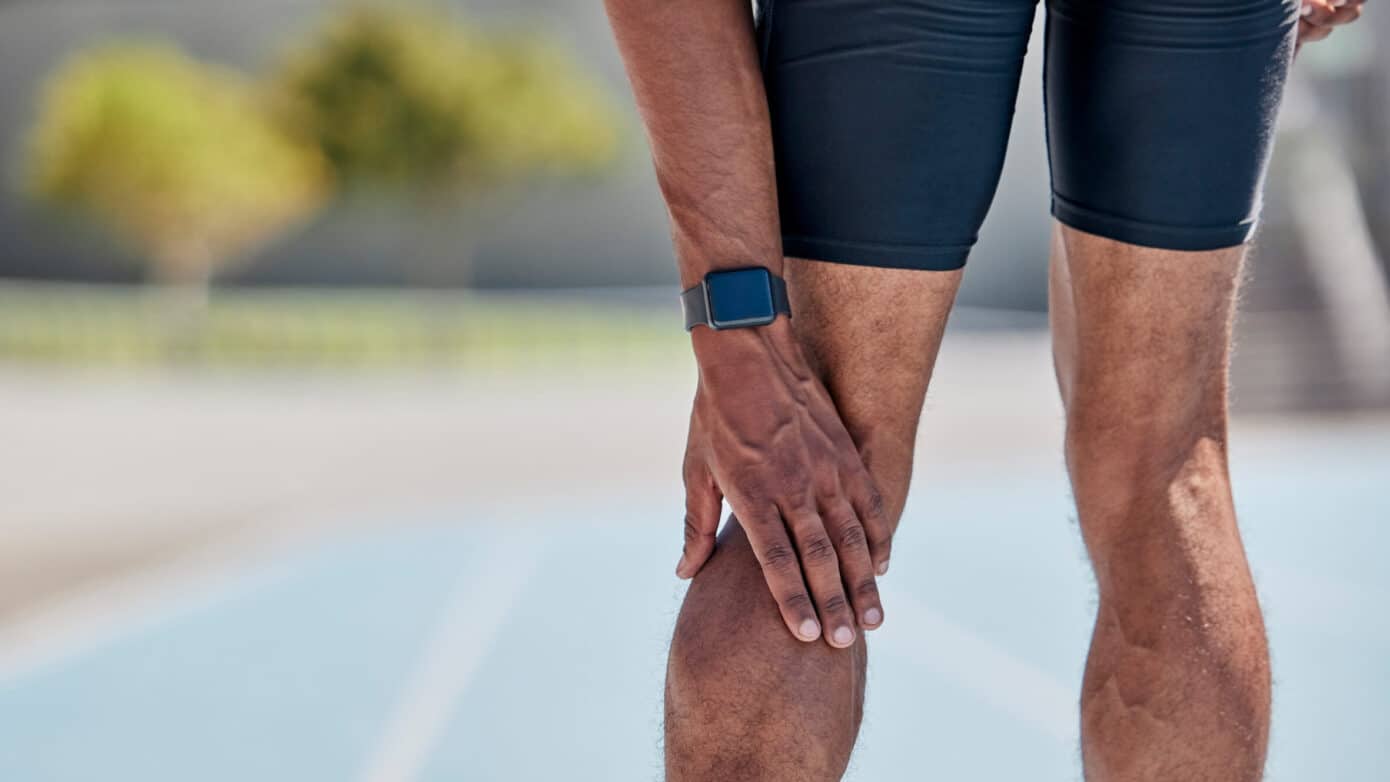
Pain behind the knee can interfere with walking, climbing stairs, exercising, and other daily activities. One possible source is irritation or injury to the tendons that support the back of the knee. While tendon pain is often related to overuse, it can also result from injury or underlying medical conditions. Because many structures are located behind the knee, an accurate diagnosis is essential for effective treatment.

This guide explains common causes of tendon pain behind the knee, treatment options, and how our Relatyv Neurofunctional Pain Management approach may complement your overall care plan when chronic pain is contributing to your symptoms.

Anatomy of the Back of the Knee

The back of the knee contains multiple tendons, muscles, ligaments, nerves, blood vessels, and other soft tissues that work together to stabilize the joint and allow smooth movement.

Important structures include the hamstring tendons, popliteus muscle, calf muscles, and major stabilizing ligaments. Injury or inflammation affecting any of these tissues may cause pain, stiffness, swelling, or difficulty bending the knee.

Common Symptoms

Tendon pain behind the knee may be accompanied by:

  • Pain when walking, running, or jumping.
  • Tenderness behind the knee.
  • Swelling.
  • Stiffness.
  • Pain when bending or straightening the leg.
  • Reduced range of motion.
  • Difficulty bearing weight.

Common Causes of Tendon Pain Behind the Knee

Overuse

Repetitive activities such as running, jumping, or frequent squatting may overload the tendons, leading to irritation and pain.

Strains and Sprains

Sudden twisting, overstretching, or athletic injuries may damage muscles, tendons, or ligaments surrounding the knee.

Traumatic Injury

Falls, direct blows, or sports injuries may injure the soft tissues behind the knee, resulting in pain and swelling.

Joint Alignment Problems

Abnormal knee mechanics or altered movement patterns may place excessive stress on tendons over time.

Medical Conditions Associated with Pain Behind the Knee

Baker’s Cyst

A Baker’s cyst is a fluid-filled swelling that develops behind the knee, often in association with arthritis or cartilage injuries.

Patellar Tendinopathy

Injury or degeneration of the patellar tendon may contribute to pain around or behind the knee, particularly during jumping or running activities.

Hamstring Tendon Injury

Strains or tears involving the hamstring muscles or tendons commonly produce pain behind the knee and along the back of the thigh.

Knee Osteoarthritis

Arthritis can cause pain, stiffness, swelling, and reduced mobility that may be felt throughout the knee, including the back of the joint.

Meniscus Tear

Damage to the meniscus may cause pain, swelling, locking, or catching sensations within the knee.

Bursitis

Inflammation of the fluid-filled bursae around the knee may result in localized tenderness and swelling.

Deep Vein Thrombosis (DVT)

Although less common, a blood clot in the leg can cause pain, swelling, warmth, and tenderness behind the knee. Because DVT can become a medical emergency, prompt evaluation is essential.

When Should You Seek Medical Care?

You should schedule a medical evaluation if knee pain:

  • Persists despite rest.
  • Limits walking or daily activities.
  • Is accompanied by swelling or instability.
  • Develops after a sports injury.
  • Continues to worsen over time.

Seek immediate medical attention if you experience severe swelling, inability to bear weight, obvious deformity, significant redness or warmth, fever, sudden calf swelling, chest pain, or shortness of breath, as these symptoms may indicate a serious injury or a blood clot.

How Tendon Pain Behind the Knee Is Diagnosed

Your healthcare provider may recommend:

  • Medical history review.
  • Physical examination.
  • Assessment of knee stability and range of motion.
  • X-rays to evaluate the joint.
  • MRI or ultrasound to assess tendons, ligaments, cartilage, or other soft tissues.
  • Blood tests if infection or inflammatory disease is suspected.

Conventional Treatment Options

Treatment depends on the underlying cause of your symptoms.

Activity Modification

Reducing activities that aggravate symptoms may allow injured tissues to heal while preventing further strain.

Medications

Your healthcare provider may recommend nonsteroidal anti-inflammatory drugs (NSAIDs) or other medications to help manage pain and inflammation when appropriate.

Physical Therapy

Physical therapy can improve strength, flexibility, balance, and knee mechanics while supporting recovery and reducing the risk of future injury.

Injections

For certain knee conditions, corticosteroid or other therapeutic injections may be considered to reduce inflammation and improve function.

Surgery

Severe tendon injuries, ligament tears, meniscus damage, or structural knee problems may require surgical treatment when conservative therapies are unsuccessful.

Our Relatyv Neurofunctional Pain Management Approach

At Relatyv, our Neurofunctional Pain Management approach is designed to help manage chronic pain associated with neurological and musculoskeletal conditions. Our care complements appropriate medical evaluation and treatment rather than replacing it.

Each treatment plan is individualized based on your diagnosis, symptoms, and goals. Care may include electroanalgesia, IV therapy when clinically appropriate, nutritional support, and lifestyle recommendations that complement your existing medical care.

While treatment may help reduce pain and improve function for some individuals, outcomes vary depending on the underlying cause of the condition.

Supporting Healthy Knee Function

You may be able to reduce your risk of tendon injuries by:

  • Warming up before physical activity.
  • Gradually increasing exercise intensity.
  • Strengthening the muscles surrounding the knee.
  • Maintaining flexibility through regular stretching.
  • Using proper footwear during sports and exercise.
  • Allowing adequate recovery after strenuous activity.

Find Relief from Chronic Knee Pain

Pain behind the knee can have many different causes, ranging from tendon injuries to arthritis or other medical conditions. An accurate diagnosis is essential for identifying the source of your symptoms and developing an individualized treatment plan.

At Relatyv, we provide personalized, non-invasive care designed to help reduce chronic pain and improve function. Our Neurofunctional Pain Management approach may complement your existing medical treatment while supporting improved mobility, comfort, and quality of life.


Relatyv - Pelvic Floor Spasm

What Do Pelvic Floor Muscle Spasms Feel Like?

What Do Pelvic Floor Muscle Spasms Feel Like? 2560 1442 Relatyv

Understanding Pelvic Floor Muscle Spasms

The pelvic floor is a group of muscles, ligaments, and connective tissues that support the bladder, bowel, and reproductive organs. These muscles help control urination and bowel movements, contribute to sexual function, and provide stability to the pelvis and core.

Pelvic floor muscle spasms occur when these muscles tighten or contract involuntarily and are unable to fully relax. This ongoing muscle tension can cause pain, urinary or bowel symptoms, and discomfort during daily activities.

This guide explains common causes of pelvic floor muscle spasms, treatment options, and how our Relatyv Neurofunctional Pain Management approach may complement your overall care plan when chronic pain is contributing to your symptoms.

Common Symptoms

Pelvic floor muscle spasms can affect people differently, but common symptoms include:

  • Pelvic pain or pressure.
  • Pain during or after sitting, walking, or exercise.
  • Pain during sexual activity.
  • Burning or discomfort during urination.
  • Frequent or urgent need to urinate.
  • Constipation or difficulty having bowel movements.
  • Pain that radiates to the lower back, hips, buttocks, or thighs.

Common Causes of Pelvic Floor Muscle Spasms

Muscle Injury

Injury to the pelvic muscles from falls, surgery, repetitive strain, or other trauma may contribute to muscle tightness and pain.

Childbirth

Pregnancy and vaginal delivery can place significant stress on the pelvic floor, sometimes leading to muscle dysfunction or spasms during recovery.

Nerve Irritation

Injury or irritation involving nerves that supply the pelvic floor may contribute to abnormal muscle tension and chronic pain.

Physical or Emotional Stress

Stress may contribute to increased muscle tension throughout the body, including the pelvic floor, in some individuals.

Medical Conditions Associated with Pelvic Floor Pain

Chronic Pelvic Pain Syndrome

Chronic pelvic pain syndrome refers to ongoing pelvic pain lasting longer than six months. Pelvic floor muscle dysfunction may be one contributing factor among many possible causes.

Endometriosis

Endometriosis may cause chronic pelvic pain, and some individuals also develop increased pelvic floor muscle tension in response to persistent discomfort.

Irritable Bowel Syndrome (IBS)

People with IBS may experience abdominal pain, bloating, constipation, or diarrhea, which can coexist with pelvic floor muscle dysfunction.

Interstitial Cystitis/Bladder Pain Syndrome

This chronic bladder condition may cause pelvic pain, urinary urgency, and increased pelvic floor muscle tension.

Pelvic Floor Dysfunction

Pelvic floor dysfunction occurs when the pelvic floor muscles do not coordinate properly, leading to urinary, bowel, or pain-related symptoms.

When Should You Seek Medical Care?

You should schedule a medical evaluation if pelvic pain:

  • Persists for several weeks.
  • Interferes with urination or bowel movements.
  • Makes sexual activity painful.
  • Limits daily activities or exercise.
  • Continues despite self-care measures.

Seek immediate medical attention if pelvic pain is severe, develops suddenly, occurs with fever, heavy vaginal bleeding, inability to urinate, blood in the urine, severe abdominal pain, or persistent vomiting.

How Pelvic Floor Muscle Spasms Are Diagnosed

Your healthcare provider may recommend:

  • Medical history review.
  • Physical and pelvic examination.
  • Assessment of pelvic floor muscle function.
  • Urine testing when appropriate.
  • Ultrasound or MRI to evaluate surrounding structures.
  • Additional testing to identify underlying gynecologic, urologic, gastrointestinal, or neurological conditions when necessary.

Conventional Treatment Options

Treatment depends on the underlying cause of your symptoms.

Pelvic Floor Physical Therapy

Specialized pelvic floor physical therapy is often considered a first-line treatment. Therapy may include manual techniques, relaxation exercises, stretching, strengthening, and biofeedback to improve muscle coordination.

Medications

Your healthcare provider may recommend muscle relaxants, nonsteroidal anti-inflammatory drugs (NSAIDs), pain-relieving medications, or other prescription treatments based on your diagnosis.

Injections

For selected patients, trigger point injections or botulinum toxin (Botox) injections may help reduce muscle spasm and pain.

Neuromodulation

Some individuals with chronic pelvic pain or bladder dysfunction may benefit from nerve stimulation therapies recommended by their healthcare provider.

Surgery

Surgery is generally reserved for treating specific underlying conditions, such as endometriosis or structural abnormalities, rather than muscle spasms themselves.

Our Relatyv Neurofunctional Pain Management Approach

At Relatyv, our Neurofunctional Pain Management approach is designed to help manage chronic pain associated with neurological and musculoskeletal conditions. Our care complements appropriate medical evaluation and treatment rather than replacing it.

Each treatment plan is individualized based on your diagnosis, symptoms, and goals. Care may include electroanalgesia, IV therapy when clinically appropriate, nutritional support, and lifestyle recommendations that complement your existing medical care.

While treatment may help reduce pain and improve function for some individuals, outcomes vary depending on the underlying cause of the condition.

Supporting Pelvic Floor Health

You may be able to improve pelvic floor function by:

  • Working with a pelvic floor physical therapist when recommended.
  • Avoiding excessive straining during bowel movements.
  • Maintaining regular physical activity.
  • Managing constipation through hydration and adequate dietary fiber.
  • Practicing stress-reduction techniques.
  • Following your healthcare provider’s treatment plan for underlying medical conditions.

Find Relief from Chronic Pelvic Pain

Pelvic floor muscle spasms can significantly affect daily comfort, bladder and bowel function, and quality of life. Because many different medical conditions can contribute to pelvic pain, obtaining an accurate diagnosis is essential before beginning treatment.

At Relatyv, we provide personalized, non-invasive care designed to help reduce chronic pain and improve function. Our Neurofunctional Pain Management approach may complement your existing medical treatment while supporting improved comfort, mobility, and quality of life.

Relatyv - Tendon Pain

Tendon Pain

Tendon Pain 2560 1442 Relatyv

Understanding Tendon Pain

Tendons are strong bands of connective tissue that attach muscles to bones, allowing movement and helping stabilize joints. Healthy tendons are essential for walking, lifting, exercising, and performing everyday activities.

When a tendon becomes irritated, injured, or degenerates over time, it can cause pain, stiffness, weakness, and reduced mobility. Tendon pain can affect almost any part of the body but is especially common in the shoulders, elbows, wrists, hips, knees, and ankles.

This guide explains common causes of tendon pain, treatment options, and how our Relatyv Neurofunctional Pain Management approach may complement your overall care plan when chronic pain is contributing to your symptoms.

Common Symptoms

Tendon injuries and disorders may cause:

  • Pain during movement or activity.
  • Tenderness over the affected tendon.
  • Swelling.
  • Stiffness, especially after periods of rest.
  • Weakness.
  • Reduced range of motion.
  • Popping or clicking sensations with movement.

Common Causes of Tendon Pain

Overuse

Repetitive movements or sudden increases in activity levels can overload tendons, leading to irritation or injury.

Acute Injury

Falls, sports injuries, or direct trauma may damage tendon fibers and result in pain, swelling, and reduced function.

Poor Biomechanics

Improper lifting techniques, muscle imbalances, poor posture, or altered movement patterns can place excessive stress on tendons over time.

Age-Related Changes

As tendons naturally lose some flexibility with age, they may become more susceptible to injury and slower to heal.

Medical Conditions Associated with Tendon Pain

Tendinopathy

Tendinopathy is a general term describing tendon disorders that may involve degeneration, irritation, or chronic pain.

Tendinitis

Tendinitis refers to inflammation or irritation of a tendon, often developing after repetitive activity or overuse.

Rheumatoid Arthritis

This autoimmune condition may cause inflammation around joints and tendons, contributing to pain and reduced mobility.

Diabetes

Diabetes can affect tendon structure and healing, increasing the risk of tendon disorders and injuries.

Gout

Gout may cause sudden inflammation around joints and nearby tendons due to uric acid crystal deposits.

Infections

Although uncommon, infections involving tendons or surrounding tissues require prompt medical evaluation and treatment.

When Should You Seek Medical Care?

You should schedule a medical evaluation if tendon pain:

  • Persists longer than two weeks.
  • Limits daily activities or work.
  • Returns repeatedly.
  • Is associated with weakness or loss of function.
  • Does not improve with rest and activity modification.

Seek immediate medical attention if you experience sudden severe pain accompanied by a popping sensation, inability to move the affected limb, significant swelling, redness, fever, numbness, or signs of infection following an injury.

How Tendon Pain Is Diagnosed

Your healthcare provider may recommend:

  • Medical history review.
  • Physical examination.
  • Assessment of strength and range of motion.
  • Ultrasound or MRI to evaluate tendon injuries.
  • X-rays to assess nearby bones and joints.
  • Blood tests if inflammatory or autoimmune conditions are suspected.

Conventional Treatment Options

Treatment depends on the location, severity, and underlying cause of the tendon injury.

Activity Modification

Reducing activities that aggravate symptoms allows irritated tendons time to recover while minimizing additional strain.

Ice Therapy

Applying ice for short periods during the early stages of injury may help reduce pain and swelling.

Physical Therapy

Physical therapy is often a key component of tendon rehabilitation. Guided strengthening, stretching, and movement retraining can improve function and reduce the risk of future injury.

Medications

Your healthcare provider may recommend acetaminophen, nonsteroidal anti-inflammatory drugs (NSAIDs), or other medications to help manage pain when appropriate.

Injections

In some cases, corticosteroid injections or other image-guided procedures may be considered depending on the affected tendon and diagnosis.

Surgery

Complete tendon tears, severe structural damage, or chronic conditions that fail conservative treatment may require surgical repair.

Our Relatyv Neurofunctional Pain Management Approach

At Relatyv, our Neurofunctional Pain Management approach is designed to help manage chronic pain associated with neurological and musculoskeletal conditions. Our care complements appropriate medical evaluation and treatment rather than replacing it.

Each treatment plan is individualized based on your diagnosis, symptoms, and goals. Care may include electroanalgesia, IV therapy when clinically appropriate, nutritional support, and lifestyle recommendations that complement your existing medical care.

While treatment may help reduce pain and improve function for some individuals, outcomes vary depending on the underlying cause of the condition.

Supporting Tendon Health

You may be able to reduce your risk of tendon injuries by:

  • Increasing activity levels gradually.
  • Using proper exercise technique.
  • Maintaining flexibility and muscle strength.
  • Allowing adequate recovery between workouts.
  • Managing chronic medical conditions such as diabetes.
  • Using appropriate equipment and supportive footwear during physical activity.

Find Relief from Chronic Tendon Pain

Tendon pain can interfere with work, recreation, and everyday movement. Because many different conditions can affect tendon health, obtaining an accurate diagnosis is essential for developing an individualized treatment plan.

At Relatyv, we provide personalized, non-invasive care designed to help reduce chronic pain and improve function. Our Neurofunctional Pain Management approach may complement your existing medical treatment while supporting improved mobility, comfort, and quality of life.
Relatyv - Muscle Spasms

Muscle Spasm: Symptoms, Causes, And Treatments

Muscle Spasm: Symptoms, Causes, And Treatments 2560 1442 Relatyv

Understanding Muscle Spasms

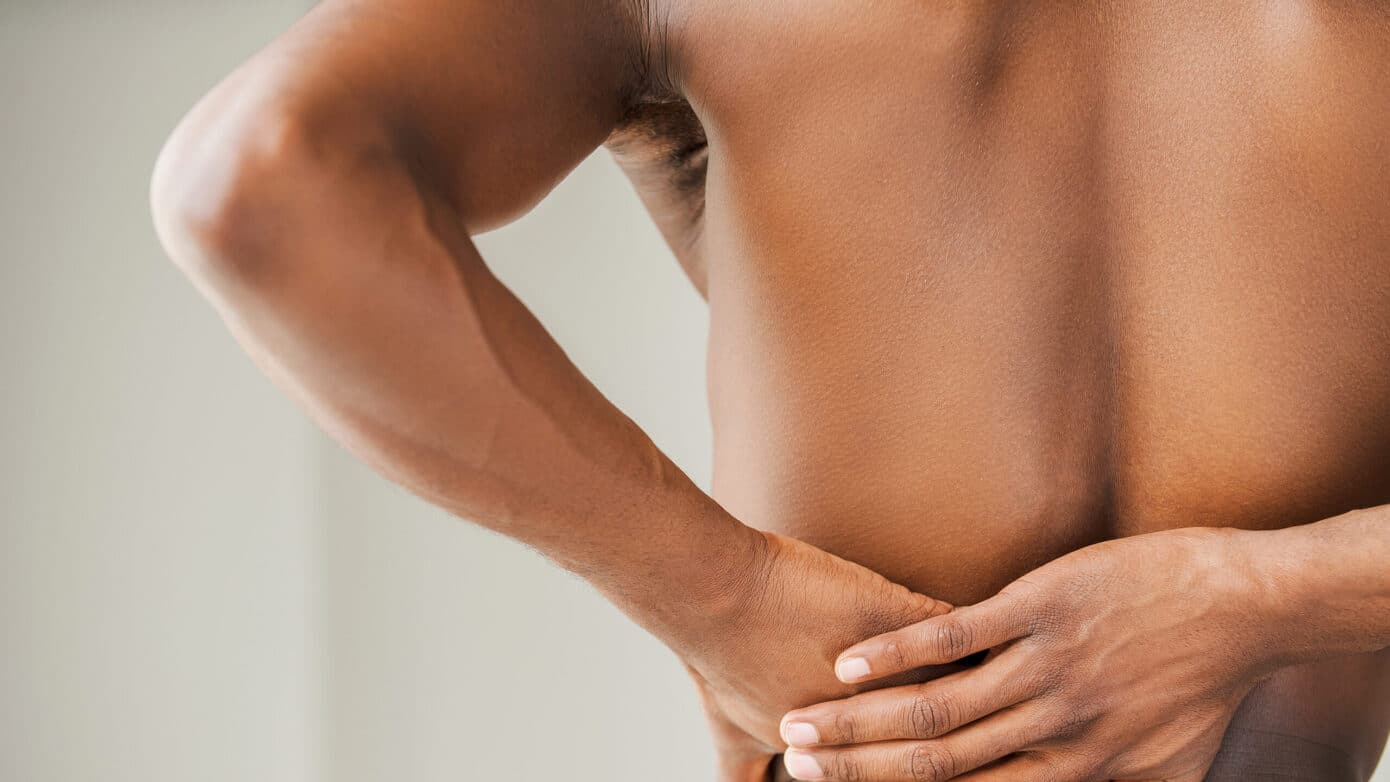
Muscle spasms are sudden, involuntary contractions of one or more muscles. They can occur anywhere in the body and may last from a few seconds to several minutes. While many muscle spasms are temporary and harmless, frequent or persistent spasms may indicate an underlying medical or neurological condition that requires evaluation.

This guide explains common causes of muscle spasms, treatment options, and how our Relatyv Neurofunctional Pain Management approach may complement your overall care plan when chronic pain is contributing to your symptoms.

Common Symptoms

Depending on the affected muscle, muscle spasms may cause:

  • Sudden muscle tightening or cramping.
  • Sharp or aching pain.
  • Muscle stiffness.
  • Tenderness to the touch.
  • Temporary difficulty moving the affected area.
  • A visible or palpable muscle knot.

Common Causes of Muscle Spasms

Overuse and Muscle Fatigue

Repetitive activity, strenuous exercise, or prolonged physical exertion can overload muscles and trigger spasms.

Dehydration

Insufficient fluid intake may contribute to muscle cramping, particularly during exercise or hot weather.

Electrolyte Imbalances

Low levels of electrolytes such as potassium, calcium, or magnesium may interfere with normal muscle contraction and relaxation.

Muscle Injury

Strains, sprains, or direct trauma can irritate muscles and surrounding tissues, leading to painful spasms.

Poor Posture

Maintaining awkward positions for extended periods can place excessive strain on muscles and contribute to chronic muscle tightness.

Stress

Physical or emotional stress may increase muscle tension and contribute to spasms in some individuals.

Medical Conditions Associated with Muscle Spasms

Sciatica

Compression or irritation of the sciatic nerve may cause muscle spasms, pain, numbness, or tingling in the lower back and legs.

Carpal Tunnel Syndrome

Compression of the median nerve at the wrist may contribute to muscle cramping, weakness, and hand discomfort.

Restless Legs Syndrome

This neurological condition may cause uncomfortable sensations in the legs along with an irresistible urge to move them. Muscle cramping or twitching may also occur.

Neurological Disorders

Certain neurological conditions affecting the brain, spinal cord, or peripheral nerves can contribute to recurring muscle spasms and should be evaluated by a healthcare provider.

Common Areas Where Muscle Spasms Occur

Muscle spasms frequently affect:

  • Neck.
  • Shoulders.
  • Upper and lower back.
  • Arms.
  • Hands.
  • Legs.
  • Calves.
  • Feet.

When Should You Seek Medical Care?

You should schedule a medical evaluation if muscle spasms:

  • Occur frequently or become progressively worse.
  • Interfere with work or daily activities.
  • Persist despite rest, hydration, and stretching.
  • Are accompanied by muscle weakness.
  • Occur without an obvious cause.

Seek immediate medical attention if muscle spasms occur with severe weakness, loss of sensation, difficulty breathing or swallowing, high fever, severe headache, confusion, or after a significant injury.

How Muscle Spasms Are Diagnosed

Your healthcare provider may recommend:

  • Medical history review.
  • Physical examination.
  • Neurological assessment.
  • Blood tests to evaluate electrolyte levels or other metabolic conditions.
  • Electromyography (EMG) or nerve conduction studies when appropriate.
  • MRI or other imaging if nerve compression or structural abnormalities are suspected.

Conventional Treatment Options

Treatment depends on the underlying cause of the muscle spasms.

Activity Modification

Resting overworked muscles and temporarily reducing aggravating activities may allow symptoms to improve.

Stretching and Exercise

Gentle stretching and a structured exercise program may improve flexibility, reduce muscle tension, and decrease the likelihood of future spasms.

Physical Therapy

Physical therapy may improve posture, muscle balance, strength, and movement patterns while helping manage chronic muscle tightness.

Medications

Your healthcare provider may recommend muscle relaxants, pain relievers, or other medications depending on the underlying diagnosis.

Injections

For selected conditions, trigger point injections or botulinum toxin (Botox) injections may be appropriate to help reduce persistent muscle spasms.

Our Relatyv Neurofunctional Pain Management Approach

At Relatyv, our Neurofunctional Pain Management approach is designed to help manage chronic pain associated with neurological and musculoskeletal conditions. Our care complements appropriate medical evaluation and treatment rather than replacing it.

Each treatment plan is individualized based on your diagnosis, symptoms, and goals. Care may include electroanalgesia, IV therapy when clinically appropriate, nutritional support, and lifestyle recommendations that complement your existing medical care.

While treatment may help reduce pain and improve function for some individuals, outcomes vary depending on the underlying cause of the condition.

Supporting Healthy Muscle Function

You may be able to reduce your risk of muscle spasms by:

  • Staying well hydrated.
  • Maintaining adequate electrolyte intake.
  • Stretching regularly before and after exercise.
  • Avoiding sudden increases in physical activity.
  • Practicing good posture and workplace ergonomics.
  • Getting adequate sleep and managing stress.

Find Relief from Chronic Muscle Pain

Occasional muscle spasms are common, but persistent or recurring spasms should be evaluated to identify any underlying medical or neurological causes. Early diagnosis and appropriate treatment can help improve comfort, mobility, and overall function.

At Relatyv, we provide personalized, non-invasive care designed to help reduce chronic pain and improve function. Our Neurofunctional Pain Management approach may complement your existing medical treatment while supporting improved mobility, comfort, and quality of life.
Relatyv - Muscle Weakness

Muscle Weakness And Paralysis

Muscle Weakness And Paralysis 2560 1442 Relatyv

Understanding Muscle Weakness and Paralysis

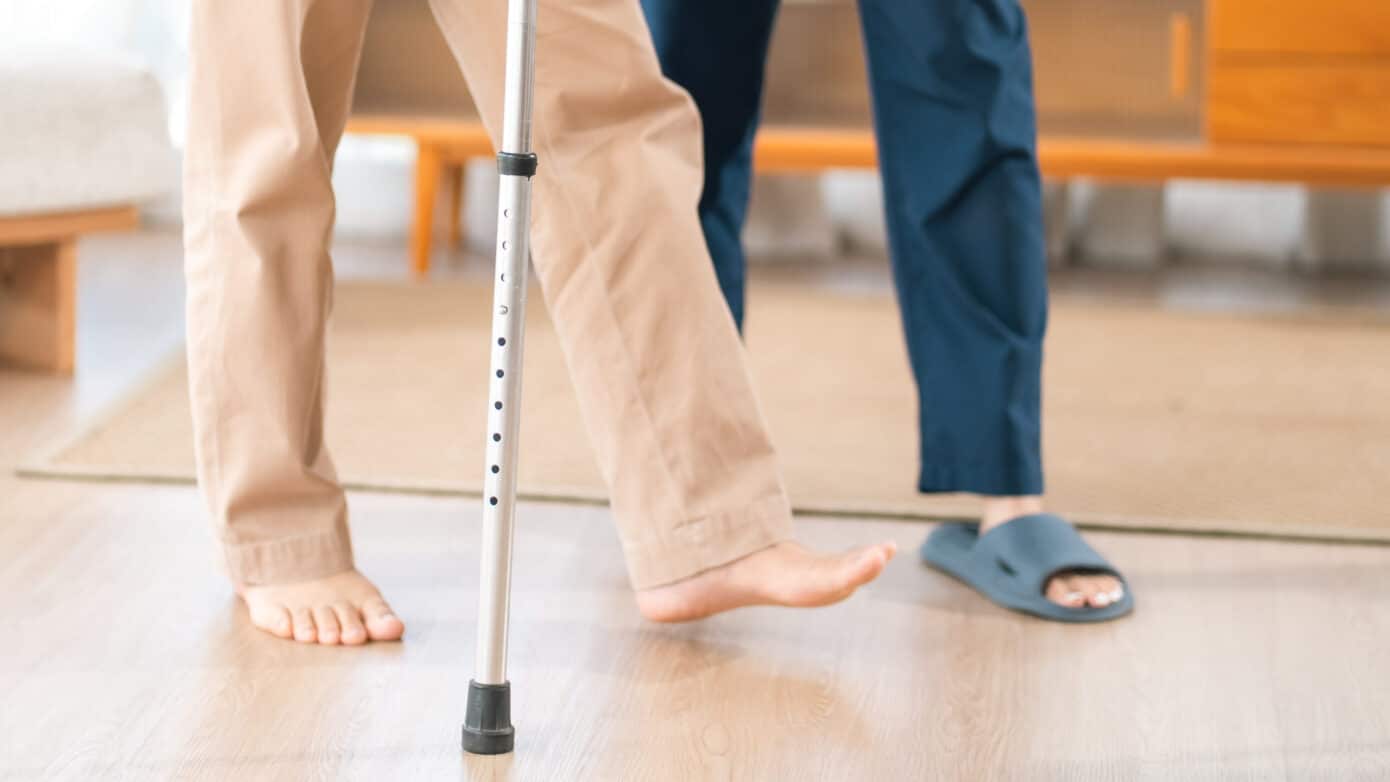
Muscle weakness is a reduction in the ability of a muscle to generate force, while paralysis is the partial or complete loss of voluntary muscle movement. Although these symptoms can occur together, muscle weakness does not always progress to paralysis. Both symptoms should be evaluated promptly, as they may indicate an underlying neurological, muscular, metabolic, or systemic condition.

Persistent muscle weakness or paralysis can significantly affect mobility, independence, and quality of life. Identifying the underlying cause is essential for developing an appropriate treatment plan.

This guide explains common causes of muscle weakness and paralysis, diagnostic approaches, treatment options, and how our Relatyv Neurofunctional Pain Management approach may complement your overall care plan when chronic pain is contributing to your symptoms.

Common Symptoms

Symptoms vary depending on the underlying condition but may include:

  • Difficulty lifting or moving part of the body.
  • Reduced muscle strength.
  • Loss of coordination or balance.
  • Muscle fatigue.
  • Numbness or tingling.
  • Muscle wasting over time.
  • Partial or complete loss of voluntary movement.

Conditions Associated with Muscle Weakness

Peripheral Neuropathy

Peripheral neuropathy occurs when nerves outside the brain and spinal cord become damaged. It may cause weakness, numbness, tingling, pain, and difficulty controlling muscles.

Fibromyalgia

Fibromyalgia is a chronic pain condition that may be associated with fatigue, muscle tenderness, stiffness, and feelings of reduced muscle strength.

Chronic Fatigue Syndrome (ME/CFS)

Myalgic encephalomyelitis/chronic fatigue syndrome (ME/CFS) causes profound fatigue that is not relieved by rest and may be accompanied by muscle weakness and exercise intolerance.

Neuromuscular Disorders

Conditions affecting the nerves, muscles, or the connection between them—including disorders such as myasthenia gravis or muscular dystrophy—can cause progressive muscle weakness and impaired movement.

Stroke or Spinal Cord Disorders

Damage affecting the brain or spinal cord may result in weakness or paralysis involving one or more parts of the body.

When Should You Seek Medical Care?

You should schedule a medical evaluation if muscle weakness:

  • Persists or progressively worsens.
  • Interferes with daily activities.
  • Occurs with numbness or tingling.
  • Develops without an obvious injury.
  • Affects balance or coordination.

Seek emergency medical attention immediately if weakness develops suddenly, especially if it affects one side of the body, is accompanied by facial drooping, difficulty speaking, confusion, vision changes, loss of consciousness, or difficulty breathing. These symptoms may indicate a stroke or another medical emergency.

How Muscle Weakness Is Diagnosed

Your healthcare provider may recommend:

  • Medical history review.
  • Physical examination.
  • Comprehensive neurological examination.
  • Muscle strength and reflex testing.
  • Blood tests to evaluate metabolic, autoimmune, hormonal, or nutritional conditions.
  • MRI or CT imaging when appropriate.
  • Electromyography (EMG) and nerve conduction studies.
  • Additional testing based on the suspected underlying condition.

Conventional Treatment Options

Treatment depends on the underlying diagnosis and severity of symptoms.

Medications

Your healthcare provider may prescribe medications to treat the underlying condition or manage associated symptoms such as pain, muscle spasticity, inflammation, or nerve dysfunction.

Physical and Occupational Therapy

Rehabilitation plays an important role in improving strength, flexibility, coordination, mobility, and independence. Occupational therapy can also help individuals adapt daily activities and improve function.

Bracing and Assistive Devices

Braces, orthotics, canes, walkers, or other assistive devices may improve safety, stability, and mobility.

Injections

For selected neurological or muscular conditions, injections such as botulinum toxin (Botox) or other medications may help reduce muscle spasticity or improve function.

Surgery

When structural nerve compression or other correctable abnormalities are present, surgery may be recommended to restore function or prevent further neurological damage.

Our Relatyv Neurofunctional Pain Management Approach

At Relatyv, our Neurofunctional Pain Management approach is designed to help manage chronic pain associated with neurological and musculoskeletal conditions. Our care complements appropriate medical evaluation and treatment rather than replacing it.

Each treatment plan is individualized based on your diagnosis, symptoms, and goals. Care may include electroanalgesia, IV therapy when clinically appropriate, nutritional support, and lifestyle recommendations that complement your existing medical care.

While treatment may help reduce pain and improve function for some individuals, outcomes vary depending on the underlying cause of the condition.

Supporting Muscle Health

You may be able to support healthy muscle function by:

  • Managing chronic medical conditions such as diabetes.
  • Remaining physically active within your abilities.
  • Following a balanced diet with adequate protein and nutrients.
  • Participating in prescribed rehabilitation programs.
  • Avoiding smoking and excessive alcohol consumption.
  • Seeking prompt evaluation for new neurological symptoms.

Find Relief from Chronic Pain and Improve Function

Muscle weakness and paralysis are symptoms—not diagnoses—and can result from a wide range of neurological, muscular, or medical conditions. Early evaluation and an accurate diagnosis are essential for developing an individualized treatment plan and preventing further loss of function.

At Relatyv, we provide personalized, non-invasive care designed to help reduce chronic pain and improve function. Our Neurofunctional Pain Management approach may complement your existing medical treatment while supporting improved mobility, comfort, and quality of life.
Relatyv - Neck Pain

Neck Pain

Neck Pain 2560 1442 Relatyv

Understanding Neck Pain

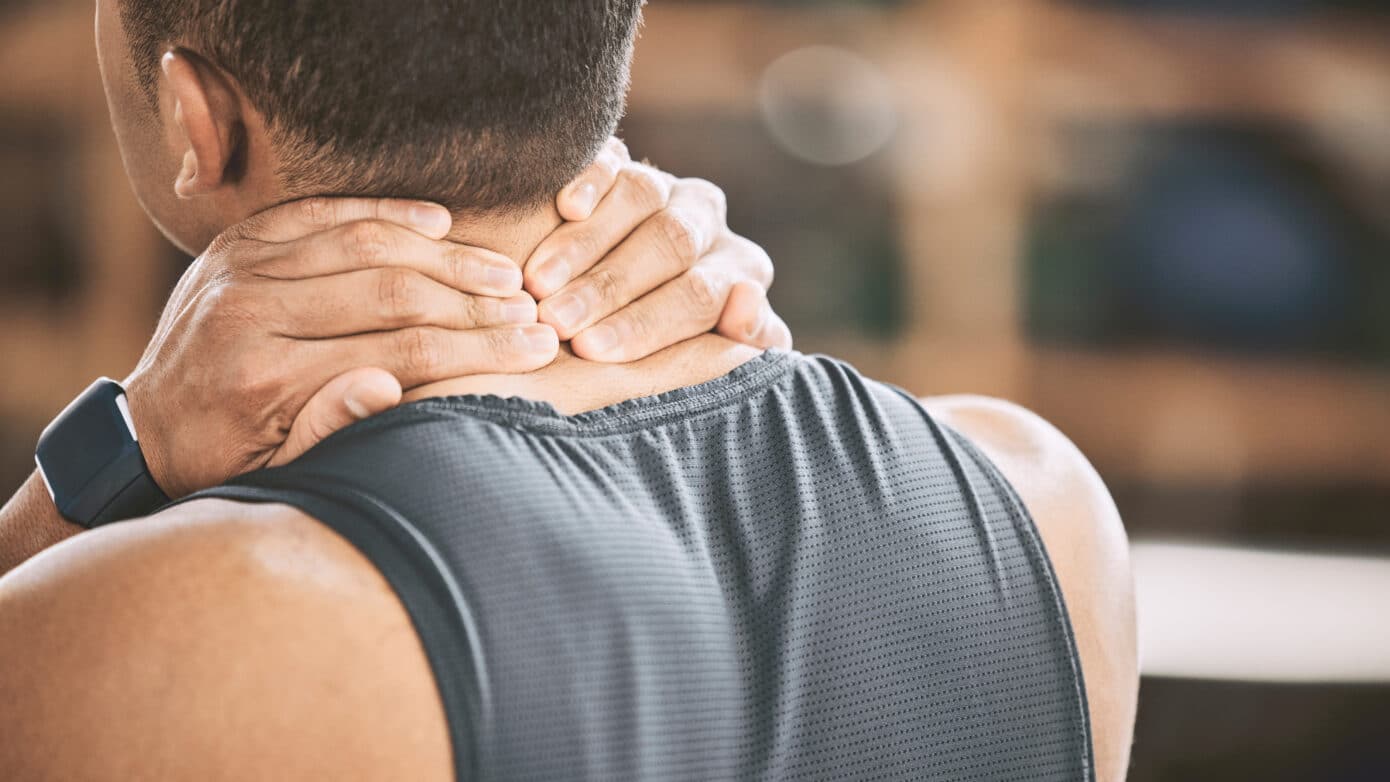
Neck pain is one of the most common musculoskeletal complaints and can affect people of all ages. The neck, or cervical spine, is a complex structure made up of vertebrae, intervertebral discs, nerves, muscles, ligaments, and tendons that work together to support the head and allow a wide range of movement.

Neck pain may develop suddenly after an injury or gradually over time. While many cases improve with conservative treatment, persistent pain or symptoms affecting the arms or hands should be evaluated by a healthcare provider.

This guide explains common causes of neck pain, treatment options, and how our Relatyv Neurofunctional Pain Management approach may complement your overall care plan when chronic pain is contributing to your symptoms.

Common Symptoms

Neck pain can present in several ways, including:

  • Aching or sharp pain in the neck.
  • Stiffness or reduced range of motion.
  • Muscle tightness or spasms.
  • Headaches that begin in the neck.
  • Pain that radiates into the shoulders or arms.
  • Numbness, tingling, or weakness in the upper extremities.

Common Causes of Neck Pain

Muscle Strain or Sprain

Overstretching, repetitive movements, poor posture, or sudden injuries such as whiplash can strain the muscles and ligaments of the neck.

Poor Posture

Prolonged computer use, frequent smartphone use, and poor workstation ergonomics can place ongoing stress on the cervical spine.

Degenerative Disc Disease

Age-related changes in the cervical discs may contribute to chronic pain, stiffness, and reduced flexibility.

Cervical Radiculopathy

A compressed or irritated cervical nerve root may cause neck pain that radiates into the shoulder, arm, or hand, often accompanied by numbness or weakness.

Cervical Spondylosis

Cervical spondylosis is age-related arthritis affecting the neck that may cause pain, stiffness, and decreased range of motion.

Rheumatoid Arthritis

This autoimmune condition can affect joints throughout the body, including the cervical spine, leading to inflammation, pain, and stiffness.

Cervical Myelopathy

Compression of the spinal cord in the neck is a serious condition that may cause neck pain along with weakness, balance problems, difficulty using the hands, or changes in coordination.

When Should You Seek Medical Care?

You should schedule a medical evaluation if neck pain:

  • Persists for more than a few weeks.
  • Interferes with work or daily activities.
  • Radiates into the shoulders or arms.
  • Is accompanied by numbness or tingling.
  • Develops after a fall, sports injury, or motor vehicle accident.

Seek emergency medical attention immediately if neck pain occurs after significant trauma, is accompanied by weakness in the arms or legs, loss of bladder or bowel control, difficulty walking, fever with severe neck stiffness, or sudden numbness or paralysis.

How Neck Pain Is Diagnosed

Your healthcare provider may recommend:

  • Medical history review.
  • Physical examination.
  • Neurological assessment.
  • Evaluation of posture and range of motion.
  • X-rays to evaluate the cervical spine.
  • MRI or CT imaging to assess discs, nerves, and the spinal cord.
  • Electromyography (EMG) or nerve conduction studies when nerve involvement is suspected.

Conventional Treatment Options

Treatment depends on the underlying cause and severity of your symptoms.

Activity Modification

Short-term rest combined with ergonomic improvements and gradual return to activity may help reduce strain on the neck.

Physical Therapy

Physical therapy can improve flexibility, posture, strength, and neck mechanics while helping reduce pain and restore function.

Medications

Your healthcare provider may recommend acetaminophen, nonsteroidal anti-inflammatory drugs (NSAIDs), muscle relaxants, or other medications based on your diagnosis.

Massage Therapy

Massage therapy may help relieve muscle tension and improve comfort for some individuals when incorporated into a broader treatment plan.

Injections

For selected conditions, epidural steroid injections, facet joint injections, or other image-guided procedures may be recommended to help reduce inflammation and pain.

Surgery

When significant nerve compression, spinal cord compression, or structural instability is present, surgery may be necessary to relieve pressure and preserve neurological function.

Our Relatyv Neurofunctional Pain Management Approach

At Relatyv, our Neurofunctional Pain Management approach is designed to help manage chronic pain associated with neurological and musculoskeletal conditions. Our care complements appropriate medical evaluation and treatment rather than replacing it.

Each treatment plan is individualized based on your diagnosis, symptoms, and goals. Care may include electroanalgesia, IV therapy when clinically appropriate, nutritional support, and lifestyle recommendations that complement your existing medical care.

While treatment may help reduce pain and improve function for some individuals, outcomes vary depending on the underlying cause of the condition.

Supporting Cervical Spine Health

You may be able to reduce your risk of neck pain by:

  • Maintaining good posture throughout the day.
  • Adjusting your workstation for proper ergonomics.
  • Taking frequent breaks during computer or desk work.
  • Performing regular stretching and strengthening exercises.
  • Using proper lifting techniques.
  • Staying physically active and maintaining overall spinal health.

Find Relief from Chronic Neck Pain

Neck pain can result from muscle strain, arthritis, nerve compression, injuries, or other medical conditions. Because effective treatment depends on identifying the underlying cause, obtaining an accurate diagnosis is an important first step toward improving function and reducing discomfort.

At Relatyv, we provide personalized, non-invasive care designed to help reduce chronic pain and improve function. Our Neurofunctional Pain Management approach may complement your existing medical treatment while supporting improved mobility, comfort, and quality of life.
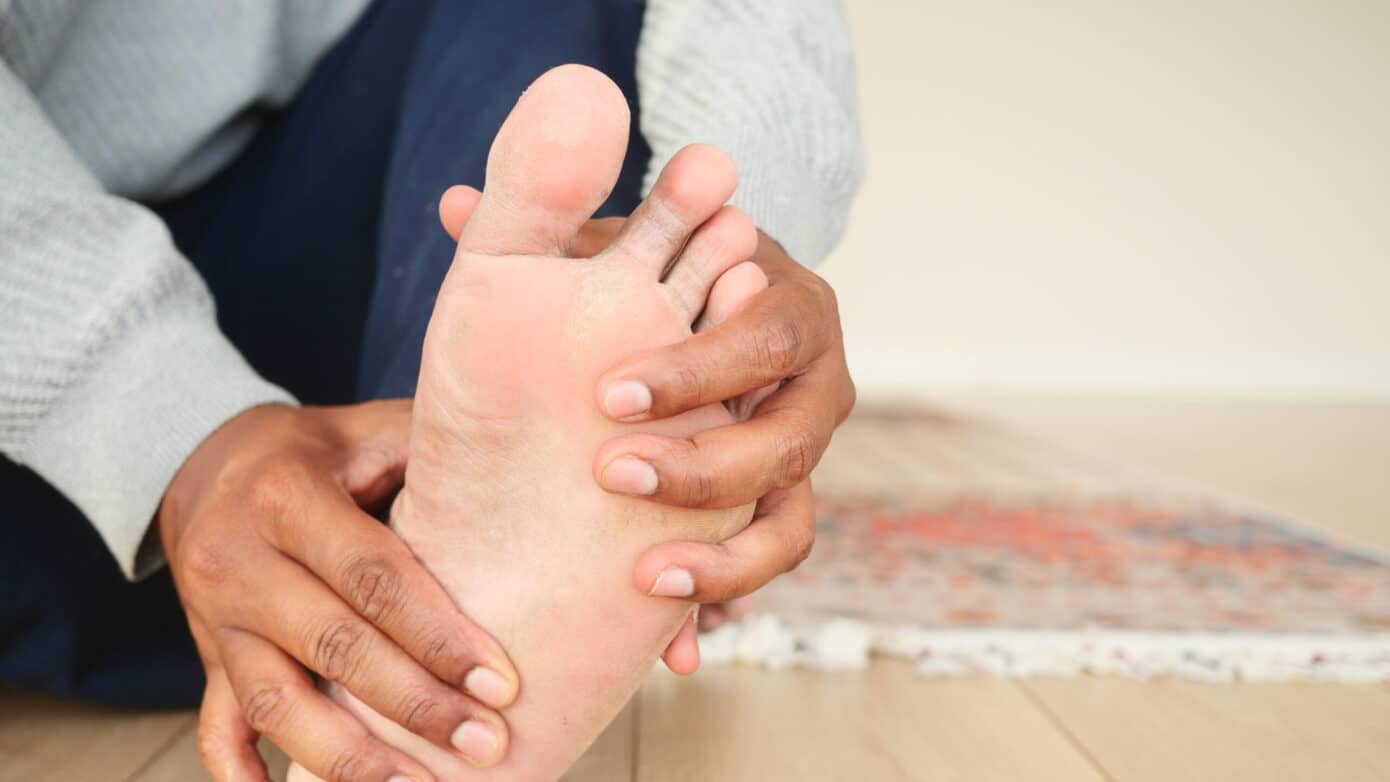
Relatyv - Foot Pain

Exploring The Underlying Causes Of A Foot Ligament Pain

Exploring The Underlying Causes Of A Foot Ligament Pain 2560 1442 Relatyv

Understanding Foot Ligament Pain

The foot is a remarkably complex structure made up of bones, joints, ligaments, tendons, muscles, and nerves that work together to provide stability, absorb shock, and support movement. Ligaments are strong bands of connective tissue that connect bones to one another, helping maintain proper joint alignment during walking, running, and other daily activities.

When a ligament becomes stretched, torn, inflamed, or weakened, it can lead to foot pain, swelling, instability, and difficulty bearing weight. While many ligament injuries heal with appropriate treatment, persistent pain may indicate a more significant injury or an underlying medical condition that requires evaluation.

This guide explains common causes of foot ligament pain, available treatment options, and how our Relatyv Neurofunctional Pain Management approach may complement your overall care plan when chronic pain is contributing to your symptoms.

Common Symptoms

Foot ligament injuries and disorders may cause:

  • Pain while standing or walking.
  • Swelling around the foot or ankle.
  • Bruising after an injury.
  • Stiffness.
  • Limited range of motion.
  • Difficulty bearing weight.
  • A feeling of instability or the foot “giving way.”
  • Pain that worsens with activity.

Common Causes of Foot Ligament Pain

Ligament Sprains

Sprains occur when a ligament is stretched or partially torn, often after twisting the foot or rolling the ankle. Depending on the severity, sprains range from mild stretching to complete ligament tears.

Ligament Tears

More severe injuries can result in partial or complete tears of the ligament, causing significant pain, swelling, bruising, and instability that may require advanced treatment.

Overuse Injuries

Repeated stress from running, jumping, prolonged standing, or high-impact sports can place excessive strain on the ligaments of the foot over time.

Age-Related Degeneration

As ligaments naturally lose flexibility with age, they may become more susceptible to injury and slower to heal.

Medical Conditions Associated with Foot Ligament Pain

Plantar Fasciitis

Although technically involving the plantar fascia rather than a true ligament injury, plantar fasciitis is one of the most common causes of heel and arch pain and may significantly affect walking and daily activities.

Lisfranc Injury

Injuries involving the midfoot ligaments can cause pain, swelling, bruising, and instability that often require prompt medical evaluation.

Tendinitis

Inflammation of nearby tendons may coexist with ligament injuries and contribute to foot pain and reduced mobility.

Arthritis

Osteoarthritis and inflammatory arthritis can affect the joints of the foot, contributing to chronic pain, stiffness, and altered mechanics that place additional stress on surrounding ligaments.

Stress Fractures and Fifth Metatarsal Fractures

Bone injuries may produce symptoms similar to ligament injuries and should be considered when pain develops after trauma or repetitive stress.

When Should You Seek Medical Care?

You should schedule a medical evaluation if foot pain:

  • Persists for more than several days after an injury.
  • Prevents you from walking normally.
  • Returns repeatedly during activity.
  • Is accompanied by significant swelling or bruising.
  • Does not improve with rest and conservative care.

Seek immediate medical attention if you are unable to bear weight, notice severe deformity, experience numbness or loss of circulation in the foot, develop signs of infection such as fever and spreading redness, or sustain a significant traumatic injury.

How Foot Ligament Injuries Are Diagnosed

Your healthcare provider may recommend:

  • Medical history review.
  • Physical examination.
  • Assessment of joint stability and range of motion.
  • X-rays to evaluate for fractures or joint abnormalities.
  • MRI or ultrasound to assess ligament and tendon injuries.
  • CT scans for complex foot injuries when appropriate.

Conventional Treatment Options

Treatment depends on the severity of the injury and the structures involved.

RICE Therapy

Rest, ice, compression, and elevation (RICE) are commonly recommended during the early stages of many acute ligament injuries to help reduce pain and swelling.

Immobilization

Walking boots, braces, splints, or casts may be used to protect injured ligaments while they heal.

Physical Therapy

Rehabilitation exercises help restore strength, flexibility, balance, and normal walking mechanics while reducing the risk of future injuries.

Medications

Your healthcare provider may recommend acetaminophen or nonsteroidal anti-inflammatory drugs (NSAIDs) to help manage pain when appropriate.

Surgery

Complete ligament ruptures, unstable Lisfranc injuries, or injuries involving fractures may require surgical repair or reconstruction.

Our Relatyv Neurofunctional Pain Management Approach

At Relatyv, our Neurofunctional Pain Management approach is designed to help manage chronic pain associated with neurological and musculoskeletal conditions. Our care complements appropriate medical evaluation and treatment rather than replacing it.

Each treatment plan is individualized based on your diagnosis, symptoms, and goals. Care may include electroanalgesia, IV therapy when clinically appropriate, nutritional support, and lifestyle recommendations that complement your existing medical care.

While treatment may help reduce pain and improve function for some individuals, outcomes vary depending on the underlying cause of the condition.

Supporting Foot Health

You may be able to reduce your risk of ligament injuries by:

  • Wearing supportive, properly fitting footwear.
  • Maintaining a healthy body weight.
  • Strengthening the muscles of the feet, ankles, and lower legs.
  • Gradually increasing exercise intensity.
  • Stretching before and after physical activity.
  • Using caution when walking or running on uneven surfaces.

Find Relief from Chronic Foot Pain

Foot ligament pain can make everyday activities such as walking, exercising, or standing for long periods increasingly difficult. Because many different injuries and medical conditions can produce similar symptoms, obtaining an accurate diagnosis is essential for developing the most effective treatment plan.

At Relatyv, we provide personalized, non-invasive care designed to help reduce chronic pain and improve function. Our Neurofunctional Pain Management approach may complement your existing medical treatment while supporting improved mobility, comfort, and quality of life.

Relatyv - Thigh Pain

Front Thigh Muscle Pain

Front Thigh Muscle Pain 2560 1442 Relatyv

Understanding Front Thigh Pain

Pain in the front of the thigh most commonly involves the quadriceps muscle group, which is made up of four muscles that work together to straighten the knee, stabilize the leg, and support activities such as walking, climbing stairs, running, and standing from a seated position.

Front thigh pain can result from muscle strain, overuse, nerve irritation, or conditions affecting the hip or lower back. While many cases improve with conservative care, persistent pain or weakness should be evaluated by a healthcare provider to determine the underlying cause.

This guide explains common causes of front thigh pain, treatment options, and how our Relatyv Neurofunctional Pain Management approach may complement your overall care plan when chronic pain is contributing to your symptoms.

Common Symptoms

Depending on the cause, front thigh pain may be accompanied by:

  • Dull, aching, sharp, or throbbing pain.
  • Muscle tenderness.
  • Stiffness or tightness.
  • Reduced range of motion.
  • Muscle weakness.
  • Burning, tingling, or numbness if nerves are involved.
  • Pain that worsens during walking, running, climbing stairs, or prolonged sitting.

Common Causes of Front Thigh Pain

Muscle Strain

Overstretching or overloading the quadriceps muscles during sports, exercise, or physical activity can lead to muscle strains ranging from mild to severe.

Overuse Injuries

Repetitive activities such as running, cycling, or jumping may gradually irritate the muscles and surrounding tissues.

Muscle Imbalances

Weakness or tightness in the hips, thighs, or core muscles can alter movement patterns and increase stress on the quadriceps.

Traumatic Injury

Falls, direct blows, or sports injuries can cause bruising, muscle tears, or other injuries involving the front of the thigh.

Nerve Irritation

Compression or irritation of nerves originating in the lower back or pelvis may produce pain, tingling, burning, or numbness in the front of the thigh.

Medical Conditions Associated with Front Thigh Pain

Iliotibial Band Syndrome (IT Band Syndrome)

Tightness or irritation of the iliotibial band may contribute to pain that extends along the outside or front of the thigh during physical activity.

Femoral Nerve Compression

Compression of the femoral nerve can cause pain, weakness, numbness, or altered sensation in the front of the thigh.

Myofascial Pain Syndrome

Trigger points within muscles may produce localized pain or referred discomfort throughout the thigh.

Hip Labral Tear

Damage to the cartilage surrounding the hip socket may cause pain that radiates into the front of the thigh, particularly during movement.

Bursitis

Inflammation of the bursae around the hip can cause pain that extends into the upper front thigh, especially when walking or climbing stairs.

When Should You Seek Medical Care?

You should schedule a medical evaluation if front thigh pain:

  • Persists for more than several days or continues to worsen.
  • Interferes with walking or daily activities.
  • Occurs with significant muscle weakness.
  • Returns repeatedly with activity.
  • Is associated with numbness or tingling.

Seek immediate medical attention if you experience sudden inability to bear weight, severe swelling following an injury, significant deformity, loss of sensation, loss of bladder or bowel control, or rapidly progressing weakness.

How Front Thigh Pain Is Diagnosed

Your healthcare provider may recommend:

  • Medical history review.
  • Physical examination.
  • Assessment of muscle strength and flexibility.
  • Neurological evaluation if nerve involvement is suspected.
  • X-rays to evaluate the hip or femur when appropriate.
  • MRI or ultrasound to assess muscle, tendon, or soft tissue injuries.
  • Electromyography (EMG) or nerve conduction studies for suspected nerve disorders.

Conventional Treatment Options

Treatment depends on the underlying cause and severity of the condition.

Activity Modification

Reducing or temporarily avoiding activities that worsen symptoms allows injured muscles and surrounding tissues time to recover.

Ice and Heat Therapy

Ice may help reduce pain and swelling during the early stages of an injury, while heat may help relax tight muscles during recovery.

Physical Therapy

Physical therapy can improve flexibility, strength, balance, and movement patterns while helping reduce the risk of recurring injuries.

Medications

Your healthcare provider may recommend acetaminophen, nonsteroidal anti-inflammatory drugs (NSAIDs), or other medications based on your diagnosis.

Massage Therapy

Massage therapy may help relieve muscle tightness and improve comfort for some individuals when incorporated into an overall rehabilitation plan.

Injections

Depending on the diagnosis, corticosteroid or other image-guided injections may be appropriate for selected inflammatory conditions.

Surgery

Although uncommon, surgery may be recommended for severe muscle tears, hip injuries, or structural abnormalities that do not respond to conservative treatment.

Our Relatyv Neurofunctional Pain Management Approach

At Relatyv, our Neurofunctional Pain Management approach is designed to help manage chronic pain associated with neurological and musculoskeletal conditions. Our care complements appropriate medical evaluation and treatment rather than replacing it.

Each treatment plan is individualized based on your diagnosis, symptoms, and goals. Care may include electroanalgesia, IV therapy when clinically appropriate, nutritional support, and lifestyle recommendations that complement your existing medical care.

While treatment may help reduce pain and improve function for some individuals, outcomes vary depending on the underlying cause of the condition.

Supporting Healthy Thigh Muscles

You may be able to reduce your risk of front thigh pain by:

  • Warming up before exercise.
  • Stretching regularly to maintain flexibility.
  • Strengthening the hips, core, and leg muscles.
  • Increasing exercise intensity gradually.
  • Maintaining proper hydration.
  • Allowing adequate recovery between strenuous activities.

Find Relief from Chronic Front Thigh Pain

Front thigh pain can result from muscle injuries, nerve irritation, hip conditions, or other musculoskeletal disorders. Because several conditions produce similar symptoms, obtaining an accurate diagnosis is essential for developing the most effective treatment plan.

At Relatyv, we provide personalized, non-invasive care designed to help reduce chronic pain and improve function. Our Neurofunctional Pain Management approach may complement your existing medical treatment while supporting improved mobility, comfort, and quality of life.
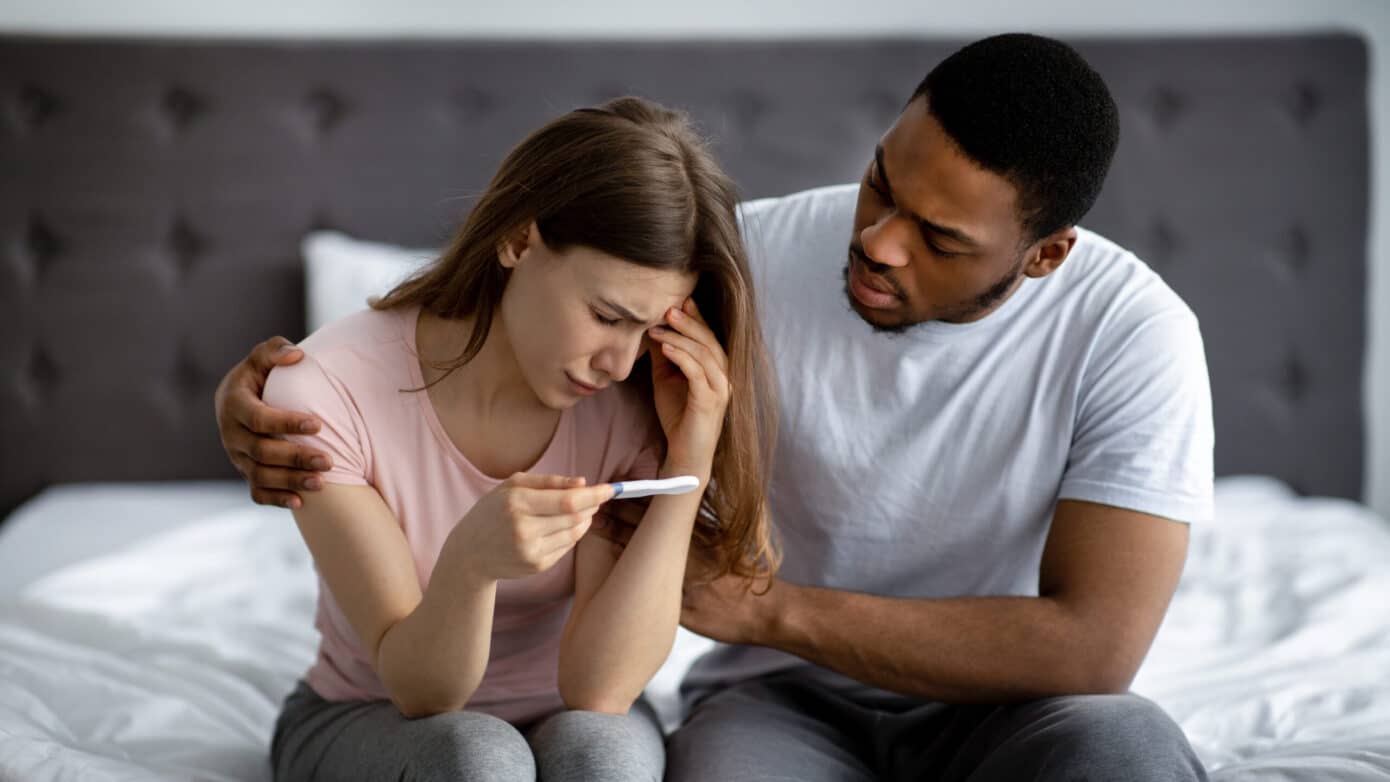
Relatyv - Infertility

Infertility: Can It Be A Symptom Of An Underlying Condition?

Infertility: Can It Be A Symptom Of An Underlying Condition? 2560 1442 Relatyv

Understanding Infertility

Infertility is generally defined as the inability to achieve pregnancy after 12 months of regular, unprotected intercourse for most couples. For women over age 35, evaluation is often recommended after six months of trying. Infertility can affect both women and men, and in many cases, more than one factor contributes to difficulty conceiving.

While infertility itself may not cause physical symptoms, it is often associated with underlying medical conditions that deserve prompt evaluation. Identifying these conditions early can help guide appropriate treatment and improve reproductive health.

This guide explains common causes of infertility, associated symptoms, available medical treatments, and how our Relatyv Neurofunctional Pain Management approach may complement care for chronic pain conditions, such as endometriosis, that can affect quality of life.

Primary vs. Secondary Infertility

Primary Infertility

Primary infertility refers to individuals or couples who have never achieved a pregnancy despite regular, unprotected intercourse.

Secondary Infertility

Secondary infertility occurs when a person has previously conceived but later experiences difficulty becoming pregnant again.

Symptoms That May Be Associated with Female Infertility

Some women experience symptoms that may suggest an underlying reproductive condition, including:

  • Irregular or absent menstrual cycles.
  • Painful or unusually heavy menstrual periods.
  • Pelvic pain.
  • Pain during intercourse.
  • Difficulty predicting ovulation.

Symptoms That May Be Associated with Male Infertility

Men may experience:

  • Erectile or ejaculatory dysfunction.
  • Reduced libido.
  • Testicular pain or swelling.
  • Changes in testicular size.
  • Hormonal symptoms such as decreased body hair or muscle mass.

Common Medical Conditions Associated with Infertility

Polycystic Ovary Syndrome (PCOS)

PCOS is one of the most common causes of female infertility. Hormonal imbalances associated with PCOS may interfere with regular ovulation and menstrual cycles.

Endometriosis

Endometriosis occurs when tissue similar to the lining of the uterus grows outside the uterus. The condition may cause chronic pelvic pain, painful periods, pain during intercourse, and fertility challenges in some individuals.

Uterine Fibroids

Fibroids are noncancerous growths within the uterus that may affect fertility depending on their size and location.

Varicocele

Varicocele is an enlargement of veins within the scrotum that may affect sperm production and quality, making it one of the more common causes of male infertility.

Hormonal Disorders

Hormonal conditions affecting estrogen, progesterone, testosterone, thyroid hormones, follicle-stimulating hormone (FSH), or luteinizing hormone (LH) can interfere with normal reproductive function in both men and women.

Testicular Injury or Disease

Previous trauma, infections, or certain medical conditions involving the testicles may impair sperm production or fertility.

When Should You Seek Medical Care?

You should discuss fertility concerns with your healthcare provider if:

  • You are under age 35 and have been trying to conceive for one year without success.
  • You are age 35 or older and have been trying for six months without success.
  • You have irregular or absent menstrual cycles.
  • You experience severe pelvic pain or painful periods.
  • You have a history of endometriosis, PCOS, pelvic inflammatory disease, or uterine fibroids.
  • You have recurrent pregnancy loss.
  • You have known male reproductive concerns, erectile dysfunction, or abnormal semen analysis.

Seek immediate medical attention if you experience severe pelvic pain, heavy vaginal bleeding, sudden testicular pain or swelling, fever with reproductive symptoms, or other signs of a medical emergency.

How Infertility Is Diagnosed

A comprehensive fertility evaluation may include:

  • Medical and reproductive history.
  • Physical examination.
  • Hormone testing.
  • Pelvic ultrasound.
  • Hysterosalpingography (HSG) to evaluate the uterus and fallopian tubes.
  • Semen analysis.
  • Scrotal ultrasound when appropriate.
  • Genetic testing or additional specialized testing based on individual circumstances.

Conventional Treatment Options

Treatment depends on the underlying cause of infertility and the overall health of each individual or couple.

Hormone Therapy

Hormone therapy may help restore normal ovulation or improve hormone balance when hormonal disorders contribute to infertility.

Ovulation Induction

Medications that stimulate ovulation may be appropriate for certain women experiencing ovulatory dysfunction.

Treatment of Underlying Medical Conditions

Managing conditions such as PCOS, thyroid disorders, endometriosis, uterine fibroids, or varicocele may improve fertility depending on the diagnosis.

Assisted Reproductive Technology (ART)

Advanced fertility treatments may include:

  • Intrauterine insemination (IUI).
  • In vitro fertilization (IVF).
  • Other fertility treatments recommended by a reproductive endocrinologist.

Surgery

In selected cases, surgery may be recommended to remove fibroids, treat endometriosis, repair reproductive structures, or correct male reproductive conditions such as varicocele.

Our Relatyv Neurofunctional Pain Management Approach

At Relatyv, our Neurofunctional Pain Management approach is designed to help manage chronic pain associated with neurological and musculoskeletal conditions. For individuals living with painful conditions such as endometriosis, our care is intended to complement ongoing medical treatment and improve comfort and function—not to treat infertility itself.

Each treatment plan is individualized based on your diagnosis, symptoms, and goals. Care may include electroanalgesia, IV therapy when clinically appropriate, nutritional support, and lifestyle recommendations that complement your existing medical care.

While treatment may help reduce chronic pain and improve function for some individuals, outcomes vary depending on the underlying condition.

Supporting Reproductive Health

Healthy lifestyle habits may help support reproductive health, including:

  • Maintaining a healthy body weight.
  • Managing chronic medical conditions.
  • Avoiding tobacco products and excessive alcohol consumption.
  • Eating a balanced, nutrient-rich diet.
  • Getting regular physical activity.
  • Working closely with your healthcare team when planning pregnancy.

Take the Next Step Toward Better Health

Infertility can have many different causes, and successful treatment begins with a thorough medical evaluation. An accurate diagnosis allows your healthcare team to develop an individualized treatment plan that addresses your unique reproductive health needs.

If chronic pain conditions such as endometriosis are affecting your daily life, Relatyv offers personalized, non-invasive care designed to help reduce pain and improve function. Our Neurofunctional Pain Management approach may complement your existing medical treatment while supporting improved comfort and quality of life.

Relatyv - Intense Joint Pain

Overcoming Intense Joint Pain

Overcoming Intense Joint Pain 2560 1442 Relatyv

Understanding Joint Pain

Joint pain, also known as arthralgia, is a common symptom that can affect people of all ages. Joints are the places where bones meet, allowing movement and providing stability throughout the body. Pain may develop suddenly after an injury or gradually over time due to arthritis, overuse, or other medical conditions.

Joint pain may involve a single joint or multiple joints simultaneously. While many cases improve with conservative treatment, persistent or severe pain should be evaluated by a healthcare provider to identify the underlying cause and guide appropriate care.

This guide explains common causes of joint pain, diagnostic approaches, treatment options, and how our Relatyv Neurofunctional Pain Management approach may complement your overall care plan when chronic pain is contributing to your symptoms.

Common Symptoms

Joint pain may be accompanied by:

  • Aching, sharp, or throbbing pain.
  • Joint stiffness.
  • Swelling.
  • Warmth or redness around the joint.
  • Reduced range of motion.
  • Grinding or clicking sensations during movement.
  • Difficulty performing everyday activities.

Common Causes of Joint Pain

Injury or Trauma

Sprains, fractures, dislocations, and other injuries can damage the structures within a joint, leading to pain, swelling, and limited movement.

Overuse

Repetitive activities or excessive physical demands may strain the muscles, tendons, and ligaments surrounding a joint.

Poor Posture and Biomechanics

Improper body mechanics, prolonged sitting, or repetitive movements may place excessive stress on joints over time.

Age-Related Wear

Normal aging may contribute to changes in cartilage and other joint structures that affect movement and comfort.

Medical Conditions Associated with Joint Pain

Osteoarthritis

Osteoarthritis is the most common form of arthritis and occurs when joint cartilage gradually wears down, causing pain, stiffness, and reduced mobility.

Rheumatoid Arthritis

Rheumatoid arthritis is an autoimmune disease that causes inflammation within the joints and may lead to pain, swelling, stiffness, and joint damage if left untreated.

Gout

Gout develops when uric acid crystals accumulate within a joint, causing sudden episodes of severe pain, redness, swelling, and warmth.

Bursitis

Inflammation of the bursae—small fluid-filled sacs that cushion joints—can cause pain and limited movement, particularly in the shoulders, hips, knees, and elbows.

Tendinitis

Inflammation or irritation of a tendon near a joint can cause localized pain that worsens with activity.

Septic Arthritis

Joint infections require immediate medical attention because they can rapidly damage cartilage and surrounding tissues.

When Should You Seek Medical Care?

You should schedule a medical evaluation if joint pain:

  • Persists for more than several weeks.
  • Limits your ability to perform daily activities.
  • Recurs frequently.
  • Is accompanied by swelling or stiffness.
  • Affects multiple joints.

Seek emergency medical attention immediately if you experience severe joint pain following trauma, an obvious joint deformity, inability to bear weight, fever with a hot, swollen joint, rapidly increasing redness, or sudden loss of movement.

How Joint Pain Is Diagnosed

Your healthcare provider may recommend:

  • Medical history review.
  • Physical examination.
  • Assessment of joint range of motion and stability.
  • X-rays to evaluate bones and joint alignment.
  • MRI or CT imaging when soft tissue injuries are suspected.
  • Blood tests to evaluate inflammatory or autoimmune conditions.
  • Joint fluid analysis when infection or gout is suspected.

Conventional Treatment Options

Treatment depends on the underlying diagnosis and severity of symptoms.

Heat and Cold Therapy

Applying heat or cold may help reduce pain, stiffness, or swelling depending on the cause of the joint pain.

Physical Therapy

Physical therapy can improve flexibility, muscle strength, joint stability, and overall function while reducing stress on affected joints.

Medications

Your healthcare provider may recommend acetaminophen, nonsteroidal anti-inflammatory drugs (NSAIDs), disease-modifying medications for inflammatory arthritis, or other treatments based on your diagnosis.

Joint Injections

Corticosteroid or other image-guided injections may help reduce inflammation and improve function for selected joint conditions.

Surgery

For advanced arthritis, severe injuries, or structural abnormalities, procedures such as arthroscopy or joint replacement may be appropriate when conservative treatment is no longer effective.

Our Relatyv Neurofunctional Pain Management Approach

At Relatyv, our Neurofunctional Pain Management approach is designed to help manage chronic pain associated with neurological and musculoskeletal conditions. Our care complements appropriate medical evaluation and treatment rather than replacing it.

Each treatment plan is individualized based on your diagnosis, symptoms, and goals. Care may include electroanalgesia, IV therapy when clinically appropriate, nutritional support, and lifestyle recommendations that complement your existing medical care.

While treatment may help reduce pain and improve function for some individuals, outcomes vary depending on the underlying cause of the condition.

Supporting Healthy Joints

You may be able to support long-term joint health by:

  • Maintaining a healthy body weight.
  • Staying physically active with regular low-impact exercise.
  • Strengthening the muscles that support your joints.
  • Practicing good posture and body mechanics.
  • Eating a balanced diet that supports bone and joint health.
  • Getting adequate sleep and allowing time for recovery after physical activity.

Find Relief from Chronic Joint Pain

Joint pain can result from injuries, arthritis, overuse, infections, or other medical conditions. Because successful treatment depends on identifying the underlying cause, obtaining an accurate diagnosis is the first step toward improving mobility and quality of life.

At Relatyv, we provide personalized, non-invasive care designed to help reduce chronic pain and improve function. Our Neurofunctional Pain Management approach may complement your existing medical treatment while supporting improved mobility, comfort, and quality of life.
Back to top
Privacy Preferences

When you visit our website, it may store information through your browser from specific services, usually in the form of cookies. Here you can change your Privacy preferences. It is worth noting that blocking some types of cookies may impact your experience on our website and the services we are able to offer.

Click to enable/disable Google Analytics tracking code.
Click to enable/disable Google Fonts.
Click to enable/disable Google Maps.
Click to enable/disable video embeds.
Our website uses cookies, mainly from 3rd party services. Define your Privacy Preferences and/or agree to our use of cookies.