

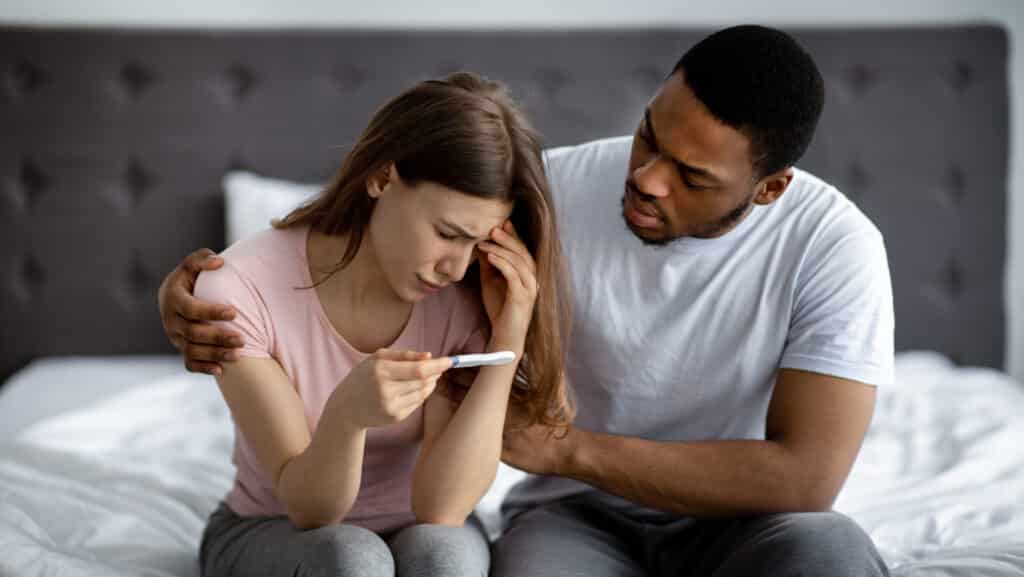
Understanding Infertility
Infertility is generally defined as the inability to achieve pregnancy after 12 months of regular, unprotected intercourse for most couples. For women over age 35, evaluation is often recommended after six months of trying. Infertility can affect both women and men, and in many cases, more than one factor contributes to difficulty conceiving.
While infertility itself may not cause physical symptoms, it is often associated with underlying medical conditions that deserve prompt evaluation. Identifying these conditions early can help guide appropriate treatment and improve reproductive health.
This guide explains common causes of infertility, associated symptoms, available medical treatments, and how our Relatyv Neurofunctional Pain Management approach may complement care for chronic pain conditions, such as endometriosis, that can affect quality of life.
Primary vs. Secondary Infertility
Primary Infertility
Primary infertility refers to individuals or couples who have never achieved a pregnancy despite regular, unprotected intercourse.
Secondary Infertility
Secondary infertility occurs when a person has previously conceived but later experiences difficulty becoming pregnant again.
Symptoms That May Be Associated with Female Infertility
Some women experience symptoms that may suggest an underlying reproductive condition, including:
- Irregular or absent menstrual cycles.
- Painful or unusually heavy menstrual periods.
- Pelvic pain.
- Pain during intercourse.
- Difficulty predicting ovulation.
Symptoms That May Be Associated with Male Infertility
Men may experience:
- Erectile or ejaculatory dysfunction.
- Reduced libido.
- Testicular pain or swelling.
- Changes in testicular size.
- Hormonal symptoms such as decreased body hair or muscle mass.
Common Medical Conditions Associated with Infertility
Polycystic Ovary Syndrome (PCOS)
PCOS is one of the most common causes of female infertility. Hormonal imbalances associated with PCOS may interfere with regular ovulation and menstrual cycles.
Endometriosis
Endometriosis occurs when tissue similar to the lining of the uterus grows outside the uterus. The condition may cause chronic pelvic pain, painful periods, pain during intercourse, and fertility challenges in some individuals.
Uterine Fibroids
Fibroids are noncancerous growths within the uterus that may affect fertility depending on their size and location.
Varicocele
Varicocele is an enlargement of veins within the scrotum that may affect sperm production and quality, making it one of the more common causes of male infertility.
Hormonal Disorders
Hormonal conditions affecting estrogen, progesterone, testosterone, thyroid hormones, follicle-stimulating hormone (FSH), or luteinizing hormone (LH) can interfere with normal reproductive function in both men and women.
Testicular Injury or Disease
Previous trauma, infections, or certain medical conditions involving the testicles may impair sperm production or fertility.
When Should You Seek Medical Care?
You should discuss fertility concerns with your healthcare provider if:
- You are under age 35 and have been trying to conceive for one year without success.
- You are age 35 or older and have been trying for six months without success.
- You have irregular or absent menstrual cycles.
- You experience severe pelvic pain or painful periods.
- You have a history of endometriosis, PCOS, pelvic inflammatory disease, or uterine fibroids.
- You have recurrent pregnancy loss.
- You have known male reproductive concerns, erectile dysfunction, or abnormal semen analysis.
Seek immediate medical attention if you experience severe pelvic pain, heavy vaginal bleeding, sudden testicular pain or swelling, fever with reproductive symptoms, or other signs of a medical emergency.
How Infertility Is Diagnosed
A comprehensive fertility evaluation may include:
- Medical and reproductive history.
- Physical examination.
- Hormone testing.
- Pelvic ultrasound.
- Hysterosalpingography (HSG) to evaluate the uterus and fallopian tubes.
- Semen analysis.
- Scrotal ultrasound when appropriate.
- Genetic testing or additional specialized testing based on individual circumstances.
Conventional Treatment Options
Treatment depends on the underlying cause of infertility and the overall health of each individual or couple.
Hormone Therapy
Hormone therapy may help restore normal ovulation or improve hormone balance when hormonal disorders contribute to infertility.
Ovulation Induction
Medications that stimulate ovulation may be appropriate for certain women experiencing ovulatory dysfunction.
Treatment of Underlying Medical Conditions
Managing conditions such as PCOS, thyroid disorders, endometriosis, uterine fibroids, or varicocele may improve fertility depending on the diagnosis.
Assisted Reproductive Technology (ART)
Advanced fertility treatments may include:
- Intrauterine insemination (IUI).
- In vitro fertilization (IVF).
- Other fertility treatments recommended by a reproductive endocrinologist.
Surgery
In selected cases, surgery may be recommended to remove fibroids, treat endometriosis, repair reproductive structures, or correct male reproductive conditions such as varicocele.
Our Relatyv Neurofunctional Pain Management Approach
At Relatyv, our Neurofunctional Pain Management approach is designed to help manage chronic pain associated with neurological and musculoskeletal conditions. For individuals living with painful conditions such as endometriosis, our care is intended to complement ongoing medical treatment and improve comfort and function—not to treat infertility itself.
Each treatment plan is individualized based on your diagnosis, symptoms, and goals. Care may include electroanalgesia, IV therapy when clinically appropriate, nutritional support, and lifestyle recommendations that complement your existing medical care.
While treatment may help reduce chronic pain and improve function for some individuals, outcomes vary depending on the underlying condition.
Supporting Reproductive Health
Healthy lifestyle habits may help support reproductive health, including:
- Maintaining a healthy body weight.
- Managing chronic medical conditions.
- Avoiding tobacco products and excessive alcohol consumption.
- Eating a balanced, nutrient-rich diet.
- Getting regular physical activity.
- Working closely with your healthcare team when planning pregnancy.
Take the Next Step Toward Better Health
Infertility can have many different causes, and successful treatment begins with a thorough medical evaluation. An accurate diagnosis allows your healthcare team to develop an individualized treatment plan that addresses your unique reproductive health needs.
If chronic pain conditions such as endometriosis are affecting your daily life, Relatyv offers personalized, non-invasive care designed to help reduce pain and improve function. Our Neurofunctional Pain Management approach may complement your existing medical treatment while supporting improved comfort and quality of life.