Symptoms

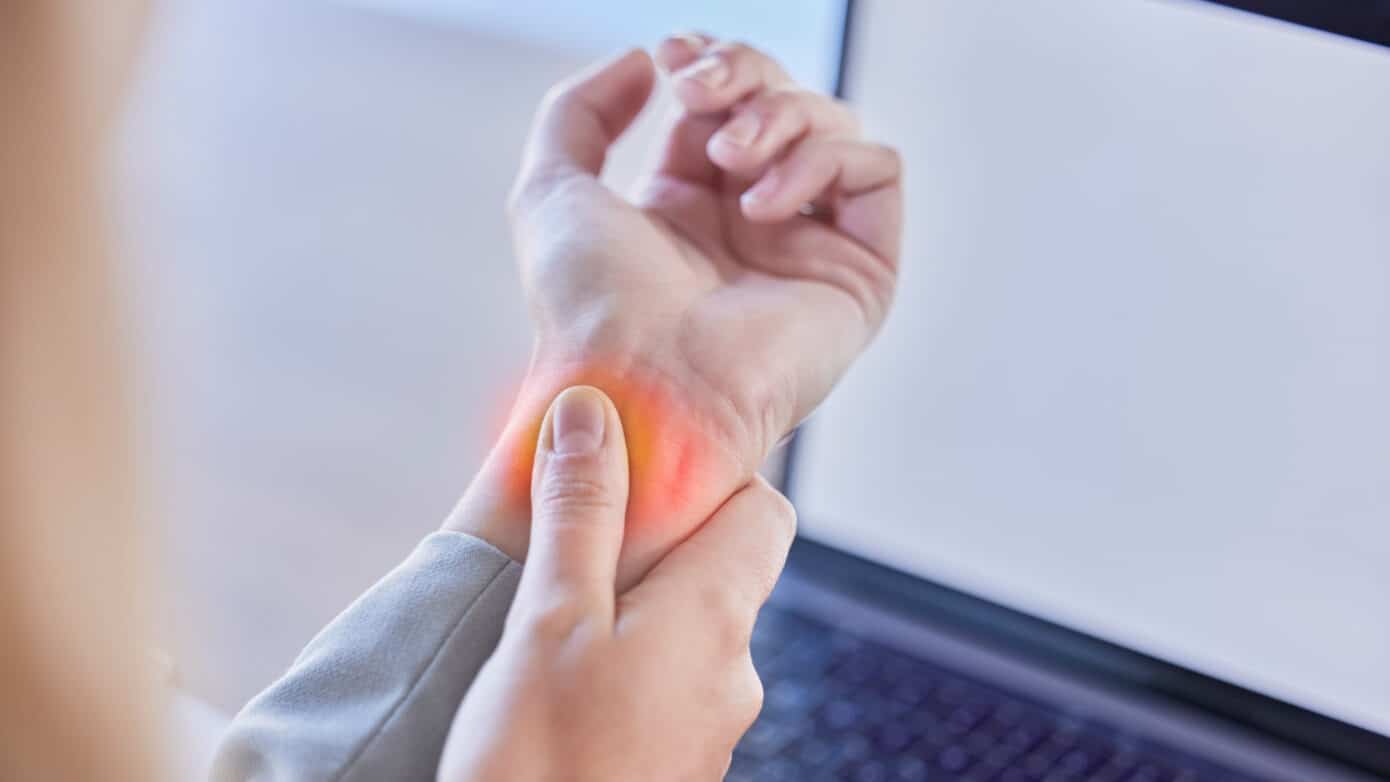
Relatyv - Wrist Pain

Pain In Hand And Wrist

Pain In Hand And Wrist 2560 1442 Relatyv

Understanding Hand and Wrist Pain

Hand and wrist pain can interfere with many of the activities you perform every day. Whether you’re typing, writing, lifting objects, preparing meals, or simply opening a door, pain in the hands or wrists can make even routine tasks difficult.

Because the hand and wrist contain a complex network of bones, joints, tendons, ligaments, muscles, nerves, and blood vessels, pain can develop from many different conditions. An accurate diagnosis is essential for identifying the source of your symptoms and determining the most appropriate treatment.

This guide explains common causes of hand and wrist pain, available treatment options, and how our Relatyv Neurofunctional Pain Management approach may complement your overall care plan when chronic pain is affecting your daily life.

Common Symptoms

Hand and wrist pain may occur with one or more of the following symptoms:

  • Aching, sharp, or burning pain.
  • Swelling or tenderness.
  • Stiffness and reduced range of motion.
  • Numbness or tingling in the fingers or hand.
  • Weak grip strength.
  • Difficulty holding or lifting objects.
  • Clicking or catching sensations during finger movement.
  • Pain that worsens with repetitive activities.

Common Causes of Hand and Wrist Pain

Repetitive Motion

Activities such as typing, writing, using tools, playing musical instruments, or repetitive work tasks can place ongoing stress on the muscles, tendons, and nerves of the hand and wrist.

Sprains and Fractures

Falls, sports injuries, and accidents can damage bones, ligaments, or other soft tissues, resulting in pain, swelling, bruising, and reduced function.

Tendonitis

Inflammation or irritation of the tendons may develop from repetitive use or overuse, leading to pain, swelling, and stiffness.

Nerve Compression

Compression or irritation of nerves in the wrist or hand can produce pain, numbness, tingling, and weakness.

Medical Conditions Associated with Hand and Wrist Pain

Carpal Tunnel Syndrome

Compression of the median nerve within the wrist can cause numbness, tingling, weakness, and pain that often affects the thumb, index finger, middle finger, and part of the ring finger.

Arthritis

Both osteoarthritis and inflammatory forms of arthritis, including rheumatoid arthritis, may cause joint pain, swelling, stiffness, and decreased hand function.

Gout

Gout is an inflammatory arthritis caused by uric acid crystal buildup within joints and can produce sudden episodes of severe pain, redness, and swelling.

Ganglion Cysts

Ganglion cysts are noncancerous fluid-filled sacs that commonly develop near joints or tendons and may cause discomfort or limit movement if they press on nearby structures.

Trigger Finger (Stenosing Tenosynovitis)

This condition causes one or more fingers to catch or lock during movement due to irritation of the flexor tendon.

When Should You Seek Medical Care?

You should schedule a medical evaluation if hand or wrist pain:

  • Persists for more than several days.
  • Interferes with work or daily activities.
  • Occurs with numbness, tingling, or weakness.
  • Makes it difficult to grip or hold objects.
  • Develops after an injury.

Seek emergency medical attention immediately if you experience severe pain after significant trauma, an obvious deformity, inability to move your fingers or wrist after an injury, sudden loss of circulation, severe swelling with numbness, or symptoms such as sudden weakness affecting one side of the body or difficulty speaking, which may indicate a medical emergency.

How Hand and Wrist Pain Is Diagnosed

Your healthcare provider may recommend:

  • Review of your medical history and symptoms.
  • Physical examination of the hand, wrist, and forearm.
  • Assessment of grip strength, sensation, flexibility, and range of motion.
  • X-rays to evaluate fractures, arthritis, or other bone abnormalities.
  • MRI or ultrasound to assess tendons, ligaments, and soft tissues.
  • Nerve conduction studies and electromyography (EMG) when nerve compression is suspected.
  • Blood tests when inflammatory or metabolic conditions are being considered.

Conventional Treatment Options

Treatment depends on the underlying diagnosis and severity of symptoms.

Rest and Activity Modification

Limiting activities that aggravate symptoms allows irritated tissues to recover and may help prevent additional injury.

Splints and Bracing

Wrist splints or braces may provide support, reduce strain on injured tissues, and help relieve symptoms associated with conditions such as carpal tunnel syndrome.

Medications

Your healthcare provider may recommend acetaminophen, nonsteroidal anti-inflammatory drugs (NSAIDs), topical medications, or other treatments depending on the cause of your pain.

Physical or Occupational Therapy

Therapy programs may improve strength, flexibility, joint mobility, hand function, and ergonomics while reducing pain.

Steroid Injections

Corticosteroid injections may be recommended for selected inflammatory conditions when conservative treatment has not provided adequate relief.

Surgery

For severe nerve compression, tendon injuries, fractures, or advanced arthritis, surgical treatment may be appropriate after careful evaluation.

Our Relatyv Neurofunctional Pain Management Approach

At Relatyv, our Neurofunctional Pain Management approach is designed to help manage chronic pain associated with neurological and musculoskeletal conditions. Our care complements appropriate medical evaluation and treatment rather than replacing it.

Each treatment plan is individualized based on your diagnosis, symptoms, and goals. Care may include electroanalgesia, IV therapy when clinically appropriate, nutritional support, and lifestyle recommendations that complement your existing medical care.

Our non-invasive, drug-free approach is intended to help reduce pain, improve function, and support overall well-being. Outcomes vary depending on the underlying cause of the condition.

Supporting Healthy Hand and Wrist Function

You may be able to reduce your risk of hand and wrist pain by:

  • Using proper ergonomics while working or typing.
  • Taking regular breaks during repetitive activities.
  • Performing stretching and strengthening exercises recommended by your healthcare provider.
  • Using proper lifting techniques and protective equipment during sports or work.
  • Managing chronic conditions such as arthritis or diabetes.
  • Seeking early treatment for persistent symptoms.

Take the Next Step Toward Better Hand Function

Hand and wrist pain can result from repetitive strain, arthritis, tendon disorders, nerve compression, injuries, or other medical conditions. Because treatment varies depending on the underlying cause, obtaining an accurate diagnosis is the first step toward improving comfort, mobility, and function.

At Relatyv, we provide personalized, non-invasive care designed to help reduce chronic pain and improve function. Our Neurofunctional Pain Management approach may complement your existing medical treatment while supporting improved mobility, comfort, and quality of life.


Relatyv - Congestion

Understanding Nasal Congestion

Understanding Nasal Congestion 2560 1442 Relatyv

Understanding Nasal Congestion

Nasal congestion, commonly known as a stuffy nose, occurs when the tissues lining the nasal passages become swollen or excess mucus blocks normal airflow. While it is often associated with the common cold or seasonal allergies, persistent congestion may indicate an underlying medical condition that requires evaluation.

Chronic nasal congestion can interfere with breathing, sleep quality, exercise, and your sense of smell and taste. Because it may be related to allergies, infections, structural changes, or other health conditions, identifying the underlying cause is an important step toward effective treatment.

This guide explains common causes of nasal congestion, associated conditions, available treatment options, and how our Relatyv Neurofunctional Pain Management approach may complement your overall care plan when chronic pain conditions contribute to your symptoms.

Common Symptoms

Depending on the cause, nasal congestion may occur with one or more of the following symptoms:

  • Difficulty breathing through the nose.
  • Runny nose or excessive mucus production.
  • Facial pressure or fullness.
  • Reduced sense of smell or taste.
  • Sneezing.
  • Postnasal drip.
  • Headaches or facial discomfort.
  • Sleep disturbances caused by difficulty breathing.

Common Causes of Nasal Congestion

Allergies

Environmental allergens such as pollen, dust mites, mold, and pet dander can trigger allergic rhinitis, leading to inflammation, excess mucus production, and nasal blockage.

Upper Respiratory Infections

Colds, influenza, and other viral infections commonly cause temporary nasal congestion as part of the body’s immune response.

Sinus Inflammation

Inflammation or infection of the sinuses can block normal drainage, resulting in congestion, facial pressure, and discomfort.

Structural Changes

Conditions such as nasal polyps or a deviated nasal septum may physically restrict airflow through the nasal passages.

Medical Conditions Associated with Nasal Congestion

Sinusitis

Acute or chronic sinusitis causes inflammation of the sinus cavities and may produce congestion, facial pain, thick nasal drainage, and pressure.

Allergic Rhinitis

Allergic rhinitis occurs when the immune system overreacts to airborne allergens, producing congestion, sneezing, itching, and watery eyes.

Nasal Polyps

These noncancerous growths develop within the nasal passages or sinuses and may contribute to persistent nasal blockage and decreased sense of smell.

Cluster Headaches

Cluster headaches may occur with nasal congestion on the same side as the headache, along with severe pain around one eye.

Migraine and Other Headache Disorders

Some headache disorders may produce symptoms that resemble sinus congestion, including facial pressure and nasal symptoms.

When Should You Seek Medical Care?

You should schedule a medical evaluation if nasal congestion:

  • Persists for more than 10 days.
  • Frequently returns or becomes chronic.
  • Occurs with significant facial pain or swelling.
  • Interferes with breathing, sleep, or daily activities.
  • Is associated with recurrent sinus infections.

Seek emergency medical attention immediately if you experience difficulty breathing, swelling involving the face or throat, high fever with severe facial swelling, confusion, vision changes, severe headache with neck stiffness, or symptoms of a serious allergic reaction such as widespread hives or difficulty swallowing.

How Nasal Congestion Is Diagnosed

Your healthcare provider may recommend:

  • Review of your medical history and symptoms.
  • Physical examination of the nose, sinuses, ears, and throat.
  • Allergy testing when allergic rhinitis is suspected.
  • Nasal endoscopy to evaluate the nasal passages.
  • CT or MRI imaging when chronic sinus disease or structural abnormalities are suspected.
  • Laboratory testing or nasal cultures when infection or other medical conditions are being considered.

Conventional Treatment Options

Treatment depends on the underlying cause of your nasal congestion.

Saline Nasal Irrigation

Saline sprays or rinses can help moisturize the nasal passages, thin mucus, and improve drainage without medication.

Medications

Your healthcare provider may recommend antihistamines, nasal corticosteroid sprays, decongestants, or other medications depending on whether allergies, infection, or inflammation are contributing to your symptoms.

Steam and Hydration

Warm steam and adequate hydration may help loosen mucus and temporarily improve comfort during upper respiratory illnesses.

Treatment of Underlying Conditions

Managing allergies, sinus infections, or other contributing medical conditions often improves chronic nasal congestion.

Surgery

When structural abnormalities such as large nasal polyps or a significantly deviated septum contribute to persistent symptoms that do not respond to conservative treatment, surgical intervention may be recommended.

Our Relatyv Neurofunctional Pain Management Approach

At Relatyv, our Neurofunctional Pain Management approach is designed to help manage chronic pain associated with neurological and musculoskeletal conditions. Our care complements appropriate medical evaluation and treatment rather than replacing it.

Each treatment plan is individualized based on your diagnosis, symptoms, and goals. Care may include electroanalgesia, IV therapy when clinically appropriate, nutritional support, and lifestyle recommendations that complement your existing medical care.

Our non-invasive, drug-free approach is intended to help reduce pain, improve function, and support overall well-being. Outcomes vary depending on the underlying cause of the condition.

Supporting Healthy Nasal Function

You may be able to reduce episodes of nasal congestion by:

  • Identifying and minimizing exposure to allergy triggers.
  • Using saline nasal irrigation when appropriate.
  • Staying well hydrated.
  • Maintaining good indoor air quality.
  • Seeking treatment for persistent allergy or sinus symptoms.
  • Following your healthcare provider’s recommendations for chronic conditions.

Breathe Easier with the Right Care

Although nasal congestion is often temporary, persistent symptoms may signal allergies, chronic sinus disease, structural changes, or other medical conditions that deserve professional evaluation. Identifying the underlying cause allows your healthcare provider to recommend the most appropriate treatment plan.

At Relatyv, we provide personalized, non-invasive care designed to help reduce chronic pain and improve function. Our Neurofunctional Pain Management approach may complement your existing medical treatment while supporting improved comfort, function, and quality of life.

Relatyv - hand spasm

Muscle Spasms In The Hand

Muscle Spasms In The Hand 2560 1440 Relatyv

Understanding Hand Muscle Spasms

Hand muscle spasms are sudden, involuntary muscle contractions that can cause discomfort, stiffness, or temporary loss of hand function. While occasional cramps may occur after overuse or dehydration, frequent or persistent hand spasms may indicate an underlying neurological, muscular, metabolic, or orthopedic condition that should be evaluated by a healthcare provider.

Because your hands are involved in nearly every daily activity, recurring muscle spasms can make it difficult to write, type, grip objects, prepare meals, or perform other routine tasks. Identifying the underlying cause is an important step toward selecting the most appropriate treatment.

This guide explains common causes of hand muscle spasms, associated medical conditions, available treatment options, and how our Relatyv Neurofunctional Pain Management approach may complement your overall care plan when chronic pain contributes to your symptoms.

Common Symptoms

Hand muscle spasms may occur with one or more of the following symptoms:

  • Sudden, involuntary muscle contractions.
  • Cramping or tightening of the hand or fingers.
  • Sharp, aching, or throbbing pain.
  • Twitching or visible muscle movements beneath the skin.
  • Temporary difficulty moving the hand or fingers.
  • Weakness following a muscle spasm.
  • Reduced grip strength.
  • Stiffness after the spasm resolves.

Common Causes of Hand Muscle Spasms

Muscle Overuse

Repetitive activities such as typing, writing, gripping tools, playing musical instruments, or prolonged manual labor can fatigue the hand muscles and trigger cramping or spasms.

Dehydration and Electrolyte Imbalances

Low fluid intake or deficiencies in electrolytes such as potassium, magnesium, or calcium can interfere with normal muscle function and contribute to muscle cramps.

Nerve Compression

Compression or irritation of nerves supplying the hand may lead to muscle spasms, weakness, numbness, or tingling.

Poor Circulation

Reduced blood flow caused by certain medical conditions or exposure to cold temperatures may contribute to muscle cramping in some individuals.

Medication Side Effects

Some prescription medications may contribute to muscle cramps or spasms. If you suspect your medication is causing symptoms, discuss your concerns with your healthcare provider before making any changes.

Medical Conditions Associated with Hand Muscle Spasms

Carpal Tunnel Syndrome

Compression of the median nerve at the wrist may contribute to muscle spasms along with numbness, tingling, pain, and reduced grip strength.

Peripheral Neuropathy

Peripheral nerve damage may produce muscle cramps, burning pain, numbness, tingling, or weakness affecting the hands.

Rheumatoid Arthritis

Inflammation involving the joints and surrounding tissues may contribute to pain, stiffness, and muscle spasms.

Hypothyroidism

An underactive thyroid can affect muscle function and may contribute to cramps, weakness, and stiffness.

Parkinson’s Disease

Neurological conditions such as Parkinson’s disease may affect muscle control and contribute to muscle spasms or rigidity.

Focal Hand Dystonia

This movement disorder most commonly affects individuals who perform repetitive, highly skilled hand movements, including musicians and some athletes.

When Should You Seek Medical Care?

You should schedule a medical evaluation if hand muscle spasms:

  • Become frequent or progressively worse.
  • Are accompanied by persistent pain.
  • Occur with numbness, tingling, or weakness.
  • Interfere with work or daily activities.
  • Do not improve with rest, hydration, or activity modification.

Seek emergency medical attention immediately if muscle spasms occur with sudden paralysis, severe weakness, loss of consciousness, difficulty speaking, chest pain, severe injury, or loss of circulation to the hand.

How Hand Muscle Spasms Are Diagnosed

Your healthcare provider may recommend:

  • Review of your medical history and symptoms.
  • Physical examination of the hand, wrist, and upper extremity.
  • Assessment of strength, sensation, reflexes, and coordination.
  • Blood tests to evaluate electrolyte levels, thyroid function, vitamin deficiencies, or other medical conditions.
  • X-rays or MRI imaging when structural problems are suspected.
  • Electromyography (EMG) and nerve conduction studies to evaluate muscle and nerve function.

Conventional Treatment Options

Treatment depends on the underlying diagnosis and severity of symptoms.

Home Care

Gentle stretching, massage, heat or cold therapy, adequate hydration, proper nutrition, and ergonomic modifications may help reduce occasional muscle spasms.

Medications

Your healthcare provider may recommend acetaminophen, nonsteroidal anti-inflammatory drugs (NSAIDs), muscle relaxants, or other medications based on the underlying cause of your symptoms.

Physical or Occupational Therapy

Therapy programs may improve flexibility, strength, hand function, and movement patterns while reducing muscle strain.

Treatment of Underlying Medical Conditions

Managing thyroid disorders, nerve compression, arthritis, electrolyte abnormalities, or other contributing conditions often helps reduce recurrent muscle spasms.

Surgery

In uncommon situations involving significant nerve compression or structural abnormalities that do not respond to conservative treatment, surgery may be recommended.

Our Relatyv Neurofunctional Pain Management Approach

At Relatyv, our Neurofunctional Pain Management approach is designed to help manage chronic pain associated with neurological and musculoskeletal conditions. Our care complements appropriate medical evaluation and treatment rather than replacing it.

Each treatment plan is individualized based on your diagnosis, symptoms, and goals. Care may include electroanalgesia, IV therapy when clinically appropriate, nutritional support, and lifestyle recommendations that complement your existing medical care.

Our non-invasive, drug-free approach is intended to help reduce pain, improve function, and support overall well-being. Outcomes vary depending on the underlying cause of the condition.

Supporting Healthy Hand Muscles

You may be able to reduce the risk of recurring muscle spasms by:

  • Staying well hydrated.
  • Maintaining a balanced diet with adequate electrolytes.
  • Taking breaks during repetitive hand activities.
  • Performing stretching and strengthening exercises.
  • Using proper ergonomics while working.
  • Managing chronic medical conditions with your healthcare provider.

Take the Next Step Toward Better Hand Function

Persistent hand muscle spasms may result from muscle fatigue, nerve compression, electrolyte imbalances, neurological disorders, or other medical conditions. Because treatment depends on identifying the underlying cause, obtaining an accurate diagnosis is an important first step toward improving comfort and restoring hand function.

At Relatyv, we provide personalized, non-invasive care designed to help reduce chronic pain and improve function. Our Neurofunctional Pain Management approach may complement your existing medical treatment while supporting improved mobility, comfort, and quality of life.

Relatyv - Chest Spasm

What Does It Mean If You Have Muscle Spasms In The Chest?

What Does It Mean If You Have Muscle Spasms In The Chest? 2560 1442 Relatyv

Understanding Chest Muscle Spasms

Chest muscle spasms are sudden, involuntary contractions of the muscles in the chest wall. These spasms may feel like cramping, tightness, twitching, or sharp pain and can range from mild discomfort to severe pain. Because the chest contains important structures including the heart and lungs, chest pain should always be evaluated carefully to determine its cause.

Many cases of chest muscle spasms are related to muscle strain, overuse, stress, or nerve irritation. However, chest pain can also be a symptom of serious medical conditions involving the heart or lungs. Identifying the underlying cause is essential for receiving the appropriate treatment.

This guide explains common causes of chest muscle spasms, associated medical conditions, available treatment options, and how our Relatyv Neurofunctional Pain Management approach may complement your overall care plan when chronic musculoskeletal pain contributes to your symptoms.

Common Symptoms

Chest muscle spasms may occur with one or more of the following symptoms:

  • Sudden muscle tightening or cramping.
  • Sharp, aching, or localized chest pain.
  • Tenderness when pressing on the affected muscle.
  • Muscle twitching.
  • Pain that worsens with movement or deep breathing.
  • Chest tightness.
  • Temporary muscle stiffness.
  • Discomfort after exercise or heavy lifting.

Common Causes of Chest Muscle Spasms

Muscle Strain

Overexertion during exercise, lifting heavy objects, repetitive movements, or sudden twisting motions can strain the chest muscles and trigger painful spasms.

Muscle Fatigue

Intense physical activity may overload the chest muscles, increasing the likelihood of cramping or involuntary contractions.

Stress and Anxiety

Emotional stress may contribute to muscle tension throughout the chest, shoulders, and upper back, which can increase the likelihood of muscle spasms in some individuals.

Nerve Irritation

Irritation or compression of nerves originating from the neck, upper back, or chest wall may contribute to muscle tightness or spasms.

Dehydration and Electrolyte Imbalances

Low fluid intake or abnormalities in electrolyte levels may interfere with normal muscle function and contribute to muscle cramping.

Medical Conditions Associated with Chest Muscle Spasms

Fibromyalgia

Fibromyalgia is a chronic pain condition that can cause widespread muscle pain, tenderness, and muscle spasms throughout the body, including the chest wall.

Costochondritis

Inflammation of the cartilage connecting the ribs to the breastbone can cause chest wall pain that is sometimes mistaken for muscle spasms or heart-related pain.

Coronary Artery Disease

Heart disease may cause chest discomfort that can sometimes be difficult to distinguish from musculoskeletal pain. A medical evaluation is essential whenever cardiac causes are possible.

Pulmonary Conditions

Certain lung conditions, including pulmonary embolism or pneumonia, may produce chest pain that requires prompt medical attention.

Gastrointestinal Conditions

Acid reflux, esophageal spasms, and other digestive disorders may also produce chest discomfort that can resemble muscle pain.

When Should You Seek Medical Care?

You should schedule a medical evaluation if chest muscle spasms:

  • Become frequent or progressively worse.
  • Persist despite rest.
  • Interfere with normal activities.
  • Occur after an injury.
  • Are associated with numbness, weakness, or ongoing muscle pain.

Seek emergency medical attention immediately if you experience chest pain accompanied by shortness of breath, pain radiating to the jaw, neck, shoulder, or arm, severe sweating, dizziness, fainting, coughing up blood, sudden severe weakness, irregular heartbeat, or any symptoms that could indicate a heart attack or pulmonary embolism.

How Chest Muscle Spasms Are Diagnosed

Your healthcare provider may recommend:

  • Review of your medical history and symptoms.
  • Physical examination of the chest, shoulders, neck, and back.
  • Assessment of muscle tenderness, posture, and range of motion.
  • Blood tests to evaluate for infection, electrolyte abnormalities, or other medical conditions.
  • Electrocardiogram (ECG) to evaluate heart function when appropriate.
  • Chest X-rays or CT imaging to assess the lungs, ribs, and surrounding structures.
  • Additional cardiac or pulmonary testing if serious medical conditions are suspected.

Conventional Treatment Options

Treatment depends on the underlying diagnosis and severity of symptoms.

Home Care

Heat therapy, gentle stretching, activity modification, massage, and posture correction may help relieve muscle tension associated with uncomplicated chest muscle spasms.

Medications

Your healthcare provider may recommend acetaminophen, nonsteroidal anti-inflammatory drugs (NSAIDs), muscle relaxants, or other medications depending on the cause of your symptoms.

Physical Therapy

Physical therapy may improve posture, flexibility, muscle strength, and movement patterns while reducing strain on the chest wall muscles.

Treatment of Underlying Conditions

When chest muscle spasms result from medical conditions such as fibromyalgia, nerve disorders, or gastrointestinal conditions, treating the underlying diagnosis is an important part of symptom management.

Our Relatyv Neurofunctional Pain Management Approach

At Relatyv, our Neurofunctional Pain Management approach is designed to help manage chronic pain associated with neurological and musculoskeletal conditions. Our care complements appropriate medical evaluation and treatment rather than replacing it.

Each treatment plan is individualized based on your diagnosis, symptoms, and goals. Care may include electroanalgesia, IV therapy when clinically appropriate, nutritional support, and lifestyle recommendations that complement your existing medical care.

Our non-invasive, drug-free approach is intended to help reduce pain, improve function, and support overall well-being. Outcomes vary depending on the underlying cause of the condition.

Supporting Healthy Chest Muscles

You may be able to reduce the risk of recurring chest muscle spasms by:

  • Staying well hydrated.
  • Maintaining proper posture during work and exercise.
  • Warming up before physical activity.
  • Using proper lifting techniques.
  • Managing stress through relaxation techniques and regular physical activity.
  • Seeking early evaluation for persistent chest pain.

Take Chest Pain Seriously

Chest muscle spasms are often related to muscle strain, overuse, or tension, but chest pain can also signal serious medical conditions involving the heart or lungs. Because symptoms can overlap, obtaining an accurate diagnosis is essential before beginning treatment.

At Relatyv, we provide personalized, non-invasive care designed to help reduce chronic pain and improve function. Our Neurofunctional Pain Management approach may complement your existing medical treatment while supporting improved comfort, mobility, and quality of life.

Relatyv - Armpit

Muscle Spasms In The Armpit: Understanding Why This Happens

Muscle Spasms In The Armpit: Understanding Why This Happens 2560 1442 Relatyv

Understanding Armpit Muscle Spasms

Muscle spasms beneath the armpit (axilla) are sudden, involuntary contractions that may cause discomfort, tightness, or sharp pain. While occasional spasms are often harmless and resolve on their own, recurring or persistent symptoms may indicate an underlying musculoskeletal, neurological, or medical condition that deserves evaluation.

The armpit contains several muscles, nerves, blood vessels, tendons, and lymph nodes that work together to support movement of the shoulder and arm. When one or more of these structures becomes irritated or injured, muscle spasms may develop.

This guide explains common causes of armpit muscle spasms, associated medical conditions, available treatment options, and how our Relatyv Neurofunctional Pain Management approach may complement your overall care plan when chronic pain contributes to your symptoms.

Common Symptoms

Armpit muscle spasms may occur with one or more of the following symptoms:

  • Sudden muscle tightening or cramping beneath the arm.
  • Sharp or localized pain in the armpit.
  • Muscle twitching beneath the skin.
  • Tenderness when touching the affected area.
  • Shoulder or upper arm discomfort.
  • Reduced range of motion in the shoulder.
  • Temporary muscle stiffness.
  • Discomfort that worsens with lifting or arm movement.

Common Causes of Armpit Muscle Spasms

Muscle Overuse and Strain

Heavy lifting, repetitive overhead activities, sports, or sudden movements can overload the muscles surrounding the shoulder and armpit, resulting in muscle spasms.

Nerve Compression

Compression or irritation of nerves traveling through the shoulder and armpit may contribute to muscle cramping, weakness, numbness, or tingling.

Dehydration and Electrolyte Imbalances

Inadequate hydration or low levels of electrolytes such as potassium or magnesium can interfere with normal muscle function and increase the likelihood of muscle cramps.

Injury

Trauma affecting the shoulder, chest, or upper arm may irritate nearby muscles and nerves, leading to temporary muscle spasms during the healing process.

Swollen Lymph Nodes

Enlarged lymph nodes caused by infection, inflammation, or other medical conditions may contribute to discomfort in the armpit and should be evaluated if they persist.

Medical Conditions Associated with Armpit Muscle Spasms

Thoracic Outlet Syndrome

This condition occurs when nerves or blood vessels between the collarbone and first rib become compressed, potentially causing pain, numbness, weakness, or muscle spasms.

Dystonia

Dystonia is a neurological movement disorder characterized by involuntary muscle contractions that may affect various parts of the body, including muscles around the shoulder and upper chest.

Peripheral Neuropathy

Damage to peripheral nerves may produce muscle spasms, weakness, numbness, tingling, or burning sensations.

Shoulder Disorders

Rotator cuff injuries, shoulder instability, or other musculoskeletal conditions may alter movement patterns and contribute to muscle tension around the armpit.

Less Common Causes

In uncommon situations, tumors or other structural abnormalities may contribute to pain or muscle spasms beneath the arm. Persistent swelling, enlarging masses, or unexplained symptoms should be evaluated promptly.

When Should You Seek Medical Care?

You should schedule a medical evaluation if armpit muscle spasms:

  • Become frequent or progressively worse.
  • Are accompanied by persistent pain.
  • Occur with numbness, tingling, or weakness.
  • Limit shoulder or arm movement.
  • Are associated with persistent swelling beneath the arm.

Seek emergency medical attention immediately if muscle spasms occur with chest pain, shortness of breath, sudden weakness, loss of consciousness, severe injury, inability to move the arm, or signs of a serious allergic reaction.

How Armpit Muscle Spasms Are Diagnosed

Your healthcare provider may recommend:

  • Review of your medical history and symptoms.
  • Physical examination of the shoulder, chest, neck, and armpit.
  • Assessment of strength, sensation, and range of motion.
  • Blood tests when infection, electrolyte abnormalities, or other medical conditions are suspected.
  • X-rays, ultrasound, MRI, or CT imaging to evaluate muscles, joints, lymph nodes, or surrounding structures.
  • Nerve conduction studies or electromyography (EMG) when nerve disorders are suspected.

Conventional Treatment Options

Treatment depends on the underlying diagnosis and severity of symptoms.

Activity Modification

Reducing activities that aggravate symptoms and allowing strained muscles to recover may help relieve muscle spasms.

Home Care

Gentle stretching, heat or cold therapy, hydration, and correcting ergonomic or movement habits may help reduce uncomplicated muscle spasms.

Medications

Your healthcare provider may recommend acetaminophen, nonsteroidal anti-inflammatory drugs (NSAIDs), muscle relaxants, anticonvulsant medications for certain nerve conditions, or other treatments depending on the underlying cause.

Physical Therapy

Physical therapy may improve shoulder mobility, posture, muscle balance, and strength while helping reduce strain on the surrounding muscles.

Injections or Surgery

In selected cases involving persistent trigger points, significant nerve compression, or structural abnormalities that do not improve with conservative treatment, injections or surgery may be considered.

Our Relatyv Neurofunctional Pain Management Approach

At Relatyv, our Neurofunctional Pain Management approach is designed to help manage chronic pain associated with neurological and musculoskeletal conditions. Our care complements appropriate medical evaluation and treatment rather than replacing it.

Each treatment plan is individualized based on your diagnosis, symptoms, and goals. Care may include electroanalgesia, IV therapy when clinically appropriate, nutritional support, and lifestyle recommendations that complement your existing medical care.

Our non-invasive, drug-free approach is intended to help reduce pain, improve function, and support overall well-being. Outcomes vary depending on the underlying cause of the condition.

Supporting Healthy Shoulder and Armpit Muscles

You may be able to reduce the risk of recurring muscle spasms by:

  • Staying well hydrated.
  • Maintaining adequate electrolyte intake.
  • Using proper lifting techniques.
  • Stretching before strenuous activity.
  • Strengthening the shoulder and upper back muscles.
  • Seeking early evaluation for persistent shoulder or nerve symptoms.

Take the Next Step Toward Better Comfort

Armpit muscle spasms can result from muscle strain, nerve irritation, dehydration, shoulder disorders, or other medical conditions. Because symptoms may overlap with more serious conditions, obtaining an accurate diagnosis is an important first step toward effective treatment and improved function.

At Relatyv, we provide personalized, non-invasive care designed to help reduce chronic pain and improve function. Our Neurofunctional Pain Management approach may complement your existing medical treatment while supporting improved mobility, comfort, and quality of life.

Relatyv - Leg Vein

Exploring Different Causes Behind Saphenous Vein Pain

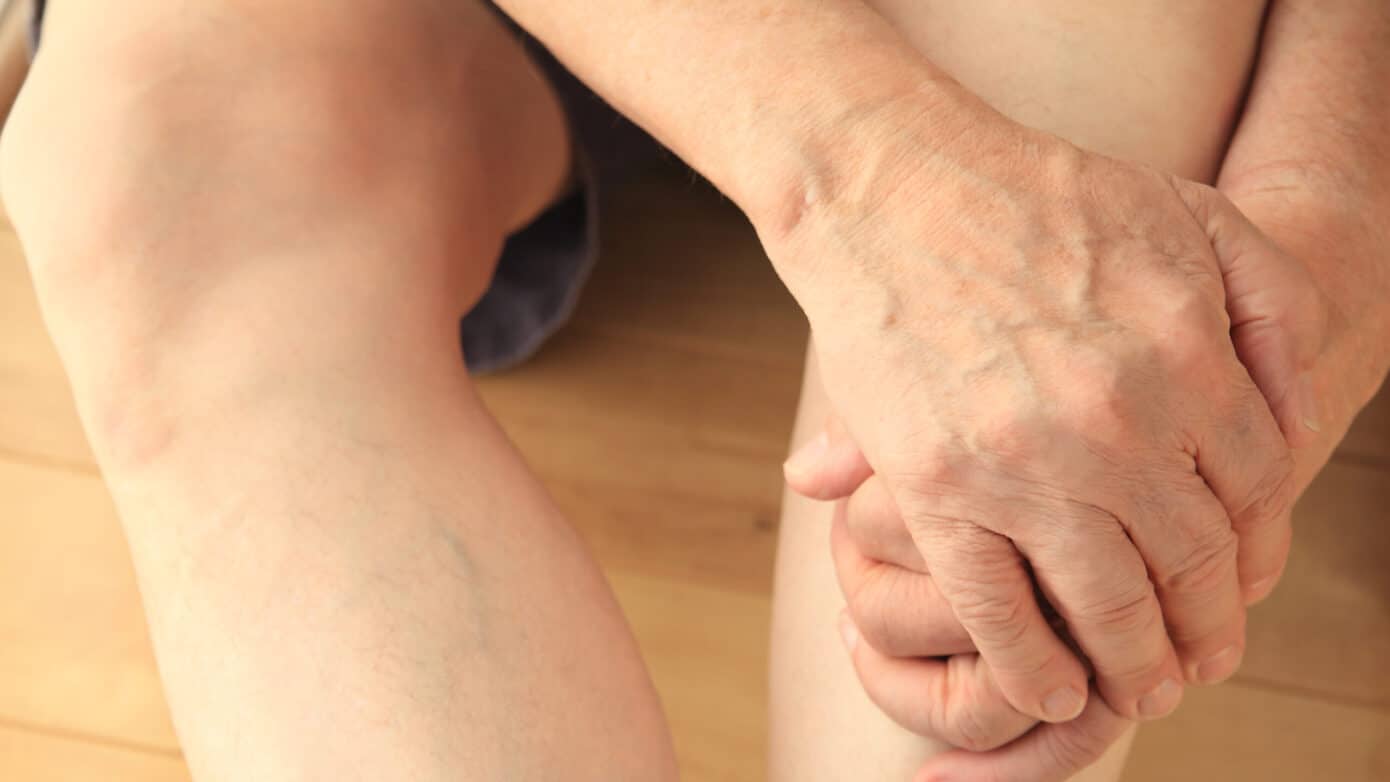
Exploring Different Causes Behind Saphenous Vein Pain 2560 1442 Relatyv

Understanding Saphenous Vein Pain

The saphenous veins are the two largest superficial veins in the legs. The great saphenous vein runs along the inside of the leg from the foot to the groin, while the small saphenous vein travels along the back of the calf before joining deeper veins behind the knee. These veins play an important role in returning blood from the legs back to the heart.

Pain involving the saphenous veins can range from a mild ache to persistent throbbing discomfort that becomes worse after prolonged standing, walking, or sitting. Because vein pain may be associated with circulatory disorders, obtaining an accurate diagnosis is essential to determine the underlying cause and guide appropriate treatment.

This guide explains common symptoms, potential causes, associated medical conditions, conventional treatment options, and how our Relatyv Neurofunctional Pain Management approach may complement your overall care plan when chronic pain affects your mobility and quality of life.

Common Symptoms

Saphenous vein pain may occur with one or more of the following symptoms:

  • Throbbing, aching, or burning pain along the inner leg or calf.
  • Swelling around the affected area.
  • Visible varicose or enlarged veins.
  • Leg heaviness or fatigue.
  • Tenderness when touching the vein.
  • Warmth or redness over the vein.
  • Skin discoloration around the lower leg.
  • Itching or irritation near affected veins.

Common Factors That Can Worsen Vein Pain

Prolonged Standing or Sitting

Remaining in one position for extended periods can increase pressure within the leg veins and contribute to discomfort and swelling.

Excess Body Weight

Carrying additional weight increases pressure on the veins and may worsen symptoms of venous disease.

Pregnancy

Hormonal changes and increased pressure on the veins during pregnancy may contribute to varicose veins and leg discomfort.

Heavy Lifting

Activities that significantly increase abdominal pressure may temporarily increase pressure within the leg veins.

Limited Physical Activity

A sedentary lifestyle may reduce circulation and contribute to worsening symptoms in individuals with venous disease.

Medical Conditions Associated with Saphenous Vein Pain

Chronic Venous Insufficiency

Chronic venous insufficiency occurs when vein valves do not function effectively, allowing blood to pool in the legs. Symptoms commonly include aching, swelling, heaviness, skin changes, and varicose veins.

Varicose Veins

Enlarged, twisted veins may develop when vein valves weaken, resulting in visible veins, discomfort, swelling, and leg fatigue.

Superficial Thrombophlebitis

Inflammation of a superficial vein may cause localized redness, warmth, tenderness, and pain along the affected vein.

Deep Vein Thrombosis (DVT)

Deep vein thrombosis is the formation of a blood clot in a deep vein. Although the clot usually develops deeper than the saphenous veins, symptoms may include leg pain, swelling, warmth, and tenderness. DVT requires prompt medical evaluation because it can lead to serious complications.

Post-Thrombotic Syndrome

Some individuals develop ongoing swelling, discomfort, skin changes, and chronic pain following a previous deep vein thrombosis.

Venous Ulcers

Poor circulation associated with chronic venous disease may eventually contribute to slow-healing ulcers, most commonly around the ankles.

When Should You Seek Medical Care?

You should schedule a medical evaluation if vein pain:

  • Persists or progressively worsens.
  • Is accompanied by increasing swelling.
  • Interferes with walking or daily activities.
  • Occurs with skin discoloration or skin breakdown.
  • Develops alongside new or worsening varicose veins.

Seek emergency medical attention immediately if you experience sudden leg swelling, severe calf pain, chest pain, shortness of breath, coughing up blood, or symptoms suggesting a possible blood clot or pulmonary embolism.

How Saphenous Vein Pain Is Diagnosed

Your healthcare provider may recommend:

  • Review of your medical history and symptoms.
  • Physical examination of your legs and circulation.
  • Duplex ultrasound to evaluate blood flow, vein valves, and blood clots.
  • Blood tests when clotting disorders or other medical conditions are suspected.
  • Additional vascular imaging in selected situations.

Conventional Treatment Options

Treatment depends on the underlying diagnosis and severity of your symptoms.

Lifestyle Modifications

Regular walking, weight management, leg elevation, avoiding prolonged standing or sitting, and compression stockings may help improve circulation and reduce symptoms.

Medications

Your healthcare provider may recommend medications such as nonsteroidal anti-inflammatory drugs (NSAIDs) for discomfort or anticoagulants (blood thinners) when blood clots are present or suspected.

Compression Therapy

Graduated compression stockings are commonly recommended to improve venous blood flow and reduce swelling.

Minimally Invasive Vein Procedures

Procedures such as sclerotherapy, radiofrequency ablation, endovenous laser therapy, ambulatory phlebectomy, or microphlebectomy may be appropriate for selected patients with symptomatic varicose veins or chronic venous insufficiency.

Surgery

In more advanced cases, surgical treatment may be considered when conservative measures and minimally invasive procedures are not appropriate or have not provided adequate improvement.

Our Relatyv Neurofunctional Pain Management Approach

At Relatyv, our Neurofunctional Pain Management approach is designed to help manage chronic pain associated with neurological and musculoskeletal conditions. Our care complements appropriate medical evaluation and treatment rather than replacing it.

Each treatment plan is individualized based on your diagnosis, symptoms, and goals. Care may include electroanalgesia, IV therapy when clinically appropriate, nutritional support, and lifestyle recommendations that complement your existing medical care.

Our non-invasive, drug-free approach is intended to help reduce pain, improve function, and support overall well-being. Outcomes vary depending on the underlying cause of the condition.

Supporting Healthy Vein Function

You may be able to support healthy circulation by:

  • Walking regularly to encourage blood flow.
  • Maintaining a healthy weight.
  • Elevating your legs when resting.
  • Avoiding prolonged sitting or standing whenever possible.
  • Wearing compression stockings if recommended by your healthcare provider.
  • Seeking early evaluation for persistent swelling or vein discomfort.

Take the Next Step Toward Better Leg Health

Saphenous vein pain can result from chronic venous insufficiency, varicose veins, inflammation, or other vascular conditions. Because some causes may require prompt medical treatment, obtaining an accurate diagnosis is essential for developing an effective care plan.

At Relatyv, we provide personalized, non-invasive care designed to help reduce chronic pain and improve function. Our Neurofunctional Pain Management approach may complement your existing medical treatment while supporting improved mobility, comfort, and quality of life.
Back to top
Privacy Preferences

When you visit our website, it may store information through your browser from specific services, usually in the form of cookies. Here you can change your Privacy preferences. It is worth noting that blocking some types of cookies may impact your experience on our website and the services we are able to offer.

Click to enable/disable Google Analytics tracking code.
Click to enable/disable Google Fonts.
Click to enable/disable Google Maps.
Click to enable/disable video embeds.
Our website uses cookies, mainly from 3rd party services. Define your Privacy Preferences and/or agree to our use of cookies.