

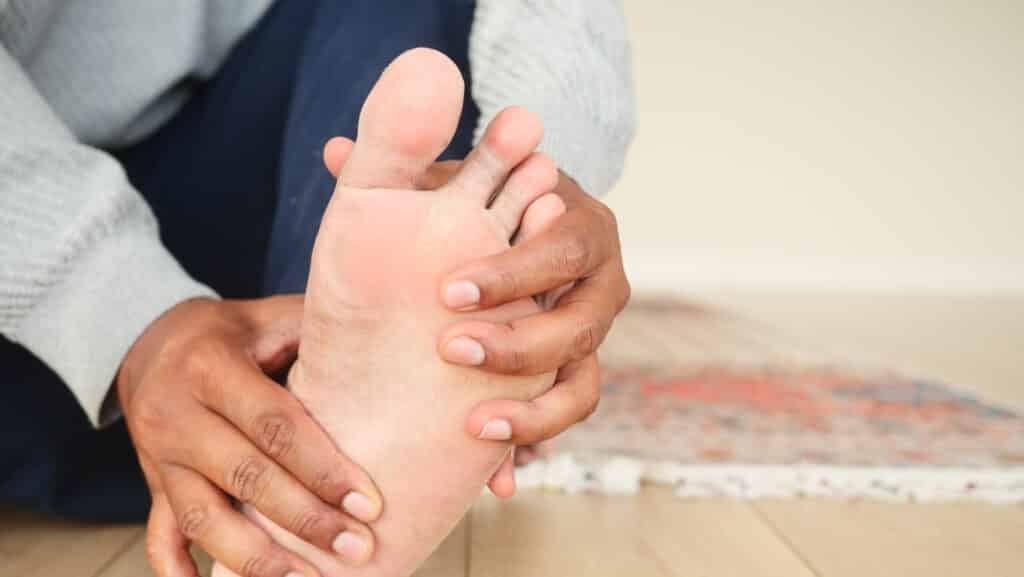
Understanding Foot Ligament Pain
The foot is a remarkably complex structure made up of bones, joints, ligaments, tendons, muscles, and nerves that work together to provide stability, absorb shock, and support movement. Ligaments are strong bands of connective tissue that connect bones to one another, helping maintain proper joint alignment during walking, running, and other daily activities.
When a ligament becomes stretched, torn, inflamed, or weakened, it can lead to foot pain, swelling, instability, and difficulty bearing weight. While many ligament injuries heal with appropriate treatment, persistent pain may indicate a more significant injury or an underlying medical condition that requires evaluation.
This guide explains common causes of foot ligament pain, available treatment options, and how our Relatyv Neurofunctional Pain Management approach may complement your overall care plan when chronic pain is contributing to your symptoms.
Common Symptoms
Foot ligament injuries and disorders may cause:
- Pain while standing or walking.
- Swelling around the foot or ankle.
- Bruising after an injury.
- Stiffness.
- Limited range of motion.
- Difficulty bearing weight.
- A feeling of instability or the foot “giving way.”
- Pain that worsens with activity.
Common Causes of Foot Ligament Pain
Ligament Sprains
Sprains occur when a ligament is stretched or partially torn, often after twisting the foot or rolling the ankle. Depending on the severity, sprains range from mild stretching to complete ligament tears.
Ligament Tears
More severe injuries can result in partial or complete tears of the ligament, causing significant pain, swelling, bruising, and instability that may require advanced treatment.
Overuse Injuries
Repeated stress from running, jumping, prolonged standing, or high-impact sports can place excessive strain on the ligaments of the foot over time.
Age-Related Degeneration
As ligaments naturally lose flexibility with age, they may become more susceptible to injury and slower to heal.
Medical Conditions Associated with Foot Ligament Pain
Plantar Fasciitis
Although technically involving the plantar fascia rather than a true ligament injury, plantar fasciitis is one of the most common causes of heel and arch pain and may significantly affect walking and daily activities.
Lisfranc Injury
Injuries involving the midfoot ligaments can cause pain, swelling, bruising, and instability that often require prompt medical evaluation.
Tendinitis
Inflammation of nearby tendons may coexist with ligament injuries and contribute to foot pain and reduced mobility.
Arthritis
Osteoarthritis and inflammatory arthritis can affect the joints of the foot, contributing to chronic pain, stiffness, and altered mechanics that place additional stress on surrounding ligaments.
Stress Fractures and Fifth Metatarsal Fractures
Bone injuries may produce symptoms similar to ligament injuries and should be considered when pain develops after trauma or repetitive stress.
When Should You Seek Medical Care?
You should schedule a medical evaluation if foot pain:
- Persists for more than several days after an injury.
- Prevents you from walking normally.
- Returns repeatedly during activity.
- Is accompanied by significant swelling or bruising.
- Does not improve with rest and conservative care.
Seek immediate medical attention if you are unable to bear weight, notice severe deformity, experience numbness or loss of circulation in the foot, develop signs of infection such as fever and spreading redness, or sustain a significant traumatic injury.
How Foot Ligament Injuries Are Diagnosed
Your healthcare provider may recommend:
- Medical history review.
- Physical examination.
- Assessment of joint stability and range of motion.
- X-rays to evaluate for fractures or joint abnormalities.
- MRI or ultrasound to assess ligament and tendon injuries.
- CT scans for complex foot injuries when appropriate.
Conventional Treatment Options
Treatment depends on the severity of the injury and the structures involved.
RICE Therapy
Rest, ice, compression, and elevation (RICE) are commonly recommended during the early stages of many acute ligament injuries to help reduce pain and swelling.
Immobilization
Walking boots, braces, splints, or casts may be used to protect injured ligaments while they heal.
Physical Therapy
Rehabilitation exercises help restore strength, flexibility, balance, and normal walking mechanics while reducing the risk of future injuries.
Medications
Your healthcare provider may recommend acetaminophen or nonsteroidal anti-inflammatory drugs (NSAIDs) to help manage pain when appropriate.
Surgery
Complete ligament ruptures, unstable Lisfranc injuries, or injuries involving fractures may require surgical repair or reconstruction.
Our Relatyv Neurofunctional Pain Management Approach
At Relatyv, our Neurofunctional Pain Management approach is designed to help manage chronic pain associated with neurological and musculoskeletal conditions. Our care complements appropriate medical evaluation and treatment rather than replacing it.
Each treatment plan is individualized based on your diagnosis, symptoms, and goals. Care may include electroanalgesia, IV therapy when clinically appropriate, nutritional support, and lifestyle recommendations that complement your existing medical care.
While treatment may help reduce pain and improve function for some individuals, outcomes vary depending on the underlying cause of the condition.
Supporting Foot Health
You may be able to reduce your risk of ligament injuries by:
- Wearing supportive, properly fitting footwear.
- Maintaining a healthy body weight.
- Strengthening the muscles of the feet, ankles, and lower legs.
- Gradually increasing exercise intensity.
- Stretching before and after physical activity.
- Using caution when walking or running on uneven surfaces.
Find Relief from Chronic Foot Pain
Foot ligament pain can make everyday activities such as walking, exercising, or standing for long periods increasingly difficult. Because many different injuries and medical conditions can produce similar symptoms, obtaining an accurate diagnosis is essential for developing the most effective treatment plan.
At Relatyv, we provide personalized, non-invasive care designed to help reduce chronic pain and improve function. Our Neurofunctional Pain Management approach may complement your existing medical treatment while supporting improved mobility, comfort, and quality of life.