

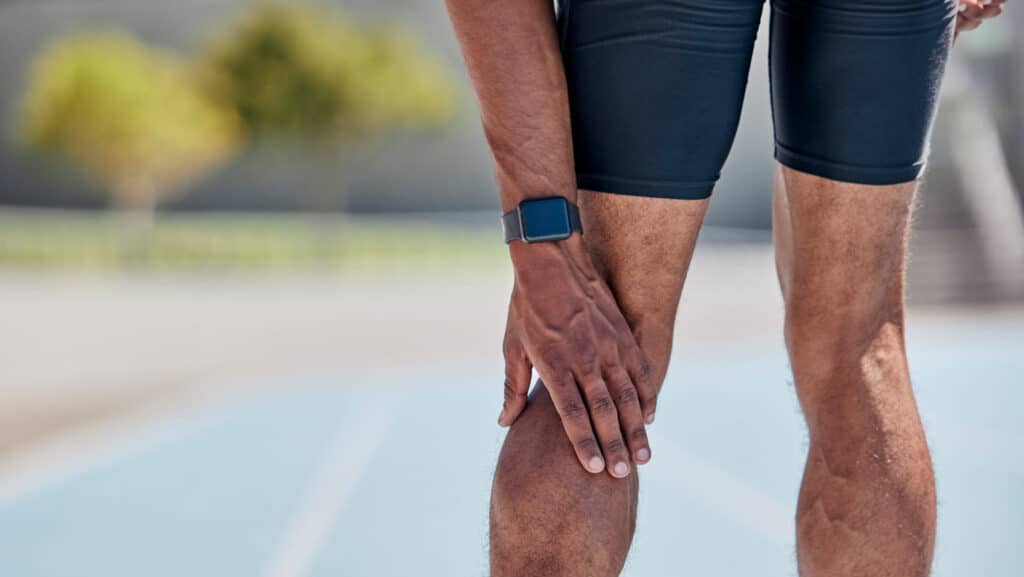
Understanding Tendon Pain Behind the Knee
Pain behind the knee can interfere with walking, climbing stairs, exercising, and other daily activities. One possible source is irritation or injury to the tendons that support the back of the knee. While tendon pain is often related to overuse, it can also result from injury or underlying medical conditions. Because many structures are located behind the knee, an accurate diagnosis is essential for effective treatment.
This guide explains common causes of tendon pain behind the knee, treatment options, and how our Relatyv Neurofunctional Pain Management approach may complement your overall care plan when chronic pain is contributing to your symptoms.
Anatomy of the Back of the Knee
The back of the knee contains multiple tendons, muscles, ligaments, nerves, blood vessels, and other soft tissues that work together to stabilize the joint and allow smooth movement.
Important structures include the hamstring tendons, popliteus muscle, calf muscles, and major stabilizing ligaments. Injury or inflammation affecting any of these tissues may cause pain, stiffness, swelling, or difficulty bending the knee.
Common Symptoms
Tendon pain behind the knee may be accompanied by:
- Pain when walking, running, or jumping.
- Tenderness behind the knee.
- Swelling.
- Stiffness.
- Pain when bending or straightening the leg.
- Reduced range of motion.
- Difficulty bearing weight.
Common Causes of Tendon Pain Behind the Knee
Overuse
Repetitive activities such as running, jumping, or frequent squatting may overload the tendons, leading to irritation and pain.
Strains and Sprains
Sudden twisting, overstretching, or athletic injuries may damage muscles, tendons, or ligaments surrounding the knee.
Traumatic Injury
Falls, direct blows, or sports injuries may injure the soft tissues behind the knee, resulting in pain and swelling.
Joint Alignment Problems
Abnormal knee mechanics or altered movement patterns may place excessive stress on tendons over time.
Medical Conditions Associated with Pain Behind the Knee
Baker’s Cyst
A Baker’s cyst is a fluid-filled swelling that develops behind the knee, often in association with arthritis or cartilage injuries.
Patellar Tendinopathy
Injury or degeneration of the patellar tendon may contribute to pain around or behind the knee, particularly during jumping or running activities.
Hamstring Tendon Injury
Strains or tears involving the hamstring muscles or tendons commonly produce pain behind the knee and along the back of the thigh.
Knee Osteoarthritis
Arthritis can cause pain, stiffness, swelling, and reduced mobility that may be felt throughout the knee, including the back of the joint.
Meniscus Tear
Damage to the meniscus may cause pain, swelling, locking, or catching sensations within the knee.
Bursitis
Inflammation of the fluid-filled bursae around the knee may result in localized tenderness and swelling.
Deep Vein Thrombosis (DVT)
Although less common, a blood clot in the leg can cause pain, swelling, warmth, and tenderness behind the knee. Because DVT can become a medical emergency, prompt evaluation is essential.
When Should You Seek Medical Care?
You should schedule a medical evaluation if knee pain:
- Persists despite rest.
- Limits walking or daily activities.
- Is accompanied by swelling or instability.
- Develops after a sports injury.
- Continues to worsen over time.
Seek immediate medical attention if you experience severe swelling, inability to bear weight, obvious deformity, significant redness or warmth, fever, sudden calf swelling, chest pain, or shortness of breath, as these symptoms may indicate a serious injury or a blood clot.
How Tendon Pain Behind the Knee Is Diagnosed
Your healthcare provider may recommend:
- Medical history review.
- Physical examination.
- Assessment of knee stability and range of motion.
- X-rays to evaluate the joint.
- MRI or ultrasound to assess tendons, ligaments, cartilage, or other soft tissues.
- Blood tests if infection or inflammatory disease is suspected.
Conventional Treatment Options
Treatment depends on the underlying cause of your symptoms.
Activity Modification
Reducing activities that aggravate symptoms may allow injured tissues to heal while preventing further strain.
Medications
Your healthcare provider may recommend nonsteroidal anti-inflammatory drugs (NSAIDs) or other medications to help manage pain and inflammation when appropriate.
Physical Therapy
Physical therapy can improve strength, flexibility, balance, and knee mechanics while supporting recovery and reducing the risk of future injury.
Injections
For certain knee conditions, corticosteroid or other therapeutic injections may be considered to reduce inflammation and improve function.
Surgery
Severe tendon injuries, ligament tears, meniscus damage, or structural knee problems may require surgical treatment when conservative therapies are unsuccessful.
Our Relatyv Neurofunctional Pain Management Approach
At Relatyv, our Neurofunctional Pain Management approach is designed to help manage chronic pain associated with neurological and musculoskeletal conditions. Our care complements appropriate medical evaluation and treatment rather than replacing it.
Each treatment plan is individualized based on your diagnosis, symptoms, and goals. Care may include electroanalgesia, IV therapy when clinically appropriate, nutritional support, and lifestyle recommendations that complement your existing medical care.
While treatment may help reduce pain and improve function for some individuals, outcomes vary depending on the underlying cause of the condition.
Supporting Healthy Knee Function
You may be able to reduce your risk of tendon injuries by:
- Warming up before physical activity.
- Gradually increasing exercise intensity.
- Strengthening the muscles surrounding the knee.
- Maintaining flexibility through regular stretching.
- Using proper footwear during sports and exercise.
- Allowing adequate recovery after strenuous activity.
Find Relief from Chronic Knee Pain
Pain behind the knee can have many different causes, ranging from tendon injuries to arthritis or other medical conditions. An accurate diagnosis is essential for identifying the source of your symptoms and developing an individualized treatment plan.
At Relatyv, we provide personalized, non-invasive care designed to help reduce chronic pain and improve function. Our Neurofunctional Pain Management approach may complement your existing medical treatment while supporting improved mobility, comfort, and quality of life.