

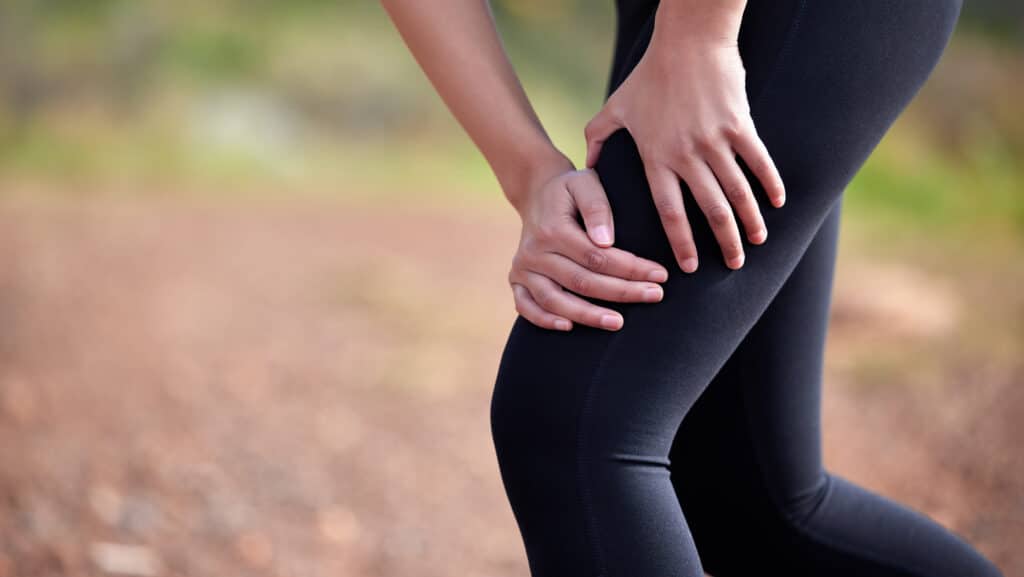
Understanding Front Thigh Pain
Pain in the front of the thigh most commonly involves the quadriceps muscle group, which is made up of four muscles that work together to straighten the knee, stabilize the leg, and support activities such as walking, climbing stairs, running, and standing from a seated position.
Front thigh pain can result from muscle strain, overuse, nerve irritation, or conditions affecting the hip or lower back. While many cases improve with conservative care, persistent pain or weakness should be evaluated by a healthcare provider to determine the underlying cause.
This guide explains common causes of front thigh pain, treatment options, and how our Relatyv Neurofunctional Pain Management approach may complement your overall care plan when chronic pain is contributing to your symptoms.
Common Symptoms
Depending on the cause, front thigh pain may be accompanied by:
- Dull, aching, sharp, or throbbing pain.
- Muscle tenderness.
- Stiffness or tightness.
- Reduced range of motion.
- Muscle weakness.
- Burning, tingling, or numbness if nerves are involved.
- Pain that worsens during walking, running, climbing stairs, or prolonged sitting.
Common Causes of Front Thigh Pain
Muscle Strain
Overstretching or overloading the quadriceps muscles during sports, exercise, or physical activity can lead to muscle strains ranging from mild to severe.
Overuse Injuries
Repetitive activities such as running, cycling, or jumping may gradually irritate the muscles and surrounding tissues.
Muscle Imbalances
Weakness or tightness in the hips, thighs, or core muscles can alter movement patterns and increase stress on the quadriceps.
Traumatic Injury
Falls, direct blows, or sports injuries can cause bruising, muscle tears, or other injuries involving the front of the thigh.
Nerve Irritation
Compression or irritation of nerves originating in the lower back or pelvis may produce pain, tingling, burning, or numbness in the front of the thigh.
Medical Conditions Associated with Front Thigh Pain
Iliotibial Band Syndrome (IT Band Syndrome)
Tightness or irritation of the iliotibial band may contribute to pain that extends along the outside or front of the thigh during physical activity.
Femoral Nerve Compression
Compression of the femoral nerve can cause pain, weakness, numbness, or altered sensation in the front of the thigh.
Myofascial Pain Syndrome
Trigger points within muscles may produce localized pain or referred discomfort throughout the thigh.
Hip Labral Tear
Damage to the cartilage surrounding the hip socket may cause pain that radiates into the front of the thigh, particularly during movement.
Bursitis
Inflammation of the bursae around the hip can cause pain that extends into the upper front thigh, especially when walking or climbing stairs.
When Should You Seek Medical Care?
You should schedule a medical evaluation if front thigh pain:
- Persists for more than several days or continues to worsen.
- Interferes with walking or daily activities.
- Occurs with significant muscle weakness.
- Returns repeatedly with activity.
- Is associated with numbness or tingling.
Seek immediate medical attention if you experience sudden inability to bear weight, severe swelling following an injury, significant deformity, loss of sensation, loss of bladder or bowel control, or rapidly progressing weakness.
How Front Thigh Pain Is Diagnosed
Your healthcare provider may recommend:
- Medical history review.
- Physical examination.
- Assessment of muscle strength and flexibility.
- Neurological evaluation if nerve involvement is suspected.
- X-rays to evaluate the hip or femur when appropriate.
- MRI or ultrasound to assess muscle, tendon, or soft tissue injuries.
- Electromyography (EMG) or nerve conduction studies for suspected nerve disorders.
Conventional Treatment Options
Treatment depends on the underlying cause and severity of the condition.
Activity Modification
Reducing or temporarily avoiding activities that worsen symptoms allows injured muscles and surrounding tissues time to recover.
Ice and Heat Therapy
Ice may help reduce pain and swelling during the early stages of an injury, while heat may help relax tight muscles during recovery.
Physical Therapy
Physical therapy can improve flexibility, strength, balance, and movement patterns while helping reduce the risk of recurring injuries.
Medications
Your healthcare provider may recommend acetaminophen, nonsteroidal anti-inflammatory drugs (NSAIDs), or other medications based on your diagnosis.
Massage Therapy
Massage therapy may help relieve muscle tightness and improve comfort for some individuals when incorporated into an overall rehabilitation plan.
Injections
Depending on the diagnosis, corticosteroid or other image-guided injections may be appropriate for selected inflammatory conditions.
Surgery
Although uncommon, surgery may be recommended for severe muscle tears, hip injuries, or structural abnormalities that do not respond to conservative treatment.
Our Relatyv Neurofunctional Pain Management Approach
At Relatyv, our Neurofunctional Pain Management approach is designed to help manage chronic pain associated with neurological and musculoskeletal conditions. Our care complements appropriate medical evaluation and treatment rather than replacing it.
Each treatment plan is individualized based on your diagnosis, symptoms, and goals. Care may include electroanalgesia, IV therapy when clinically appropriate, nutritional support, and lifestyle recommendations that complement your existing medical care.
While treatment may help reduce pain and improve function for some individuals, outcomes vary depending on the underlying cause of the condition.
Supporting Healthy Thigh Muscles
You may be able to reduce your risk of front thigh pain by:
- Warming up before exercise.
- Stretching regularly to maintain flexibility.
- Strengthening the hips, core, and leg muscles.
- Increasing exercise intensity gradually.
- Maintaining proper hydration.
- Allowing adequate recovery between strenuous activities.
Find Relief from Chronic Front Thigh Pain
Front thigh pain can result from muscle injuries, nerve irritation, hip conditions, or other musculoskeletal disorders. Because several conditions produce similar symptoms, obtaining an accurate diagnosis is essential for developing the most effective treatment plan.
At Relatyv, we provide personalized, non-invasive care designed to help reduce chronic pain and improve function. Our Neurofunctional Pain Management approach may complement your existing medical treatment while supporting improved mobility, comfort, and quality of life.