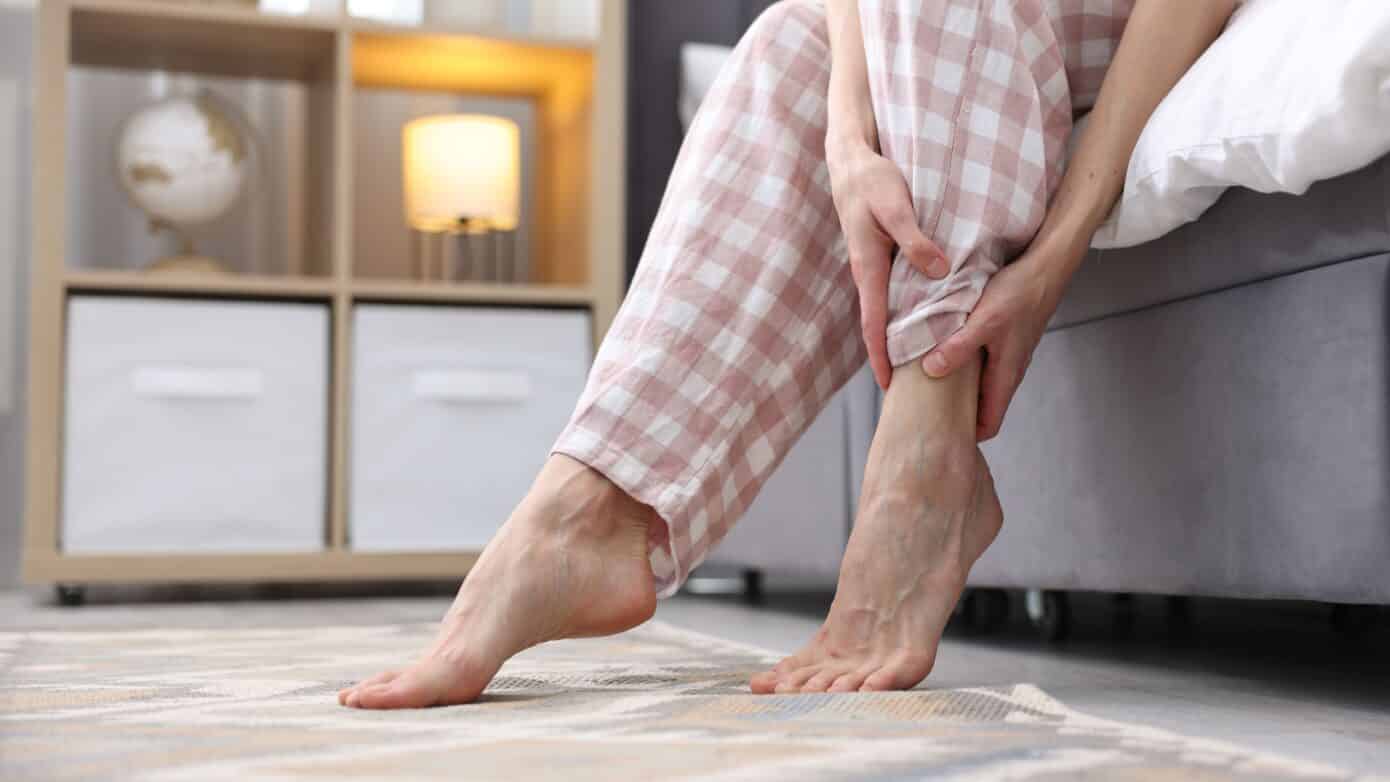
Symptoms

Relatyv - Pupil Constriction

Pupil Constriction Induced By Cluster Headaches

Pupil Constriction Induced By Cluster Headaches 10000 5633 Relatyv

Cluster Headaches and Pupil Constriction (Miosis)

Cluster headaches are a rare but severe type of headache characterized by intense pain on one side of the head, often occurring in recurring cycles or “clusters.” During an attack, some people also experience changes involving the eye on the affected side, including pupil constriction (miosis), tearing, redness, or a drooping eyelid.

This guide explains why pupil constriction occurs with cluster headaches, associated symptoms, treatment options, and how our Relatyv Neurofunctional Pain Management approach may complement your overall treatment plan.

What Is Pupil Constriction?

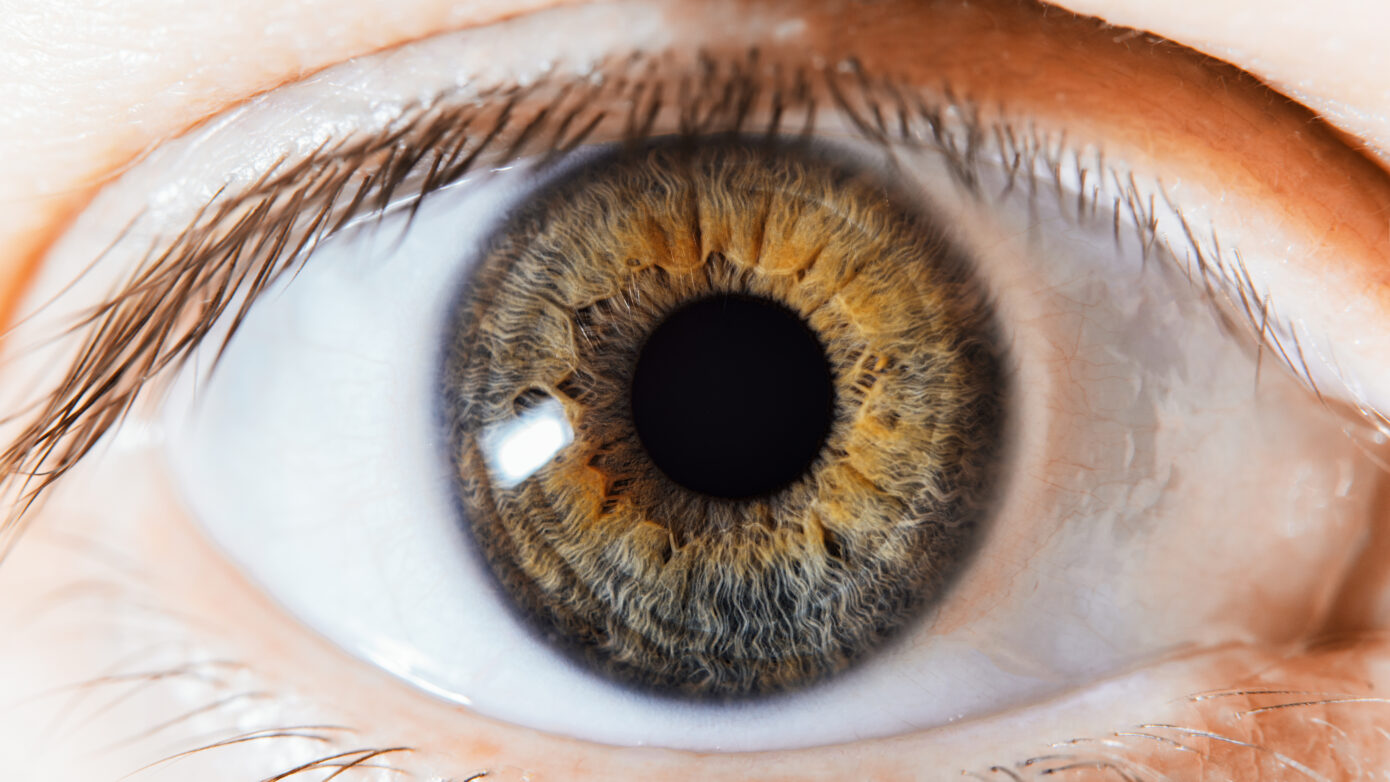
Pupil constriction, also known as miosis, occurs when the opening in the center of the eye becomes smaller. Normally, the pupils continuously adjust to changes in lighting conditions.

During a cluster headache attack, changes affecting the autonomic nervous system and nearby nerves may cause one pupil to remain smaller than usual for the duration of the attack.

Why Does Miosis Occur During Cluster Headaches?

Several factors may contribute to pupil constriction during a cluster headache, including:

  • Activation of the autonomic nervous system.
  • Involvement of the trigeminal nerve.
  • Changes affecting nearby blood vessels and surrounding tissues.

These neurological changes can contribute to both the severe headache pain and the eye-related symptoms experienced during an attack.

Symptoms Associated with Pupil Constriction

Along with severe one-sided head pain, people experiencing miosis during a cluster headache may notice:

  • A smaller pupil on the affected side.
  • Redness of the eye.
  • Excessive tearing.
  • A drooping eyelid (ptosis).
  • Blurred or double vision.
  • Difficulty focusing.
  • Sensitivity to light.

How Pupil Constriction Can Affect Daily Life

Although headache pain is typically the most disabling symptom, changes in vision can also interfere with everyday activities. Reading, driving, working, or using digital devices may become more difficult during or shortly after a cluster headache attack.

Recurring headaches can also affect sleep, work performance, and overall quality of life.

When Should You See a Healthcare Provider?

You should seek medical evaluation if you experience:

  • New or recurring episodes of one-sided pupil constriction.
  • Persistent differences in pupil size.
  • Pupil changes accompanied by severe headaches.
  • Drooping eyelid, excessive tearing, or redness of the eye.
  • Vision changes during headache episodes.

Seek emergency medical care immediately if sudden pupil changes occur with weakness, confusion, loss of consciousness, difficulty speaking, or sudden vision loss, as these symptoms may indicate a medical emergency.

How Cluster Headaches Are Diagnosed

Your healthcare provider may recommend:

  • Medical history review.
  • Physical and neurological examination.
  • Detailed review of headache patterns and associated symptoms.
  • MRI or CT imaging when necessary to rule out other neurological conditions.

Because several headache disorders can produce similar symptoms, obtaining an accurate diagnosis is an important first step in developing an appropriate treatment plan.

Conventional Treatment Options

Treatment focuses on relieving attacks and reducing the frequency of future episodes.

Acute Treatments

Depending on your individual needs, your healthcare provider may recommend treatments such as high-flow oxygen therapy or medications that help shorten a cluster headache attack.

Preventive Medications

Medications may be prescribed to reduce how often cluster headaches occur. Your healthcare provider can discuss which options may be appropriate based on your medical history.

Complementary Therapies

Some individuals may also incorporate therapies such as acupuncture, stress management, or other supportive approaches as part of a comprehensive care plan. Discuss these options with your healthcare provider before beginning treatment.

Our Relatyv Neurofunctional Pain Management Approach

At Relatyv, our Neurofunctional Pain Management approach combines drug-free, non-invasive therapies designed to help reduce chronic pain, improve function, and support healthy nervous system activity.

Each treatment plan is individualized based on your diagnosis, symptoms, and goals. Care may include electroanalgesia, IV therapy when clinically appropriate, nutritional support, and lifestyle recommendations that complement your existing medical care.

While treatment may help reduce headache-related pain and improve function for some individuals, outcomes vary depending on the underlying condition and individual response to care.

Managing Cluster Headaches with Individualized Care

Cluster headaches and associated eye symptoms can significantly affect daily life, but effective management begins with an accurate diagnosis and a personalized treatment strategy.

At Relatyv, we provide personalized, non-invasive care designed to help reduce chronic pain and improve function. Our Neurofunctional Pain Management approach may complement your existing treatment plan while supporting your overall health and quality of life.

Relatyv - Digestive Pain

Digestive Issues

Digestive Issues 2560 1442 Relatyv

Understanding Digestive Issues

Digestive issues are common and can affect people of all ages. Occasional symptoms such as constipation, diarrhea, bloating, or nausea are often temporary, but persistent digestive problems may indicate an underlying medical condition that should be evaluated by a healthcare provider.

This guide explains common digestive symptoms, possible causes, treatment options, and how our Relatyv Neurofunctional Pain Management approach may complement your overall treatment plan.

Common Digestive Symptoms

Digestive problems can vary widely depending on the underlying cause. Common symptoms include:

Constipation

Constipation involves infrequent, difficult, or painful bowel movements. It may result from dehydration, dietary changes, medications, hormonal changes, or certain medical conditions.

Diarrhea

Diarrhea is characterized by frequent loose or watery stools. It may be caused by infections, food intolerances, medications, stress, or chronic gastrointestinal conditions.

Abdominal Pain and Nausea

Abdominal discomfort and nausea can occur for many reasons, including digestive disorders, infections, food sensitivities, inflammation, or other medical conditions.

Irregular Bowel Movements

Changes in bowel habits—including stool frequency, consistency, or urgency—may be temporary or may signal an underlying digestive disorder when persistent.

Gas and Bloating

Gas and bloating commonly occur after eating certain foods or large meals, but ongoing symptoms without an obvious cause should be discussed with your healthcare provider.

Conditions That May Cause Digestive Symptoms

Inflammatory Bowel Disease (IBD)

Inflammatory bowel disease is a chronic condition involving inflammation of the digestive tract. The two primary forms are Crohn’s disease and ulcerative colitis.

Ulcerative Colitis

Ulcerative colitis affects the lining of the large intestine and may cause abdominal pain, diarrhea, urgency, rectal bleeding, and fatigue.

Crohn’s Disease

Crohn’s disease can affect any portion of the digestive tract and may cause abdominal pain, diarrhea, weight loss, bloating, nausea, and nutritional deficiencies.

Other Chronic Conditions

Digestive symptoms may also occur alongside other chronic medical conditions. For example, some individuals with endometriosis experience abdominal pain, bloating, constipation, diarrhea, or nausea related to their condition.

Home Strategies That May Help

Depending on the cause of your symptoms, healthy lifestyle habits may support digestive function, including:

  • Regular physical activity.
  • Eating a balanced diet with appropriate fiber intake.
  • Drinking adequate water throughout the day.
  • Identifying and avoiding foods that trigger symptoms.
  • Managing stress.
  • Gentle abdominal massage when recommended by your healthcare provider.

If symptoms persist or worsen, medical evaluation is recommended.

When Should You See a Healthcare Provider?

Seek medical evaluation if you experience:

  • Blood in your stool.
  • Unexplained weight loss.
  • Persistent diarrhea or constipation.
  • Abdominal pain that wakes you during the night.
  • A family history of inflammatory bowel disease or other gastrointestinal disorders.
  • Digestive symptoms that interfere with your daily life.

How Digestive Problems Are Diagnosed

Your healthcare provider may recommend:

  • Medical history review.
  • Physical examination.
  • Blood tests.
  • Stool testing.
  • Imaging studies when appropriate.
  • Endoscopy or colonoscopy if indicated.
  • Referral to a gastroenterologist for specialized evaluation.

An accurate diagnosis helps determine the most appropriate treatment based on the underlying cause of your symptoms.

Conventional Treatment Options

Treatment depends on the specific digestive condition being treated.

Medications

Your healthcare provider may recommend medications to manage symptoms such as diarrhea, constipation, abdominal cramping, inflammation, or acid-related disorders. The benefits and potential risks of these treatments should be discussed based on your individual diagnosis.

Dietary Changes

Nutrition modifications, including adjusting fiber intake or avoiding foods that worsen symptoms, are often an important part of digestive health management.

Surgery

For certain severe gastrointestinal conditions, surgery may be considered when conservative treatments have not been successful or when complications develop.

Our Relatyv Neurofunctional Pain Management Approach

At Relatyv, our Neurofunctional Pain Management approach combines drug-free, non-invasive therapies designed to help reduce chronic pain, improve function, and support healthy nervous system activity.

Each treatment plan is individualized based on your diagnosis, symptoms, and goals. Care may include electroanalgesia, IV therapy when clinically appropriate, nutritional support, and lifestyle recommendations that complement your existing medical care.

For individuals experiencing chronic pain conditions that may contribute to digestive discomfort, this approach may help reduce pain and improve overall function as part of a comprehensive treatment plan.

Take Ongoing Digestive Symptoms Seriously

While occasional digestive upset is common, persistent or worsening symptoms should not be ignored. Early evaluation can help identify underlying gastrointestinal or systemic conditions and guide the most appropriate treatment.

At Relatyv, we provide personalized, non-invasive care designed to help reduce chronic pain and improve function. Our Neurofunctional Pain Management approach may complement your existing treatment plan while supporting your overall health and quality of life.
Relatyv - Numbness

Experiencing A Sensation Of Numbness In The Body

Experiencing A Sensation Of Numbness In The Body 2560 1442 Relatyv

Understanding Numbness

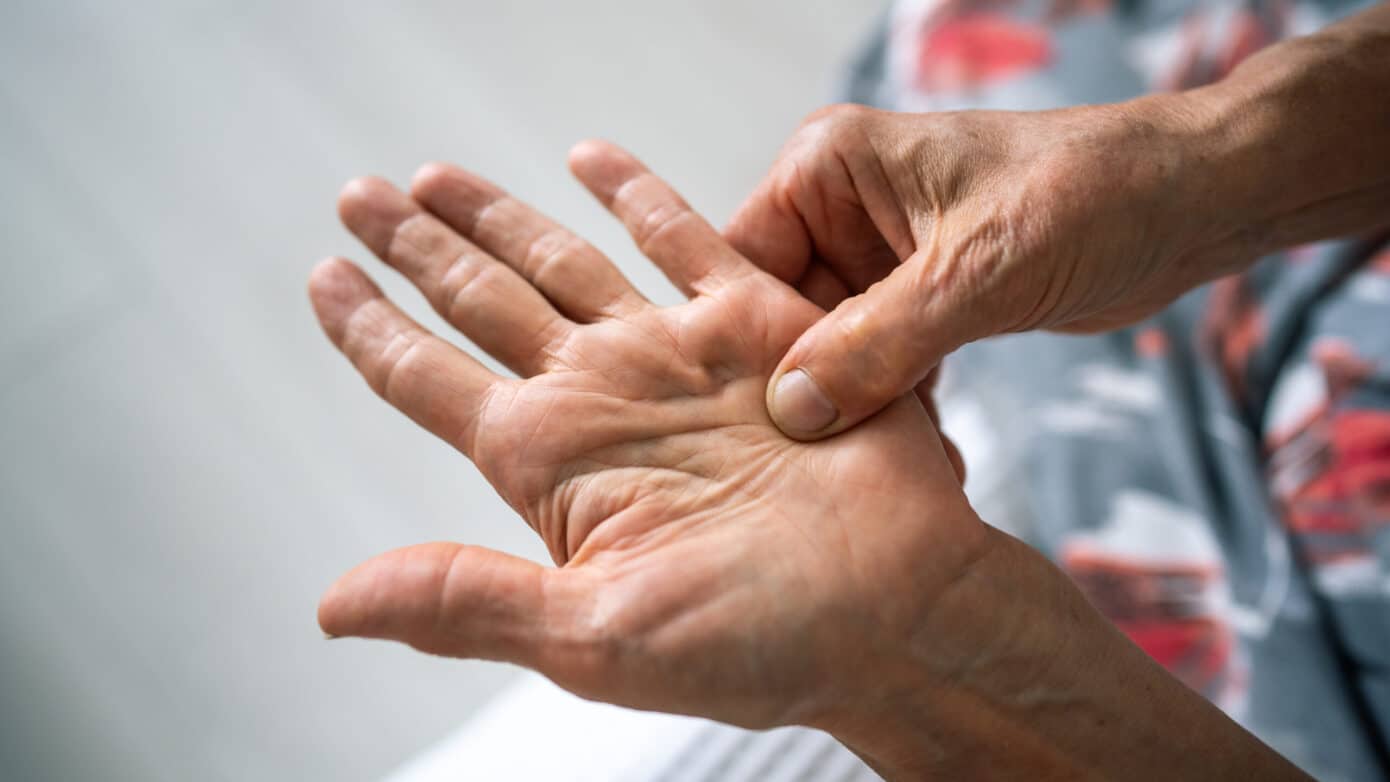
Numbness is a common symptom that many people experience at some point in their lives. Often described as a “pins and needles” sensation or loss of feeling, numbness can affect the hands, feet, arms, legs, face, or other areas of the body.

Temporary numbness may occur after sitting or sleeping in one position for too long. However, persistent, recurring, or worsening numbness may indicate an underlying neurological, musculoskeletal, or circulatory condition that should be evaluated by a healthcare provider.

This guide explains common causes of numbness, associated medical conditions, treatment options, and how our Relatyv Neurofunctional Pain Management approach may complement your overall treatment plan.

What Is Numbness?

Numbness, also called paresthesia, refers to reduced or altered sensation in part of the body. It is often accompanied by tingling, prickling, burning, or a “pins and needles” feeling.

These sensations occur when normal communication between the nerves and the brain is disrupted. Depending on the cause, numbness may be temporary or persistent.

Common Causes of Numbness

Many factors can contribute to numbness, including:

  • Poor circulation.
  • Pinched or compressed nerves.
  • Back or neck problems, such as herniated discs or spinal stenosis.
  • Injuries affecting nerves or surrounding tissues.
  • Poor posture.
  • Repetitive movements that place pressure on nerves.

Medical Conditions Associated with Numbness

Sciatica

Sciatica occurs when the sciatic nerve becomes irritated or compressed, causing pain, tingling, or numbness that travels from the lower back into the leg or foot.

Peripheral Neuropathy

Peripheral neuropathy involves damage to nerves outside the brain and spinal cord and commonly causes numbness, tingling, burning, or weakness in the hands and feet.

Diabetic Neuropathy

Long-term diabetes may damage peripheral nerves, leading to reduced sensation, numbness, and pain, particularly in the feet and lower legs.

Fibromyalgia

Fibromyalgia is a chronic pain condition that may cause widespread pain, fatigue, and intermittent numbness or tingling sensations.

Multiple Sclerosis (MS)

Multiple sclerosis is a neurological disorder that damages nerve fibers and may produce numbness, weakness, balance problems, and changes in coordination.

Tarsal Tunnel Syndrome

Compression of the tibial nerve near the ankle may cause numbness, tingling, or burning sensations in the foot.

Peroneal Nerve Dysfunction

Damage or compression of the peroneal nerve may lead to numbness, weakness, or difficulty lifting the foot.

Peripheral Artery Disease (PAD)

Reduced blood flow to the legs caused by peripheral artery disease may contribute to numbness, pain, and cramping during activity.

Trigeminal Neuralgia

Although trigeminal neuralgia is best known for episodes of severe facial pain, some individuals may also experience altered sensation or numbness in the face.

When Should You Seek Medical Care?

You should seek medical evaluation if numbness:

  • Affects only one side of the body.
  • Occurs with muscle weakness or paralysis.
  • Persists or becomes progressively worse.
  • Is accompanied by severe pain.
  • Interferes with daily activities.

Seek emergency medical care immediately if numbness develops suddenly along with:

  • Difficulty speaking.
  • Confusion.
  • Vision changes.
  • Dizziness.
  • Facial drooping.
  • Sudden weakness.

These symptoms may indicate a stroke or another medical emergency.

How Numbness Is Diagnosed

Your healthcare provider may recommend:

  • Medical history review.
  • Physical and neurological examination.
  • Blood tests.
  • MRI or CT imaging when appropriate.
  • Nerve conduction studies or electromyography (EMG).

An accurate diagnosis helps determine the most appropriate treatment for your symptoms.

Conventional Treatment Options

Treatment depends on the underlying cause of the numbness.

Medications

Your healthcare provider may recommend medications to help manage pain, inflammation, or underlying medical conditions. The benefits and potential risks of these treatments should be discussed based on your individual diagnosis.

Physical Therapy

Physical therapy may improve strength, flexibility, posture, and movement while reducing pressure on affected nerves and supporting recovery.

Injections

For some conditions involving inflammation or nerve compression, corticosteroid injections may be recommended as part of an overall treatment plan.

Surgery

When significant nerve compression or structural abnormalities are present, surgery may be considered if conservative treatments are unsuccessful.

Our Relatyv Neurofunctional Pain Management Approach

At Relatyv, our Neurofunctional Pain Management approach combines drug-free, non-invasive therapies designed to help reduce chronic pain, improve function, and support healthy nervous system activity.

Each treatment plan is individualized based on your diagnosis, symptoms, and goals. Care may include electroanalgesia, IV therapy when clinically appropriate, nutritional support, and lifestyle recommendations that complement your existing medical care.

While treatment may help reduce pain and improve function for some individuals, outcomes vary depending on the underlying cause of numbness.

Address Persistent Numbness Early

Persistent or recurring numbness should not be ignored. Early evaluation can help identify neurological, musculoskeletal, circulatory, or metabolic conditions that may benefit from treatment.

At Relatyv, we provide personalized, non-invasive care designed to help reduce chronic pain and improve function. Our Neurofunctional Pain Management approach may complement your existing treatment plan while supporting your overall health and quality of life.
Relatyv - Range of Motion

Limited Range of Motion in Knee: What Does It Mean?

Limited Range of Motion in Knee: What Does It Mean? 2560 1442 Relatyv

Understanding Limited Knee Range of Motion

Your knees allow you to walk, climb stairs, squat, and perform countless everyday activities. When your knee cannot fully bend or straighten, these movements become more difficult and may affect your independence, mobility, and quality of life.

While temporary stiffness after an injury is common, persistent loss of knee range of motion may indicate an underlying musculoskeletal or neurological condition that should be evaluated by a healthcare provider.

This guide explains common causes of limited knee mobility, treatment options, and how our Relatyv Neurofunctional Pain Management approach may complement your overall treatment plan.

What Is Limited Knee Range of Motion?

Range of motion (ROM) refers to how far your knee can bend (flexion), straighten (extension), and rotate during movement. Limited range of motion means the knee cannot move through its normal range due to pain, stiffness, swelling, weakness, injury, or joint changes.

Loss of mobility may be temporary or long-lasting, depending on the underlying cause.

Symptoms of Limited Knee Mobility

People with reduced knee range of motion may experience:

  • Difficulty fully bending or straightening the knee.
  • Stiffness.
  • Pain during movement.
  • Swelling.
  • Clicking or catching sensations.
  • Weakness.
  • Difficulty walking, climbing stairs, or standing from a seated position.

Common Causes of Limited Knee Range of Motion

Chronic Knee Pain

Long-term knee pain may develop from overuse, injuries, arthritis, or other musculoskeletal conditions. Pain and inflammation often make movement uncomfortable, contributing to stiffness and reduced mobility.

Osteoarthritis

Osteoarthritis gradually wears away cartilage within the knee joint, leading to pain, stiffness, swelling, and decreased flexibility.

Injuries

Fractures, ligament tears, tendon injuries, cartilage damage, and dislocations may temporarily or permanently affect knee movement, particularly if rehabilitation is delayed.

Infections

Joint infections, including septic arthritis, can cause pain, swelling, warmth, and difficulty moving the knee. These conditions require prompt medical evaluation.

Muscle Weakness or Tightness

Weak or tight muscles surrounding the knee may limit flexibility and reduce the joint’s ability to move normally.

Neurological Conditions

Conditions such as multiple sclerosis, stroke, spinal cord injuries, cerebral palsy, and certain neuromuscular disorders may affect muscle control and limit knee movement.

When Should You Seek Medical Care?

You should seek medical evaluation if you:

  • Cannot fully bend or straighten your knee.
  • Experience recurring stiffness or loss of motion.
  • Have pain or swelling that does not improve.
  • Find daily activities becoming increasingly difficult.
  • Develop redness, warmth, or fever along with knee pain.

Prompt evaluation is especially important if symptoms follow a significant injury or develop suddenly.

How Limited Knee Range of Motion Is Diagnosed

Your healthcare provider may recommend:

  • Medical history review.
  • Physical examination.
  • Measurement of knee range of motion.
  • X-rays or other imaging studies.
  • MRI when soft tissue injuries are suspected.
  • Additional testing based on your symptoms and diagnosis.

Conventional Treatment Options

Treatment depends on the underlying cause of the limited mobility.

Rest and Home Care

For minor injuries, rest, ice, compression, elevation, and activity modification may reduce swelling and improve mobility during recovery.

Physical Therapy

Physical therapy may improve flexibility, strength, balance, and knee function while supporting recovery after injury or surgery.

Shockwave Therapy

Extracorporeal shockwave therapy (ESWT) may be recommended for certain musculoskeletal conditions as part of a broader treatment plan when appropriate.

Medications

Your healthcare provider may recommend medications to help manage pain or inflammation while treating the underlying condition. The potential benefits and risks vary depending on your diagnosis.

Surgery

For severe joint damage or structural abnormalities, surgical procedures such as ligament reconstruction or knee replacement may be considered when conservative treatments have not provided adequate improvement.

Our Relatyv Neurofunctional Pain Management Approach

At Relatyv, our Neurofunctional Pain Management approach combines drug-free, non-invasive therapies designed to help reduce chronic pain, improve function, and support healthy nervous system activity.

Each treatment plan is individualized based on your diagnosis, symptoms, and goals. Care may include electroanalgesia, IV therapy when clinically appropriate, nutritional support, and lifestyle recommendations that complement your existing medical care.

While treatment may help reduce pain and improve function for some individuals, outcomes vary depending on the underlying cause of reduced knee mobility.

Improve Knee Mobility with Individualized Care

Limited knee range of motion can make everyday activities more challenging, but early evaluation can help identify the cause and guide appropriate treatment.

At Relatyv, we provide personalized, non-invasive care designed to help reduce chronic pain and improve function. Our Neurofunctional Pain Management approach may complement your existing treatment plan while supporting greater mobility and overall quality of life.

Relatyv - Range of Motion

Limited Range of Motion in Knee: What Does It Mean?

Limited Range of Motion in Knee: What Does It Mean? 2560 1440 Relatyv

In our everyday life, we perform movements such as walking, jogging, climbing stairs, or bending down to tie our shoes almost automatically. And, if we are able to perform these movements, it is thanks to the knee’s complex structure of bones, ligaments, tendons, cartilage, and muscles, which gives it its exceptional mobility.

But it is often too easy to take such a range of motion for granted. Over time, injuries, diseases, and health conditions can significantly reduce your knees’ range of motion and have a profound impact on your ability to remain functional in your daily life.

Fortunately, undergoing extensive knee surgeries and enduring the consequences of invasive procedures are no longer the only options to restore your range of motion and knee health.

With the whole-person approach pioneered–Neuragenex Neurofunctional Pain Management – you can regain your knee health without surgical interventions or medications. Let’s discover how in this guide.

What Happens When The Range Of Motion In The Knee Is Reduced?

The knee plays a vital role in bearing and redistributing loads during walking or running, absorbing shock, and balancing our body as it moves through space. This complex joint links the upper leg bone (the femur or thigh bone) and the lower leg bones (fibula and tibia, or shin bone), which are protected by a frontal flat bone called the patella

These bones are connected by four ligaments:

  • Anterior cruciate ligament (ACL)
  • Posterior cruciate ligament (PCL)
  • Medial collateral ligament (MCL)
  • Lateral collateral ligament (LCL)

Each bone is also connected to the muscles of the upper and lower leg by tendons. The knee joint is kept lubricated and protected from friction damage by cartilaginous tissues, which act as shock-absorbing “cushions”.

This complex structure enables the three main movements of the knee:

  • Extension (straightening the knee)
  • Flexion (bending the knee)
  • Lateral rotation

Full range of motion (ROM) of the knee refers to its full movement potential. Limited ROM refers to a condition where the knee joint is unable to move through its full range of motion.

Limited ROM may occur due to infection, injury, mechanical issues, inflammation, and degenerative diseases like osteoarthritis. According to estimations, as much as a quarter of the population may suffer from a reduced range of motion to some extent.

A slight or short-term reduction in knee ROM may be due to poor muscle conditioning or minor injuries. These are temporary conditions that can be addressed easily or resolved by themselves with at-home care.

However, in some cases, the inability to move the knee through its full range of motion is a symptom of an underlying condition – such as arthritis – that requires immediate medical attention.

When left unaddressed, limited ROM can have devastating consequences, including:

  • Limiting your ability to remain functional and active in your daily life
  • Pain, stiffness, and further loss of range of motion
  • Significant impairment and disability
  • Preventing you from living independently or aging in place
  • If present in only one knee, it can lead to imbalances, mechanical issues, and poor posture
  • May lead to relative disuse of one knee, and subsequent loss of muscle strength

For athletes and sportspeople, limited range of motion may also impact the outcome of resistance training, leading to decreased performance.

Conditions Associated With Limited Knee Mobility

As we get older, the components of the knee may suffer progressive degeneration, which translates into a normal, age-related loss of range of motion. However, some conditions can impact your knee health and reduce your knee mobility drastically.

Below, we’ll look at the health events and diseases that may compromise your knee’s ability to move as it should.

Chronic Knee Pain

Chronic knee pain is a condition that often arises from degenerative conditions, traumatic injuries, overuse, or mechanical issues. If left unaddressed, chronic knee pain can lead to knee disuse, muscle atrophy, and disability.

It is estimated that one in four adults suffer from long-term knee pain, and this prevalence is on the rise due to the aging of the population and increasing rates of obesity.

Chronic knee pain is often characterized by an excessive and sustained inflammatory response. In turn, high levels of inflammation can lead to swelling, pain, and stiffness, which can restrict joint movement and prevent the knee from flexing or extending to its full range of motion.

Osteoarthritis

Osteoarthritis (OA) is an inflammatory condition of the joints that lead to the progressive degeneration of the cartilage. As the cartilage breaks down, the joint’s components are exposed to friction and shock damage during movement, which leads to damage to bones, ligaments, and tendons.

Over time, osteoarthritis can cause the formation of abnormal bone growths (bone spurs) and deformities, which prevent the knee from moving as it normally should.

Often caused by natural age-related wear-and-tear, overuse, and poor mechanics, OA is the most common form of arthritis and the leading cause of disability in the elderly. That’s because, if left unaddressed, osteoarthritis can compromise the mechanics of the knee joint and cause irreversible damage to the components responsible for safeguarding its full range of motion.

Like other forms of arthritis, OA also causes joint pain, stiffness, swelling, clicking noises, and “catching” sensations, which can make knee movements even more undesirable.

Injuries And Tissue Damage

Traumatic injuries that cause damage to tissues like bones, ligaments, and tendons can have a long-lasting impact on the knee’s ROM. This can occur for multiple reasons:

  • An acute knee injury can permanently compromise one or more of the components of the knees
  • Lack of rehabilitation after an injury or surgical procedure can cause long-lasting damage
  • Injury and immobilization can lead to relative disuse of the knee, which translates into a subsequent loss of muscle mass and strength
  • Abnormal scar tissue can build up after a fracture or surgical intervention (i.e.: after an anterior cruciate ligament reconstruction), binding components of the knee together and limiting their mobility. This condition is known as arthrofibrosis.
  • Unsuccessful surgical interventions or inadequate recovery from a broken bone can impact normal knee mechanics and expose the joint components to excessive stress.

Some injuries that can lead to a loss of ROM include dislocations and fractures, as well as torn ligaments, tendons, and cartilage.

Infections

Some infections caused by bacteria, viruses, and fungi tend to target the joint’s structures. For example, in children, hip infections can lead to pain, swelling, and subsequent range of motion.

In the knee, the most common infection is septic or viral arthritis. This condition occurs when germs and viruses travel through the bloodstream from other infected areas of the body (i.e.: following an animal bite or penetrating injury). Some of the viruses that may cause septic arthritis include hepatitis B, hepatitis C, and the Zika virus.

Septic arthritis causes symptoms like swelling, pain, and stiffness, which translates into difficulty moving the joint and a reduced range of motion. Around 20,000 cases of septic arthritis are reported in the US alone each year.

Muscle Weakness

The muscles of the upper and lower leg play a vital role in initiating and controlling knee movements. When these muscles lose mass, strength, or flexibility, you may struggle to bend or extend the knee fully.

Some conditions associated with reduced ROM include:

  • Muscle tightness. Thigh muscles can impact the flexibility of the knee, preventing it from stretching or flexing as it should.
  • Muscle weakness. Without enough muscle power, you may be unable to extend or bend your knee, as well as keep it bent or extended.
  • Muscle atrophy. A severe loss of muscle mass that occurs after periods of immobilization or disuse can significantly compromise knee mobility.

Poor muscle conditioning can create a vicious cycle that can further restrict your ROM: weak muscles may not support daily movements like climbing stairs, walking, or jogging, which, in turn, can lead to a loss of strength and mobility.

Neurological/Neuromuscular Conditions

Some neurological and neuromuscular conditions interfere with the normal transmission and process of nerve signals relating to muscle movements. When these signals are unable to reach the brain or are not properly processed, you may become unable to control muscle movements.

Disorders that cause damage to muscles, the brain, or the nerves in the central and peripheral nervous system include:

  • Cerebral palsy
  • Spinal cord injury
  • Multiple sclerosis
  • Stroke
  • Brain or head injury
  • Muscle dystrophy
  • Contracture deformities (conditions that cause components of the joint to become permanently fixed)

Without adequate care, these conditions can lead to severe complications, including muscle atrophy, numbness, and disability.

When Should I See My Doctor?

If you have experienced a minor trauma – such as a knee ligament sprain – your loss of range of movement will be a temporary condition, mostly associated with the inflammatory response of the body to injury. In this case, at-home care will be enough to ease pain and swelling and help you regain your knee function in 2-4 weeks.

However, if you suffer from a degenerative joint condition or chronic pain, the loss of range of movement can be recurring, long-lasting, and incredibly impactful on your day-to-day life. What’s more, reduced knee mobility may be a symptom of an underlying neurological disease, which requires immediate medical attention.

Generally, you should see your doctor if:

  • You can’t fully straighten or bend your knees
  • You frequently suffer from reduced knee mobility or recurring ROM problems
  • Your daily activities are affected by the loss of ROM

It is important to note that, as you age, you are likely to lose joint mobility to some extent.

Although this is normal, you should be able to retain what’s known as a “functional range of movement”. This is the minimum range of movement your knee needs to allow for everyday activities, like climbing up stairs, bending, walking, sitting down, standing up from sitting, riding a bike, squatting, and tying your shoelaces.

A healthy knee’s full range of motion is 135 degrees. Most daily activities require full extension but only 110-120 degrees of knee flexion. In turn, losing a few degrees of knee flexion won’t affect your daily activities, while not being able to fully extend your knee can significantly impact your mobility.

Measuring And Diagnosing Limited Range Of Motion

To understand how a limited ROM is diagnosed and measured, it is firstly important to clarify the difference between active, passive, and active assisted range of motion. Let’s look at these different ways of measuring ROM below:

  • Active ROM: Active range of motion refers to how much you can flex and extend the knee autonomously. When assessing active ROM, you’ll be bending and extending your knee by contracting your muscles, without external help.
  • Passive ROM: Passive ROM is the measure of how much your knee can flex and extend when someone moves or stretches your leg. A physician or specialized machine will help you bend and extend your knee if you are unable to do so by contracting your muscles.
  • Active assisted ROM: Active assisted ROM measures how much you can move your knee with some assistance.

Although it is normal for passive knee ROM to be greater than active ROM, these two measures should be similar in a healthy, pain-free knee.

According to a study conducted by the CDC on the range of motion of different joints, a healthy knee should be able to move as follow:

  Age 20–44 Age 45–69
Motion Females Males Females Males
Knee Flexion 141.9° 137.7° 137.8° 132.9°
Knee Extension 1.6° 1.0° 1.2 ° 0.5°

The knee should also be able to rotate internally by 10 degrees and externally by 30-40 degrees. Normal passive knee flexion can be as much as 150°, while passive knee extension can be up to 10° of hyperextension.

Given these values, your doctor will determine the extent of your loss of ROM and diagnose any underlying condition that may be aggravating your knee mobility

Some of the diagnostic tools and techniques used in the process include:

  • Medical exam: Your doctor will carry out a physical examination, a review of your symptoms, and assessments of your medical history.
  • Imaging tests: Imaging tests like X-rays may be used to obtain a clear picture of the inside of your knee, and to determine the presence of abnormal tissue (i.e.: tumors) and mechanical issues.
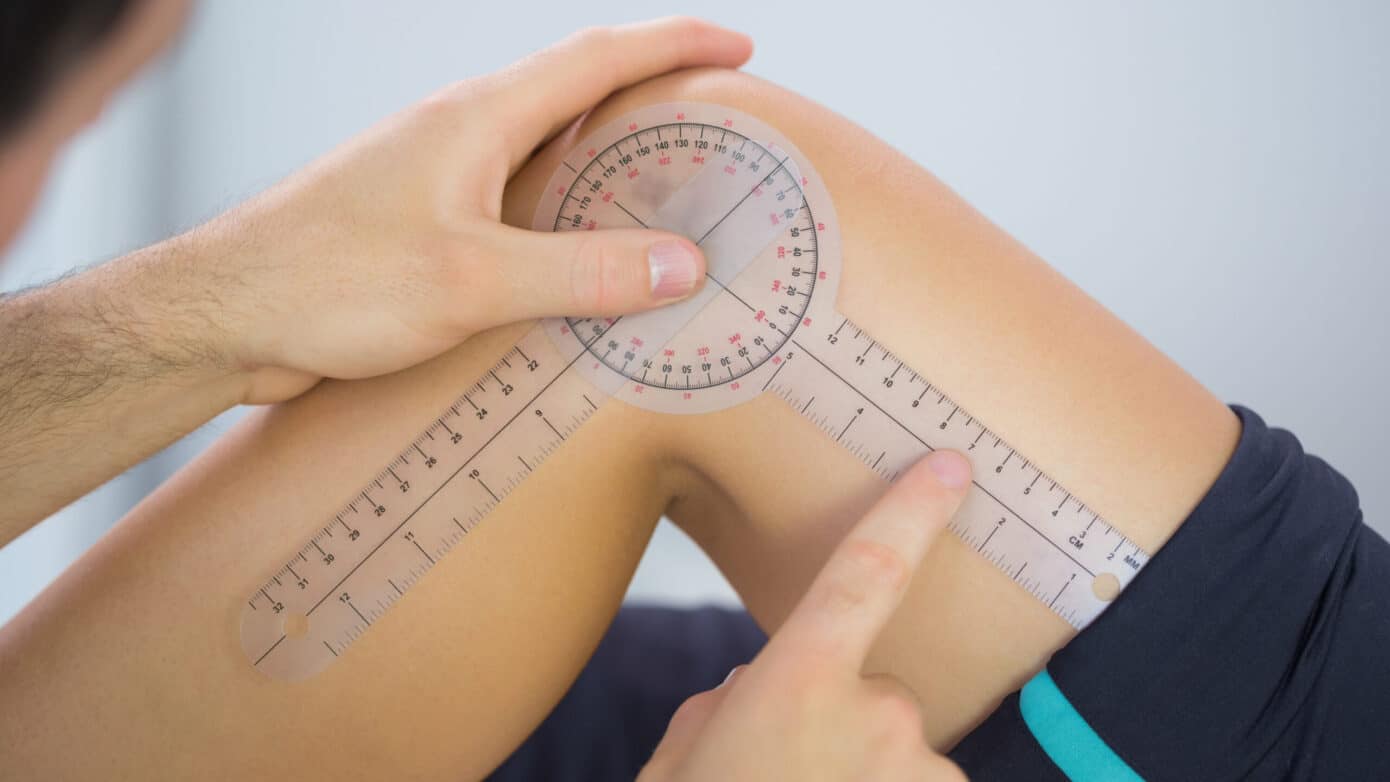
  • Goniometry assessment: Using a goniometer is the most accurate way to diagnose the extent of range of motion loss. A goniometer is an instrument designed for the measurements of angles. It is composed of a central round body representing 360 degrees of motion and two arms, one stationary and one moveable.

To measure your range of knee flexion and extension, your doctor will carry out the following steps:

  1. He or she will ask you to lie on your back on a flat surface and straighten your leg
  2. The goniometer will be positioned so that the central body of the instrument is against the side of the knee, on the lateral femoral epicondyle (the outer part of the knee).
  3. Keeping the goniometer in place, your physician will set the stationary arm along the outer thigh, in line with the greater trochanter (the bony lump located at the top of the thigh)
  4. The moveable arm of the goniometer will be set along the lower leg, in line with the lateral malleolus of the ankle (the bony lump visible on the outer part of the ankle).
  5. The physician will ask you to use your muscles to straighten the leg and measure the knee extension
  6. To measure knee flexion, your doctor will ask you to bend your knee as far as you can by bringing your foot closer to the buttocks.

  • Self-assessment: You can get an estimation of your knee flexion and extension without a goniometer. To do so follow these steps:
  1. Lie on your back on a flat and firm surface
  2. Straighten the leg using your muscles and try to slide your hand underneath the knee
  3. If you can’t fit any of your fingers, your knee is hyperextended. If you can slide all of your fingers under the knee, you are lacking ≈5 degrees in extension
  4. To estimate knee flexion, slide your foot along the surface towards your buttocks. Then, measure the distance between your buttocks and your heel. This method can be used to check your progress and try to improve knee flexion, but won’t give you a measurement.
  • Other methods: To obtain a more accurate measurement of your knee range of motion at home, you can download a goniometer app. You may ask a friend or family member to help you measure your knee extension and flexion.


Conventional Treatments For Limited Knee Range Of Motion


As seen above, treating a temporary reduction in range of motion is a matter of finding the right at-home remedies, such as rest, icing, and compression. However, if your mobility issue is long-lasting or recurring, your first port of call should be obtaining an accurate diagnosis.

Once you and your physician have an understanding of what’s affecting your knee, you may be recommended one or more of the following treatments:

  • Compresses: Icing a new injury such as a sprain can reduce swelling and stiffness by preventing the build-up of fluids around the injured tissues.

In the case of old injuries that still cause pain, chronic pain conditions, or inflammatory diseases like arthritis, hot compresses can support the circulation of blood and nutrients and relax tense muscles.

Ultimately, compresses can ease down painful flare-ups, which may otherwise get in the way of your knee mobility.

  • Exercise: If the loss of ROM is caused by muscle weakness or tightness, you may benefit from physical therapy and exercise. A therapist will guide you in the process of exercising your knee, avoiding further injuries, improving flexibility, and rehabilitating weak muscles.
  • Shockwave Therapy: Extracorporeal Shockwave Therapy (ESWT) is a form of treatment that uses acoustic waves delivered through the skin. The low-frequency waves support the healing of damaged tissues, promote circulation, and stimulate nerves at the site of injury.

According to a 2020 study, this therapy can help improve ROM in people with knee osteoarthritis.

  • Surgery: Diseases such as arthritis and traumatic injuries may severely compromise the components of the knee. Surgical interventions like knee arthroplasty may be used to replace these worn-out components with an artificial joint.

Given the lengthy rehabilitation times and risks involved with this type of invasive intervention, surgery is only recommended when other treatments have failed.

Fortunately, surgery is no longer the only definitive treatment option for limited ROM. Below, we’ll explore how Neuragenex Neurofunctional Pain Management can help you restore your knee function without medications or invasive operations.


How We Treat Pain Caused By Limited Range Of Motion In The Knee


If you have lost mobility in the knee, the chances are that all aspects of your life are affected. You may be unable to climb up your home’s staircase, tie your shoelaces when getting ready for work, or enjoy your favorite sports. And, the situation is made even worse by the prospect of having to undergo surgery to restore your knee function.

But there is no longer a need to endure the complications of limited knee mobility – nor should you live in fear of facing invasive interventions. Thanks to Neuragenex Neurofunctional Pain Management, you can address your knee pain and the underlying condition that’s causing it without drugs or surgery.

Thanks to a fully customized Neurofunctional Pain Management, you can make positive lifestyle changes that are conducive to knee health, support your body’s ability to repair damaged tissues, and lay the foundations of long-term knee health.

Regain Mobility And Range Of Motion In The Knee

A loss of range of motion in the knee can be a profoundly impactful condition, but it should not be seen as a normal part of life.

Whether you suffer from chronic pain or you have an underlying condition like osteoarthritis, the Neuragenex Neurofunctional Pain Management program can help you regain your knee mobility without surgery or medication.

Work towards knee health by making us your first thought, first choice, and first step in your battle against reduced mobility.


Relatyv - Sciatica Pain

How to Manage Your Sciatica Pain and Improve Quality of Life

How to Manage Your Sciatica Pain and Improve Quality of Life 2237 1260 Relatyv

Do you get a dull aching pain down one leg? Or perhaps it’s a tingling or burning sensation that can sometimes feel like an electric shock? If so, you might be one of the millions of people around the world battling with sciatica pain.

Sciatica pain is primarily caused by a range of spinal conditions and injuries that cause misalignment or compression of the spine. This can subsequently lead to inflammation of the sciatic nerve, a vital and long communication pathway that runs from the lower back all the way down to the feet.

The result? An agonizing pain that can impact your daily life, your ability to stand or walk with ease, and can even prevent you from finding comfort when resting.

The freedom of movement we often take for granted is greatly compromised by the persistent nature of sciatica pain. Additionally, the impact of living with sciatica pain can extend beyond the physical symptoms, as it can also have a significant impact on your psychological health and well-being.

Throughout this article, we aim to help you better understand sciatica pain, what it feels like, its common causes, and how you can effectively manage the pain with the best treatments available.

We hope to provide you with valuable insights into sciatica pain so you can learn the best way to alleviate this agonizing pain and improve your health and well-being and the overall quality of your life.

What Is Sciatica Pain?

Imagine enjoying a gentle stroll in the park, then suddenly having an electric shock sensation flow throughout your leg, making each step feel as though you are walking on hot coals.

This is how many people often describe sciatica pain and how it can significantly impact their ability to walk, stand, or even lay down. But what causes sciatica pain that can make it so debilitating?To fully comprehend how the relentless pain of sciatica occurs, we will delve into the mechanics of the spine and its relationship with the longest and largest nerve in your body – the sciatic nerve.

Sciatica pain develops when there is irritation or inflammation of the sciatic nerve, which originates in the lower back. This large nerve pathway branches from the spinal cord and then travels through the buttock, extending down the back of each leg.

When the sciatic nerve becomes compressed or inflamed in the lower back, it responds by generating a range of inappropriate signals, such as burning, tingling, or numbness. Additionally, it can send intense pain signals down the buttock and various parts of one leg, including the thigh and upper leg.

Typically, sciatica pain manifests in only one leg since the sciatic nerve is commonly compressed or pinched on one side. However, in more severe cases or certain conditions, the pain may alternate between each leg.

It’s important to recognize that sciatic pain can vary and that each individual may feel discomfort differently, depending on the underlying cause. In the following sections, we will explore the typical areas where sciatica pain tends to strike and the various types of symptoms it might cause.

Where Is Pain From Sciatica Located?

Now we have a better understanding of what causes sciatica pain and the sciatic nerve’s involvement, we can begin to piece together where in the body the painful symptoms typically generate. Let’s explore the key areas of the body sciatica pain will typically develop.

Lower Back: The lower back is where the sciatic nerve branches off from the spinal cord. Here, the roots of the sciatic nerve can become compressed or irritated from factors such as herniated discs, spinal stenosis, or degenerative disc disease. Pain can radiate across the lower back or along the nerve fibers into the lower body.

Buttock and Hip: The sciatic nerve passes directly through the buttock region. If the nerve becomes damaged anywhere throughout the lower spine, it can result in pain or discomfort radiating down to the buttock and hip area.

Back of the Leg: Moving further down, the sciatic nerve extends through the back of each leg, sending branches to various regions of the thigh. The pain from sciatica usually affects the hamstring or the back of the thigh. This sensation can worsen with movements such as walking, running, or in severe cases, even sitting or standing.

Calf and Foot: If the underlying condition of sciatica becomes severe, the painful symptoms of sciatic pain can travel all the way down the leg and into the calf or foot. In such circumstances, you may experience weakness in the leg and have difficulty balancing.

By becoming familiar with where sciatica pain is likely to develop, people who suffer from this distressing condition can gain a better understanding of their symptoms and seek targeted relief.

It’s important to remember that the specific areas affected may vary depending on the underlying cause and individual circumstances.

Just as the causes of sciatica pain can differ from person to person, the specific sensations and discomfort experienced can also vary. So, what exactly does sciatica pain feel like? Let’s delve into the most common symptoms next.

What Does The Pain Feel Like?

Sciatica pain is not a one-size-fits-all experience. It can manifest as a variety of discomforts that result in differing sensations and intensities among individuals. Let’s explore the range of sensations and symptoms you might experience as a result of sciatica.

Mild Tingling

A subtle tingling sensation is often associated with a mild case of sciatica pain. Feelings of a slight numbness or pins and needles can be felt in the affected leg, hip, or lower back. Although this is less intense, it can be persistent and bothersome and has the potential to worsen without treatment.

Dull Ache

Probably one of the more common manifestations of sciatic pain is a persistent and dull ache. This ache can vary in intensity, from a mild sensation to persistent throbbing pain.

It can affect all of the various key areas sciatica pain typically develops, leading to significant challenges in performing everyday activities.

Individuals experiencing sciatica pain often find themselves needing frequent periods of rest or seeking intervention to find relief from the discomfort.

Burning Sensation

For some, sciatica pain can present as a burning sensation that spreads along the affected leg, hip, or buttocks. This pain can worsen with movement or during prolonged static positions like sitting or standing.

Finding relief from this fiery sensation can be challenging, having a profound impact on your quality of life.

Sharp Pain In One Part Of The Leg Or Hip And Numbness In Other Parts

Another characteristic feature of sciatica pain is the presence of sharp, localized pain in one part of the leg or hip, accompanied by numbness or reduced sensation in other areas.

This asymmetrical sensation can create a disconcerting contrast, with intense pain in one region and an absence of feeling in another.

Severe Enough To Limit Movement

In severe cases, sciatica pain can become completely debilitating, severely limiting all movements of the lower body. Sharp shooting pains can radiate throughout the lower back and leg, making walking, standing, or even sitting a burdensome task.

Severe sciatica pain not only affects your daily life but also becomes a psychological battle, leading to social exclusion and the inability to enjoy activities you love. This combination of physical and emotional challenges can greatly impact your overall well-being.

It’s important to note that these symptoms can vary from person to person as they are influenced by the underlying cause of sciatica. Some individuals may primarily experience one specific type of pain or a combination of these sensations.

Additionally, there are certain movements or activities that are likely to aggravate and worsen these painful sciatica sensations. Let’s go on to explore some of the main triggers in the next section.

Activities And Movements That Trigger Pain

Sciatica pain has a tendency to strike unexpectedly, making it feel unpredictable and causing discomfort at various inconvenient times. The pain can arise suddenly, interrupting daily life and create a sense of stress and uncertainty regarding when it may again resurface.

However, there are some common activities and movements that can trigger or worsen sciatica pain. By understanding these common triggers, you can better anticipate and manage pain or discomfort more effectively. 

  • Standing: Long periods of sustained standing will put increased pressure on the lower back, which can further compress the sciatic nerve. This can increase pain and discomfort, making it difficult to stand for an extended time.
  • Walking: Unfortunately, this daily task can become a challenge for those who suffer from sciatica pain. Walking, particularly over long distances or on certain surfaces such as sand or snow, can aggravate nerve compression, making each step more painful than the last.
  • Bending Backward: The sciatic nerve is placed under increased strain and pressure when bending, leaning, or arching backward. This means that activities such as bending back to pick up something or certain stretching exercises can intensify the painful symptoms of sciatica.
  • Sneezing, Coughing, Or  Laughing: These uncontrollable and sudden movements can exert increased pressure and strain on the body, which significantly raises the likelihood of triggering sciatica pain. Unfortunately, the jarring motions associated with sneezing, coughing, and laughing can further compress the already irritated sciatic nerve, intensifying the painful symptoms experienced.
  • Straining or Holding One’s Breath: Engaging in activities that involve holding your breath and exerting strain, such as lifting heavy objects, can similarly exacerbate sciatic pain. The increased intra-abdominal pressure created during these movements adds to the compression of the sciatic nerve, leading to aggravation and discomfort.

Understanding these common triggers of sciatica pain can empower you to make informed decisions and adapt your daily routines to minimize the impact of pain and discomfort on your overall well-being.

In the upcoming sections, we will explore in more detail the conditions that can lead to compression or inflammation of the sciatic nerve, consequently causing sciatica pain.

Conditions That May Cause Pain From Sciatica

Since sciatica pain is typically a symptom of an underlying condition, it is crucial to seek medical attention for a comprehensive evaluation. There are various conditions that can initiate the development of sciatica pain, and some of them may be more serious than others.

Below, we have outlined the most common conditions that can contribute to sciatica pain. By familiarizing yourself with these conditions, you can gain valuable insights and facilitate a more informed discussion with your healthcare provider.

Spinal Stenosis

Spinal stenosis, a condition characterized by the narrowing of the spinal canal, can lead to the compression of the sciatic nerve roots. This narrowing is often a result of age-related degeneration in the spine, causing various symptoms, including sciatica pain.

The narrowed spinal canal can impinge on the sciatic nerve, leading to radiating pain, tingling, and numbness along the nerve pathway. It is important to diagnose and manage spinal stenosis promptly to alleviate sciatica pain and prevent further progression of the condition.

Obesity

Excess body weight adds pressure on the spine, particularly the lower back, leading to instability and increased risk of sciatica. Obesity can contribute to sciatica by irritating the sciatic nerve or causing disc herniation and nerve compression. Managing body weight through exercise and a balanced diet can help alleviate sciatica symptoms.

Slipped Or Herniated Disc

When the intervertebral discs, which provide cushioning and shock absorption between the spinal vertebrae, slip out of place or bulge, they can exert pressure on the sciatic nerve. This condition is known as a herniated disc and frequently arises due to age-related disc degeneration or injuries.

The compression of the sciatic nerve caused by a herniated disc can be a significant factor in the onset of sciatica pain. Proper diagnosis and treatment of the herniated disc are crucial in addressing the underlying cause of sciatica and managing the associated pain.

Piriformis Syndrome

The piriformis muscles are located deep within both sides of the buttock. Piriformis syndrome is characterized by the spontaneous contraction or spasms of the piriformis muscle, which can irritate the nearby sciatic nerve. This irritation can lead to symptoms resembling sciatica, such as pain, tingling, or numbness along the leg.

The piriformis muscle, located in the buttocks, plays a role in hip rotation, and when it tightens or spasms, it can compress the sciatic nerve. Proper diagnosis and targeted treatment for piriformis syndrome are essential in alleviating the sciatica-like symptoms and addressing the underlying muscular issue.

Injuries Or Fractures To The Pelvis

When a severe injury or fracture occurs to the pelvis, it can disrupt the structures surrounding the sciatic nerve, causing it to become irritated or impinged, leading to sciatica pain. These sorts of injuries often require immediate medical attention as well as long-term management.

Tumors

In rare cases, the presence of a spinal tumor can lead to sciatica symptoms. The size and location of the tumor in relation to the sciatic nerve can contribute to the development of painful symptoms. If there is any suspicion of a spinal tumor as the underlying cause of sciatic pain, it is crucial to seek immediate medical evaluation and appropriate treatment.

Abscess

An abscess can evolve from bacteria and infection, causing a localized collection of inflamed tissues and waste fluids. The presence of an abscess in close proximity to the sciatic nerve can cause compression, resulting in sciatica pain.  Prompt medical attention and treatment are necessary to address the underlying infection and alleviate the associated sciatic symptoms.

Blood Clots

Blood clots, also known as deep vein thrombosis (DVT), can form in the pelvis or legs, typically due to prolonged periods of immobility or certain medications that increase susceptibility.

In some cases, a blood clot can exert pressure on the surrounding tissues and structures,such as the sciatic nerve and its anatomy leading to the development of sciatica symptoms.

It is important to be aware of the risk factors for DVT and seek medical attention if there is suspicion of a blood clot as the cause of sciatica pain. A DVT can be a serious medical condition, prompt treatment is crucial to prevent complications and manage the condition effectively.

Nerve Disorders

Certain nerve disorders, such as peripheral neuropathy or sciatic neuropathy, can directly impact the sciatic nerve, leading to symptoms that resemble sciatica. These conditions require specialized medical evaluation and management to accurately diagnose and effectively address the underlying nerve dysfunction.

If you are experiencing sciatica symptoms and suspect a nerve disorder may be the cause, it is important to seek medical attention from a healthcare professional with expertise in neurological conditions.

Recognizing the many causes of sciatica pain is essential for deciding on the appropriate treatment that will help you find relief from painful symptoms. Healthcare professionals can develop targeted approaches to address the specific condition causing sciatica pain.

However, it’s important to take sciatica pain seriously as it can be a symptom of underlying conditions requiring more urgent medical intervention. In the next section, we will discuss the symptoms that would indicate the need for you to call your doctor.

When Should You Call Your Doctor?

While many cases of sciatica pain can be managed with at-home remedies and lifestyle modifications, there are some particular symptoms and circumstances that indicate the need for prompt medical attention.

Should you experience any of the below signs and symptoms alongside your sciatica, be sure to consult with a healthcare professional to ensure proper diagnosis and appropriate treatment. 

  • Worsening Pain: If you notice that your sciatica pain is progressively worsening, especially if it extends to your leg or if you start experiencing radiating pain down to the knee, it is crucial to recognize that an underlying condition may be deteriorating and requires further evaluation and treatment.
  • Unexplained Fever with Back Pain: If you have an unexplained fever accompanying significant back pain, it could be a sign of an infection, such as an abscess or an inflammatory condition. In such cases, it is important to seek medical attention promptly to prevent the condition from worsening.
  • Losing Sensation or Experiencing Weakness in the Leg: Experiencing altered sensations like numbness or tingling, along with weakness and unsteadiness in the back or leg, can be indicative of nerve damage or compression. Nerve-related issues can have serious implications and should not be ignored.
  • Bowel/Bladder Problems: Any changes in bowel or bladder function, such as increased urgency, constipation, or incontinence, should not be ignored and requires medical evaluation. These symptoms may indicate a nerve-related problem affecting the control and functioning of the bowel and bladder.
  • Burning During Urination or Blood in the Urine: A burning sensation whilst urinating, or the presence of blood, is highly suspicious of a urinary tract infection or other urological condition that requires medical attention. Experiencing these symptoms in conjunction with sciatica pain can occur as a result of inflammation of the urinary system aggravating the sciatic nerve.
  • Pain that Gets Worse When Lying Down: If your sciatica pain intensifies when lying down or significantly affects your sleep, it is important to seek medical attention. This worsening of pain in a resting position may indicate an underlying cause, such as increased pressure or impingement on the sciatic nerve in the lower back or spine.
  • Recurring or Severe Pain after Treatment: If you have previously received treatment for sciatica but continue to experience recurring or severe pain, it is important to consult your doctor or seek a second opinion for further evaluation and potential adjustments to your treatment plan.

Open communication with your healthcare professional is crucial if you have any concerns regarding your sciatica symptoms.

In some cases, healthcare professionals may recommend certain at-home remedies and self-care strategies to help manage sciatica pain, as these simple therapies can often provide additional relief.

In the following sections, we will explore various home remedies and self-care strategies that have been found to be effective in managing sciatica pain.

Home Remedies For The Pain

There are several home remedies that can help manage the pain of sciatica, which help to alleviate discomfort and promote healing. Although these remedies won’t address the underlying cause of sciatica, they can certainly provide some much-needed temporary relief.

Some of the more effective home remedies used by people with sciatica include:

Over-the-Counter Medications: Nonsteroidal anti-inflammatory drugs (NSAIDs), such as ibuprofen or naproxen, can help reduce pain and inflammation associated with sciatica. Always follow the recommended dosage and consult your pharmacist or healthcare provider if you have any concerns about taking pharmaceutical medication.

Heat and Ice Therapy: When you first notice sciatica pain, ice packs are good for temporary relief and reducing swelling. Never put ice directly onto the skin, always use a towel or cloth between the ice and the skin.

After a few days, you can switch the ice pack to a warm compress. Both ice and heat can be applied for 10-15 minutes at a time, 3-4 times a day.  You might want to alternate between heat and ice therapy to find what works best for you.

Stretching and Exercise: To help relieve muscle tension and reduce pressure on the sciatic nerve, you might try completing gentle stretching exercises. Certain movements stretch the piriformis and lower back muscles, such as hugging knees to chest and some targeted yoga poses.

Additionally, utilizing low-impact exercises such as water aerobics and cycling can also be a great way to strengthen and condition your muscles and joints without the stress of impact or heavy load.

However, it’s crucial to consult with a healthcare professional or physical therapist before starting any exercise routine to ensure it is safe and appropriate for your condition.

Proper Body Mechanics: By maintaining good posture and using proper body mechanics while lifting, bending, and sitting, you can help alleviate the pressure placed on the sciatic nerve. Try to avoid prolonged periods of sitting or standing in one position, and be sure to use supportive chairs with proper backrests.

Alternative Therapies: Although not an at-home remedy, there are certain alternative therapies for sciatica pain, such as acupuncture, chiropractic adjustments, or massage therapy, that may provide relief for some individuals.

These therapies aim to address imbalances, reduce muscle tension, and improve overall well-being. However, it’s important to consult a qualified professional before trying any alternative pain management treatments, as there is a risk that over-manipulation may worsen your sciatic pain.

Rest and Relaxation: Stress has the ability to exacerbate our perception of pain, and it is through stress reduction that we can learn to truly relax and listen to our body.

By getting quality sleep and practicing relaxation techniques, such as deep breathing, meditation, or mindfulness, you can help manage stress and promote overall well-being.

These at-home remedies are often not sufficient in providing long-term relief, although are great for complementing appropriate medical treatments. In the next section, we will discuss the typical medical treatments that are commonly prescribed for managing sciatica pain.

Typical Medical Treatment For Pain From Sciatica 

There are a number of conventional medical treatments that offer options for managing sciatica pain. For example, prescription medication, such as muscle relaxants or opioids, can help alleviate severe pain. Due to concerns regarding the addictive and dependency-inducing nature of these medications, many individuals are cautious about long-term use.

Another option is corticosteroid injections, which target the affected area of the sciatic nerve to reduce inflammation and provide relief. However, these injections offer temporary relief and may require repeat dosages. It’s important to note that long-term, repetitive use of these medications can have adverse effects, such as joint and bone damage.

In cases where the more conservative treatments are ineffective or if there is an underlying condition worsening the symptoms, surgical intervention may be considered.

Surgical procedures for sciatica pain vary based on the underlying cause and severity of symptoms, ranging from disc removal (discectomy) to spinal fusion to stabilize the spine. However, surgery should be seen as a last resort and carefully evaluated based on individual circumstances.

While these standard medical treatments can provide relief from sciatica pain, some individuals may prefer to avoid excessive use of medication or explore alternative options.

In the next section, we will delve into an alternative approach to managing sciatica pain. We will explore non-pharmaceutical and non-surgical therapies that offer beneficial pain management options for those seeking alternative or complementary methods of relief.


A Better Treatment For Pain From Sciatica


We understand the profound impact that sciatica pain can have on your daily life. That’s why our dedicated team is here to offer effective treatment options that prioritize long-lasting relief without relying on pharmaceuticals or invasive surgeries.

Our approach revolves around the innovative concepts of Neuragenex Neurofunctional Pain Management (NFPM) that are integrated into our protocol. Our goal is to address the root causes of sciatica pain while considering your overall health and well-being.

One of the therapies we incorporate into our treatment protocol is Electroanalgesia, a non-invasive technique that utilizes high-pulse electrical stimulation. This therapy targets the intricate connection pathways between the brain, nervous system, and pain sensations. By interrupting pain signals and promoting pain relief at a cellular level, Electroanalgesia provides long-term relief from sciatica pain without the need for medications.

Additionally, we offer specialized hydration intravenous therapy (IV therapy) as part of our comprehensive pain management strategy. IV therapy helps address individual nutritional deficiencies and restores a healthy balance of essential nutrients and electrolytes in the bloodstream. By reducing inflammation throughout the body and optimizing organ function, IV therapy significantly contributes to alleviating sciatica symptoms.

We personalize our IV therapy programs based on individual needs, analyzing bloodwork to identify specific deficiencies, hydration levels, or electrolyte imbalances. This tailored approach ensures that each patient receives the optimal nourishment necessary for effective sciatica pain management and overall well-being.

We prioritize thorough diagnostics and customized treatment plans. By assessing the underlying condition comprehensively, we can tailor our protocols to address each patient’s specific needs and goals.

In addition to our physical treatments, we provide meaningful lifestyle counseling and education programs. We believe that the impact of painful symptoms extends beyond the physical realm and can affect our psychological well-being. Our initiatives empower patients to maintain strong psychological health, adopt helpful strategies, and achieve long-term pain relief.

We are committed to providing safe, effective, and personalized treatment options for sciatica pain. Through our holistic approach, combining targeted treatments, personalized care, and lifestyle counseling, we aim to empower individuals to regain control of their well-being and enhance their overall quality of life.

Don’t Let Sciatica Get In The Way Of A Healthy Life

Living with sciatica pain can have a significant impact on your quality of life, threatening your ability to achieve your daily activities and preventing you from doing what you love.

It’s important to seek medical advice to identify any underlying conditions that may worsen if left untreated. Finding effective treatments for sciatica pain can feel like a constant struggle, but taking the necessary steps to address and manage it is essential for regaining control and leading a healthy, fulfilling life.

We are here to support you on your journey toward long-lasting relief from sciatica pain. By utilizing a Neuragenex Neurofunctional Pain Management (NFPM) approach and our tailored protocols, we provide personalized treatment options that go beyond traditional methods.

Our dedicated team of professionals is committed to providing personalized care, addressing the root causes of your pain, and helping you regain control of your well-being.

Don’t let sciatica pain limit you. Let us work together to find the solutions that will empower you to overcome the limitations of sciatica and live life to the fullest.


Relatyv - Thigh Pain

Muscle Spasm In Back Of Thigh: Causes, Symptoms, And Treatment

Muscle Spasm In Back Of Thigh: Causes, Symptoms, And Treatment 2560 1442 Relatyv

Understanding Muscle Spasms in the Back of the Thigh

Muscle spasms in the back of the thigh are common and often occur suddenly, causing a painful tightening of the hamstring muscles. While many muscle cramps are brief and resolve on their own, recurring or severe spasms may indicate an underlying musculoskeletal or neurological condition that should be evaluated by a healthcare provider.

This guide explains common causes of hamstring muscle spasms, treatment options, and how our Relatyv Neurofunctional Pain Management approach may complement your overall treatment plan.

What Is a Muscle Spasm?

A muscle spasm is an involuntary contraction of a muscle that can cause sudden pain, tightness, and difficulty moving. Muscle spasms in the back of the thigh most commonly affect the hamstring muscles and may last from a few seconds to several minutes.

Although many spasms are harmless, frequent or persistent episodes should be medically evaluated.

Common Symptoms

Symptoms of muscle spasms in the back of the thigh may include:

  • Sudden, intense pain.
  • Tightness or stiffness.
  • Difficulty walking or moving the leg.
  • Visible muscle twitching.
  • Tenderness.
  • Muscle weakness.
  • Limited range of motion.

Some individuals may also experience numbness or tingling if nearby nerves are involved.

Common Causes of Hamstring Muscle Spasms

Muscle spasms may develop for many reasons, including:

  • Overuse or strenuous physical activity.
  • Dehydration.
  • Electrolyte imbalances.
  • Muscle fatigue.
  • Poor posture or body mechanics.
  • Certain medications.
  • Nerve compression.

Medical Conditions Associated with Muscle Spasms

Peripheral Neuropathy

Damage to peripheral nerves may cause muscle spasms, numbness, tingling, weakness, and pain.

Sciatica

Compression or irritation of the sciatic nerve may produce pain, muscle spasms, tingling, and numbness that extend into the back of the thigh.

Piriformis Syndrome

Tightness or irritation of the piriformis muscle can place pressure on the sciatic nerve, contributing to pain and muscle spasms in the buttock and thigh.

Spinal Stenosis

Narrowing of the spinal canal may compress nerve roots, leading to pain, weakness, numbness, and muscle spasms.

Lumbar Radiculopathy

Irritation of nerve roots in the lower spine may cause radiating pain, weakness, tingling, and muscle spasms affecting the leg.

How Long Do Muscle Spasms Last?

Most muscle spasms last only a few seconds to several minutes. However, recurring spasms or persistent muscle tightness may indicate an underlying condition that requires further evaluation.

When Should You See a Healthcare Provider?

You should seek medical evaluation if muscle spasms:

  • Occur frequently.
  • Become increasingly severe.
  • Do not improve with rest or hydration.
  • Interfere with walking or daily activities.
  • Occur with numbness, weakness, or significant pain.

Seek emergency medical care immediately if muscle spasms occur with sudden leg weakness, loss of bowel or bladder control, severe trauma, or rapidly worsening neurological symptoms.

How Muscle Spasms Are Diagnosed

Your healthcare provider may recommend:

  • Medical history review.
  • Physical examination.
  • Assessment of muscle strength and flexibility.
  • Neurological evaluation.
  • X-rays or MRI when appropriate.
  • Additional testing based on your symptoms.

Conventional Treatment Options

Treatment depends on the underlying cause of the muscle spasms.

Activity Modification

Resting the affected muscle and temporarily modifying activities may allow minor muscle injuries to heal.

Heat and Ice Therapy

Ice may help reduce pain and swelling after an acute injury, while heat may help relax tight muscles once initial inflammation has improved.

Stretching and Physical Therapy

Gentle stretching, strengthening exercises, and physical therapy may improve flexibility, muscle balance, and overall function.

Medications

Your healthcare provider may recommend medications to help manage pain or muscle spasms when appropriate. The benefits and potential risks should be discussed based on your individual diagnosis.

Massage and Other Therapies

Massage therapy and other conservative treatments may help relieve muscle tension and improve mobility for some individuals.

Our Relatyv Neurofunctional Pain Management Approach

At Relatyv, our Neurofunctional Pain Management approach combines drug-free, non-invasive therapies designed to help reduce chronic pain, improve function, and support healthy nervous system activity.

Each treatment plan is individualized based on your diagnosis, symptoms, and goals. Care may include electroanalgesia, IV therapy when clinically appropriate, nutritional support, and lifestyle recommendations that complement your existing medical care.

While treatment may help reduce pain and improve function for some individuals, outcomes vary depending on the underlying cause of the muscle spasms.

Reducing Your Risk of Future Muscle Spasms

Healthy habits such as staying hydrated, maintaining good nutrition, stretching regularly, warming up before exercise, and allowing adequate recovery time may help reduce the likelihood of future muscle spasms.

At Relatyv, we provide personalized, non-invasive care designed to help reduce chronic pain and improve function. Our Neurofunctional Pain Management approach may complement your existing treatment plan while supporting your overall mobility and quality of life.

Relatyv - Heel Pain

Sharp Heel Pain Or Arch Of The Foot

Sharp Heel Pain Or Arch Of The Foot 2560 1442 Relatyv

Understanding Sharp Heel and Foot Arch Pain

Sharp pain under the heel or in the arch of the foot can make standing, walking, exercising, and even wearing shoes uncomfortable. Because your feet support your body with every step, pain in this area can significantly affect your mobility and quality of life.

While heel pain is often caused by overuse or minor injury, persistent symptoms may indicate an underlying musculoskeletal, inflammatory, or neurological condition that should be evaluated by a healthcare provider.

This guide explains common causes of heel pain, treatment options, and how our Relatyv Neurofunctional Pain Management approach may complement your overall treatment plan.

Understanding Foot Anatomy

The foot is made up of 26 bones, numerous joints, muscles, tendons, ligaments, and nerves that work together to provide support, balance, and movement. The heel bone (calcaneus) bears much of your body weight during standing and walking, while the arch helps absorb shock and distribute pressure.

When structures in the foot become irritated or injured, pain can alter the way you walk, sometimes contributing to discomfort in the ankles, knees, hips, or lower back.

What Does Heel Pain Feel Like?

Heel pain may feel like:

  • Sharp or stabbing pain beneath the heel.
  • Pain in the arch of the foot.
  • Tenderness when standing or walking.
  • Swelling.
  • Pain that is worse with the first steps in the morning or after periods of rest.
  • Pain that increases after prolonged standing or activity.

Common Conditions That Cause Heel Pain

Plantar Fasciitis

Plantar fasciitis is one of the most common causes of heel pain. It occurs when the plantar fascia, a thick band of tissue supporting the arch of the foot, becomes irritated or develops small tears from repetitive stress.

Rheumatoid Arthritis

Rheumatoid arthritis is an autoimmune disease that causes joint inflammation. It may affect the feet and lead to pain, stiffness, swelling, and tenderness.

Gout

Gout is an inflammatory form of arthritis caused by uric acid crystal deposits within joints. Although it most commonly affects the big toe, it can also cause severe heel pain.

Peripheral Neuropathy

Peripheral neuropathy involves damage to the peripheral nerves and may cause burning, tingling, numbness, or sharp pain in the feet.

Bursitis

Inflammation of the bursae—small fluid-filled sacs that cushion joints—may lead to pain and tenderness around the heel.

Reactive Arthritis

Reactive arthritis may develop following certain infections and can cause inflammation and pain in the joints, including the heels.

Ankylosing Spondylitis

This inflammatory condition primarily affects the spine but may also involve the Achilles tendon and heel, causing pain and stiffness.

Strains and Sprains

Injuries involving muscles, tendons, or ligaments can produce heel or arch pain, particularly after sports or sudden increases in activity.

Tarsal Tunnel Syndrome

Compression of the posterior tibial nerve near the ankle may cause heel pain along with numbness or tingling in the foot.

Lumbar Radiculopathy

Nerve compression originating in the lower back may produce pain, numbness, tingling, or weakness that extends into the foot.

Heel Spurs

Heel spurs are bony growths that may develop where the plantar fascia attaches to the heel bone. While many heel spurs cause no symptoms, some contribute to heel pain.

How Heel Pain Is Diagnosed

Your healthcare provider may recommend:

  • Medical history review.
  • Physical examination.
  • Assessment of your walking pattern and foot mechanics.
  • X-rays or MRI when appropriate.
  • Blood tests if an inflammatory condition is suspected.

Identifying the underlying cause helps guide the most appropriate treatment plan.

Conventional Treatment Options

Treatment depends on the underlying diagnosis and severity of your symptoms.

Stretching and Physical Therapy

Stretching exercises and physical therapy may improve flexibility, strengthen supporting muscles, and reduce stress on the foot.

Ice and Heat Therapy

Ice may help reduce pain and swelling following an acute injury, while heat may be beneficial for chronic muscle tightness and stiffness.

Orthotic Inserts

Custom or over-the-counter shoe inserts may improve foot alignment, reduce pressure, and provide additional support.

Medications

Your healthcare provider may recommend medications to help manage pain or inflammation. The benefits and potential risks should be discussed based on your individual diagnosis.

Surgery

In severe cases that do not improve with conservative treatment, surgery may be considered depending on the underlying condition.

Rest and Activity Modification

Reducing activities that aggravate symptoms may allow injured tissues time to heal while preventing further irritation.

Our Relatyv Neurofunctional Pain Management Approach

At Relatyv, our Neurofunctional Pain Management approach combines drug-free, non-invasive therapies designed to help reduce chronic pain, improve function, and support healthy nervous system activity.

Each treatment plan is individualized based on your diagnosis, symptoms, and goals. Care may include electroanalgesia, IV therapy when clinically appropriate, nutritional support, and lifestyle recommendations that complement your existing medical care.

While treatment may help reduce pain and improve function for some individuals, outcomes vary depending on the underlying cause of heel pain.

Don’t Ignore Persistent Heel Pain

Persistent heel or arch pain should not be ignored, especially if it limits your ability to walk or participate in everyday activities. Early evaluation can help identify the underlying cause and guide appropriate treatment before symptoms worsen.

At Relatyv, we provide personalized, non-invasive care designed to help reduce chronic pain and improve function. Our Neurofunctional Pain Management approach may complement your existing treatment plan while supporting better mobility and overall quality of life.

Relatyv - Lower Leg Pain

Understanding Muscle Cramps In Legs At Night

Understanding Muscle Cramps In Legs At Night 2560 1442 Relatyv

Understanding Nighttime Leg Cramps

Nighttime leg cramps are sudden, involuntary muscle contractions that occur during sleep or while resting. These painful episodes most commonly affect the calf muscles but may also involve the feet or thighs. Although they usually last only a few seconds or minutes, they can interrupt sleep and leave lingering soreness afterward.

Occasional leg cramps are common and often harmless. However, frequent or severe nighttime cramps may be associated with an underlying medical condition and should be evaluated by a healthcare provider.

This guide explains common causes of nighttime leg cramps, available treatment options, and how our Relatyv Neurofunctional Pain Management approach may complement your overall treatment plan.

What Do Nighttime Leg Cramps Feel Like?

Nighttime leg cramps typically begin suddenly and may wake you from sleep. Symptoms can include:

  • Sharp or aching pain in the affected muscle.
  • Sudden muscle tightness or hardening.
  • Visible muscle contractions.
  • Muscle stiffness that may persist after the cramp ends.
  • Difficulty walking or moving the leg immediately afterward.

Common Causes of Nighttime Leg Cramps

Many factors can contribute to leg cramps during sleep, including:

  • Dehydration.
  • Electrolyte imbalances.
  • Muscle overuse or strenuous exercise.
  • Prolonged sitting or inactivity.
  • Certain medications.
  • Pregnancy.
  • Age-related muscle changes.

Medical Conditions Associated with Nighttime Leg Cramps

Peripheral Neuropathy

Peripheral neuropathy can affect nerve function and may contribute to muscle cramps, numbness, tingling, or burning sensations in the legs.

Diabetes

People with diabetes may develop nerve damage or circulation problems that increase the likelihood of muscle cramping.

Restless Legs Syndrome

Although different from muscle cramps, restless legs syndrome may cause uncomfortable leg sensations that interfere with sleep and can occur alongside cramping.

Circulatory Disorders

Reduced blood flow to the legs may contribute to muscle discomfort or cramping in some individuals.

When Should You See a Healthcare Provider?

You should seek medical evaluation if nighttime leg cramps:

  • Occur frequently.
  • Become increasingly severe.
  • Disrupt your sleep on a regular basis.
  • Are accompanied by muscle weakness.
  • Occur with swelling, redness, or warmth.
  • Do not improve with hydration or stretching.

Seek immediate medical care if leg pain occurs with significant swelling, sudden weakness, loss of sensation, or symptoms suggesting a blood clot or other medical emergency.

How Nighttime Leg Cramps Are Diagnosed

Your healthcare provider may recommend:

  • Medical history review.
  • Physical examination.
  • Blood tests to evaluate electrolyte levels or other medical conditions.
  • Imaging studies when appropriate.
  • Electromyography (EMG) or nerve conduction studies if a neurological condition is suspected.

Conventional Treatment Options

Treatment depends on the underlying cause of the cramping.

Hydration

Maintaining adequate hydration throughout the day may help reduce muscle cramping, particularly when dehydration is a contributing factor.

Stretching

Gentle stretching before bed and after a cramp occurs may help reduce muscle tension and improve flexibility.

Heat or Cold Therapy

Warm compresses may help relax tight muscles, while cold therapy may provide temporary relief following painful cramping.

Massage

Gentle massage may help relax the affected muscle and reduce discomfort after a cramp.

Medications

Your healthcare provider may recommend medications or supplements when appropriate based on the underlying cause. The benefits and potential risks should be discussed based on your individual diagnosis.

Our Relatyv Neurofunctional Pain Management Approach

At Relatyv, our Neurofunctional Pain Management approach combines drug-free, non-invasive therapies designed to help reduce chronic pain, improve function, and support healthy nervous system activity.

Each treatment plan is individualized based on your diagnosis, symptoms, and goals. Care may include electroanalgesia, IV therapy when clinically appropriate, nutritional support, and lifestyle recommendations that complement your existing medical care.

While treatment may help reduce pain and improve function for some individuals, outcomes vary depending on the underlying cause of nighttime leg cramps.

Tips to Help Prevent Nighttime Leg Cramps

You may be able to reduce the frequency of leg cramps by:

  • Staying well hydrated.
  • Stretching your leg muscles before bedtime.
  • Engaging in regular physical activity.
  • Wearing supportive footwear.
  • Avoiding prolonged sitting or standing.
  • Reviewing medications with your healthcare provider if cramps develop after starting a new prescription.

Improve Your Sleep and Muscle Health

Frequent nighttime leg cramps can interfere with restful sleep and affect your daily quality of life. Identifying the underlying cause is an important step toward finding appropriate treatment.

At Relatyv, we provide personalized, non-invasive care designed to help reduce chronic pain and improve function. Our Neurofunctional Pain Management approach may complement your existing treatment plan while supporting better mobility, healthier muscle function, and improved quality of life.

Relatyv - Shoulder Pain

Shoulder Inflammation and Pain

Shoulder Inflammation and Pain 2560 1442 Relatyv

Understanding Shoulder Pain and Inflammation

Shoulder pain and inflammation are common problems that can make it difficult to lift your arm, reach overhead, sleep comfortably, or perform everyday activities. Because the shoulder is one of the body’s most mobile joints, it is also more susceptible to injury, overuse, and wear over time.

While some shoulder pain improves with rest, persistent pain, weakness, or limited movement may indicate an underlying condition that should be evaluated by a healthcare provider.

This guide explains common causes of shoulder pain, treatment options, and how our Relatyv Neurofunctional Pain Management approach may complement your overall treatment plan.

Common Causes of Shoulder Pain and Inflammation

Many conditions can contribute to shoulder pain and inflammation, including:

Poor Posture

Rounded shoulders and prolonged poor posture can place excess strain on the muscles, tendons, and ligaments surrounding the shoulder, leading to pain and irritation over time.

Overuse

Repetitive overhead movements, lifting, throwing, or other repetitive activities may overload the shoulder and contribute to inflammation of the surrounding tissues.

Injury

Falls, fractures, dislocations, and other traumatic injuries can damage the shoulder joint and lead to ongoing pain, weakness, or reduced mobility.

Sprains

Shoulder sprains occur when ligaments are stretched or torn. Symptoms may include pain, swelling, and limited movement while the injured tissues heal.

Bone Spurs

Bone spurs may develop as part of age-related joint changes and can contribute to pain, stiffness, and reduced range of motion.

Pinched Nerves

Compression of nerves in the neck or shoulder region may cause pain that radiates into the shoulder, arm, or hand and may be accompanied by numbness or tingling.

Medical Conditions Associated with Shoulder Pain

Frozen Shoulder (Adhesive Capsulitis)

Frozen shoulder causes progressive pain and stiffness that significantly limits shoulder movement. It may develop after injury or periods of shoulder immobilization and is more common in people with diabetes.

Rotator Cuff Tendinitis

Inflammation of the rotator cuff tendons commonly causes pain during overhead activities and may develop from repetitive use or age-related changes.

Bursitis

Inflammation of the fluid-filled bursae around the shoulder can cause pain, tenderness, and swelling, particularly with movement.

Rheumatoid Arthritis

Rheumatoid arthritis is an autoimmune disease that causes inflammation of the joints and may result in shoulder pain, stiffness, and swelling.

Fibromyalgia

Fibromyalgia is a chronic pain condition that may cause widespread muscle pain, including persistent shoulder discomfort and tenderness.

Osteoarthritis

Osteoarthritis gradually wears away cartilage within the shoulder joint, leading to pain, stiffness, and reduced mobility.

Rotator Cuff Tears

Partial or complete tears of the rotator cuff tendons may cause pain, weakness, and difficulty lifting or rotating the arm.

Risk Factors

Several factors may increase your risk of developing shoulder pain, including:

  • Increasing age.
  • Repetitive overhead work.
  • Sports involving throwing or overhead movements.
  • Previous shoulder injuries.
  • Poor posture.

When Should You Seek Medical Care?

You should seek medical evaluation if you experience:

  • Persistent shoulder pain.
  • Limited range of motion.
  • Noticeable swelling.
  • Pain that radiates down the arm.
  • Weakness when lifting or rotating the arm.
  • Bruising or deformity following an injury.

Seek immediate medical attention if shoulder pain follows significant trauma, is associated with an obvious deformity, sudden inability to move the arm, or occurs with chest pain, shortness of breath, or other symptoms that could indicate a medical emergency.

How Shoulder Pain Is Diagnosed

Your healthcare provider may recommend:

  • Medical history review.
  • Physical examination.
  • Range of motion and strength testing.
  • X-rays.
  • MRI or ultrasound when soft tissue injuries are suspected.
  • Blood tests if inflammatory or autoimmune conditions are suspected.

Conventional Treatment Options

Treatment depends on the underlying diagnosis and severity of your symptoms.

Medications

Your healthcare provider may recommend medications to help manage pain or inflammation. The benefits and potential risks should be discussed based on your individual condition.

Corticosteroid Injections

For certain inflammatory shoulder conditions, corticosteroid injections may help reduce pain and improve function as part of a broader treatment plan.

Physical Therapy

Physical therapy is commonly recommended to improve flexibility, strength, range of motion, and shoulder mechanics while supporting recovery.

Hydrodilation

Hydrodilation may be recommended for some people with frozen shoulder to improve joint mobility.

Surgery

When significant structural damage is present or conservative treatments have not been successful, surgical treatment may be considered.

Our Relatyv Neurofunctional Pain Management Approach

At Relatyv, our Neurofunctional Pain Management approach combines drug-free, non-invasive therapies designed to help reduce chronic pain, improve function, and support healthy nervous system activity.

Each treatment plan is individualized based on your diagnosis, symptoms, and goals. Care may include electroanalgesia, IV therapy when clinically appropriate, nutritional support, and lifestyle recommendations that complement your existing medical care.

While treatment may help reduce pain and improve function for some individuals, outcomes vary depending on the underlying cause of shoulder pain.

Find the Right Care for Shoulder Pain

Persistent shoulder pain should not be ignored, especially if it limits your ability to work, exercise, or perform daily activities. Early evaluation can help identify the underlying cause and guide the most appropriate treatment plan.

At Relatyv, we provide personalized, non-invasive care designed to help reduce chronic pain and improve function. Our Neurofunctional Pain Management approach may complement your existing treatment plan while supporting better mobility and overall quality of life.

Back to top
Privacy Preferences

When you visit our website, it may store information through your browser from specific services, usually in the form of cookies. Here you can change your Privacy preferences. It is worth noting that blocking some types of cookies may impact your experience on our website and the services we are able to offer.

Click to enable/disable Google Analytics tracking code.
Click to enable/disable Google Fonts.
Click to enable/disable Google Maps.
Click to enable/disable video embeds.
Our website uses cookies, mainly from 3rd party services. Define your Privacy Preferences and/or agree to our use of cookies.