

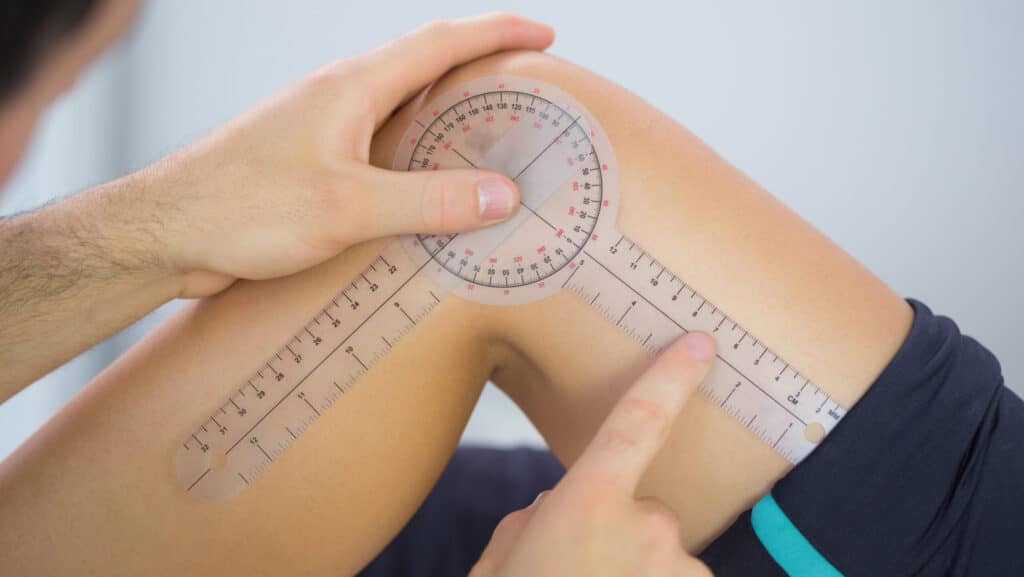
Understanding Limited Knee Range of Motion
Your knees allow you to walk, climb stairs, squat, and perform countless everyday activities. When your knee cannot fully bend or straighten, these movements become more difficult and may affect your independence, mobility, and quality of life.
While temporary stiffness after an injury is common, persistent loss of knee range of motion may indicate an underlying musculoskeletal or neurological condition that should be evaluated by a healthcare provider.
This guide explains common causes of limited knee mobility, treatment options, and how our Relatyv Neurofunctional Pain Management approach may complement your overall treatment plan.
What Is Limited Knee Range of Motion?
Range of motion (ROM) refers to how far your knee can bend (flexion), straighten (extension), and rotate during movement. Limited range of motion means the knee cannot move through its normal range due to pain, stiffness, swelling, weakness, injury, or joint changes.
Loss of mobility may be temporary or long-lasting, depending on the underlying cause.
Symptoms of Limited Knee Mobility
People with reduced knee range of motion may experience:
- Difficulty fully bending or straightening the knee.
- Stiffness.
- Pain during movement.
- Swelling.
- Clicking or catching sensations.
- Weakness.
- Difficulty walking, climbing stairs, or standing from a seated position.
Common Causes of Limited Knee Range of Motion
Chronic Knee Pain
Long-term knee pain may develop from overuse, injuries, arthritis, or other musculoskeletal conditions. Pain and inflammation often make movement uncomfortable, contributing to stiffness and reduced mobility.
Osteoarthritis
Osteoarthritis gradually wears away cartilage within the knee joint, leading to pain, stiffness, swelling, and decreased flexibility.
Injuries
Fractures, ligament tears, tendon injuries, cartilage damage, and dislocations may temporarily or permanently affect knee movement, particularly if rehabilitation is delayed.
Infections
Joint infections, including septic arthritis, can cause pain, swelling, warmth, and difficulty moving the knee. These conditions require prompt medical evaluation.
Muscle Weakness or Tightness
Weak or tight muscles surrounding the knee may limit flexibility and reduce the joint’s ability to move normally.
Neurological Conditions
Conditions such as multiple sclerosis, stroke, spinal cord injuries, cerebral palsy, and certain neuromuscular disorders may affect muscle control and limit knee movement.
When Should You Seek Medical Care?
You should seek medical evaluation if you:
- Cannot fully bend or straighten your knee.
- Experience recurring stiffness or loss of motion.
- Have pain or swelling that does not improve.
- Find daily activities becoming increasingly difficult.
- Develop redness, warmth, or fever along with knee pain.
Prompt evaluation is especially important if symptoms follow a significant injury or develop suddenly.
How Limited Knee Range of Motion Is Diagnosed
Your healthcare provider may recommend:
- Medical history review.
- Physical examination.
- Measurement of knee range of motion.
- X-rays or other imaging studies.
- MRI when soft tissue injuries are suspected.
- Additional testing based on your symptoms and diagnosis.
Conventional Treatment Options
Treatment depends on the underlying cause of the limited mobility.
Rest and Home Care
For minor injuries, rest, ice, compression, elevation, and activity modification may reduce swelling and improve mobility during recovery.
Physical Therapy
Physical therapy may improve flexibility, strength, balance, and knee function while supporting recovery after injury or surgery.
Shockwave Therapy
Extracorporeal shockwave therapy (ESWT) may be recommended for certain musculoskeletal conditions as part of a broader treatment plan when appropriate.
Medications
Your healthcare provider may recommend medications to help manage pain or inflammation while treating the underlying condition. The potential benefits and risks vary depending on your diagnosis.
Surgery
For severe joint damage or structural abnormalities, surgical procedures such as ligament reconstruction or knee replacement may be considered when conservative treatments have not provided adequate improvement.
Our Relatyv Neurofunctional Pain Management Approach
At Relatyv, our Neurofunctional Pain Management approach combines drug-free, non-invasive therapies designed to help reduce chronic pain, improve function, and support healthy nervous system activity.
Each treatment plan is individualized based on your diagnosis, symptoms, and goals. Care may include electroanalgesia, IV therapy when clinically appropriate, nutritional support, and lifestyle recommendations that complement your existing medical care.
While treatment may help reduce pain and improve function for some individuals, outcomes vary depending on the underlying cause of reduced knee mobility.
Improve Knee Mobility with Individualized Care
Limited knee range of motion can make everyday activities more challenging, but early evaluation can help identify the cause and guide appropriate treatment.
At Relatyv, we provide personalized, non-invasive care designed to help reduce chronic pain and improve function. Our Neurofunctional Pain Management approach may complement your existing treatment plan while supporting greater mobility and overall quality of life.