

Cluster Headaches and Pupil Constriction (Miosis)
Cluster headaches are a rare but severe type of headache characterized by intense pain on one side of the head, often occurring in recurring cycles or “clusters.” During an attack, some people also experience changes involving the eye on the affected side, including pupil constriction (miosis), tearing, redness, or a drooping eyelid.
This guide explains why pupil constriction occurs with cluster headaches, associated symptoms, treatment options, and how our Relatyv Neurofunctional Pain Management approach may complement your overall treatment plan.
What Is Pupil Constriction?
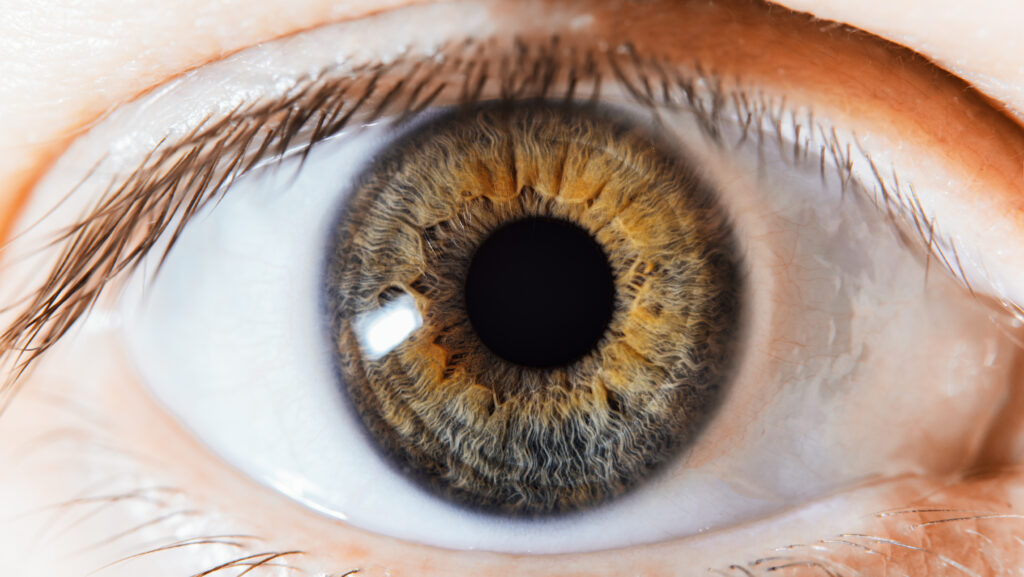
Pupil constriction, also known as miosis, occurs when the opening in the center of the eye becomes smaller. Normally, the pupils continuously adjust to changes in lighting conditions.
During a cluster headache attack, changes affecting the autonomic nervous system and nearby nerves may cause one pupil to remain smaller than usual for the duration of the attack.
Why Does Miosis Occur During Cluster Headaches?
Several factors may contribute to pupil constriction during a cluster headache, including:
- Activation of the autonomic nervous system.
- Involvement of the trigeminal nerve.
- Changes affecting nearby blood vessels and surrounding tissues.
These neurological changes can contribute to both the severe headache pain and the eye-related symptoms experienced during an attack.
Symptoms Associated with Pupil Constriction
Along with severe one-sided head pain, people experiencing miosis during a cluster headache may notice:
- A smaller pupil on the affected side.
- Redness of the eye.
- Excessive tearing.
- A drooping eyelid (ptosis).
- Blurred or double vision.
- Difficulty focusing.
- Sensitivity to light.
How Pupil Constriction Can Affect Daily Life
Although headache pain is typically the most disabling symptom, changes in vision can also interfere with everyday activities. Reading, driving, working, or using digital devices may become more difficult during or shortly after a cluster headache attack.
Recurring headaches can also affect sleep, work performance, and overall quality of life.
When Should You See a Healthcare Provider?
You should seek medical evaluation if you experience:
- New or recurring episodes of one-sided pupil constriction.
- Persistent differences in pupil size.
- Pupil changes accompanied by severe headaches.
- Drooping eyelid, excessive tearing, or redness of the eye.
- Vision changes during headache episodes.
Seek emergency medical care immediately if sudden pupil changes occur with weakness, confusion, loss of consciousness, difficulty speaking, or sudden vision loss, as these symptoms may indicate a medical emergency.
How Cluster Headaches Are Diagnosed
Your healthcare provider may recommend:
- Medical history review.
- Physical and neurological examination.
- Detailed review of headache patterns and associated symptoms.
- MRI or CT imaging when necessary to rule out other neurological conditions.
Because several headache disorders can produce similar symptoms, obtaining an accurate diagnosis is an important first step in developing an appropriate treatment plan.
Conventional Treatment Options
Treatment focuses on relieving attacks and reducing the frequency of future episodes.
Acute Treatments
Depending on your individual needs, your healthcare provider may recommend treatments such as high-flow oxygen therapy or medications that help shorten a cluster headache attack.
Preventive Medications
Medications may be prescribed to reduce how often cluster headaches occur. Your healthcare provider can discuss which options may be appropriate based on your medical history.
Complementary Therapies
Some individuals may also incorporate therapies such as acupuncture, stress management, or other supportive approaches as part of a comprehensive care plan. Discuss these options with your healthcare provider before beginning treatment.
Our Relatyv Neurofunctional Pain Management Approach
At Relatyv, our Neurofunctional Pain Management approach combines drug-free, non-invasive therapies designed to help reduce chronic pain, improve function, and support healthy nervous system activity.
Each treatment plan is individualized based on your diagnosis, symptoms, and goals. Care may include electroanalgesia, IV therapy when clinically appropriate, nutritional support, and lifestyle recommendations that complement your existing medical care.
While treatment may help reduce headache-related pain and improve function for some individuals, outcomes vary depending on the underlying condition and individual response to care.
Managing Cluster Headaches with Individualized Care
Cluster headaches and associated eye symptoms can significantly affect daily life, but effective management begins with an accurate diagnosis and a personalized treatment strategy.
At Relatyv, we provide personalized, non-invasive care designed to help reduce chronic pain and improve function. Our Neurofunctional Pain Management approach may complement your existing treatment plan while supporting your overall health and quality of life.