

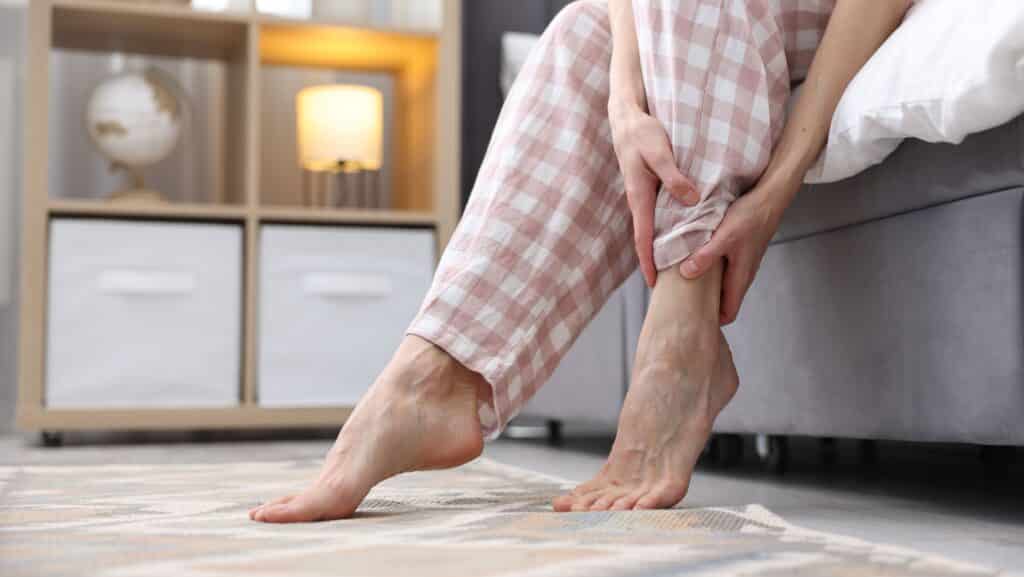
Understanding Nighttime Leg Cramps
Nighttime leg cramps are sudden, involuntary muscle contractions that occur during sleep or while resting. These painful episodes most commonly affect the calf muscles but may also involve the feet or thighs. Although they usually last only a few seconds or minutes, they can interrupt sleep and leave lingering soreness afterward.
Occasional leg cramps are common and often harmless. However, frequent or severe nighttime cramps may be associated with an underlying medical condition and should be evaluated by a healthcare provider.
This guide explains common causes of nighttime leg cramps, available treatment options, and how our Relatyv Neurofunctional Pain Management approach may complement your overall treatment plan.
What Do Nighttime Leg Cramps Feel Like?
Nighttime leg cramps typically begin suddenly and may wake you from sleep. Symptoms can include:
- Sharp or aching pain in the affected muscle.
- Sudden muscle tightness or hardening.
- Visible muscle contractions.
- Muscle stiffness that may persist after the cramp ends.
- Difficulty walking or moving the leg immediately afterward.
Common Causes of Nighttime Leg Cramps
Many factors can contribute to leg cramps during sleep, including:
- Dehydration.
- Electrolyte imbalances.
- Muscle overuse or strenuous exercise.
- Prolonged sitting or inactivity.
- Certain medications.
- Pregnancy.
- Age-related muscle changes.
Medical Conditions Associated with Nighttime Leg Cramps
Peripheral Neuropathy
Peripheral neuropathy can affect nerve function and may contribute to muscle cramps, numbness, tingling, or burning sensations in the legs.
Diabetes
People with diabetes may develop nerve damage or circulation problems that increase the likelihood of muscle cramping.
Restless Legs Syndrome
Although different from muscle cramps, restless legs syndrome may cause uncomfortable leg sensations that interfere with sleep and can occur alongside cramping.
Circulatory Disorders
Reduced blood flow to the legs may contribute to muscle discomfort or cramping in some individuals.
When Should You See a Healthcare Provider?
You should seek medical evaluation if nighttime leg cramps:
- Occur frequently.
- Become increasingly severe.
- Disrupt your sleep on a regular basis.
- Are accompanied by muscle weakness.
- Occur with swelling, redness, or warmth.
- Do not improve with hydration or stretching.
Seek immediate medical care if leg pain occurs with significant swelling, sudden weakness, loss of sensation, or symptoms suggesting a blood clot or other medical emergency.
How Nighttime Leg Cramps Are Diagnosed
Your healthcare provider may recommend:
- Medical history review.
- Physical examination.
- Blood tests to evaluate electrolyte levels or other medical conditions.
- Imaging studies when appropriate.
- Electromyography (EMG) or nerve conduction studies if a neurological condition is suspected.
Conventional Treatment Options
Treatment depends on the underlying cause of the cramping.
Hydration
Maintaining adequate hydration throughout the day may help reduce muscle cramping, particularly when dehydration is a contributing factor.
Stretching
Gentle stretching before bed and after a cramp occurs may help reduce muscle tension and improve flexibility.
Heat or Cold Therapy
Warm compresses may help relax tight muscles, while cold therapy may provide temporary relief following painful cramping.
Massage
Gentle massage may help relax the affected muscle and reduce discomfort after a cramp.
Medications
Your healthcare provider may recommend medications or supplements when appropriate based on the underlying cause. The benefits and potential risks should be discussed based on your individual diagnosis.
Our Relatyv Neurofunctional Pain Management Approach
At Relatyv, our Neurofunctional Pain Management approach combines drug-free, non-invasive therapies designed to help reduce chronic pain, improve function, and support healthy nervous system activity.
Each treatment plan is individualized based on your diagnosis, symptoms, and goals. Care may include electroanalgesia, IV therapy when clinically appropriate, nutritional support, and lifestyle recommendations that complement your existing medical care.
While treatment may help reduce pain and improve function for some individuals, outcomes vary depending on the underlying cause of nighttime leg cramps.
Tips to Help Prevent Nighttime Leg Cramps
You may be able to reduce the frequency of leg cramps by:
- Staying well hydrated.
- Stretching your leg muscles before bedtime.
- Engaging in regular physical activity.
- Wearing supportive footwear.
- Avoiding prolonged sitting or standing.
- Reviewing medications with your healthcare provider if cramps develop after starting a new prescription.
Improve Your Sleep and Muscle Health
Frequent nighttime leg cramps can interfere with restful sleep and affect your daily quality of life. Identifying the underlying cause is an important step toward finding appropriate treatment.
At Relatyv, we provide personalized, non-invasive care designed to help reduce chronic pain and improve function. Our Neurofunctional Pain Management approach may complement your existing treatment plan while supporting better mobility, healthier muscle function, and improved quality of life.