

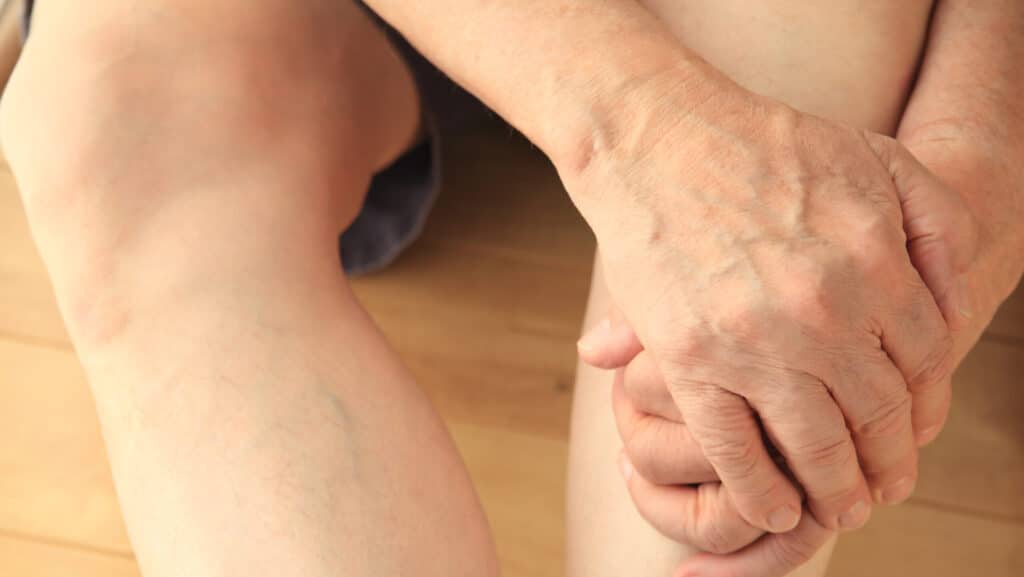
Understanding Saphenous Vein Pain
The saphenous veins are the two largest superficial veins in the legs. The great saphenous vein runs along the inside of the leg from the foot to the groin, while the small saphenous vein travels along the back of the calf before joining deeper veins behind the knee. These veins play an important role in returning blood from the legs back to the heart.
Pain involving the saphenous veins can range from a mild ache to persistent throbbing discomfort that becomes worse after prolonged standing, walking, or sitting. Because vein pain may be associated with circulatory disorders, obtaining an accurate diagnosis is essential to determine the underlying cause and guide appropriate treatment.
This guide explains common symptoms, potential causes, associated medical conditions, conventional treatment options, and how our Relatyv Neurofunctional Pain Management approach may complement your overall care plan when chronic pain affects your mobility and quality of life.
Common Symptoms
Saphenous vein pain may occur with one or more of the following symptoms:
- Throbbing, aching, or burning pain along the inner leg or calf.
- Swelling around the affected area.
- Visible varicose or enlarged veins.
- Leg heaviness or fatigue.
- Tenderness when touching the vein.
- Warmth or redness over the vein.
- Skin discoloration around the lower leg.
- Itching or irritation near affected veins.
Common Factors That Can Worsen Vein Pain
Prolonged Standing or Sitting
Remaining in one position for extended periods can increase pressure within the leg veins and contribute to discomfort and swelling.
Excess Body Weight
Carrying additional weight increases pressure on the veins and may worsen symptoms of venous disease.
Pregnancy
Hormonal changes and increased pressure on the veins during pregnancy may contribute to varicose veins and leg discomfort.
Heavy Lifting
Activities that significantly increase abdominal pressure may temporarily increase pressure within the leg veins.
Limited Physical Activity
A sedentary lifestyle may reduce circulation and contribute to worsening symptoms in individuals with venous disease.
Medical Conditions Associated with Saphenous Vein Pain
Chronic Venous Insufficiency
Chronic venous insufficiency occurs when vein valves do not function effectively, allowing blood to pool in the legs. Symptoms commonly include aching, swelling, heaviness, skin changes, and varicose veins.
Varicose Veins
Enlarged, twisted veins may develop when vein valves weaken, resulting in visible veins, discomfort, swelling, and leg fatigue.
Superficial Thrombophlebitis
Inflammation of a superficial vein may cause localized redness, warmth, tenderness, and pain along the affected vein.
Deep Vein Thrombosis (DVT)
Deep vein thrombosis is the formation of a blood clot in a deep vein. Although the clot usually develops deeper than the saphenous veins, symptoms may include leg pain, swelling, warmth, and tenderness. DVT requires prompt medical evaluation because it can lead to serious complications.
Post-Thrombotic Syndrome
Some individuals develop ongoing swelling, discomfort, skin changes, and chronic pain following a previous deep vein thrombosis.
Venous Ulcers
Poor circulation associated with chronic venous disease may eventually contribute to slow-healing ulcers, most commonly around the ankles.
When Should You Seek Medical Care?
You should schedule a medical evaluation if vein pain:
- Persists or progressively worsens.
- Is accompanied by increasing swelling.
- Interferes with walking or daily activities.
- Occurs with skin discoloration or skin breakdown.
- Develops alongside new or worsening varicose veins.
Seek emergency medical attention immediately if you experience sudden leg swelling, severe calf pain, chest pain, shortness of breath, coughing up blood, or symptoms suggesting a possible blood clot or pulmonary embolism.
How Saphenous Vein Pain Is Diagnosed
Your healthcare provider may recommend:
- Review of your medical history and symptoms.
- Physical examination of your legs and circulation.
- Duplex ultrasound to evaluate blood flow, vein valves, and blood clots.
- Blood tests when clotting disorders or other medical conditions are suspected.
- Additional vascular imaging in selected situations.
Conventional Treatment Options
Treatment depends on the underlying diagnosis and severity of your symptoms.
Lifestyle Modifications
Regular walking, weight management, leg elevation, avoiding prolonged standing or sitting, and compression stockings may help improve circulation and reduce symptoms.
Medications
Your healthcare provider may recommend medications such as nonsteroidal anti-inflammatory drugs (NSAIDs) for discomfort or anticoagulants (blood thinners) when blood clots are present or suspected.
Compression Therapy
Graduated compression stockings are commonly recommended to improve venous blood flow and reduce swelling.
Minimally Invasive Vein Procedures
Procedures such as sclerotherapy, radiofrequency ablation, endovenous laser therapy, ambulatory phlebectomy, or microphlebectomy may be appropriate for selected patients with symptomatic varicose veins or chronic venous insufficiency.
Surgery
In more advanced cases, surgical treatment may be considered when conservative measures and minimally invasive procedures are not appropriate or have not provided adequate improvement.
Our Relatyv Neurofunctional Pain Management Approach
At Relatyv, our Neurofunctional Pain Management approach is designed to help manage chronic pain associated with neurological and musculoskeletal conditions. Our care complements appropriate medical evaluation and treatment rather than replacing it.
Each treatment plan is individualized based on your diagnosis, symptoms, and goals. Care may include electroanalgesia, IV therapy when clinically appropriate, nutritional support, and lifestyle recommendations that complement your existing medical care.
Our non-invasive, drug-free approach is intended to help reduce pain, improve function, and support overall well-being. Outcomes vary depending on the underlying cause of the condition.
Supporting Healthy Vein Function
You may be able to support healthy circulation by:
- Walking regularly to encourage blood flow.
- Maintaining a healthy weight.
- Elevating your legs when resting.
- Avoiding prolonged sitting or standing whenever possible.
- Wearing compression stockings if recommended by your healthcare provider.
- Seeking early evaluation for persistent swelling or vein discomfort.
Take the Next Step Toward Better Leg Health
Saphenous vein pain can result from chronic venous insufficiency, varicose veins, inflammation, or other vascular conditions. Because some causes may require prompt medical treatment, obtaining an accurate diagnosis is essential for developing an effective care plan.
At Relatyv, we provide personalized, non-invasive care designed to help reduce chronic pain and improve function. Our Neurofunctional Pain Management approach may complement your existing medical treatment while supporting improved mobility, comfort, and quality of life.