

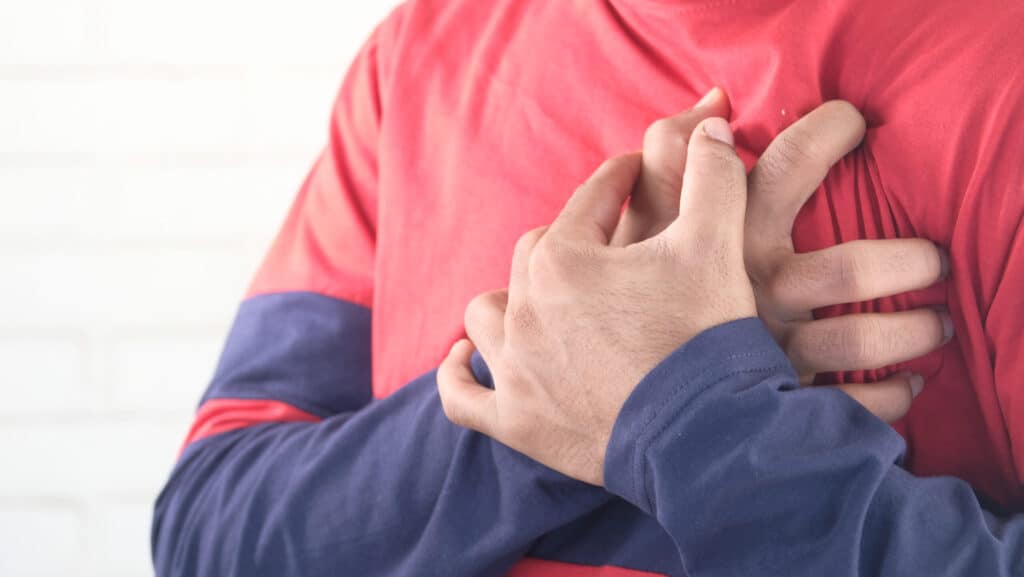
Understanding Chest Muscle Spasms
Chest muscle spasms are sudden, involuntary contractions of the muscles in the chest wall. These spasms may feel like cramping, tightness, twitching, or sharp pain and can range from mild discomfort to severe pain. Because the chest contains important structures including the heart and lungs, chest pain should always be evaluated carefully to determine its cause.
Many cases of chest muscle spasms are related to muscle strain, overuse, stress, or nerve irritation. However, chest pain can also be a symptom of serious medical conditions involving the heart or lungs. Identifying the underlying cause is essential for receiving the appropriate treatment.
This guide explains common causes of chest muscle spasms, associated medical conditions, available treatment options, and how our Relatyv Neurofunctional Pain Management approach may complement your overall care plan when chronic musculoskeletal pain contributes to your symptoms.
Common Symptoms
Chest muscle spasms may occur with one or more of the following symptoms:
- Sudden muscle tightening or cramping.
- Sharp, aching, or localized chest pain.
- Tenderness when pressing on the affected muscle.
- Muscle twitching.
- Pain that worsens with movement or deep breathing.
- Chest tightness.
- Temporary muscle stiffness.
- Discomfort after exercise or heavy lifting.
Common Causes of Chest Muscle Spasms
Muscle Strain
Overexertion during exercise, lifting heavy objects, repetitive movements, or sudden twisting motions can strain the chest muscles and trigger painful spasms.
Muscle Fatigue
Intense physical activity may overload the chest muscles, increasing the likelihood of cramping or involuntary contractions.
Stress and Anxiety
Emotional stress may contribute to muscle tension throughout the chest, shoulders, and upper back, which can increase the likelihood of muscle spasms in some individuals.
Nerve Irritation
Irritation or compression of nerves originating from the neck, upper back, or chest wall may contribute to muscle tightness or spasms.
Dehydration and Electrolyte Imbalances
Low fluid intake or abnormalities in electrolyte levels may interfere with normal muscle function and contribute to muscle cramping.
Medical Conditions Associated with Chest Muscle Spasms
Fibromyalgia
Fibromyalgia is a chronic pain condition that can cause widespread muscle pain, tenderness, and muscle spasms throughout the body, including the chest wall.
Costochondritis
Inflammation of the cartilage connecting the ribs to the breastbone can cause chest wall pain that is sometimes mistaken for muscle spasms or heart-related pain.
Coronary Artery Disease
Heart disease may cause chest discomfort that can sometimes be difficult to distinguish from musculoskeletal pain. A medical evaluation is essential whenever cardiac causes are possible.
Pulmonary Conditions
Certain lung conditions, including pulmonary embolism or pneumonia, may produce chest pain that requires prompt medical attention.
Gastrointestinal Conditions
Acid reflux, esophageal spasms, and other digestive disorders may also produce chest discomfort that can resemble muscle pain.
When Should You Seek Medical Care?
You should schedule a medical evaluation if chest muscle spasms:
- Become frequent or progressively worse.
- Persist despite rest.
- Interfere with normal activities.
- Occur after an injury.
- Are associated with numbness, weakness, or ongoing muscle pain.
Seek emergency medical attention immediately if you experience chest pain accompanied by shortness of breath, pain radiating to the jaw, neck, shoulder, or arm, severe sweating, dizziness, fainting, coughing up blood, sudden severe weakness, irregular heartbeat, or any symptoms that could indicate a heart attack or pulmonary embolism.
How Chest Muscle Spasms Are Diagnosed
Your healthcare provider may recommend:
- Review of your medical history and symptoms.
- Physical examination of the chest, shoulders, neck, and back.
- Assessment of muscle tenderness, posture, and range of motion.
- Blood tests to evaluate for infection, electrolyte abnormalities, or other medical conditions.
- Electrocardiogram (ECG) to evaluate heart function when appropriate.
- Chest X-rays or CT imaging to assess the lungs, ribs, and surrounding structures.
- Additional cardiac or pulmonary testing if serious medical conditions are suspected.
Conventional Treatment Options
Treatment depends on the underlying diagnosis and severity of symptoms.
Home Care
Heat therapy, gentle stretching, activity modification, massage, and posture correction may help relieve muscle tension associated with uncomplicated chest muscle spasms.
Medications
Your healthcare provider may recommend acetaminophen, nonsteroidal anti-inflammatory drugs (NSAIDs), muscle relaxants, or other medications depending on the cause of your symptoms.
Physical Therapy
Physical therapy may improve posture, flexibility, muscle strength, and movement patterns while reducing strain on the chest wall muscles.
Treatment of Underlying Conditions
When chest muscle spasms result from medical conditions such as fibromyalgia, nerve disorders, or gastrointestinal conditions, treating the underlying diagnosis is an important part of symptom management.
Our Relatyv Neurofunctional Pain Management Approach
At Relatyv, our Neurofunctional Pain Management approach is designed to help manage chronic pain associated with neurological and musculoskeletal conditions. Our care complements appropriate medical evaluation and treatment rather than replacing it.
Each treatment plan is individualized based on your diagnosis, symptoms, and goals. Care may include electroanalgesia, IV therapy when clinically appropriate, nutritional support, and lifestyle recommendations that complement your existing medical care.
Our non-invasive, drug-free approach is intended to help reduce pain, improve function, and support overall well-being. Outcomes vary depending on the underlying cause of the condition.
Supporting Healthy Chest Muscles
You may be able to reduce the risk of recurring chest muscle spasms by:
- Staying well hydrated.
- Maintaining proper posture during work and exercise.
- Warming up before physical activity.
- Using proper lifting techniques.
- Managing stress through relaxation techniques and regular physical activity.
- Seeking early evaluation for persistent chest pain.
Take Chest Pain Seriously
Chest muscle spasms are often related to muscle strain, overuse, or tension, but chest pain can also signal serious medical conditions involving the heart or lungs. Because symptoms can overlap, obtaining an accurate diagnosis is essential before beginning treatment.
At Relatyv, we provide personalized, non-invasive care designed to help reduce chronic pain and improve function. Our Neurofunctional Pain Management approach may complement your existing medical treatment while supporting improved comfort, mobility, and quality of life.