

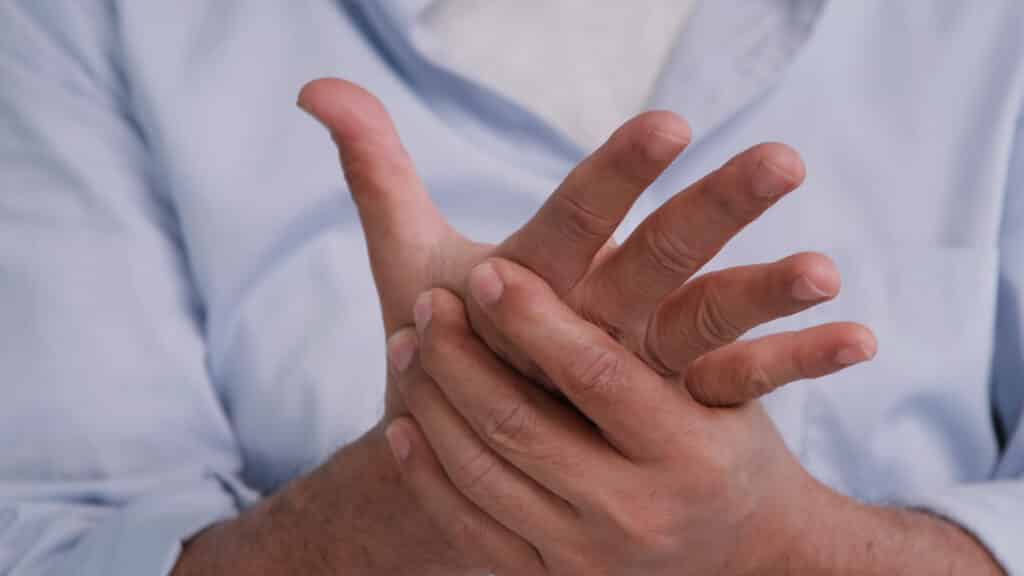
Understanding Hand Muscle Spasms
Hand muscle spasms are sudden, involuntary muscle contractions that can cause discomfort, stiffness, or temporary loss of hand function. While occasional cramps may occur after overuse or dehydration, frequent or persistent hand spasms may indicate an underlying neurological, muscular, metabolic, or orthopedic condition that should be evaluated by a healthcare provider.
Because your hands are involved in nearly every daily activity, recurring muscle spasms can make it difficult to write, type, grip objects, prepare meals, or perform other routine tasks. Identifying the underlying cause is an important step toward selecting the most appropriate treatment.
This guide explains common causes of hand muscle spasms, associated medical conditions, available treatment options, and how our Relatyv Neurofunctional Pain Management approach may complement your overall care plan when chronic pain contributes to your symptoms.
Common Symptoms
Hand muscle spasms may occur with one or more of the following symptoms:
- Sudden, involuntary muscle contractions.
- Cramping or tightening of the hand or fingers.
- Sharp, aching, or throbbing pain.
- Twitching or visible muscle movements beneath the skin.
- Temporary difficulty moving the hand or fingers.
- Weakness following a muscle spasm.
- Reduced grip strength.
- Stiffness after the spasm resolves.
Common Causes of Hand Muscle Spasms
Muscle Overuse
Repetitive activities such as typing, writing, gripping tools, playing musical instruments, or prolonged manual labor can fatigue the hand muscles and trigger cramping or spasms.
Dehydration and Electrolyte Imbalances
Low fluid intake or deficiencies in electrolytes such as potassium, magnesium, or calcium can interfere with normal muscle function and contribute to muscle cramps.
Nerve Compression
Compression or irritation of nerves supplying the hand may lead to muscle spasms, weakness, numbness, or tingling.
Poor Circulation
Reduced blood flow caused by certain medical conditions or exposure to cold temperatures may contribute to muscle cramping in some individuals.
Medication Side Effects
Some prescription medications may contribute to muscle cramps or spasms. If you suspect your medication is causing symptoms, discuss your concerns with your healthcare provider before making any changes.
Medical Conditions Associated with Hand Muscle Spasms
Carpal Tunnel Syndrome
Compression of the median nerve at the wrist may contribute to muscle spasms along with numbness, tingling, pain, and reduced grip strength.
Peripheral Neuropathy
Peripheral nerve damage may produce muscle cramps, burning pain, numbness, tingling, or weakness affecting the hands.
Rheumatoid Arthritis
Inflammation involving the joints and surrounding tissues may contribute to pain, stiffness, and muscle spasms.
Hypothyroidism
An underactive thyroid can affect muscle function and may contribute to cramps, weakness, and stiffness.
Parkinson’s Disease
Neurological conditions such as Parkinson’s disease may affect muscle control and contribute to muscle spasms or rigidity.
Focal Hand Dystonia
This movement disorder most commonly affects individuals who perform repetitive, highly skilled hand movements, including musicians and some athletes.
When Should You Seek Medical Care?
You should schedule a medical evaluation if hand muscle spasms:
- Become frequent or progressively worse.
- Are accompanied by persistent pain.
- Occur with numbness, tingling, or weakness.
- Interfere with work or daily activities.
- Do not improve with rest, hydration, or activity modification.
Seek emergency medical attention immediately if muscle spasms occur with sudden paralysis, severe weakness, loss of consciousness, difficulty speaking, chest pain, severe injury, or loss of circulation to the hand.
How Hand Muscle Spasms Are Diagnosed
Your healthcare provider may recommend:
- Review of your medical history and symptoms.
- Physical examination of the hand, wrist, and upper extremity.
- Assessment of strength, sensation, reflexes, and coordination.
- Blood tests to evaluate electrolyte levels, thyroid function, vitamin deficiencies, or other medical conditions.
- X-rays or MRI imaging when structural problems are suspected.
- Electromyography (EMG) and nerve conduction studies to evaluate muscle and nerve function.
Conventional Treatment Options
Treatment depends on the underlying diagnosis and severity of symptoms.
Home Care
Gentle stretching, massage, heat or cold therapy, adequate hydration, proper nutrition, and ergonomic modifications may help reduce occasional muscle spasms.
Medications
Your healthcare provider may recommend acetaminophen, nonsteroidal anti-inflammatory drugs (NSAIDs), muscle relaxants, or other medications based on the underlying cause of your symptoms.
Physical or Occupational Therapy
Therapy programs may improve flexibility, strength, hand function, and movement patterns while reducing muscle strain.
Treatment of Underlying Medical Conditions
Managing thyroid disorders, nerve compression, arthritis, electrolyte abnormalities, or other contributing conditions often helps reduce recurrent muscle spasms.
Surgery
In uncommon situations involving significant nerve compression or structural abnormalities that do not respond to conservative treatment, surgery may be recommended.
Our Relatyv Neurofunctional Pain Management Approach
At Relatyv, our Neurofunctional Pain Management approach is designed to help manage chronic pain associated with neurological and musculoskeletal conditions. Our care complements appropriate medical evaluation and treatment rather than replacing it.
Each treatment plan is individualized based on your diagnosis, symptoms, and goals. Care may include electroanalgesia, IV therapy when clinically appropriate, nutritional support, and lifestyle recommendations that complement your existing medical care.
Our non-invasive, drug-free approach is intended to help reduce pain, improve function, and support overall well-being. Outcomes vary depending on the underlying cause of the condition.
Supporting Healthy Hand Muscles
You may be able to reduce the risk of recurring muscle spasms by:
- Staying well hydrated.
- Maintaining a balanced diet with adequate electrolytes.
- Taking breaks during repetitive hand activities.
- Performing stretching and strengthening exercises.
- Using proper ergonomics while working.
- Managing chronic medical conditions with your healthcare provider.
Take the Next Step Toward Better Hand Function
Persistent hand muscle spasms may result from muscle fatigue, nerve compression, electrolyte imbalances, neurological disorders, or other medical conditions. Because treatment depends on identifying the underlying cause, obtaining an accurate diagnosis is an important first step toward improving comfort and restoring hand function.
At Relatyv, we provide personalized, non-invasive care designed to help reduce chronic pain and improve function. Our Neurofunctional Pain Management approach may complement your existing medical treatment while supporting improved mobility, comfort, and quality of life.