Posts By :

CACRelatyv

Relatyv - Shoulder Muscle Spasm

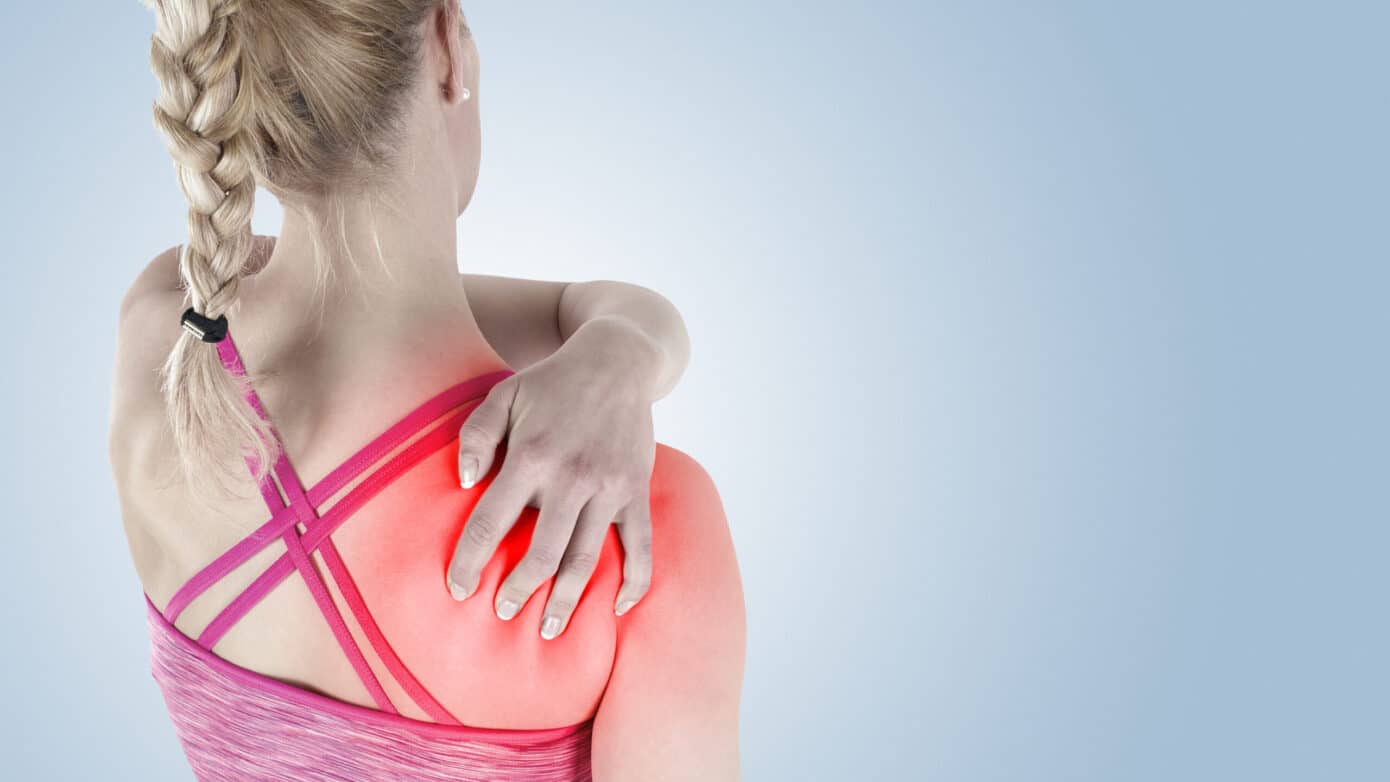
Shoulder Muscle Spasm

Shoulder Muscle Spasm 2560 1442 Relatyv

Understanding Shoulder Muscle Spasms

Shoulder muscle spasms are sudden, involuntary muscle contractions that can cause pain, tightness, and temporary loss of movement. While occasional spasms are common and often resolve on their own, frequent or severe episodes may indicate an underlying musculoskeletal or neurological condition that should be evaluated.

Because the shoulder is one of the body’s most mobile joints, muscle spasms can affect not only the shoulder itself but also the neck, upper back, arm, and surrounding muscles.

This guide explains common causes of shoulder muscle spasms, treatment options, and how our Relatyv Neurofunctional Pain Management approach may complement your overall care plan when chronic pain is contributing to your symptoms.

Common Causes of Shoulder Muscle Spasms

Muscle spasms can develop for a variety of reasons, including:

  • Muscle overuse or repetitive movements.
  • Dehydration.
  • Electrolyte imbalances.
  • Nerve irritation or compression.
  • Poor posture or ergonomics.
  • Reduced circulation.
  • Certain medications.

Common Symptoms

Shoulder muscle spasms may cause:

  • Sudden tightening or cramping of the muscles.
  • Sharp, aching, or throbbing pain.
  • Muscle stiffness.
  • Limited range of motion.
  • Twitching or visible muscle movement.
  • Pain that extends into the neck, upper back, or arm.

Conditions Associated with Shoulder Muscle Spasms

Shoulder Impingement Syndrome

Compression of the shoulder tendons during movement may cause pain, inflammation, muscle guarding, and recurring spasms.

Shoulder Bursitis

Inflammation of the fluid-filled bursae that cushion the shoulder can lead to pain, stiffness, and muscle tightness.

Thoracic Outlet Syndrome

Compression of nerves or blood vessels between the neck and shoulder may result in pain, numbness, weakness, and muscle spasms.

Multiple Sclerosis

Multiple sclerosis can affect nerve signaling and, in some individuals, contribute to muscle spasms, stiffness, or spasticity.

When Should You Seek Medical Care?

You should schedule a medical evaluation if shoulder muscle spasms:

  • Occur frequently or become more severe.
  • Limit shoulder or arm movement.
  • Are associated with persistent pain.
  • Occur with numbness, tingling, or weakness.
  • Develop after an injury.

Seek immediate medical attention if you experience severe trauma, a visible shoulder deformity, sudden inability to move your arm, chest pain, difficulty breathing, fever with shoulder redness and swelling, or sudden neurological symptoms.

How Shoulder Muscle Spasms Are Diagnosed

Your healthcare provider may recommend:

  • Medical history review.
  • Physical examination.
  • Assessment of shoulder strength and range of motion.
  • X-rays to evaluate bones and joint alignment.
  • MRI to assess muscles, tendons, ligaments, and other soft tissues.
  • Electromyography (EMG) or nerve conduction studies if nerve involvement is suspected.

Conventional Treatment Options

Treatment depends on the underlying cause of the muscle spasms.

Rest and Activity Modification

Temporarily reducing activities that aggravate the shoulder may allow irritated muscles and tissues to recover.

Heat and Cold Therapy

Heat may help relax tight muscles, while cold therapy may reduce pain and inflammation following an acute injury.

Physical Therapy

Physical therapy can improve shoulder strength, flexibility, posture, and movement patterns while helping reduce muscle spasms.

Massage Therapy

Massage may help reduce muscle tension and improve comfort for some individuals when used as part of a comprehensive treatment plan.

Medications

Your healthcare provider may recommend medications such as nonsteroidal anti-inflammatory drugs (NSAIDs) or other therapies depending on the diagnosis.

Corticosteroid Injections

For selected inflammatory shoulder conditions, corticosteroid injections may provide temporary symptom relief.

Surgery

If significant structural damage or persistent nerve compression is present and conservative treatment has not been successful, surgery may be recommended.

Our Relatyv Neurofunctional Pain Management Approach

At Relatyv, our Neurofunctional Pain Management approach is designed to help manage chronic pain associated with neurological and musculoskeletal conditions affecting the shoulder. Our care complements appropriate medical evaluation and treatment rather than replacing it.

Each treatment plan is individualized based on your diagnosis, symptoms, and goals. Care may include electroanalgesia, IV therapy when clinically appropriate, nutritional support, and lifestyle recommendations that complement your existing medical care.

While treatment may help reduce pain and improve function for some individuals, outcomes vary depending on the underlying cause of the condition.

Supporting Healthy Shoulder Function

You may be able to reduce the risk of recurring shoulder muscle spasms by:

  • Maintaining proper posture.
  • Staying well hydrated.
  • Eating a balanced diet that supports muscle health.
  • Taking breaks during repetitive activities.
  • Performing regular stretching and strengthening exercises.
  • Using proper lifting and movement techniques.

Find Relief from Chronic Shoulder Pain

Persistent shoulder muscle spasms may be a sign of an underlying condition involving the muscles, tendons, joints, or nerves. Obtaining an accurate diagnosis is essential for determining the most appropriate treatment plan and improving long-term shoulder function.

At Relatyv, we provide personalized, non-invasive care designed to help reduce chronic pain and improve function. Our Neurofunctional Pain Management approach may complement your existing medical treatment while supporting improved mobility and quality of life.


Relatyv - Tendon Swelling

Understanding Tendon Swelling

Understanding Tendon Swelling 2560 1442 Relatyv

Understanding Tendon Swelling

Tendons are strong bands of connective tissue that attach muscles to bones, allowing your joints to move smoothly and efficiently. When a tendon becomes irritated or inflamed, it may become swollen, painful, and less able to tolerate everyday activities.

Tendon swelling can occur anywhere in the body but is most common in areas that experience repetitive movement or increased physical stress. While many cases improve with rest and conservative treatment, persistent swelling or pain should be evaluated to determine the underlying cause.

This guide explains the symptoms, common causes, treatment options, and how our Relatyv Neurofunctional Pain Management approach may complement your overall care plan when chronic pain is contributing to your symptoms.

Common Symptoms of Tendon Swelling

Tendon swelling may cause one or more of the following symptoms:

  • Localized pain or tenderness.
  • Visible swelling around the tendon.
  • Warmth or redness over the affected area.
  • Reduced strength.
  • Limited range of motion.
  • A grating or creaking sensation during movement.
  • Small lumps or thickening along the tendon.

Where Tendon Swelling Commonly Occurs

Tendon inflammation can affect nearly any tendon but is most commonly seen in the:

  • Shoulders (rotator cuff tendons).
  • Elbows (tennis elbow and golfer’s elbow).
  • Wrists and thumbs (De Quervain’s tenosynovitis).
  • Knees (patellar tendon).
  • Ankles (Achilles tendon).
  • Feet.

Common Causes of Tendon Swelling

Repetitive Movements

Repeated lifting, sports participation, or repetitive work activities can place ongoing stress on tendons, leading to irritation and inflammation.

Overuse

Suddenly increasing physical activity or exercising without adequate recovery may overload tendons and contribute to injury.

Poor Posture and Biomechanics

Improper posture or movement patterns may increase stress on tendons over time.

Acute Injury

Falls, sudden impacts, or forceful movements may strain or partially tear tendons, resulting in pain and swelling.

Infection

Although uncommon, infections affecting tissues around a tendon can cause swelling and require prompt medical treatment.

Medical Conditions Associated with Tendon Swelling

Tendinitis

Tendinitis is inflammation or irritation of a tendon that commonly develops after overuse or repetitive activity.

Tendinosis

Tendinosis is a chronic degenerative tendon condition that develops over time and may cause persistent pain, stiffness, and reduced function.

Rheumatoid Arthritis

This autoimmune disease may contribute to inflammation involving the joints and surrounding tendons.

Psoriatic Arthritis

People with psoriatic arthritis may develop inflammation where tendons attach to bone, leading to pain and swelling.

Ankylosing Spondylitis

This inflammatory condition primarily affects the spine but can also involve tendons and ligaments throughout the body.

Bursitis

Inflammation of the bursae near joints may occur alongside tendon inflammation and contribute to pain and reduced mobility.

When Should You Seek Medical Care?

You should schedule a medical evaluation if tendon swelling:

  • Persists despite rest.
  • Continues to worsen.
  • Limits normal movement.
  • Interferes with work or daily activities.
  • Occurs repeatedly.

Seek immediate medical attention if you experience severe pain, inability to move the affected joint, significant redness or warmth, fever, drainage from the area, or sudden loss of function following an injury.

How Tendon Swelling Is Diagnosed

Your healthcare provider may recommend:

  • Medical history review.
  • Physical examination.
  • Assessment of tenderness, swelling, strength, and range of motion.
  • X-rays to evaluate nearby bones and joints.
  • Ultrasound or MRI to assess tendon injury or inflammation.

Conventional Treatment Options

Treatment depends on the cause and severity of the tendon injury.

Medications

Nonsteroidal anti-inflammatory drugs (NSAIDs) may help reduce pain and inflammation. In selected cases, corticosteroid injections may be considered, although repeated injections may not be appropriate for every tendon.

Physical or Occupational Therapy

Rehabilitation programs focus on improving strength, flexibility, movement patterns, and reducing stress on the affected tendon.

Activity Modification

Temporarily reducing or modifying activities that aggravate symptoms may allow the tendon time to recover.

Surgery

If significant tendon damage is present or symptoms persist despite conservative treatment, surgery may be recommended for carefully selected patients.

Our Relatyv Neurofunctional Pain Management Approach

At Relatyv, our Neurofunctional Pain Management approach is designed to help manage chronic pain associated with neurological and musculoskeletal conditions. Our care complements appropriate medical evaluation and treatment rather than replacing it.

Each treatment plan is individualized based on your diagnosis, symptoms, and goals. Care may include electroanalgesia, IV therapy when clinically appropriate, nutritional support, and lifestyle recommendations that complement your existing medical care.

While treatment may help reduce pain and improve function for some individuals, outcomes vary depending on the underlying cause of the condition.

Supporting Healthy Tendons

You may be able to reduce your risk of tendon problems by:

  • Gradually increasing physical activity.
  • Using proper lifting and exercise techniques.
  • Maintaining good posture.
  • Taking breaks during repetitive activities.
  • Strengthening and stretching muscles that support your joints.
  • Addressing pain early before it becomes chronic.

Find Relief from Chronic Tendon Pain

Persistent tendon swelling can interfere with movement, work, exercise, and daily activities. Obtaining an accurate diagnosis is essential for identifying the underlying cause and determining the most appropriate treatment plan.

At Relatyv, we provide personalized, non-invasive care designed to help reduce chronic pain and improve function. Our Neurofunctional Pain Management approach may complement your existing medical treatment while supporting improved mobility, comfort, and quality of life.

Relatyv - Pain to Touch

Understanding Why There Is Tenderness And Pain When Touched

Understanding Why There Is Tenderness And Pain When Touched 2394 1348 Relatyv

Understanding Skin Tenderness and Pain When Touched

Skin tenderness or pain when touched, also known as touch sensitivity, can make everyday activities uncomfortable. Even light pressure from clothing, bedding, or normal contact may cause soreness, burning, or pain. While temporary skin tenderness can occur after an injury or illness, persistent sensitivity may indicate an underlying neurological, musculoskeletal, inflammatory, or autoimmune condition that should be evaluated by a healthcare provider.

This guide explains common causes of skin tenderness, treatment options, and how our Relatyv Neurofunctional Pain Management approach may complement your overall care plan when chronic pain is contributing to your symptoms.

Common Symptoms

Skin tenderness may present differently depending on the underlying cause. Symptoms can include:

  • Pain or soreness when the skin is touched.
  • Localized tenderness.
  • Increased skin sensitivity.
  • Redness or mild swelling.
  • Numbness or tingling.
  • Sensitivity to heat or cold.
  • Muscle stiffness near the affected area.
  • Changes in skin texture, such as dryness or irritation.

Common Causes of Skin Tenderness

Skin tenderness may result from a variety of conditions affecting the skin, nerves, muscles, or connective tissues.

Tendinitis

Inflammation of a tendon can cause localized pain and tenderness around the affected joint, making nearby skin sensitive to pressure.

Rheumatoid Arthritis

This autoimmune condition causes joint inflammation that may lead to pain, swelling, stiffness, and tenderness in surrounding tissues.

Fibromyalgia

Fibromyalgia is a chronic pain condition associated with widespread musculoskeletal pain, fatigue, sleep disturbances, and increased sensitivity to touch.

Peripheral Neuropathy

Damage to peripheral nerves may cause burning, tingling, numbness, or pain that makes even light touch uncomfortable.

Lupus

Lupus is an autoimmune disease that may affect the skin, joints, and internal organs, sometimes causing pain, inflammation, and skin sensitivity.

Complex Regional Pain Syndrome (CRPS)

CRPS is a chronic pain condition that can develop after an injury or surgery and may cause severe sensitivity to touch, burning pain, swelling, and changes in skin temperature or color.

When Should You Seek Medical Care?

You should schedule a medical evaluation if skin tenderness:

  • Persists without an obvious cause.
  • Becomes more severe over time.
  • Interferes with sleep or daily activities.
  • Occurs with numbness, weakness, or significant swelling.
  • Develops after an injury or infection.

Seek immediate medical attention if skin tenderness is accompanied by rapidly spreading redness, high fever, severe swelling, sudden weakness, difficulty speaking, loss of sensation, or other sudden neurological symptoms.

How Skin Tenderness Is Diagnosed

Your healthcare provider may recommend:

  • Medical history review.
  • Physical examination.
  • Neurological evaluation.
  • Blood tests to assess for autoimmune or inflammatory conditions.
  • X-rays, MRI, or ultrasound when structural problems are suspected.
  • Nerve conduction studies or electromyography (EMG) if nerve disorders are suspected.

Conventional Treatment Options

Treatment depends on the underlying cause of your symptoms.

Medications

Your healthcare provider may recommend medications such as nonsteroidal anti-inflammatory drugs (NSAIDs), topical treatments, or medications that target nerve pain depending on your diagnosis.

Nerve Block Injections

For selected pain conditions, nerve block injections may provide temporary symptom relief as part of a broader treatment plan.

Physical and Occupational Therapy

Rehabilitation programs may improve movement, reduce pain, and help individuals adapt daily activities while recovering.

Complementary Therapies

Some individuals benefit from therapies such as massage, acupuncture, or other supportive treatments when used alongside evidence-based medical care.

Our Relatyv Neurofunctional Pain Management Approach

At Relatyv, our Neurofunctional Pain Management approach is designed to help manage chronic pain associated with neurological and musculoskeletal conditions. Our care complements appropriate medical evaluation and treatment rather than replacing it.

Each treatment plan is individualized based on your diagnosis, symptoms, and goals. Care may include electroanalgesia, IV therapy when clinically appropriate, nutritional support, and lifestyle recommendations that complement your existing medical care.

While treatment may help reduce pain and improve function for some individuals, outcomes vary depending on the underlying cause of the condition.

Supporting Healthy Nerves and Soft Tissues

You may be able to reduce ongoing discomfort by:

  • Managing underlying medical conditions.
  • Maintaining regular physical activity within your comfort level.
  • Getting adequate sleep.
  • Managing stress.
  • Eating a balanced diet and staying hydrated.
  • Following your healthcare provider’s treatment recommendations.

Find Relief from Chronic Skin Tenderness

Persistent skin tenderness or pain when touched should not be ignored, particularly if it interferes with your daily activities or quality of life. Obtaining an accurate diagnosis is the first step toward identifying the underlying cause and developing an appropriate treatment plan.

At Relatyv, we provide personalized, non-invasive care designed to help reduce chronic pain and improve function. Our Neurofunctional Pain Management approach may complement your existing medical treatment while supporting improved comfort, mobility, and quality of life.

Relatyv - Facial Redness and Sweating

Identifying The Factors Behind Unusual Facial Flushing or Sweating

Identifying The Factors Behind Unusual Facial Flushing or Sweating 2560 1442 Relatyv

Understanding Facial Flushing and Excessive Sweating

Facial flushing is a temporary reddening and warming of the skin caused by increased blood flow to the small blood vessels beneath the surface. It commonly affects the face, neck, and upper chest and may occur alongside excessive sweating. While occasional flushing is often triggered by emotions, exercise, spicy foods, or warm environments, frequent or unexplained episodes may be associated with an underlying medical condition that deserves evaluation.

This guide explains common causes of facial flushing and sweating, treatment options, and how our Relatyv Neurofunctional Pain Management approach may complement your overall care plan when chronic pain or neurological conditions contribute to your symptoms.

Common Symptoms

Facial flushing may be accompanied by:

  • Redness of the face, neck, or upper chest.
  • A sensation of warmth or heat.
  • Excessive sweating.
  • Visible blood vessels.
  • Skin sensitivity or burning sensations.
  • Swelling or skin discoloration.
  • Episodes that come and go or occur after specific triggers.

Common Triggers

Many episodes of facial flushing are temporary and may be triggered by:

  • Emotional stress, anxiety, or embarrassment.
  • Exercise.
  • Spicy foods.
  • Alcohol.
  • Caffeine.
  • Warm temperatures or hot environments.
  • Hormonal changes, including menopause.
  • Certain medications.

Medical Conditions Associated with Facial Flushing

Rosacea

Rosacea is a chronic skin condition that commonly causes facial redness, flushing, visible blood vessels, and acne-like bumps.

Sunburn

Excessive ultraviolet (UV) exposure can damage the skin and cause redness, warmth, swelling, tenderness, and peeling.

Migraine and Cluster Headaches

Some headache disorders may cause autonomic symptoms, including facial flushing, tearing, sweating, and redness during an attack.

Menopause

Hormonal changes during menopause frequently cause hot flashes that combine facial flushing, warmth, and excessive sweating.

Allergic Reactions

Allergic reactions may cause flushing, hives, swelling, itching, and other symptoms that require prompt medical evaluation.

Carotid Sinus Syndrome

This uncommon condition affects blood pressure regulation and may contribute to flushing, dizziness, or fainting when pressure is applied to the neck.

When Should You Seek Medical Care?

You should schedule a medical evaluation if facial flushing:

  • Occurs frequently without an obvious trigger.
  • Becomes progressively worse.
  • Interferes with sleep or daily activities.
  • Occurs with persistent redness or skin changes.
  • Is accompanied by other concerning symptoms.

Seek immediate medical attention if flushing occurs with difficulty breathing, swelling of the lips or throat, chest pain, loss of consciousness, severe allergic reactions, high fever, or sudden neurological symptoms.

How Facial Flushing Is Diagnosed

Your healthcare provider may recommend:

  • Medical history review.
  • Physical examination.
  • Evaluation of symptom patterns and potential triggers.
  • Blood tests to evaluate hormonal, thyroid, or inflammatory conditions.
  • Allergy testing if an allergic reaction is suspected.
  • Referral to a dermatologist, neurologist, allergist, or endocrinologist when appropriate.

Conventional Treatment Options

Treatment depends on the underlying cause of facial flushing.

Trigger Management

Identifying and avoiding triggers such as spicy foods, alcohol, heat exposure, or emotional stress may reduce the frequency of flushing episodes.

Topical Treatments

Prescription topical medications may be recommended for conditions such as rosacea to reduce facial redness.

Oral Medications

Depending on the diagnosis, your healthcare provider may prescribe medications to treat allergies, migraines, hormonal symptoms, anxiety, or other underlying conditions.

Laser Therapy

Laser treatments may be considered for persistent facial redness or visible blood vessels in selected individuals.

Sun Protection

Using sunscreen, protective clothing, and limiting excessive sun exposure can help reduce sun-related skin damage and minimize rosacea flare-ups.

Our Relatyv Neurofunctional Pain Management Approach

At Relatyv, our Neurofunctional Pain Management approach is designed to help manage chronic pain associated with neurological and musculoskeletal conditions. Our care complements appropriate medical evaluation and treatment rather than replacing it.

Each treatment plan is individualized based on your diagnosis, symptoms, and goals. Care may include electroanalgesia, IV therapy when clinically appropriate, nutritional support, and lifestyle recommendations that complement your existing medical care.

While treatment may help reduce pain and improve function for some individuals, outcomes vary depending on the underlying cause of the condition.

Supporting Healthy Skin and Overall Wellness

You may be able to reduce episodes of facial flushing by:

  • Identifying and avoiding personal triggers.
  • Managing stress.
  • Limiting alcohol and spicy foods if they worsen symptoms.
  • Using daily sun protection.
  • Maintaining healthy sleep habits.
  • Working with your healthcare provider to manage underlying medical conditions.

Find Relief from Chronic Symptoms

Persistent facial flushing and excessive sweating can affect your comfort, confidence, and quality of life. Obtaining an accurate diagnosis is essential for identifying the underlying cause and developing an appropriate treatment plan.

At Relatyv, we provide personalized, non-invasive care designed to help reduce chronic pain and improve function. Our Neurofunctional Pain Management approach may complement your existing medical treatment while supporting improved comfort and overall well-being.

Relatyv - Shoulder Blade Pain

Upper Back Pain Between The Shoulder Blades

Upper Back Pain Between The Shoulder Blades 2560 1442 Relatyv

Understanding Upper Back Pain Between the Shoulder Blades

Upper back pain between the shoulder blades is a common complaint that can range from mild muscle tension to persistent pain that interferes with work, exercise, and daily activities. Because this area contains muscles, joints, nerves, and portions of the spine, discomfort may originate from several different structures or even be referred from another part of the body.

While many cases result from muscle strain or poor posture, persistent or severe pain should be evaluated by a healthcare provider to identify the underlying cause and determine the most appropriate treatment.

This guide explains common causes of upper back pain between the shoulder blades, treatment options, and how our Relatyv Neurofunctional Pain Management approach may complement your overall care plan when chronic pain is contributing to your symptoms.

Common Symptoms

Upper back pain between the shoulder blades may present with:

  • Muscle stiffness.
  • Tightness or muscle tension.
  • Tenderness between the shoulder blades.
  • Reduced range of motion.
  • Pain that radiates into the neck, shoulders, chest, or arms.
  • Numbness or tingling if nerves are involved.
  • Discomfort that worsens with prolonged sitting, standing, or repetitive activity.

Common Causes

Muscle Strain and Overuse

Repetitive lifting, reaching, overhead work, or sports can strain the muscles between the shoulder blades and lead to pain and stiffness.

Poor Posture

Prolonged sitting, computer work, or poor workstation ergonomics can place continuous stress on the upper back muscles.

Sedentary Lifestyle

Weakness and muscle imbalances caused by prolonged inactivity may contribute to upper back discomfort.

Trauma or Injury

Falls, motor vehicle accidents, or other injuries may damage muscles, ligaments, joints, or bones in the upper back.

Age-Related Changes

Degenerative changes affecting the spine and surrounding joints become more common with age and may contribute to chronic upper back pain.

Medical Conditions Associated with Upper Back Pain

Herniated Disc

A herniated disc in the upper spine can place pressure on nearby nerves, causing pain that may radiate between the shoulder blades and into the arms.

Osteoarthritis

Degeneration of the spinal joints may cause pain, stiffness, and reduced mobility in the upper back.

Scoliosis

An abnormal curvature of the spine may place uneven stress on muscles and joints, contributing to pain between the shoulder blades.

Myofascial Pain Syndrome

This chronic pain condition involves sensitive trigger points within muscles that can produce localized or referred pain throughout the upper back.

Gallbladder Disease

Gallbladder inflammation or gallstones may cause referred pain that is often felt beneath the right shoulder blade.

Peptic Ulcer Disease

Ulcers affecting the stomach or upper intestine may occasionally cause referred pain in the upper back.

Heart Conditions

Some heart conditions, including angina and heart attack, may present with pain between the shoulder blades, particularly when accompanied by chest discomfort, shortness of breath, nausea, or sweating.

When Should You Seek Medical Care?

You should schedule a medical evaluation if upper back pain:

  • Persists for several weeks.
  • Continues to worsen.
  • Limits normal movement.
  • Radiates into the arms.
  • Occurs with numbness, tingling, or weakness.

Seek immediate medical attention if upper back pain occurs with chest pain, shortness of breath, severe trauma, sudden weakness, loss of bowel or bladder control, high fever, or unexplained weight loss.

How Upper Back Pain Is Diagnosed

Your healthcare provider may recommend:

  • Medical history review.
  • Physical examination.
  • Assessment of posture, muscle strength, and range of motion.
  • X-rays to evaluate the spine and surrounding joints.
  • MRI or CT imaging if disc injuries or nerve compression are suspected.
  • Additional testing when referred pain from internal organs is possible.

Conventional Treatment Options

Treatment depends on the underlying cause of the pain.

Heat and Cold Therapy

Cold therapy may reduce pain and inflammation after an acute injury, while heat can help relax tight muscles and improve mobility.

Physical Therapy

Physical therapy can improve posture, strengthen supporting muscles, restore flexibility, and reduce pain.

Activity Modification

Adjusting repetitive activities and improving workstation ergonomics may reduce stress on the upper back.

Massage Therapy

Massage may help reduce muscle tension and improve comfort for some individuals.

Medications

Your healthcare provider may recommend medications such as acetaminophen, nonsteroidal anti-inflammatory drugs (NSAIDs), muscle relaxants, or other treatments depending on your diagnosis.

Injections or Surgery

For certain spinal conditions that do not improve with conservative treatment, injections or surgery may be appropriate depending on the underlying diagnosis.

Our Relatyv Neurofunctional Pain Management Approach

At Relatyv, our Neurofunctional Pain Management approach is designed to help manage chronic pain associated with neurological and musculoskeletal conditions. Our care complements appropriate medical evaluation and treatment rather than replacing it.

Each treatment plan is individualized based on your diagnosis, symptoms, and goals. Care may include electroanalgesia, IV therapy when clinically appropriate, nutritional support, and lifestyle recommendations that complement your existing medical care.

While treatment may help reduce pain and improve function for some individuals, outcomes vary depending on the underlying cause of the condition.

Supporting a Healthy Upper Back

You may be able to reduce upper back pain by:

  • Maintaining good posture.
  • Using an ergonomic workstation.
  • Taking breaks during prolonged sitting.
  • Regularly stretching and strengthening the upper back and shoulders.
  • Using proper lifting techniques.
  • Maintaining a healthy weight and staying physically active.

Find Relief from Chronic Upper Back Pain

Persistent pain between the shoulder blades should not be ignored, especially if it affects your mobility, work, or quality of life. An accurate diagnosis is essential for identifying the underlying cause and developing an individualized treatment plan.

At Relatyv, we provide personalized, non-invasive care designed to help reduce chronic pain and improve function. Our Neurofunctional Pain Management approach may complement your existing medical treatment while supporting improved movement, comfort, and quality of life.

Relatyv - Back of Knee Pain

Vein Pain Behind The Knee: Exploring Different Causes And Treatments

Vein Pain Behind The Knee: Exploring Different Causes And Treatments 2560 1442 Relatyv

Understanding Vein Pain Behind the Knee

Pain behind the knee can have many possible causes, including problems involving the muscles, tendons, ligaments, nerves, joints, or blood vessels. When discomfort appears to be related to the veins, it may be accompanied by swelling, tenderness, or changes in skin color. Because some vascular conditions can become serious if left untreated, persistent or worsening pain behind the knee should be evaluated by a healthcare provider.

This guide explains common causes of vein pain behind the knee, treatment options, and how our Relatyv Neurofunctional Pain Management approach may complement your overall care plan when chronic pain is contributing to your symptoms.

Anatomy of the Back of the Knee

The back of the knee, known as the popliteal region, contains muscles, tendons, ligaments, nerves, arteries, and the popliteal vein. The popliteal vein carries blood from the lower leg back toward the heart and works together with surrounding muscles and valves to maintain healthy circulation.

Pain in this area is not always caused by the veins themselves, making an accurate diagnosis essential.

Common Symptoms

Depending on the underlying condition, vein pain behind the knee may be accompanied by:

  • Aching, throbbing, or sharp pain.
  • Leg swelling.
  • Pain that worsens with standing or walking.
  • Redness or warmth behind the knee.
  • Bruising or skin discoloration.
  • Tenderness to touch.
  • A feeling of heaviness in the leg.

Common Conditions Associated with Vein Pain Behind the Knee

Varicose Veins

Varicose veins are enlarged, twisted veins that may cause aching, heaviness, swelling, or discomfort, particularly after prolonged standing.

Chronic Venous Insufficiency (CVI)

CVI develops when leg veins have difficulty returning blood to the heart. Symptoms may include swelling, aching, skin changes, and discomfort that worsens throughout the day.

Thrombophlebitis

Inflammation of a vein, sometimes accompanied by a blood clot, may cause localized pain, redness, warmth, and tenderness.

Cellulitis

This bacterial skin infection can cause redness, warmth, swelling, and pain around the affected area and requires prompt medical treatment.

Other Conditions That May Cause Pain Behind the Knee

Deep Vein Thrombosis (DVT)

DVT occurs when a blood clot forms in a deep vein of the leg. It is a medical emergency because the clot can travel to the lungs and cause a pulmonary embolism.

Baker’s Cyst

A Baker’s cyst is a fluid-filled swelling behind the knee that may cause tightness, stiffness, swelling, and pain during movement.

Peripheral Artery Disease (PAD)

Reduced blood flow caused by narrowed arteries may produce leg pain during walking, cramping, and circulation problems.

When Should You Seek Medical Care?

You should schedule a medical evaluation if pain behind the knee:

  • Persists for several days.
  • Becomes progressively worse.
  • Interferes with walking or daily activities.
  • Occurs with swelling or tenderness.
  • Is associated with known vein disease.

Seek immediate medical attention if you develop sudden leg swelling, severe pain, redness, warmth, chest pain, shortness of breath, coughing up blood, or symptoms suggesting a deep vein thrombosis or pulmonary embolism.

How Vein Pain Behind the Knee Is Diagnosed

Your healthcare provider may recommend:

  • Medical history review.
  • Physical examination.
  • Assessment of circulation and swelling.
  • Duplex ultrasound to evaluate blood flow and detect blood clots.
  • Blood tests when clotting disorders or infection are suspected.
  • Additional vascular testing when chronic venous disease is suspected.

Conventional Treatment Options

Treatment depends on the underlying diagnosis.

Medications

Your healthcare provider may recommend medications such as antibiotics for infections, anticoagulants (blood thinners) for blood clots, anti-inflammatory medications, or other treatments based on the underlying condition.

Compression Therapy

Compression stockings may improve circulation, reduce swelling, and help manage symptoms of chronic venous insufficiency and varicose veins.

Injection Therapy

For selected vein disorders, minimally invasive injection treatments may be recommended to close abnormal veins.

Laser or Endovenous Procedures

Laser therapy or other minimally invasive vein procedures may be appropriate for some individuals with symptomatic varicose veins.

Surgery

When conservative treatment is unsuccessful or advanced vein disease is present, surgical intervention may be recommended.

Our Relatyv Neurofunctional Pain Management Approach

At Relatyv, our Neurofunctional Pain Management approach is designed to help manage chronic pain associated with neurological and musculoskeletal conditions. Our care complements appropriate medical evaluation and treatment rather than replacing it.

Each treatment plan is individualized based on your diagnosis, symptoms, and goals. Care may include electroanalgesia, IV therapy when clinically appropriate, nutritional support, and lifestyle recommendations that complement your existing medical care.

While treatment may help reduce pain and improve function for some individuals, outcomes vary depending on the underlying cause of the condition.

Supporting Healthy Circulation

You may be able to support healthy circulation and reduce symptoms by:

  • Staying physically active.
  • Avoiding prolonged sitting or standing.
  • Maintaining a healthy weight.
  • Elevating your legs when appropriate.
  • Wearing compression stockings if recommended by your healthcare provider.
  • Managing chronic medical conditions that affect circulation.

Find Relief from Chronic Knee Pain

Persistent pain behind the knee should not be ignored, particularly when accompanied by swelling or changes in circulation. An accurate diagnosis is essential for identifying the underlying cause and developing the most appropriate treatment plan.

At Relatyv, we provide personalized, non-invasive care designed to help reduce chronic pain and improve function. Our Neurofunctional Pain Management approach may complement your existing medical treatment while supporting improved mobility, comfort, and quality of life.

Relatyv - Difficulty Focusing

What Could Difficulty Focusing Mean?

What Could Difficulty Focusing Mean? 2560 1442 Relatyv

Understanding Difficulty Focusing and Concentrating

Difficulty focusing or concentrating can make it challenging to stay on task, process information, remember details, or complete everyday activities. While occasional lapses in concentration are common, persistent problems with attention may affect work performance, academic success, relationships, and overall quality of life.

Concentration difficulties can result from lifestyle factors, chronic medical conditions, neurological disorders, sleep problems, mental health conditions, or chronic pain. Identifying the underlying cause is an important step toward developing an effective treatment plan.

This guide explains common causes of difficulty concentrating, treatment options, and how our Relatyv Neurofunctional Pain Management approach may complement your overall care plan when chronic pain is contributing to cognitive symptoms.

Common Symptoms

Difficulty concentrating may occur alongside other symptoms, including:

  • Mental fog or difficulty thinking clearly.
  • Forgetfulness.
  • Difficulty making decisions.
  • Reduced attention span.
  • Irritability or frustration.
  • Fatigue or low energy.
  • Feeling overwhelmed by routine tasks.

Lifestyle Factors That Can Affect Concentration

Several everyday habits may contribute to reduced focus, including:

  • Insufficient sleep.
  • Chronic fatigue.
  • High levels of stress.
  • Limited physical activity.
  • Reduced mental stimulation or social engagement.
  • Excessive alcohol use.
  • Smoking or nicotine use.

Medical Conditions Associated with Difficulty Concentrating

Tension Headaches

Tension headaches may contribute to difficulty concentrating because ongoing head and neck pain can interfere with attention and mental performance.

Sleep Apnea

Interrupted breathing during sleep can lead to daytime fatigue, excessive sleepiness, and impaired concentration.

Hypothyroidism

An underactive thyroid may cause fatigue, slowed thinking, memory problems, and difficulty concentrating.

Multiple Sclerosis (MS)

MS may affect memory, processing speed, and attention as part of its impact on the central nervous system.

Fibromyalgia

Many individuals with fibromyalgia experience “fibro fog,” a collection of symptoms that can include memory problems, slowed thinking, and difficulty concentrating.

Attention-Deficit/Hyperactivity Disorder (ADHD)

ADHD affects attention, organization, impulse control, and executive functioning in both children and adults.

Anxiety Disorders

Persistent anxiety may interfere with concentration by making it difficult to focus on tasks while the mind is occupied with worry or stress.

When Should You Seek Medical Care?

You should schedule a medical evaluation if difficulty concentrating:

  • Persists for several weeks.
  • Interferes with work, school, or daily activities.
  • Occurs with memory loss or increasing confusion.
  • Develops alongside chronic pain or severe fatigue.
  • Is associated with significant mood changes.

Seek immediate medical attention if difficulty concentrating develops suddenly or occurs with confusion, difficulty speaking, weakness, vision changes, severe headache, loss of consciousness, or other signs of a possible stroke or neurological emergency.

How Concentration Problems Are Diagnosed

Your healthcare provider may recommend:

  • Medical history review.
  • Physical examination.
  • Neurological evaluation.
  • Assessment of sleep habits and mental health.
  • Blood tests to evaluate thyroid function, vitamin deficiencies, or other medical conditions.
  • Sleep studies, imaging, or cognitive testing when appropriate.

Conventional Treatment Options

Treatment depends on the underlying cause of your symptoms.

Lifestyle Modifications

Improving sleep, managing stress, exercising regularly, eating a balanced diet, and minimizing distractions can help support healthy cognitive function.

Behavioral Therapy

Cognitive behavioral therapy (CBT) and other psychological therapies may help individuals whose concentration difficulties are related to anxiety, depression, stress, or ADHD.

Medications

Depending on the diagnosis, your healthcare provider may recommend stimulant or non-stimulant medications for ADHD, medications for thyroid disorders, treatment for sleep disorders, or other therapies targeting the underlying condition.

Management of Chronic Pain

When chronic pain contributes to reduced concentration, addressing pain through an individualized treatment plan may help improve daily function.

Our Relatyv Neurofunctional Pain Management Approach

At Relatyv, our Neurofunctional Pain Management approach is designed to help manage chronic pain associated with neurological and musculoskeletal conditions. Our care complements appropriate medical evaluation and treatment rather than replacing it.

If chronic pain, such as persistent tension headaches or other neurological pain conditions, is affecting your ability to focus, our individualized treatment plans may help reduce pain and improve daily function.

Care may include electroanalgesia, IV therapy when clinically appropriate, nutritional support, and lifestyle recommendations that complement your existing medical care.

While treatment may help reduce pain and improve function for some individuals, outcomes vary depending on the underlying cause of the condition.

Supporting Healthy Brain Function

You may be able to improve concentration by:

  • Getting seven to nine hours of quality sleep each night.
  • Managing stress through relaxation techniques or mindfulness.
  • Limiting distractions while working.
  • Completing one task at a time.
  • Staying physically active.
  • Eating a balanced diet and staying hydrated.
  • Working with your healthcare provider to manage chronic medical conditions.

Find Relief from Chronic Pain and Improve Daily Function

Difficulty concentrating can have many possible causes, and obtaining an accurate diagnosis is essential for determining the most appropriate treatment. When chronic pain contributes to reduced focus, managing the underlying pain may improve your ability to function throughout the day.

At Relatyv, we provide personalized, non-invasive care designed to help reduce chronic pain and improve function. Our Neurofunctional Pain Management approach may complement your existing medical treatment while supporting improved comfort, daily activity, and quality of life.

Relatyv - Digestive Discomfort

What Could Excess Gas In The Stomach Be A Symptom Of?

What Could Excess Gas In The Stomach Be A Symptom Of? 2560 1442 Relatyv

Understanding Excessive Gas and Digestive Discomfort

Everyone experiences intestinal gas from time to time, especially after eating certain foods. However, frequent or persistent gas, bloating, and abdominal discomfort may indicate an underlying digestive condition that deserves medical evaluation. While excess gas is often harmless, ongoing symptoms can interfere with daily activities, eating habits, and quality of life.

This guide explains common causes of excessive gas, treatment options, and how our Relatyv Neurofunctional Pain Management approach may complement your overall care plan when chronic pain associated with digestive conditions contributes to your symptoms.

Common Symptoms

Excessive gas may be accompanied by:

  • Abdominal bloating.
  • Belching.
  • Flatulence.
  • Rumbling or gurgling sounds.
  • A feeling of fullness.
  • Abdominal discomfort or cramping.

Common Causes of Excessive Gas

Dietary Factors

Certain foods naturally produce more intestinal gas, including beans, lentils, broccoli, cabbage, onions, whole grains, dairy products in people with lactose intolerance, and carbonated beverages. Eating quickly or swallowing excess air while chewing gum or drinking through a straw may also contribute.

Lifestyle Factors

Smoking, excessive alcohol consumption, prolonged inactivity, and eating large meals may affect digestion and increase gas production.

Medical Conditions Associated with Excessive Gas

Irritable Bowel Syndrome (IBS)

IBS commonly causes bloating, abdominal pain, excess gas, and changes in bowel habits, including diarrhea, constipation, or both.

Lactose Intolerance

People who cannot properly digest lactose may experience gas, bloating, cramping, and diarrhea after consuming dairy products.

Inflammatory Bowel Disease (IBD)

Conditions such as Crohn’s disease and ulcerative colitis can affect digestion and may cause abdominal pain, bloating, diarrhea, and gas.

Celiac Disease

Celiac disease is an autoimmune condition triggered by gluten that can lead to intestinal inflammation, bloating, excess gas, and nutrient malabsorption.

Functional Dyspepsia

This digestive disorder can cause upper abdominal discomfort, fullness, bloating, and excessive gas without an obvious structural cause.

Bowel Obstruction

A bowel obstruction is a medical emergency that may prevent gas and stool from passing normally, resulting in severe abdominal pain and bloating.

When Should You Seek Medical Care?

You should schedule a medical evaluation if excessive gas:

  • Persists for several weeks.
  • Occurs with frequent abdominal pain.
  • Interferes with eating or daily activities.
  • Occurs alongside ongoing diarrhea or constipation.
  • Returns despite dietary changes.

Seek immediate medical attention if excessive gas is accompanied by severe abdominal pain, persistent vomiting, blood in the stool, unexplained weight loss, inability to pass stool or gas, abdominal swelling, or fever.

How Excessive Gas Is Diagnosed

Your healthcare provider may recommend:

  • Medical history review.
  • Physical examination.
  • Review of dietary habits and symptom patterns.
  • Blood and stool testing.
  • Food intolerance testing when appropriate.
  • Imaging studies such as X-rays or CT scans if needed.
  • Upper endoscopy or colonoscopy for persistent or concerning symptoms.

Conventional Treatment Options

Treatment depends on the underlying cause of your symptoms.

Dietary Changes

Identifying food triggers, eating smaller meals, increasing water intake, and gradually increasing dietary fiber when appropriate may help reduce excess gas.

Natural Remedies

Some individuals find relief with peppermint tea, chamomile tea, fennel, ginger, or other dietary approaches that support digestive comfort.

Over-the-Counter Medications

Products containing simethicone, lactase supplements, or alpha-galactosidase may help reduce symptoms depending on the underlying cause.

Prescription Medications

For conditions such as IBS, inflammatory bowel disease, or bacterial overgrowth, your healthcare provider may recommend prescription medications tailored to your diagnosis.

Our Relatyv Neurofunctional Pain Management Approach

At Relatyv, our Neurofunctional Pain Management approach is designed to help manage chronic pain associated with neurological and musculoskeletal conditions. Our care complements appropriate medical evaluation and treatment rather than replacing it.

If chronic pain related to digestive disorders affects your daily activities, our individualized treatment plans may help reduce pain and improve function.

Care may include electroanalgesia, IV therapy when clinically appropriate, nutritional support, and lifestyle recommendations that complement your existing medical care.

While treatment may help reduce pain and improve function for some individuals, outcomes vary depending on the underlying cause of the condition.

Supporting Digestive Health

You may be able to reduce episodes of excessive gas by:

  • Eating slowly and chewing food thoroughly.
  • Keeping a food diary to identify dietary triggers.
  • Limiting carbonated beverages if they worsen symptoms.
  • Staying physically active.
  • Remaining well hydrated.
  • Working with your healthcare provider to manage digestive conditions.

Find Relief from Chronic Digestive Discomfort

Persistent gas, bloating, and abdominal discomfort should not be ignored, particularly when symptoms interfere with daily life or occur alongside other digestive concerns. An accurate diagnosis is essential for identifying the underlying cause and developing the most appropriate treatment plan.

At Relatyv, we provide personalized, non-invasive care designed to help reduce chronic pain and improve function. Our Neurofunctional Pain Management approach may complement your existing medical treatment while supporting improved comfort and quality of life.

Relatyv - Neck Pain

What is Causing Your Neck Tendon Pain?

What is Causing Your Neck Tendon Pain? 2560 1442 Relatyv

Understanding Tendon Pain in the Neck

Neck pain is one of the most common musculoskeletal complaints and can affect people of all ages. Tendon pain in the neck often develops when the tendons that connect muscles to bone become irritated or strained. While many cases improve with conservative care, persistent pain may be associated with an underlying condition that requires medical evaluation.

Whether the discomfort is on the left side, right side, or throughout the neck, understanding the cause is an important step toward choosing the most appropriate treatment.

This guide explains common causes of neck tendon pain, treatment options, and how our Relatyv Neurofunctional Pain Management approach may complement your overall care plan when chronic pain is contributing to your symptoms.

Understanding Neck Anatomy

The cervical spine consists of seven vertebrae (C1-C7) separated by intervertebral discs that provide cushioning and flexibility. Muscles, tendons, ligaments, and nerves work together to support the head while allowing the neck to move in multiple directions.

Tendons connect muscles to bones and help stabilize neck movement. When these structures become irritated from overuse, injury, or underlying conditions, pain and stiffness may develop.

Common Symptoms

Neck tendon pain may include:

  • Aching or soreness.
  • Sharp or stabbing pain.
  • Neck stiffness.
  • Pain with certain movements.
  • Reduced range of motion.
  • Muscle tightness.
  • Numbness or tingling if nearby nerves are affected.
  • Headaches associated with neck tension.

Common Causes

Poor Posture

Extended computer use, looking down at mobile devices, poor workstation ergonomics, and improper sleeping positions can place continuous strain on the muscles and tendons of the neck.

Repetitive Strain

Repeated neck movements, overhead work, or prolonged static positions may overload tendons and contribute to pain over time.

Injury

Whiplash, falls, sports injuries, or other trauma can injure muscles, tendons, and ligaments in the cervical spine.

Medical Conditions Associated with Neck Tendon Pain

Cervical Spondylosis

Age-related wear and tear affecting the cervical spine may contribute to neck pain, stiffness, reduced mobility, and nerve irritation.

Neck Tendinitis

Inflammation or irritation of one or more neck tendons may develop after repetitive use, overexertion, or injury.

Cervical Disc Herniation

A herniated disc may place pressure on nearby nerves, leading to neck pain that can radiate into the shoulders or arms.

Tension Headaches

Persistent muscle tension in the neck and shoulders can contribute to both headaches and neck discomfort.

Cluster Headaches

Although primarily affecting the head, cluster headaches may also produce neck muscle tension and discomfort.

Chronic Fatigue Syndrome

Individuals with chronic fatigue syndrome may experience widespread muscle pain that includes the neck and shoulders.

Temporomandibular Joint (TMJ) Disorders

Problems involving the jaw joint may contribute to referred pain in the neck because of the close relationship between jaw and neck muscles.

When Should You Seek Medical Care?

You should schedule a medical evaluation if neck pain:

  • Persists for more than a few weeks.
  • Continues to worsen.
  • Limits normal movement.
  • Radiates into the shoulders or arms.
  • Occurs with numbness, tingling, or weakness.

Seek immediate medical attention if neck pain develops after significant trauma or occurs with severe headache, fever, confusion, difficulty walking, loss of coordination, bowel or bladder dysfunction, or sudden weakness.

How Neck Tendon Pain Is Diagnosed

Your healthcare provider may recommend:

  • Medical history review.
  • Physical examination.
  • Assessment of neck movement and muscle strength.
  • Neurological evaluation.
  • X-rays to evaluate the cervical spine.
  • MRI or CT imaging if nerve compression or structural abnormalities are suspected.

Conventional Treatment Options

Treatment depends on the underlying cause of your symptoms.

Activity Modification

Reducing activities that aggravate symptoms and improving posture may help relieve strain on the neck.

Physical Therapy

Physical therapy may include stretching, strengthening exercises, posture correction, and manual therapy to improve mobility and function.

Medications

Your healthcare provider may recommend acetaminophen, nonsteroidal anti-inflammatory drugs (NSAIDs), muscle relaxants, or other medications depending on the diagnosis.

Heat and Cold Therapy

Cold therapy may help reduce pain following an acute injury, while heat may help relax tight muscles and improve flexibility.

Injections or Surgery

For certain conditions that do not respond to conservative care, injections or surgery may be considered based on the underlying diagnosis.

Our Relatyv Neurofunctional Pain Management Approach

At Relatyv, our Neurofunctional Pain Management approach is designed to help manage chronic pain associated with neurological and musculoskeletal conditions. Our care complements appropriate medical evaluation and treatment rather than replacing it.

Each treatment plan is individualized based on your diagnosis, symptoms, and goals. Care may include electroanalgesia, IV therapy when clinically appropriate, nutritional support, and lifestyle recommendations that complement your existing medical care.

While treatment may help reduce pain and improve function for some individuals, outcomes vary depending on the underlying cause of the condition.

Supporting a Healthy Neck

You may be able to reduce neck pain by:

  • Maintaining good posture throughout the day.
  • Using an ergonomic workstation.
  • Taking frequent breaks from prolonged sitting.
  • Performing regular stretching and strengthening exercises.
  • Using proper lifting techniques.
  • Sleeping with appropriate neck support.

Find Relief from Chronic Neck Pain

Persistent neck tendon pain should not be ignored, particularly if it limits movement or affects your daily activities. An accurate diagnosis is essential for identifying the underlying cause and developing an individualized treatment plan.

At Relatyv, we provide personalized, non-invasive care designed to help reduce chronic pain and improve function. Our Neurofunctional Pain Management approach may complement your existing medical treatment while supporting improved mobility, comfort, and quality of life.

Relatyv - Sensitivity to light and sound

What Sensitivity To Light And Sound May Indicate

What Sensitivity To Light And Sound May Indicate 9504 5354 Relatyv

Understanding Sensitivity to Light and Sound

Sensitivity to light (photophobia) and sound (phonophobia) can make everyday activities uncomfortable and overwhelming. Bright lighting, loud environments, or even routine tasks may trigger discomfort, headaches, or other symptoms that interfere with work, social activities, and quality of life.

While temporary sensitivity may occur from eye strain or stress, persistent symptoms can sometimes indicate an underlying medical condition. Identifying the cause is essential for developing the most appropriate treatment plan.

This guide explains common causes of light and sound sensitivity, treatment options, and how our Relatyv Neurofunctional Pain Management approach may complement your overall care plan when chronic pain is contributing to your symptoms.

How the Eyes and Ears Process Sensory Information

The eyes and ears continuously collect information from our surroundings and send signals to the brain for processing. The retina detects light through specialized cells called rods and cones, while the inner ear converts sound waves into electrical signals that travel to the brain through the auditory nerve.

When these systems or the neurological pathways that process sensory information become irritated or disrupted, increased sensitivity to light or sound may occur.

Common Symptoms

Individuals experiencing light and sound sensitivity may also notice:

  • Headaches.
  • Nausea.
  • Dizziness or lightheadedness.
  • Eye discomfort.
  • Difficulty tolerating bright environments.
  • Discomfort in noisy settings.

Common Causes

Eye Strain

Extended screen time, prolonged reading, or poor lighting may fatigue the eyes and increase sensitivity to bright light.

Stress and Anxiety

Stress and anxiety can heighten the body’s response to sensory input, making bright lights and loud sounds feel more intense.

Medication Side Effects

Some prescription medications may increase sensitivity to light or affect hearing. If symptoms begin after starting a new medication, discuss your concerns with your healthcare provider.

Medical Conditions Associated with Light and Sound Sensitivity

Migraine

Migraine headaches commonly cause sensitivity to both light and sound during attacks and may be accompanied by nausea or visual disturbances.

Cluster Headaches

Cluster headaches may produce severe head pain along with increased sensitivity to environmental light and noise.

Tinnitus

Tinnitus, commonly described as ringing or buzzing in the ears, may occur alongside increased sensitivity to sound.

Head Injury or Concussion

Following a head injury, the brain may become temporarily more sensitive to sensory stimulation, including bright lights and loud noises.

Chronic Fatigue Syndrome

Individuals with chronic fatigue syndrome may experience heightened sensitivity to environmental stimuli, including light and sound.

Neurological and Developmental Conditions

Some neurological or developmental conditions, including autism spectrum disorder and ADHD, may affect sensory processing and increase sensitivity to environmental stimuli.

When Should You Seek Medical Care?

You should schedule a medical evaluation if sensitivity to light or sound:

  • Occurs frequently.
  • Interferes with work or daily activities.
  • Develops alongside chronic headaches.
  • Persists despite avoiding known triggers.
  • Occurs with vision or hearing changes.

Seek immediate medical attention if sensitivity to light or sound develops suddenly after a head injury or occurs with severe headache, fever, stiff neck, confusion, seizures, sudden vision loss, or other neurological symptoms.

How Light and Sound Sensitivity Is Diagnosed

Your healthcare provider may recommend:

  • Medical history review.
  • Physical and neurological examination.
  • Vision and hearing assessments.
  • Review of medications.
  • Imaging studies, such as MRI or CT scans, when clinically indicated.
  • Referral to specialists, such as neurology, ophthalmology, or otolaryngology (ENT), depending on your symptoms.

Conventional Treatment Options

Treatment depends on the underlying cause of your symptoms.

Medications

Your healthcare provider may recommend medications to treat conditions such as migraines, anxiety disorders, or other medical conditions contributing to sensory sensitivity.

Environmental Modifications

Limiting exposure to bright lights or loud environments, wearing tinted lenses when appropriate, or using hearing protection in noisy settings may help reduce discomfort.

Cognitive Behavioral Therapy (CBT)

CBT may benefit individuals whose symptoms are associated with anxiety, chronic pain, or sensory processing challenges.

Sound Therapy

For certain hearing-related conditions, sound therapy may help improve tolerance to auditory stimuli under the guidance of a healthcare professional.

Our Relatyv Neurofunctional Pain Management Approach

At Relatyv, our Neurofunctional Pain Management approach is designed to help manage chronic pain associated with neurological and musculoskeletal conditions. Our care complements appropriate medical evaluation and treatment rather than replacing it.

If chronic neurological pain, including headache disorders, contributes to your sensitivity to light and sound, our individualized treatment plans may help reduce pain and improve daily function.

Care may include electroanalgesia, IV therapy when clinically appropriate, nutritional support, and lifestyle recommendations that complement your existing medical care.

While treatment may help reduce pain and improve function for some individuals, outcomes vary depending on the underlying cause of the condition.

Supporting Sensory Comfort

You may be able to reduce episodes of light and sound sensitivity by:

  • Taking regular breaks from screens.
  • Managing stress through relaxation techniques.
  • Maintaining consistent sleep habits.
  • Staying hydrated.
  • Avoiding known migraine or headache triggers when possible.
  • Working with your healthcare provider to manage chronic medical conditions.

Find Relief from Chronic Pain and Sensory Discomfort

Persistent sensitivity to light and sound should not be ignored, particularly when accompanied by headaches, dizziness, or neurological symptoms. An accurate diagnosis is essential for identifying the underlying cause and developing an individualized treatment plan.

At Relatyv, we provide personalized, non-invasive care designed to help reduce chronic pain and improve function. Our Neurofunctional Pain Management approach may complement your existing medical treatment while supporting improved comfort and quality of life.

Back to top
Privacy Preferences

When you visit our website, it may store information through your browser from specific services, usually in the form of cookies. Here you can change your Privacy preferences. It is worth noting that blocking some types of cookies may impact your experience on our website and the services we are able to offer.

Click to enable/disable Google Analytics tracking code.
Click to enable/disable Google Fonts.
Click to enable/disable Google Maps.
Click to enable/disable video embeds.
Our website uses cookies, mainly from 3rd party services. Define your Privacy Preferences and/or agree to our use of cookies.