

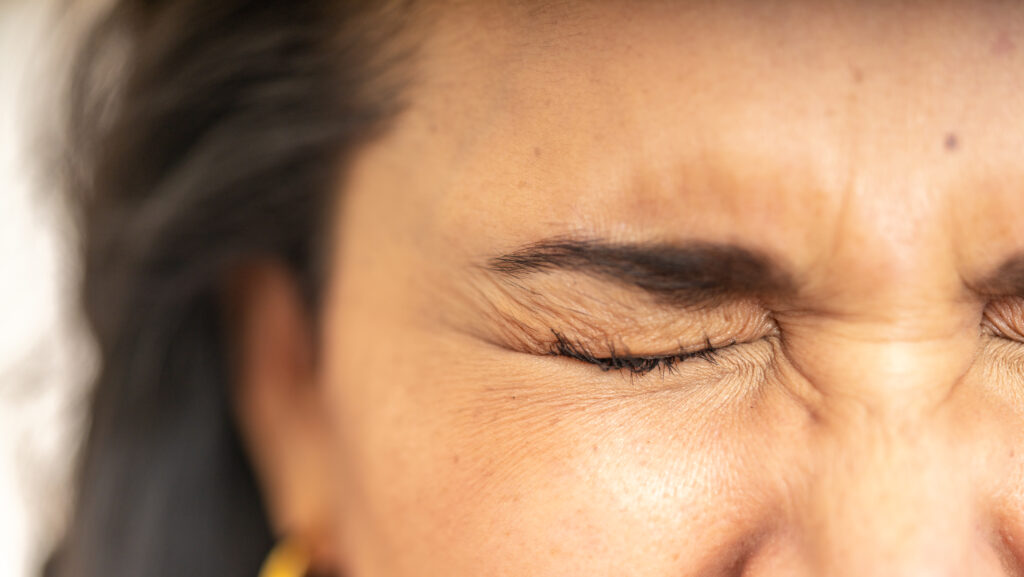
Understanding Sensitivity to Light and Sound
Sensitivity to light (photophobia) and sound (phonophobia) can make everyday activities uncomfortable and overwhelming. Bright lighting, loud environments, or even routine tasks may trigger discomfort, headaches, or other symptoms that interfere with work, social activities, and quality of life.
While temporary sensitivity may occur from eye strain or stress, persistent symptoms can sometimes indicate an underlying medical condition. Identifying the cause is essential for developing the most appropriate treatment plan.
This guide explains common causes of light and sound sensitivity, treatment options, and how our Relatyv Neurofunctional Pain Management approach may complement your overall care plan when chronic pain is contributing to your symptoms.
How the Eyes and Ears Process Sensory Information
The eyes and ears continuously collect information from our surroundings and send signals to the brain for processing. The retina detects light through specialized cells called rods and cones, while the inner ear converts sound waves into electrical signals that travel to the brain through the auditory nerve.
When these systems or the neurological pathways that process sensory information become irritated or disrupted, increased sensitivity to light or sound may occur.
Common Symptoms
Individuals experiencing light and sound sensitivity may also notice:
- Headaches.
- Nausea.
- Dizziness or lightheadedness.
- Eye discomfort.
- Difficulty tolerating bright environments.
- Discomfort in noisy settings.
Common Causes
Eye Strain
Extended screen time, prolonged reading, or poor lighting may fatigue the eyes and increase sensitivity to bright light.
Stress and Anxiety
Stress and anxiety can heighten the body’s response to sensory input, making bright lights and loud sounds feel more intense.
Medication Side Effects
Some prescription medications may increase sensitivity to light or affect hearing. If symptoms begin after starting a new medication, discuss your concerns with your healthcare provider.
Medical Conditions Associated with Light and Sound Sensitivity
Migraine
Migraine headaches commonly cause sensitivity to both light and sound during attacks and may be accompanied by nausea or visual disturbances.
Cluster Headaches
Cluster headaches may produce severe head pain along with increased sensitivity to environmental light and noise.
Tinnitus
Tinnitus, commonly described as ringing or buzzing in the ears, may occur alongside increased sensitivity to sound.
Head Injury or Concussion
Following a head injury, the brain may become temporarily more sensitive to sensory stimulation, including bright lights and loud noises.
Chronic Fatigue Syndrome
Individuals with chronic fatigue syndrome may experience heightened sensitivity to environmental stimuli, including light and sound.
Neurological and Developmental Conditions
Some neurological or developmental conditions, including autism spectrum disorder and ADHD, may affect sensory processing and increase sensitivity to environmental stimuli.
When Should You Seek Medical Care?
You should schedule a medical evaluation if sensitivity to light or sound:
- Occurs frequently.
- Interferes with work or daily activities.
- Develops alongside chronic headaches.
- Persists despite avoiding known triggers.
- Occurs with vision or hearing changes.
Seek immediate medical attention if sensitivity to light or sound develops suddenly after a head injury or occurs with severe headache, fever, stiff neck, confusion, seizures, sudden vision loss, or other neurological symptoms.
How Light and Sound Sensitivity Is Diagnosed
Your healthcare provider may recommend:
- Medical history review.
- Physical and neurological examination.
- Vision and hearing assessments.
- Review of medications.
- Imaging studies, such as MRI or CT scans, when clinically indicated.
- Referral to specialists, such as neurology, ophthalmology, or otolaryngology (ENT), depending on your symptoms.
Conventional Treatment Options
Treatment depends on the underlying cause of your symptoms.
Medications
Your healthcare provider may recommend medications to treat conditions such as migraines, anxiety disorders, or other medical conditions contributing to sensory sensitivity.
Environmental Modifications
Limiting exposure to bright lights or loud environments, wearing tinted lenses when appropriate, or using hearing protection in noisy settings may help reduce discomfort.
Cognitive Behavioral Therapy (CBT)
CBT may benefit individuals whose symptoms are associated with anxiety, chronic pain, or sensory processing challenges.
Sound Therapy
For certain hearing-related conditions, sound therapy may help improve tolerance to auditory stimuli under the guidance of a healthcare professional.
Our Relatyv Neurofunctional Pain Management Approach
At Relatyv, our Neurofunctional Pain Management approach is designed to help manage chronic pain associated with neurological and musculoskeletal conditions. Our care complements appropriate medical evaluation and treatment rather than replacing it.
If chronic neurological pain, including headache disorders, contributes to your sensitivity to light and sound, our individualized treatment plans may help reduce pain and improve daily function.
Care may include electroanalgesia, IV therapy when clinically appropriate, nutritional support, and lifestyle recommendations that complement your existing medical care.
While treatment may help reduce pain and improve function for some individuals, outcomes vary depending on the underlying cause of the condition.
Supporting Sensory Comfort
You may be able to reduce episodes of light and sound sensitivity by:
- Taking regular breaks from screens.
- Managing stress through relaxation techniques.
- Maintaining consistent sleep habits.
- Staying hydrated.
- Avoiding known migraine or headache triggers when possible.
- Working with your healthcare provider to manage chronic medical conditions.
Find Relief from Chronic Pain and Sensory Discomfort
Persistent sensitivity to light and sound should not be ignored, particularly when accompanied by headaches, dizziness, or neurological symptoms. An accurate diagnosis is essential for identifying the underlying cause and developing an individualized treatment plan.
At Relatyv, we provide personalized, non-invasive care designed to help reduce chronic pain and improve function. Our Neurofunctional Pain Management approach may complement your existing medical treatment while supporting improved comfort and quality of life.