

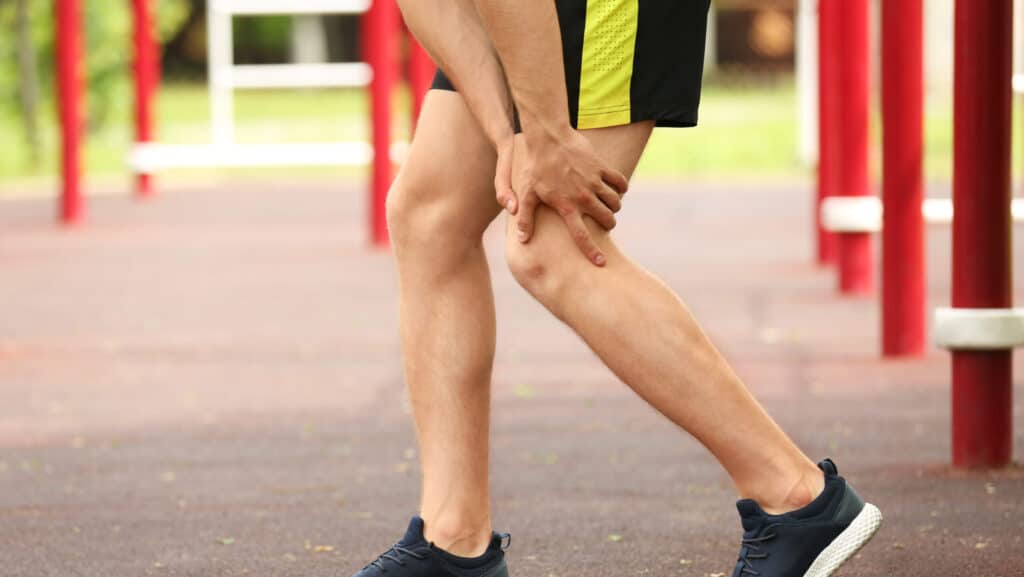
Understanding Vein Pain Behind the Knee
Pain behind the knee can have many possible causes, including problems involving the muscles, tendons, ligaments, nerves, joints, or blood vessels. When discomfort appears to be related to the veins, it may be accompanied by swelling, tenderness, or changes in skin color. Because some vascular conditions can become serious if left untreated, persistent or worsening pain behind the knee should be evaluated by a healthcare provider.
This guide explains common causes of vein pain behind the knee, treatment options, and how our Relatyv Neurofunctional Pain Management approach may complement your overall care plan when chronic pain is contributing to your symptoms.
Anatomy of the Back of the Knee
The back of the knee, known as the popliteal region, contains muscles, tendons, ligaments, nerves, arteries, and the popliteal vein. The popliteal vein carries blood from the lower leg back toward the heart and works together with surrounding muscles and valves to maintain healthy circulation.
Pain in this area is not always caused by the veins themselves, making an accurate diagnosis essential.
Common Symptoms
Depending on the underlying condition, vein pain behind the knee may be accompanied by:
- Aching, throbbing, or sharp pain.
- Leg swelling.
- Pain that worsens with standing or walking.
- Redness or warmth behind the knee.
- Bruising or skin discoloration.
- Tenderness to touch.
- A feeling of heaviness in the leg.
Common Conditions Associated with Vein Pain Behind the Knee
Varicose Veins
Varicose veins are enlarged, twisted veins that may cause aching, heaviness, swelling, or discomfort, particularly after prolonged standing.
Chronic Venous Insufficiency (CVI)
CVI develops when leg veins have difficulty returning blood to the heart. Symptoms may include swelling, aching, skin changes, and discomfort that worsens throughout the day.
Thrombophlebitis
Inflammation of a vein, sometimes accompanied by a blood clot, may cause localized pain, redness, warmth, and tenderness.
Cellulitis
This bacterial skin infection can cause redness, warmth, swelling, and pain around the affected area and requires prompt medical treatment.
Other Conditions That May Cause Pain Behind the Knee
Deep Vein Thrombosis (DVT)
DVT occurs when a blood clot forms in a deep vein of the leg. It is a medical emergency because the clot can travel to the lungs and cause a pulmonary embolism.
Baker’s Cyst
A Baker’s cyst is a fluid-filled swelling behind the knee that may cause tightness, stiffness, swelling, and pain during movement.
Peripheral Artery Disease (PAD)
Reduced blood flow caused by narrowed arteries may produce leg pain during walking, cramping, and circulation problems.
When Should You Seek Medical Care?
You should schedule a medical evaluation if pain behind the knee:
- Persists for several days.
- Becomes progressively worse.
- Interferes with walking or daily activities.
- Occurs with swelling or tenderness.
- Is associated with known vein disease.
Seek immediate medical attention if you develop sudden leg swelling, severe pain, redness, warmth, chest pain, shortness of breath, coughing up blood, or symptoms suggesting a deep vein thrombosis or pulmonary embolism.
How Vein Pain Behind the Knee Is Diagnosed
Your healthcare provider may recommend:
- Medical history review.
- Physical examination.
- Assessment of circulation and swelling.
- Duplex ultrasound to evaluate blood flow and detect blood clots.
- Blood tests when clotting disorders or infection are suspected.
- Additional vascular testing when chronic venous disease is suspected.
Conventional Treatment Options
Treatment depends on the underlying diagnosis.
Medications
Your healthcare provider may recommend medications such as antibiotics for infections, anticoagulants (blood thinners) for blood clots, anti-inflammatory medications, or other treatments based on the underlying condition.
Compression Therapy
Compression stockings may improve circulation, reduce swelling, and help manage symptoms of chronic venous insufficiency and varicose veins.
Injection Therapy
For selected vein disorders, minimally invasive injection treatments may be recommended to close abnormal veins.
Laser or Endovenous Procedures
Laser therapy or other minimally invasive vein procedures may be appropriate for some individuals with symptomatic varicose veins.
Surgery
When conservative treatment is unsuccessful or advanced vein disease is present, surgical intervention may be recommended.
Our Relatyv Neurofunctional Pain Management Approach
At Relatyv, our Neurofunctional Pain Management approach is designed to help manage chronic pain associated with neurological and musculoskeletal conditions. Our care complements appropriate medical evaluation and treatment rather than replacing it.
Each treatment plan is individualized based on your diagnosis, symptoms, and goals. Care may include electroanalgesia, IV therapy when clinically appropriate, nutritional support, and lifestyle recommendations that complement your existing medical care.
While treatment may help reduce pain and improve function for some individuals, outcomes vary depending on the underlying cause of the condition.
Supporting Healthy Circulation
You may be able to support healthy circulation and reduce symptoms by:
- Staying physically active.
- Avoiding prolonged sitting or standing.
- Maintaining a healthy weight.
- Elevating your legs when appropriate.
- Wearing compression stockings if recommended by your healthcare provider.
- Managing chronic medical conditions that affect circulation.
Find Relief from Chronic Knee Pain
Persistent pain behind the knee should not be ignored, particularly when accompanied by swelling or changes in circulation. An accurate diagnosis is essential for identifying the underlying cause and developing the most appropriate treatment plan.
At Relatyv, we provide personalized, non-invasive care designed to help reduce chronic pain and improve function. Our Neurofunctional Pain Management approach may complement your existing medical treatment while supporting improved mobility, comfort, and quality of life.