

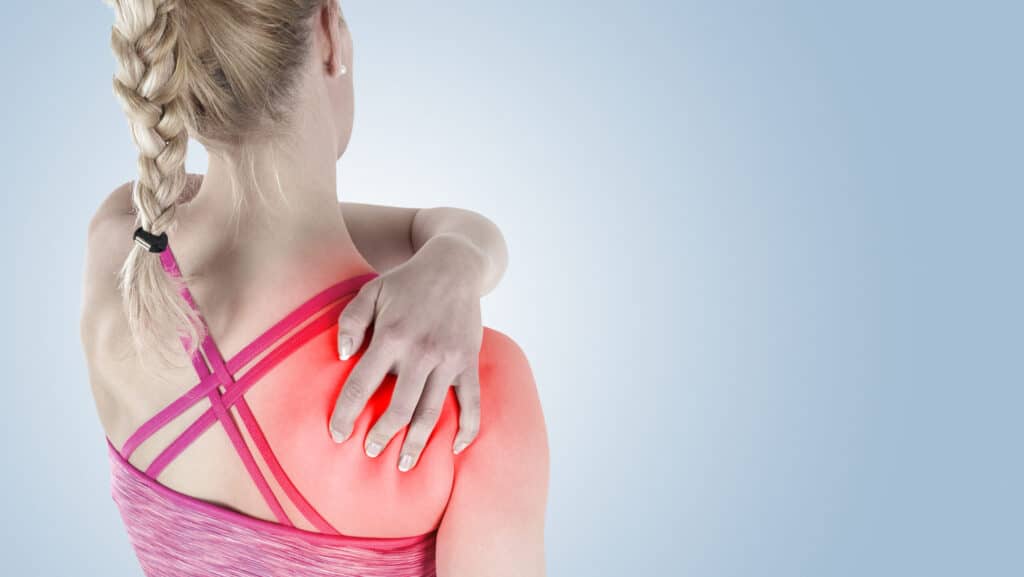
Understanding Upper Back Pain Between the Shoulder Blades
Upper back pain between the shoulder blades is a common complaint that can range from mild muscle tension to persistent pain that interferes with work, exercise, and daily activities. Because this area contains muscles, joints, nerves, and portions of the spine, discomfort may originate from several different structures or even be referred from another part of the body.
While many cases result from muscle strain or poor posture, persistent or severe pain should be evaluated by a healthcare provider to identify the underlying cause and determine the most appropriate treatment.
This guide explains common causes of upper back pain between the shoulder blades, treatment options, and how our Relatyv Neurofunctional Pain Management approach may complement your overall care plan when chronic pain is contributing to your symptoms.
Common Symptoms
Upper back pain between the shoulder blades may present with:
- Muscle stiffness.
- Tightness or muscle tension.
- Tenderness between the shoulder blades.
- Reduced range of motion.
- Pain that radiates into the neck, shoulders, chest, or arms.
- Numbness or tingling if nerves are involved.
- Discomfort that worsens with prolonged sitting, standing, or repetitive activity.
Common Causes
Muscle Strain and Overuse
Repetitive lifting, reaching, overhead work, or sports can strain the muscles between the shoulder blades and lead to pain and stiffness.
Poor Posture
Prolonged sitting, computer work, or poor workstation ergonomics can place continuous stress on the upper back muscles.
Sedentary Lifestyle
Weakness and muscle imbalances caused by prolonged inactivity may contribute to upper back discomfort.
Trauma or Injury
Falls, motor vehicle accidents, or other injuries may damage muscles, ligaments, joints, or bones in the upper back.
Age-Related Changes
Degenerative changes affecting the spine and surrounding joints become more common with age and may contribute to chronic upper back pain.
Medical Conditions Associated with Upper Back Pain
Herniated Disc
A herniated disc in the upper spine can place pressure on nearby nerves, causing pain that may radiate between the shoulder blades and into the arms.
Osteoarthritis
Degeneration of the spinal joints may cause pain, stiffness, and reduced mobility in the upper back.
Scoliosis
An abnormal curvature of the spine may place uneven stress on muscles and joints, contributing to pain between the shoulder blades.
Myofascial Pain Syndrome
This chronic pain condition involves sensitive trigger points within muscles that can produce localized or referred pain throughout the upper back.
Gallbladder Disease
Gallbladder inflammation or gallstones may cause referred pain that is often felt beneath the right shoulder blade.
Peptic Ulcer Disease
Ulcers affecting the stomach or upper intestine may occasionally cause referred pain in the upper back.
Heart Conditions
Some heart conditions, including angina and heart attack, may present with pain between the shoulder blades, particularly when accompanied by chest discomfort, shortness of breath, nausea, or sweating.
When Should You Seek Medical Care?
You should schedule a medical evaluation if upper back pain:
- Persists for several weeks.
- Continues to worsen.
- Limits normal movement.
- Radiates into the arms.
- Occurs with numbness, tingling, or weakness.
Seek immediate medical attention if upper back pain occurs with chest pain, shortness of breath, severe trauma, sudden weakness, loss of bowel or bladder control, high fever, or unexplained weight loss.
How Upper Back Pain Is Diagnosed
Your healthcare provider may recommend:
- Medical history review.
- Physical examination.
- Assessment of posture, muscle strength, and range of motion.
- X-rays to evaluate the spine and surrounding joints.
- MRI or CT imaging if disc injuries or nerve compression are suspected.
- Additional testing when referred pain from internal organs is possible.
Conventional Treatment Options
Treatment depends on the underlying cause of the pain.
Heat and Cold Therapy
Cold therapy may reduce pain and inflammation after an acute injury, while heat can help relax tight muscles and improve mobility.
Physical Therapy
Physical therapy can improve posture, strengthen supporting muscles, restore flexibility, and reduce pain.
Activity Modification
Adjusting repetitive activities and improving workstation ergonomics may reduce stress on the upper back.
Massage Therapy
Massage may help reduce muscle tension and improve comfort for some individuals.
Medications
Your healthcare provider may recommend medications such as acetaminophen, nonsteroidal anti-inflammatory drugs (NSAIDs), muscle relaxants, or other treatments depending on your diagnosis.
Injections or Surgery
For certain spinal conditions that do not improve with conservative treatment, injections or surgery may be appropriate depending on the underlying diagnosis.
Our Relatyv Neurofunctional Pain Management Approach
At Relatyv, our Neurofunctional Pain Management approach is designed to help manage chronic pain associated with neurological and musculoskeletal conditions. Our care complements appropriate medical evaluation and treatment rather than replacing it.
Each treatment plan is individualized based on your diagnosis, symptoms, and goals. Care may include electroanalgesia, IV therapy when clinically appropriate, nutritional support, and lifestyle recommendations that complement your existing medical care.
While treatment may help reduce pain and improve function for some individuals, outcomes vary depending on the underlying cause of the condition.
Supporting a Healthy Upper Back
You may be able to reduce upper back pain by:
- Maintaining good posture.
- Using an ergonomic workstation.
- Taking breaks during prolonged sitting.
- Regularly stretching and strengthening the upper back and shoulders.
- Using proper lifting techniques.
- Maintaining a healthy weight and staying physically active.
Find Relief from Chronic Upper Back Pain
Persistent pain between the shoulder blades should not be ignored, especially if it affects your mobility, work, or quality of life. An accurate diagnosis is essential for identifying the underlying cause and developing an individualized treatment plan.
At Relatyv, we provide personalized, non-invasive care designed to help reduce chronic pain and improve function. Our Neurofunctional Pain Management approach may complement your existing medical treatment while supporting improved movement, comfort, and quality of life.