Posts By :

CACRelatyv

Relatyv - Joint Warmness

Why Am I Experiencing a Hot or Warm Joint?

Why Am I Experiencing a Hot or Warm Joint? 2560 1442 Relatyv

Understanding Warm Joints

A warm joint occurs when one or more joints feel noticeably warmer than the surrounding skin. This warmth is often accompanied by pain, swelling, redness, or stiffness and usually indicates that the body is responding to inflammation, injury, or infection. While temporary warmth may occur after exercise or minor injury, persistent or severe symptoms should be evaluated by a healthcare provider.

This guide explains common causes of warm joints, treatment options, and how our Relatyv Neurofunctional Pain Management approach may complement your overall care plan when chronic pain is contributing to your symptoms.

Why Does a Joint Feel Warm?

Joint warmth develops when increased blood flow and inflammation occur within or around a joint. It most commonly affects larger joints such as the knees, hips, shoulders, and ankles, although any joint can be involved.

Common causes include:

Inflammation

Inflammation is the body’s natural response to injury or disease. Increased blood flow to the affected area can cause warmth, swelling, redness, and pain.

Infection

Joint infections can be caused by bacteria, viruses, or fungi. Because untreated joint infections can permanently damage the joint, prompt medical evaluation is essential.

Injury

Sprains, strains, fractures, and other injuries often increase blood flow to the affected area, leading to temporary warmth during the healing process.

Medical Conditions Associated with Warm Joints

Gout

Gout is an inflammatory form of arthritis caused by uric acid crystal buildup within a joint. It often develops suddenly and commonly affects the big toe but may also involve the ankles, knees, wrists, elbows, or fingers.

Rheumatoid Arthritis

Rheumatoid arthritis is an autoimmune disease that causes chronic inflammation of the joints, resulting in pain, swelling, warmth, stiffness, and reduced mobility.

Osteoarthritis

Although osteoarthritis primarily involves cartilage breakdown, affected joints may become inflamed during flare-ups, leading to warmth, swelling, and discomfort.

Systemic Lupus Erythematosus (Lupus)

Lupus is an autoimmune disease that can affect many organs, including the joints, causing inflammation, pain, swelling, and stiffness.

Ankylosing Spondylitis

This inflammatory condition primarily affects the spine but may also involve other joints, producing pain, stiffness, and localized warmth.

Bursitis

Bursitis is inflammation of the fluid-filled sacs (bursae) that cushion joints. It commonly causes localized warmth, swelling, tenderness, and pain.

Tendinitis

Tendinitis occurs when a tendon becomes irritated or inflamed, often following repetitive activity or injury, resulting in pain and warmth near the affected joint.

When Should You Seek Medical Care?

You should schedule a medical evaluation if a warm joint:

  • Persists for more than a few days.
  • Becomes increasingly painful or swollen.
  • Limits your ability to move the joint.
  • Occurs repeatedly without an obvious cause.
  • Is associated with a known inflammatory condition.

Seek immediate medical attention if a warm joint is accompanied by fever, chills, severe pain, inability to move the joint, rapid swelling, an open wound near the joint, or sudden redness spreading around the area, as these symptoms may indicate a joint infection or other urgent medical condition.

How Warm Joints Are Diagnosed

Your healthcare provider may recommend:

  • Medical history review.
  • Physical examination.
  • Assessment of joint movement and swelling.
  • X-rays, MRI, or ultrasound imaging.
  • Blood tests to evaluate for infection or inflammatory conditions.
  • Joint aspiration (arthrocentesis) to analyze joint fluid when infection, gout, or other inflammatory conditions are suspected.

Conventional Treatment Options

Treatment depends on the underlying cause of your symptoms.

Cold Therapy

Applying cold packs during acute inflammation may help reduce swelling and temporarily relieve discomfort.

Medications

Your healthcare provider may recommend medications such as nonsteroidal anti-inflammatory drugs (NSAIDs), corticosteroids, antibiotics for infections, or medications specifically used to treat conditions such as gout or rheumatoid arthritis.

Joint Protection

Braces, splints, assistive devices, or temporary activity modification may help reduce stress on the affected joint during recovery.

Physical Therapy

Physical therapy may improve joint mobility, strengthen surrounding muscles, and support long-term joint function.

Surgery

In certain cases involving severe joint damage, persistent infection, or advanced arthritis, surgical treatment may be recommended.

Our Relatyv Neurofunctional Pain Management Approach

At Relatyv, our Neurofunctional Pain Management approach is designed to help manage chronic pain associated with neurological and musculoskeletal conditions. Our care complements appropriate medical evaluation and treatment rather than replacing it.

Each treatment plan is individualized based on your diagnosis, symptoms, and goals. Care may include electroanalgesia, IV therapy when clinically appropriate, nutritional support, and lifestyle recommendations that complement your existing medical care.

While treatment may help reduce pain and improve function for some individuals, outcomes vary depending on the underlying cause of the condition.

Supporting Healthy Joints

You may be able to support joint health by:

  • Maintaining a healthy weight.
  • Staying physically active with low-impact exercise.
  • Using proper body mechanics during repetitive activities.
  • Managing chronic inflammatory conditions with your healthcare provider.
  • Seeking prompt treatment for joint injuries or infections.
  • Following an individualized treatment plan for chronic joint conditions.

Find Relief from Chronic Joint Pain

A warm joint may be a sign of inflammation, injury, or an underlying medical condition that requires professional evaluation. An accurate diagnosis is essential for identifying the cause and developing the most appropriate treatment plan.

At Relatyv, we provide personalized, non-invasive care designed to help reduce chronic pain and improve function. Our Neurofunctional Pain Management approach may complement your existing medical treatment while supporting improved mobility, comfort, and quality of life.

Relatyv - Hand Weakness

Why Do I Experience Hand Weakness?

Why Do I Experience Hand Weakness? 2560 1442 Relatyv

Understanding Weakness in the Hands

Hand weakness can make everyday activities challenging, from opening jars and carrying groceries to typing, writing, or gripping tools. While temporary weakness may occur after overuse or injury, persistent loss of strength may indicate an underlying condition affecting the muscles, tendons, joints, or nerves.

Identifying the cause of hand weakness is essential for developing an effective treatment plan and preventing further loss of function.

This guide explains common causes of hand weakness, treatment options, and how our Relatyv Neurofunctional Pain Management approach may complement your overall care plan when chronic pain is contributing to your symptoms.

Understanding Hand Anatomy

The hand is a complex structure made up of 27 bones, numerous muscles, tendons, ligaments, nerves, and joints that work together to provide strength, coordination, and fine motor control. Healthy nerve function and muscle coordination are essential for gripping, lifting, writing, and performing countless daily activities.

When any of these structures become injured or diseased, weakness, pain, numbness, or loss of dexterity may develop.

Common Symptoms

Hand weakness may occur alongside:

  • Reduced grip strength.
  • Difficulty holding or lifting objects.
  • Numbness or tingling.
  • Pain in the hand or wrist.
  • Stiffness.
  • Reduced range of motion.
  • Muscle fatigue.
  • Difficulty performing fine motor tasks.

Medical Conditions Associated with Hand Weakness

Carpal Tunnel Syndrome

Compression of the median nerve at the wrist may cause numbness, tingling, weakness, and difficulty gripping objects.

Cubital Tunnel Syndrome

Compression of the ulnar nerve at the elbow can lead to weakness in the hand, particularly affecting grip strength and finger coordination.

Nerve Compression

Nerves may become compressed because of injury, cysts, arthritis, or other structural changes, resulting in weakness, pain, and altered sensation.

Tendinitis

Inflammation or irritation of the tendons may reduce hand strength while causing pain, swelling, and stiffness.

Peripheral Neuropathy

Peripheral neuropathy affects the nerves outside the brain and spinal cord and may cause weakness, numbness, tingling, burning sensations, and impaired coordination.

Diabetes

Long-standing or poorly controlled diabetes can contribute to nerve damage (diabetic neuropathy), leading to weakness, numbness, and reduced hand function.

Rheumatoid Arthritis

This autoimmune condition commonly affects the small joints of the hands, causing pain, swelling, stiffness, and decreased strength over time.

Muscular Dystrophy

Muscular dystrophy is a group of inherited conditions that gradually weaken muscles throughout the body, including those of the hands.

Viral Infections

Certain viral infections may temporarily or, in some cases, permanently affect nerve function, leading to weakness in the hands.

When Should You Seek Medical Care?

You should schedule a medical evaluation if hand weakness:

  • Persists or progressively worsens.
  • Interferes with work or daily activities.
  • Occurs with numbness or tingling.
  • Develops after an injury.
  • Is associated with pain or loss of coordination.

Seek immediate medical attention if weakness develops suddenly, affects one side of the body, follows significant trauma, or occurs with facial drooping, difficulty speaking, severe neck pain, or loss of sensation, as these may indicate a medical emergency.

How Hand Weakness Is Diagnosed

Your healthcare provider may recommend:

  • Medical history review.
  • Physical examination.
  • Assessment of grip strength and range of motion.
  • Neurological examination.
  • X-rays, ultrasound, or MRI when structural problems are suspected.
  • Nerve conduction studies or electromyography (EMG) to evaluate nerve and muscle function.
  • Blood tests to identify underlying metabolic or autoimmune conditions.

Conventional Treatment Options

Treatment depends on the underlying cause of your symptoms.

Activity Modification and Splinting

Reducing repetitive activities and using splints or braces may help relieve pressure on affected nerves and allow injured tissues to recover.

Physical and Occupational Therapy

Therapy programs may improve strength, flexibility, coordination, and hand function while helping patients safely return to daily activities.

Medications

Your healthcare provider may recommend medications such as nonsteroidal anti-inflammatory drugs (NSAIDs) or other treatments based on the underlying diagnosis.

Injections

For certain inflammatory conditions, corticosteroid injections may help reduce pain and inflammation when appropriate.

Surgery

In cases involving significant nerve compression, tendon injuries, or structural abnormalities, surgical treatment may be recommended when conservative care is unsuccessful.

Our Relatyv Neurofunctional Pain Management Approach

At Relatyv, our Neurofunctional Pain Management approach is designed to help manage chronic pain associated with neurological and musculoskeletal conditions. Our care complements appropriate medical evaluation and treatment rather than replacing it.

Each treatment plan is individualized based on your diagnosis, symptoms, and goals. Care may include electroanalgesia, IV therapy when clinically appropriate, nutritional support, and lifestyle recommendations that complement your existing medical care.

While treatment may help reduce pain and improve function for some individuals, outcomes vary depending on the underlying cause of the condition.

Supporting Healthy Hand Function

You may be able to support hand strength and function by:

  • Taking breaks during repetitive activities.
  • Using proper ergonomic techniques at work.
  • Performing hand and wrist stretching exercises.
  • Managing chronic conditions such as diabetes or arthritis.
  • Protecting your hands from injury.
  • Following your healthcare provider’s recommended treatment plan.

Find Relief from Chronic Hand Pain and Weakness

Persistent weakness in the hands should not be ignored, especially when it interferes with everyday activities or is accompanied by numbness, pain, or loss of coordination. An accurate diagnosis is essential for identifying the underlying cause and developing an individualized treatment plan.

At Relatyv, we provide personalized, non-invasive care designed to help reduce chronic pain and improve function. Our Neurofunctional Pain Management approach may complement your existing medical treatment while supporting improved mobility, strength, and quality of life.

Relatyv - Restless Leg

Exploring The Urge To Move Legs

Exploring The Urge To Move Legs 2560 1442 Relatyv

Understanding the Urge to Move Your Legs at Night

An irresistible urge to move your legs while resting or trying to fall asleep can be frustrating and disruptive. For many people, moving the legs provides temporary relief, but the uncomfortable sensations often return once they become still again. Persistent symptoms can interfere with sleep, leading to daytime fatigue, difficulty concentrating, and reduced quality of life.

While occasional leg restlessness may occur after prolonged sitting or strenuous activity, frequent symptoms may be associated with an underlying neurological or medical condition that should be evaluated by a healthcare provider.

This guide explains common causes of nighttime leg restlessness, treatment options, and how our Relatyv Neurofunctional Pain Management approach may complement your overall care plan when chronic pain is contributing to your symptoms.

Common Symptoms

People experiencing leg restlessness may also notice:

  • An irresistible urge to move the legs while resting.
  • Tingling or “pins and needles” sensations.
  • Crawling, itching, or pulling sensations beneath the skin.
  • Burning sensations in the legs.
  • Aching or heaviness.
  • Throbbing or rhythmic sensations.
  • Symptoms that worsen in the evening or at night.
  • Temporary relief with movement.

Common Causes

Iron Deficiency

Low iron levels may contribute to restless legs syndrome (RLS) by affecting dopamine activity within the nervous system.

Pregnancy

Leg restlessness commonly develops during pregnancy, particularly during the third trimester, and often improves after delivery.

Restless Legs Syndrome (RLS)

Restless legs syndrome is a neurological disorder characterized by an uncomfortable urge to move the legs, particularly during periods of rest or while trying to sleep.

Peripheral Neuropathy

Peripheral neuropathy, often caused by diabetes or other nerve disorders, may produce abnormal sensations that contribute to leg discomfort and restlessness.

When Should You Seek Medical Care?

You should schedule a medical evaluation if leg restlessness:

  • Occurs frequently or worsens over time.
  • Regularly interferes with sleep.
  • Causes significant daytime fatigue.
  • Occurs with numbness, weakness, or persistent pain.
  • Does not improve with lifestyle changes.

Seek prompt medical attention if leg symptoms develop suddenly after an injury, are accompanied by severe swelling, redness, fever, significant weakness, or loss of bowel or bladder control, or if you develop sudden numbness or difficulty walking.

How Leg Restlessness Is Diagnosed

Your healthcare provider may recommend:

  • Medical history review.
  • Physical and neurological examination.
  • Review of medications.
  • Blood tests to evaluate iron levels, thyroid function, vitamin deficiencies, or other metabolic conditions.
  • Sleep studies when a sleep disorder is suspected.
  • Additional testing to evaluate for peripheral neuropathy or other neurological conditions when appropriate.

Conventional Treatment Options

Treatment depends on the underlying cause of your symptoms.

Lifestyle Modifications

Regular exercise, limiting caffeine and alcohol, avoiding nicotine, and maintaining a consistent sleep schedule may help reduce symptoms for some individuals.

Iron Supplementation

If iron deficiency is identified, your healthcare provider may recommend iron supplementation or intravenous iron therapy when clinically appropriate.

Medications

Prescription medications, including dopamine agonists, certain anticonvulsants, or other medications, may be recommended for moderate to severe restless legs syndrome based on your medical history and overall health.

Complementary Therapies

Stretching, massage, heat therapy, cold therapy, and relaxation techniques may help relieve muscle tension and improve comfort for some individuals.

Our Relatyv Neurofunctional Pain Management Approach

At Relatyv, our Neurofunctional Pain Management approach is designed to help manage chronic pain associated with neurological and musculoskeletal conditions. Our care complements appropriate medical evaluation and treatment rather than replacing it.

If chronic neurological pain or peripheral nerve conditions contribute to your leg discomfort, our individualized treatment plans may help reduce pain and improve daily function.

Care may include electroanalgesia, IV therapy when clinically appropriate, nutritional support, and lifestyle recommendations that complement your existing medical care.

While treatment may help reduce pain and improve function for some individuals, outcomes vary depending on the underlying cause of the condition.

Supporting Healthy Sleep and Leg Comfort

You may be able to reduce nighttime leg discomfort by:

  • Maintaining a consistent sleep schedule.
  • Engaging in regular physical activity.
  • Stretching before bedtime.
  • Limiting caffeine, nicotine, and alcohol, especially in the evening.
  • Managing chronic medical conditions with your healthcare provider.
  • Following treatment recommendations if diagnosed with restless legs syndrome or peripheral neuropathy.

Find Relief from Chronic Leg Discomfort

Persistent leg restlessness and nighttime discomfort can significantly affect your sleep and overall well-being. An accurate diagnosis is essential for identifying the underlying cause and developing an individualized treatment plan.

At Relatyv, we provide personalized, non-invasive care designed to help reduce chronic pain and improve function. Our Neurofunctional Pain Management approach may complement your existing medical treatment while supporting improved comfort, mobility, and quality of life.

Relatyv - Stomach Pain

Stomach Pain

Stomach Pain 2560 1442 Relatyv

Understanding Stomach Pain

Stomach pain is one of the most common reasons people seek medical care. While many episodes are caused by temporary digestive issues, persistent, severe, or recurring abdominal pain should never be ignored. Because numerous organs are located within the abdomen, pain can originate from the digestive system, urinary tract, reproductive organs, or other nearby structures.

An accurate diagnosis is essential for determining the underlying cause and selecting the most appropriate treatment.

This guide explains common causes of stomach pain, treatment options, and how our Relatyv Neurofunctional Pain Management approach may complement your overall care plan when chronic pain is contributing to your symptoms.

Types of Stomach Pain

Abdominal pain can present in several ways, including:

  • Generalized pain affecting much of the abdomen.
  • Cramping pain commonly associated with digestive conditions.
  • Colicky pain that comes in waves and may occur with gallstones or kidney stones.
  • Localized pain affecting one specific area of the abdomen, which may point to a particular organ.

Common Causes of Stomach Pain

Constipation

Constipation may cause abdominal discomfort, bloating, and cramping due to slowed movement of stool through the intestines.

Gas

Excess intestinal gas may produce bloating, pressure, and temporary abdominal pain.

Indigestion

Indigestion (dyspepsia) commonly causes upper abdominal discomfort, fullness after eating, bloating, and nausea.

Food Allergies and Food Intolerances

Food allergies and intolerances can cause abdominal pain along with diarrhea, bloating, nausea, or vomiting after eating certain foods.

Mild Food Poisoning

Foodborne illnesses may cause temporary stomach pain, diarrhea, vomiting, and low-grade fever that often improve with supportive care.

Medical Conditions Associated with Chronic Stomach Pain

Irritable Bowel Syndrome (IBS)

IBS is a functional gastrointestinal disorder that commonly causes abdominal pain, bloating, constipation, diarrhea, or alternating bowel habits.

Gastroenteritis

Often called the “stomach flu,” gastroenteritis is an infection that causes abdominal cramping, nausea, vomiting, diarrhea, and sometimes fever.

Pancreatitis

Inflammation of the pancreas may cause severe upper abdominal pain that can radiate to the back, along with nausea and vomiting.

Pelvic Inflammatory Disease (PID)

In women, pelvic inflammatory disease may cause lower abdominal pain, pelvic discomfort, fever, and abnormal vaginal discharge.

Inflammatory Bowel Disease (IBD)

Conditions such as Crohn’s disease and ulcerative colitis may cause chronic abdominal pain, diarrhea, weight loss, and fatigue.

Gallbladder Disease

Gallstones or gallbladder inflammation may cause pain in the upper right abdomen, particularly after eating fatty foods.

Kidney Stones

Kidney stones can produce severe abdominal or flank pain that often occurs in waves and may be accompanied by nausea or blood in the urine.

When Should You Seek Medical Care?

You should schedule a medical evaluation if stomach pain:

  • Persists for several days or frequently returns.
  • Interferes with eating or daily activities.
  • Is accompanied by unexplained weight loss.
  • Occurs with ongoing changes in bowel habits.
  • Develops without an obvious cause.

Seek immediate medical attention if abdominal pain is severe or is accompanied by fever, persistent vomiting, vomiting blood, bloody stools, black stools, chest pain, shortness of breath, fainting, a rigid abdomen, severe tenderness, sudden right lower abdominal pain, or inability to pass stool or gas, as these symptoms may indicate a medical emergency.

How Stomach Pain Is Diagnosed

Your healthcare provider may recommend:

  • Medical history review.
  • Physical examination.
  • Blood and urine testing.
  • Stool testing when appropriate.
  • Pregnancy testing when indicated.
  • Ultrasound, CT scan, MRI, or X-rays.
  • Endoscopy or colonoscopy for certain digestive conditions.

Conventional Treatment Options

Treatment depends entirely on the underlying cause of your symptoms.

Dietary and Lifestyle Changes

Many digestive conditions improve with dietary adjustments, hydration, stress management, and avoiding foods that trigger symptoms.

Medications

Your healthcare provider may recommend medications such as acid reducers, antacids, antibiotics, antispasmodics, laxatives, anti-diarrheal medications, or other treatments depending on your diagnosis.

Physical Therapy

When abdominal pain is related to musculoskeletal conditions or abdominal wall dysfunction, physical therapy may help improve mobility and reduce discomfort.

Surgery

Surgical treatment may be necessary for conditions such as appendicitis, bowel obstruction, gallbladder disease, certain hernias, or other structural abnormalities.

Our Relatyv Neurofunctional Pain Management Approach

At Relatyv, our Neurofunctional Pain Management approach is designed to help manage chronic pain associated with neurological and musculoskeletal conditions. Our care complements appropriate medical evaluation and treatment rather than replacing it.

For individuals who continue to experience chronic abdominal or referred pain after receiving an appropriate diagnosis and medical evaluation, our individualized treatment plans may help reduce pain and improve daily function.

Care may include electroanalgesia, IV therapy when clinically appropriate, nutritional support, and lifestyle recommendations that complement your existing medical care.

While treatment may help reduce pain and improve function for some individuals, outcomes vary depending on the underlying cause of the condition.

Supporting Digestive Health

You may be able to reduce episodes of stomach discomfort by:

  • Eating a balanced diet.
  • Staying well hydrated.
  • Limiting foods that trigger digestive symptoms.
  • Maintaining regular physical activity.
  • Managing stress.
  • Following your healthcare provider’s treatment plan for chronic digestive conditions.

Find Relief from Chronic Abdominal Pain

Persistent stomach pain should always be evaluated to determine its cause. Early diagnosis allows many digestive and abdominal conditions to be treated before complications develop.

At Relatyv, we provide personalized, non-invasive care designed to help reduce chronic pain and improve function. Our Neurofunctional Pain Management approach may complement your existing medical treatment while supporting improved comfort and quality of life.

Relatyv - Swollen Lymph Nodes

Understanding Swollen, Tender Lymph Nodes

Understanding Swollen, Tender Lymph Nodes 2560 1442 Relatyv

Understanding Swollen and Tender Lymph Nodes

Swollen lymph nodes are a common sign that your immune system is responding to an infection, inflammation, or another underlying medical condition. While enlarged lymph nodes often improve as the underlying illness resolves, persistent swelling, significant tenderness, or other concerning symptoms should be evaluated by a healthcare provider.

This guide explains the role of the lymphatic system, common causes of swollen lymph nodes, available treatment options, and how our Relatyv Neurofunctional Pain Management approach may complement your overall care plan when chronic pain is contributing to your symptoms.

What Are Lymph Nodes?

Lymph nodes are small, bean-shaped structures located throughout the body, including the neck, armpits, chest, abdomen, and groin. They are part of the lymphatic system, a network of vessels and organs that helps maintain fluid balance and supports the immune system.

Lymph nodes act as filters, trapping bacteria, viruses, abnormal cells, and other potentially harmful substances. They also contain immune cells that help your body recognize and respond to infections.

Why Do Lymph Nodes Become Swollen?

Lymph nodes often enlarge because they are actively responding to an infection or another immune system trigger. Common causes include:

Infections

Viral, bacterial, or fungal infections are the most common cause of swollen lymph nodes. Common examples include colds, influenza, strep throat, mononucleosis, skin infections, and dental infections.

Inflammatory Conditions

Inflammation caused by autoimmune diseases or other chronic medical conditions can also result in enlarged lymph nodes.

Allergic Reactions

Some allergic reactions may stimulate the immune system and contribute to temporary lymph node enlargement.

Certain Medications

Although uncommon, some medications may cause lymph node swelling as a side effect.

Cancer

Less commonly, swollen lymph nodes may be associated with cancers such as lymphoma, leukemia, or cancers that have spread to nearby lymph nodes. Persistent or unexplained enlargement should always be evaluated.

Symptoms That May Occur Alongside Swollen Lymph Nodes

Depending on the underlying cause, swollen lymph nodes may occur with:

  • Tenderness or pain.
  • Fever.
  • Sore throat.
  • Cough.
  • Fatigue.
  • Night sweats.
  • Chills.
  • Skin redness or warmth near the affected area.

Medical Conditions Associated with Swollen Lymph Nodes

Rheumatoid Arthritis

This autoimmune condition can cause chronic inflammation that occasionally results in enlarged lymph nodes.

Lupus

Systemic lupus erythematosus may cause swollen lymph nodes along with joint pain, fatigue, skin rashes, and other symptoms.

Sjögren’s Syndrome

This autoimmune disease primarily affects moisture-producing glands but may also cause lymph node enlargement.

Crohn’s Disease

Inflammatory bowel diseases such as Crohn’s disease may be associated with enlarged lymph nodes due to ongoing inflammation.

Chronic Fatigue Syndrome

Some people with myalgic encephalomyelitis/chronic fatigue syndrome (ME/CFS) report tender lymph nodes along with persistent fatigue and muscle pain.

When Should You Seek Medical Care?

You should schedule a medical evaluation if swollen lymph nodes:

  • Persist for more than two to four weeks.
  • Continue to increase in size.
  • Become increasingly painful.
  • Occur without an obvious illness.
  • Return repeatedly.

Seek prompt medical attention if swollen lymph nodes are accompanied by persistent fever, difficulty swallowing or breathing, unexplained weight loss, drenching night sweats, significant redness or drainage, or rapidly enlarging lymph nodes.

How Swollen Lymph Nodes Are Diagnosed

Your healthcare provider may recommend:

  • Medical history review.
  • Physical examination.
  • Blood tests.
  • Ultrasound, CT scan, or other imaging studies.
  • Testing for infections or autoimmune diseases.
  • Lymph node biopsy when necessary to determine the underlying cause.

Conventional Treatment Options

Treatment depends on the underlying cause of the enlarged lymph nodes.

Medications

Your healthcare provider may prescribe antibiotics for bacterial infections, antiviral medications when appropriate, anti-inflammatory medications, or treatments for autoimmune diseases depending on the diagnosis.

Physical Therapy

When swollen lymph nodes are associated with musculoskeletal or autoimmune conditions, physical therapy may help improve mobility and reduce discomfort.

Injections

For certain inflammatory conditions, corticosteroid injections may be appropriate to help reduce inflammation under the guidance of your healthcare provider.

Surgery

Surgical procedures are rarely required for swollen lymph nodes but may be recommended to drain an abscess, remove a suspicious lymph node for biopsy, or treat certain cancers.

Our Relatyv Neurofunctional Pain Management Approach

At Relatyv, our Neurofunctional Pain Management approach is designed to help manage chronic pain associated with neurological and musculoskeletal conditions. Our care complements appropriate medical evaluation and treatment rather than replacing it.

Each treatment plan is individualized based on your diagnosis, symptoms, and goals. Care may include electroanalgesia, IV therapy when clinically appropriate, nutritional support, and lifestyle recommendations that complement your existing medical care.

While treatment may help reduce pain and improve function for some individuals, outcomes vary depending on the underlying cause of the condition.

Supporting a Healthy Immune System

You may be able to support your immune system and overall health by:

  • Getting adequate sleep.
  • Eating a balanced, nutrient-rich diet.
  • Staying physically active.
  • Practicing good oral hygiene.
  • Managing chronic medical conditions.
  • Seeking prompt treatment for infections.

Find Relief from Chronic Pain

Swollen lymph nodes are often a temporary response to infection or inflammation, but persistent or unexplained enlargement should always be evaluated by a healthcare provider. An accurate diagnosis is essential for identifying the underlying cause and determining the most appropriate treatment.

At Relatyv, we provide personalized, non-invasive care designed to help reduce chronic pain and improve function. Our Neurofunctional Pain Management approach may complement your existing medical treatment while supporting improved comfort, mobility, and quality of life.

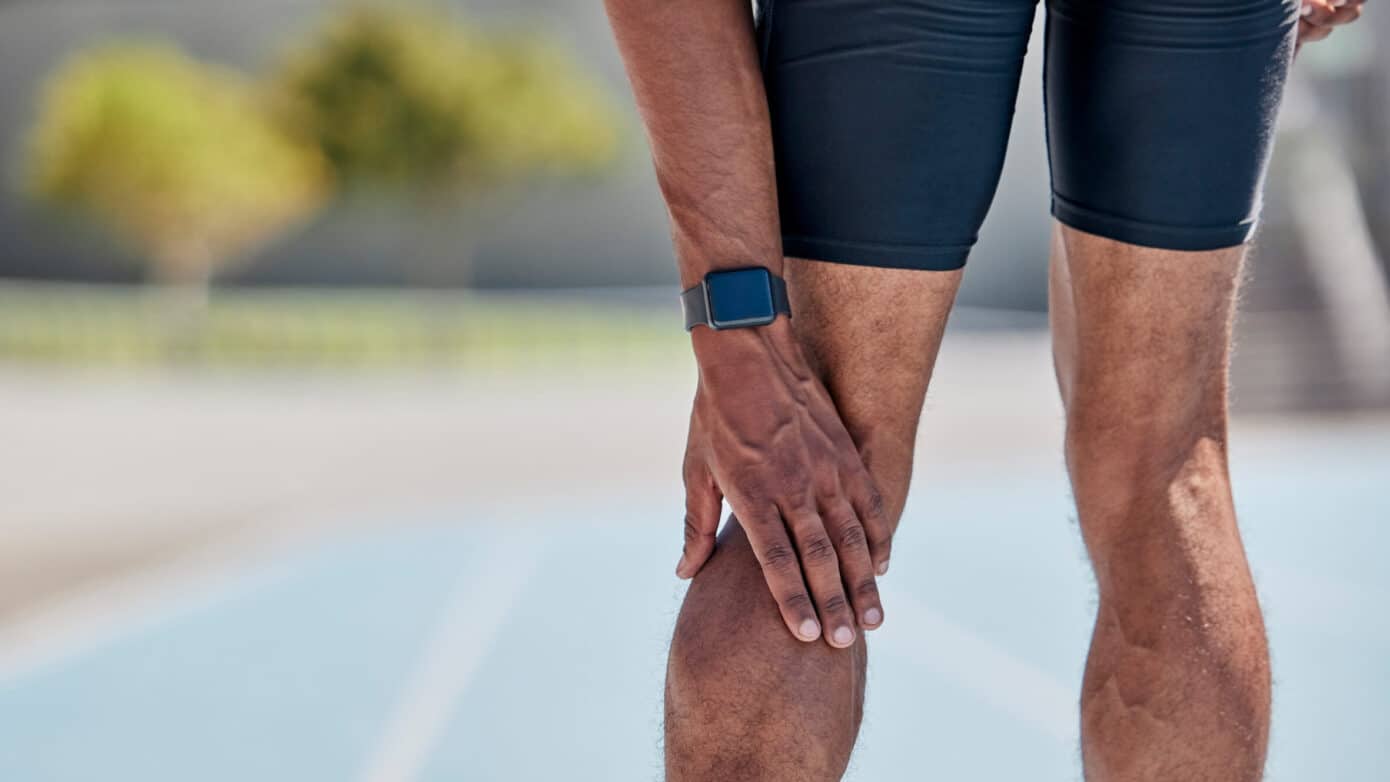
Relatyv - Back of leg

Understanding Tendon Pain Behind Knee

Understanding Tendon Pain Behind Knee 2362 1330 Relatyv

Understanding Tendon Pain Behind the Knee

Pain behind the knee can interfere with walking, climbing stairs, exercising, and other daily activities. One possible source is irritation or injury to the tendons that support the back of the knee. While tendon pain is often related to overuse, it can also result from injury or underlying medical conditions. Because many structures are located behind the knee, an accurate diagnosis is essential for effective treatment.

This guide explains common causes of tendon pain behind the knee, treatment options, and how our Relatyv Neurofunctional Pain Management approach may complement your overall care plan when chronic pain is contributing to your symptoms.

Anatomy of the Back of the Knee

The back of the knee contains multiple tendons, muscles, ligaments, nerves, blood vessels, and other soft tissues that work together to stabilize the joint and allow smooth movement.

Important structures include the hamstring tendons, popliteus muscle, calf muscles, and major stabilizing ligaments. Injury or inflammation affecting any of these tissues may cause pain, stiffness, swelling, or difficulty bending the knee.

Common Symptoms

Tendon pain behind the knee may be accompanied by:

  • Pain when walking, running, or jumping.
  • Tenderness behind the knee.
  • Swelling.
  • Stiffness.
  • Pain when bending or straightening the leg.
  • Reduced range of motion.
  • Difficulty bearing weight.

Common Causes of Tendon Pain Behind the Knee

Overuse

Repetitive activities such as running, jumping, or frequent squatting may overload the tendons, leading to irritation and pain.

Strains and Sprains

Sudden twisting, overstretching, or athletic injuries may damage muscles, tendons, or ligaments surrounding the knee.

Traumatic Injury

Falls, direct blows, or sports injuries may injure the soft tissues behind the knee, resulting in pain and swelling.

Joint Alignment Problems

Abnormal knee mechanics or altered movement patterns may place excessive stress on tendons over time.

Medical Conditions Associated with Pain Behind the Knee

Baker’s Cyst

A Baker’s cyst is a fluid-filled swelling that develops behind the knee, often in association with arthritis or cartilage injuries.

Patellar Tendinopathy

Injury or degeneration of the patellar tendon may contribute to pain around or behind the knee, particularly during jumping or running activities.

Hamstring Tendon Injury

Strains or tears involving the hamstring muscles or tendons commonly produce pain behind the knee and along the back of the thigh.

Knee Osteoarthritis

Arthritis can cause pain, stiffness, swelling, and reduced mobility that may be felt throughout the knee, including the back of the joint.

Meniscus Tear

Damage to the meniscus may cause pain, swelling, locking, or catching sensations within the knee.

Bursitis

Inflammation of the fluid-filled bursae around the knee may result in localized tenderness and swelling.

Deep Vein Thrombosis (DVT)

Although less common, a blood clot in the leg can cause pain, swelling, warmth, and tenderness behind the knee. Because DVT can become a medical emergency, prompt evaluation is essential.

When Should You Seek Medical Care?

You should schedule a medical evaluation if knee pain:

  • Persists despite rest.
  • Limits walking or daily activities.
  • Is accompanied by swelling or instability.
  • Develops after a sports injury.
  • Continues to worsen over time.

Seek immediate medical attention if you experience severe swelling, inability to bear weight, obvious deformity, significant redness or warmth, fever, sudden calf swelling, chest pain, or shortness of breath, as these symptoms may indicate a serious injury or a blood clot.

How Tendon Pain Behind the Knee Is Diagnosed

Your healthcare provider may recommend:

  • Medical history review.
  • Physical examination.
  • Assessment of knee stability and range of motion.
  • X-rays to evaluate the joint.
  • MRI or ultrasound to assess tendons, ligaments, cartilage, or other soft tissues.
  • Blood tests if infection or inflammatory disease is suspected.

Conventional Treatment Options

Treatment depends on the underlying cause of your symptoms.

Activity Modification

Reducing activities that aggravate symptoms may allow injured tissues to heal while preventing further strain.

Medications

Your healthcare provider may recommend nonsteroidal anti-inflammatory drugs (NSAIDs) or other medications to help manage pain and inflammation when appropriate.

Physical Therapy

Physical therapy can improve strength, flexibility, balance, and knee mechanics while supporting recovery and reducing the risk of future injury.

Injections

For certain knee conditions, corticosteroid or other therapeutic injections may be considered to reduce inflammation and improve function.

Surgery

Severe tendon injuries, ligament tears, meniscus damage, or structural knee problems may require surgical treatment when conservative therapies are unsuccessful.

Our Relatyv Neurofunctional Pain Management Approach

At Relatyv, our Neurofunctional Pain Management approach is designed to help manage chronic pain associated with neurological and musculoskeletal conditions. Our care complements appropriate medical evaluation and treatment rather than replacing it.

Each treatment plan is individualized based on your diagnosis, symptoms, and goals. Care may include electroanalgesia, IV therapy when clinically appropriate, nutritional support, and lifestyle recommendations that complement your existing medical care.

While treatment may help reduce pain and improve function for some individuals, outcomes vary depending on the underlying cause of the condition.

Supporting Healthy Knee Function

You may be able to reduce your risk of tendon injuries by:

  • Warming up before physical activity.
  • Gradually increasing exercise intensity.
  • Strengthening the muscles surrounding the knee.
  • Maintaining flexibility through regular stretching.
  • Using proper footwear during sports and exercise.
  • Allowing adequate recovery after strenuous activity.

Find Relief from Chronic Knee Pain

Pain behind the knee can have many different causes, ranging from tendon injuries to arthritis or other medical conditions. An accurate diagnosis is essential for identifying the source of your symptoms and developing an individualized treatment plan.

At Relatyv, we provide personalized, non-invasive care designed to help reduce chronic pain and improve function. Our Neurofunctional Pain Management approach may complement your existing medical treatment while supporting improved mobility, comfort, and quality of life.

Relatyv - Pelvic Floor Spasm

What Do Pelvic Floor Muscle Spasms Feel Like?

What Do Pelvic Floor Muscle Spasms Feel Like? 2560 1442 Relatyv

Understanding Pelvic Floor Muscle Spasms

The pelvic floor is a group of muscles, ligaments, and connective tissues that support the bladder, bowel, and reproductive organs. These muscles help control urination and bowel movements, contribute to sexual function, and provide stability to the pelvis and core.

Pelvic floor muscle spasms occur when these muscles tighten or contract involuntarily and are unable to fully relax. This ongoing muscle tension can cause pain, urinary or bowel symptoms, and discomfort during daily activities.

This guide explains common causes of pelvic floor muscle spasms, treatment options, and how our Relatyv Neurofunctional Pain Management approach may complement your overall care plan when chronic pain is contributing to your symptoms.

Common Symptoms

Pelvic floor muscle spasms can affect people differently, but common symptoms include:

  • Pelvic pain or pressure.
  • Pain during or after sitting, walking, or exercise.
  • Pain during sexual activity.
  • Burning or discomfort during urination.
  • Frequent or urgent need to urinate.
  • Constipation or difficulty having bowel movements.
  • Pain that radiates to the lower back, hips, buttocks, or thighs.

Common Causes of Pelvic Floor Muscle Spasms

Muscle Injury

Injury to the pelvic muscles from falls, surgery, repetitive strain, or other trauma may contribute to muscle tightness and pain.

Childbirth

Pregnancy and vaginal delivery can place significant stress on the pelvic floor, sometimes leading to muscle dysfunction or spasms during recovery.

Nerve Irritation

Injury or irritation involving nerves that supply the pelvic floor may contribute to abnormal muscle tension and chronic pain.

Physical or Emotional Stress

Stress may contribute to increased muscle tension throughout the body, including the pelvic floor, in some individuals.

Medical Conditions Associated with Pelvic Floor Pain

Chronic Pelvic Pain Syndrome

Chronic pelvic pain syndrome refers to ongoing pelvic pain lasting longer than six months. Pelvic floor muscle dysfunction may be one contributing factor among many possible causes.

Endometriosis

Endometriosis may cause chronic pelvic pain, and some individuals also develop increased pelvic floor muscle tension in response to persistent discomfort.

Irritable Bowel Syndrome (IBS)

People with IBS may experience abdominal pain, bloating, constipation, or diarrhea, which can coexist with pelvic floor muscle dysfunction.

Interstitial Cystitis/Bladder Pain Syndrome

This chronic bladder condition may cause pelvic pain, urinary urgency, and increased pelvic floor muscle tension.

Pelvic Floor Dysfunction

Pelvic floor dysfunction occurs when the pelvic floor muscles do not coordinate properly, leading to urinary, bowel, or pain-related symptoms.

When Should You Seek Medical Care?

You should schedule a medical evaluation if pelvic pain:

  • Persists for several weeks.
  • Interferes with urination or bowel movements.
  • Makes sexual activity painful.
  • Limits daily activities or exercise.
  • Continues despite self-care measures.

Seek immediate medical attention if pelvic pain is severe, develops suddenly, occurs with fever, heavy vaginal bleeding, inability to urinate, blood in the urine, severe abdominal pain, or persistent vomiting.

How Pelvic Floor Muscle Spasms Are Diagnosed

Your healthcare provider may recommend:

  • Medical history review.
  • Physical and pelvic examination.
  • Assessment of pelvic floor muscle function.
  • Urine testing when appropriate.
  • Ultrasound or MRI to evaluate surrounding structures.
  • Additional testing to identify underlying gynecologic, urologic, gastrointestinal, or neurological conditions when necessary.

Conventional Treatment Options

Treatment depends on the underlying cause of your symptoms.

Pelvic Floor Physical Therapy

Specialized pelvic floor physical therapy is often considered a first-line treatment. Therapy may include manual techniques, relaxation exercises, stretching, strengthening, and biofeedback to improve muscle coordination.

Medications

Your healthcare provider may recommend muscle relaxants, nonsteroidal anti-inflammatory drugs (NSAIDs), pain-relieving medications, or other prescription treatments based on your diagnosis.

Injections

For selected patients, trigger point injections or botulinum toxin (Botox) injections may help reduce muscle spasm and pain.

Neuromodulation

Some individuals with chronic pelvic pain or bladder dysfunction may benefit from nerve stimulation therapies recommended by their healthcare provider.

Surgery

Surgery is generally reserved for treating specific underlying conditions, such as endometriosis or structural abnormalities, rather than muscle spasms themselves.

Our Relatyv Neurofunctional Pain Management Approach

At Relatyv, our Neurofunctional Pain Management approach is designed to help manage chronic pain associated with neurological and musculoskeletal conditions. Our care complements appropriate medical evaluation and treatment rather than replacing it.

Each treatment plan is individualized based on your diagnosis, symptoms, and goals. Care may include electroanalgesia, IV therapy when clinically appropriate, nutritional support, and lifestyle recommendations that complement your existing medical care.

While treatment may help reduce pain and improve function for some individuals, outcomes vary depending on the underlying cause of the condition.

Supporting Pelvic Floor Health

You may be able to improve pelvic floor function by:

  • Working with a pelvic floor physical therapist when recommended.
  • Avoiding excessive straining during bowel movements.
  • Maintaining regular physical activity.
  • Managing constipation through hydration and adequate dietary fiber.
  • Practicing stress-reduction techniques.
  • Following your healthcare provider’s treatment plan for underlying medical conditions.

Find Relief from Chronic Pelvic Pain

Pelvic floor muscle spasms can significantly affect daily comfort, bladder and bowel function, and quality of life. Because many different medical conditions can contribute to pelvic pain, obtaining an accurate diagnosis is essential before beginning treatment.

At Relatyv, we provide personalized, non-invasive care designed to help reduce chronic pain and improve function. Our Neurofunctional Pain Management approach may complement your existing medical treatment while supporting improved comfort, mobility, and quality of life.

Relatyv - Tendon Pain

Tendon Pain

Tendon Pain 2560 1442 Relatyv

Understanding Tendon Pain

Tendons are strong bands of connective tissue that attach muscles to bones, allowing movement and helping stabilize joints. Healthy tendons are essential for walking, lifting, exercising, and performing everyday activities.

When a tendon becomes irritated, injured, or degenerates over time, it can cause pain, stiffness, weakness, and reduced mobility. Tendon pain can affect almost any part of the body but is especially common in the shoulders, elbows, wrists, hips, knees, and ankles.

This guide explains common causes of tendon pain, treatment options, and how our Relatyv Neurofunctional Pain Management approach may complement your overall care plan when chronic pain is contributing to your symptoms.

Common Symptoms

Tendon injuries and disorders may cause:

  • Pain during movement or activity.
  • Tenderness over the affected tendon.
  • Swelling.
  • Stiffness, especially after periods of rest.
  • Weakness.
  • Reduced range of motion.
  • Popping or clicking sensations with movement.

Common Causes of Tendon Pain

Overuse

Repetitive movements or sudden increases in activity levels can overload tendons, leading to irritation or injury.

Acute Injury

Falls, sports injuries, or direct trauma may damage tendon fibers and result in pain, swelling, and reduced function.

Poor Biomechanics

Improper lifting techniques, muscle imbalances, poor posture, or altered movement patterns can place excessive stress on tendons over time.

Age-Related Changes

As tendons naturally lose some flexibility with age, they may become more susceptible to injury and slower to heal.

Medical Conditions Associated with Tendon Pain

Tendinopathy

Tendinopathy is a general term describing tendon disorders that may involve degeneration, irritation, or chronic pain.

Tendinitis

Tendinitis refers to inflammation or irritation of a tendon, often developing after repetitive activity or overuse.

Rheumatoid Arthritis

This autoimmune condition may cause inflammation around joints and tendons, contributing to pain and reduced mobility.

Diabetes

Diabetes can affect tendon structure and healing, increasing the risk of tendon disorders and injuries.

Gout

Gout may cause sudden inflammation around joints and nearby tendons due to uric acid crystal deposits.

Infections

Although uncommon, infections involving tendons or surrounding tissues require prompt medical evaluation and treatment.

When Should You Seek Medical Care?

You should schedule a medical evaluation if tendon pain:

  • Persists longer than two weeks.
  • Limits daily activities or work.
  • Returns repeatedly.
  • Is associated with weakness or loss of function.
  • Does not improve with rest and activity modification.

Seek immediate medical attention if you experience sudden severe pain accompanied by a popping sensation, inability to move the affected limb, significant swelling, redness, fever, numbness, or signs of infection following an injury.

How Tendon Pain Is Diagnosed

Your healthcare provider may recommend:

  • Medical history review.
  • Physical examination.
  • Assessment of strength and range of motion.
  • Ultrasound or MRI to evaluate tendon injuries.
  • X-rays to assess nearby bones and joints.
  • Blood tests if inflammatory or autoimmune conditions are suspected.

Conventional Treatment Options

Treatment depends on the location, severity, and underlying cause of the tendon injury.

Activity Modification

Reducing activities that aggravate symptoms allows irritated tendons time to recover while minimizing additional strain.

Ice Therapy

Applying ice for short periods during the early stages of injury may help reduce pain and swelling.

Physical Therapy

Physical therapy is often a key component of tendon rehabilitation. Guided strengthening, stretching, and movement retraining can improve function and reduce the risk of future injury.

Medications

Your healthcare provider may recommend acetaminophen, nonsteroidal anti-inflammatory drugs (NSAIDs), or other medications to help manage pain when appropriate.

Injections

In some cases, corticosteroid injections or other image-guided procedures may be considered depending on the affected tendon and diagnosis.

Surgery

Complete tendon tears, severe structural damage, or chronic conditions that fail conservative treatment may require surgical repair.

Our Relatyv Neurofunctional Pain Management Approach

At Relatyv, our Neurofunctional Pain Management approach is designed to help manage chronic pain associated with neurological and musculoskeletal conditions. Our care complements appropriate medical evaluation and treatment rather than replacing it.

Each treatment plan is individualized based on your diagnosis, symptoms, and goals. Care may include electroanalgesia, IV therapy when clinically appropriate, nutritional support, and lifestyle recommendations that complement your existing medical care.

While treatment may help reduce pain and improve function for some individuals, outcomes vary depending on the underlying cause of the condition.

Supporting Tendon Health

You may be able to reduce your risk of tendon injuries by:

  • Increasing activity levels gradually.
  • Using proper exercise technique.
  • Maintaining flexibility and muscle strength.
  • Allowing adequate recovery between workouts.
  • Managing chronic medical conditions such as diabetes.
  • Using appropriate equipment and supportive footwear during physical activity.

Find Relief from Chronic Tendon Pain

Tendon pain can interfere with work, recreation, and everyday movement. Because many different conditions can affect tendon health, obtaining an accurate diagnosis is essential for developing an individualized treatment plan.

At Relatyv, we provide personalized, non-invasive care designed to help reduce chronic pain and improve function. Our Neurofunctional Pain Management approach may complement your existing medical treatment while supporting improved mobility, comfort, and quality of life.
Relatyv - Muscle Spasms

Muscle Spasm: Symptoms, Causes, And Treatments

Muscle Spasm: Symptoms, Causes, And Treatments 2560 1442 Relatyv

Understanding Muscle Spasms

Muscle spasms are sudden, involuntary contractions of one or more muscles. They can occur anywhere in the body and may last from a few seconds to several minutes. While many muscle spasms are temporary and harmless, frequent or persistent spasms may indicate an underlying medical or neurological condition that requires evaluation.

This guide explains common causes of muscle spasms, treatment options, and how our Relatyv Neurofunctional Pain Management approach may complement your overall care plan when chronic pain is contributing to your symptoms.

Common Symptoms

Depending on the affected muscle, muscle spasms may cause:

  • Sudden muscle tightening or cramping.
  • Sharp or aching pain.
  • Muscle stiffness.
  • Tenderness to the touch.
  • Temporary difficulty moving the affected area.
  • A visible or palpable muscle knot.

Common Causes of Muscle Spasms

Overuse and Muscle Fatigue

Repetitive activity, strenuous exercise, or prolonged physical exertion can overload muscles and trigger spasms.

Dehydration

Insufficient fluid intake may contribute to muscle cramping, particularly during exercise or hot weather.

Electrolyte Imbalances

Low levels of electrolytes such as potassium, calcium, or magnesium may interfere with normal muscle contraction and relaxation.

Muscle Injury

Strains, sprains, or direct trauma can irritate muscles and surrounding tissues, leading to painful spasms.

Poor Posture

Maintaining awkward positions for extended periods can place excessive strain on muscles and contribute to chronic muscle tightness.

Stress

Physical or emotional stress may increase muscle tension and contribute to spasms in some individuals.

Medical Conditions Associated with Muscle Spasms

Sciatica

Compression or irritation of the sciatic nerve may cause muscle spasms, pain, numbness, or tingling in the lower back and legs.

Carpal Tunnel Syndrome

Compression of the median nerve at the wrist may contribute to muscle cramping, weakness, and hand discomfort.

Restless Legs Syndrome

This neurological condition may cause uncomfortable sensations in the legs along with an irresistible urge to move them. Muscle cramping or twitching may also occur.

Neurological Disorders

Certain neurological conditions affecting the brain, spinal cord, or peripheral nerves can contribute to recurring muscle spasms and should be evaluated by a healthcare provider.

Common Areas Where Muscle Spasms Occur

Muscle spasms frequently affect:

  • Neck.
  • Shoulders.
  • Upper and lower back.
  • Arms.
  • Hands.
  • Legs.
  • Calves.
  • Feet.

When Should You Seek Medical Care?

You should schedule a medical evaluation if muscle spasms:

  • Occur frequently or become progressively worse.
  • Interfere with work or daily activities.
  • Persist despite rest, hydration, and stretching.
  • Are accompanied by muscle weakness.
  • Occur without an obvious cause.

Seek immediate medical attention if muscle spasms occur with severe weakness, loss of sensation, difficulty breathing or swallowing, high fever, severe headache, confusion, or after a significant injury.

How Muscle Spasms Are Diagnosed

Your healthcare provider may recommend:

  • Medical history review.
  • Physical examination.
  • Neurological assessment.
  • Blood tests to evaluate electrolyte levels or other metabolic conditions.
  • Electromyography (EMG) or nerve conduction studies when appropriate.
  • MRI or other imaging if nerve compression or structural abnormalities are suspected.

Conventional Treatment Options

Treatment depends on the underlying cause of the muscle spasms.

Activity Modification

Resting overworked muscles and temporarily reducing aggravating activities may allow symptoms to improve.

Stretching and Exercise

Gentle stretching and a structured exercise program may improve flexibility, reduce muscle tension, and decrease the likelihood of future spasms.

Physical Therapy

Physical therapy may improve posture, muscle balance, strength, and movement patterns while helping manage chronic muscle tightness.

Medications

Your healthcare provider may recommend muscle relaxants, pain relievers, or other medications depending on the underlying diagnosis.

Injections

For selected conditions, trigger point injections or botulinum toxin (Botox) injections may be appropriate to help reduce persistent muscle spasms.

Our Relatyv Neurofunctional Pain Management Approach

At Relatyv, our Neurofunctional Pain Management approach is designed to help manage chronic pain associated with neurological and musculoskeletal conditions. Our care complements appropriate medical evaluation and treatment rather than replacing it.

Each treatment plan is individualized based on your diagnosis, symptoms, and goals. Care may include electroanalgesia, IV therapy when clinically appropriate, nutritional support, and lifestyle recommendations that complement your existing medical care.

While treatment may help reduce pain and improve function for some individuals, outcomes vary depending on the underlying cause of the condition.

Supporting Healthy Muscle Function

You may be able to reduce your risk of muscle spasms by:

  • Staying well hydrated.
  • Maintaining adequate electrolyte intake.
  • Stretching regularly before and after exercise.
  • Avoiding sudden increases in physical activity.
  • Practicing good posture and workplace ergonomics.
  • Getting adequate sleep and managing stress.

Find Relief from Chronic Muscle Pain

Occasional muscle spasms are common, but persistent or recurring spasms should be evaluated to identify any underlying medical or neurological causes. Early diagnosis and appropriate treatment can help improve comfort, mobility, and overall function.

At Relatyv, we provide personalized, non-invasive care designed to help reduce chronic pain and improve function. Our Neurofunctional Pain Management approach may complement your existing medical treatment while supporting improved mobility, comfort, and quality of life.
Relatyv - Muscle Weakness

Muscle Weakness And Paralysis

Muscle Weakness And Paralysis 2560 1442 Relatyv

Understanding Muscle Weakness and Paralysis

Muscle weakness is a reduction in the ability of a muscle to generate force, while paralysis is the partial or complete loss of voluntary muscle movement. Although these symptoms can occur together, muscle weakness does not always progress to paralysis. Both symptoms should be evaluated promptly, as they may indicate an underlying neurological, muscular, metabolic, or systemic condition.

Persistent muscle weakness or paralysis can significantly affect mobility, independence, and quality of life. Identifying the underlying cause is essential for developing an appropriate treatment plan.

This guide explains common causes of muscle weakness and paralysis, diagnostic approaches, treatment options, and how our Relatyv Neurofunctional Pain Management approach may complement your overall care plan when chronic pain is contributing to your symptoms.

Common Symptoms

Symptoms vary depending on the underlying condition but may include:

  • Difficulty lifting or moving part of the body.
  • Reduced muscle strength.
  • Loss of coordination or balance.
  • Muscle fatigue.
  • Numbness or tingling.
  • Muscle wasting over time.
  • Partial or complete loss of voluntary movement.

Conditions Associated with Muscle Weakness

Peripheral Neuropathy

Peripheral neuropathy occurs when nerves outside the brain and spinal cord become damaged. It may cause weakness, numbness, tingling, pain, and difficulty controlling muscles.

Fibromyalgia

Fibromyalgia is a chronic pain condition that may be associated with fatigue, muscle tenderness, stiffness, and feelings of reduced muscle strength.

Chronic Fatigue Syndrome (ME/CFS)

Myalgic encephalomyelitis/chronic fatigue syndrome (ME/CFS) causes profound fatigue that is not relieved by rest and may be accompanied by muscle weakness and exercise intolerance.

Neuromuscular Disorders

Conditions affecting the nerves, muscles, or the connection between them—including disorders such as myasthenia gravis or muscular dystrophy—can cause progressive muscle weakness and impaired movement.

Stroke or Spinal Cord Disorders

Damage affecting the brain or spinal cord may result in weakness or paralysis involving one or more parts of the body.

When Should You Seek Medical Care?

You should schedule a medical evaluation if muscle weakness:

  • Persists or progressively worsens.
  • Interferes with daily activities.
  • Occurs with numbness or tingling.
  • Develops without an obvious injury.
  • Affects balance or coordination.

Seek emergency medical attention immediately if weakness develops suddenly, especially if it affects one side of the body, is accompanied by facial drooping, difficulty speaking, confusion, vision changes, loss of consciousness, or difficulty breathing. These symptoms may indicate a stroke or another medical emergency.

How Muscle Weakness Is Diagnosed

Your healthcare provider may recommend:

  • Medical history review.
  • Physical examination.
  • Comprehensive neurological examination.
  • Muscle strength and reflex testing.
  • Blood tests to evaluate metabolic, autoimmune, hormonal, or nutritional conditions.
  • MRI or CT imaging when appropriate.
  • Electromyography (EMG) and nerve conduction studies.
  • Additional testing based on the suspected underlying condition.

Conventional Treatment Options

Treatment depends on the underlying diagnosis and severity of symptoms.

Medications

Your healthcare provider may prescribe medications to treat the underlying condition or manage associated symptoms such as pain, muscle spasticity, inflammation, or nerve dysfunction.

Physical and Occupational Therapy

Rehabilitation plays an important role in improving strength, flexibility, coordination, mobility, and independence. Occupational therapy can also help individuals adapt daily activities and improve function.

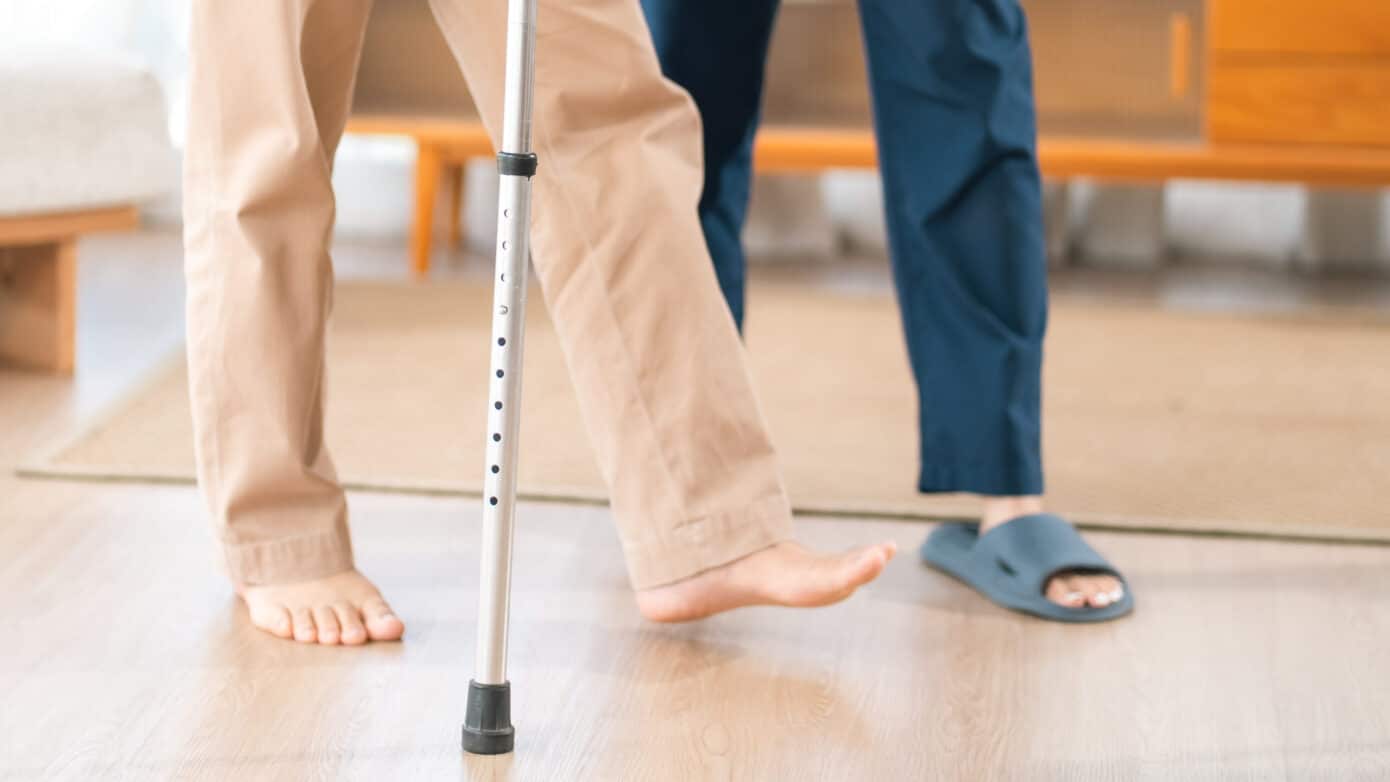
Bracing and Assistive Devices

Braces, orthotics, canes, walkers, or other assistive devices may improve safety, stability, and mobility.

Injections

For selected neurological or muscular conditions, injections such as botulinum toxin (Botox) or other medications may help reduce muscle spasticity or improve function.

Surgery

When structural nerve compression or other correctable abnormalities are present, surgery may be recommended to restore function or prevent further neurological damage.

Our Relatyv Neurofunctional Pain Management Approach

At Relatyv, our Neurofunctional Pain Management approach is designed to help manage chronic pain associated with neurological and musculoskeletal conditions. Our care complements appropriate medical evaluation and treatment rather than replacing it.

Each treatment plan is individualized based on your diagnosis, symptoms, and goals. Care may include electroanalgesia, IV therapy when clinically appropriate, nutritional support, and lifestyle recommendations that complement your existing medical care.

While treatment may help reduce pain and improve function for some individuals, outcomes vary depending on the underlying cause of the condition.

Supporting Muscle Health

You may be able to support healthy muscle function by:

  • Managing chronic medical conditions such as diabetes.
  • Remaining physically active within your abilities.
  • Following a balanced diet with adequate protein and nutrients.
  • Participating in prescribed rehabilitation programs.
  • Avoiding smoking and excessive alcohol consumption.
  • Seeking prompt evaluation for new neurological symptoms.

Find Relief from Chronic Pain and Improve Function

Muscle weakness and paralysis are symptoms—not diagnoses—and can result from a wide range of neurological, muscular, or medical conditions. Early evaluation and an accurate diagnosis are essential for developing an individualized treatment plan and preventing further loss of function.

At Relatyv, we provide personalized, non-invasive care designed to help reduce chronic pain and improve function. Our Neurofunctional Pain Management approach may complement your existing medical treatment while supporting improved mobility, comfort, and quality of life.

Back to top
Privacy Preferences

When you visit our website, it may store information through your browser from specific services, usually in the form of cookies. Here you can change your Privacy preferences. It is worth noting that blocking some types of cookies may impact your experience on our website and the services we are able to offer.

Click to enable/disable Google Analytics tracking code.
Click to enable/disable Google Fonts.
Click to enable/disable Google Maps.
Click to enable/disable video embeds.
Our website uses cookies, mainly from 3rd party services. Define your Privacy Preferences and/or agree to our use of cookies.