Posts By :

CACRelatyv

Relatyv - Calf Pain

Calf Tendon Pain: What You Need To Know To Get It Healed

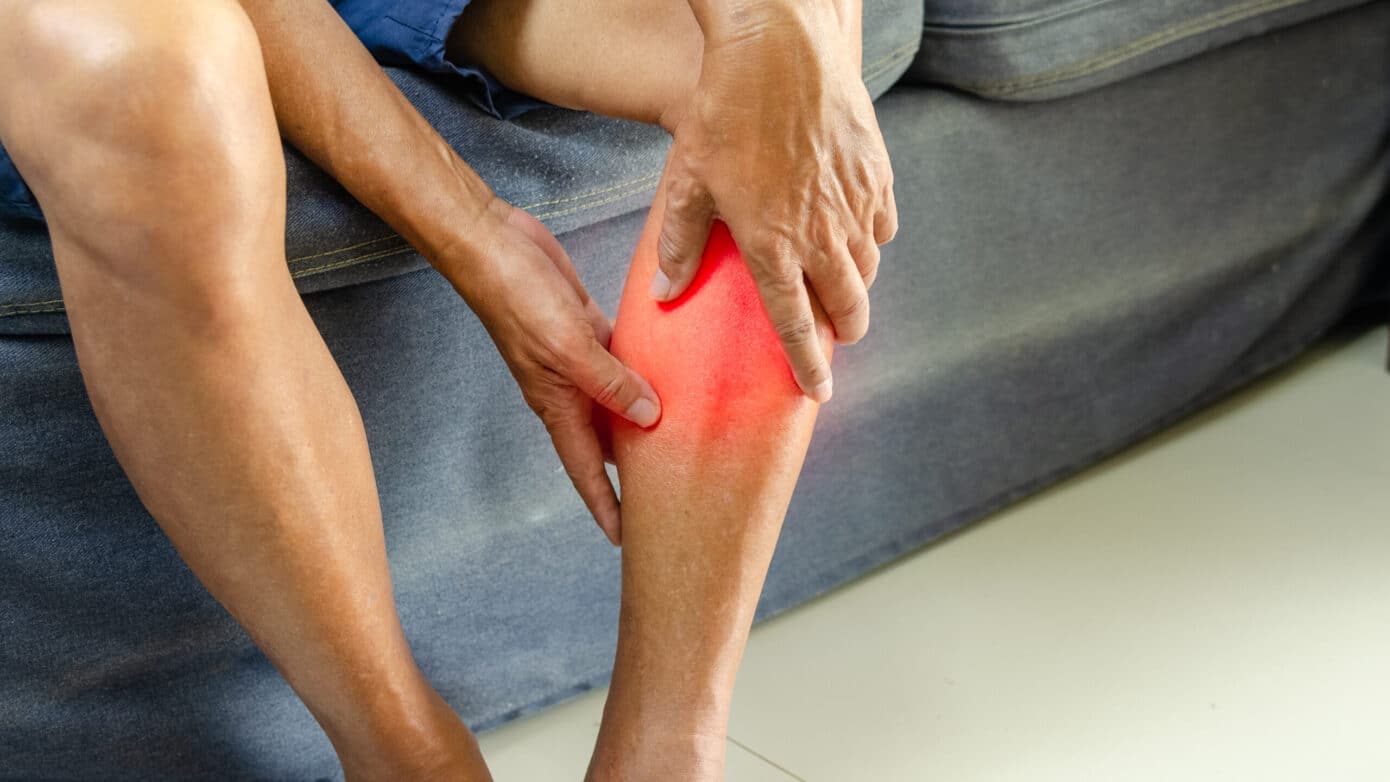
Calf Tendon Pain: What You Need To Know To Get It Healed 2560 1442 Relatyv

Understanding Calf Tendon Pain

Calf tendon pain is a common complaint that can affect athletes, active individuals, and people simply going about their daily routines. Pain may result from overuse, muscle strain, tendon injury, or underlying medical conditions, making walking, running, climbing stairs, and other everyday activities uncomfortable.

This guide explains the anatomy of the calf, common causes of tendon pain, conditions that may contribute to symptoms, treatment options, and how our Relatyv Neurofunctional Pain Management approach may complement your overall treatment plan.

Calf Anatomy

The calf is made up of several muscles and tendons that work together to support walking, running, jumping, balance, and ankle movement.

The primary muscles include:

  • Gastrocnemius: The large muscle visible at the back of the lower leg that helps flex the foot and bend the knee.
  • Soleus: A deeper calf muscle responsible for ankle stability and standing endurance.
  • Plantaris: A small muscle that is absent in some people and plays only a minor role in lower leg function.

These muscles connect to the heel and foot through several tendons, including the Achilles tendon, posterior tibial tendon, gastrocnemius tendon, and plantaris tendon. Injury or inflammation affecting any of these structures may cause calf tendon pain.

Common Causes of Calf Tendon Pain

Overuse

Repetitive activities such as running, jumping, hiking, or high-impact sports can overload the calf muscles and tendons, leading to irritation and discomfort.

Muscle Cramps

Calf cramps are common and may result from dehydration, muscle fatigue, electrolyte imbalances, nutritional deficiencies, or certain medications.

Sudden Movement or Injury

Rapid acceleration, sudden stops, or abrupt changes in direction can overstretch the calf muscles or tendons, resulting in strains or partial tears.

Dehydration

Insufficient fluid intake can impair muscle function and contribute to muscle fatigue, cramping, and tendon irritation.

Conditions Associated with Calf Tendon Pain

Persistent calf pain may occasionally be related to underlying medical conditions that require evaluation.

Baker’s Cyst

A Baker’s cyst is a fluid-filled swelling behind the knee that can occasionally extend into the calf, causing pain, tightness, and swelling.

Tendonitis

Tendonitis is inflammation of a tendon caused by repetitive stress or injury. Symptoms often include pain, swelling, tenderness, and discomfort with activity.

Achilles Tendonitis or Tendon Rupture

The Achilles tendon connects the calf muscles to the heel bone. Overuse may cause tendonitis, while more severe injuries may result in partial or complete tendon tears that require prompt medical evaluation.

Achilles Tendinopathy

Achilles tendinopathy is a chronic degenerative condition caused by repetitive stress that exceeds the tendon’s ability to repair itself.

Calf Muscle Strain

Strains involving the gastrocnemius or soleus muscles are common sports injuries and may cause sudden pain, swelling, bruising, and difficulty walking.

Plantaris Tendonitis

Inflammation of the plantaris tendon may contribute to pain along the inner portion of the calf, although this condition is relatively uncommon.

Popliteus Tendonitis

Inflammation of the popliteus tendon, located behind the knee, may cause pain that extends into the upper calf, particularly during downhill walking or running.

Other Possible Causes

Calf pain may also be associated with conditions such as sciatica, peripheral neuropathy, deep vein thrombosis (DVT), or compartment syndrome. Because some of these conditions require urgent treatment, persistent or severe symptoms should always be evaluated by a healthcare provider.

When Should You Seek Medical Care?

Seek prompt medical evaluation if your calf pain:

  • Persists or continues to worsen.
  • Prevents normal walking or daily activities.
  • Is accompanied by significant swelling.
  • Occurs after a severe injury.
  • Is associated with numbness or tingling.
  • Causes visible deformity.
  • Is accompanied by redness, warmth, fever, or signs of infection.
  • Occurs with sudden swelling, discoloration, or warmth that may suggest a blood clot.

How Calf Tendon Pain Is Diagnosed

Your healthcare provider may recommend several tests depending on your symptoms, including:

  • Medical history review
  • Physical examination
  • X-rays
  • MRI
  • Ultrasound
  • Blood tests when inflammation or blood clots are suspected

An accurate diagnosis helps determine the most appropriate treatment plan.

Conservative Treatment Options

RICE Therapy

Rest, ice, compression, and elevation may help reduce pain and swelling during the early stages of certain injuries.

Stretching

Appropriate stretching exercises may improve flexibility, reduce muscle tension, and support recovery when recommended by a healthcare professional.

Physical Therapy

Physical therapy is often recommended to improve strength, flexibility, balance, and movement patterns while reducing pain and lowering the risk of future injury.

Medications

Anti-inflammatory medications or other pain relievers may help manage symptoms during flare-ups. Long-term medication use should always be discussed with your healthcare provider because of potential side effects.

Surgery

Surgery is generally reserved for severe tendon tears, complete ruptures, or other structural problems that have not responded to conservative treatment.

Our Relatyv Neurofunctional Pain Management Approach for Calf Tendon Pain

At Relatyv, our Neurofunctional Pain Management approach combines drug-free, non-invasive therapies designed to help reduce pain, improve function, and support healthy nervous system activity.

Treatment plans are individualized based on your diagnosis, symptoms, and goals. Care may include electroanalgesia, IV therapy when clinically appropriate, nutritional support, and lifestyle recommendations that complement your overall treatment plan.

Supporting Recovery and Preventing Future Injury

Many calf tendon injuries can be managed successfully with appropriate treatment and gradual rehabilitation. Recovery times vary depending on the severity of the condition.

To help reduce the risk of future calf injuries:

  • Stay physically active.
  • Warm up before exercise and cool down afterward.
  • Stretch regularly.
  • Maintain good hydration.
  • Wear supportive footwear.
  • Gradually increase training intensity.
  • Maintain a healthy weight.

Find Relief from Calf Tendon Pain

Persistent calf tendon pain can interfere with work, exercise, sports, and everyday mobility. Obtaining an accurate diagnosis is the first step toward effective treatment.

At Relatyv, we provide personalized, non-invasive care designed to help reduce pain, improve movement, and support long-term musculoskeletal health. Our Neurofunctional Pain Management approach may help complement your existing treatment plan and support your recovery.


Relatyv - Painful Bowel Movements

Painful Bowel Movements

Painful Bowel Movements 2560 1442 Relatyv

Understanding Painful Bowel Movements

Pain during a bowel movement can range from mild discomfort to severe pain and may occur for many different reasons. Common causes include constipation, hemorrhoids, anal fissures, inflammatory bowel conditions, infections, and other gastrointestinal disorders. Because treatment depends on the underlying cause, persistent or recurring pain should be evaluated by a healthcare provider.

This guide explains common causes of painful bowel movements, when to seek medical attention, available treatment options, and how our Relatyv Neurofunctional Pain Management approach may complement your overall treatment plan.

How the Digestive System Works

The gastrointestinal (GI) tract extends from the mouth to the anus and is responsible for digesting food, absorbing nutrients, and eliminating waste. Coordinated muscle contractions known as peristalsis move food and stool through the digestive tract.

Pain during bowel movements may originate from the colon, rectum, anus, or surrounding tissues. The location and nature of the pain often provide important clues to the underlying condition.

How Painful Bowel Movements Can Affect Daily Life

Persistent pain during bowel movements can interfere with everyday activities and overall well-being. Many people begin to avoid using the restroom, which can worsen constipation and create additional discomfort.

Chronic symptoms may also contribute to:

  • Anxiety surrounding bowel movements
  • Disrupted daily routines
  • Reduced participation in social activities
  • Sleep disturbances
  • Lower overall quality of life

Common Causes of Painful Bowel Movements

Constipation

Hard stools and straining can place pressure on the rectum and anus, causing pain during bowel movements.

Functional Diarrhea

Frequent loose stools may irritate the digestive tract and surrounding tissues, resulting in discomfort.

Colitis

Inflammation of the colon from infection, inflammatory bowel disease, or reduced blood flow may cause abdominal pain and painful bowel movements.

Ulcerative Colitis

Ulcerative colitis is a form of inflammatory bowel disease that causes chronic inflammation and ulcers within the colon, often resulting in abdominal pain, diarrhea, and rectal discomfort.

Endometriosis

When endometrial tissue develops near the bowel, individuals may experience pain during bowel movements, particularly during menstruation.

Diverticulitis

Inflammation or infection of small pouches within the colon can lead to abdominal pain, fever, and painful bowel movements.

Perianal Abscess

An abscess near the anus can cause severe pain during bowel movements, sitting, or physical activity and typically requires medical treatment.

Colorectal Cancer

Although less common, colorectal cancer may cause painful bowel movements along with changes in bowel habits, bleeding, unexplained weight loss, or fatigue.

Colon Polyps

Larger polyps may occasionally interfere with normal bowel function and contribute to pain or bleeding.

Anal Fissures

Small tears in the lining of the anus often cause sharp pain and bleeding during or after bowel movements.

Hemorrhoids

Internal and external hemorrhoids are swollen veins around the rectum or anus that may cause pain, itching, bleeding, and discomfort during bowel movements.

When Should You See a Healthcare Provider?

You should seek medical evaluation if you experience:

  • Blood in the stool.
  • Persistent or worsening pain.
  • Sudden, unexplained weight loss.
  • Ongoing constipation or diarrhea.
  • Abdominal pain that wakes you at night.
  • A family history of gastrointestinal disease or colorectal cancer.

Your healthcare provider may recommend a physical examination along with blood tests, imaging studies, or procedures such as a colonoscopy to determine the cause of your symptoms.

Conventional Treatment Options

Treatment depends on the underlying diagnosis and severity of symptoms.

Lifestyle Changes

  • Increase dietary fiber.
  • Drink adequate fluids.
  • Exercise regularly.
  • Take warm baths to ease discomfort when appropriate.

Medications

Depending on the cause, treatment may include stool softeners, laxatives, anti-diarrheal medications, antispasmodics, topical medications, or other prescription therapies recommended by your healthcare provider.

Surgery

Surgical treatment may be necessary for certain conditions, including colorectal cancer, complicated diverticulitis, or severe anal fissures that have not responded to conservative care.

Our Relatyv Neurofunctional Pain Management Approach for Chronic Pain

At Relatyv, our Neurofunctional Pain Management approach combines drug-free, non-invasive therapies designed to help reduce chronic pain, improve function, and support healthy nervous system activity.

Treatment plans are individualized based on your diagnosis and symptoms. Care may include electroanalgesia, IV therapy when clinically appropriate, nutritional support, and lifestyle recommendations that complement your overall medical care.

Don’t Ignore Persistent Pain

Occasional discomfort during a bowel movement may not always indicate a serious problem, but persistent or recurring pain deserves medical evaluation. Early diagnosis can help identify underlying gastrointestinal conditions and guide appropriate treatment.

At Relatyv, we provide personalized, non-invasive care designed to help reduce chronic pain and improve quality of life. Our Neurofunctional Pain Management approach may help complement your existing treatment plan while supporting your long-term health and recovery.

Relatyv - Bicep Pain

Dealing With Bicep Tendon Pain

Dealing With Bicep Tendon Pain 2560 1442 Relatyv

Understanding Bicep Tendon Pain

Bicep tendon pain can affect everyday activities such as lifting, reaching, throwing, or carrying objects. The discomfort may develop gradually from repetitive use or occur suddenly after an injury. While many cases improve with conservative treatment, persistent pain may indicate an underlying tendon or shoulder condition that should be evaluated by a healthcare provider.

This guide explains the symptoms, common causes, treatment options, and how our Relatyv Neurofunctional Pain Management approach may complement your overall treatment plan.

Common Symptoms of Bicep Tendon Pain

Symptoms vary depending on the underlying cause but commonly include:

  • Pain that radiates from the shoulder into the upper arm.
  • Sharp pain after an injury or a persistent dull ache.
  • A popping sensation or sound at the time of injury.
  • Tenderness around the front of the shoulder or elbow.
  • Shoulder stiffness and reduced range of motion.
  • Weakness when lifting, reaching, or throwing.
  • Difficulty rotating the forearm.
  • Bruising after an injury.
  • A visible bulge in the upper arm (“Popeye” deformity) following certain tendon tears.

Risk Factors for Bicep Tendon Pain

Several factors may increase the likelihood of developing bicep tendon injuries.

Injury or Trauma

Falls, sports injuries, shoulder dislocations, or direct trauma can overstretch or tear the tendon.

Age-Related Changes

As tendons age, they naturally lose some elasticity, making them more susceptible to injury.

Repetitive Overuse

Repeated overhead activities, heavy lifting, and throwing sports can place ongoing stress on the bicep tendon and contribute to irritation over time.

Poor Posture

Abnormal shoulder mechanics and poor posture may increase stress on the tendons surrounding the shoulder.

Conditions Associated with Bicep Tendon Pain

Bicep Tendonitis

Bicep tendonitis is inflammation or irritation of the tendon, often caused by repetitive use, overuse, or minor tendon injuries. Pain commonly develops at the front of the shoulder and may worsen with lifting or overhead movements.

Frozen Shoulder

Frozen shoulder (adhesive capsulitis) causes progressive stiffness and pain that can place additional strain on the bicep tendon during movement.

Rotator Cuff Injuries

Because the bicep tendon works closely with the rotator cuff, injuries affecting one structure commonly involve the other. Rotator cuff problems frequently contribute to pain that extends into the upper arm.

Tendon Tears

Partial tendon tears may develop gradually through repetitive stress or occur suddenly following trauma. Symptoms may include pain, weakness, swelling, and limited arm function.

Ulnar Neuropathy

Compression of the ulnar nerve near the elbow may cause pain that radiates toward the upper arm along with numbness or tingling in the hand.

Cervical Radiculopathy

Nerve compression in the neck may produce pain, weakness, numbness, or tingling that extends into the shoulder and bicep.

Bicep Tendon Rupture

A complete tendon rupture occurs when the tendon fully detaches from the bone. This injury often causes sudden pain, bruising, weakness, and a noticeable change in the appearance of the bicep muscle. Prompt medical evaluation is recommended.

How Bicep Tendon Pain Is Diagnosed

Your healthcare provider may recommend:

  • Review of your symptoms and medical history.
  • Physical examination of the shoulder and elbow.
  • Strength and range-of-motion testing.
  • Evaluation for signs of tendon rupture or instability.
  • X-rays or MRI when additional imaging is needed.

When Should You Seek Medical Care?

Seek prompt medical evaluation if:

  • Your pain continues to worsen or does not improve.
  • You cannot lift or move your arm normally.
  • You experience sudden injury followed by severe pain.
  • You notice significant bruising or a visible deformity.
  • You develop numbness, tingling, or significant weakness.
  • You experience arm pain accompanied by chest pain or shortness of breath, which requires immediate emergency evaluation.

Conventional Treatment Options

Treatment depends on the severity of the injury and the underlying diagnosis.

Anti-Inflammatory Medications

Over-the-counter or prescription anti-inflammatory medications may provide temporary pain relief during flare-ups. Long-term use should be discussed with your healthcare provider because of potential side effects.

Corticosteroid Injections

In selected cases, corticosteroid injections may help reduce inflammation and pain. Your healthcare provider can determine whether this option is appropriate.

Physical Therapy

Rehabilitation exercises may improve shoulder strength, flexibility, and movement while reducing stress on the tendon.

Surgery

Severe tendon tears, complete ruptures, or significant rotator cuff injuries may require surgical repair when conservative treatments have not been successful.

Our Relatyv Neurofunctional Pain Management Approach for Bicep Tendon Pain

At Relatyv, our Neurofunctional Pain Management approach combines drug-free, non-invasive therapies designed to help reduce pain, improve function, and support healthy nervous system activity.

Treatment plans are individualized based on your diagnosis, symptoms, and goals. Care may include electroanalgesia, IV therapy when clinically appropriate, nutritional support, and lifestyle recommendations that complement your overall treatment plan.

Address Bicep Tendon Pain Early

Ignoring persistent shoulder or bicep pain may allow tendon injuries or other underlying conditions to worsen over time. Early evaluation can help identify the cause and guide appropriate treatment.

At Relatyv, we provide personalized, non-invasive care designed to help reduce chronic pain, improve arm function, and support long-term musculoskeletal health. Our Neurofunctional Pain Management approach may help complement your existing treatment plan and support your recovery.
Relatyv - Causes of Throbbing Headache

Causes Of A Throbbing Headache Only In Affected Areas

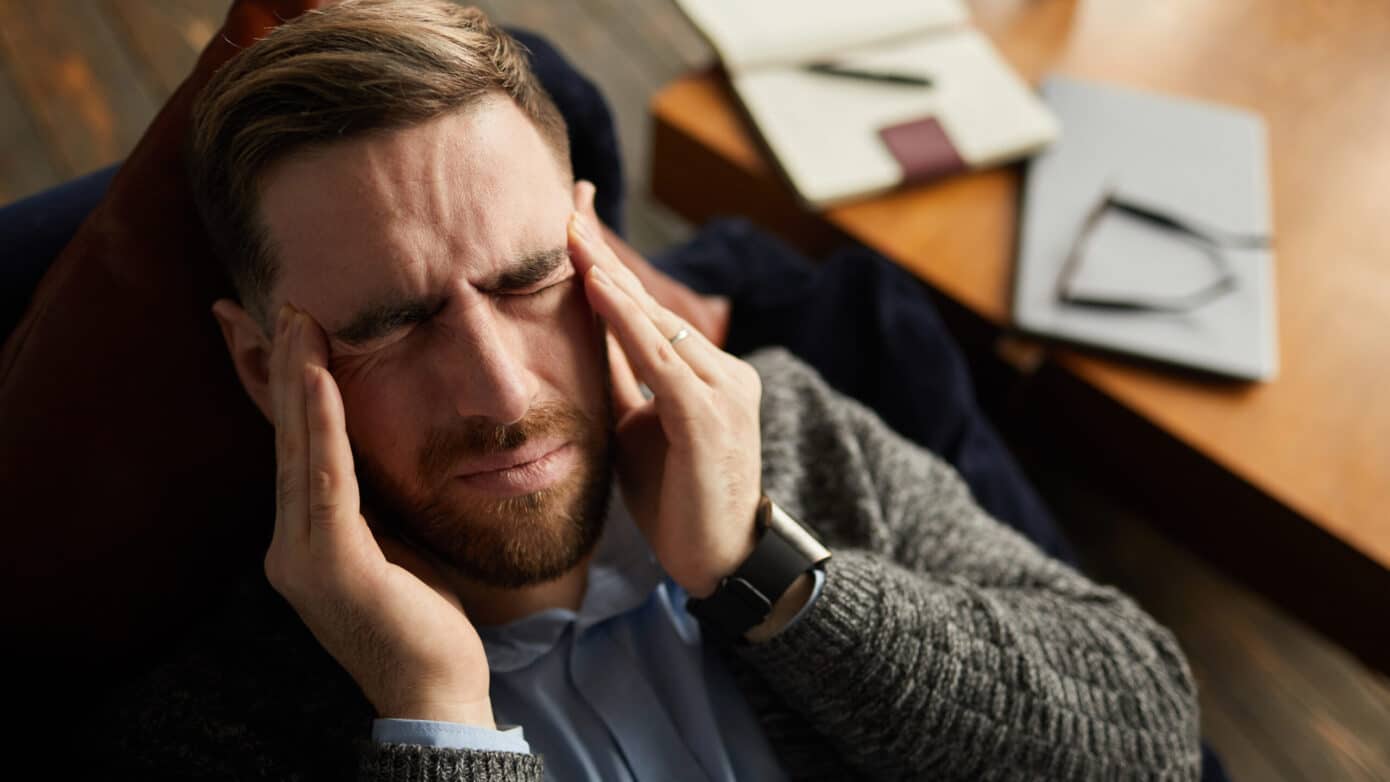
Causes Of A Throbbing Headache Only In Affected Areas 2560 1442 Relatyv

Understanding Throbbing Headaches

Throbbing headaches are among the most common types of head pain and may feel like a rhythmic pulsing or pounding sensation. While many headaches are temporary and improve with rest or lifestyle changes, persistent or severe throbbing headaches can sometimes indicate an underlying medical condition that requires evaluation.

This guide explains common causes of throbbing headaches, warning signs that require medical attention, available treatment options, and how our Relatyv Neurofunctional Pain Management approach may complement your overall treatment plan.

What Does a Throbbing Headache Feel Like?

Throbbing headaches often produce a pulsating or pounding sensation that may affect one side of the head, both sides, or the entire head. Pain may also spread into the face, neck, shoulders, or behind the eyes.

Depending on the underlying cause, symptoms may include:

  • Nausea or vomiting
  • Sensitivity to light, sound, or odors
  • Neck pain or stiffness
  • Scalp tenderness
  • Pain around the temples or behind the eyes
  • Fatigue or difficulty concentrating

Location Can Provide Important Clues

Back of the Head

Pain near the base of the skull may be associated with occipital neuralgia, muscle tension, or cervical spine conditions.

Top of the Head

Headaches affecting the top of the head may occur with migraines, dehydration, muscle tension, or stress.

One Side of the Head

Migraine headaches commonly affect only one side of the head, although symptoms can vary.

Behind the Eyes

Pain behind one eye may occur with cluster headaches, sinus disorders, or certain eye conditions.

Temple Pain

Throbbing pain in the temples may occur with migraines, tension headaches, temporomandibular joint (TMJ) disorders, or giant cell arteritis, particularly in older adults.

Headache with Neck Pain

Muscle tension, poor posture, or disorders involving the cervical spine may contribute to headaches accompanied by neck stiffness.

Common Causes of Throbbing Headaches

Headaches are generally classified as either primary headaches, where the headache itself is the condition, or secondary headaches, which result from another underlying issue.

Migraine

Migraines are a neurological disorder that often causes moderate to severe throbbing pain, frequently accompanied by nausea, sensitivity to light or sound, and visual disturbances.

Tension Headaches

Tension headaches commonly produce a steady aching sensation but may occasionally include throbbing pain. Stress, muscle tension, poor posture, and fatigue are frequent contributing factors.

Cluster Headaches

Cluster headaches cause severe pain around one eye or one side of the head and typically occur in repeated episodes over several weeks or months.

Secondary Causes

Throbbing headaches may also develop from:

  • Dehydration
  • Lack of sleep
  • Stress
  • Hormonal changes
  • Caffeine withdrawal
  • Alcohol use (hangover)
  • Medication overuse
  • Head injuries
  • Seasonal allergies

When Should You See a Healthcare Provider?

You should schedule a medical evaluation if:

  • Your headaches become more frequent or severe.
  • The pattern or location of your headaches changes.
  • You are over age 50 and develop a new headache.
  • Headaches occur during pregnancy or shortly after childbirth.
  • They are triggered by coughing, sneezing, or exercise.
  • You frequently rely on pain medications for headache relief.

When Is a Headache an Emergency?

Seek immediate medical attention if a headache:

  • Develops suddenly and reaches maximum intensity within seconds or minutes.
  • Occurs after a head injury.
  • Is accompanied by fever and a stiff neck.
  • Occurs with seizures, fainting, or loss of consciousness.
  • Is associated with weakness, numbness, difficulty speaking, confusion, or vision loss.
  • Occurs with chest pain or other concerning neurological symptoms.

How Throbbing Headaches Are Diagnosed

Your healthcare provider may recommend:

  • Medical history review
  • Neurological examination
  • Physical examination
  • MRI or other imaging studies when indicated
  • Blood tests
  • Additional testing based on suspected underlying conditions

Conventional Treatment Options

Treatment depends on the cause of the headache and its severity.

Home Care

  • Rest in a quiet, dark room.
  • Apply a cold compress.
  • Stay hydrated.
  • Identify and avoid personal headache triggers.

Medications

Over-the-counter pain relievers, migraine-specific medications, corticosteroids, or preventive medications may be recommended depending on the diagnosis. Your healthcare provider can help determine which option is appropriate for your condition.

Our Relatyv Neurofunctional Pain Management Approach for Chronic Head Pain

At Relatyv, our Neurofunctional Pain Management approach combines drug-free, non-invasive therapies designed to help reduce chronic pain, improve function, and support healthy nervous system activity.

Treatment plans are individualized based on your diagnosis, symptoms, and goals. Care may include electroanalgesia, IV therapy when clinically appropriate, nutritional support, and lifestyle recommendations that complement your overall medical care.

Find Relief from Chronic Headaches

Persistent or recurring throbbing headaches should not be ignored. Obtaining an accurate diagnosis is an important first step toward identifying the underlying cause and selecting the most appropriate treatment.

At Relatyv, we provide personalized, non-invasive care designed to help reduce chronic pain and improve quality of life. Our Neurofunctional Pain Management approach may help complement your existing treatment plan while supporting your long-term neurological and musculoskeletal health.

Relatyv - Weight Loss and Weight Gain

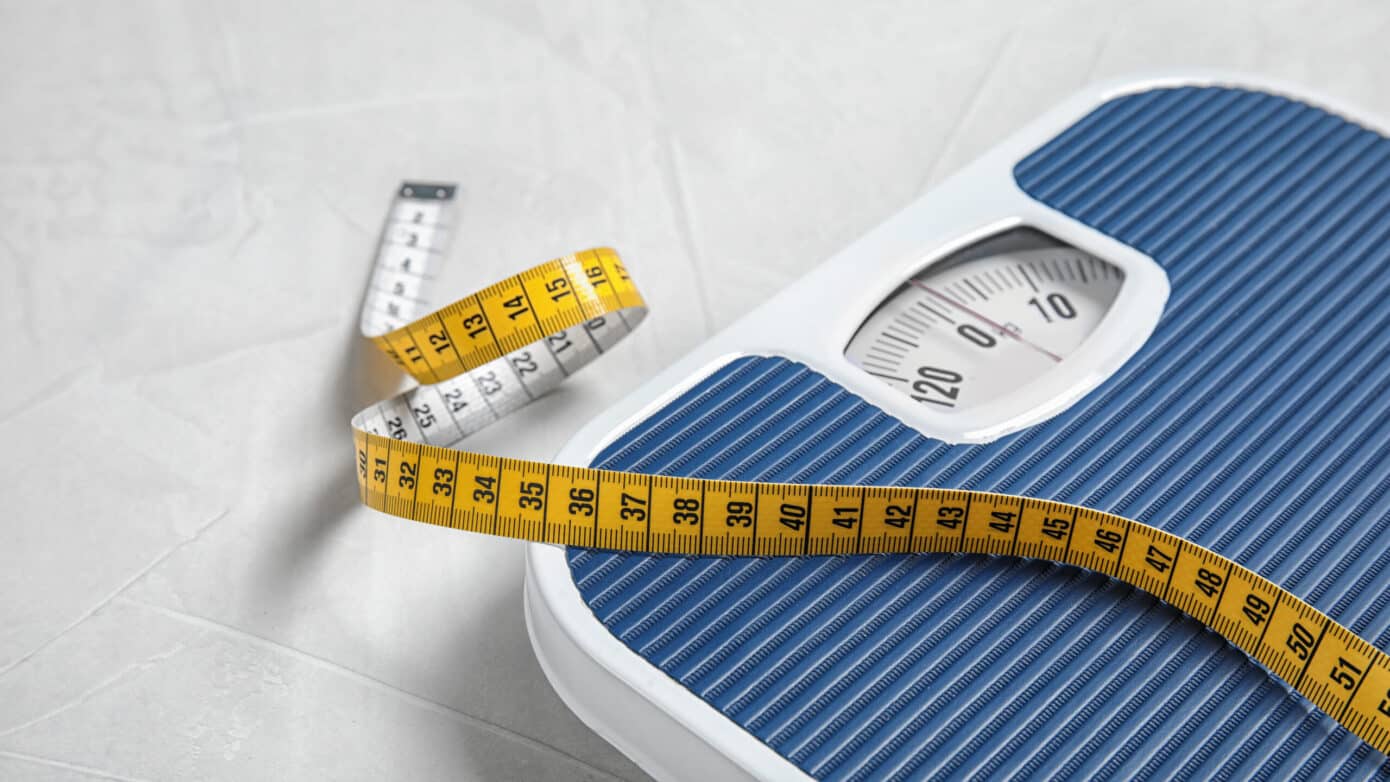
Causes Of Sudden Weight Gain Or Weight Loss

Causes Of Sudden Weight Gain Or Weight Loss 2560 1442 Relatyv

Understanding Sudden Weight Gain or Weight Loss

Small changes in body weight are a normal part of life and can result from changes in diet, activity level, hydration, or other lifestyle factors. However, sudden or unexplained weight gain or weight loss without a clear reason may indicate an underlying medical condition that deserves evaluation.

This guide explains what is considered significant weight change, common causes, potential health risks, available treatment options, and how our Relatyv Neurofunctional Pain Management approach may complement your overall treatment plan when chronic pain affects your ability to maintain a healthy weight.

What Is Considered Sudden Weight Change?

While daily fluctuations of a few pounds are common, healthcare providers generally consider the following changes significant:

  • Unintentional loss of more than 5% of your body weight within six months.
  • Rapid weight gain over a short period without changes to diet, exercise, or other lifestyle habits.

Unexpected weight changes may be temporary, but persistent changes should be evaluated to determine whether an underlying health condition is contributing.

Common Causes of Sudden Weight Gain or Weight Loss

Thyroid Disorders

An overactive thyroid (hyperthyroidism) may increase metabolism and contribute to weight loss, while an underactive thyroid (hypothyroidism) may slow metabolism and contribute to weight gain.

Medications

Certain prescription medications, including some antidepressants, diabetes medications, and blood pressure medications, may affect appetite, metabolism, or fluid balance.

Anxiety and Depression

Mental health conditions may change eating habits, activity levels, and sleep patterns, which can contribute to weight gain or weight loss.

Metabolic Disorders

Conditions affecting metabolism may interfere with how the body stores and uses energy, resulting in unexpected changes in weight.

Diabetes

Diabetes may cause either weight gain or weight loss depending on blood sugar control, insulin levels, and other individual factors.

Cancer

Some cancers and cancer treatments may contribute to unintended weight loss, loss of muscle mass, or changes in appetite.

Neurological Disorders

Certain neurological conditions can affect appetite, metabolism, or energy expenditure and may result in unexpected weight changes.

Rheumatoid Arthritis

Chronic inflammation, fatigue, and certain medications associated with rheumatoid arthritis may contribute to changes in body weight.

Potential Health Risks

Risks of Sudden Weight Loss

  • Nutritional deficiencies
  • Loss of muscle mass
  • Gallstones
  • Electrolyte imbalances
  • Hormonal and menstrual changes

Risks of Sudden Weight Gain

  • Increased strain on joints
  • Higher risk of cardiovascular disease
  • Type 2 diabetes and metabolic disorders
  • Emotional and psychological challenges
  • Difficulty achieving or maintaining a healthy weight

How Sudden Weight Changes Are Diagnosed

Your healthcare provider will typically begin by reviewing your medical history, current medications, diet, physical activity, and family history.

Additional testing may include:

  • Physical examination
  • Blood tests
  • Urine testing
  • Hormone evaluation
  • Imaging studies when appropriate

Identifying the underlying cause is an important first step in developing an appropriate treatment plan.

When Should You See a Healthcare Provider?

You should schedule a medical evaluation if you experience:

  • Unexplained weight gain or weight loss.
  • Weight changes that persist for several weeks.
  • Weight changes accompanied by fatigue, sleep disturbances, or menstrual changes.
  • Additional symptoms such as persistent pain, weakness, or changes in appetite.
  • A family history of endocrine or metabolic disorders.

Conventional Treatment Options

Treatment depends on identifying and managing the underlying cause of the weight change.

Medical Treatment

Your healthcare provider may recommend medications, adjustments to current prescriptions, hormone treatment, or condition-specific therapies depending on your diagnosis.

Nutrition Counseling

Working with a registered dietitian or nutrition professional may help you develop a balanced eating plan that supports your health goals.

Exercise and Lifestyle Changes

Regular physical activity, healthy sleep habits, and stress management may help support healthy weight management when appropriate.

Our Relatyv Neurofunctional Pain Management Approach

Chronic pain can sometimes contribute to changes in activity level, appetite, sleep, and overall quality of life, all of which may influence body weight.

At Relatyv, our Neurofunctional Pain Management approach combines drug-free, non-invasive therapies designed to help reduce chronic pain, improve function, and support healthy nervous system activity.

Treatment plans are individualized based on your diagnosis, symptoms, and goals. Care may include electroanalgesia, IV therapy when clinically appropriate, nutritional support, and lifestyle recommendations that complement your overall medical care.

Address Unexplained Weight Changes Early

Unexpected weight gain or weight loss should not be ignored, particularly when it occurs without changes to your diet or activity level. Early evaluation can help identify underlying medical conditions and guide appropriate treatment.

At Relatyv, we provide personalized, non-invasive care designed to help reduce chronic pain, improve function, and support overall wellness. Our Neurofunctional Pain Management approach may help complement your existing treatment plan while supporting your long-term health and quality of life.

Relatyv - Bowel Changes

Experiencing Frequent Bowel Movements And Changes In Their Appearance

Experiencing Frequent Bowel Movements And Changes In Their Appearance 2560 1442 Relatyv

Understanding Frequent Bowel Movements

Bowel habits vary from person to person. While some people have several bowel movements each day and others only a few each week, a noticeable change in frequency, consistency, or appearance may indicate an underlying digestive condition that deserves medical evaluation.

This guide explains what healthy bowel movements look like, common causes of frequent bowel movements, available treatment options, and how our Relatyv Neurofunctional Pain Management approach may complement your overall treatment plan when chronic pain is present.

What Is Considered a Healthy Bowel Movement?

Healthy bowel movements typically:

  • Occur anywhere from three times per day to three times per week.
  • Produce stools that are soft and easy to pass.
  • Do not require excessive straining.
  • Are generally brown in color.

Persistent changes in stool color, consistency, frequency, or the presence of mucus, blood, or excessive gas should be discussed with your healthcare provider.

Common Types of Irregular Bowel Movements

Constipation

Constipation occurs when bowel movements become infrequent or difficult to pass. Common causes include dehydration, low fiber intake, certain medications, inactivity, and gastrointestinal disorders.

Diarrhea

Diarrhea involves frequent loose or watery stools and may result from infections, food intolerances, medications, or chronic digestive conditions.

Symptoms That May Accompany Frequent Bowel Movements

Depending on the underlying cause, additional symptoms may include:

  • Abdominal cramping or spasms
  • Nausea
  • Weakness
  • Dehydration
  • Loose stools
  • Weight loss
  • Loss of appetite

Common Causes of Frequent Bowel Movements

Stress and Anxiety

Stress and anxiety can affect normal digestive function and contribute to diarrhea, constipation, or changes in bowel habits.

Caffeine

Caffeine stimulates the digestive tract in some individuals and may increase bowel activity.

Food Allergies and Intolerances

Foods such as dairy, gluten, or other dietary triggers may contribute to digestive symptoms in sensitive individuals.

Digestive Infections

Viral, bacterial, or parasitic infections can cause diarrhea, abdominal cramping, dehydration, and changes in bowel habits.

Surgery or Medical Treatments

Digestive surgery, chemotherapy, radiation therapy, and certain medications may temporarily or permanently alter bowel function.

Medical Conditions Associated with Frequent Bowel Movements

Irritable Bowel Syndrome (IBS)

IBS is a functional digestive disorder that commonly causes abdominal pain, bloating, constipation, diarrhea, or alternating bowel habits.

Crohn’s Disease

Crohn’s disease is an inflammatory bowel disease that can cause chronic diarrhea, abdominal pain, weight loss, and inflammation throughout the digestive tract.

Celiac Disease

Celiac disease is an autoimmune condition triggered by gluten that damages the small intestine and may result in diarrhea, bloating, and nutrient malabsorption.

Ulcerative Colitis

Ulcerative colitis causes chronic inflammation of the colon and may produce bloody diarrhea, abdominal pain, and frequent bowel movements.

Pancreatitis

Inflammation of the pancreas can interfere with digestion and contribute to abdominal pain, diarrhea, bloating, and weight loss.

Hyperthyroidism

An overactive thyroid increases metabolism and may lead to more frequent bowel movements, weight loss, and other systemic symptoms.

When Should You See a Healthcare Provider?

You should seek medical evaluation if bowel changes persist or occur along with:

  • Persistent abdominal pain.
  • Bloating that does not improve.
  • Unexplained weight loss.
  • Blood in the stool.
  • Persistent diarrhea or constipation.
  • Signs of dehydration.

Your healthcare provider may recommend a physical examination along with blood tests, stool testing, imaging studies, or other diagnostic procedures to determine the cause of your symptoms.

Conventional Treatment Options

Treatment depends on identifying and managing the underlying cause.

Dietary Changes

Increasing dietary fiber, staying hydrated, avoiding trigger foods, and following individualized nutrition recommendations may help regulate bowel habits.

Medications

Depending on your diagnosis, your healthcare provider may recommend antidiarrheal medications, antibiotics for bacterial infections, or other prescription therapies.

Supportive Therapies

Some individuals benefit from supportive therapies such as stress management, massage, or other complementary approaches alongside conventional medical care.

Our Relatyv Neurofunctional Pain Management Approach

Chronic digestive conditions can sometimes contribute to ongoing abdominal discomfort, muscle tension, and persistent pain.

At Relatyv, our Neurofunctional Pain Management approach combines drug-free, non-invasive therapies designed to help reduce chronic pain, improve function, and support healthy nervous system activity.

Treatment plans are individualized based on your diagnosis, symptoms, and goals. Care may include electroanalgesia, IV therapy when clinically appropriate, nutritional support, and lifestyle recommendations that complement your overall medical care.

Take Persistent Digestive Symptoms Seriously

Frequent bowel movements are not always a sign of a serious condition, but ongoing changes in bowel habits should not be ignored. Early evaluation can help identify digestive disorders and guide appropriate treatment.

At Relatyv, we provide personalized, non-invasive care designed to help reduce chronic pain, improve function, and support overall wellness. Our Neurofunctional Pain Management approach may help complement your existing treatment plan while supporting your long-term digestive health and quality of life.

Relatyv - Painful Periods

Painful Periods: When Menstruation Hurts Too Much

Painful Periods: When Menstruation Hurts Too Much 9504 5354 Relatyv

Understanding Painful Menstrual Periods (Dysmenorrhea)

Mild cramping during menstruation is common, but severe menstrual pain that disrupts your daily activities is not something you should simply accept. Painful periods, known medically as dysmenorrhea, can sometimes indicate an underlying gynecological condition that deserves medical evaluation.

This guide explains why menstrual pain occurs, common causes of painful periods, available treatment options, and how our Relatyv Neurofunctional Pain Management approach may complement your overall treatment plan.

Why Do Menstrual Periods Cause Pain?

The menstrual cycle consists of four primary phases:

  • Follicular Phase: Hormones stimulate the development of ovarian follicles.
  • Ovulation: A mature egg is released from the ovary.
  • Luteal Phase: The uterine lining thickens in preparation for pregnancy.
  • Menstruation: If pregnancy does not occur, the uterine lining is shed.

During menstruation, the body produces prostaglandins, hormone-like substances that trigger uterine contractions to help expel the uterine lining. Elevated prostaglandin levels may contribute to stronger contractions, inflammation, and menstrual cramping.

Some people also experience symptoms such as nausea, diarrhea, constipation, fatigue, or headaches during their menstrual cycle.

Types of Dysmenorrhea

Primary Dysmenorrhea

Primary dysmenorrhea refers to menstrual cramps that are not caused by another medical condition. Symptoms often begin during adolescence and may improve with age.

Secondary Dysmenorrhea

Secondary dysmenorrhea occurs when painful periods are caused by an underlying condition affecting the reproductive system. Pain often becomes more severe over time and may last longer than a typical menstrual period.

Conditions That May Cause Painful Periods

Endometriosis

Endometriosis occurs when tissue similar to the uterine lining grows outside the uterus. This condition may cause severe menstrual cramps, pelvic pain, painful intercourse, painful bowel movements, and fertility challenges.

Premenstrual Syndrome (PMS)

PMS commonly causes physical and emotional symptoms before menstruation, including bloating, headaches, fatigue, mood changes, muscle aches, and mild pelvic discomfort.

Uterine Fibroids

Fibroids are noncancerous growths of the uterus that may contribute to heavy bleeding, pelvic pressure, urinary frequency, and painful menstrual cramps.

Pelvic Inflammatory Disease (PID)

PID is an infection of the reproductive organs that may cause pelvic pain, painful periods, painful intercourse, abnormal bleeding, and fever.

Adenomyosis

Adenomyosis develops when tissue similar to the uterine lining grows into the muscular wall of the uterus, often leading to heavy bleeding and painful menstrual cramps.

Cervical Stenosis

Narrowing of the cervical opening may interfere with menstrual flow, increasing uterine pressure and contributing to pain during menstruation.

Risk Factors for Painful Menstrual Periods

Several factors may increase the likelihood of experiencing dysmenorrhea, including:

  • Beginning menstruation at a young age.
  • Family history of painful periods.
  • Heavy menstrual bleeding.
  • Irregular menstrual cycles.
  • Smoking.
  • Never having been pregnant.

When Should You See a Healthcare Provider?

You should seek medical evaluation if:

  • Menstrual pain interferes with work, school, or daily activities.
  • Pelvic pain occurs outside of your menstrual cycle.
  • You experience painful intercourse.
  • Your symptoms continue to worsen over time.
  • Home treatments and over-the-counter medications no longer provide relief.
  • You experience heavy bleeding, infertility concerns, fever, or persistent pelvic pain.

How Painful Periods Are Diagnosed

Your healthcare provider may recommend:

  • Medical history review.
  • Pelvic examination.
  • Blood testing.
  • Testing for infection when appropriate.
  • Pelvic ultrasound.
  • MRI or other imaging studies.
  • Laparoscopy when endometriosis or another pelvic condition is suspected.

Conventional Treatment Options

Treatment depends on the underlying diagnosis and severity of symptoms.

Medications

Nonsteroidal anti-inflammatory drugs (NSAIDs), hormonal contraceptives, antibiotics for infections, or other prescription medications may be recommended depending on the cause.

Lifestyle Measures

Regular exercise, adequate sleep, stress management, heating pads, and healthy lifestyle habits may help reduce menstrual discomfort for some individuals.

Surgical Treatment

For certain conditions, such as severe endometriosis or symptomatic fibroids, surgical treatment may be considered after discussion with a gynecologic specialist.

Our Relatyv Neurofunctional Pain Management Approach

Chronic pelvic pain associated with menstrual disorders can affect physical function, emotional well-being, and quality of life.

At Relatyv, our Neurofunctional Pain Management approach combines drug-free, non-invasive therapies designed to help reduce chronic pain, improve function, and support healthy nervous system activity.

Each treatment plan is individualized based on your diagnosis, symptoms, and goals. Care may include electroanalgesia, IV therapy when clinically appropriate, nutritional support, and lifestyle recommendations that complement your overall medical care.

Find Relief from Chronic Menstrual Pain

Severe menstrual pain should not be ignored, particularly if it develops suddenly, worsens over time, or interferes with your ability to live your daily life. Early evaluation can help identify underlying conditions and guide appropriate treatment.

At Relatyv, we provide personalized, non-invasive care designed to help reduce chronic pain, improve function, and support overall wellness. Our Neurofunctional Pain Management approach may help complement your existing treatment plan while supporting your long-term health and quality of life.

Relatyv - Chronic Foot Pain

Chronic Foot Pain That Worsens Over Time

Chronic Foot Pain That Worsens Over Time 2560 1442 Relatyv

When Chronic Foot Pain Gets Worse Over Time

Chronic foot pain can make even simple daily activities—walking, standing, exercising, or climbing stairs—more difficult. While occasional foot pain may improve with rest, persistent pain that gradually worsens often indicates an underlying condition that should be evaluated by a healthcare provider.

This guide explains why foot pain may become more severe over time, common causes, available treatment options, and how our Relatyv Neurofunctional Pain Management approach may complement your overall treatment plan.

Why Does Foot Pain Get Worse?

Persistent foot pain can worsen for several reasons, including progressive structural changes, chronic inflammation, nerve involvement, or untreated medical conditions.

Structural Changes

Changes such as fallen arches, bone spurs, tendon injuries, or altered walking patterns can place additional stress on the foot, increasing pain over time.

Underlying Medical Conditions

Conditions affecting the joints, tendons, nerves, or connective tissues may gradually progress if left untreated, leading to increasing discomfort and reduced mobility.

Common Conditions Associated with Chronic Foot Pain

Plantar Fasciitis

Plantar fasciitis involves irritation of the plantar fascia, the thick band of tissue that supports the arch of the foot. It commonly causes heel pain that is worse with the first steps in the morning or after periods of rest.

Peripheral Neuropathy

Peripheral neuropathy affects the nerves in the feet and may cause burning pain, numbness, tingling, or weakness. Diabetes is one of the most common causes, although vitamin deficiencies and other medical conditions may also contribute.

Rheumatoid Arthritis

Rheumatoid arthritis is an autoimmune condition that causes inflammation in the joints. It may affect the feet early in the disease process, leading to pain, swelling, stiffness, and changes in foot structure.

Osteoarthritis

Osteoarthritis develops as joint cartilage gradually wears down over time. It may lead to stiffness, pain, decreased flexibility, and difficulty walking.

Factors That May Worsen Foot Pain

Several lifestyle and health factors can contribute to persistent foot pain, including:

  • Smoking or excessive alcohol use.
  • Limited physical activity.
  • Wearing high heels regularly.
  • High-impact sports or repetitive activities.
  • Poorly controlled diabetes, blood pressure, or cholesterol.
  • Prolonged sitting with reduced circulation.
  • Walking barefoot on hard surfaces.
  • Wearing shoes that lack adequate support or fit poorly.

When Should You See a Healthcare Provider?

You should seek medical evaluation if:

  • Your foot pain continues despite rest and self-care.
  • The pain repeatedly returns.
  • You notice swelling, deformity, or changes in the color or shape of your foot.
  • Pain occurs with fever or other concerning symptoms.
  • Your pain follows an injury.
  • You have diabetes and develop new foot pain.
  • You are taking corticosteroid medications and experience persistent foot pain.

How Chronic Foot Pain Is Diagnosed

Your healthcare provider may recommend:

  • Medical history review.
  • Physical examination.
  • X-rays to evaluate bones and joint alignment.
  • MRI or CT imaging to assess soft tissues and joints.
  • Blood tests when inflammatory or metabolic conditions are suspected.

Obtaining an accurate diagnosis helps determine the most appropriate treatment plan.

Conventional Treatment Options

Treatment depends on the underlying cause and severity of your symptoms.

Supportive Footwear and Orthotics

Supportive shoes and custom or over-the-counter orthotics may improve foot alignment and reduce stress on painful areas.

Physical Therapy

Targeted exercises may improve strength, flexibility, balance, and walking mechanics while helping reduce pain.

Medications

Nonsteroidal anti-inflammatory drugs (NSAIDs), corticosteroid injections, or other medications may help manage pain and inflammation. Your healthcare provider can discuss the benefits and potential risks of these treatments.

Immobilization or Surgery

Some fractures, tendon injuries, or advanced structural conditions may require temporary immobilization or surgical treatment when conservative care is not sufficient.

Our Relatyv Neurofunctional Pain Management Approach

At Relatyv, our Neurofunctional Pain Management approach combines drug-free, non-invasive therapies designed to help reduce chronic pain, improve function, and support healthy nervous system activity.

Each treatment plan is individualized based on your diagnosis, symptoms, and goals. Care may include electroanalgesia, IV therapy when clinically appropriate, nutritional support, and lifestyle recommendations that complement your existing medical care.

Take Steps to Address Chronic Foot Pain

Foot pain that continues to worsen should not be ignored. Early evaluation can help identify the underlying cause, preserve mobility, and reduce the risk of long-term complications.

At Relatyv, we provide personalized, non-invasive care designed to help reduce chronic pain, improve function, and support your overall quality of life. Our Neurofunctional Pain Management approach may help complement your existing treatment plan and support your long-term recovery.

Relatyv - Cognitive Impairment

Cognitive Impairment

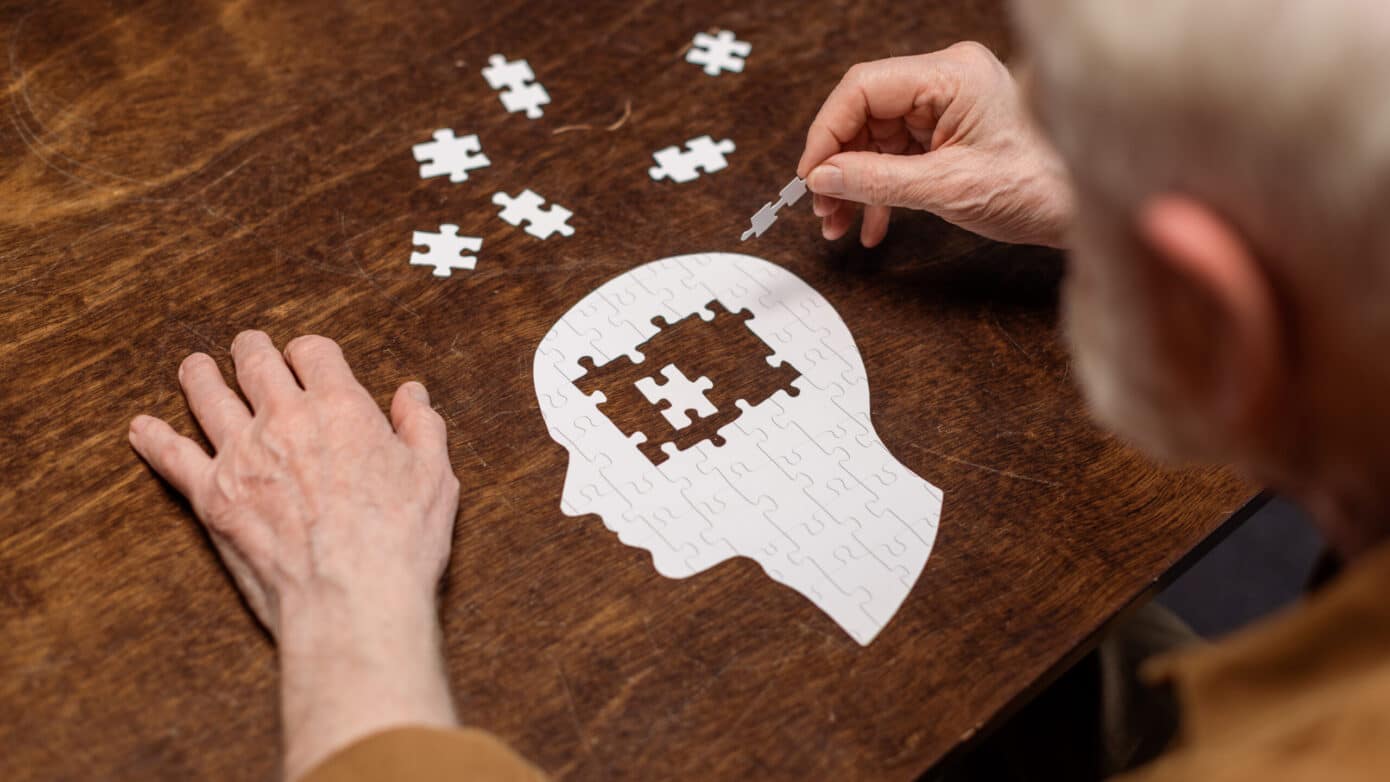
Cognitive Impairment 2560 1442 Relatyv

Understanding Cognitive Impairment

Cognitive impairment refers to changes in thinking, memory, attention, language, or problem-solving abilities that interfere with daily activities. While cognitive changes are sometimes associated with conditions such as Alzheimer’s disease or other forms of dementia, they may also occur alongside chronic pain, certain medical conditions, sleep disturbances, depression, or neurological disorders.

This guide explains common symptoms of cognitive impairment, possible underlying causes, available treatment options, and how our Relatyv Neurofunctional Pain Management approach may complement your overall treatment plan when chronic pain contributes to reduced cognitive function.

Common Symptoms of Cognitive Impairment

Cognitive impairment may affect one or several areas of brain function, including:

  • Difficulty remembering recent events or conversations.
  • Problems with concentration or attention.
  • Slower thinking or decision-making.
  • Difficulty finding words or communicating clearly.
  • Reduced coordination or motor planning.
  • Mood changes, including anxiety, depression, or irritability.
  • Behavioral changes or difficulty managing daily tasks.

Chronic Pain Conditions Associated with Cognitive Changes

Living with chronic pain may affect concentration, memory, processing speed, and mental clarity. In some individuals, these symptoms are sometimes referred to as “brain fog.”

Chronic Migraines and Headaches

Frequent migraines and chronic headaches may interfere with concentration, memory, and the ability to complete daily tasks during and between headache episodes.

Peripheral Neuropathy

Peripheral neuropathy affects the nerves outside the brain and spinal cord and may contribute to pain, numbness, sleep disruption, and difficulty concentrating.

Long COVID

Some individuals experience persistent cognitive symptoms following COVID-19 infection, including difficulty concentrating, slowed thinking, and memory problems.

Fibromyalgia

Fibromyalgia commonly causes widespread pain, fatigue, sleep disturbances, and cognitive symptoms often described as “fibro fog.”

Chronic Fatigue Syndrome

Myalgic encephalomyelitis/chronic fatigue syndrome (ME/CFS) may cause profound fatigue along with problems involving memory, attention, and information processing.

Risk Factors for Cognitive Impairment

Several factors may increase the likelihood of experiencing cognitive changes, including:

  • Advancing age.
  • Family history of dementia or other neurological disorders.
  • Stroke or cardiovascular disease.
  • Diabetes.
  • Thyroid disorders.
  • Vitamin deficiencies.
  • Smoking or excessive alcohol use.
  • Poor sleep and chronic stress.

Why Early Evaluation Matters

Persistent cognitive changes should always be evaluated by a healthcare provider. Early assessment can help identify potentially treatable causes, distinguish between different conditions, and guide appropriate medical care.

Experiencing memory or concentration problems does not necessarily mean someone has dementia. Many medical conditions—including chronic pain, sleep disorders, depression, medication side effects, and nutritional deficiencies—may contribute to cognitive symptoms.

How Cognitive Impairment Is Diagnosed

Your healthcare provider may recommend:

  • Medical history review.
  • Physical and neurological examination.
  • Blood and urine testing.
  • MRI or CT imaging when appropriate.
  • Neuropsychological or cognitive testing.

These evaluations help identify possible underlying medical conditions and determine the most appropriate treatment plan.

Conventional Treatment Options

Treatment depends on the underlying cause of cognitive impairment.

Medical Management

Your healthcare provider may recommend medications, treatment of underlying medical conditions, or adjustments to existing medications when appropriate.

Lifestyle Changes

Regular physical activity, healthy nutrition, quality sleep, stress management, and cognitive engagement may support overall brain health.

Rehabilitation and Therapy

Occupational therapy, cognitive rehabilitation, counseling, or cognitive behavioral therapy (CBT) may help some individuals improve daily function and develop strategies for managing cognitive challenges.

Our Relatyv Neurofunctional Pain Management Approach

Chronic pain can affect concentration, sleep quality, mood, and overall daily function. At Relatyv, our Neurofunctional Pain Management approach is designed to help reduce chronic pain through individualized, drug-free, non-invasive therapies.

Each treatment plan is tailored to your diagnosis, symptoms, and goals. Care may include electroanalgesia, IV therapy when clinically appropriate, nutritional support, and lifestyle recommendations that complement your existing medical care.

While reducing chronic pain may help improve overall well-being and daily function for some individuals, treatment is not intended to cure or reverse cognitive impairment, and outcomes vary depending on the underlying cause.

Address Chronic Pain and Cognitive Concerns Early

If you’re experiencing persistent pain alongside memory problems, difficulty concentrating, or other cognitive changes, it’s important to obtain a comprehensive medical evaluation. Identifying the underlying cause allows you and your healthcare team to develop an individualized treatment plan.

At Relatyv, we provide personalized, non-invasive care designed to help reduce chronic pain and improve function. Our Neurofunctional Pain Management approach may complement your existing treatment plan while supporting your overall health and quality of life.

Relatyv - Patellar Tendon Pain

Patellar Tendon Pain: Symptoms, Causes, And Treatments

Patellar Tendon Pain: Symptoms, Causes, And Treatments 2560 1442 Relatyv

Understanding Patellar Tendon Pain (Jumper’s Knee)

The patellar tendon plays an essential role in stabilizing the knee and allowing movements such as walking, running, jumping, climbing stairs, and squatting. When this tendon becomes irritated or damaged, it can lead to patellar tendinopathy—commonly known as jumper’s knee—a condition that causes pain, stiffness, and reduced mobility.

This guide explains the symptoms, causes, risk factors, available treatment options, and how our Relatyv Neurofunctional Pain Management approach may complement your overall treatment plan.

What Is Patellar Tendon Pain?

The patellar tendon connects the kneecap (patella) to the shinbone (tibia), helping transfer force through the knee during movement. Repetitive stress, overuse, aging, or certain medical conditions can irritate or damage this tendon, resulting in pain and inflammation.

Patellar tendon pain often develops gradually and may become chronic if repetitive strain continues without appropriate treatment.

Common Symptoms of Patellar Tendonitis

Symptoms may include:

  • Pain just below the kneecap.
  • Tenderness where the tendon attaches to the shinbone.
  • Swelling around the front of the knee.
  • Stiffness when straightening the knee.
  • Pain during jumping, running, squatting, or climbing stairs.
  • Discomfort that worsens with activity and improves with rest.

Where Is the Pain Typically Felt?

Patellar tendon pain is usually localized to the front of the knee and may be felt:

  • Directly below the kneecap.
  • At the upper portion of the shinbone.
  • When pressing on the tendon.
  • During activities that place stress on the knee, such as jumping or standing from a squat.

Common Causes of Patellar Tendon Pain

Repetitive Overuse

Repeated jumping, sprinting, running, and rapid changes in direction place significant stress on the patellar tendon. This makes jumper’s knee especially common among athletes participating in basketball, volleyball, gymnastics, track and field, football, dance, and similar sports.

Previous Knee Injuries

Prior fractures, ligament injuries, tendon injuries, or incomplete rehabilitation may alter knee mechanics and increase stress on the patellar tendon.

Rheumatoid Arthritis

Inflammation caused by rheumatoid arthritis may affect tendons and surrounding joint structures, contributing to knee pain and tendon dysfunction.

Diabetes

Diabetes can affect tendon health by altering collagen structure and reducing tissue flexibility, increasing the risk of tendon injury.

Age-Related Degeneration

As tendons naturally lose elasticity with age, they become more susceptible to injury, particularly during sports or repetitive physical activity.

Other Medical Conditions

Kidney disease, autoimmune disorders, and other chronic medical conditions may also affect tendon health and healing.

Risk Factors

Factors that increase the likelihood of developing patellar tendon pain include:

  • Sports involving repetitive jumping.
  • Frequent high-impact training.
  • Excess body weight.
  • Poor movement mechanics.
  • Muscle weakness or tightness.
  • Previous knee injuries.
  • Certain chronic medical conditions.

When Should You See a Healthcare Provider?

You should seek medical evaluation if:

  • Your knee pain worsens after activity.
  • Pain persists for several days.
  • Walking, climbing stairs, or daily activities become difficult.
  • You experience sharp or burning knee pain.
  • Swelling continues or worsens.
  • Your symptoms interfere with work, sports, or exercise.

How Patellar Tendon Pain Is Diagnosed

Your healthcare provider may recommend:

  • Medical history review.
  • Physical examination.
  • X-rays to evaluate bone structure.
  • MRI or ultrasound to assess tendon injury.
  • Blood tests if inflammatory or metabolic conditions are suspected.
  • Electromyography (EMG) when nerve involvement is a concern.

Conventional Treatment Options

Treatment depends on the severity of the injury and any underlying conditions.

Activity Modification

Reducing repetitive stress on the tendon while allowing adequate recovery time is often an important part of treatment.

Physical Therapy

Targeted strengthening, stretching, flexibility training, and movement retraining may help improve knee function and gradually return patients to activity.

Medications

NSAIDs or other pain-relieving medications may help reduce discomfort and inflammation. Your healthcare provider can discuss the potential benefits and risks based on your individual situation.

Bracing or Support

Patellar tendon straps or knee braces may help reduce stress on the tendon during recovery for some individuals.

Corticosteroid Injections

In selected cases, corticosteroid injections may be considered. Your healthcare provider will discuss whether this option is appropriate based on your diagnosis and treatment goals.

Surgery

If conservative treatment is unsuccessful or significant tendon damage is present, surgery may be recommended to repair the tendon or address structural abnormalities.

Our Relatyv Neurofunctional Pain Management Approach

At Relatyv, our Neurofunctional Pain Management approach combines drug-free, non-invasive therapies designed to help reduce chronic pain, improve function, and support healthy nervous system activity.

Each treatment plan is individualized based on your diagnosis, symptoms, and goals. Care may include electroanalgesia, IV therapy when clinically appropriate, nutritional support, and lifestyle recommendations that complement your existing medical care.

Preventing Patellar Tendon Injuries

While not every injury can be prevented, healthy training habits may reduce your risk.

  • Wear supportive footwear.
  • Warm up and cool down before exercise.
  • Allow adequate recovery between workouts.
  • Gradually increase training intensity.
  • Strengthen the muscles supporting the knee.
  • Maintain proper exercise technique.
  • Maintain a healthy body weight.
  • Avoid exercising through significant pain.

Address Patellar Tendon Pain Early

Patellar tendon pain often responds best when addressed early before symptoms become chronic. If knee pain is limiting your daily activities or athletic performance, a thorough medical evaluation can help determine the underlying cause and guide appropriate treatment.

At Relatyv, we provide personalized, non-invasive care designed to help reduce chronic pain, improve function, and support long-term mobility. Our Neurofunctional Pain Management approach may help complement your existing treatment plan while supporting your recovery and overall quality of life.

Back to top
Privacy Preferences

When you visit our website, it may store information through your browser from specific services, usually in the form of cookies. Here you can change your Privacy preferences. It is worth noting that blocking some types of cookies may impact your experience on our website and the services we are able to offer.

Click to enable/disable Google Analytics tracking code.
Click to enable/disable Google Fonts.
Click to enable/disable Google Maps.
Click to enable/disable video embeds.
Our website uses cookies, mainly from 3rd party services. Define your Privacy Preferences and/or agree to our use of cookies.