

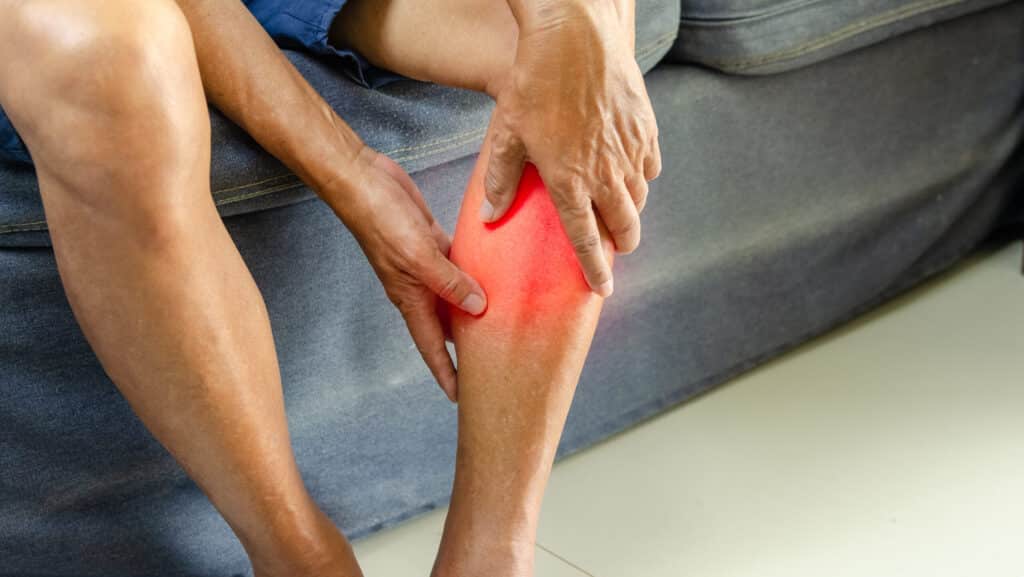
Understanding Calf Tendon Pain
Calf tendon pain is a common complaint that can affect athletes, active individuals, and people simply going about their daily routines. Pain may result from overuse, muscle strain, tendon injury, or underlying medical conditions, making walking, running, climbing stairs, and other everyday activities uncomfortable.
This guide explains the anatomy of the calf, common causes of tendon pain, conditions that may contribute to symptoms, treatment options, and how our Relatyv Neurofunctional Pain Management approach may complement your overall treatment plan.
Calf Anatomy
The calf is made up of several muscles and tendons that work together to support walking, running, jumping, balance, and ankle movement.
The primary muscles include:
- Gastrocnemius: The large muscle visible at the back of the lower leg that helps flex the foot and bend the knee.
- Soleus: A deeper calf muscle responsible for ankle stability and standing endurance.
- Plantaris: A small muscle that is absent in some people and plays only a minor role in lower leg function.
These muscles connect to the heel and foot through several tendons, including the Achilles tendon, posterior tibial tendon, gastrocnemius tendon, and plantaris tendon. Injury or inflammation affecting any of these structures may cause calf tendon pain.
Common Causes of Calf Tendon Pain
Overuse
Repetitive activities such as running, jumping, hiking, or high-impact sports can overload the calf muscles and tendons, leading to irritation and discomfort.
Muscle Cramps
Calf cramps are common and may result from dehydration, muscle fatigue, electrolyte imbalances, nutritional deficiencies, or certain medications.
Sudden Movement or Injury
Rapid acceleration, sudden stops, or abrupt changes in direction can overstretch the calf muscles or tendons, resulting in strains or partial tears.
Dehydration
Insufficient fluid intake can impair muscle function and contribute to muscle fatigue, cramping, and tendon irritation.
Conditions Associated with Calf Tendon Pain
Persistent calf pain may occasionally be related to underlying medical conditions that require evaluation.
Baker’s Cyst
A Baker’s cyst is a fluid-filled swelling behind the knee that can occasionally extend into the calf, causing pain, tightness, and swelling.
Tendonitis
Tendonitis is inflammation of a tendon caused by repetitive stress or injury. Symptoms often include pain, swelling, tenderness, and discomfort with activity.
Achilles Tendonitis or Tendon Rupture
The Achilles tendon connects the calf muscles to the heel bone. Overuse may cause tendonitis, while more severe injuries may result in partial or complete tendon tears that require prompt medical evaluation.
Achilles Tendinopathy
Achilles tendinopathy is a chronic degenerative condition caused by repetitive stress that exceeds the tendon’s ability to repair itself.
Calf Muscle Strain
Strains involving the gastrocnemius or soleus muscles are common sports injuries and may cause sudden pain, swelling, bruising, and difficulty walking.
Plantaris Tendonitis
Inflammation of the plantaris tendon may contribute to pain along the inner portion of the calf, although this condition is relatively uncommon.
Popliteus Tendonitis
Inflammation of the popliteus tendon, located behind the knee, may cause pain that extends into the upper calf, particularly during downhill walking or running.
Other Possible Causes
Calf pain may also be associated with conditions such as sciatica, peripheral neuropathy, deep vein thrombosis (DVT), or compartment syndrome. Because some of these conditions require urgent treatment, persistent or severe symptoms should always be evaluated by a healthcare provider.
When Should You Seek Medical Care?
Seek prompt medical evaluation if your calf pain:
- Persists or continues to worsen.
- Prevents normal walking or daily activities.
- Is accompanied by significant swelling.
- Occurs after a severe injury.
- Is associated with numbness or tingling.
- Causes visible deformity.
- Is accompanied by redness, warmth, fever, or signs of infection.
- Occurs with sudden swelling, discoloration, or warmth that may suggest a blood clot.
How Calf Tendon Pain Is Diagnosed
Your healthcare provider may recommend several tests depending on your symptoms, including:
- Medical history review
- Physical examination
- X-rays
- MRI
- Ultrasound
- Blood tests when inflammation or blood clots are suspected
An accurate diagnosis helps determine the most appropriate treatment plan.
Conservative Treatment Options
RICE Therapy
Rest, ice, compression, and elevation may help reduce pain and swelling during the early stages of certain injuries.
Stretching
Appropriate stretching exercises may improve flexibility, reduce muscle tension, and support recovery when recommended by a healthcare professional.
Physical Therapy
Physical therapy is often recommended to improve strength, flexibility, balance, and movement patterns while reducing pain and lowering the risk of future injury.
Medications
Anti-inflammatory medications or other pain relievers may help manage symptoms during flare-ups. Long-term medication use should always be discussed with your healthcare provider because of potential side effects.
Surgery
Surgery is generally reserved for severe tendon tears, complete ruptures, or other structural problems that have not responded to conservative treatment.
Our Relatyv Neurofunctional Pain Management Approach for Calf Tendon Pain
At Relatyv, our Neurofunctional Pain Management approach combines drug-free, non-invasive therapies designed to help reduce pain, improve function, and support healthy nervous system activity.
Treatment plans are individualized based on your diagnosis, symptoms, and goals. Care may include electroanalgesia, IV therapy when clinically appropriate, nutritional support, and lifestyle recommendations that complement your overall treatment plan.
Supporting Recovery and Preventing Future Injury
Many calf tendon injuries can be managed successfully with appropriate treatment and gradual rehabilitation. Recovery times vary depending on the severity of the condition.
To help reduce the risk of future calf injuries:
- Stay physically active.
- Warm up before exercise and cool down afterward.
- Stretch regularly.
- Maintain good hydration.
- Wear supportive footwear.
- Gradually increase training intensity.
- Maintain a healthy weight.
Find Relief from Calf Tendon Pain
Persistent calf tendon pain can interfere with work, exercise, sports, and everyday mobility. Obtaining an accurate diagnosis is the first step toward effective treatment.
At Relatyv, we provide personalized, non-invasive care designed to help reduce pain, improve movement, and support long-term musculoskeletal health. Our Neurofunctional Pain Management approach may help complement your existing treatment plan and support your recovery.