

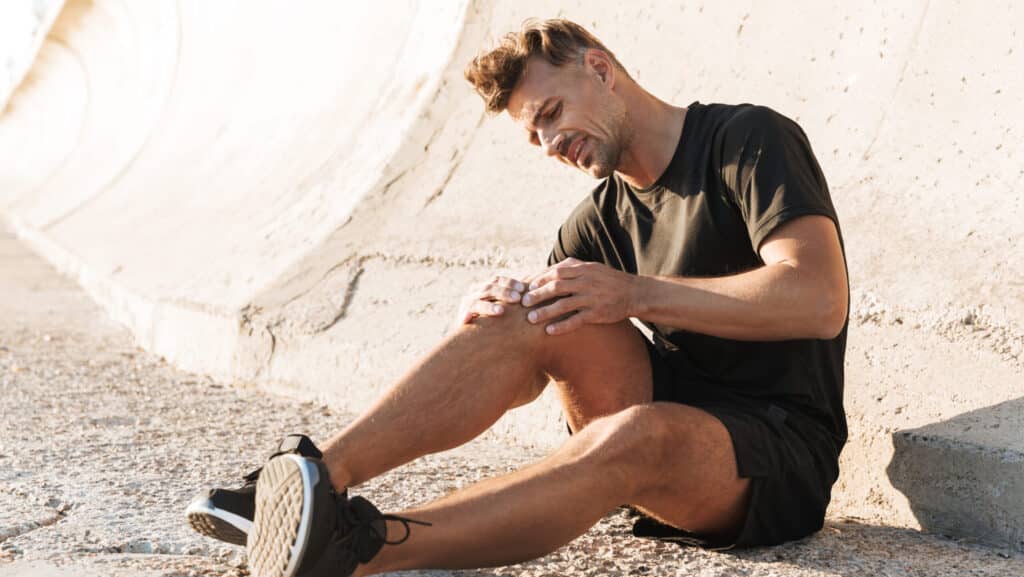
Understanding Patellar Tendon Pain (Jumper’s Knee)
The patellar tendon plays an essential role in stabilizing the knee and allowing movements such as walking, running, jumping, climbing stairs, and squatting. When this tendon becomes irritated or damaged, it can lead to patellar tendinopathy—commonly known as jumper’s knee—a condition that causes pain, stiffness, and reduced mobility.
This guide explains the symptoms, causes, risk factors, available treatment options, and how our Relatyv Neurofunctional Pain Management approach may complement your overall treatment plan.
What Is Patellar Tendon Pain?
The patellar tendon connects the kneecap (patella) to the shinbone (tibia), helping transfer force through the knee during movement. Repetitive stress, overuse, aging, or certain medical conditions can irritate or damage this tendon, resulting in pain and inflammation.
Patellar tendon pain often develops gradually and may become chronic if repetitive strain continues without appropriate treatment.
Common Symptoms of Patellar Tendonitis
Symptoms may include:
- Pain just below the kneecap.
- Tenderness where the tendon attaches to the shinbone.
- Swelling around the front of the knee.
- Stiffness when straightening the knee.
- Pain during jumping, running, squatting, or climbing stairs.
- Discomfort that worsens with activity and improves with rest.
Where Is the Pain Typically Felt?
Patellar tendon pain is usually localized to the front of the knee and may be felt:
- Directly below the kneecap.
- At the upper portion of the shinbone.
- When pressing on the tendon.
- During activities that place stress on the knee, such as jumping or standing from a squat.
Common Causes of Patellar Tendon Pain
Repetitive Overuse
Repeated jumping, sprinting, running, and rapid changes in direction place significant stress on the patellar tendon. This makes jumper’s knee especially common among athletes participating in basketball, volleyball, gymnastics, track and field, football, dance, and similar sports.
Previous Knee Injuries
Prior fractures, ligament injuries, tendon injuries, or incomplete rehabilitation may alter knee mechanics and increase stress on the patellar tendon.
Rheumatoid Arthritis
Inflammation caused by rheumatoid arthritis may affect tendons and surrounding joint structures, contributing to knee pain and tendon dysfunction.
Diabetes
Diabetes can affect tendon health by altering collagen structure and reducing tissue flexibility, increasing the risk of tendon injury.
Age-Related Degeneration
As tendons naturally lose elasticity with age, they become more susceptible to injury, particularly during sports or repetitive physical activity.
Other Medical Conditions
Kidney disease, autoimmune disorders, and other chronic medical conditions may also affect tendon health and healing.
Risk Factors
Factors that increase the likelihood of developing patellar tendon pain include:
- Sports involving repetitive jumping.
- Frequent high-impact training.
- Excess body weight.
- Poor movement mechanics.
- Muscle weakness or tightness.
- Previous knee injuries.
- Certain chronic medical conditions.
When Should You See a Healthcare Provider?
You should seek medical evaluation if:
- Your knee pain worsens after activity.
- Pain persists for several days.
- Walking, climbing stairs, or daily activities become difficult.
- You experience sharp or burning knee pain.
- Swelling continues or worsens.
- Your symptoms interfere with work, sports, or exercise.
How Patellar Tendon Pain Is Diagnosed
Your healthcare provider may recommend:
- Medical history review.
- Physical examination.
- X-rays to evaluate bone structure.
- MRI or ultrasound to assess tendon injury.
- Blood tests if inflammatory or metabolic conditions are suspected.
- Electromyography (EMG) when nerve involvement is a concern.
Conventional Treatment Options
Treatment depends on the severity of the injury and any underlying conditions.
Activity Modification
Reducing repetitive stress on the tendon while allowing adequate recovery time is often an important part of treatment.
Physical Therapy
Targeted strengthening, stretching, flexibility training, and movement retraining may help improve knee function and gradually return patients to activity.
Medications
NSAIDs or other pain-relieving medications may help reduce discomfort and inflammation. Your healthcare provider can discuss the potential benefits and risks based on your individual situation.
Bracing or Support
Patellar tendon straps or knee braces may help reduce stress on the tendon during recovery for some individuals.
Corticosteroid Injections
In selected cases, corticosteroid injections may be considered. Your healthcare provider will discuss whether this option is appropriate based on your diagnosis and treatment goals.
Surgery
If conservative treatment is unsuccessful or significant tendon damage is present, surgery may be recommended to repair the tendon or address structural abnormalities.
Our Relatyv Neurofunctional Pain Management Approach
At Relatyv, our Neurofunctional Pain Management approach combines drug-free, non-invasive therapies designed to help reduce chronic pain, improve function, and support healthy nervous system activity.
Each treatment plan is individualized based on your diagnosis, symptoms, and goals. Care may include electroanalgesia, IV therapy when clinically appropriate, nutritional support, and lifestyle recommendations that complement your existing medical care.
Preventing Patellar Tendon Injuries
While not every injury can be prevented, healthy training habits may reduce your risk.
- Wear supportive footwear.
- Warm up and cool down before exercise.
- Allow adequate recovery between workouts.
- Gradually increase training intensity.
- Strengthen the muscles supporting the knee.
- Maintain proper exercise technique.
- Maintain a healthy body weight.
- Avoid exercising through significant pain.
Address Patellar Tendon Pain Early
Patellar tendon pain often responds best when addressed early before symptoms become chronic. If knee pain is limiting your daily activities or athletic performance, a thorough medical evaluation can help determine the underlying cause and guide appropriate treatment.
At Relatyv, we provide personalized, non-invasive care designed to help reduce chronic pain, improve function, and support long-term mobility. Our Neurofunctional Pain Management approach may help complement your existing treatment plan while supporting your recovery and overall quality of life.