

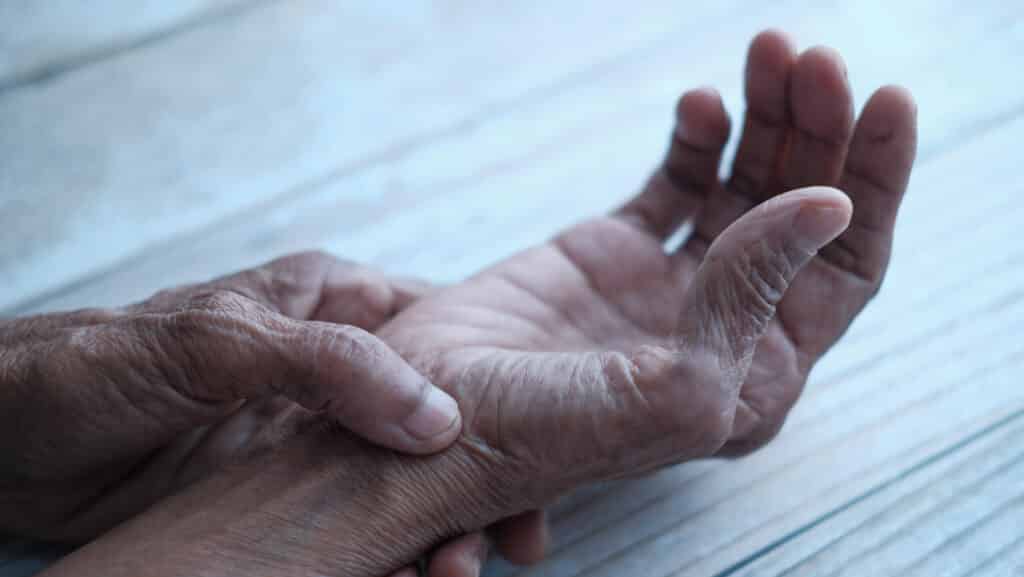
Understanding Weakness in the Hands
Hand weakness can make everyday activities challenging, from opening jars and carrying groceries to typing, writing, or gripping tools. While temporary weakness may occur after overuse or injury, persistent loss of strength may indicate an underlying condition affecting the muscles, tendons, joints, or nerves.
Identifying the cause of hand weakness is essential for developing an effective treatment plan and preventing further loss of function.
This guide explains common causes of hand weakness, treatment options, and how our Relatyv Neurofunctional Pain Management approach may complement your overall care plan when chronic pain is contributing to your symptoms.
Understanding Hand Anatomy
The hand is a complex structure made up of 27 bones, numerous muscles, tendons, ligaments, nerves, and joints that work together to provide strength, coordination, and fine motor control. Healthy nerve function and muscle coordination are essential for gripping, lifting, writing, and performing countless daily activities.
When any of these structures become injured or diseased, weakness, pain, numbness, or loss of dexterity may develop.
Common Symptoms
Hand weakness may occur alongside:
- Reduced grip strength.
- Difficulty holding or lifting objects.
- Numbness or tingling.
- Pain in the hand or wrist.
- Stiffness.
- Reduced range of motion.
- Muscle fatigue.
- Difficulty performing fine motor tasks.
Medical Conditions Associated with Hand Weakness
Carpal Tunnel Syndrome
Compression of the median nerve at the wrist may cause numbness, tingling, weakness, and difficulty gripping objects.
Cubital Tunnel Syndrome
Compression of the ulnar nerve at the elbow can lead to weakness in the hand, particularly affecting grip strength and finger coordination.
Nerve Compression
Nerves may become compressed because of injury, cysts, arthritis, or other structural changes, resulting in weakness, pain, and altered sensation.
Tendinitis
Inflammation or irritation of the tendons may reduce hand strength while causing pain, swelling, and stiffness.
Peripheral Neuropathy
Peripheral neuropathy affects the nerves outside the brain and spinal cord and may cause weakness, numbness, tingling, burning sensations, and impaired coordination.
Diabetes
Long-standing or poorly controlled diabetes can contribute to nerve damage (diabetic neuropathy), leading to weakness, numbness, and reduced hand function.
Rheumatoid Arthritis
This autoimmune condition commonly affects the small joints of the hands, causing pain, swelling, stiffness, and decreased strength over time.
Muscular Dystrophy
Muscular dystrophy is a group of inherited conditions that gradually weaken muscles throughout the body, including those of the hands.
Viral Infections
Certain viral infections may temporarily or, in some cases, permanently affect nerve function, leading to weakness in the hands.
When Should You Seek Medical Care?
You should schedule a medical evaluation if hand weakness:
- Persists or progressively worsens.
- Interferes with work or daily activities.
- Occurs with numbness or tingling.
- Develops after an injury.
- Is associated with pain or loss of coordination.
Seek immediate medical attention if weakness develops suddenly, affects one side of the body, follows significant trauma, or occurs with facial drooping, difficulty speaking, severe neck pain, or loss of sensation, as these may indicate a medical emergency.
How Hand Weakness Is Diagnosed
Your healthcare provider may recommend:
- Medical history review.
- Physical examination.
- Assessment of grip strength and range of motion.
- Neurological examination.
- X-rays, ultrasound, or MRI when structural problems are suspected.
- Nerve conduction studies or electromyography (EMG) to evaluate nerve and muscle function.
- Blood tests to identify underlying metabolic or autoimmune conditions.
Conventional Treatment Options
Treatment depends on the underlying cause of your symptoms.
Activity Modification and Splinting
Reducing repetitive activities and using splints or braces may help relieve pressure on affected nerves and allow injured tissues to recover.
Physical and Occupational Therapy
Therapy programs may improve strength, flexibility, coordination, and hand function while helping patients safely return to daily activities.
Medications
Your healthcare provider may recommend medications such as nonsteroidal anti-inflammatory drugs (NSAIDs) or other treatments based on the underlying diagnosis.
Injections
For certain inflammatory conditions, corticosteroid injections may help reduce pain and inflammation when appropriate.
Surgery
In cases involving significant nerve compression, tendon injuries, or structural abnormalities, surgical treatment may be recommended when conservative care is unsuccessful.
Our Relatyv Neurofunctional Pain Management Approach
At Relatyv, our Neurofunctional Pain Management approach is designed to help manage chronic pain associated with neurological and musculoskeletal conditions. Our care complements appropriate medical evaluation and treatment rather than replacing it.
Each treatment plan is individualized based on your diagnosis, symptoms, and goals. Care may include electroanalgesia, IV therapy when clinically appropriate, nutritional support, and lifestyle recommendations that complement your existing medical care.
While treatment may help reduce pain and improve function for some individuals, outcomes vary depending on the underlying cause of the condition.
Supporting Healthy Hand Function
You may be able to support hand strength and function by:
- Taking breaks during repetitive activities.
- Using proper ergonomic techniques at work.
- Performing hand and wrist stretching exercises.
- Managing chronic conditions such as diabetes or arthritis.
- Protecting your hands from injury.
- Following your healthcare provider’s recommended treatment plan.
Find Relief from Chronic Hand Pain and Weakness
Persistent weakness in the hands should not be ignored, especially when it interferes with everyday activities or is accompanied by numbness, pain, or loss of coordination. An accurate diagnosis is essential for identifying the underlying cause and developing an individualized treatment plan.
At Relatyv, we provide personalized, non-invasive care designed to help reduce chronic pain and improve function. Our Neurofunctional Pain Management approach may complement your existing medical treatment while supporting improved mobility, strength, and quality of life.