Research

Relatyv Can Electrical Stimulation Improve Both Pain and Function

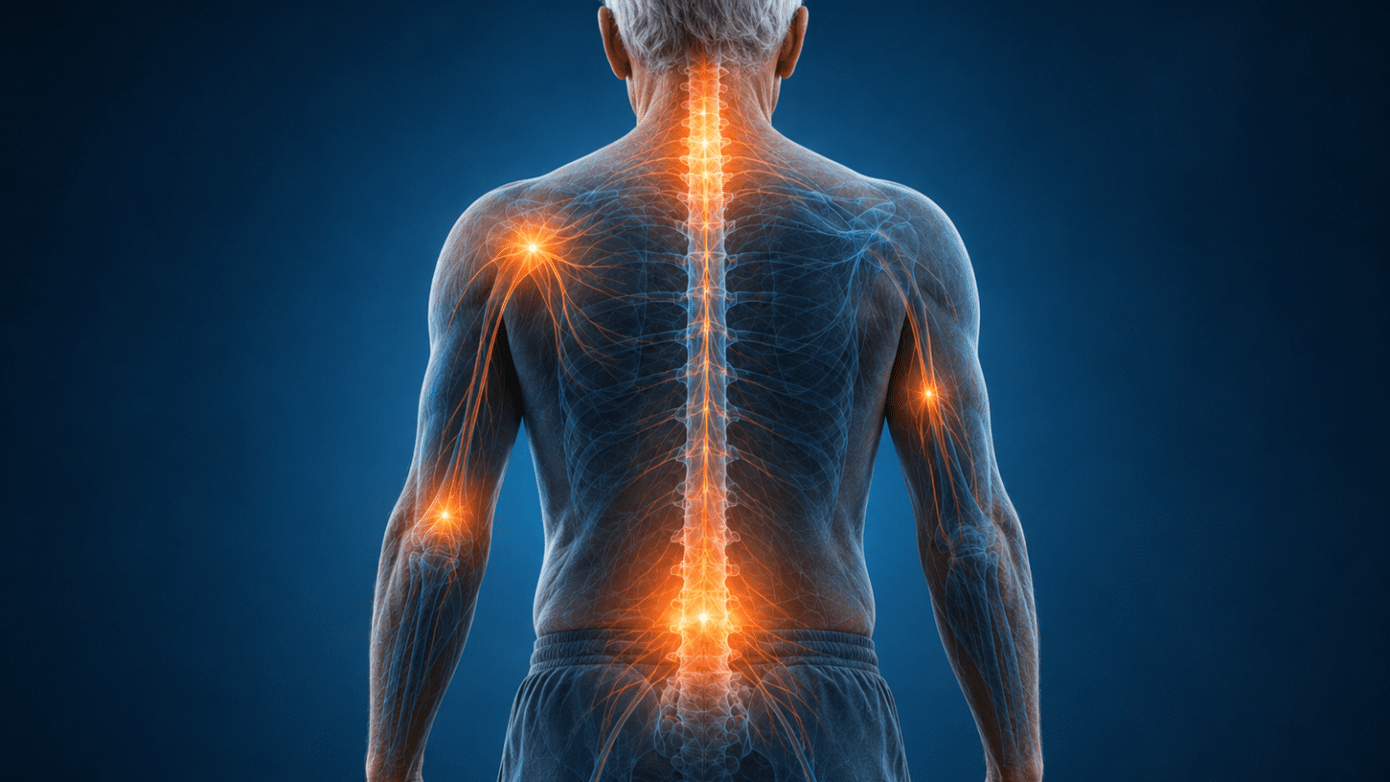
Can Electrical Stimulation Improve Both Pain and Function?

Can Electrical Stimulation Improve Both Pain and Function? 1451 1084 Relatyv

Why Effective Pain Treatment Should Address More Than Discomfort

For people living with chronic musculoskeletal pain, feeling better is important—but it is rarely the only goal.

Patients may also want to walk farther, sleep more comfortably, return to work, care for family members, exercise, or complete daily tasks with greater independence.

That is why pain research frequently measures two separate outcomes:

  1. How much pain a patient experiences
  2. How well the patient is able to function

Research into electrical stimulation therapies suggests that some modalities may support improvements in both areas.

What Is Electrical Stimulation Therapy?

Electrical stimulation is a broad category that includes several treatment technologies.

Examples include:

  • Interferential current therapy
  • Transcutaneous electrical nerve stimulation
  • Neuromuscular electrical stimulation
  • Microcurrent stimulation
  • Percutaneous electrical nerve stimulation
  • Certain forms of peripheral nerve stimulation

These therapies differ in their electrical frequencies, intensities, delivery methods, treatment goals, and supporting evidence.

They should not be treated as interchangeable simply because they all use electrical stimulation.

What Did the Comparative Research Find?

A 2023 comparative review examined multiple electrical stimulation devices intended to reduce pain, improve function, or support rehabilitation.

The authors reviewed therapies including interferential current, TENS, neuromuscular electrical stimulation, H-Wave stimulation, pulsed electromagnetic therapies, microcurrent stimulation, peripheral nerve stimulation, and several other technologies.

The review found evidence that a number of these approaches may reduce pain and improve function, although the quality and quantity of supporting research differed substantially among devices.

An earlier systematic review comparing TENS and interferential current similarly reported that both treatments produced reductions in pain and positive functional outcomes on commonly used disability and osteoarthritis questionnaires. The authors did not find a clear difference in pain reduction between the two modalities.

Why Function Is an Important Outcome

A lower pain score does not always mean that a patient is moving better or participating more fully in daily life.

Functional outcome measures may evaluate whether a patient can:

  • Walk or stand for longer periods
  • Bend, lift, or reach more comfortably
  • Use an affected joint
  • Complete household responsibilities
  • Participate in rehabilitation
  • Return to work or recreation
  • Maintain personal independence

When a study reports improvements in both pain and function, it suggests that the treatment may be affecting more than the patient’s perception of discomfort.

How Pain Relief May Support Better Movement

Pain can create a cycle of reduced activity.

When movement hurts, patients may naturally begin avoiding it. Over time, reduced activity can contribute to stiffness, muscle weakness, decreased endurance, and greater fear of movement.

By reducing pain, electrical stimulation may help some patients move more comfortably and participate more fully in therapeutic activity.

This does not mean that stimulation alone rebuilds strength or restores mobility. Rather, pain relief may create an opportunity for patients to engage in the movement and rehabilitation needed to improve function.

The Evidence Is Not Identical for Every Therapy

The phrase “electrical stimulation” includes many different devices and treatment methods. Some have been examined in numerous randomized trials, while others are supported by smaller or lower-quality studies.

Researchers have also identified important limitations, including:

  • Small participant groups
  • Different treatment protocols
  • Short follow-up periods
  • Inconsistent comparison groups
  • Variation in the conditions being treated
  • Differences in how pain and function are measured

As a result, it would be inaccurate to say that every electrical stimulation therapy consistently produces the same results for every musculoskeletal condition.

What This Research Means for Patients

The overall research suggests that certain electrical stimulation therapies may help reduce pain and support improvements in function for some patients with chronic musculoskeletal conditions.

The most appropriate technology and treatment plan depend on the patient’s diagnosis, medical history, symptoms, functional limitations, and individual goals.

Electrical stimulation is generally best viewed as a potential component of comprehensive care rather than a replacement for all other treatment.

Research takeaway: Comparative reviews suggest that several electrical stimulation therapies may improve pain and functional outcomes. However, the strength of evidence varies by device and condition, and more standardized, long-term research is needed.

Relatyv Interferential Current Therapy Across Musculoskeletal Pain Conditions

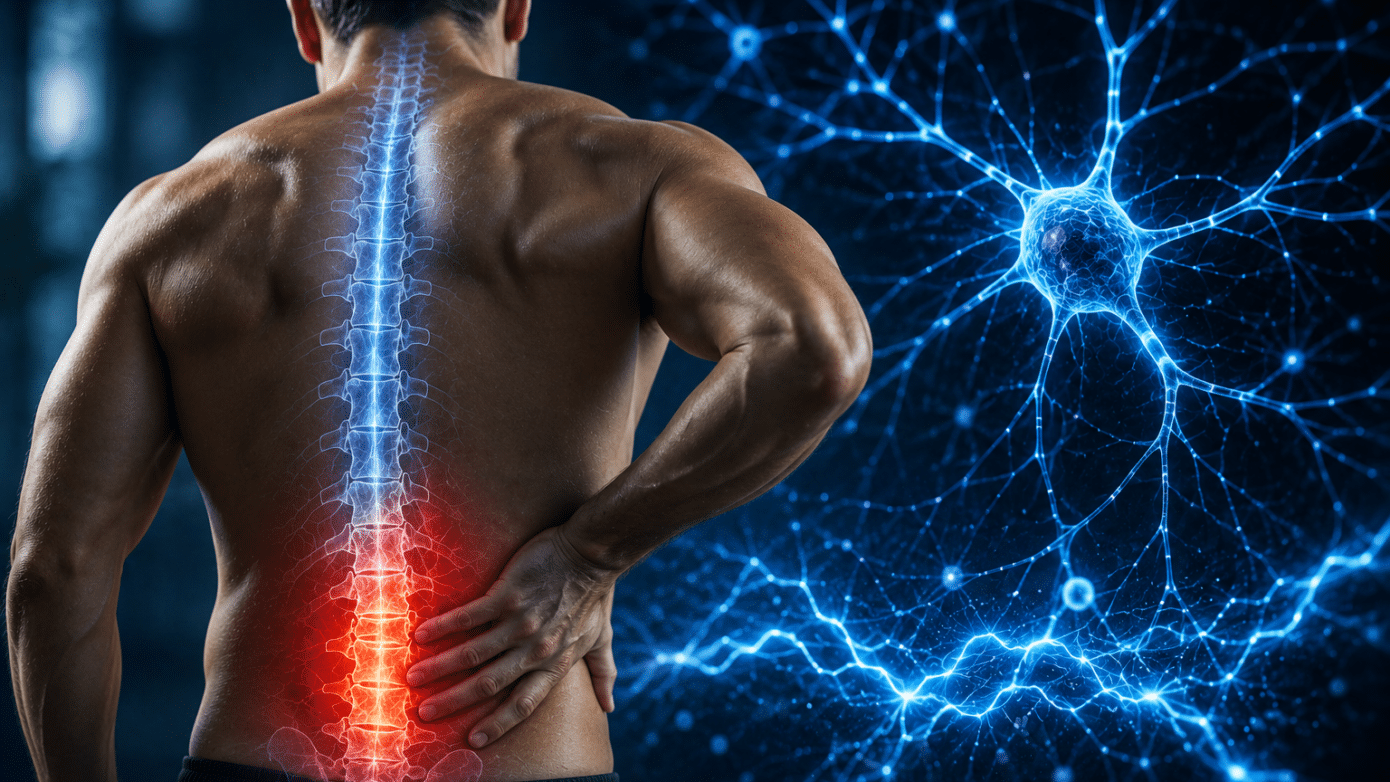
Interferential Current Therapy Across Musculoskeletal Pain Conditions

Interferential Current Therapy Across Musculoskeletal Pain Conditions 1450 1085 Relatyv

What Research Says About Neck, Back, Knee, and Postoperative Pain

Musculoskeletal pain can affect the muscles, joints, bones, ligaments, tendons, and surrounding tissues.

It may develop because of injury, arthritis, surgery, repetitive strain, changes in movement, or chronic health conditions. Although the cause and experience of pain differ from one patient to another, many people share the same goal: finding relief that allows them to move and function more comfortably.

Interferential current therapy has been studied as a non-invasive treatment for several types of musculoskeletal pain.

How Interferential Current Therapy Works

Interferential current therapy delivers two medium-frequency electrical currents through electrodes placed on the skin.

The currents intersect in the targeted area and produce an interferential therapeutic current. Researchers believe this stimulation may influence the transmission and processing of pain signals.

The exact biological mechanisms are still being investigated. Proposed explanations include changes in nerve activity, pain modulation, circulation, and the release of the body’s naturally occurring pain-relieving chemicals.

What Conditions Have Been Studied?

A 2022 review examined the analgesic effects of interferential current therapy across several painful conditions.

The authors concluded that the available literature demonstrated significant analgesic effects in patients with:

  • Neck pain
  • Low back pain
  • Knee osteoarthritis
  • Postoperative knee pain

The review also found that many variations in treatment parameters did not appear to substantially change the therapy’s analgesic effects. However, the authors emphasized the need for additional research into both treatment effectiveness and the underlying mechanisms.

Neck Pain

Neck pain may arise from muscular tension, joint irritation, posture, injury, degenerative changes, or a combination of factors.

Interferential current therapy has been studied for its ability to temporarily reduce neck pain. Decreasing discomfort may help patients tolerate movement, stretching, strengthening, or other therapeutic activities more comfortably.

Chronic Low Back Pain

Research involving chronic nonspecific low back pain has found that interferential current therapy may reduce pain intensity and disability immediately following treatment.

A 2023 systematic review found moderate-quality evidence supporting these short-term benefits compared with placebo, although longer-term benefits were less certain.

Knee Osteoarthritis

Interferential current has also been studied in patients with knee osteoarthritis.

A systematic review and meta-analysis of randomized controlled trials found improvements in pain and physical function, with no significant adverse effects reported across the included studies.

Postoperative Knee Pain

Pain after knee surgery can make early movement and rehabilitation more difficult.

Studies included in the broader interferential current literature have reported analgesic effects in postoperative knee patients. By helping manage discomfort, electrical stimulation may support a patient’s ability to participate in prescribed rehabilitation.

It is important, however, that postoperative treatment be coordinated with the patient’s surgical and medical teams.

What Does “Analgesic Effect” Mean?

An analgesic effect means that a treatment helps reduce pain.

It does not necessarily mean that the treatment repairs damaged tissue, reverses arthritis, corrects the underlying cause of pain, or permanently eliminates symptoms.

Pain relief can still be clinically valuable. When discomfort decreases, patients may find it easier to:

  • Move affected joints
  • Complete therapeutic exercises
  • Sleep more comfortably
  • Perform routine activities
  • Rebuild confidence in movement

A Tool Within a Broader Treatment Plan

The evidence suggests that interferential current therapy may offer pain-relieving benefits across multiple musculoskeletal conditions.

However, musculoskeletal pain is complex. Electrical stimulation may be most effective when used as part of a broader plan that can include exercise, mobility work, education, manual therapies, medical care, and lifestyle support.

Research takeaway: Reviews have found analgesic effects from interferential current therapy in patients with neck pain, chronic low back pain, knee osteoarthritis, and postoperative knee pain. The evidence is encouraging, but treatment results and the strength of evidence vary by condition.


Relatyv Interferential Current Therapy for Knee Osteoarthritis

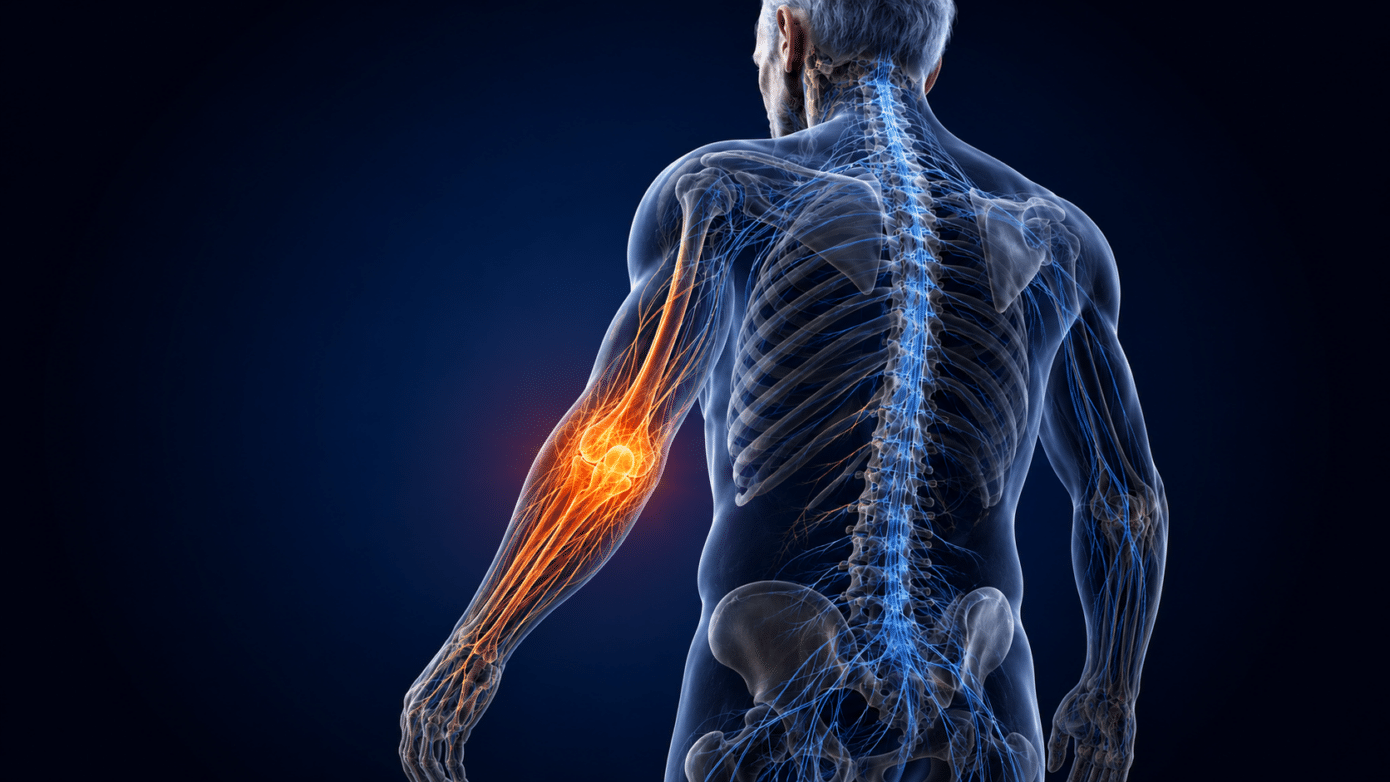
Interferential Current Therapy for Knee Osteoarthritis

Interferential Current Therapy for Knee Osteoarthritis 1448 1086 Relatyv

Research Suggests Improvements in Pain and Physical Function

Knee osteoarthritis is a progressive joint condition that can cause pain, stiffness, swelling, and reduced mobility.

As symptoms worsen, activities such as walking, climbing stairs, getting out of a chair, or standing for extended periods may become increasingly difficult. Although medications, injections, exercise, physical therapy, and surgery may be appropriate for some patients, researchers are also exploring non-invasive therapies that may help manage symptoms.

Interferential current therapy is one such option.

Understanding Interferential Current Therapy

Interferential current therapy uses electrical currents delivered through electrodes placed around the painful area.

Two medium-frequency currents cross within the tissues, producing an interferential therapeutic current. This stimulation may influence pain signaling and may help patients participate more comfortably in movement and rehabilitation.

Because the treatment is delivered through the skin, it does not involve needles, injections, or surgical procedures.

What Did the Meta-Analysis Examine?

A 2022 systematic review and meta-analysis evaluated interferential current therapy in patients with knee osteoarthritis.

The researchers included 10 randomized controlled trials published between 1985 and 2021. Together, the studies involved 493 patients, including 262 who received interferential current therapy and 231 participants in comparison groups.

Across the included trials, researchers evaluated changes in pain and physical function.

Improvements in Pain

The meta-analysis found that interferential current therapy was associated with reduced pain in patients with knee osteoarthritis.

Pain relief is particularly important for osteoarthritis patients because persistent discomfort can discourage movement. Over time, avoiding activity may contribute to muscle weakness, stiffness, and further loss of function.

Reducing pain may make it easier for some patients to remain active and participate in appropriate exercise or rehabilitation.

Improvements in Physical Function

The analysis also found improvements in physical function.

Physical function may include a patient’s ability to:

  • Walk comfortably
  • Climb stairs
  • Bend or straighten the knee
  • Stand from a seated position
  • Complete daily activities
  • Participate in strengthening exercises

These functional improvements are meaningful because the goal of osteoarthritis care is not simply to lower a pain score. It is also to help patients remain mobile and independent.

What About Safety?

The review reported no significant treatment-related adverse effects across the included studies. This suggests that interferential current therapy was generally well tolerated within the research settings examined.

However, electrical stimulation is not appropriate for every patient. Medical history, implanted electronic devices, skin condition, sensation, circulation, and other health factors should be reviewed before treatment begins.

Important Research Limitations

Although the findings were encouraging, the researchers noted differences among the included studies, including variations in treatment settings, session schedules, comparison groups, and interferential current parameters.

Later individual trials have also produced mixed findings. For example, a 2024 trial found that adding interferential current to an exercise program did not improve pain or function beyond the results achieved with exercise alone in patients with mild-to-moderate knee osteoarthritis.

This highlights an important point: interferential current therapy may help some patients, but it should not be presented as a universally effective or stand-alone solution.

What This Research Means for Patients

The available evidence suggests that interferential current therapy may help reduce pain and improve physical function in some patients with knee osteoarthritis.

It may be particularly useful as part of a personalized plan that also considers movement, strength, mobility, body weight, activity tolerance, and the patient’s broader health needs.

Research takeaway: A meta-analysis of randomized controlled trials found that interferential current therapy may improve pain and physical function in patients with knee osteoarthritis and was generally well tolerated. Results may vary, and additional high-quality research is still needed.

Relatyv Interferential Current Therapy for Chronic Low Back Pain

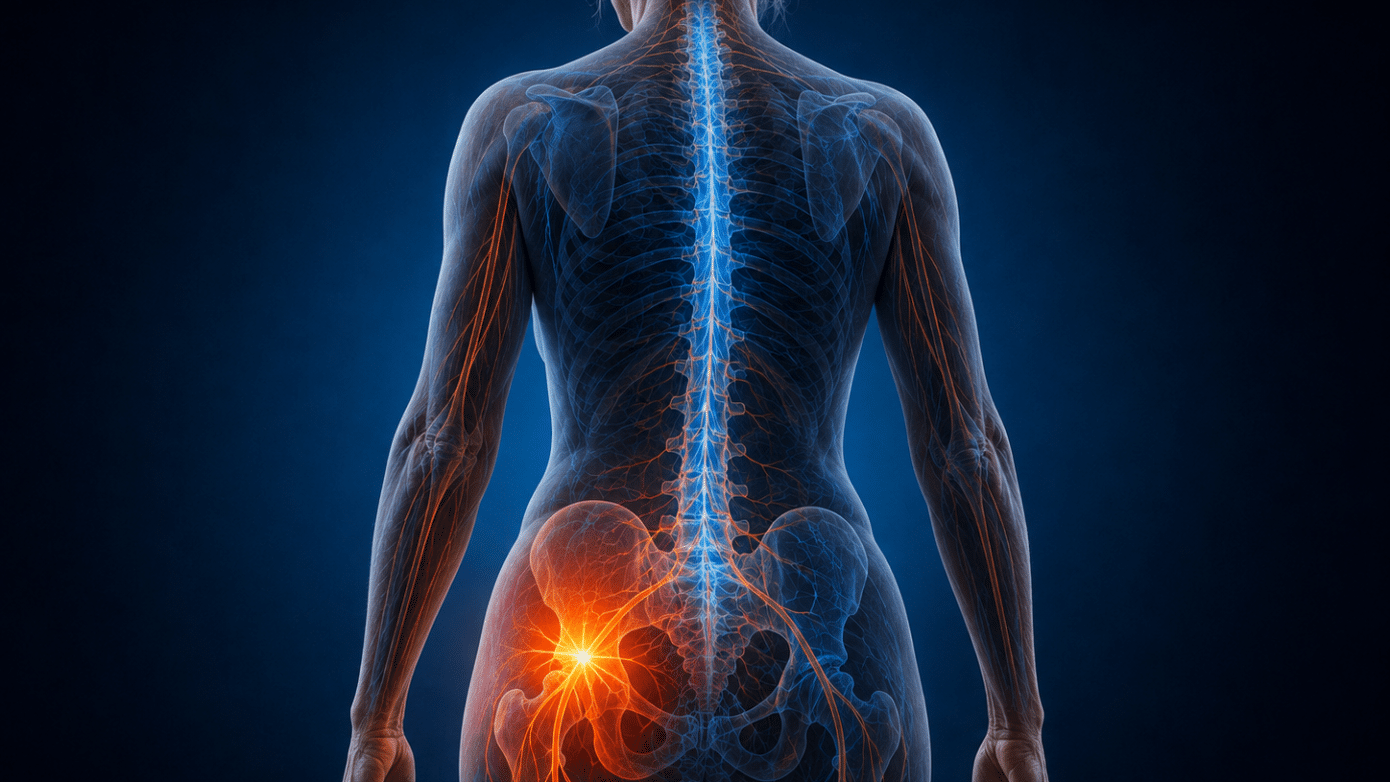
Interferential Current Therapy for Chronic Low Back Pain

Interferential Current Therapy for Chronic Low Back Pain 1457 1080 Relatyv

Research Shows Potential for Reducing Pain and Disability

Chronic low back pain can affect nearly every part of daily life. Sitting, standing, sleeping, working, and completing ordinary household tasks may become difficult when pain continues for months or years.

While medications, injections, physical therapy, and surgery may help some patients, researchers continue to study non-invasive treatment options that may reduce pain and support improved function. One therapy receiving attention is interferential current therapy.

What Is Interferential Current Therapy?

Interferential current therapy, sometimes called IFC or IFT, is a form of electrical stimulation delivered through electrodes placed on the skin.

The therapy uses two medium-frequency electrical currents that intersect within the targeted treatment area. This interference produces a lower-frequency therapeutic current intended to stimulate nerves and tissues while remaining comfortable for the patient.

Interferential current therapy is commonly studied as a non-invasive option for managing musculoskeletal pain.

What Did the 2023 Review Find?

A 2023 systematic review and meta-analysis evaluated interferential current therapy for people with chronic nonspecific low back pain.

Researchers analyzed 13 randomized controlled trials involving a combined 1,367 participants. The review found moderate-quality evidence that interferential current therapy was more effective than placebo immediately after treatment for reducing both pain intensity and disability.

Compared with placebo treatment, interferential current produced an average improvement of approximately:

  • 1.57 points in pain intensity
  • 1.51 points in disability scores

These findings suggest that interferential current may provide meaningful short-term benefits for certain people with chronic low back pain.

Short-Term Improvement Versus Lasting Relief

One important limitation is that the strongest results were measured immediately following the treatment period.

The review did not find clear evidence that the improvements continued during intermediate-term follow-up. Researchers also found limited evidence that adding interferential current to massage or exercise produced additional benefits compared with those therapies alone.

This does not mean interferential current is ineffective. Instead, it suggests that electrical stimulation may be most useful as one component of a broader, personalized pain management plan.

Why Pain and Function Both Matter

Pain intensity is only one part of the chronic pain experience.

A successful treatment plan should also consider whether a patient can:

  • Walk or stand more comfortably
  • Sleep with fewer interruptions
  • Complete everyday activities
  • Participate in rehabilitation
  • Maintain greater independence

The finding that interferential current improved both pain and disability is important because it suggests that the therapy may support not only how patients feel, but also what they are able to do.

What This Research Means for Patients

The review provides encouraging evidence that interferential current therapy may help reduce pain and disability in patients with chronic nonspecific low back pain, particularly during and immediately after a structured treatment program.

However, every patient responds differently. Treatment recommendations should be based on the patient’s health history, diagnosis, symptoms, goals, and response to care.

Interferential current therapy should not be viewed as a guaranteed cure or replacement for all other forms of treatment. It may instead offer another non-invasive option within a comprehensive approach to chronic pain management.

Research takeaway: Moderate-quality evidence suggests that interferential current therapy can reduce pain intensity and disability immediately after treatment in patients with chronic nonspecific low back pain. Additional research is needed to better understand how long those improvements last.

Relatyv Electroanalgesia for Chronic Pain: Where the Research Shows Promise

Electroanalgesia for Chronic Pain: Where the Research Shows Promise

Electroanalgesia for Chronic Pain: Where the Research Shows Promise 1451 1084 Relatyv

Chronic pain affects millions of people worldwide and can make even everyday activities difficult. Conditions such as osteoarthritis, fibromyalgia, rheumatoid arthritis, and myofascial pain syndrome often require long-term pain management strategies that balance effectiveness with safety.

As interest in non-invasive therapies continues to grow, electroanalgesia has emerged as a promising option for helping manage chronic musculoskeletal pain without relying solely on medication.

What Is Electroanalgesia?

Electroanalgesia refers to a group of therapies that use controlled electrical stimulation to reduce pain by influencing how the nervous system processes pain signals.

These therapies may work by:

  • Modulating pain pathways within the nervous system
  • Stimulating the body’s natural pain-relieving mechanisms
  • Reducing pain sensitivity
  • Improving function and mobility

Because treatments are non-invasive, electroanalgesia can often be incorporated into a broader pain management plan alongside physical therapy, exercise, and other conservative approaches.

What the Research Says

A literature review published in ScienceDirect examined the growing role of electroanalgesia across a wide range of chronic pain conditions.

The review highlighted its potential use in managing pain associated with:

  • Osteoarthritis
  • Fibromyalgia
  • Rheumatoid arthritis
  • Myofascial pain syndrome

Researchers concluded that electroanalgesia represents a versatile, non-pharmacological treatment option with applications across multiple musculoskeletal disorders. While effectiveness can vary depending on the individual and condition being treated, the evidence supports its role as part of a comprehensive pain management strategy.

Supporting Different Types of Chronic Pain

One of electroanalgesia’s strengths is that it may address pain arising from different mechanisms.

Osteoarthritis

For individuals with osteoarthritis, electrical stimulation may help reduce joint pain, improve movement, and support daily function as part of conservative care.

Fibromyalgia

Fibromyalgia involves widespread pain and altered pain processing within the nervous system. Electroanalgesia may help reduce pain sensitivity and improve comfort for some patients when incorporated into a multidisciplinary treatment plan.

Rheumatoid Arthritis

Even when inflammation is medically controlled, many patients continue experiencing persistent pain. Researchers believe therapies that influence pain processing may help address this ongoing discomfort.

Myofascial Pain Syndrome

Muscle trigger points and chronic muscle tension often contribute to myofascial pain syndrome. Electrical stimulation may help reduce localized pain while improving muscle relaxation and function.

Why This Matters

Many people living with chronic pain are searching for treatments that allow them to remain active while reducing reliance on long-term medications.

Electroanalgesia offers several potential advantages:

  • Non-invasive treatment
  • Drug-free pain management
  • Can complement physical rehabilitation
  • Applicable across multiple chronic pain conditions
  • Generally well tolerated when used appropriately

Rather than replacing other therapies, electroanalgesia is increasingly viewed as one component of a personalized, evidence-based pain management program.

The Bottom Line

Current research suggests electroanalgesia has promising applications across several chronic pain conditions, including osteoarthritis, fibromyalgia, rheumatoid arthritis, and myofascial pain syndrome. While no single therapy works for everyone, growing clinical evidence supports its role as a safe, non-invasive option for improving pain, mobility, and quality of life in appropriately selected patients.

Source: ScienceDirect

https://www.sciencedirect.com/org/science/article/pii/S187638631800002X

Relatyv High-Tone External Stimulation

High-Tone External Stimulation: A Promising Non-Invasive Approach for Peripheral Neuropathy

High-Tone External Stimulation: A Promising Non-Invasive Approach for Peripheral Neuropathy 1448 1086 Relatyv

Peripheral neuropathy is a common complication of both diabetes and kidney disease, often causing burning pain, tingling, numbness, muscle weakness, and sleep disruption. For many patients, medications provide only partial relief and may introduce unwanted side effects.

As researchers continue exploring non-invasive alternatives, one therapy showing encouraging results is High-Tone External Muscle Stimulation (HTEMS)—a form of electrical stimulation designed to help reduce neuropathic pain and improve comfort.

What Is High-Tone External Stimulation?

High-Tone External Muscle Stimulation uses high-frequency electrical impulses delivered through surface electrodes placed on the skin. Unlike invasive procedures, HTEMS requires no surgery or injections and is designed to stimulate muscles and nerves comfortably.

Researchers believe this therapy may help modify abnormal pain signaling while improving muscle activation and circulation, making it a promising complement to comprehensive neuropathy care.

What the Research Found

A clinical pilot study published in the Journal of Renal Nutrition evaluated HTEMS in 40 patients undergoing hemodialysis who were experiencing either diabetic or uremic peripheral neuropathy.

Patients received one-hour HTEMS sessions three times per week during dialysis treatments.

After treatment, researchers observed significant improvements in:

  • Neuropathic pain
  • Burning sensations
  • Tingling
  • Numbness
  • Painful numbness
  • Sleep disturbances related to neuropathy

Overall, 73% of participants responded positively, with the greatest improvements occurring after approximately three months of treatment. Nearly all patients tolerated the therapy well.

Beyond Pain Relief

In addition to reducing pain and discomfort, many participants reported improvements in their overall well-being and daily function.

Subsequent research also found improvements in certain measures of nerve conduction and physical functioning, suggesting HTEMS may offer benefits beyond symptom management alone.

Why This Matters

Peripheral neuropathy can dramatically affect mobility, independence, and quality of life. Finding non-drug therapies that safely reduce symptoms is especially important for people living with diabetes or chronic kidney disease, who often manage multiple medications already.

While larger randomized clinical trials are still needed, current evidence suggests High-Tone External Stimulation may provide meaningful symptom relief for patients who have not responded adequately to traditional treatments.

The Bottom Line

Clinical research suggests High-Tone External Stimulation may help reduce pain, tingling, burning, numbness, and sleep disruption associated with diabetic and uremic peripheral neuropathy. As interest in non-invasive pain management continues to grow, HTEMS represents another promising option that may improve comfort and quality of life without adding medication burden.

Source: American Journal of Kidney Diseases: https://www.sciencedirect.com/science/article/abs/pii/S1051227607002282

Relatyv How Non-Invasive Electrical Neuromodulation May Help Diabetic Peripheral Neuropathy

How Non-Invasive Electrical Neuromodulation May Help Diabetic Peripheral Neuropathy

How Non-Invasive Electrical Neuromodulation May Help Diabetic Peripheral Neuropathy 1451 1084 Relatyv

Diabetic peripheral neuropathy (DPN) is one of the most common and challenging complications of diabetes. For millions of people, it causes burning, tingling, numbness, and persistent nerve pain that can interfere with walking, sleeping, and daily activities.

While medications may help manage symptoms, they do not always provide adequate relief and can come with unwanted side effects. As a result, researchers continue to explore non-invasive therapies that address neuropathic pain without relying solely on medication.

One promising approach is non-invasive electrical neuromodulation.

Understanding Diabetic Peripheral Neuropathy

Diabetic peripheral neuropathy occurs when prolonged high blood sugar damages nerves, most commonly in the feet and legs. Over time, this damage can alter how nerves send pain signals to the brain.

Common symptoms include:

  • Burning or shooting pain
  • Tingling or “pins and needles”
  • Numbness
  • Increased sensitivity to touch
  • Difficulty with balance or walking

Because nerve damage can progress gradually, early intervention and effective symptom management are essential.

What Is Electrical Neuromodulation?

Electrical neuromodulation uses carefully controlled electrical stimulation to influence how the nervous system processes pain signals.

Rather than masking pain, neuromodulation aims to help normalize communication within the nervous system, reducing the intensity of pain signals reaching the brain.

Because treatment is non-invasive, it offers an alternative for patients seeking pain relief without surgery or long-term medication use.

What the Research Found

A systematic review published in Nature Scientific Reports evaluated studies examining non-invasive electrical neuromodulation for diabetic peripheral neuropathy.

Across the reviewed research, investigators found that electrical neuromodulation was associated with:

  • Reduced neuropathic pain
  • Improved patient-reported outcomes
  • No reported adverse events in the reviewed studies

The authors concluded that non-invasive neuromodulation demonstrates encouraging potential as a safe treatment option for managing painful diabetic peripheral neuropathy while emphasizing the need for additional high-quality clinical research to further define long-term effectiveness.

Why This Matters

Neuropathic pain can significantly reduce quality of life, making even simple daily activities uncomfortable.

Finding therapies that can relieve pain without increasing medication burden is becoming increasingly important—especially for individuals already managing multiple health conditions related to diabetes.

Non-invasive neuromodulation represents an evidence-based option that may complement a comprehensive treatment plan developed by healthcare providers.

The Future of Diabetic Neuropathy Care

Research into neuromodulation continues to expand as clinicians seek safer, more personalized approaches to chronic pain management.

While no single therapy is right for everyone, growing evidence suggests that electrical neuromodulation may play an important role in helping patients reduce pain, improve comfort, and maintain daily function without significant safety concerns.

As additional studies emerge, these technologies are likely to become an increasingly valuable part of modern, non-invasive pain management.

The Bottom Line

Current research suggests that non-invasive electrical neuromodulation may help reduce neuropathic pain associated with diabetic peripheral neuropathy, with reviewed studies reporting no significant adverse events. Although additional research is ongoing, the available evidence supports its potential as a safe, non-invasive option for individuals seeking alternatives to medication-focused pain management.


Source: Nature Scientific ReportsNon-invasive Electrical Neuromodulation for Painful Diabetic Peripheral Neuropathy: A Systematic Review and Meta-analysis
https://www.nature.com/articles/s41598-020-75922-9


Relatyv Interferential current therapy Shown to provide analgesic effects in studies of neck pain, low back pain, knee osteoarthritis, and post-operative knee pain.

Interferential Current Therapy: What the Research Says About Non-Invasive Pain Relief

Interferential Current Therapy: What the Research Says About Non-Invasive Pain Relief 1455 1081 Relatyv

Electrical stimulation has been used in physical therapy for decades, but not all forms of stimulation work the same way. One technique that continues to gain attention in clinical research is Interferential Current (IFC) Therapy—a non-invasive treatment designed to reduce pain by delivering medium-frequency electrical currents that reach deeper tissues while remaining comfortable for patients.

A comprehensive review published in Medicina examined the scientific evidence behind IFC therapy and found encouraging results across multiple musculoskeletal pain conditions.

What Is Interferential Current Therapy?

Interferential Current Therapy uses two medium-frequency electrical currents that intersect beneath the skin. This creates a low-frequency therapeutic effect capable of stimulating deeper tissues with less skin discomfort than many traditional electrical stimulation methods.

Researchers believe this approach may help:

  • Reduce pain perception
  • Improve comfort during movement
  • Decrease muscle guarding
  • Support rehabilitation and functional recovery

Unlike medications, IFC therapy is non-invasive and does not rely on opioids or injections.

What Did the Research Find?

The review evaluated systematic reviews and randomized clinical trials involving patients with a variety of painful conditions.

Across the literature, researchers found significant analgesic (pain-relieving) effects for patients experiencing:

  • Neck pain
  • Chronic low back pain
  • Knee osteoarthritis
  • Post-operative knee pain

The authors concluded that IFC consistently reduced pain across these conditions, making it a valuable option within a comprehensive pain management program.

Comfortable Treatment with Flexible Settings

One interesting finding from the review was that many of the device settings did not significantly change pain outcomes. This suggests that clinicians can often adjust treatment parameters for patient comfort without sacrificing effectiveness.

Most successful clinical studies used treatments lasting 20–40 minutes at a strong but comfortable intensity.

Supporting Evidence Continues to Grow

Research published after the review has continued to reinforce IFC’s potential. A 2022 systematic review and meta-analysis of randomized controlled trials found that IFC therapy improved both short- and long-term pain in people with knee osteoarthritis while also improving short-term physical function. Importantly, the included studies reported no significant adverse effects.

A Non-Invasive Option Worth Considering

No single treatment works for every person living with chronic pain. However, growing evidence suggests that Interferential Current Therapy can provide meaningful pain relief for many musculoskeletal conditions without medication or surgery.

As healthcare continues moving toward evidence-based, non-invasive approaches, therapies like IFC offer clinicians another tool to help patients reduce pain, improve mobility, and regain function.

The Bottom Line

The scientific evidence supports Interferential Current Therapy as an effective, non-invasive option for managing several common pain conditions, including neck pain, low back pain, knee osteoarthritis, and post-operative knee pain. While additional research will continue to refine treatment protocols, current findings suggest IFC can play an important role in modern pain management.

Source: Analgesic Effects of Interferential Current Therapy: A Narrative Review (NIH PubMed Central)

Relatyv Real-World Study Finds 77% of Chronic Pain Patients Achieved Significant Pain Relief

Real-World Study Finds 77% of Chronic Pain Patients Achieved Significant Pain Relief

Real-World Study Finds 77% of Chronic Pain Patients Achieved Significant Pain Relief 1536 1024 Relatyv

Clinical trials are essential for determining whether a treatment works—but one important question always remains:

Will it work in everyday clinical practice?

A 2024 real-world study involving 137 chronic pain patients helps answer that question. Researchers found that 77% of patients achieved at least a 50% reduction in pain after receiving high-frequency electrical stimulation, demonstrating that the benefits seen in clinical trials can extend into routine patient care.

Why Real-World Studies Matter

Randomized controlled trials are conducted under carefully managed conditions with strict inclusion criteria and standardized treatment protocols.

Real-world studies are different.

They evaluate how treatments perform with actual patients receiving care in everyday clinical settings—people with varying health histories, pain conditions, and treatment journeys.

Because of this, real-world evidence provides valuable insight into how therapies perform outside the research environment.

What the Researchers Studied

Researchers reviewed outcomes from patients treated with 10 kHz high-frequency electrical stimulation at an academic pain center.

The study included individuals experiencing chronic back pain and chronic limb pain who had not found adequate relief through more conservative treatment approaches.

The researchers evaluated:

  • Overall pain reduction
  • Functional improvement
  • Sleep quality
  • Medication use
  • Long-term treatment outcomes

What They Found

The results were encouraging.

Among the 137 patients included in the study:

  • 77% achieved at least a 50% reduction in pain during the trial phase
  • 73% of implanted patients continued to experience significant pain relief at their most recent follow-up
  • 67% reported improved physical function
  • Many patients also experienced improvements in sleep and reductions in pain medication use, although these improvements varied between individuals.

Why These Results Are Important

Perhaps the most significant finding wasn’t simply the numbers—it was that the outcomes closely matched those seen in previous randomized clinical trials.

That consistency suggests high-frequency electrical stimulation can provide meaningful pain relief not only in controlled research settings, but also in everyday medical practice.

For patients living with chronic pain, that’s an encouraging sign that this approach has demonstrated effectiveness across different populations and clinical environments.

Beyond Pain Relief

The study also highlights an important shift in modern pain management.

Success is no longer measured solely by lower pain scores. Researchers increasingly evaluate whether patients can:

  • Move more comfortably
  • Participate in everyday activities
  • Sleep better
  • Improve overall quality of life
  • Reduce reliance on pain medications

These broader outcomes help paint a more complete picture of recovery.

How Relatyv Applies This Science

Relatyv’s neurofunctional pain management approach is built on the understanding that chronic pain is often driven by changes within the nervous system—not simply ongoing tissue damage.

By focusing on nervous system function and personalized treatment plans, Relatyv helps patients pursue meaningful improvements in pain, mobility, and quality of life through evidence-informed care.

Read the Research

A Single-Center Real-World Review of 10 kHz High-Frequency Spinal Cord Stimulation Outcomes for Treatment of Chronic Pain (2024)

https://pmc.ncbi.nlm.nih.gov/articles/PMC11373048/

Relatyv 74% of Patients Experienced Significant Back Pain Relief with High-Frequency Electrical Therapy

74% of Patients Experienced Significant Back Pain Relief with High-Frequency Electrical Therapy

74% of Patients Experienced Significant Back Pain Relief with High-Frequency Electrical Therapy 1536 1024 Relatyv

Clinical trial found that 74% of patients receiving high-frequency electrical therapy reported +50% reduction in back pain at six months.

For people living with chronic back pain, finding lasting relief can be incredibly challenging. While medications may temporarily reduce symptoms, they often fail to address the underlying changes occurring within the nervous system.

New clinical research is helping change that perspective.

A multicenter clinical trial found that 74% of patients receiving high-frequency electrical therapy experienced at least a 50% reduction in their back pain after six months, providing encouraging evidence for non-opioid approaches to chronic pain management.

Why Chronic Back Pain Is Different

Chronic back pain isn’t always caused by ongoing tissue damage.

Over time, the nervous system itself can become more sensitive, continuing to send pain signals long after an injury has healed. This heightened nerve activity can make everyday movements uncomfortable and significantly impact quality of life.

Modern pain management is increasingly focused on therapies that help calm this overactive nervous system.

What the Clinical Trial Found

Researchers evaluated patients with persistent, nonsurgical chronic back pain who received 10 kHz high-frequency spinal cord stimulation in addition to conventional medical management.

After six months, the results were encouraging:

  • 74% of patients achieved at least a 50% reduction in back pain
  • Many participants reported meaningful improvements in daily function
  • Quality of life scores improved alongside pain reduction
  • Some patients were able to reduce their reliance on opioid medications as their pain improved

These findings suggest that high-frequency electrical stimulation may provide substantial relief for many patients who have not found success with traditional treatment options.

Why High-Frequency Electrical Therapy Works

Unlike medications that primarily mask pain, high-frequency electrical stimulation works by influencing how the nervous system processes pain signals.

Research suggests this therapy may help:

  • Calm overactive nerves
  • Interrupt persistent pain signaling
  • Improve functional movement
  • Reduce pain sensitivity over time

As scientists continue to study these mechanisms, evidence increasingly supports electrical stimulation as an important component of comprehensive pain care.

What This Means for Patients

While no single treatment works for everyone, this study demonstrates that many individuals living with chronic back pain can experience meaningful, long-lasting improvements through evidence-based electrical stimulation therapies.

For patients hoping to reduce pain while improving mobility and overall function, these findings represent another step toward safer, non-opioid treatment options.

How Relatyv Applies This Science

Relatyv’s neurofunctional pain management approach is built on the growing body of research showing that chronic pain often involves changes within the nervous system itself.

By focusing on improving nervous system function—not simply masking symptoms—Relatyv provides personalized treatment plans designed to help patients reduce pain, restore movement, and improve quality of life.

Read the Research

Treatment of Nonsurgical Refractory Back Pain with High-Frequency Spinal Cord Stimulation at 10 kHz: 12-Month Results of a Pragmatic, Multicenter, Randomized Controlled Trial

https://pubmed.ncbi.nlm.nih.gov/35148512/


Back to top
Privacy Preferences

When you visit our website, it may store information through your browser from specific services, usually in the form of cookies. Here you can change your Privacy preferences. It is worth noting that blocking some types of cookies may impact your experience on our website and the services we are able to offer.

Click to enable/disable Google Analytics tracking code.
Click to enable/disable Google Fonts.
Click to enable/disable Google Maps.
Click to enable/disable video embeds.
Our website uses cookies, mainly from 3rd party services. Define your Privacy Preferences and/or agree to our use of cookies.