

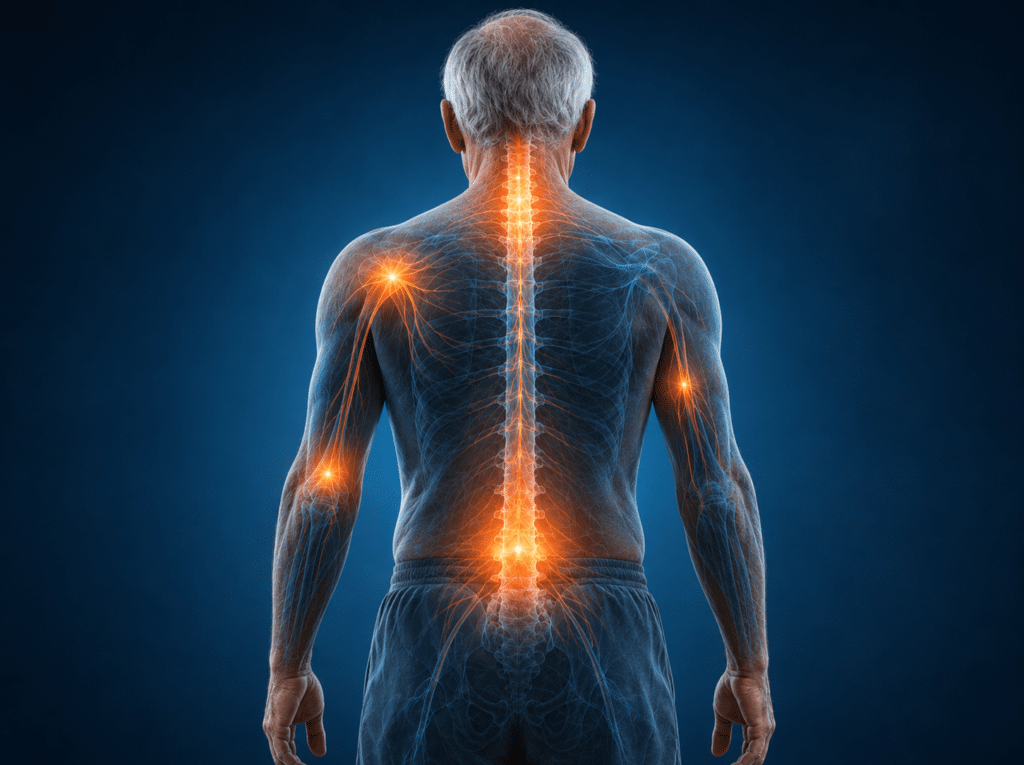
Chronic pain affects millions of people worldwide and can make even everyday activities difficult. Conditions such as osteoarthritis, fibromyalgia, rheumatoid arthritis, and myofascial pain syndrome often require long-term pain management strategies that balance effectiveness with safety.
As interest in non-invasive therapies continues to grow, electroanalgesia has emerged as a promising option for helping manage chronic musculoskeletal pain without relying solely on medication.
What Is Electroanalgesia?
Electroanalgesia refers to a group of therapies that use controlled electrical stimulation to reduce pain by influencing how the nervous system processes pain signals.
These therapies may work by:
- Modulating pain pathways within the nervous system
- Stimulating the body’s natural pain-relieving mechanisms
- Reducing pain sensitivity
- Improving function and mobility
Because treatments are non-invasive, electroanalgesia can often be incorporated into a broader pain management plan alongside physical therapy, exercise, and other conservative approaches.
What the Research Says
A literature review published in ScienceDirect examined the growing role of electroanalgesia across a wide range of chronic pain conditions.
The review highlighted its potential use in managing pain associated with:
- Osteoarthritis
- Fibromyalgia
- Rheumatoid arthritis
- Myofascial pain syndrome
Researchers concluded that electroanalgesia represents a versatile, non-pharmacological treatment option with applications across multiple musculoskeletal disorders. While effectiveness can vary depending on the individual and condition being treated, the evidence supports its role as part of a comprehensive pain management strategy.
Supporting Different Types of Chronic Pain
One of electroanalgesia’s strengths is that it may address pain arising from different mechanisms.
Osteoarthritis
For individuals with osteoarthritis, electrical stimulation may help reduce joint pain, improve movement, and support daily function as part of conservative care.
Fibromyalgia
Fibromyalgia involves widespread pain and altered pain processing within the nervous system. Electroanalgesia may help reduce pain sensitivity and improve comfort for some patients when incorporated into a multidisciplinary treatment plan.
Rheumatoid Arthritis
Even when inflammation is medically controlled, many patients continue experiencing persistent pain. Researchers believe therapies that influence pain processing may help address this ongoing discomfort.
Myofascial Pain Syndrome
Muscle trigger points and chronic muscle tension often contribute to myofascial pain syndrome. Electrical stimulation may help reduce localized pain while improving muscle relaxation and function.
Why This Matters
Many people living with chronic pain are searching for treatments that allow them to remain active while reducing reliance on long-term medications.
Electroanalgesia offers several potential advantages:
- Non-invasive treatment
- Drug-free pain management
- Can complement physical rehabilitation
- Applicable across multiple chronic pain conditions
- Generally well tolerated when used appropriately
Rather than replacing other therapies, electroanalgesia is increasingly viewed as one component of a personalized, evidence-based pain management program.
The Bottom Line
Current research suggests electroanalgesia has promising applications across several chronic pain conditions, including osteoarthritis, fibromyalgia, rheumatoid arthritis, and myofascial pain syndrome. While no single therapy works for everyone, growing clinical evidence supports its role as a safe, non-invasive option for improving pain, mobility, and quality of life in appropriately selected patients.
Source: ScienceDirect
https://www.sciencedirect.com/org/science/article/pii/S187638631800002X