

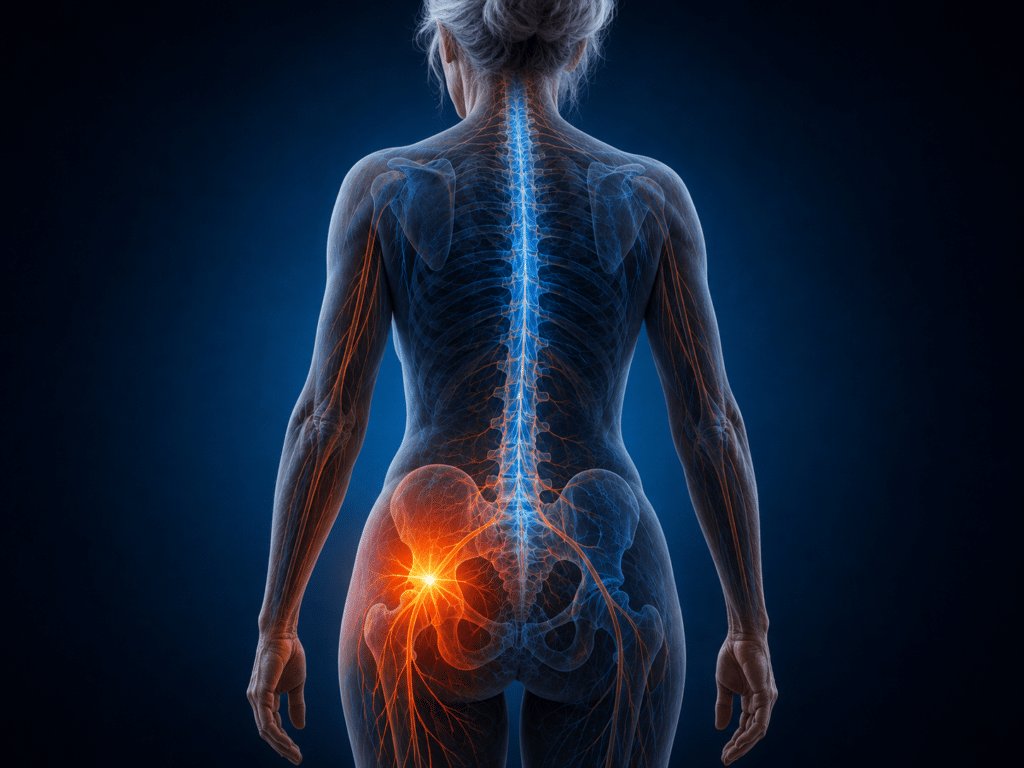
What Research Says About Neck, Back, Knee, and Postoperative Pain
Musculoskeletal pain can affect the muscles, joints, bones, ligaments, tendons, and surrounding tissues.
It may develop because of injury, arthritis, surgery, repetitive strain, changes in movement, or chronic health conditions. Although the cause and experience of pain differ from one patient to another, many people share the same goal: finding relief that allows them to move and function more comfortably.
Interferential current therapy has been studied as a non-invasive treatment for several types of musculoskeletal pain.
How Interferential Current Therapy Works
Interferential current therapy delivers two medium-frequency electrical currents through electrodes placed on the skin.
The currents intersect in the targeted area and produce an interferential therapeutic current. Researchers believe this stimulation may influence the transmission and processing of pain signals.
The exact biological mechanisms are still being investigated. Proposed explanations include changes in nerve activity, pain modulation, circulation, and the release of the body’s naturally occurring pain-relieving chemicals.
What Conditions Have Been Studied?
A 2022 review examined the analgesic effects of interferential current therapy across several painful conditions.
The authors concluded that the available literature demonstrated significant analgesic effects in patients with:
- Neck pain
- Low back pain
- Knee osteoarthritis
- Postoperative knee pain
The review also found that many variations in treatment parameters did not appear to substantially change the therapy’s analgesic effects. However, the authors emphasized the need for additional research into both treatment effectiveness and the underlying mechanisms.
Neck Pain
Neck pain may arise from muscular tension, joint irritation, posture, injury, degenerative changes, or a combination of factors.
Interferential current therapy has been studied for its ability to temporarily reduce neck pain. Decreasing discomfort may help patients tolerate movement, stretching, strengthening, or other therapeutic activities more comfortably.
Chronic Low Back Pain
Research involving chronic nonspecific low back pain has found that interferential current therapy may reduce pain intensity and disability immediately following treatment.
A 2023 systematic review found moderate-quality evidence supporting these short-term benefits compared with placebo, although longer-term benefits were less certain.
Knee Osteoarthritis
Interferential current has also been studied in patients with knee osteoarthritis.
A systematic review and meta-analysis of randomized controlled trials found improvements in pain and physical function, with no significant adverse effects reported across the included studies.
Postoperative Knee Pain
Pain after knee surgery can make early movement and rehabilitation more difficult.
Studies included in the broader interferential current literature have reported analgesic effects in postoperative knee patients. By helping manage discomfort, electrical stimulation may support a patient’s ability to participate in prescribed rehabilitation.
It is important, however, that postoperative treatment be coordinated with the patient’s surgical and medical teams.
What Does “Analgesic Effect” Mean?
An analgesic effect means that a treatment helps reduce pain.
It does not necessarily mean that the treatment repairs damaged tissue, reverses arthritis, corrects the underlying cause of pain, or permanently eliminates symptoms.
Pain relief can still be clinically valuable. When discomfort decreases, patients may find it easier to:
- Move affected joints
- Complete therapeutic exercises
- Sleep more comfortably
- Perform routine activities
- Rebuild confidence in movement
A Tool Within a Broader Treatment Plan
The evidence suggests that interferential current therapy may offer pain-relieving benefits across multiple musculoskeletal conditions.
However, musculoskeletal pain is complex. Electrical stimulation may be most effective when used as part of a broader plan that can include exercise, mobility work, education, manual therapies, medical care, and lifestyle support.
Research takeaway: Reviews have found analgesic effects from interferential current therapy in patients with neck pain, chronic low back pain, knee osteoarthritis, and postoperative knee pain. The evidence is encouraging, but treatment results and the strength of evidence vary by condition.