

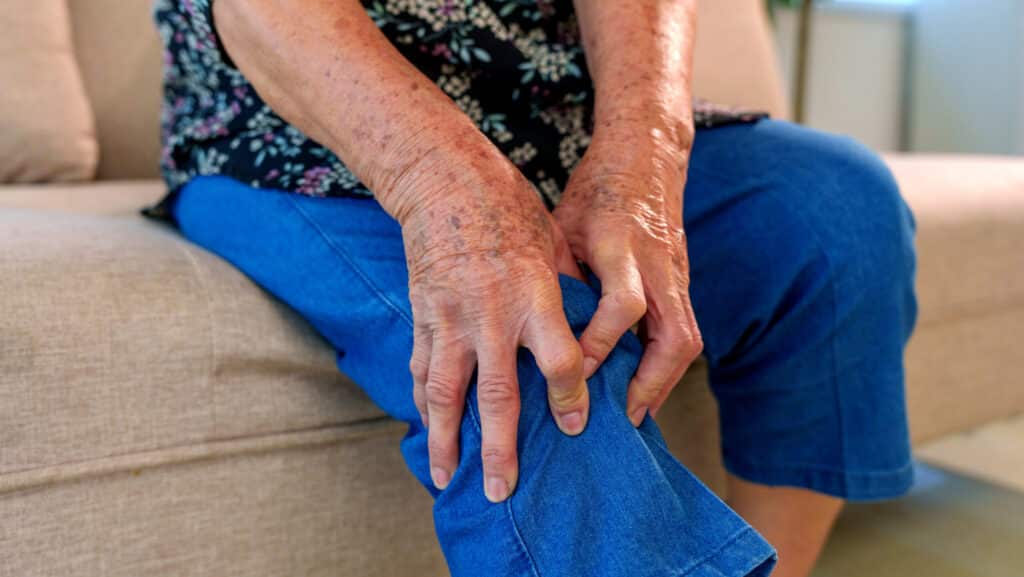
Understanding Joint Pain and Swelling
Joint pain and swelling are common symptoms that can affect people of all ages. Whether caused by an injury, arthritis, or another medical condition, inflammation and fluid buildup around a joint can make movement painful and limit your ability to perform everyday activities.
While mild joint discomfort may improve with rest and conservative care, persistent pain, swelling, or stiffness should not be ignored. An accurate diagnosis can help identify the underlying cause and guide the most appropriate treatment plan.
This guide explains common causes of joint pain and swelling, available treatment options, and how our Relatyv Neurofunctional Pain Management approach may complement your overall care plan when chronic pain is contributing to your symptoms.
Common Symptoms
Joint pain and swelling may be accompanied by:
- Persistent aching or throbbing pain.
- Visible swelling around the joint.
- Joint stiffness, especially after periods of rest.
- Warmth or redness.
- Reduced range of motion.
- Grinding, popping, or clicking sensations.
- Difficulty walking, lifting, or performing daily activities.
Common Causes of Joint Pain and Swelling
Joint Injuries
Sprains, ligament tears, fractures, and dislocations can damage the structures that support a joint, resulting in pain, swelling, and limited mobility.
Overuse
Repetitive movements or excessive physical activity may irritate tendons, ligaments, and joint tissues, leading to inflammation and discomfort.
Inflammation
Inflammation is part of the body’s normal healing response but may become prolonged in certain medical conditions, contributing to ongoing swelling and stiffness.
Fluid Accumulation
Excess fluid within or around a joint, sometimes called joint effusion, may develop after injuries, infections, or inflammatory conditions.
Medical Conditions Associated with Joint Pain and Swelling
Osteoarthritis
Osteoarthritis develops as joint cartilage gradually wears away over time, resulting in pain, stiffness, swelling, and reduced mobility.
Rheumatoid Arthritis
Rheumatoid arthritis is an autoimmune disease that causes chronic inflammation of the joints and may eventually lead to joint damage if left untreated.
Gout
Gout occurs when uric acid crystals accumulate within a joint, causing sudden episodes of severe pain, swelling, warmth, and redness.
Bursitis and Tendinitis
Inflammation of the bursae or tendons surrounding a joint can cause localized pain and swelling, particularly with movement.
Fibromyalgia
Although fibromyalgia does not directly damage joints, it may cause widespread pain, stiffness, fatigue, and symptoms that resemble inflammatory joint disorders.
Edema
Edema is the accumulation of excess fluid within body tissues. Depending on the underlying cause, it may contribute to swelling around joints and surrounding soft tissues.
When Should You Seek Medical Care?
You should schedule a medical evaluation if joint pain or swelling:
- Persists for more than several days.
- Occurs without an obvious injury.
- Limits your ability to work or perform daily activities.
- Recurs frequently.
- Affects multiple joints.
Seek immediate medical attention if you experience severe pain after an injury, inability to bear weight, an obvious joint deformity, fever with a swollen joint, rapidly increasing redness or swelling, or sudden loss of joint function.
How Joint Pain and Swelling Are Diagnosed
Your healthcare provider may recommend:
- Review of your medical history and symptoms.
- Physical examination of affected joints.
- X-rays to evaluate bones and joint alignment.
- MRI or ultrasound to assess cartilage, tendons, ligaments, and other soft tissues.
- Blood tests to evaluate inflammatory, autoimmune, metabolic, or infectious conditions.
- Joint fluid analysis when infection or gout is suspected.
Conventional Treatment Options
Treatment depends on the underlying diagnosis and severity of your symptoms.
Medications
Your healthcare provider may recommend acetaminophen, nonsteroidal anti-inflammatory drugs (NSAIDs), corticosteroids, disease-modifying medications for inflammatory arthritis, or other treatments based on your condition.
Heat and Cold Therapy
Cold therapy may help reduce swelling after acute injuries, while heat may improve flexibility and relieve stiffness in chronic conditions.
Physical and Occupational Therapy
Therapy programs can improve joint mobility, strengthen supporting muscles, reduce strain on affected joints, and improve daily function.
Joint Injections
Image-guided corticosteroid or other therapeutic injections may help reduce inflammation for selected joint conditions.
Surgery
When conservative treatment is no longer effective, procedures such as arthroscopy, ligament repair, or joint replacement may be appropriate depending on the underlying condition.
Our Relatyv Neurofunctional Pain Management Approach
At Relatyv, our Neurofunctional Pain Management approach is designed to help manage chronic pain associated with neurological and musculoskeletal conditions. Our care complements appropriate medical evaluation and treatment rather than replacing it.
Each treatment plan is individualized based on your diagnosis, symptoms, and goals. Care may include electroanalgesia, IV therapy when clinically appropriate, nutritional support, and lifestyle recommendations that complement your existing medical care.
While treatment may help reduce pain and improve function for some individuals, outcomes vary depending on the underlying cause of the condition.
Supporting Long-Term Joint Health
You may be able to support healthy joints and reduce future flare-ups by:
- Maintaining a healthy body weight.
- Participating in regular low-impact exercise.
- Strengthening muscles that support your joints.
- Using proper body mechanics during work and exercise.
- Managing chronic medical conditions with your healthcare provider.
- Allowing adequate recovery after strenuous activity.
Find Relief from Chronic Joint Pain and Swelling
Joint pain and swelling can result from injuries, arthritis, autoimmune diseases, overuse, or other medical conditions. Because effective treatment begins with identifying the underlying cause, obtaining a thorough medical evaluation is an important first step.
At Relatyv, we provide personalized, non-invasive care designed to help reduce chronic pain and improve function. Our Neurofunctional Pain Management approach may complement your existing medical treatment while supporting improved mobility, comfort, and quality of life.