

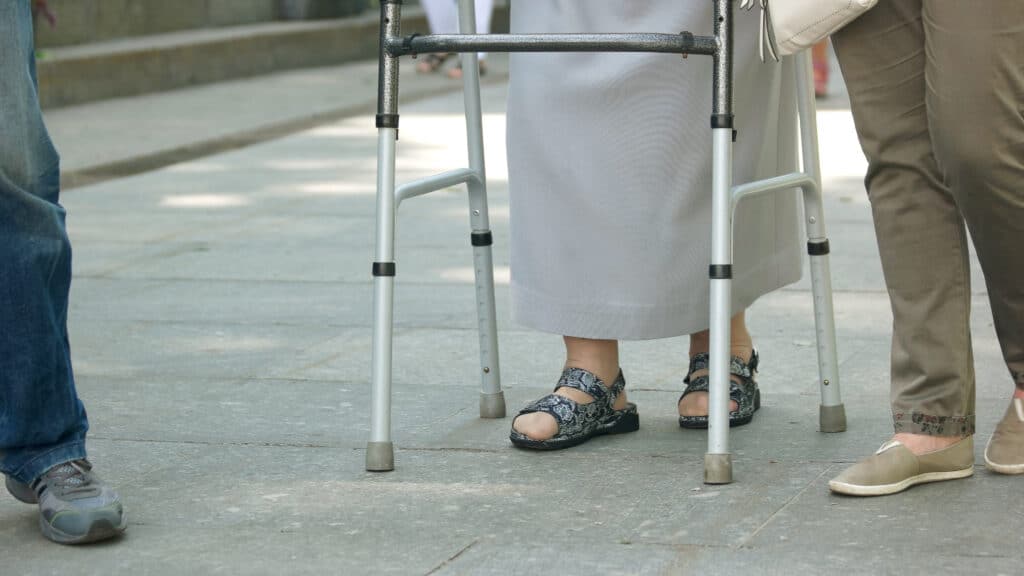
Understanding Difficulty Walking
Difficulty walking can affect people of all ages and may develop gradually or appear suddenly following an injury or illness. While temporary mobility problems often improve as the underlying issue heals, persistent changes in your walking pattern may indicate a musculoskeletal, neurological, or circulatory condition that requires medical evaluation.
This guide explains common symptoms, possible causes, treatment options, and how our Relatyv Neurofunctional Pain Management approach may complement your overall treatment plan.
What Does Difficulty Walking Mean?
Difficulty walking, also called a gait abnormality, refers to changes in the way a person walks. These changes may result from pain, weakness, joint instability, nerve dysfunction, balance problems, or limited range of motion.
Depending on the underlying cause, walking difficulties may affect one or both legs and can interfere with daily activities such as climbing stairs, exercising, or standing for prolonged periods.
Common Signs and Symptoms
Walking difficulties may be accompanied by:
- Limping or an uneven gait.
- Difficulty maintaining balance.
- Muscle weakness.
- Numbness or tingling in the legs or feet.
- Hip, knee, ankle, or foot pain.
- Lower back pain.
- Leg cramps or muscle spasms.
- Joint stiffness.
- Reduced endurance when walking.
Common Types of Gait Abnormalities
Healthcare providers may describe abnormal walking patterns using specific terms, including:
- Steppage gait: Difficulty lifting the front of the foot while walking.
- Spastic gait: Stiff, dragging movements of the legs.
- Waddling gait: Side-to-side shifting of the hips while walking.
- Propulsive gait: A forward-leaning posture with short, rapid steps.
- Scissor gait: Legs crossing over one another during walking.
Conditions That May Cause Difficulty Walking
Injuries
Fractures, sprains, strains, ligament tears, tendon injuries, and joint dislocations can temporarily limit mobility until healing occurs.
Spinal Stenosis
Narrowing of the spinal canal may compress nerves traveling to the legs, leading to pain, weakness, numbness, or difficulty walking.
Joint Instability
Damaged ligaments, tendon injuries, muscle weakness, or cartilage loss may create a feeling that the knee, ankle, or hip is unstable during movement.
Gout
Inflammatory arthritis caused by uric acid crystal deposits commonly affects the feet, ankles, and knees, making walking painful during flare-ups.
Foot and Ankle Conditions
Conditions such as plantar fasciitis, Achilles tendinopathy, flat feet, heel spurs, and other structural foot abnormalities may alter walking mechanics.
Osteoarthritis
Cartilage loss within weight-bearing joints may cause pain, stiffness, swelling, and reduced mobility that affects walking.
Rheumatoid Arthritis
Inflammation associated with rheumatoid arthritis frequently affects the knees, ankles, and feet, making standing and walking more difficult.
Neurological Disorders
Conditions affecting the nervous system—including peripheral neuropathy, multiple sclerosis, Parkinson’s disease, spinal cord injuries, and stroke—may impair balance, coordination, muscle strength, and sensation.
Peripheral Artery Disease (PAD)
Reduced blood flow to the legs may cause cramping, weakness, fatigue, and pain during walking.
Lifestyle Factors That May Affect Mobility
Several modifiable factors can contribute to walking difficulties, including:
- Physical inactivity.
- Excess body weight.
- Muscle weakness.
- Poor balance.
- Smoking.
- Excessive alcohol use.
- Poor nutrition.
- Delayed rehabilitation following injury or surgery.
When Should You Seek Medical Care?
You should seek medical evaluation if walking difficulties:
- Continue to worsen.
- Interfere with daily activities.
- Are accompanied by persistent pain.
- Occur with numbness or weakness.
- Cause repeated falls or balance problems.
- Develop after an injury.
Seek emergency medical care immediately if walking difficulties develop suddenly along with:
- Facial drooping.
- Arm or leg weakness.
- Difficulty speaking.
- Sudden vision changes.
- Confusion.
- A severe, sudden headache.
These symptoms may indicate a stroke or another medical emergency.
How Difficulty Walking Is Diagnosed
Your healthcare provider may recommend:
- Medical history review.
- Physical examination.
- Neurological assessment.
- Gait analysis.
- X-rays, MRI, or CT imaging.
- Blood tests when inflammatory or metabolic conditions are suspected.
- Nerve conduction studies or electromyography (EMG) when nerve disorders are suspected.
Conventional Treatment Options
Treatment depends on the underlying diagnosis.
Medications
Medications may be prescribed to manage pain, reduce inflammation, or treat underlying medical conditions. Your healthcare provider can discuss the potential benefits and risks based on your specific diagnosis.
Physical Therapy
Physical therapy can improve strength, flexibility, balance, coordination, and walking mechanics while supporting recovery after injury or illness.
Assistive Devices
Canes, walkers, braces, or other mobility aids may improve safety and independence when appropriate.
Lifestyle Modifications
Regular exercise, weight management, smoking cessation, balanced nutrition, and ongoing rehabilitation may improve mobility and reduce strain on the joints.
Surgery
In some cases, surgery may be recommended to repair damaged joints, relieve nerve compression, or correct structural problems when conservative treatment has not been successful.
Our Relatyv Neurofunctional Pain Management Approach
At Relatyv, our Neurofunctional Pain Management approach combines drug-free, non-invasive therapies designed to help reduce chronic pain, improve function, and support healthy nervous system activity.
Each treatment plan is individualized based on your diagnosis, symptoms, and goals. Care may include electroanalgesia, IV therapy when clinically appropriate, nutritional support, and lifestyle recommendations that complement your existing medical care.
Improve Mobility with Individualized Care
Difficulty walking can result from many different medical conditions, making an accurate diagnosis an important first step. Early evaluation may help identify treatable causes and reduce the risk of worsening mobility or falls.
At Relatyv, we provide personalized, non-invasive care designed to help reduce chronic pain and improve function. Our Neurofunctional Pain Management approach may complement your existing treatment plan while supporting greater mobility and overall quality of life.