

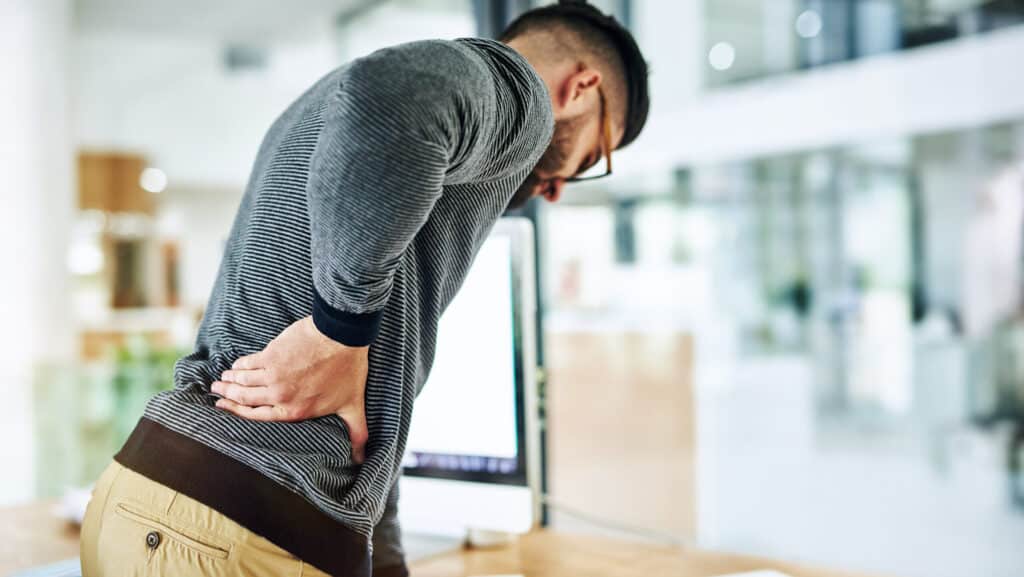
Understanding Back Pain
Back pain is one of the most common musculoskeletal conditions and can affect people of all ages. It may range from a mild ache to severe pain that limits movement, work, exercise, and everyday activities. While many cases improve with conservative care, persistent or recurring back pain should be evaluated to identify the underlying cause.
This guide explains common causes of back pain, when to seek medical attention, available treatment options, and how our Relatyv Neurofunctional Pain Management approach may complement your overall care plan.
Common Symptoms of Back Pain
Back pain can vary depending on the underlying condition. Symptoms may include:
- Aching, burning, or sharp pain.
- Stiffness, especially after sitting or waking up.
- Pain that worsens with movement or prolonged standing.
- Muscle spasms.
- Pain that radiates into the shoulders, arms, hips, or legs.
- Numbness, tingling, or weakness if nerves are involved.
Types of Back Pain
Acute Back Pain
Acute back pain develops suddenly and typically lasts from a few days to several weeks. It is often caused by muscle strains, ligament injuries, or trauma.
Subacute Back Pain
Subacute back pain lasts between six weeks and three months and may occur as the body recovers from an injury or ongoing condition.
Chronic Back Pain
Back pain that lasts longer than three months is considered chronic. Chronic pain may be associated with degenerative spine conditions, arthritis, nerve compression, or other long-term musculoskeletal disorders.
Common Causes of Back Pain
Muscle or Ligament Strain
Heavy lifting, repetitive movements, poor body mechanics, or sudden twisting motions can strain muscles and ligaments supporting the spine.
Degenerative Spine Changes
Age-related changes to the spinal discs and joints may contribute to stiffness, pain, and reduced flexibility.
Herniated or Bulging Discs
When a spinal disc presses on nearby nerves, it may cause localized back pain or pain that radiates into the arms or legs.
Nerve Compression
Compressed spinal nerves may result in numbness, tingling, weakness, or shooting pain.
Poor Posture
Prolonged sitting, repetitive activities, or poor ergonomics can place ongoing stress on the muscles and joints of the back.
Traumatic Injury
Falls, motor vehicle accidents, and sports injuries may damage muscles, ligaments, discs, or bones of the spine.
Conditions Associated with Back Pain
Sciatica
Sciatica develops when the sciatic nerve becomes irritated or compressed, causing pain that may travel from the lower back into the buttock and leg.
Osteoarthritis
Degeneration of the joints of the spine may cause pain, stiffness, and reduced mobility.
Osteoporosis
Loss of bone density increases the risk of spinal compression fractures, particularly in older adults.
Fibromyalgia
Fibromyalgia is a chronic pain condition that may cause widespread musculoskeletal pain, fatigue, and tenderness throughout the back and other areas of the body.
Restless Legs Syndrome
Some people with restless legs syndrome also experience disrupted sleep, muscle discomfort, and back pain related to altered movement patterns or muscle tension.
When Should You Seek Medical Care?
You should schedule a medical evaluation if your back pain:
- Persists longer than several weeks.
- Recurs frequently.
- Radiates into your arms or legs.
- Interferes with work, sleep, or daily activities.
- Develops after an injury.
Seek immediate medical attention if you develop loss of bowel or bladder control, numbness in the groin or saddle area, significant leg weakness, severe pain after major trauma, fever with back pain, or sudden neurological symptoms.
How Back Pain Is Diagnosed
Your healthcare provider may recommend:
- Medical history review.
- Physical examination.
- Assessment of posture, flexibility, strength, and neurological function.
- X-rays.
- MRI or CT imaging when structural abnormalities or nerve compression are suspected.
- Blood tests if infection, inflammatory disease, or another medical condition is suspected.
Conventional Treatment Options
Treatment depends on the underlying cause of your back pain.
Medications
Over-the-counter or prescription medications may be recommended to reduce pain and inflammation depending on your diagnosis and medical history.
Physical Therapy
Physical therapy focuses on improving strength, flexibility, posture, and movement patterns to reduce pain and improve function.
Activity Modification
Temporary changes to daily activities, combined with gradual return to movement, may help reduce strain during recovery.
Injections
For some individuals, corticosteroid or other therapeutic injections may help reduce inflammation and relieve symptoms.
Surgery
Surgery may be recommended when significant structural abnormalities, nerve compression, spinal instability, or fractures do not respond to conservative treatment.
Our Relatyv Neurofunctional Pain Management Approach
At Relatyv, our Neurofunctional Pain Management approach is designed to help manage chronic pain associated with neurological and musculoskeletal conditions affecting the spine. Our care complements appropriate medical evaluation and treatment rather than replacing it.
Each treatment plan is individualized based on your diagnosis, symptoms, and goals. Care may include electroanalgesia, IV therapy when clinically appropriate, nutritional support, and lifestyle recommendations that complement your existing medical care.
While treatment may help reduce pain and improve function for some individuals, outcomes vary depending on the underlying cause of the condition.
Supporting a Healthy Back
You may be able to reduce your risk of back pain by:
- Maintaining good posture.
- Strengthening your core muscles.
- Using proper lifting techniques.
- Staying physically active.
- Maintaining a healthy body weight.
- Creating an ergonomic workspace.
Find Relief from Chronic Back Pain
Persistent back pain can significantly affect your mobility, independence, and quality of life. An accurate diagnosis is essential for identifying the underlying cause and determining the most appropriate treatment plan.
At Relatyv, we provide personalized, non-invasive care designed to help reduce chronic pain and improve function. Our Neurofunctional Pain Management approach may complement your existing medical treatment while supporting improved mobility and quality of life.