

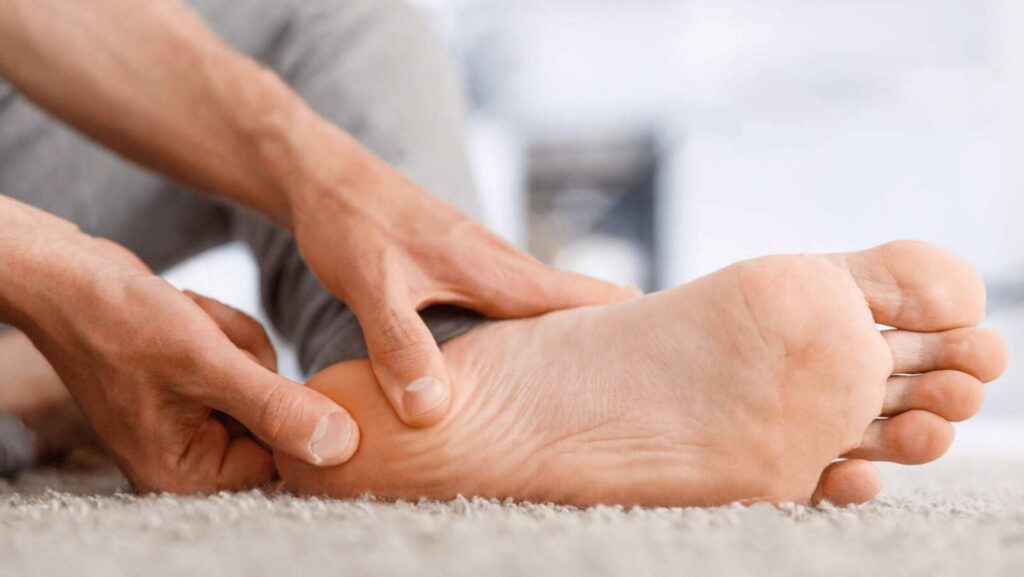
Pain on the Bottom of Your Foot? Understanding Plantar Fasciitis
Pain on the bottom of your foot can make everyday activities like walking, standing, and exercising difficult. One of the most common causes of this type of pain is plantar fasciitis. Understanding the condition, its causes, symptoms, and treatment options can help you find relief and prevent it from becoming a long-term problem.
What Is Plantar Fasciitis?
Plantar fasciitis is one of the most common causes of heel pain. It develops when the plantar fascia—a thick band of connective tissue that runs from the heel bone to the toes—becomes irritated or overloaded, leading to pain and stiffness along the bottom of the foot. While inflammation may be present early on, long-standing plantar fasciitis often involves degeneration of the tissue rather than ongoing inflammation.
Plantar fasciitis affects millions of people and is estimated to occur in approximately 10% of the population at some point during their lifetime.
Causes of Plantar Fasciitis
Damage or repetitive stress to the plantar fascia can lead to pain and irritation. While plantar fasciitis most commonly affects one foot, it can occur in both feet.
Standing or Walking for Long Periods
Prolonged standing or repetitive walking places additional stress on the plantar fascia. Jobs that require extended periods on your feet—such as nursing, food service, retail, or manufacturing—can increase your risk.
People who regularly run, hike, participate in high-impact sports, or train for endurance events may also be more likely to develop plantar fasciitis.
Wearing Shoes Without Proper Support
Shoes that lack adequate arch support or cushioning can increase strain on the plantar fascia. Thin-soled shoes, flip-flops, and high heels may contribute to the development of plantar fasciitis, especially if you’re standing or walking for extended periods.
Flat Feet or High Arches
Both flat feet and high arches can alter how weight is distributed across the foot, increasing stress on the plantar fascia and making injury more likely.
Exercising Without Warming Up
Stretching and warming up before exercise helps prepare the muscles and connective tissues for activity. Tight calf muscles or poor flexibility can increase stress on the plantar fascia and raise the risk of injury.
Symptoms of Plantar Fasciitis
Although heel pain can have many causes, plantar fasciitis has several characteristic symptoms. If you experience any of the following, it’s important to consult a healthcare provider for an accurate diagnosis.
- Sharp pain under the heel or arch of the foot
- Pain that’s often worse with the first steps in the morning
- Pain after standing or walking for long periods
- Difficulty walking or exercising comfortably
- Increasing pain if the condition is left untreated
Sharp Heel or Arch Pain
The hallmark symptom of plantar fasciitis is a sharp pain in the heel or arch. It is often most noticeable when taking your first steps after waking up or after sitting for an extended period.
Pain That Gradually Worsens
Symptoms may begin as a mild ache and gradually worsen over time if repetitive stress continues. Pain often becomes more noticeable as the plantar fascia has less opportunity to recover between periods of activity.
Difficulty Walking
As pain increases, everyday activities such as walking, running, climbing stairs, or exercising may become increasingly difficult.
Treatment Options for Plantar Fasciitis
Treatment for plantar fasciitis typically begins with conservative measures designed to reduce pain, improve flexibility, and allow the plantar fascia to heal. Surgery is generally reserved for cases that do not improve with non-surgical treatment.
Rest
Reducing activities that place excessive stress on the foot allows the plantar fascia time to recover. Limiting prolonged standing and avoiding high-impact activities may help relieve symptoms.
Stretching Exercises
Stretching the calf muscles, Achilles tendon, and plantar fascia can improve flexibility, reduce tension, and help relieve heel pain.
Supportive Footwear
Wearing supportive shoes with proper arch support and cushioning can reduce stress on the plantar fascia and improve comfort throughout the day.
Corticosteroid Injections
Corticosteroid injections may provide temporary pain relief for some people but are generally used selectively because repeated injections can increase the risk of weakening or damaging the plantar fascia.
Surgery
Surgery is typically considered only after conservative treatments have failed.
Common procedures include:
- Gastrocnemius recession, which lengthens the calf muscle to reduce stress on the plantar fascia.
- Plantar fascia release, which reduces tension by making small incisions in the fascia.
Although surgery can benefit carefully selected patients, it carries the same risks associated with any surgical procedure, including infection, nerve injury, scarring, prolonged recovery, and persistent pain.
Our Relatyv Neurofunctional Pain Management Approach for Plantar Fasciitis
At Relatyv, our Neurofunctional Pain Management approach combines drug-free, non-invasive therapies designed to help reduce pain, improve mobility, and support the body’s natural healing process.
Treatment may include electroanalgesia, a non-invasive therapy that uses electrical stimulation to help manage pain and encourage normal nerve signaling. Electroanalgesia has been used for decades as part of comprehensive pain management programs.
Treatment plans are individualized based on each patient’s condition, symptoms, and response to care. When clinically appropriate, care may also include IV therapy, nutritional support, and lifestyle recommendations to complement your overall treatment plan.
Find Relief from Plantar Fasciitis Pain
Plantar fasciitis can make even simple daily activities uncomfortable, but effective treatment options are available.
At Relatyv, we provide personalized, non-invasive care designed to help reduce pain, improve function, and support long-term foot health. Our comprehensive approach may include electroanalgesia, IV therapy when appropriate, nutritional support, lifestyle guidance, and patient education to complement your overall treatment plan and help you move more comfortably. Contact us to learn how our Neurofunctional Pain Management approach may support your recovery.