

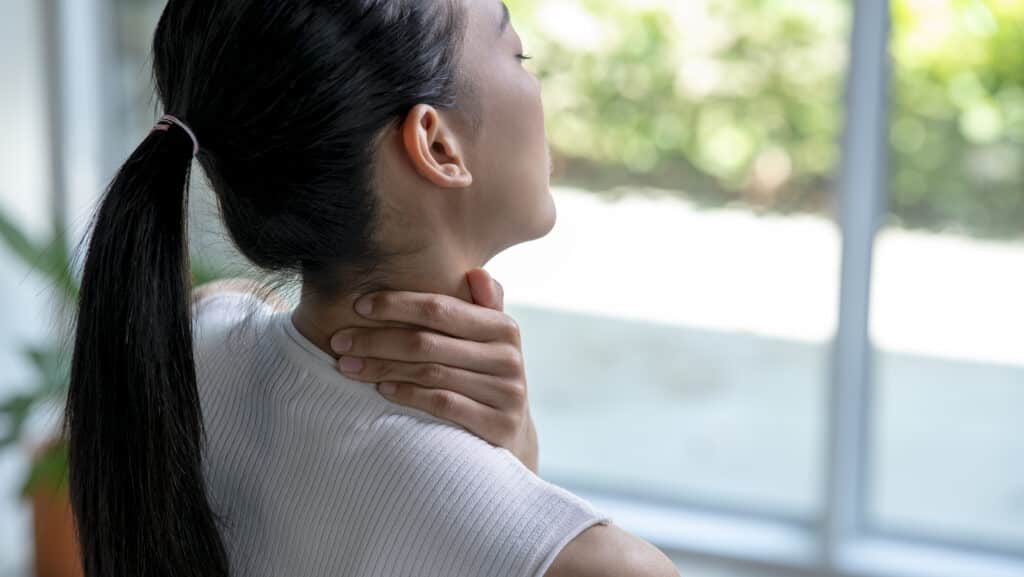
Understanding Neck Muscle Spasms
Neck muscle spasms are sudden, involuntary muscle contractions that can cause pain, stiffness, and reduced range of motion. They may last only a few seconds or persist for hours or even days, making everyday activities such as turning your head, driving, working at a computer, or sleeping uncomfortable.
Although many neck spasms result from temporary muscle strain or poor posture, recurring or persistent spasms may indicate an underlying musculoskeletal or neurological condition. Identifying the cause is an important step toward selecting the most appropriate treatment.
This guide explains common causes of neck muscle spasms, associated symptoms, conventional treatment options, and how our Relatyv Neurofunctional Pain Management approach may complement your overall care plan when chronic pain is contributing to your symptoms.
Common Symptoms
Neck muscle spasms may occur with one or more of the following symptoms:
- Sudden, sharp neck pain.
- Muscle tightness or stiffness.
- Tenderness when touching the affected muscles.
- Reduced range of motion.
- Headaches.
- Pain that radiates into the shoulders or upper back.
- Tingling or numbness in the arms or hands.
- Muscle weakness.
- Difficulty sleeping due to discomfort.
Common Causes of Neck Muscle Spasms
Muscle Strain
Overuse, repetitive movements, or lifting heavy objects can strain the muscles of the neck and trigger painful spasms.
Poor Posture
Spending long periods looking down at mobile devices or working at a computer without proper ergonomics can place continuous stress on the neck muscles.
Stress and Muscle Tension
Emotional stress commonly contributes to increased muscle tension in the neck and shoulders, making spasms more likely.
Dehydration
Inadequate fluid intake or electrolyte imbalances may contribute to muscle cramping and spasms in some individuals.
Sudden Neck Movements
Quick or awkward movements may overstretch neck muscles and result in acute muscle spasms.
Medical Conditions Associated with Neck Muscle Spasms
Herniated Cervical Disc
A herniated disc in the neck may irritate nearby nerves, causing neck pain, muscle spasms, numbness, or weakness in the shoulders and arms.
Whiplash
Whiplash injuries commonly occur after motor vehicle collisions and may lead to neck pain, stiffness, muscle spasms, and reduced mobility.
Cervical Spinal Stenosis
Narrowing of the spinal canal in the neck can place pressure on the spinal cord or nerves, leading to pain, spasms, numbness, or weakness.
Arthritis
Osteoarthritis and other forms of arthritis affecting the cervical spine may contribute to chronic neck pain, stiffness, and muscle guarding.
Ankylosing Spondylitis
This inflammatory condition primarily affects the spine and may cause stiffness, reduced flexibility, and muscle spasms involving the neck.
When Should You Seek Medical Care?
You should schedule a medical evaluation if neck muscle spasms:
- Persist for more than several days.
- Occur frequently.
- Limit your ability to perform daily activities.
- Are accompanied by numbness, tingling, or weakness.
- Develop after an injury or accident.
Seek emergency medical attention immediately if you experience severe neck pain after significant trauma, sudden weakness in your arms or legs, loss of bowel or bladder control, difficulty walking, fever with severe neck stiffness, severe headache with neck stiffness, or sudden difficulty speaking or swallowing.
How Neck Muscle Spasms Are Diagnosed
Your healthcare provider may recommend:
- Review of your medical history and symptoms.
- Physical examination of the neck and neurological function.
- Assessment of muscle strength, sensation, and range of motion.
- X-rays to evaluate the cervical spine.
- MRI or CT imaging when disc injury or nerve compression is suspected.
- Additional neurological testing if symptoms suggest nerve involvement.
Conventional Treatment Options
Treatment depends on the underlying cause of the muscle spasms.
Medications
Your healthcare provider may recommend acetaminophen, nonsteroidal anti-inflammatory drugs (NSAIDs), or muscle relaxants to help manage pain and muscle tension.
Physical Therapy
Stretching, strengthening exercises, posture correction, and manual therapy may improve flexibility, reduce muscle tension, and restore normal neck movement.
Heat and Cold Therapy
Cold therapy may help reduce inflammation during the early stages of an injury, while heat therapy can relax tight muscles and improve circulation during recovery.
Injections
For persistent symptoms, corticosteroid or trigger point injections may be considered in selected cases to help reduce pain and inflammation.
Surgery
If muscle spasms are caused by significant structural problems such as severe nerve compression or cervical disc disease, surgery may be recommended when conservative treatments are unsuccessful.
Our Relatyv Neurofunctional Pain Management Approach
At Relatyv, our Neurofunctional Pain Management approach is designed to help manage chronic pain associated with neurological and musculoskeletal conditions. Our care complements appropriate medical evaluation and treatment rather than replacing it.
Each treatment plan is individualized based on your diagnosis, symptoms, and goals. Care may include electroanalgesia, IV therapy when clinically appropriate, nutritional support, and lifestyle recommendations that complement your existing medical care.
While treatment may help reduce pain and improve function for some individuals, outcomes vary depending on the underlying cause of the condition.
Supporting Healthy Neck Function
You may be able to reduce neck muscle strain by:
- Maintaining proper posture while sitting and working.
- Taking regular breaks from prolonged computer or phone use.
- Performing stretching and strengthening exercises recommended by your healthcare provider.
- Staying well hydrated.
- Managing stress through relaxation techniques.
- Using appropriate lifting techniques to reduce strain.
Find Relief from Chronic Neck Pain
Neck muscle spasms can result from muscle strain, poor posture, nerve compression, arthritis, or other underlying medical conditions. Because effective treatment depends on identifying the cause, obtaining an accurate diagnosis is an important first step toward lasting improvement.
At Relatyv, we provide personalized, non-invasive care designed to help reduce chronic pain and improve function. Our Neurofunctional Pain Management approach may complement your existing medical treatment while supporting improved comfort, mobility, and quality of life.