

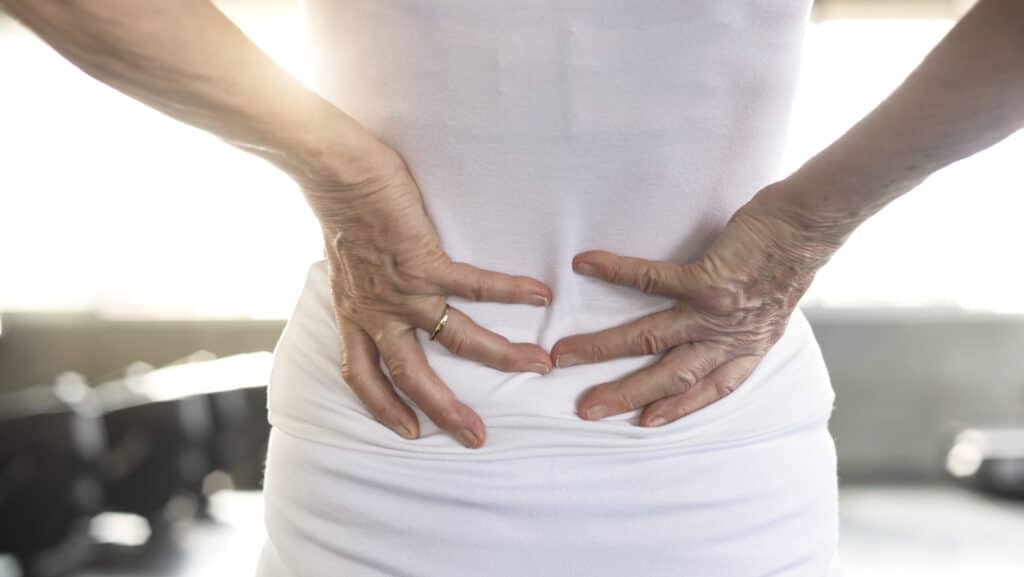
Understanding Lower Back Swelling and Pain
Lower back pain is one of the most common musculoskeletal conditions and may sometimes be accompanied by swelling, redness, or stiffness. While swelling can occur as part of the body’s normal healing response after an injury, persistent or unexplained swelling may indicate an underlying condition that requires medical evaluation.
This guide explains common causes of lower back swelling, treatment options, and how our Relatyv Neurofunctional Pain Management approach may complement your overall treatment plan.
What Causes Lower Back Swelling?
Swelling (also called edema) occurs when fluid accumulates in body tissues. In the lower back, swelling may develop because of:
- Inflammation following a muscle or ligament injury.
- Poor circulation caused by prolonged sitting or inactivity.
- Joint inflammation.
- Spinal conditions that irritate surrounding tissues.
- Less commonly, infection or other serious medical conditions.
The cause of swelling often determines the most appropriate treatment.
Common Symptoms
Lower back swelling may occur alongside:
- Lower back pain.
- Stiffness or reduced flexibility.
- Muscle spasms.
- Pain that radiates into the hips or legs.
- Redness or warmth over the affected area.
- Difficulty standing, walking, or bending.
Conditions Associated with Lower Back Swelling
Sciatica
Sciatica occurs when the sciatic nerve becomes irritated or compressed, often by a herniated disc or spinal stenosis. Symptoms may include pain radiating down one leg, numbness, tingling, weakness, and, in some cases, localized inflammation around the affected structures.
Spinal Arthritis
Osteoarthritis and inflammatory forms of arthritis can affect the joints of the spine, leading to pain, stiffness, reduced mobility, and inflammation.
Herniated Disc
A herniated disc develops when the soft center of a spinal disc pushes through its outer layer and irritates nearby nerves, causing back pain, leg pain, numbness, or weakness.
Osteoporosis
Osteoporosis weakens bones and increases the risk of compression fractures in the spine, particularly in older adults.
Muscle or Ligament Strain
Overuse, lifting injuries, or sudden twisting movements may strain muscles or ligaments, resulting in pain, swelling, and muscle spasms.
Risk Factors
Factors that may increase the likelihood of lower back pain and swelling include:
- Advancing age.
- Repetitive lifting or physically demanding work.
- Poor posture.
- Excess body weight.
- Sedentary lifestyle.
- Smoking.
- Previous back injuries.
When Should You Seek Medical Care?
You should seek medical evaluation if you experience:
- Swelling that persists or worsens.
- Back pain lasting longer than several weeks.
- Pain accompanied by numbness, tingling, or weakness in the legs.
- Redness or warmth that may suggest infection or significant inflammation.
- Fever or unexplained weight loss.
Seek emergency medical attention immediately if you develop loss of bowel or bladder control, numbness in the groin or saddle area, severe leg weakness, sudden inability to walk, or severe back pain following major trauma. These symptoms may indicate a medical emergency that requires immediate treatment.
How Lower Back Swelling Is Diagnosed
Your healthcare provider may recommend:
- Medical history review.
- Physical and neurological examination.
- X-rays.
- MRI or CT imaging.
- Electromyography (EMG) or nerve conduction studies when appropriate.
- Blood tests if infection or inflammatory disease is suspected.
Conventional Treatment Options
Treatment depends on the underlying cause of the swelling and pain.
Activity Modification
Temporary reduction of activities that aggravate symptoms may allow injured tissues to recover while maintaining gentle movement as tolerated.
Heat and Cold Therapy
Cold therapy may help reduce swelling after a recent injury, while heat may help relax muscles and improve flexibility during recovery.
Medications
Your healthcare provider may recommend medications to help manage pain or inflammation. The benefits and potential risks should be discussed based on your diagnosis and medical history.
Physical Therapy
Physical therapy may include stretching, strengthening, posture correction, and exercises to improve spinal stability and mobility.
Injections
For some conditions, spinal or epidural injections may be considered when conservative treatment has not provided adequate relief.
Surgery
Surgery may be recommended for certain structural spinal conditions, progressive neurological deficits, fractures, or other problems that do not respond to conservative care.
Our Relatyv Neurofunctional Pain Management Approach
At Relatyv, our Neurofunctional Pain Management approach combines drug-free, non-invasive therapies designed to help reduce chronic pain, improve function, and support healthy nervous system activity.
Each treatment plan is individualized based on your diagnosis, symptoms, and goals. Care may include electroanalgesia, IV therapy when clinically appropriate, nutritional support, and lifestyle recommendations that complement your existing medical care.
While treatment may help reduce pain and improve function for some individuals, outcomes vary depending on the underlying cause of the condition.
Supporting Long-Term Back Health
Healthy habits that may help support your recovery include:
- Maintaining regular physical activity.
- Strengthening the core and back muscles.
- Using proper lifting techniques.
- Maintaining a healthy body weight.
- Avoiding prolonged sitting whenever possible.
- Practicing good posture throughout the day.
Find Relief from Lower Back Pain and Swelling
Persistent lower back swelling should not be ignored, particularly when it is accompanied by ongoing pain or neurological symptoms. An accurate diagnosis can help identify the underlying cause and guide the most appropriate treatment plan.
At Relatyv, we provide personalized, non-invasive care designed to help reduce chronic pain and improve function. Our Neurofunctional Pain Management approach may complement your existing medical treatment while supporting improved mobility and quality of life.