

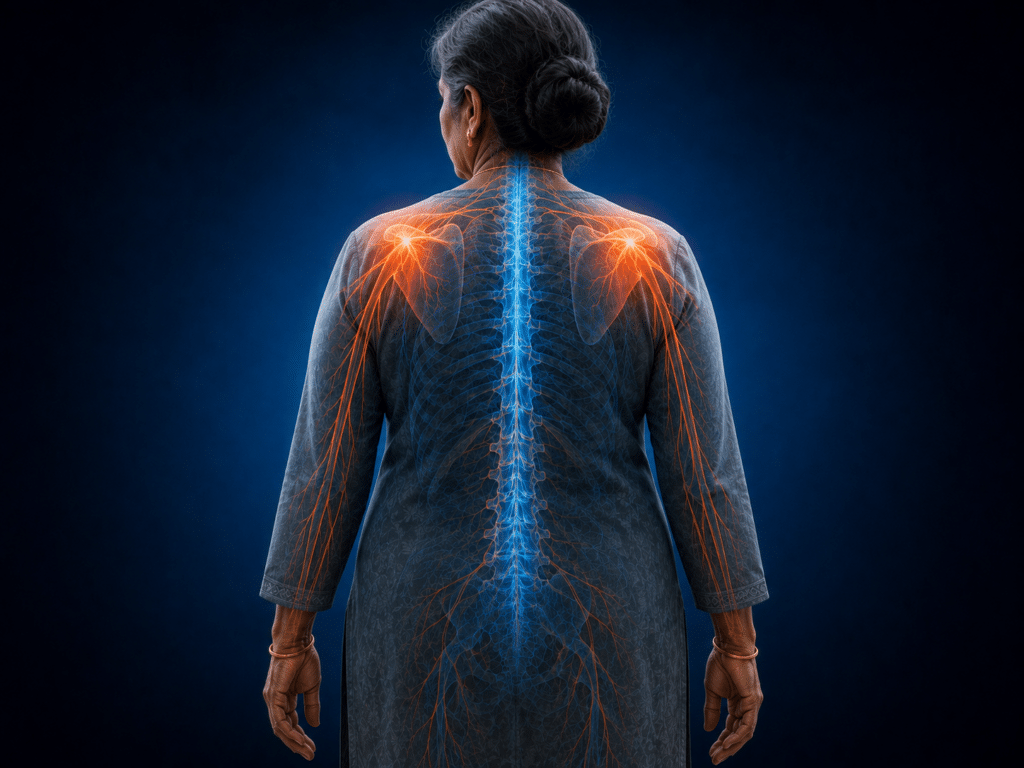
Electroanalgesia for Chronic Pain: What a Review of 56 Studies Reveals
For millions of people living with chronic pain, finding effective treatment often feels like an endless cycle of medications, injections, or procedures that provide only temporary relief. Researchers continue to explore alternatives that address pain differently, and one area receiving increasing attention is electroanalgesia.
A comprehensive 2024 literature review examined 56 peer-reviewed studies investigating electroanalgesia for chronic neuropathic pain. The findings add to a growing body of evidence suggesting electrical stimulation therapies can play an important role in modern pain management.
What Is Electroanalgesia?
Electroanalgesia uses carefully controlled electrical stimulation to influence how nerves communicate pain signals. Rather than masking pain with medication, these therapies aim to change how the nervous system processes pain.
Different forms of electrical stimulation have been studied for conditions including:
- Peripheral neuropathy
- Chronic back pain
- Arthritis
- Fibromyalgia
- Post-surgical pain
- Other chronic pain disorders
What Did the Research Find?
After reviewing dozens of clinical studies, researchers found several consistent trends.
Pain Reduction
Many studies reported meaningful decreases in pain intensity after treatment with electroanalgesia.
Improved Physical Function
Participants frequently experienced improvements in mobility and day-to-day activities, allowing many to become more active.
Strong Safety Profile
Across the research reviewed, electroanalgesia demonstrated a favorable safety profile with relatively few serious adverse effects compared with many long-term pain medications.
Potential to Reduce Medication Dependence
While not a replacement for every treatment, researchers noted electroanalgesia may help some patients reduce their reliance on pain medications when incorporated into a comprehensive care plan.
Why This Matters
Chronic pain is complex. It often involves changes within the nervous system that continue long after an injury has healed.
Research continues to suggest that therapies targeting the nervous system directly may offer meaningful improvements for many patients living with persistent pain.
How This Relates to Relatyv
At Relatyv, neurofunctional pain management focuses on understanding how the nervous system contributes to chronic pain and using evidence-informed therapies designed to improve function while reducing pain.
Every patient receives an individualized evaluation because no single treatment works for everyone.
Read the Research
Unraveling the Potential of Electroanalgesia: A Literature Review of Current Therapeutics (2024)