

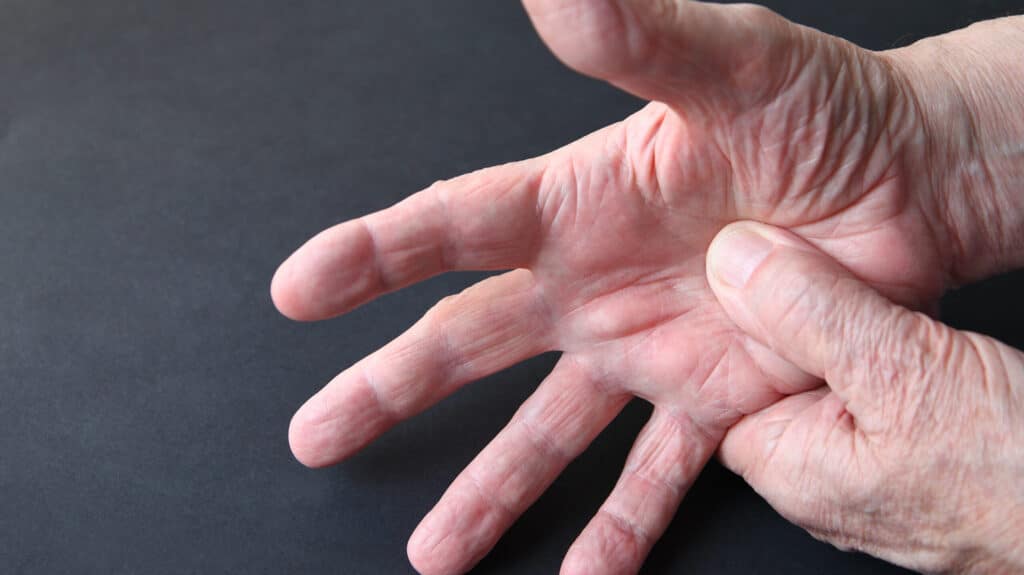
Understanding Paresthesia (Pins and Needles)
Most people experience a temporary “pins and needles” sensation at some point, such as after sitting in one position for too long or sleeping on an arm. These brief episodes usually resolve once pressure on the affected nerve is relieved.
However, recurring or persistent paresthesia may indicate an underlying condition affecting the nerves, spine, circulation, or musculoskeletal system. This guide explains common causes, associated conditions, treatment options, and how our Relatyv Neurofunctional Pain Management approach may complement your overall treatment plan.
What Is Paresthesia?
Paresthesia is the medical term for abnormal sensations such as tingling, numbness, burning, or “pins and needles.” These sensations most commonly occur in the hands, feet, arms, or legs but may affect other parts of the body.
Temporary paresthesia is often caused by pressure on a nerve that interrupts normal nerve signaling. When symptoms become chronic, frequent, or progressively worsen, they should be evaluated by a healthcare provider.
Common Symptoms
Paresthesia may occur alongside other symptoms, including:
- Tingling or prickling sensations.
- Numbness.
- Burning sensations.
- Itching.
- A sensation of the skin “crawling.”
- Aching or nerve-related pain.
- Reduced sensation or altered sensitivity to touch.
Conditions Associated with Paresthesia
Peripheral Neuropathy
Peripheral neuropathy occurs when nerves outside the brain and spinal cord become damaged. Common causes include diabetes, vitamin deficiencies, certain medications, alcohol use, and other medical conditions. Symptoms often begin in the feet or hands before gradually progressing.
Nerve Compression
Compressed or pinched nerves may result from herniated discs, spinal stenosis, bone spurs, carpal tunnel syndrome, injuries, poor posture, or repetitive movements.
Poor Circulation
Reduced blood flow caused by vascular disease, diabetes, blood clots, smoking, or prolonged pressure on a limb may contribute to numbness and tingling.
Multiple Sclerosis (MS)
Multiple sclerosis is a neurological condition that damages the protective covering surrounding nerve fibers. Tingling, numbness, and altered sensation are common early symptoms.
Fibromyalgia
Fibromyalgia may cause widespread pain along with tingling, numbness, fatigue, sleep disturbances, and cognitive symptoms.
Sciatica
Sciatica occurs when the sciatic nerve becomes irritated or compressed. Symptoms often include pain, tingling, numbness, or burning sensations that travel from the lower back into the buttock, leg, or foot.
Raynaud’s Phenomenon
Raynaud’s phenomenon causes temporary narrowing of blood vessels, usually in response to cold temperatures or stress, leading to numbness, tingling, color changes, and discomfort in the fingers or toes.
Why Do Damaged Nerves Cause Pins and Needles?
The nervous system carries sensory information between the body and the brain. When nerves become compressed, irritated, inflamed, or damaged, normal communication is disrupted, producing abnormal sensations such as tingling, numbness, burning, or altered sensitivity.
Depending on the underlying condition, symptoms may remain localized or gradually spread to additional areas over time.
When Should You Seek Medical Care?
You should seek medical evaluation if your symptoms:
- Occur frequently or become progressively worse.
- Last for weeks or months.
- Interfere with daily activities.
- Are accompanied by weakness or reduced range of motion.
- Occur with persistent pain.
- Are associated with balance problems or difficulty walking.
- Are accompanied by changes in bladder or bowel function.
How Paresthesia Is Diagnosed
Your healthcare provider may recommend:
- Medical history review.
- Physical and neurological examination.
- MRI or CT imaging when nerve compression is suspected.
- Electromyography (EMG) and nerve conduction studies.
- Blood tests to evaluate for diabetes, vitamin deficiencies, autoimmune disorders, or other medical conditions.
- Additional testing based on your symptoms and diagnosis.
Conventional Treatment Options
Treatment depends on the underlying cause of your symptoms.
Physical Therapy
Physical therapy may improve strength, flexibility, posture, and movement patterns while reducing pressure on irritated nerves.
Medications
Depending on the diagnosis, medications such as anti-inflammatory drugs, pain relievers, topical medications, or treatments for underlying medical conditions may be recommended. Your healthcare provider can discuss the potential benefits and risks of these options.
Surgery
When significant nerve compression or structural abnormalities are present, surgery may be considered if conservative treatments are unsuccessful.
Our Relatyv Neurofunctional Pain Management Approach
At Relatyv, our Neurofunctional Pain Management approach combines drug-free, non-invasive therapies designed to help reduce chronic pain, improve function, and support healthy nervous system activity.
Each treatment plan is individualized based on your diagnosis, symptoms, and goals. Care may include electroanalgesia, IV therapy when clinically appropriate, nutritional support, and lifestyle recommendations that complement your existing medical care.
While treatment may help reduce pain and improve function for some individuals, outcomes vary depending on the underlying cause of paresthesia.
Address Persistent Tingling and Numbness Early
Recurring numbness, tingling, or burning sensations should not be ignored. Early evaluation can help identify underlying neurological, musculoskeletal, circulatory, or metabolic conditions and guide the most appropriate treatment plan.
At Relatyv, we provide personalized, non-invasive care designed to help reduce chronic pain and improve function. Our Neurofunctional Pain Management approach may complement your existing medical care while supporting your overall mobility and quality of life.