

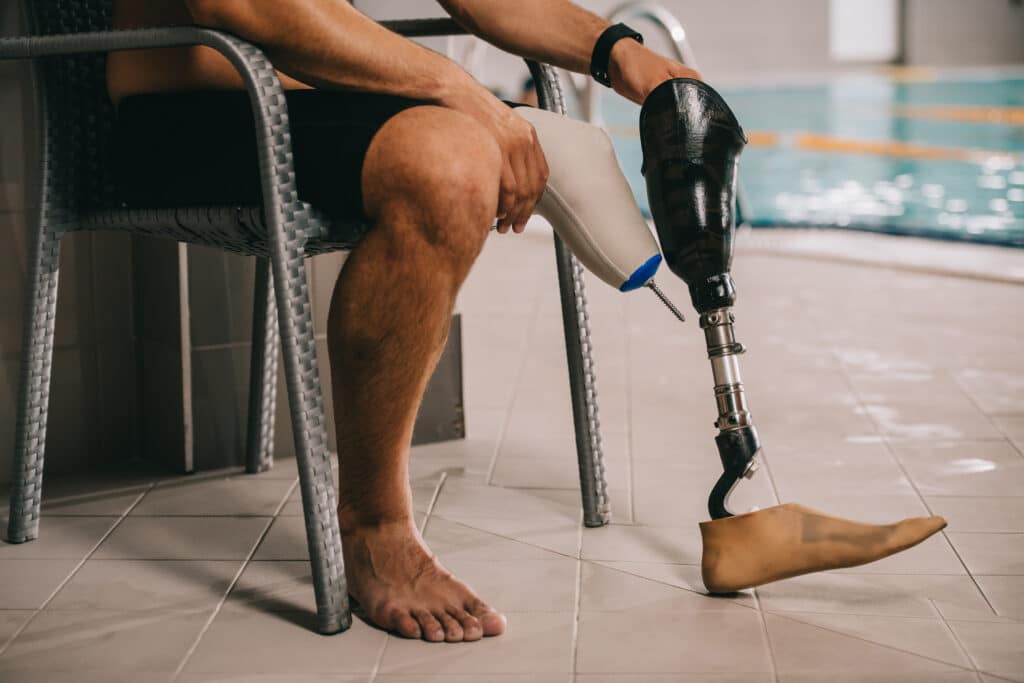
Dealing with chronic pain, or discomfort in general, can be incredibly challenging. Even mild to moderate pain can affect your quality of life if it’s chronic. However, if you know the cause, then at least you can start managing it better. But what if you don’t know the cause of the pain? Even more confusing — what if you’re experiencing pain in a limb of your body that’s no longer there? This is exactly the case when it comes to phantom pain.
Phantom pain is a condition that affects upwards of 80 percent of all amputees and can be incredibly frustrating to deal with because the limb or body part is no longer there. Although phantom pain can go away on its own, it can also become chronic. Fortunately, there are ways that you can treat and manage phantom pain.
What Is Phantom Pain?
Phantom pain is a type of chronic pain that occurs when an amputated part of the body is still sending signals to the brain that it is there. As you can imagine, feeling such pain can be incredibly aggravating. Not only do you have to deal with the experience of feeling the pain, but the fact that the body part is no longer there can also result in mental distress. The following are some of the specific symptoms that patients with phantom pain often experience:
Symptoms
Phantom pain tends to occur in a continuous cycle. However, certain outside factors are known to contribute to the pain as well. For example, stress or even a change in temperature can bring on phantom pain in the amputated limb. With that in mind, the following are some of the common symptoms of phantom pain:
Pain And Discomfort In The Missing Limb Or Body Part: The main symptom of phantom pain is a sensation of pain or discomfort in the missing limb or body part. This can range from mild to extreme and typically occurs right after the amputation surgery.
Tingling, Burning, Or Stabbing Sensations: These types of pain tend to occur in the distal parts of the missing limb, such as fingers or toes. They are also the types of sensations that are generally linked with neuropathic pain.
Itching Or Other Abnormal Sensations: Patients with phantom pain may also experience sensations such as itching in the absent limb or a feeling of coldness.
Causes Of Phantom Limb Pain
The exact cause of phantom pain is still unknown, but doctors have identified a few factors that may contribute to the condition. These include:
- Amputation: The nerves…
- Physical Trauma: Trauma at the amputation site can also cause phantom pain. This is because when physical trauma occurs, it can disrupt the nerves and scar tissue that has formed around the wound. As a result, your brain may interpret the signals as pain or discomfort in the missing limb.
- Neurological Disorders: Phantom pain is a neuropathic condition, so certain neurological disorders can also contribute to phantom pain. For example, if you are an amputee with a pre-existing neurological disorder, you may likely be more prone to experiencing phantom limb pain.
Diagnosis And Evaluation
You might think that a diagnosis would be clear-cut if you are an amputee and you’re experiencing symptoms of phantom pain in the limb that was amputated. However, this is not always the case. For example, you may feel pain at the amputation site due to nerve trauma, a poorly fit prosthesis, or other physical issues. Therefore, it is crucial to be evaluated by a doctor to determine the root cause of the pain and how it should be managed.
To diagnose phantom limb pain, doctors typically conduct the following:
- Medical History And Physical Examination: The Doctor will conduct a physical examination…
- Imaging Tests: The doctor may order imaging tests such as an X-ray or MRI…
- Neuropsychological Testing: These tests help doctors measure how the brain responds…
Phantom Pain Treatments Options
When it comes to the conventional treatment of phantom pain, the following are some of the common approaches:
- Medications: Doctors often prescribe medications…
Non-pharmacological Approaches: Some doctors may recommend non-invasive treatments that can help reduce phantom pain by attempting to target the physical and mental source of discomfort. The following are a few examples of such approaches:
- Physical Therapy: Physical therapy may involve gentle stretching and massage…
- Mirror Therapy: Mirror therapy tricks your brain…
- Cognitive Behavioral Therapy: Cognitive behavioral therapy (CBT)…
- Physiotherapy: Physiotherapy and occupational therapy…
- Surgical Interventions: If the above treatments…
How To Cope Up And Manage Phantom Pain
Despite being called “phantom pain,” it’s anything but an illusion…
The following are some tips on how to cope with and manage phantom pain:
- Creating A Support System: A support system is essential…
- Practicing Mind-Body Techniques: Mind-body techniques like meditation…
- Cognitive Behavioral Therapy (CBT): CBT is a form of psychotherapy…
Achieve Long-Term Relief From Phantom Limb Pain
Living with phantom limb pain can be a challenging experience. But, with the right treatment and coping strategies, you can reduce your pain and improve your quality of life. We employ a Relatyv Neurofunctional Pain Management treatment plan consisting of a whole-person, non-opioid, non-chiropractic, non-invasive approach to reducing pain.
This involves a combination of FDA-cleared electroanalgesia treatment, IV therapy, and lifestyle counseling tailored to your individual needs. We also provide emotional support and guidance to help you manage your condition and live a more fulfilling life. Contact us today for more information about how we can help you achieve relief from phantom limb pain.