

Understanding Interstitial Cystitis (IC)
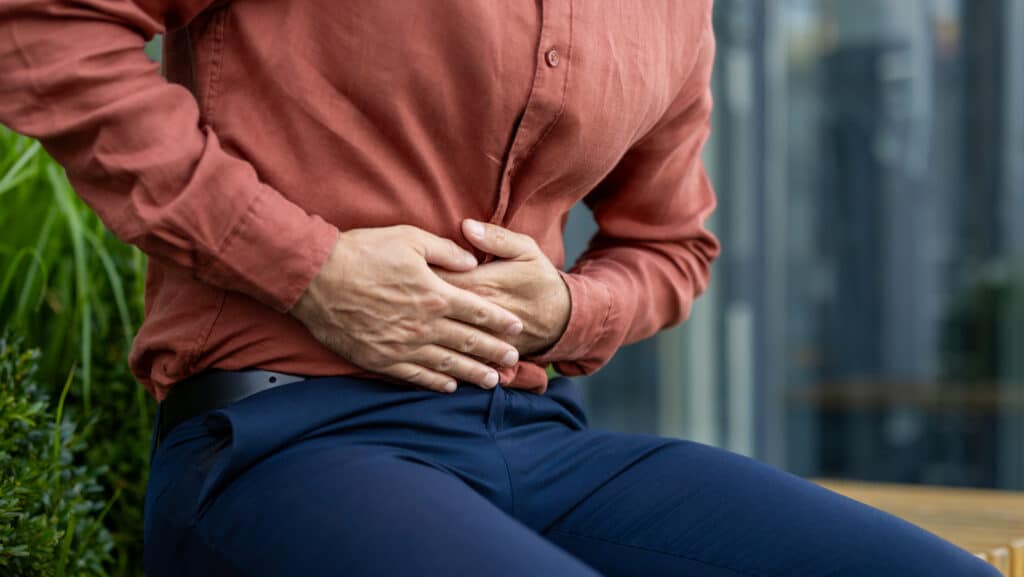
Interstitial cystitis (IC), also known as painful bladder syndrome, is a chronic condition that affects the bladder and causes persistent pelvic pain, pressure, and urinary symptoms. These symptoms can interfere with daily activities, work, sleep, relationships, and overall quality of life.
This guide explains the anatomy of the bladder, the causes and symptoms of IC, how it’s diagnosed, and the treatment options that may help manage discomfort. We’ll also discuss how our Relatyv Neurofunctional Pain Management approach may complement your overall treatment plan.
Understanding the Urinary System
The urinary system consists of four primary structures:
- Kidneys
- Ureters
- Bladder
- Urethra
The kidneys filter waste products and excess fluid from the bloodstream to produce urine. Urine travels through the ureters into the bladder, where it is stored until it is released through the urethra.
The bladder is a muscular organ located in the lower abdomen. As it fills, nerves within the bladder communicate with the brain to signal when it’s time to urinate. A healthy bladder typically stores approximately 400–600 milliliters of urine before emptying.
In addition to removing waste, the urinary system helps regulate fluid balance, electrolyte levels, blood pressure, and red blood cell production.
Conditions such as interstitial cystitis can disrupt normal bladder function and lead to ongoing pain and urinary symptoms.
What Is Interstitial Cystitis?
Interstitial cystitis (IC) is a chronic bladder pain condition characterized by persistent bladder discomfort lasting six weeks or longer without an identifiable infection or other obvious cause. It is also commonly referred to as painful bladder syndrome.
Although the exact cause remains unknown, IC is thought to involve irritation of the bladder lining, altered nerve signaling, inflammation, and dysfunction of the bladder wall. Over time, these changes may reduce bladder capacity and contribute to chronic pelvic pain and urinary urgency.
Symptoms of Interstitial Cystitis
Symptoms vary from person to person and may fluctuate over time. Some individuals experience occasional flare-ups, while others have persistent symptoms.
Pelvic Pain and Pressure
Persistent pain or pressure in the bladder, lower abdomen, pelvis, or perineum is one of the hallmark symptoms of IC. Symptoms often worsen as the bladder fills and improve after urination.
Urinary Urgency and Frequency
People with IC often feel a frequent or urgent need to urinate, even when the bladder contains very little urine. Changes in bladder sensitivity and reduced bladder capacity may contribute to these symptoms.
Urinary Incontinence
Although less common, some individuals experience urinary leakage, particularly during periods of increased urgency.
Pain During Intimacy
Pelvic pain and muscle tension associated with IC can make sexual activity uncomfortable or painful for some individuals.
Possible Causes of Interstitial Cystitis
The exact cause of IC remains unknown, but researchers believe several factors may contribute to its development.
Bladder Lining Dysfunction
Damage to the protective lining of the bladder may allow substances in the urine to irritate the bladder wall, leading to pain, inflammation, and increased sensitivity.
Pelvic Floor Dysfunction
Tight or dysfunctional pelvic floor muscles may contribute to pelvic pain, urinary urgency, and bladder symptoms. Pelvic floor physical therapy is often included in treatment plans.
Autoimmune Conditions
Some studies have identified an association between IC and autoimmune disorders such as fibromyalgia, irritable bowel syndrome (IBS), and chronic fatigue syndrome. While the relationship is not fully understood, immune system dysfunction may play a role in some individuals.
Nerve Dysfunction
Changes in how nerves communicate between the bladder, spinal cord, and brain may contribute to heightened pain sensitivity and abnormal bladder signaling.
How Interstitial Cystitis Can Affect Daily Life
Living with IC often extends beyond physical discomfort. Persistent symptoms may affect many aspects of daily life.
Physical Limitations
Chronic pain, urinary urgency, and frequent bathroom visits can make exercise, travel, work, and social activities more challenging.
Emotional Well-Being
Managing ongoing symptoms may contribute to increased stress, anxiety, depression, and reduced quality of life.
Work and Productivity
Frequent interruptions, pain flare-ups, and fatigue may affect concentration, attendance, and productivity in the workplace.
How Is Interstitial Cystitis Diagnosed?
Because there is no single test that confirms IC, diagnosis typically involves ruling out other possible causes of symptoms.
Your healthcare provider may recommend:
- Medical history review
- Physical examination
- Urine and blood testing
- Urodynamic testing
- Cystoscopy
- Ultrasound or MRI when appropriate
An accurate diagnosis helps guide the most appropriate treatment plan.
Conventional Treatment Options
Treatment for interstitial cystitis is highly individualized. Most treatment plans combine multiple approaches to help manage symptoms.
Medications
- Tricyclic antidepressants may help reduce pain and bladder sensitivity.
- Antihistamines may reduce bladder irritation in some patients.
- Pain relievers, including NSAIDs or acetaminophen, may help manage discomfort. Prescription medications may be considered for more severe symptoms.
Because medications affect everyone differently, treatment decisions should be made with your healthcare provider after discussing potential benefits and risks.
Complementary Therapies
Some individuals benefit from combining medical treatment with complementary therapies.
Bladder Training
Structured bladder training programs can help improve bladder capacity and reduce urinary urgency over time.
Pelvic Floor Therapy
Trigger point therapy and pelvic floor physical therapy may help reduce muscle tension and improve pelvic pain.
Bladder Instillation
Bladder instillation introduces medication directly into the bladder through a catheter to help reduce irritation and improve symptoms in some patients.
Our Relatyv Neurofunctional Pain Management Approach for Interstitial Cystitis
At Relatyv, our Neurofunctional Pain Management approach combines drug-free, non-invasive therapies designed to help reduce pain, improve function, and support overall nervous system health.
Treatment plans are personalized and may include electroanalgesia, IV therapy when clinically appropriate, nutritional support, and lifestyle recommendations. Our goal is to complement your overall treatment plan while helping improve comfort and daily function.
Find Relief from Interstitial Cystitis Symptoms
Living with interstitial cystitis can be physically and emotionally challenging, but effective management strategies are available.
At Relatyv, we provide personalized, non-invasive care designed to help reduce pain, improve bladder comfort, and support long-term quality of life. If you’re looking for additional options to complement your current treatment plan, our Neurofunctional Pain Management approach may help you better manage chronic symptoms and return to the activities that matter most.