

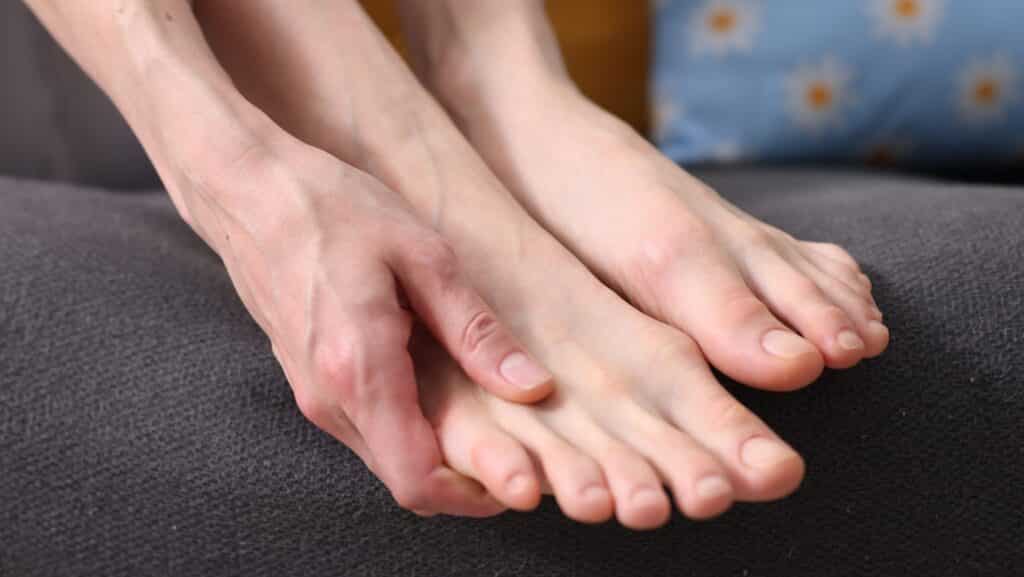
Understanding Tingling in the Hands and Feet (Paresthesia)
Paresthesia is the medical term for tingling, prickling, burning, or numbness that most commonly affects the hands and feet. While these sensations are often temporary, persistent or recurring tingling may indicate an underlying condition affecting the nerves, circulation, or musculoskeletal system.
This guide explains common causes of tingling sensations, treatment options, and how our Relatyv Neurofunctional Pain Management approach may complement your overall treatment plan.
What Does Paresthesia Feel Like?
Tingling sensations vary from person to person and may include:
- Pins-and-needles sensations.
- Burning or prickling feelings.
- Numbness or reduced sensation.
- Itching or a crawling sensation on the skin.
- Shooting or electric-like pain.
- Muscle weakness in the affected area.
Symptoms may occur on one side or both sides of the body and can affect the hands, feet, arms, legs, fingers, toes, face, or scalp.
Common Causes of Tingling in the Hands and Feet
Prolonged Pressure or Poor Circulation
Sitting, standing, or remaining in one position for extended periods can temporarily compress nerves or reduce circulation, leading to tingling sensations.
Nerve Injury or Compression
Pressure on a nerve from repetitive movements, injury, or inflammation may cause tingling, numbness, or weakness.
Vitamin Deficiencies
Low levels of nutrients such as vitamin B12 and other essential vitamins may affect nerve function and contribute to paresthesia.
Certain Medications
Some medications, including certain chemotherapy drugs and other prescription medications, may cause tingling as a side effect.
Alcohol or Toxin Exposure
Excessive alcohol use and exposure to certain toxins may damage peripheral nerves and contribute to numbness or tingling.
Medical Conditions Associated with Tingling Sensations
Peripheral Neuropathy
Peripheral neuropathy involves damage to the nerves outside the brain and spinal cord and commonly causes tingling, numbness, burning pain, weakness, and balance problems.
Sciatica
Sciatic nerve compression may cause tingling, numbness, or pain that radiates from the lower back through the leg.
Carpal Tunnel Syndrome
Compression of the median nerve at the wrist may cause tingling, numbness, weakness, and pain in the hand and fingers.
Tarsal Tunnel Syndrome
Compression of the tibial nerve near the ankle may cause tingling, burning, or numbness in the foot.
Diabetes
Diabetes is a common cause of peripheral neuropathy, particularly when blood sugar levels remain elevated over time.
Multiple Sclerosis (MS)
Multiple sclerosis can affect the brain and spinal cord, leading to numbness, tingling, weakness, vision changes, and balance difficulties.
Radiculopathy
Compression of spinal nerve roots from conditions such as a herniated disc may produce tingling, numbness, pain, or weakness along the affected nerve.
Restless Legs Syndrome
Restless legs syndrome may cause uncomfortable sensations in the legs accompanied by a strong urge to move them, particularly at night.
When Should You Seek Medical Care?
You should seek medical evaluation if tingling sensations:
- Persist or continue to worsen.
- Are accompanied by muscle weakness.
- Occur with numbness that affects daily activities.
- Interfere with walking, balance, or hand function.
- Occur without an obvious cause.
Seek emergency medical attention immediately if tingling develops suddenly along with weakness on one side of the body, difficulty speaking, vision changes, loss of coordination, severe headache, chest pain, or difficulty breathing, as these may indicate a medical emergency.
How Tingling Is Diagnosed
Your healthcare provider may recommend:
- Medical history review.
- Physical and neurological examination.
- Blood tests to evaluate vitamin deficiencies, diabetes, or other medical conditions.
- Nerve conduction studies or electromyography (EMG).
- MRI or other imaging studies when nerve compression or spinal disorders are suspected.
Conventional Treatment Options
Treatment depends on the underlying cause of the tingling sensations.
Lifestyle Changes
Improving nutrition, increasing physical activity, correcting vitamin deficiencies, and avoiding activities that compress nerves may help reduce symptoms for some individuals.
Physical or Occupational Therapy
Therapy may improve strength, flexibility, posture, and nerve mobility while helping reduce symptoms related to certain nerve or musculoskeletal conditions.
Medications
Your healthcare provider may recommend medications to help manage nerve pain or treat the underlying medical condition. The benefits and potential risks should be discussed based on your diagnosis.
Nerve Injections
For select patients with persistent symptoms, injections may be considered when conservative treatments have not provided sufficient relief.
Electrical Stimulation
Transcutaneous electrical nerve stimulation (TENS) may provide temporary symptom relief for some individuals with chronic pain or nerve-related discomfort.
Our Relatyv Neurofunctional Pain Management Approach
At Relatyv, our Neurofunctional Pain Management approach combines drug-free, non-invasive therapies designed to help reduce chronic pain, improve function, and support healthy nervous system activity.
Each treatment plan is individualized based on your diagnosis, symptoms, and goals. Care may include electroanalgesia, IV therapy when clinically appropriate, nutritional support, and lifestyle recommendations that complement your existing medical care.
While treatment may help reduce pain and improve function for some individuals, outcomes vary depending on the underlying cause of the tingling sensations.
Supporting Healthy Nerve Function
You may be able to reduce your risk of nerve-related symptoms by:
- Maintaining good blood sugar control if you have diabetes.
- Eating a balanced diet with adequate vitamins and nutrients.
- Staying physically active.
- Avoiding prolonged pressure on the hands or feet.
- Limiting alcohol consumption and avoiding tobacco products.
Find Relief from Tingling and Numbness
Persistent tingling or numbness should not be ignored, particularly if it affects your strength, coordination, or daily activities. Identifying the underlying cause is an important first step toward appropriate treatment.
At Relatyv, we provide personalized, non-invasive care designed to help reduce chronic pain and improve function. Our Neurofunctional Pain Management approach may complement your existing treatment plan while supporting improved comfort and quality of life.